For more information about senior living options: (866) 208-4318
3.2 from 227 reviews
5 stars
100
4 stars
28
3 stars
8
2 stars
9
1 stars
82
The Villages at Southern Hills Costs & Pricing
At The Villages at Southern Hills, the monthly costs for various room types reflect a competitive pricing strategy within the context of both Tulsa County and the wider state of Oklahoma. A studio apartment is priced at $3,085, which is notably lower than the county average of $3,593 and the state average of $3,629, positioning it as an attractive option for budget-conscious individuals. Similarly, the cost for a one-bedroom unit at $4,011 is slightly above Tulsa County's average of $3,600 but remains just above the state average of $3,565. This nuanced pricing indicates that while certain offerings might be higher than local norms for larger accommodations, The Villages at Southern Hills generally provides a cost-effective choice in comparison to surrounding alternatives.
Floor plans
The Villages at Southern Hills
Tulsa County
Oklahoma
Studio
$3,085
$3,593
$3,629
1 Bedroom
$4,011
$3,600
$3,565
Skilled Nursing Facilities with a similar price nearby
Many residents and families describe staff who are kind and attentive to care needs.
A large share of reviewers praise the people who work there for being caring, responsive, and focused on comfort and recovery. Multiple comments specifically call out nurses, aides, and therapists as helpful, patient, and supportive during rehab and short-term stays. At the same time, other reviews describe rude or neglectful behavior from some staff members, especially when help was requested.
caveat34 reviews mention this
Response times draw criticism
Several reviewers say help requests can take too long, leaving residents waiting in discomfort.
Some residents and families report long waits for assistance after using call buttons, including delays for pain medication and help with toileting or changing. A few reviews also mention nurses aides or nurses not arriving promptly, with some saying medication delivery was late or incomplete. Others say wait times were shorter when enough staffing was available, but responsiveness was still a recurring concern.
common28 reviews mention this
Therapy support is repeatedly praised
Reviewers often credit therapy teams for helping recovery and day-to-day mobility.
Many reviews highlight physical and occupational therapy as a major reason they felt they improved, mentioning encouragement, individualized goals, and progress over the course of treatment. Several also describe speech therapy as part of their care. Still, a smaller number of reviewers say therapy time was not consistent with expectations or that progress suffered when care was not delivered as needed.
caveat24 reviews mention this
Dining is split between praise and misses
Food quality and dining service receive both positive and negative feedback from reviewers.
Some reviewers describe meals as excellent, home-cooked, and restaurant-like, with people saying the dining experience felt more pleasant than a typical facility. Others report food being cold, not matching special needs, or not arriving in a timely way. While the community offers restaurant-style dining and meal service options in its program, the reviews show the experience varies from person to person.
caveat18 reviews mention this
Safety and cleanliness concerns appear
A recurring set of reviews raises concerns about safety and basic care consistency.
Alongside positive cleanliness comments, other reviewers describe safety problems tied to falls, medication issues, and situations where help or monitoring didnā€™t happen as expected. Some reviews mention missed or delayed care during emergencies, while others describe repeated neglect-related incidents. A few also cite cleanliness problems such as pests and filthy rooms, even though other reviewers say the facility was clean and well maintained.
How we summarize
Counts show how many written reviews mention each theme; a review can touch several themes, and only frequently mentioned themes are displayed.
Features
Housing
110 resident community capacity
1-bedroom apartments
Studio apartments
Types of Care
Assisted Living
Continuing Care Retirement Community (CCRC)
Skilled Nursing Facility
Pets
Cats allowed
Dogs allowed
Amenities
Activities off-site
Activities on-site
Air-conditioning
Beautician on-site
Beauty salon
Cable or satellite TV
Computer center
Devotional services off-site
Devotional services on-site
Dining room
Fitness room
Fully furnished
Gaming room
Garden
Housekeeping services
Indoor common areas
Kitchenette
Move-in coordination
Outdoor common areas
Outdoor space
Overnight guests
Private bathrooms
Respite or short term stays offered
Restaurant-style dining
Small library
Telephone
Wellness center
Wheelchair accessible showers
Wi-Fi/high-speed internet available
Transportation
Tulsa International (9 miles away)
Community operated transportation
Transportation & parking
Transportation arrangement
Transportation arrangement (non-medical)
Transportation to doctors appointments
Care Services
12-16 hour nursing
24-hour call system
24-hour supervision
Activities of daily living assistance
Ambulatory care
Assistance with bathing
Assistance with dressing
Assistance with transfers
Diabetes diet
Diabetic care
High acuity care
Incontinence care
Meal preparation and service
Medication management
Mental wellness program
Physical therapy
Special dietary restrictions
Dining
Diabetes diet
Meals provided
Special dietary restrictions
Vegetarian
Activities
Activities off-site
Activities on-site
Community-sponsored activities
Concierge services
Devotional activities offsite
Devotional activities on-site
Fitness programs
Planned day trips
Religious services
Resident-run activities
Scheduled daily activities
Languages Spoken
English
Nearby Places of Interest
This part of Tulsa, Oklahoma offers a variety of amenities suitable for senior living. With several physicians and healthcare facilities nearby such as Osteo Strong, Family Care of Tulsa, and St John Medical Center, seniors can easily access medical care. There are also pharmacies like CVS and Walgreens within close proximity for medication needs. In terms of dining options, there are restaurants like Casa Del Tequila, Hideaway Pizza, and Charleston's Restaurant offering a range of cuisine choices. For recreation, parks such as Riverparks and the Gathering Place provide opportunities for outdoor activities. Additionally, the area is serviced by transportation facilities like Christiansen Aviation and Richard Lloyd Jones Jr Airport. Overall, this part of Tulsa provides a convenient and diverse environment for senior residents.
Physicians
Osteo Strong (0.2 miles)
Family Care of Tulsa (1.4 miles)
Tulsa Endoscopy Center (1.7 miles)
Oklahoma Men's Clinic (1.7 miles)
Ranch Acres Audiology (1.8 miles)
Warren Clinic-Springer Building (1.9 miles)
Beatty John Saint John Clinic Family Medical Care Tulsa (1.9 miles)
At The Villages at Southern Hills, the monthly costs for various room types reflect a competitive pricing strategy within the context of both Tulsa County and the wider state of Oklahoma. A studio apartment is priced at $3,085, which is notably lower than the county average of $3,593 and the state average of $3,629, positioning it as an attractive option for budget-conscious individuals. Similarly, the cost for a one-bedroom unit at $4,011 is slightly above Tulsa County's average of $3,600 but remains just above the state average of $3,565. This nuanced pricing indicates that while certain offerings might be higher than local norms for larger accommodations, The Villages at Southern Hills generally provides a cost-effective choice in comparison to surrounding alternatives.
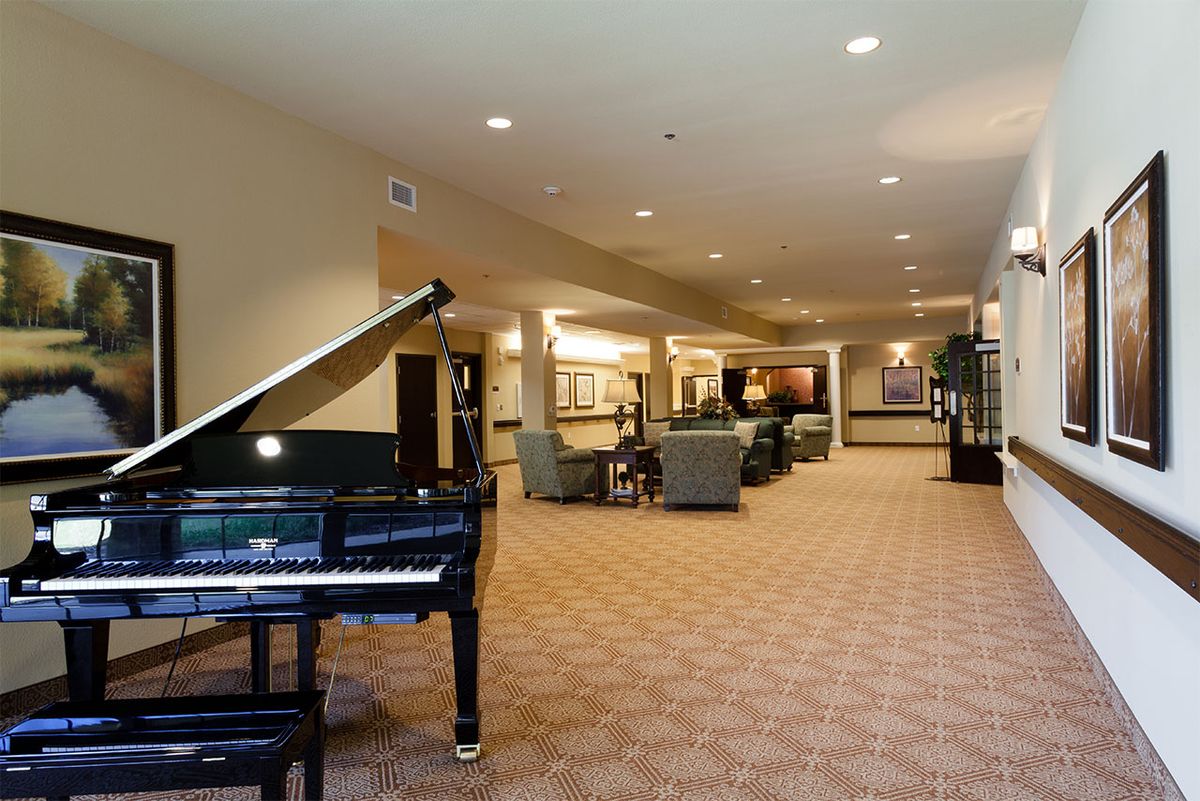
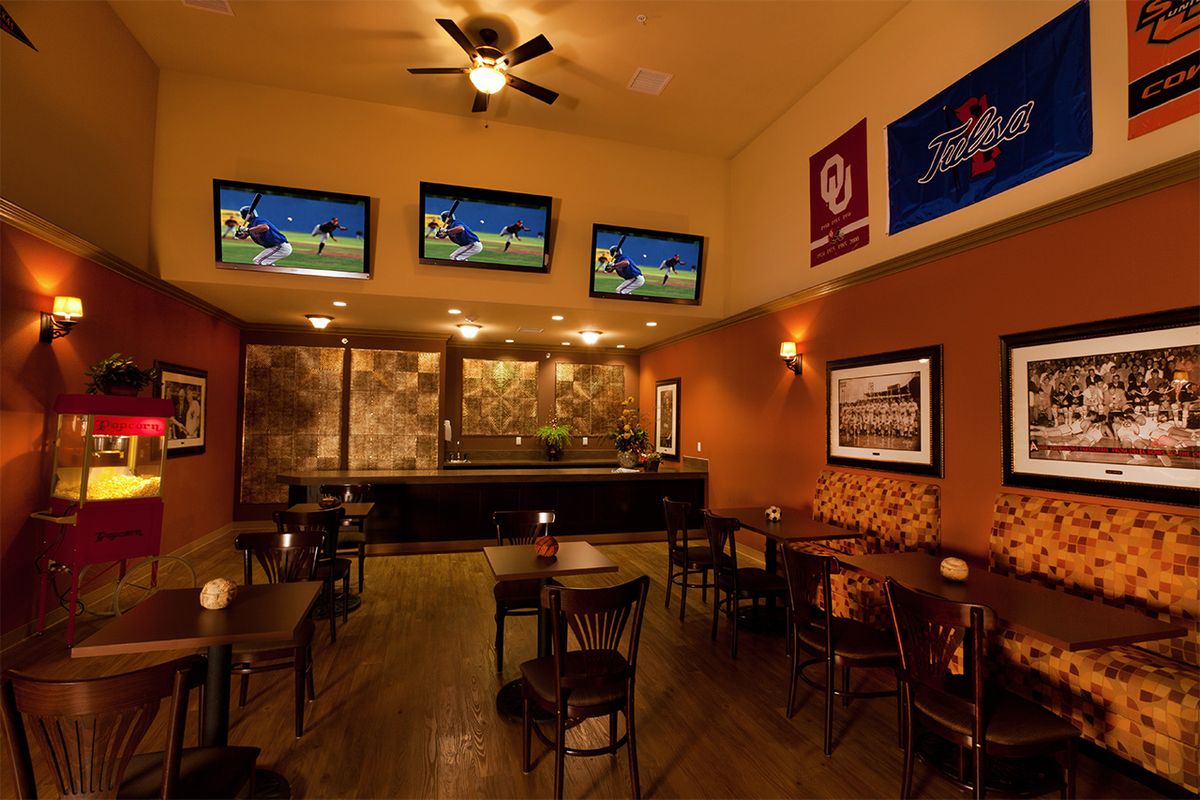
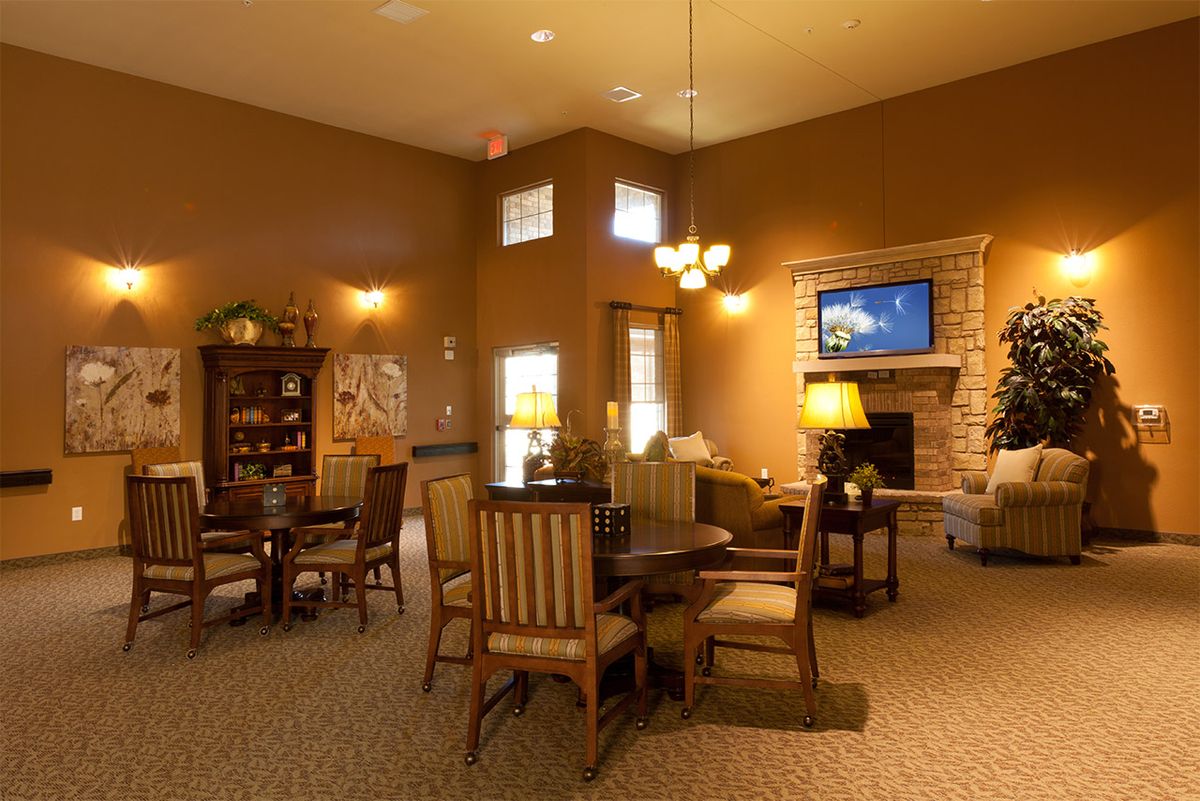
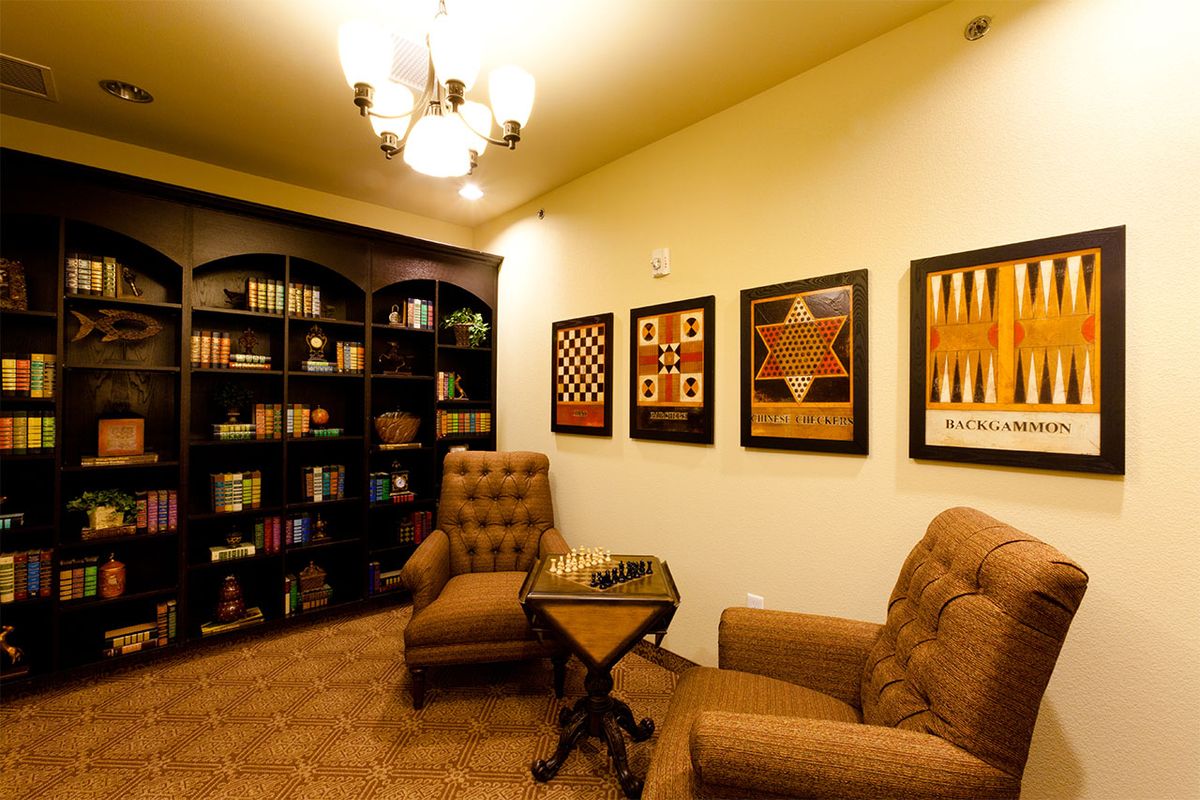
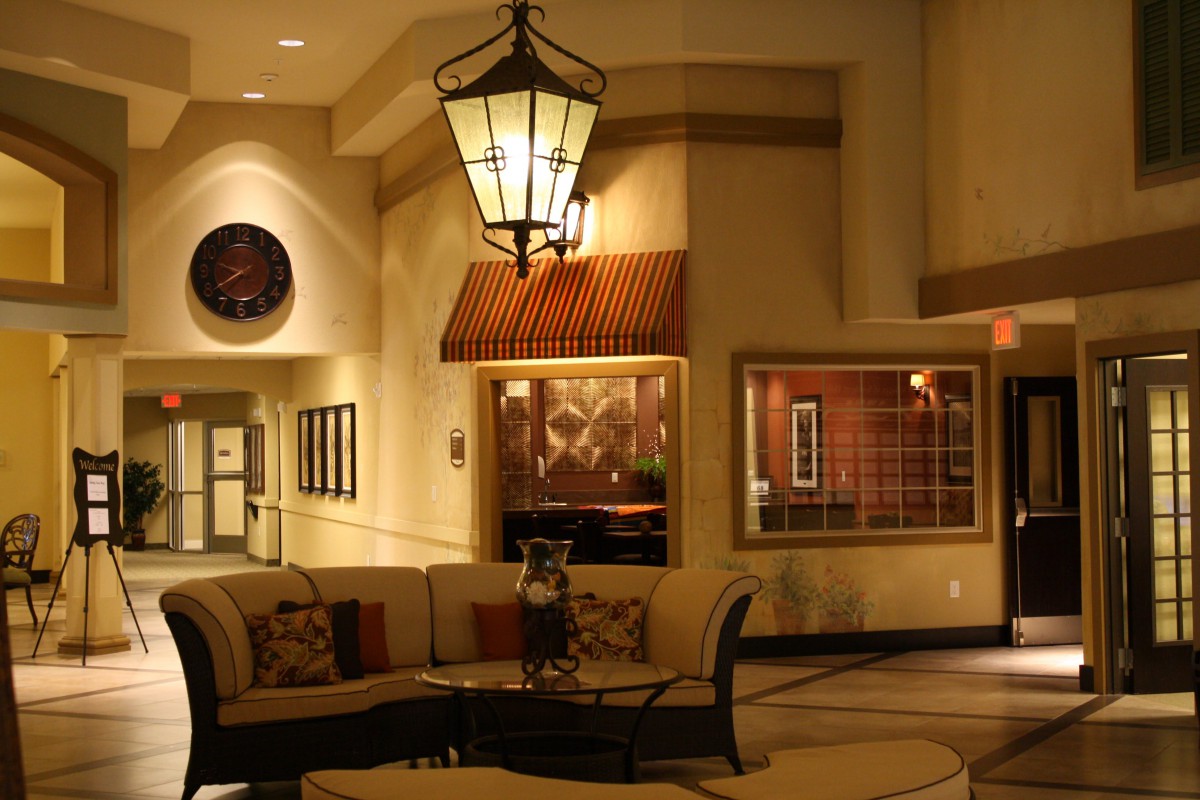
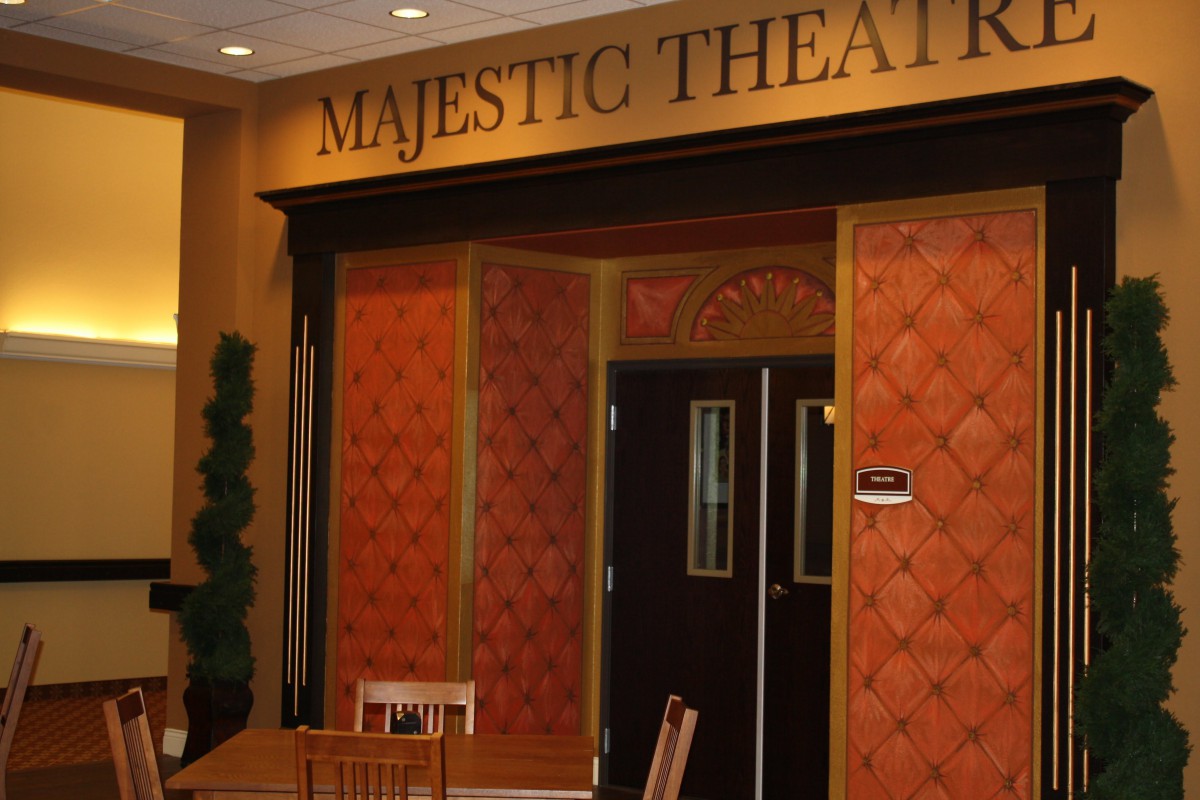
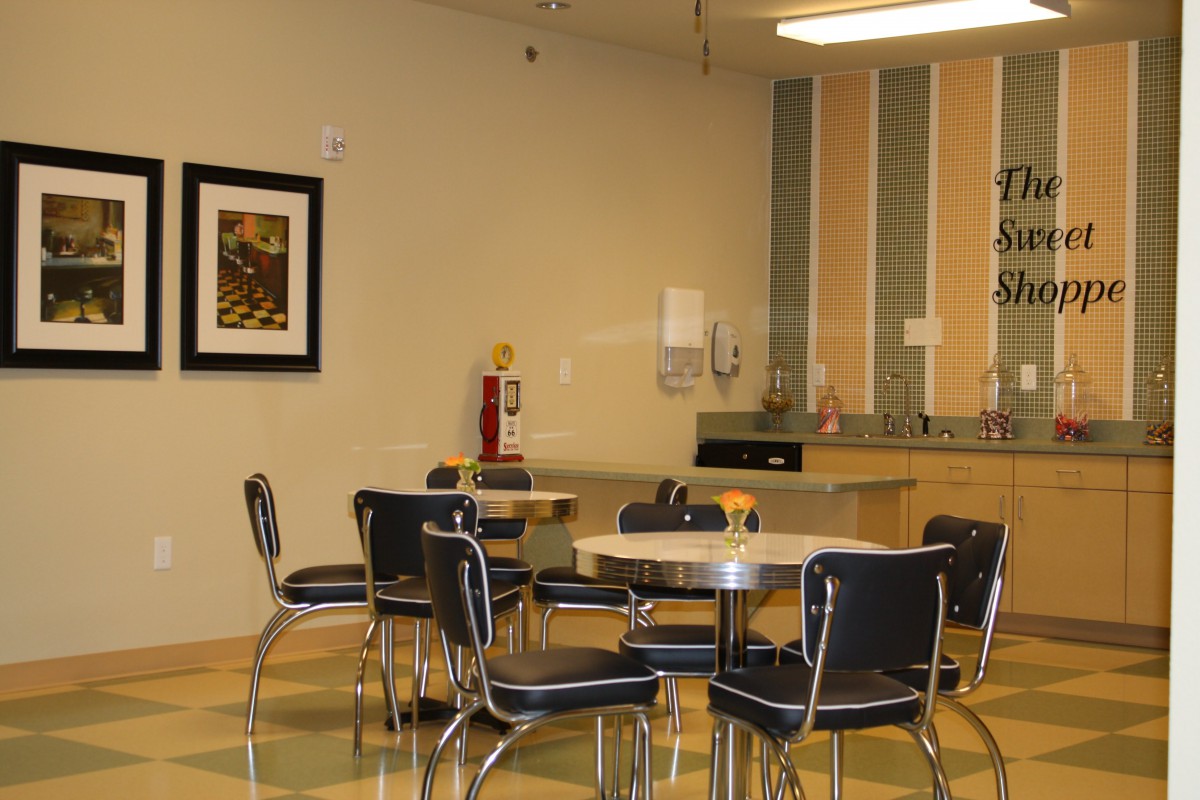
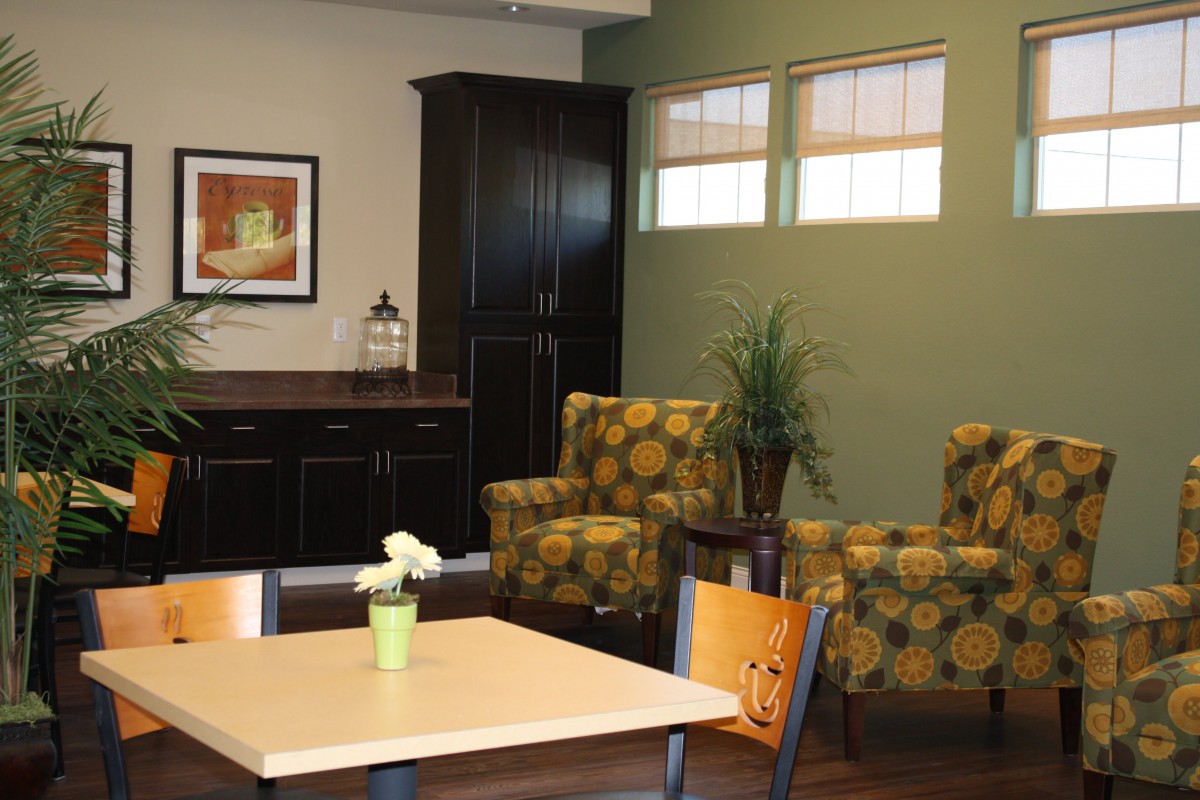
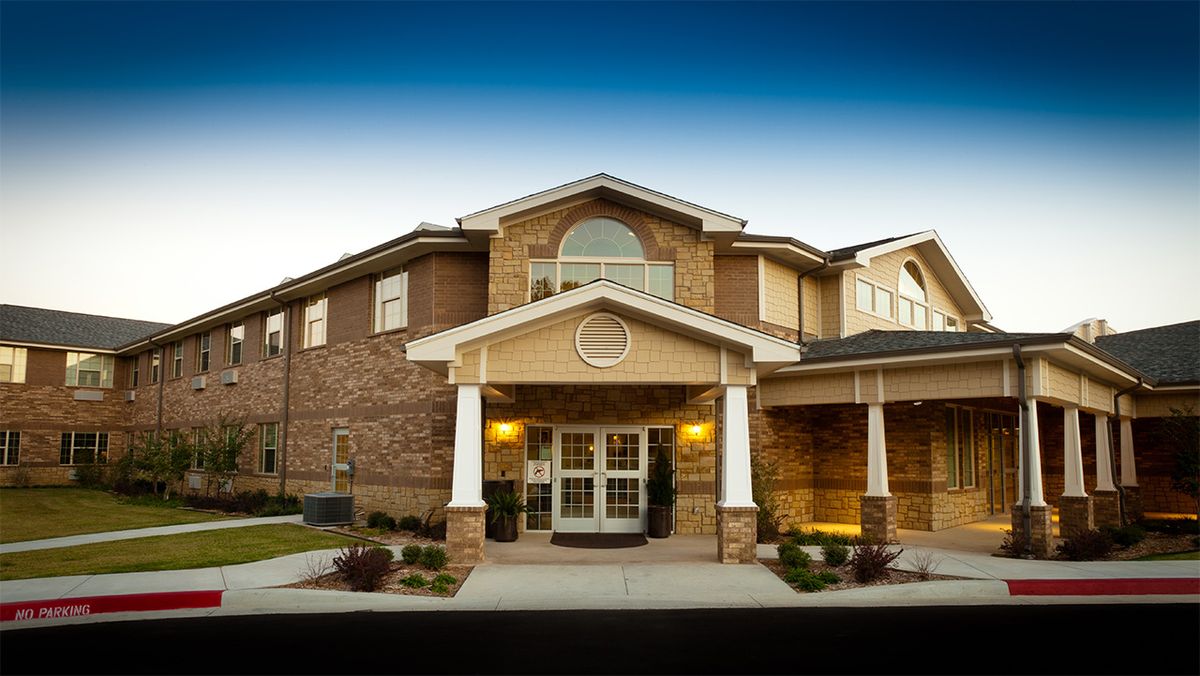
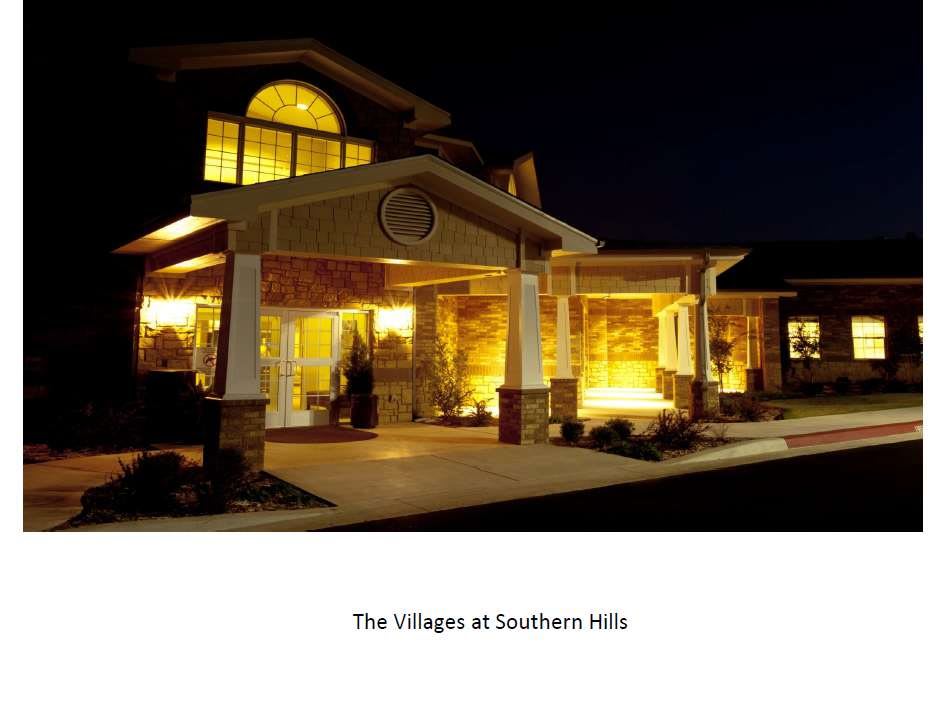
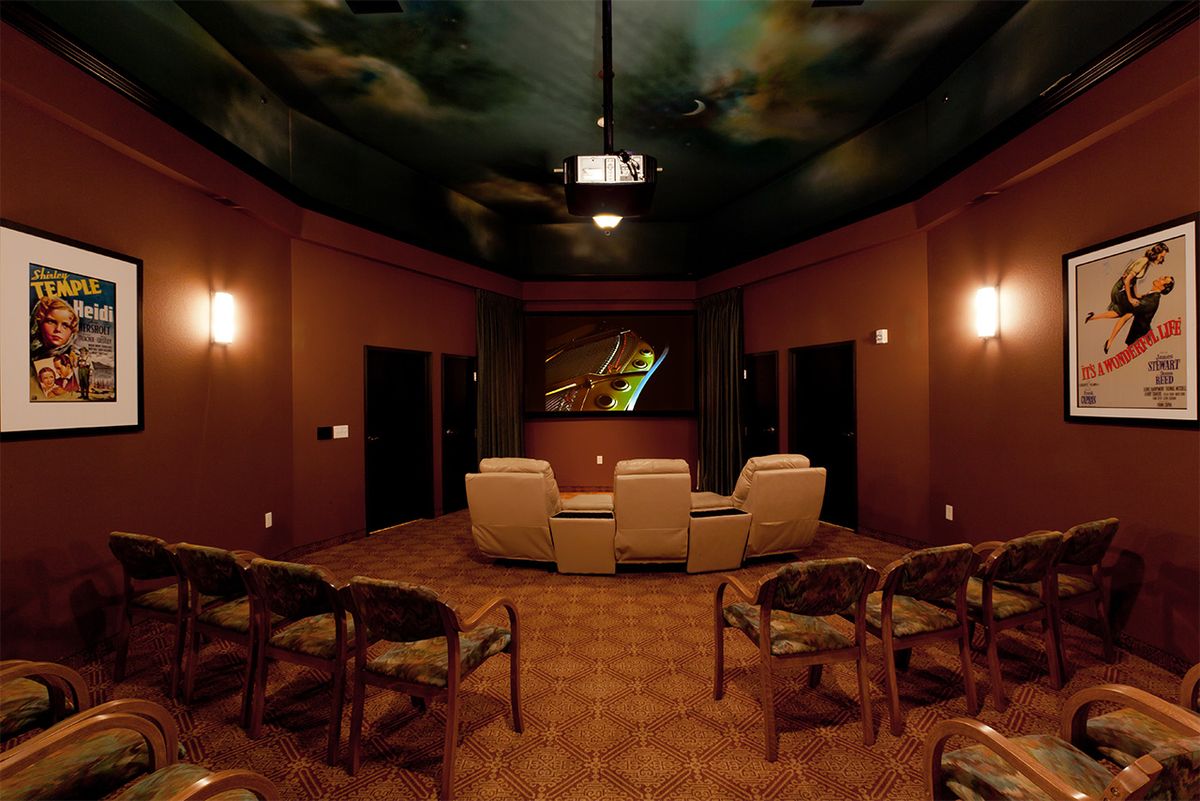
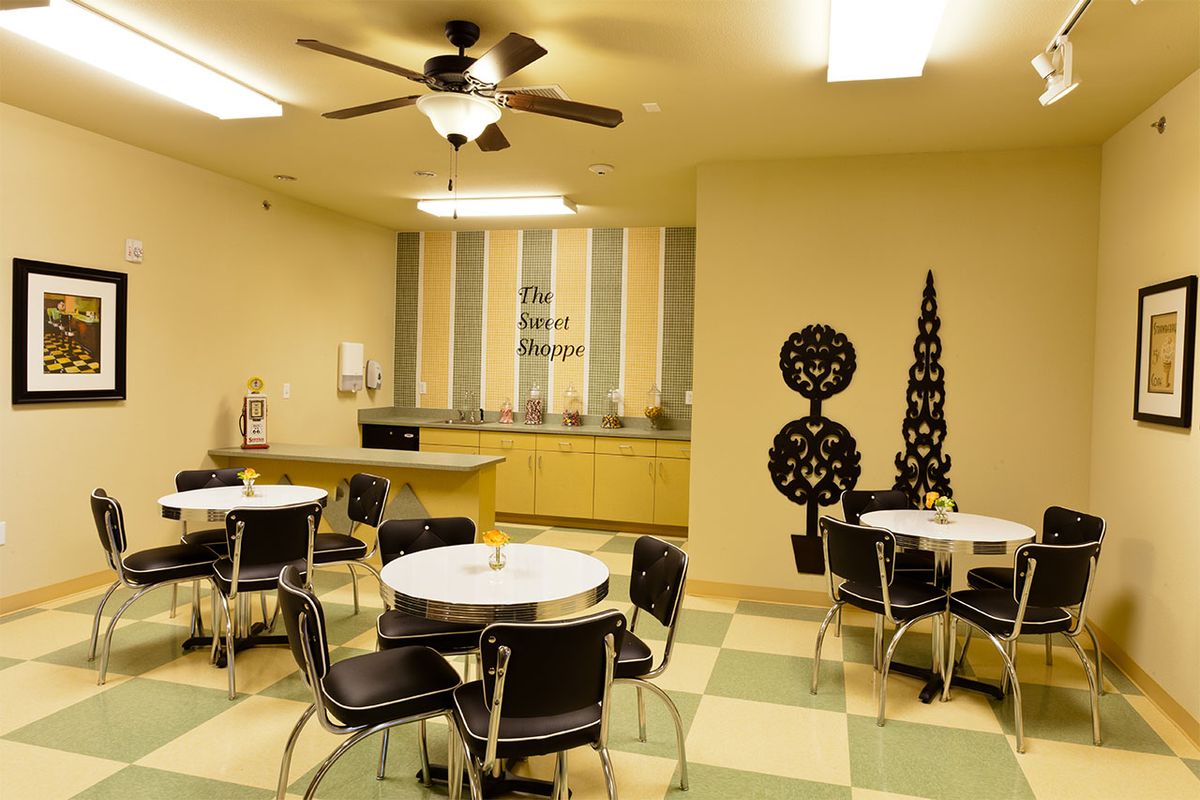
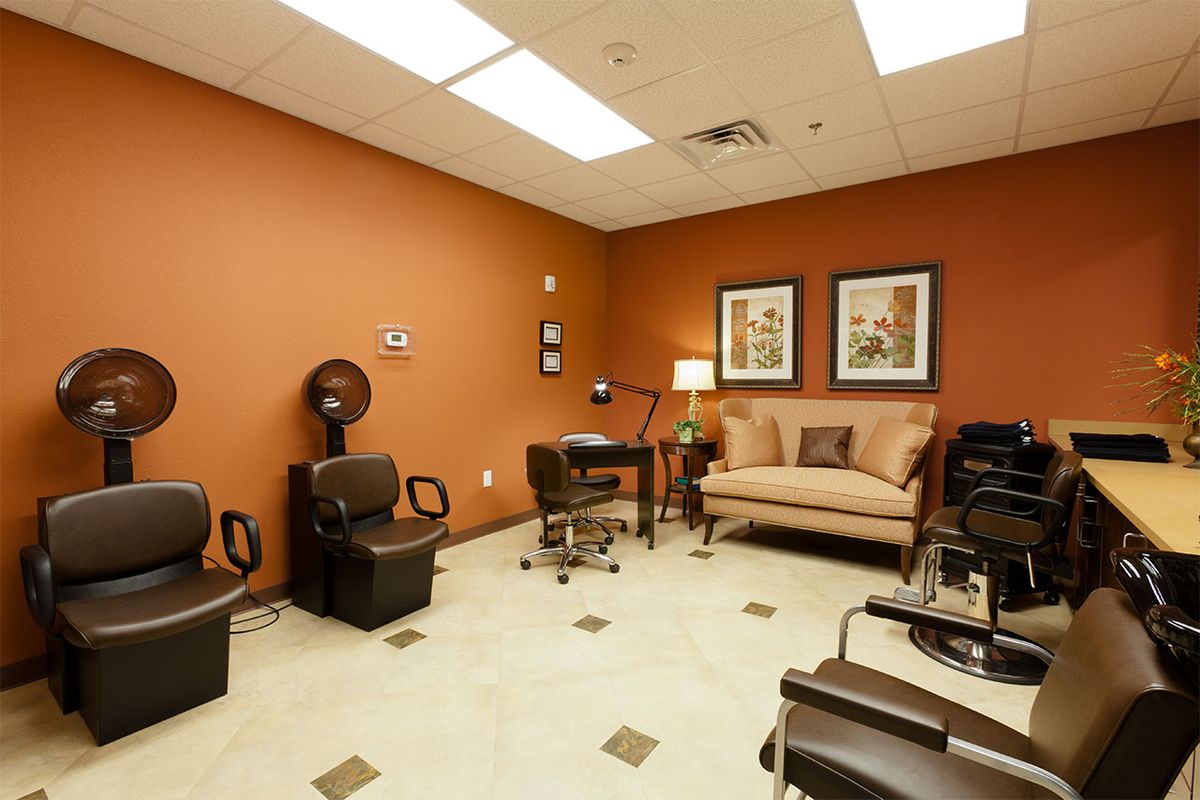
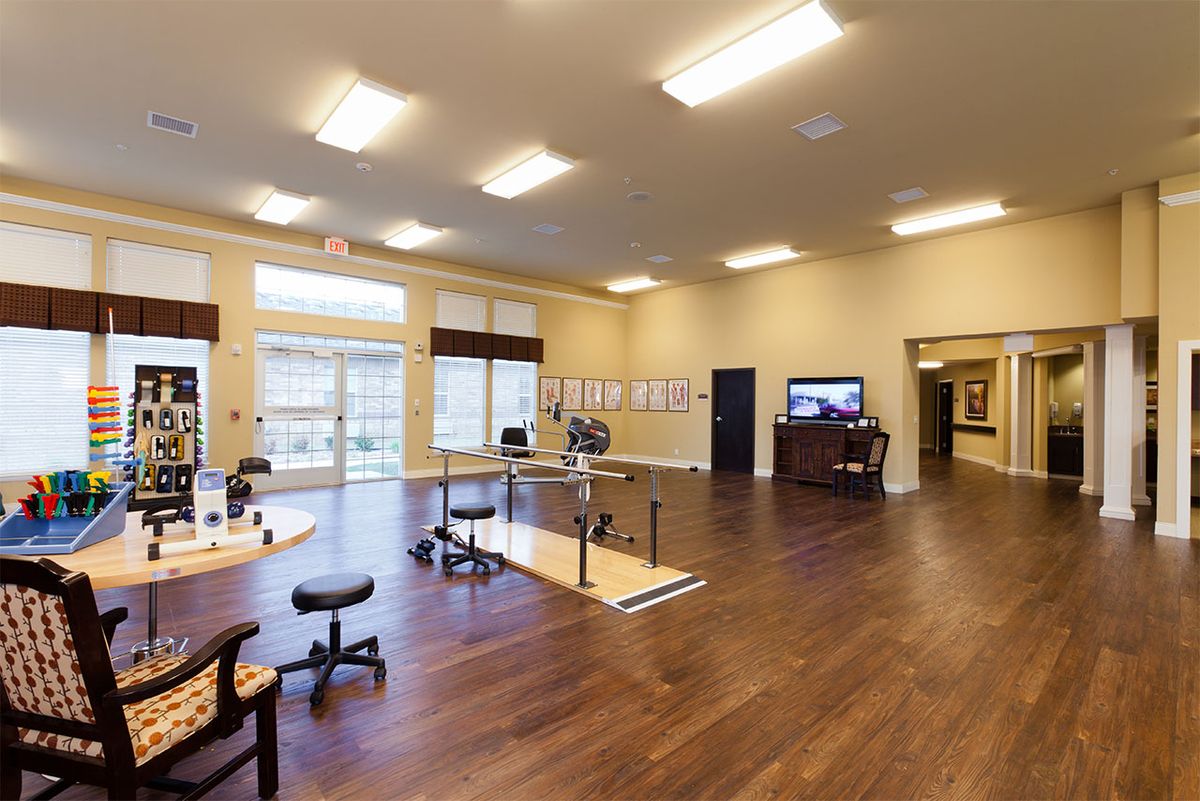
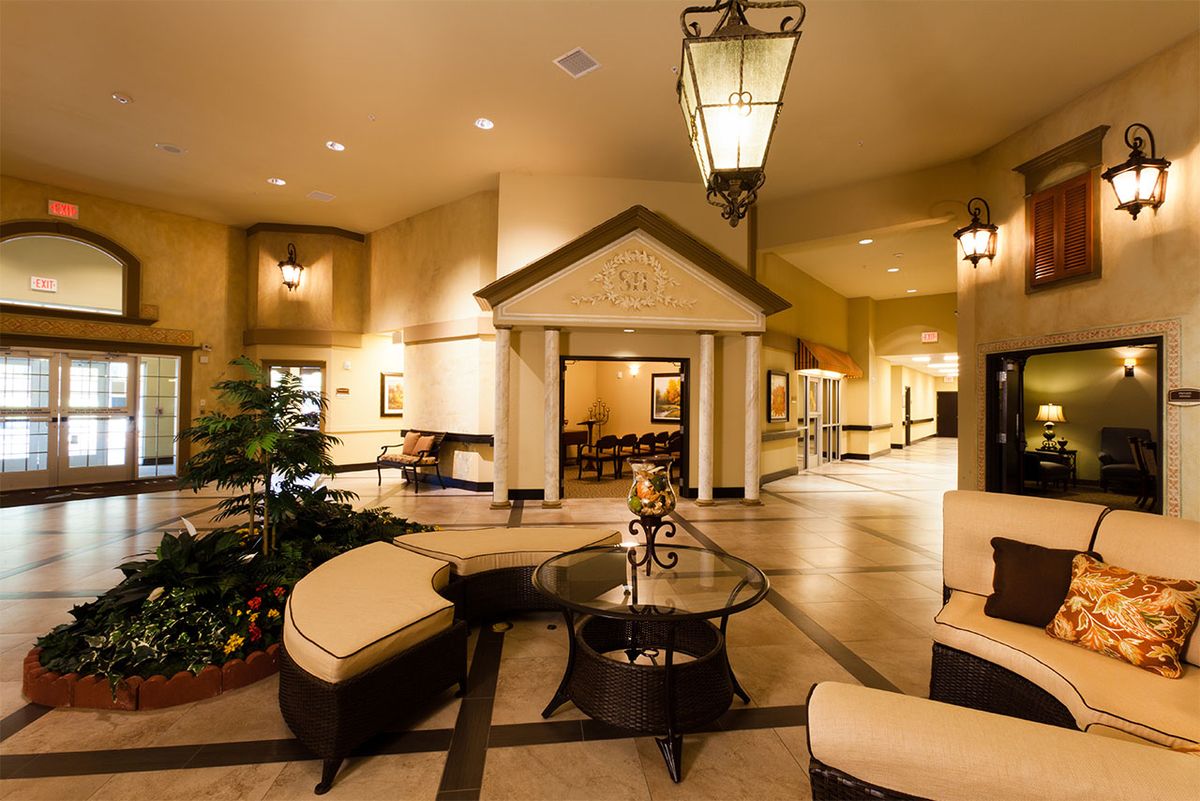
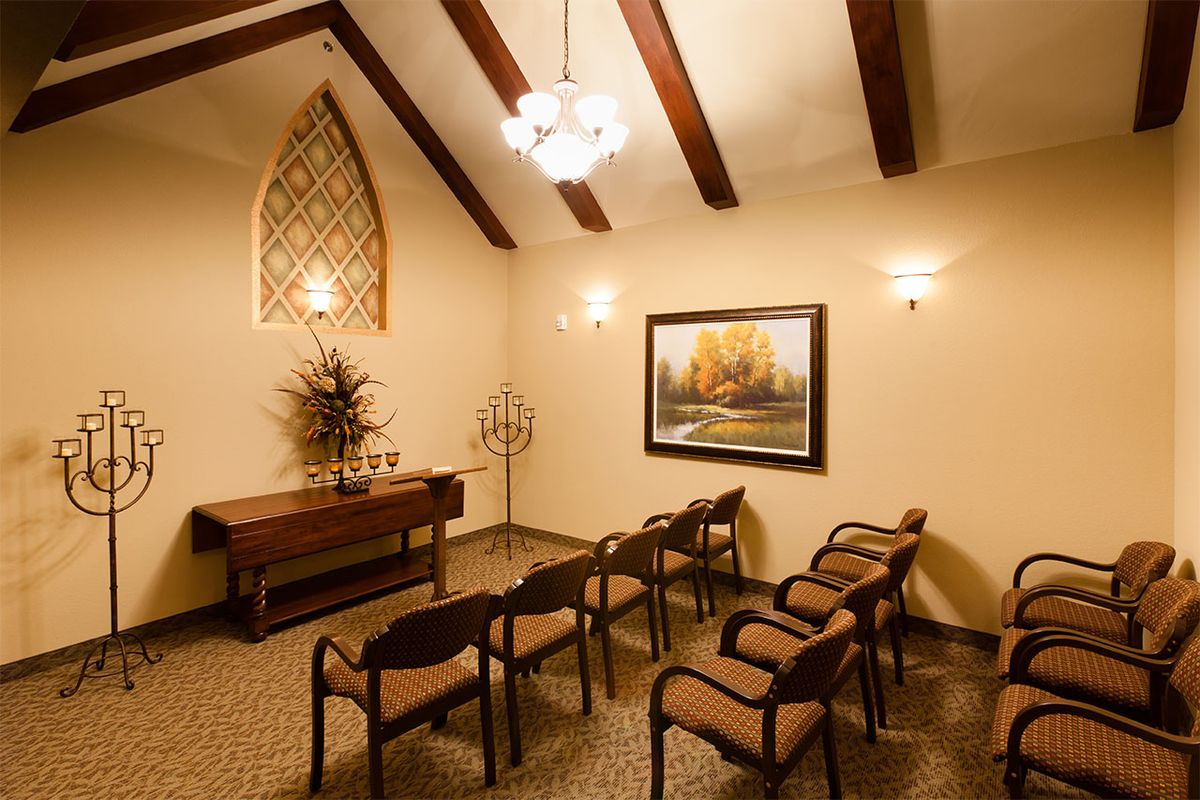
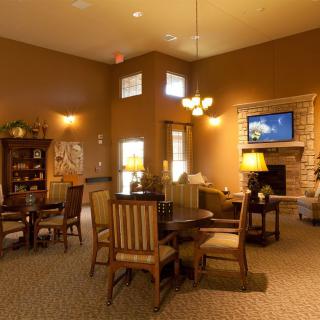
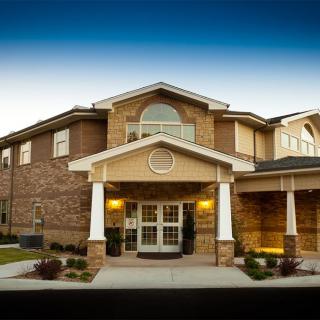
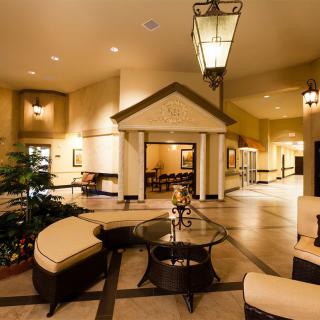
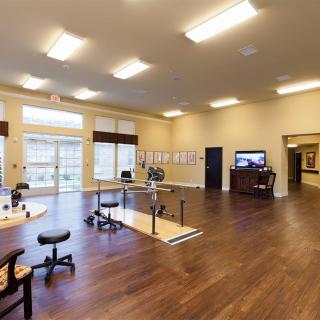
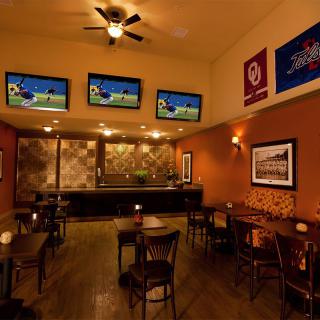
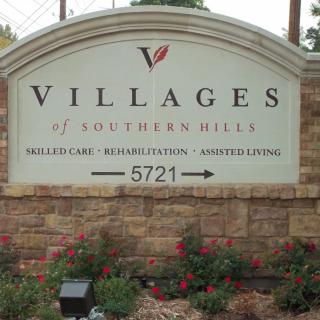
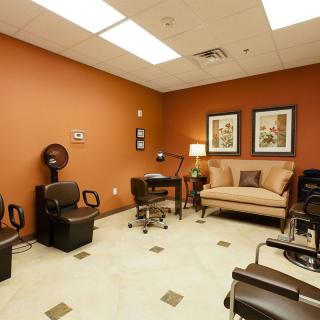
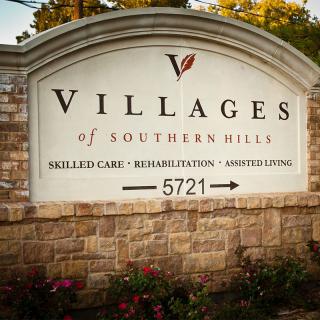
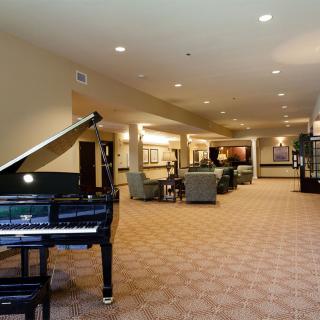
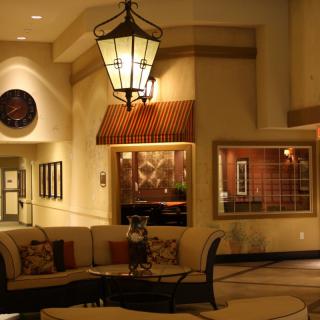
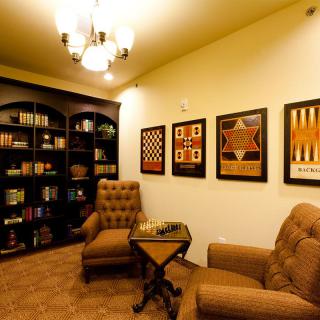
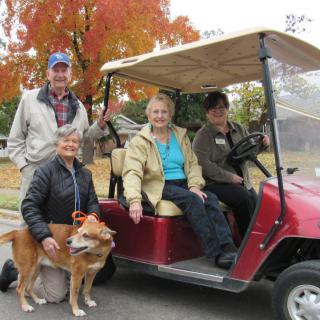
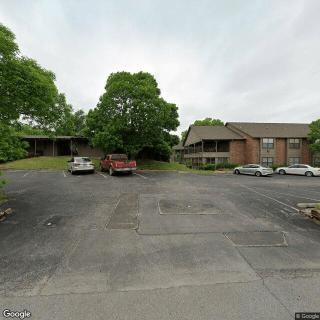
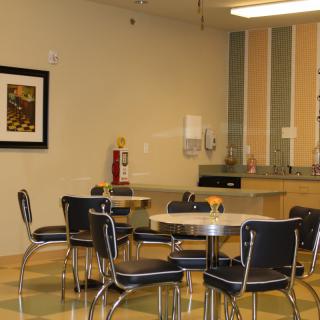
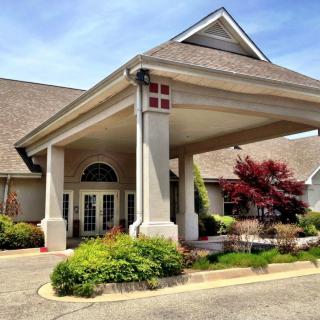
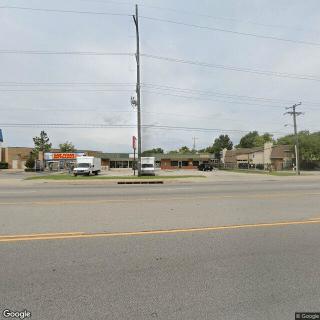
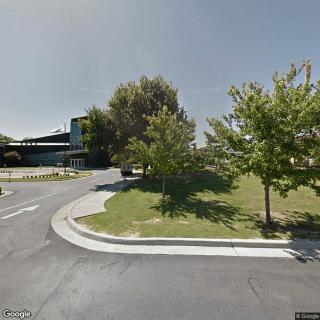
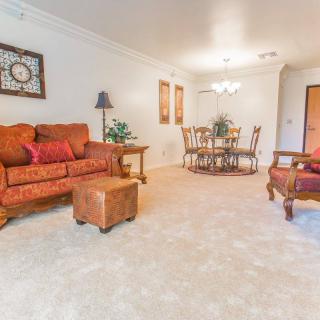
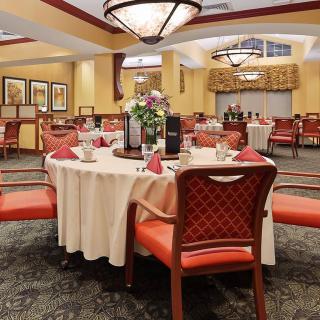
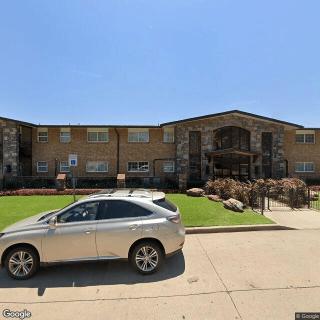
The Villages at Southern Hills on seniors.fyi includes 20 photos including images showing interior, lighting, entrance, decor, dining, seating area, lobby, architecture, and more.
Nearby Communities
The Grove at Midtown Senior Living
Tulsa, OK
4.4 from 155 reviews
$2,415 to $5,775 / month
Caring, attentive staff in a clean, engaging memory-care setting.
Colonial Manor Nursing Home
Tulsa, OK
3.2 from 44 reviews
Attentive staff and a clean, well-kept environment.
The Courtyards at The Ambassador Memory Care Assisted Living
Tulsa, OK
4.1 from 37 reviews
$3,200 to $3,700 / month
Friendly, attentive staff in a clean, home-like setting with varied activities.
Devine Home Health Care Solutions
Tulsa, OK
5 from 3 reviews
Friendly owner and supportive HR team.
Tulsa Jewish Retirement Ctr
Tulsa, OK
4.7 from 38 reviews
Great access to healthcare, dining, parks, worship, and theaters nearby.
Zarrow Pointe
Tulsa, OK
3.6 from 99 reviews
On-site health center with comprehensive amenities.
University Village Retirement Community
Tulsa, OK
4 from 105 reviews
$2,475 to $3,450 / month
Friendly, caring staff and well-maintained facilities with engaging activities.
Legend at Tulsa Hills
Tulsa, OK
4.6 from 121 reviews
$4,680 to $7,245 / month
Scandia Retirement Community
Tulsa, OK
4.5 from 15 reviews
$1,890 to $2,140 / month
Caring staff, reliable transport to appointments, and flexible dining.
Activities of Daily Living (ADLs) are fundamental tasks vital for an individual's independence, particularly in older adults over 85, and include functions like bathing and dressing; assessing ADLs alongside Instrumental Activities of Daily Living (IADLs) helps determine the level of required assistance due to age-related health challenges. Tailored support plans, involving family and community resources, are essential for maintaining dignity and autonomy in assisted living environments.
Medicare does not cover assisted living costs, as it focuses on acute medical needs and short-term care, with exceptions for certain medically necessary services like physical therapy. Individuals must explore other options such as Medicaid, veterans' benefits, or long-term care insurance to manage these expenses effectively.
Choosing between assisted living and nursing homes involves evaluating emotional and financial factors, with assisted living offering independence and support for daily activities at a lower cost, while nursing homes provide intensive medical care for individuals with significant health needs. The decision is influenced by personal preferences, health status, cognitive function, and varying Medicaid coverage across states.
Get PricingAsk A QuestionSchedule A TourContact Senior Advisor
By clicking submit, you agree to our Partner's Terms of Use. You
also consent to receive calls and texts, which may be autodialed, from our Partner. Your consent is not a condition to
using our Partner's service. Please visit our Partner's Privacy Policy for information about their privacy practices.



 110 resident community capacity
 1-bedroom apartments
 Assisted Living
 Continuing Care Retirement Community (CCRC)
 Skilled Nursing Facility
 Cats allowed
 Dogs allowed
 Activities off-site
 Air-conditioning
 Beautician on-site
 Cable or satellite TV
 Computer center
 Devotional services off-site
 Dining room
 Fitness room
 Fully furnished
 Gaming room
 Garden
 Housekeeping services
 Indoor common areas
 Kitchenette
 Move-in coordination
 Outdoor common areas
 Overnight guests
 Private bathrooms
 Respite or short term stays offered
 Restaurant-style dining
 Small library
 Telephone
 Wellness center
 Wheelchair accessible showers
 Wi-Fi/high-speed internet available
 Tulsa International (9 miles away)
 Community operated transportation
 12-16 hour nursing
 24-hour call system
 Ambulatory care
 Assistance with bathing
 Assistance with dressing
 Assistance with transfers
 Diabetes diet
 Diabetic care
 High acuity care
 Incontinence care
 Medication management
 Mental wellness program
 Physical therapy
 Special dietary restrictions
 Concierge services
 Planned day trips
 English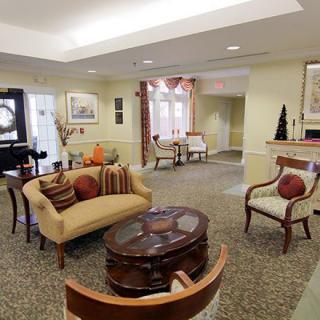
 Caring, attentive staff in a clean, engaging memory-care setting.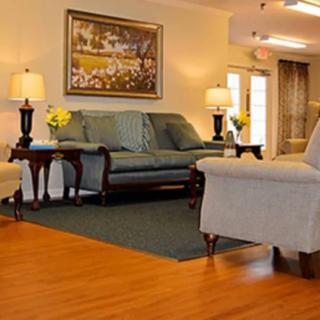
 Comprehensive Insights into Activities of Daily Living (ADLs) and Their Assessment
 Medicare Coverage for Assisted Living: An In-Depth Exploration
 Choosing the Right Senior Care: A Detailed Exploration of Assisted Living and Nursing Homes