Residents describe attentive skilled nursing when needs come up.
Several reviews focus on care that feels hands-on, including quick responses when help is needed. Residents and family members describe 24-hour assistance, medication support, and staff checking in even during the night. There are also mentions of ongoing nursing availability while transitioning from independent living to nursing care within the same community. A negative review describes a serious injury during personal care, citing preventable risk-handling issues, which is the main counterpoint to the responsiveness theme.
differentiator4 reviews mention this
Dining draws strong reactions
Dining stands out, with meals described as excellent.
Dining comes up repeatedly as a bright point, with mentions of the dining room and the quality of food. One family specifically calls out excellent meals in the dining room, while another describes daily meals in the common dining room or delivered to the home. A tour review also notes a meal-related approach (including a food allowance concept), but it reads more like a preference difference than a dining-quality critique. A separate review calls the dining facilities top notch, reinforcing the overall positive pattern.
common3 reviews mention this
Clean, well-kept environment matters
Residents highlight cleanliness and comfort in daily spaces.
Multiple reviews emphasize that the community feels clean and well maintained. One review specifically notes there is no urine odor, and another describes the facility as clean and inviting. Another reviewer adds that it even “smells good,” aligning with a consistent comfort-and-cleanliness theme across the comments that mention it.
common7 reviews mention this
Activities and social life are active
Daily activities and outings help keep life structured.
Reviews describe a full calendar and a range of ways to stay engaged, including planned activities and discussion-style programming. Several also mention amenities that support time outdoors or in communal spaces, like pools and surrounding grounds. One long review describes social activities such as book clubs and fireside chats alongside exercise-focused options and on-site nursing availability. A tour-based review also points to a variety of things to do, reinforcing that activities are part of the day-to-day experience for residents.
caveat6 reviews mention this
Staff experiences are mixed
Some reviewers report serious concerns with staffing and accountability.
While many reviews describe staff as caring and responsive, a separate group of comments is strongly negative. These reviewers allege rude or unprofessional behavior, lack of accountability, and favoritism, with one comment also describing instructions about contacting a doctor after hours. Another critical review describes a high-risk personal care situation leading to a serious fall and injury. Overall, the reviews show a split: strong positive impressions for many families, but enough grave concerns to warrant careful attention during any decision process.
How we summarize
Counts show how many written reviews mention each theme; a review can touch several themes, and only frequently mentioned themes are displayed.
Features
Housing
58 resident community capacity
Types of Care
Assisted Living
Independent Living
Amenities
Air-conditioning
Beauty salon
Cable or satellite TV
Computer center
Dining room
Fitness room
Fully furnished
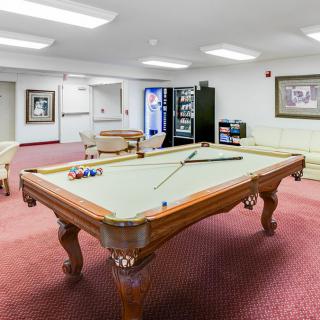
Gaming room
Garden
Housekeeping services
Kitchenette
Move-in coordination
Outdoor space
Private bathrooms
Restaurant-style dining
Small library
Telephone
Wellness center
Wi-Fi/high-speed internet available
Transportation
Tulsa International (10 miles away)
Community operated transportation
Transportation arrangement
Transportation arrangement (non-medical)
Transportation to doctors appointments
Care Services
12-16 hour nursing
24-hour call system
24-hour supervision
Activities of daily living assistance
Assistance with bathing
Assistance with dressing
Assistance with transfers
Diabetes diet
Meal preparation and service
Medication management
Mental wellness program
Special dietary restrictions
Dining
Diabetes diet
Special dietary restrictions
Activities
Community-sponsored activities
Concierge services
Fitness programs
Planned day trips
Resident-run activities
Scheduled daily activities
Nearby Places of Interest
Located in vibrant Tulsa, Oklahoma, this area offers a variety of amenities and services to support a high quality of life for seniors. With several reputable physicians, pharmacies, and hospitals within close proximity, residents can easily access healthcare resources. Additionally, there are plenty of dining options ranging from casual fast food to upscale restaurants like Charleston's Restaurant. For those who enjoy entertainment, the area features theaters such as AMC CLASSIC Tulsa Hills 12 and outdoor spaces like River Parks for leisurely walks or picnics. Places of worship such as Christ United Methodist Church cater to spiritual needs, while cafes like Starbucks provide a cozy atmosphere for socializing with friends. Overall, this part of Tulsa is a well-rounded community with convenient access to essential services and recreational activities for seniors looking to settle down in a welcoming neighborhood.
Physicians
Beatty John Saint John Clinic Family Medical Care Tulsa (0.8 miles)
Osteo Strong (1 miles)
Charles Walter Garrett (2.3 miles)
Warren Clinic-Springer Building (2.3 miles)
Tulsa Eye Clinic (2.3 miles)
Bregman Richard Warren Clinic Neurosurgery Tulsa (2.4 miles)
Allergy Asthma And Immunology Center P.C. (2.4 miles)
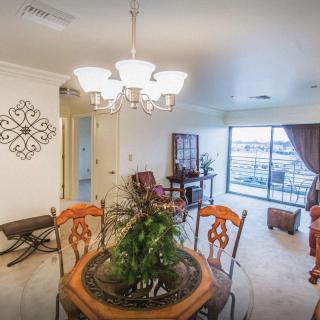
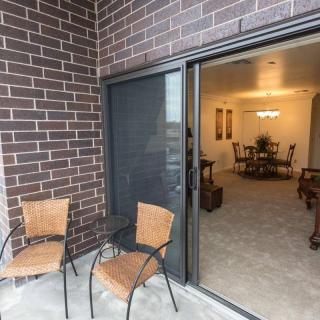
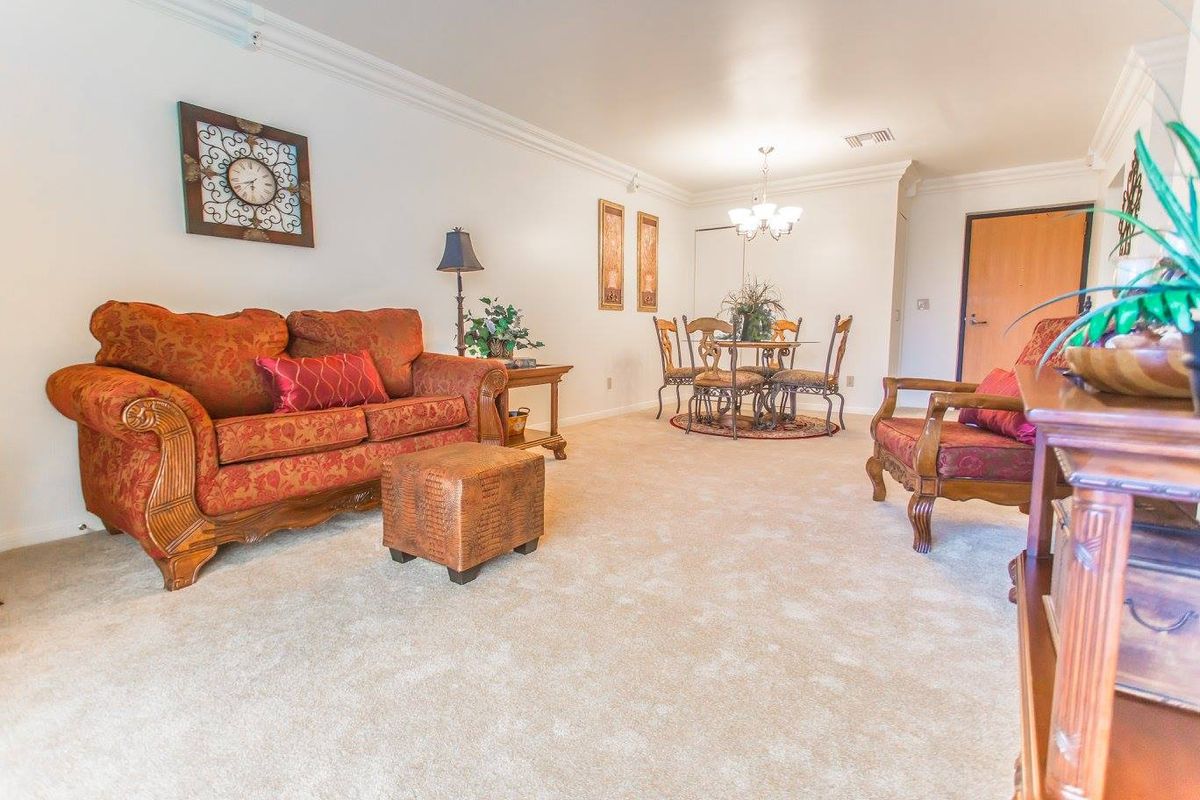
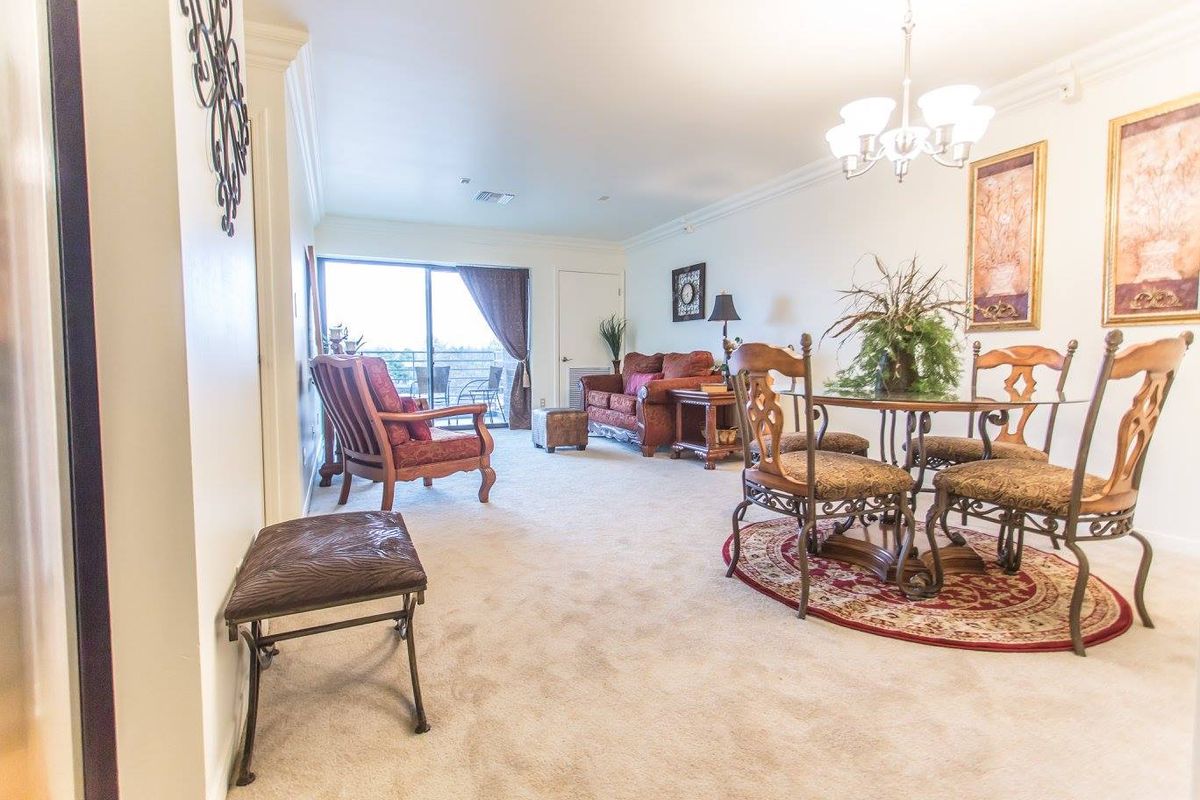
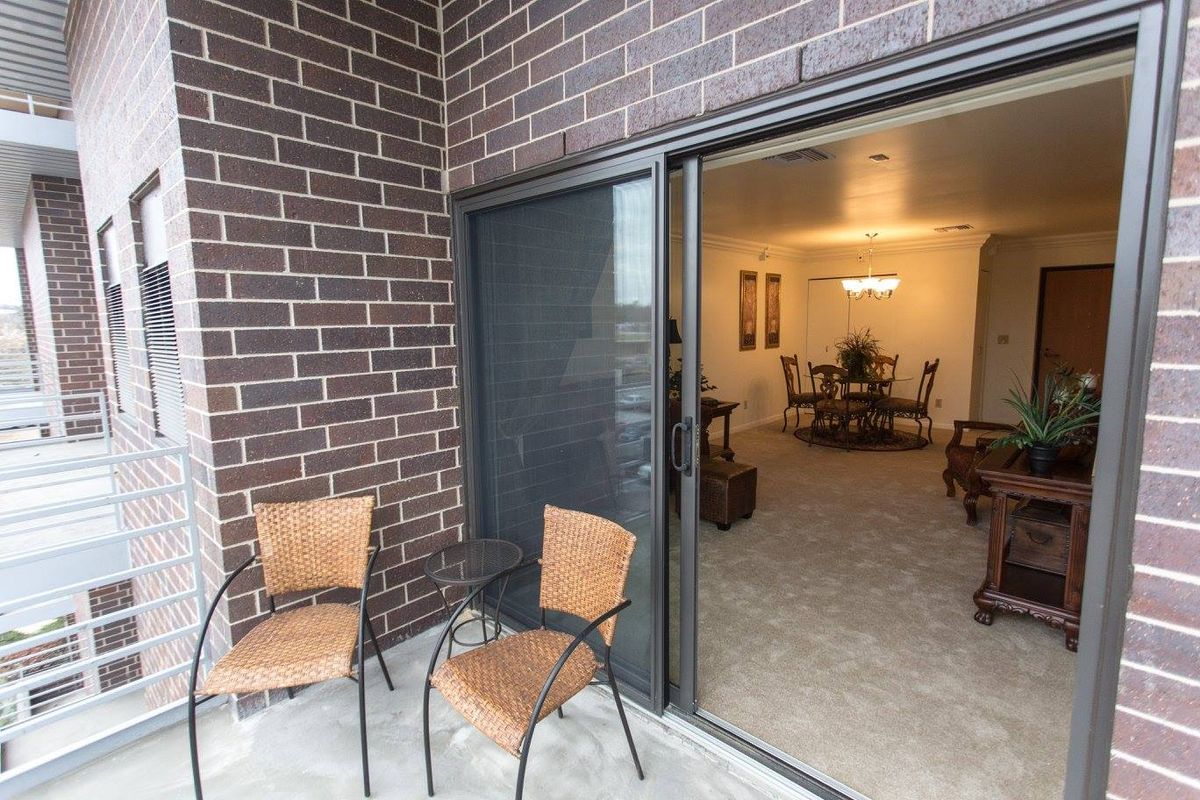
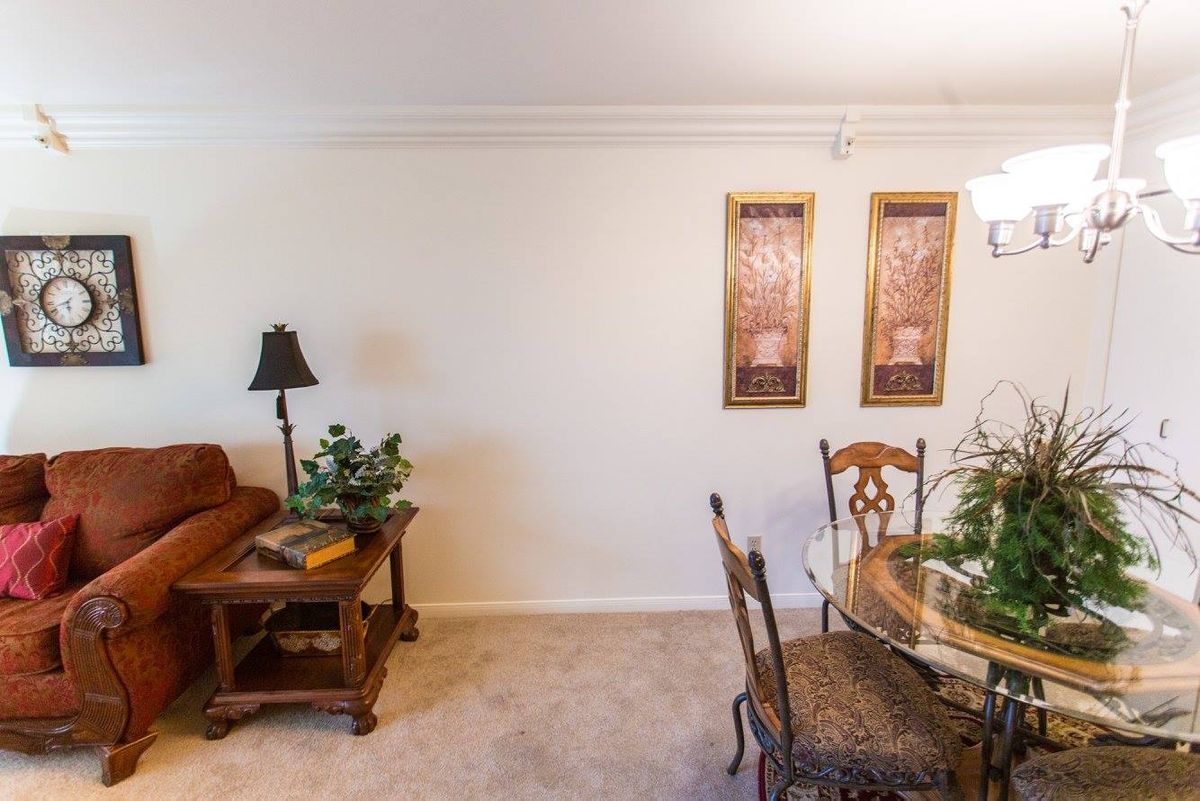
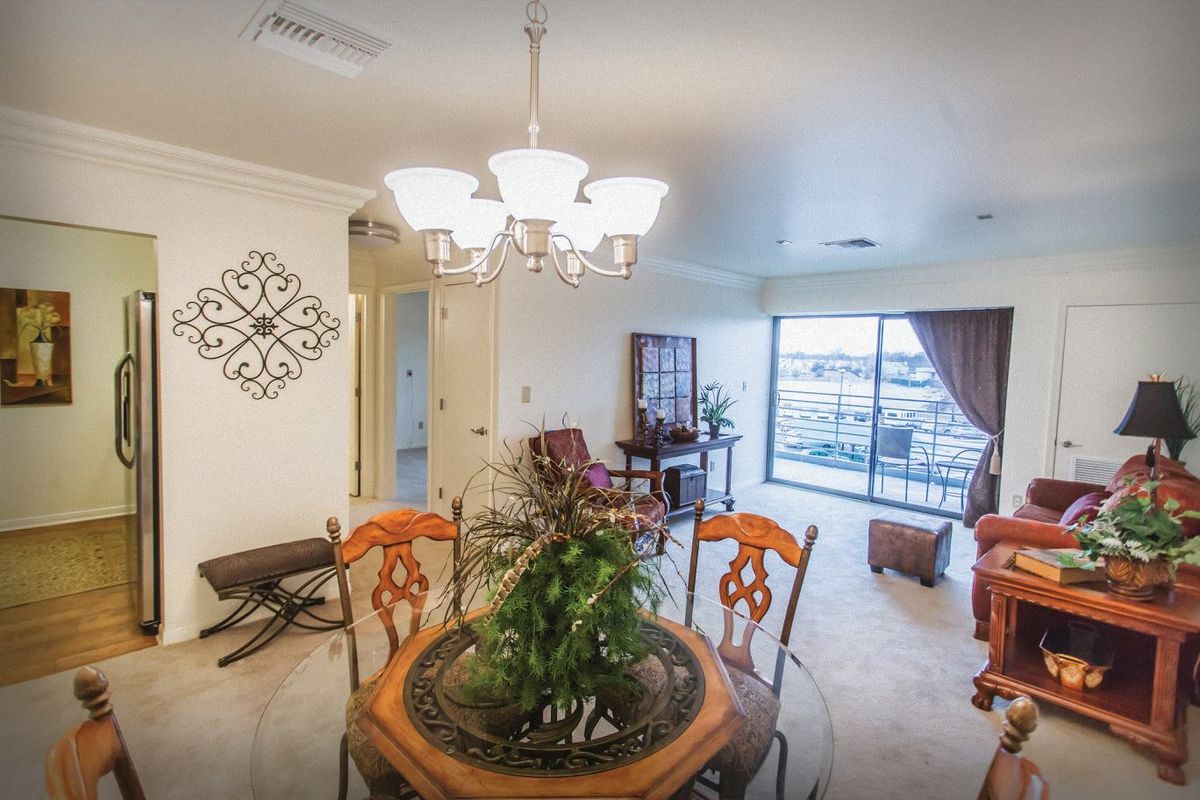
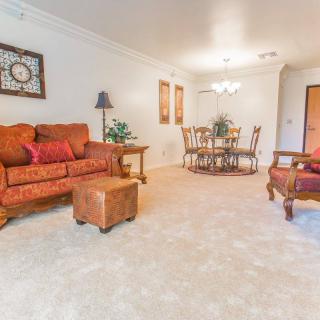
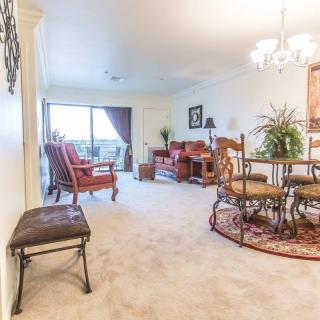
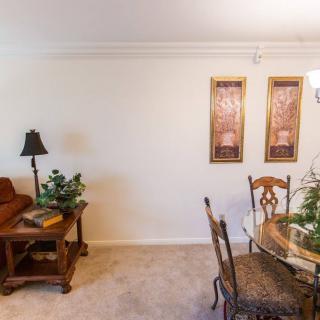
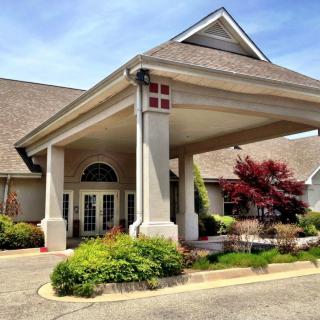
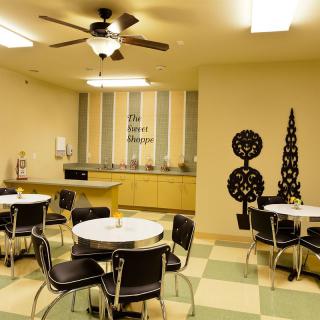
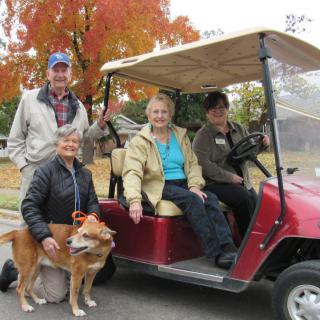
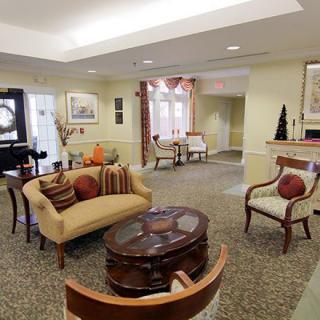
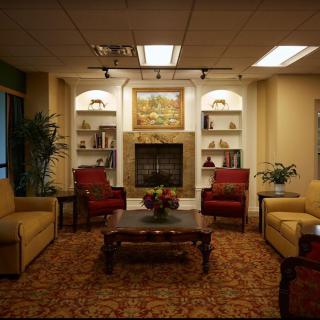
Zarrow Pointe on seniors.fyi includes 6 photos including images showing living room, dining, decor, artwork, chandelier, balcony, brick wall, outdoor seating, and more.
Nearby Communities
Tulsa Jewish Retirement Ctr
Tulsa, OK
4.7 from 38 reviews
Great access to healthcare, dining, parks, worship, and theaters nearby.
Devine Home Health Care Solutions
Tulsa, OK
5 from 3 reviews
Friendly owner and supportive HR team.
A Place for An Angel
Tulsa, OK
5 from 1 review
$3,500 to $4,000 / month
Competitive pricing for semi-private and private rooms in Tulsa County.
Holiday Prairie Rose
Tulsa, OK
4.5 from 89 reviews
$2,809 to $4,159 / month
Spacious, clean facility with friendly staff and abundant amenities.
The Courtyards at The Ambassador Memory Care Assisted Living
Tulsa, OK
4.1 from 37 reviews
$3,200 to $3,700 / month
Friendly, attentive staff in a clean, home-like setting with varied activities.
The Villages at Southern Hills
Tulsa, OK
3.2 from 227 reviews
$3,085 to $4,011 / month
Clean, spacious rooms with friendly staff and engaging activities.
University Village Retirement Community
Tulsa, OK
4 from 105 reviews
$2,475 to $3,450 / month
Friendly, caring staff and well-maintained facilities with engaging activities.
The Grove at Midtown Senior Living
Tulsa, OK
4.4 from 155 reviews
$2,415 to $5,775 / month
Caring, attentive staff in a clean, engaging memory-care setting.
Senior Star at Burgundy Place
Tulsa, OK
4.7 from 107 reviews
$2,200 to $3,500 / month
Friendly, attentive staff in a clean, safe community with engaging activities and restaurant-style dining.
The article discusses assisted living expenses, the importance of long-term care insurance in covering these costs, and various financing options, highlighting the need for careful policy review and early planning to address potential needs. It also clarifies common misconceptions about Medicare and private health insurance limitations regarding long-term care coverage.
Assisted living facilities offer crucial support for older adults needing help with daily activities but come with varying and significant costs, which can be financed through personal savings, government assistance programs, long-term care insurance, and home equity options. Professional guidance from experts can aid families in navigating these financial complexities to establish a sustainable budgeting approach for assisted living services.
Assisted living costs often exceed Social Security benefits, necessitating a combination of funding sources like state aid and Medicaid. Understanding the interaction between Social Security programs and available financial support is essential for affording such care.
Get PricingAsk A QuestionSchedule A TourContact Senior Advisor
By clicking submit, you agree to our Partner's Terms of Use. You
also consent to receive calls and texts, which may be autodialed, from our Partner. Your consent is not a condition to
using our Partner's service. Please visit our Partner's Privacy Policy for information about their privacy practices.

 58 resident community capacity
 Assisted Living
 Independent Living
 Air-conditioning
 Beauty salon
 Cable or satellite TV
 Computer center
 Dining room
 Fitness room
 Fully furnished
 Gaming room
 Garden
 Housekeeping services
 Kitchenette
 Move-in coordination
 Outdoor space
 Private bathrooms
 Restaurant-style dining
 Small library
 Telephone
 Wellness center
 Wi-Fi/high-speed internet available
 Tulsa International (10 miles away)
 Community operated transportation
 12-16 hour nursing
 24-hour call system
 Activities of daily living assistance
 Assistance with bathing
 Assistance with dressing
 Assistance with transfers
 Diabetes diet
 Medication management
 Mental wellness program
 Special dietary restrictions
 Concierge services
 Planned day trips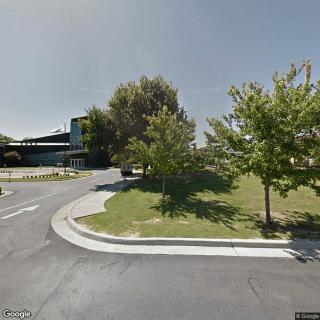
 Great access to healthcare, dining, parks, worship, and theaters nearby.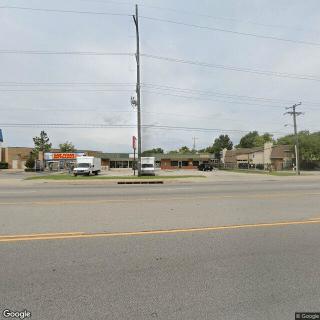
 Assisted Living Expenses and Long-Term Care Insurance: A Comprehensive Exploration
 Securing Financial Support for Assisted Living: A Comprehensive Overview
 Social Security Benefits and Assisted Living: Navigating Options Across the U.S.