The Courtyards at The Ambassador Memory Care Assisted Living Costs & Pricing
The Courtyards at The Ambassador Memory Care Assisted Living offers competitive pricing for its residents, with studio apartments available at $3,200 per month and one-bedroom units priced at $3,700. In comparison to the averages in Tulsa County, where studio costs stand at $3,593 and one-bedroom options are slightly higher at $3,600, The Ambassador provides a more economical choice for those seeking memory care services. Furthermore, when looking at state averages in Oklahoma - where studios are approximately $3,629 and one-bedrooms are around $3,565 - The Courtyards further distinguishes itself as a favorable option for families considering quality care for their loved ones while remaining budget-conscious. This positioning not only reflects an understanding of the financial concerns many families face but also underscores the commitment to providing accessible memory care without compromising on quality.
| Floor plans | The Courtyards at The Ambassador Memory Care Assisted Living | Tulsa County | Oklahoma |
|---|
| Studio | $3,200 | $3,593 | $3,629 |
| 1 Bedroom | $3,700 | $3,600 | $3,565 |
Memory care communities with a similar price nearby
-
from -$100 / mo
The Linden at Stonehaven Square
$3,100 to $5,800 / month
6.9 miles away
-
from +$295 / mo
Aberdeen Memory Care of Tulsa
$3,495 to $5,160 / month
3.0 miles away
-
from +$510 / mo
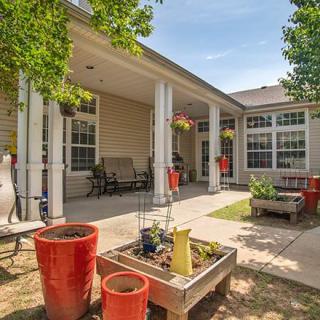
Brookdale Tulsa 71st and Sheridan
$3,710 to $5,640 / month
3.6 miles away
-
from +$295 / mo
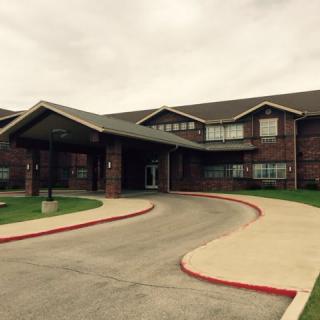
Canoe Brook Assisted Living-Catoosa
$3,495 to $3,995 / month
13.6 miles away
-
from +$580 / mo
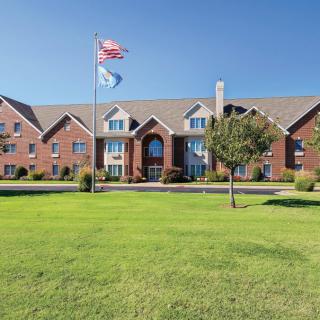
Green Tree Assisted Living & Memory Care
$3,780 to $5,780 / month
9.4 miles away
Overall Review of The Courtyards at The Ambassador Memory Care Assisted Living
common
11 reviews mention this
Restaurant-style dining gets praise
Dining quality and choices are consistently mentioned positively.
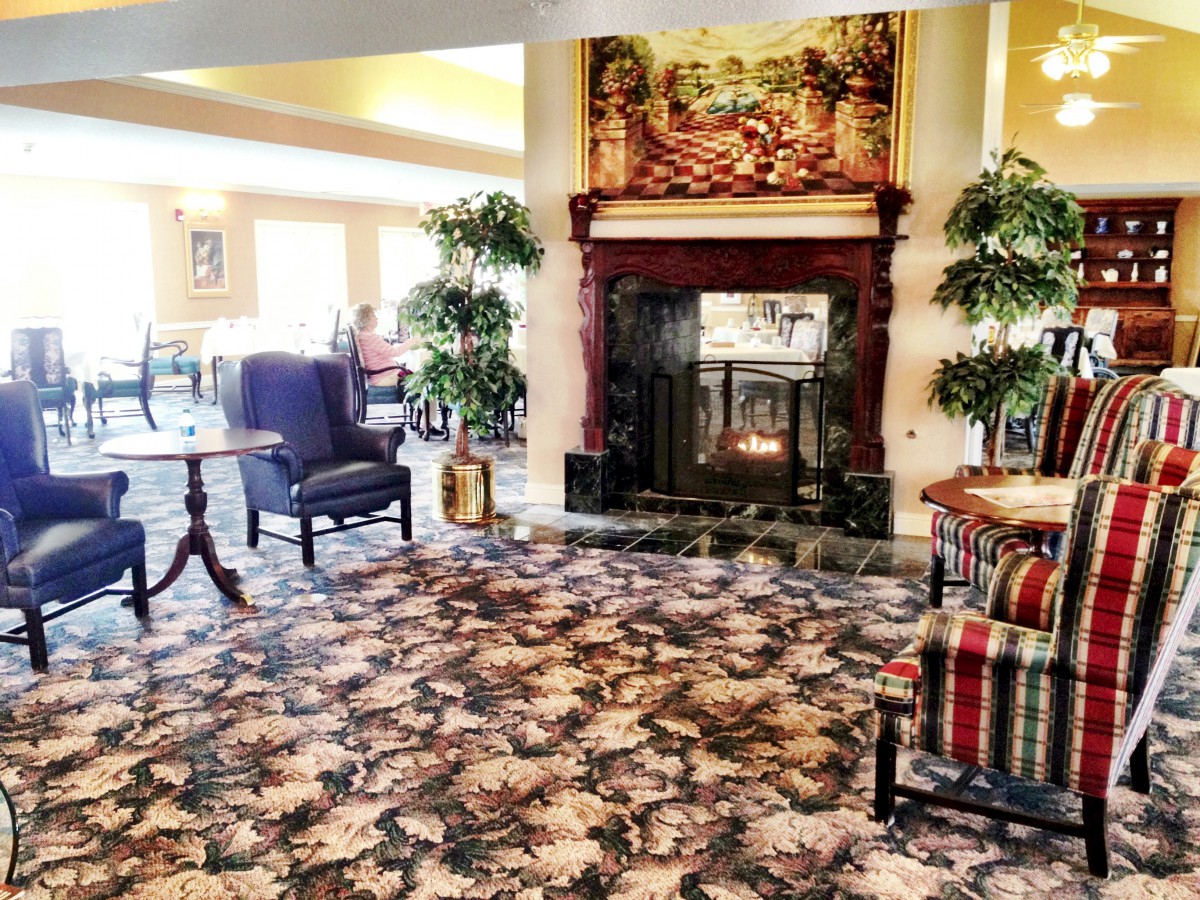
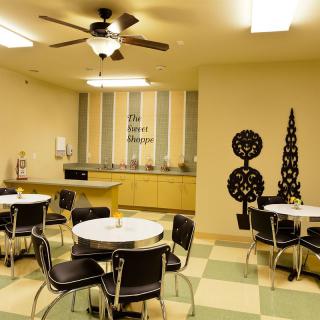
Many residents and families say the meals meet residents’ activity levels and dietary needs, and they describe the food as good to delicious. Several also mention variety and that meals are enjoyed together in a more open dining setup. This lines up with the community’s restaurant-style dining offering, including meals being provided.
common
9 reviews mention this
Activities keep residents engaged
Residents are often kept busy with daily programming.
Across the reviews, families describe having several activities offered each day, plus outings and weekend options. Some say their loved one was able to get involved with other residents, while others note that participation can vary by person. A few reviews also contrast expectations with what they saw during a visit, including a quiet environment at that time.
common
8 reviews mention this
Pricing is a major draw
Families frequently mention the community as good value.
Multiple reviewers call out affordability compared with other assisted living or memory care options, and several families say they chose the community partly because of price. Reviews also describe an all-in price feel alongside spacious apartments, which helps explain why some consider it a strong fit financially. Pricing shown for studios and one-bedroom units also comes in below both county and state benchmarks.
common
8 reviews mention this
Home-like setting with courtyard access
Residents and families describe a home-like layout.
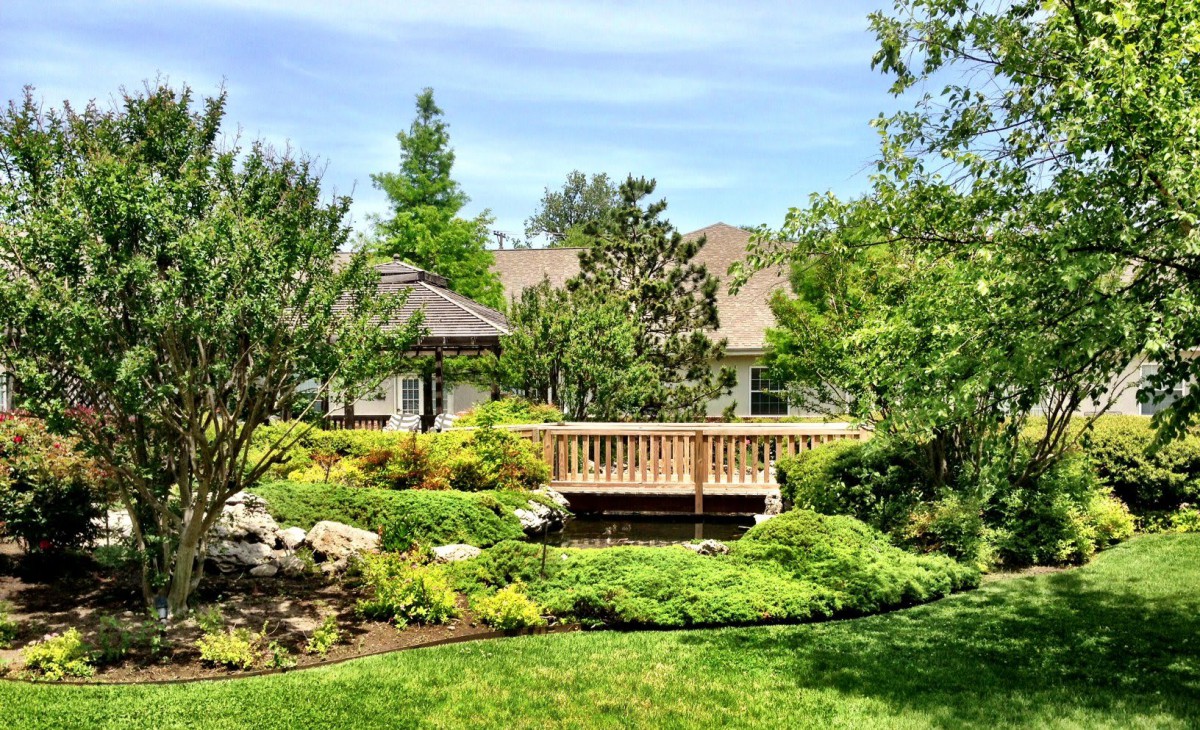
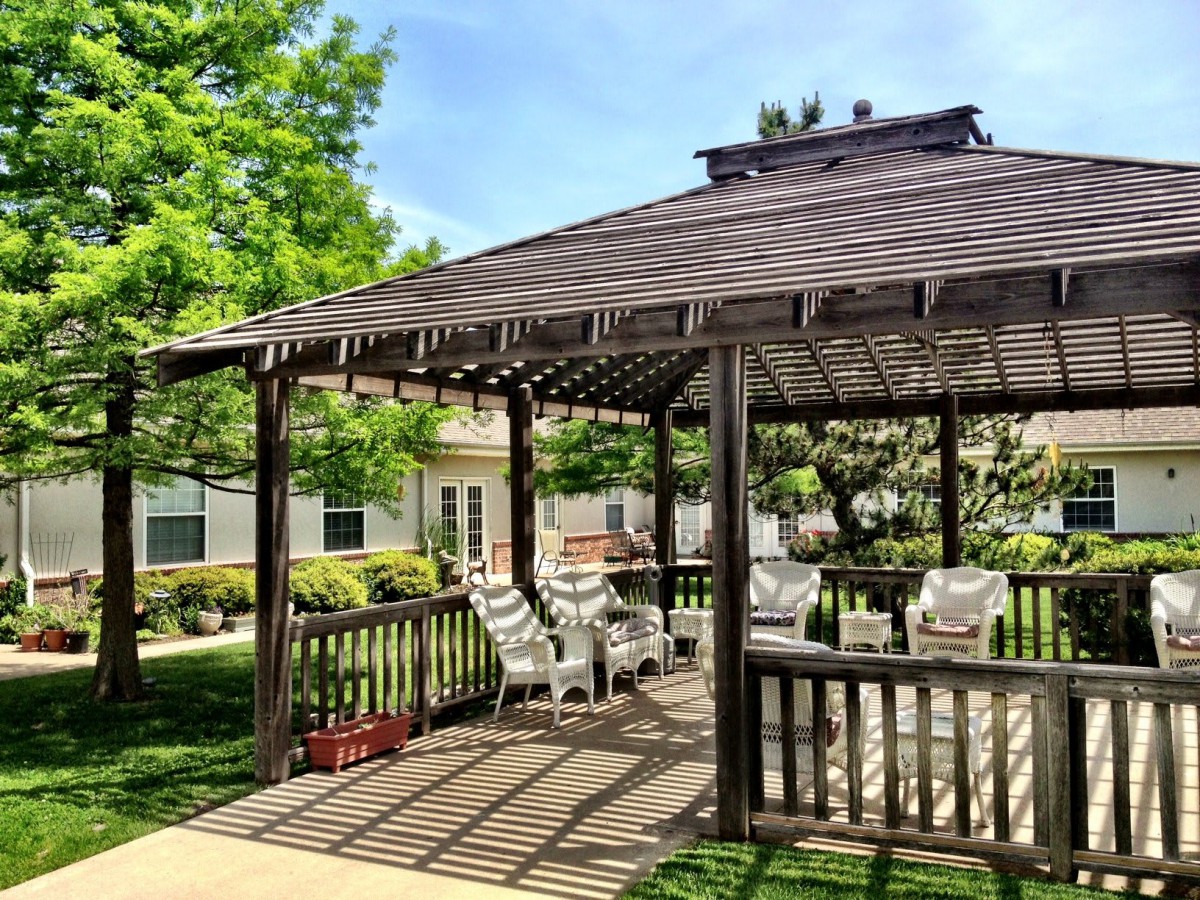
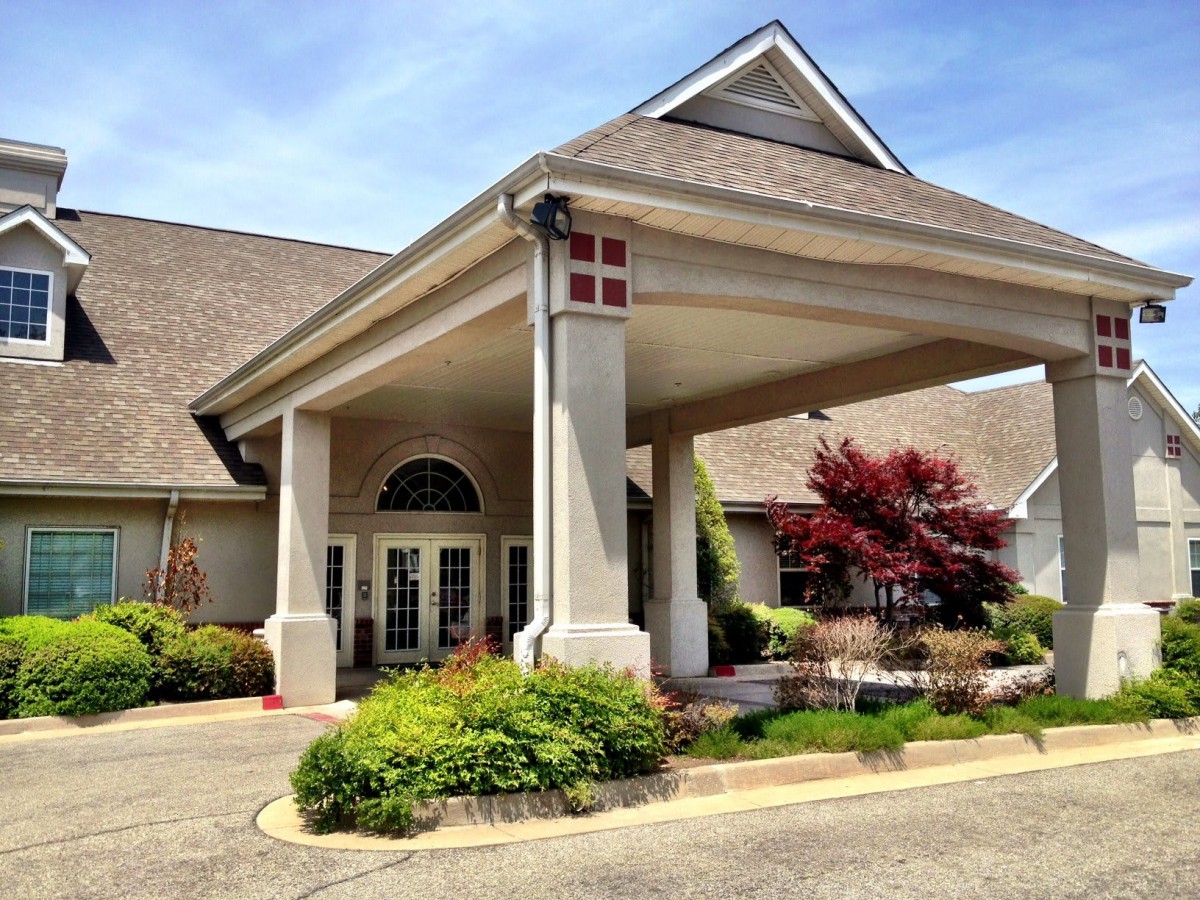
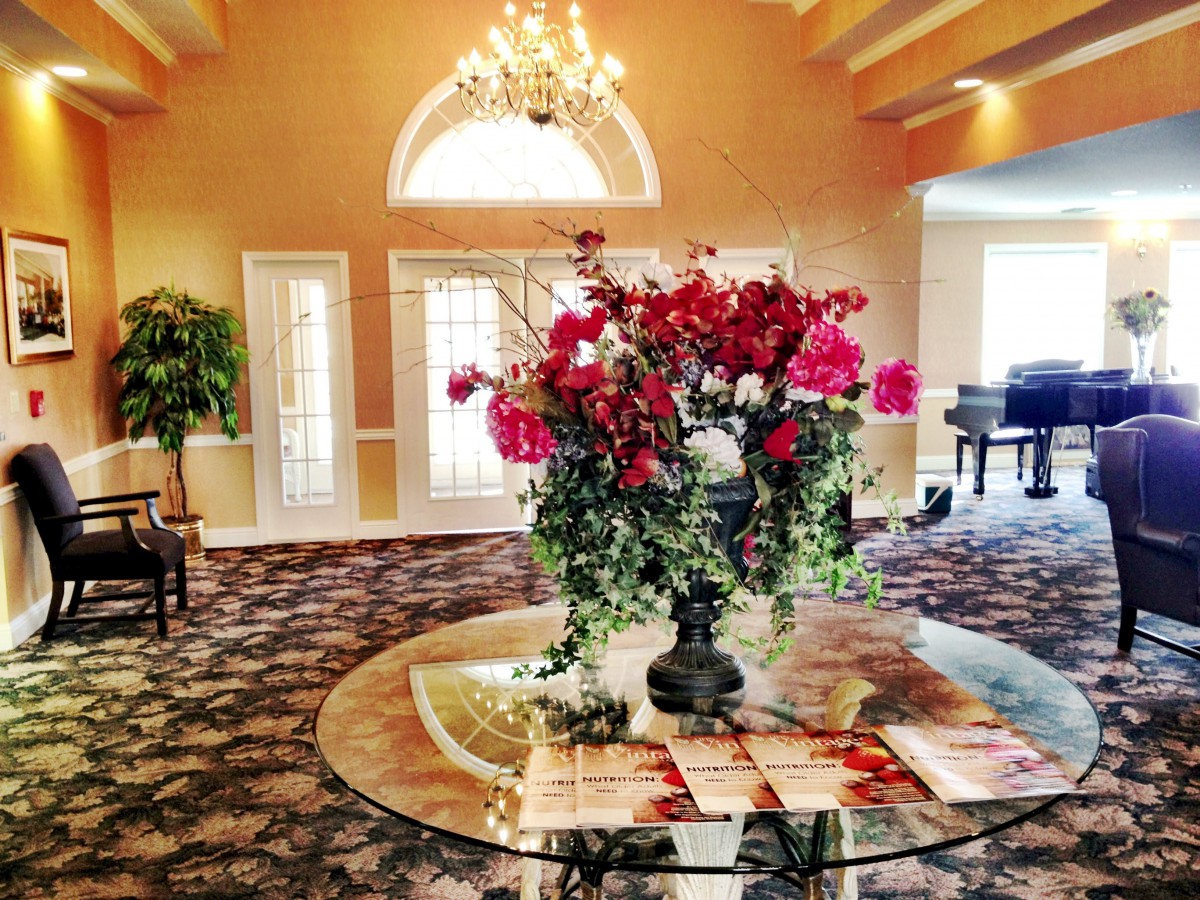
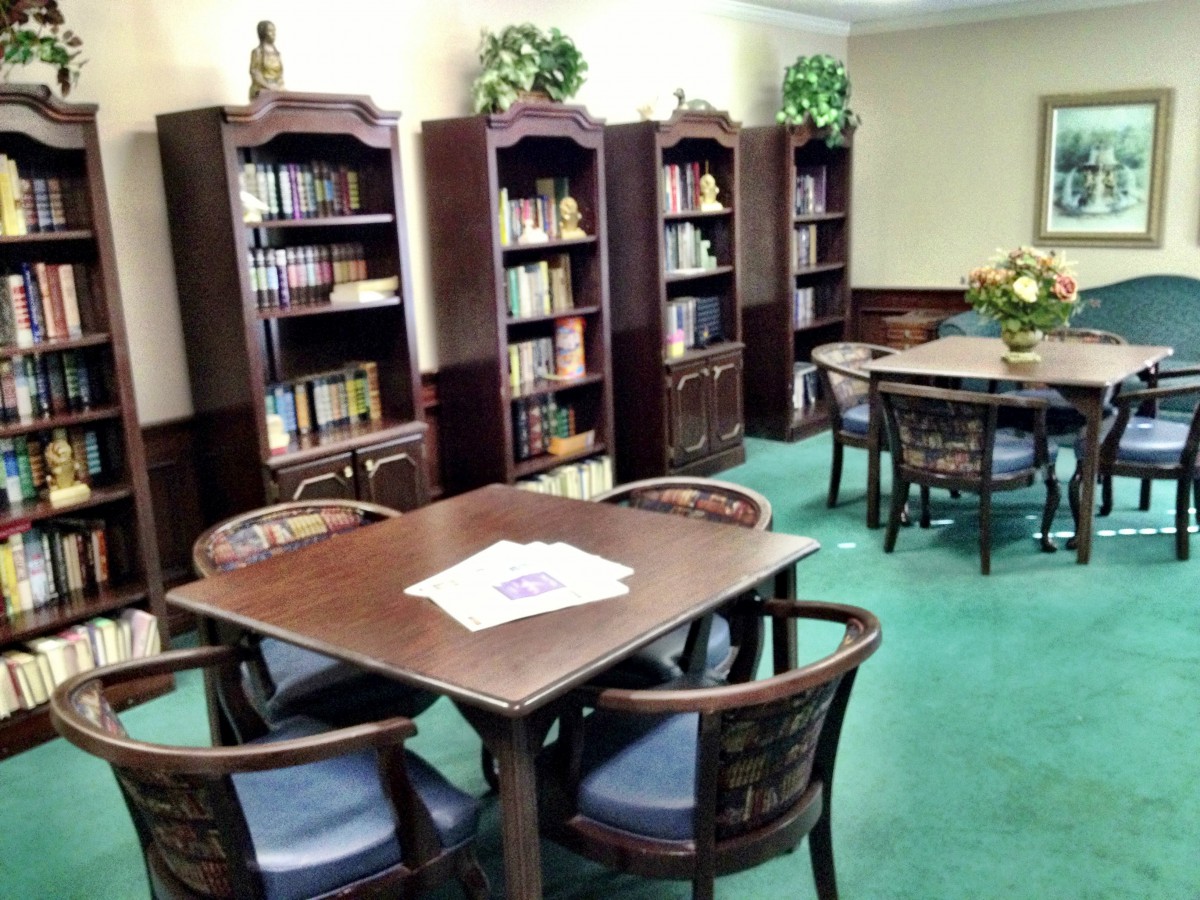
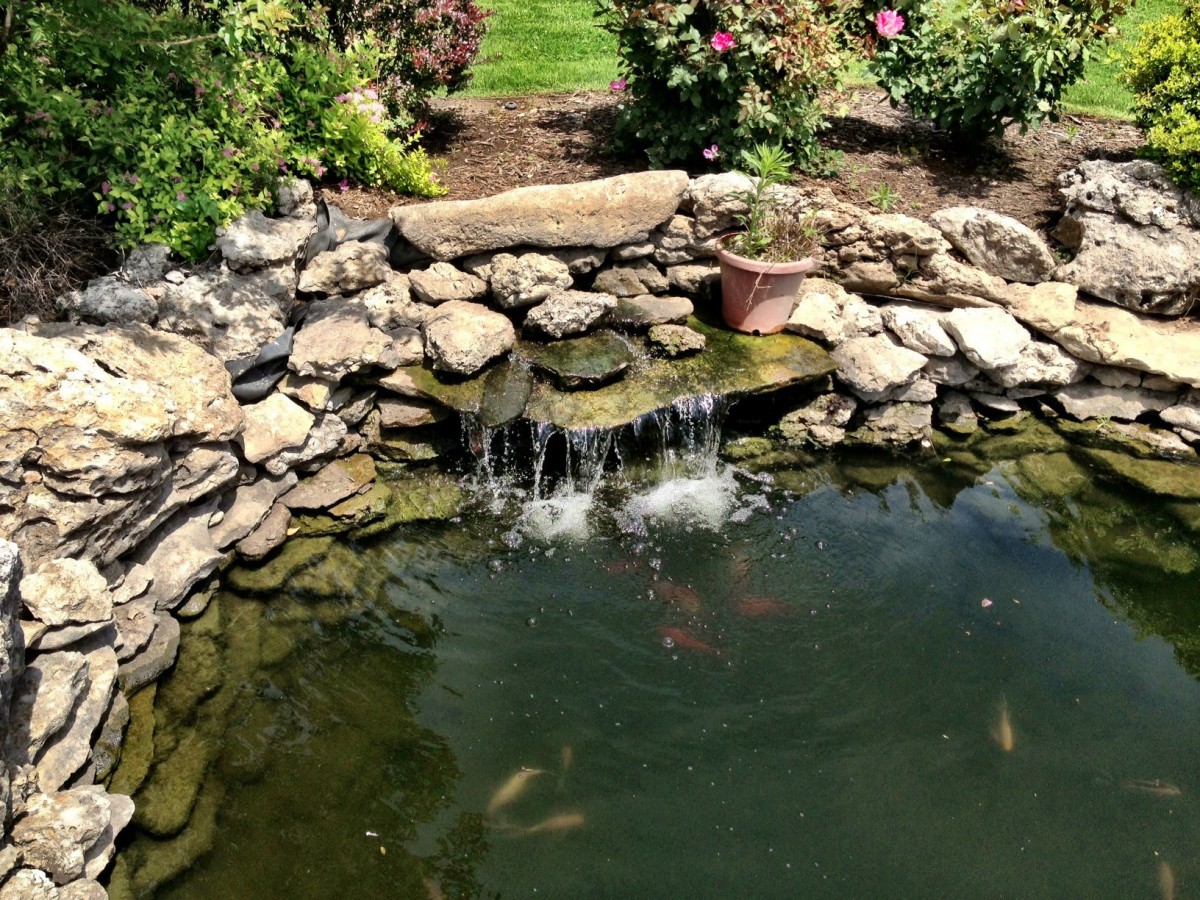
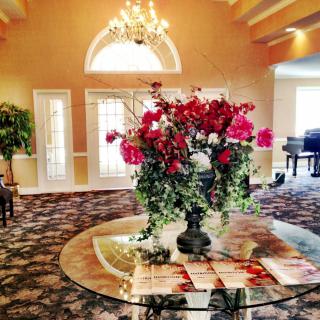
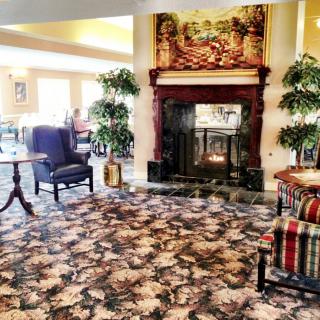
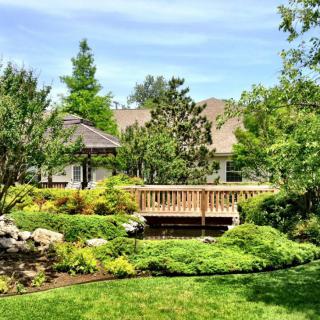
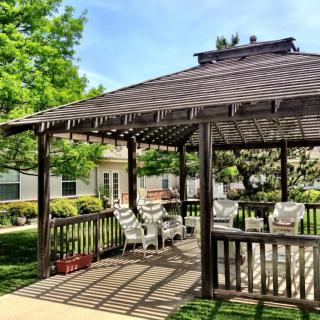
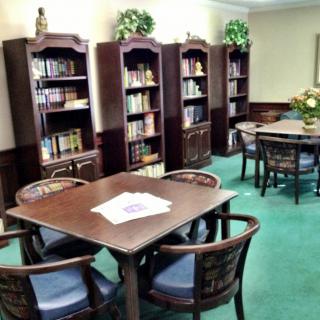
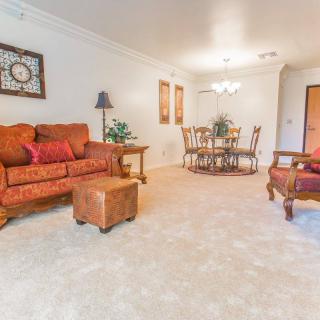
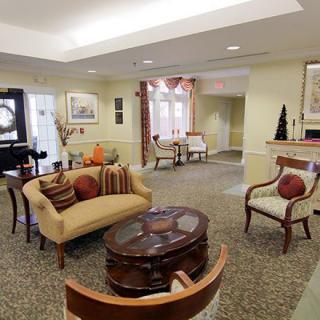
Several reviews emphasize a calm, home-like environment and highlight the community’s courtyard-centered design and outdoor access. Families mention enjoying outdoor time, including direct access from some apartments, as well as a spacious feel with natural light. The community also offers both indoor and outdoor common spaces, which aligns with what reviewers point to when describing day-to-day comfort.
common
27 reviews mention this
Caring staff is a recurring positive
Warm, helpful staff and attentive care are frequently noted.
Friendly, caring, and attentive staff shows up repeatedly, with multiple reviewers saying their loved ones were clean, comfortable, and supported with day-to-day needs. Families also describe communication being accommodating and assistance with routines like bathing and dressing. Even when feedback is mixed, reviews still reference staff interactions, including concerns about eye contact, responsiveness, or supervision in specific situations.
caveat
7 reviews mention this
Management response and supervision concerns
Some reviews raise concerns about supervision and follow-through.
A smaller group of reviewers report serious issues, including episodes where they say help was not provided promptly, along with concerns about how management handled problems. Other reviews describe slower communication or difficulty reaching the nursing station, plus delayed repairs or housekeeping issues after move-in. There are also comments about wandering and supervision gaps, including calls for closer monitoring to help keep residents safe.
How we summarize
Counts show how many written reviews mention each theme; a review can touch several themes, and only frequently mentioned themes are displayed.



 Assisted Living
 Memory Care
 Cats allowed
 Dogs allowed
 Activities on-site
 Air-conditioning
 Beautician on-site
 Devotional services on-site
 Handicap accessible
 Indoor common areas
 Kitchenette
 Outdoor common areas
 Respite or short term stays offered
 Wi-Fi/high-speed internet available
 Tulsa International (10 miles away)
 Ambulatory care
 Diabetic care
 Incontinence care
 Medication management
 Meals provided
 Birthday parties
 Happy hour
 Live musical performances
 Pet-focused programs
 Stretching classes
 Trivia games
 Wii bowling
 Specialized diabetic care in a warm, activity-rich community.

 A Thorough Discussion of Medications Potentially Linked to Dementia Risk
 Why Do Dementia Patients Sleep So Much? Understanding Oversleeping, Stages, and Care Approaches
 8 Key Indicators That Suggest It May Be Time to Transition from Assisted Living to Skilled Nursing Care