Savanna Landing

1111 E 60th St, Tulsa, OK 74105

For more information about senior living options: (844) 490-3973

2.6 from 69 reviews
5 stars
18
4 stars
5
3 stars
8
2 stars
5
1 stars
33

Active Adult Communities (55+)

Overall Review of Savanna Landing

Pros

  • pro They feel the place isn't that bad if someone minds their own business.
  • pro The management doesn't bother residents until an inspection is required, which keeps things relatively low-key.
  • pro Their car was always safe there.
  • pro They believe the apartments can be a place for someone trying to get their life together.
  • pro They think it isn't as bad as some people make it seem and that critics may be overly dramatic.
  • pro They hope their review helps somebody considering moving there.

Cons

  • pro The complex is described as ghetto, unsafe, and plagued by crime and gang activity.
  • pro There is a huge roach problem and additional pest issues (mice), despite residents' attempts to treat them.
  • pro Management and maintenance are criticized as lazy and unresponsive, failing to fix major issues.
  • pro Frequent inspections feel like harassment to residents, with little clear notice or consent.
  • pro Air conditioning frequently fails, making units unliveable in hot weather.
  • pro Security is considered ineffective; on-site security is seen as a joke and not protecting residents.
  • pro Homeless individuals, loitering, drugs, and disruptive behavior on the property undermine safety.
  • pro The property is described as deteriorating with abandoned or boarded-up apartments.
  • pro Noise and loud neighbors, along with gunfire, contribute to an unsafe living environment.

Review

Residents have given a highly mixed, sometimes contradictory portrait of this Tulsa complex, painting a picture that blends stubborn resilience with escalating concerns about safety, cleanliness, and management. On the one hand, a few people say that staying mostly to themselves and minding their own business can keep you out of trouble, and that the units themselves can be livable if you don't press your luck with the surrounding chaos. They describe a place where the management isn't all that invasive unless an inspection is required by policy, and where the physical space can feel tolerable if you manage expectations and avoid costly trouble. In those accounts, the "ghetto" label is acknowledged, but it's often framed as a matter of atmosphere rather than a fundamental inability to live there, with some residents giving practical tips - patching holes, using pest control, and selecting quieter hours - to keep life manageable.

Pest and pest-related neglect emerge as core recurring complaints in several reviews. One resident concedes a huge roach problem but says they managed to regain a semblance of normalcy after sealing holes and bombing, claiming that within a week the roaches were gone. Others attribute the roach issues to broader maintenance neglect that intensified after the pandemic, lamenting that the complex stopped spraying and performing upkeep in general, which allowed infestation to take root. The presence of roaches, plus occasional mice in the winter, colors many experiences with a sense of ongoing discomfort and a feeling that even basic upkeep is inconsistent at best. The result is a living environment that can feel unsteady, with some tenants accepting cleanliness problems as an unfortunate fact of life and others pushing for more drastic remedies.

Safety and security are prominent concerns. Reviewers frequently mention gunshots and loud disturbances in the surrounding area, and at least one person worries about risking children's safety in hallways where fights and drug activity spill into common spaces. The security situation is described as unstable and unsatisfying: old security personnel are praised by some, while others criticize the newer security team as ineffective or complicit with disruptive residents. Complaints extend to the property's surveillance infrastructure - cameras that appear insufficient or poorly coordinated with police efforts - and to the practice of requiring police involvement before security will act. The overall sense is that fear and disorder pervade the property, especially given the presence of homeless individuals and ongoing drug-related activity in the surrounding area, which many residents feel the management does little to deter or manage.

Maintenance, inspections, and the rhythm of oversight are another major thread. Several messages describe frequent housekeeping inspections as a standard requirement - some say they are mandated by HUD rules and occur every three months, while others recount more intrusive and unpredictable check-ins that feel like harassment. The cadence of inspections has varied over time, with periods when inspections felt common and aggressive, and others when residents perceived a return to a more reasonable schedule. The frustration is not only about the frequency but also about lack of transparency and scheduling reliability: tenants often do not know exactly when inspectors will arrive, which forces them to curtail daily activities just in case. There are also widespread grievances about the state of the units when people move out - the perception that management does not thoroughly clean or repair vacated apartments, which in turn feeds roach and pest problems in the next tenant's unit. In a long-running frustration, several residents tie these inspection practices to broader management failures, including uneven responses to big repairs and chronic underinvestment in common areas.

Living conditions, climate control, and health concerns further complicate the picture. Oklahoma heat is a central stressor for many residents; several accounts complain that air conditioning fails or is not repaired promptly, leaving interiors dangerously hot - sometimes stated as 80 degrees or more - during fierce summer days. In that context, the health department's involvement feels overdue to some, since heat exacerbates safety and comfort issues for families, the elderly, and children. While a few tenants insist that the apartments are still livable with careful self-management, the recurring theme is that basic comfort and health-related protections are not reliably guaranteed by the property's operators.

The management and occupancy dynamics contribute heavily to the overall sentiment about the complex's future viability. There are persistent accusations that the waiting list for new tenants is unreasonably long or, paradoxically, that there are many empty units lying unused while prospective residents wait. Some reviewers describe lazy or indifferent maintenance and administrative staff, with repeated calls for more proactive cleaning, faster fixes, and better attention to the needs of long-standing tenants. The property's financial health is also called into question by external coverage; a note about liens against the owners and a local news piece suggests there are legal and financial pressures beyond the day-to-day tenant experience. This mix of financial instability, inconsistent upkeep, and delayed tenant placement contributes to a climate of skepticism about the owner's ability to restore order or ensure predictable, safe housing in the long term.

Finally, the human dimension of living here is hard to ignore. Several reviewers emphasize that interactions with neighbors were minimal or nonexistent, sometimes as a deliberate choice to avoid trouble, sometimes because the environment simply didn't foster positive community ties. The presence of chronic problems - noise, drug activity, trespassing, and disputes - shapes a social landscape where many residents keep to themselves, lock their doors, and rely on personal routines to navigate an often unpredictable setting. A recurring line across the testimonials is a plea for practical improvements that would enable families to feel safe and stable again: better pest control, reliable AC, timely repairs, honest communication from management, and a sincere commitment to reducing violence and disorder on the property and nearby streets.

In sum, the complex emerges as a place with stubborn trauma points and a spectrum of lived realities. Some tenants find a workable middle ground by keeping to themselves and managing minor repairs, while others describe a deteriorating environment marked by pests, heat, frequent inspections, inadequate security, and stalled improvements. The financial backdrop - liens against the owners, a sale in progress, and local media attention - adds a layer of external pressure that residents feel but cannot always influence. For anyone considering moving in, the range of experiences captured in these accounts underscores that, beyond any superficial affordability, the decision hinges on weighing tolerance for instability against the need for predictable, safe, and well-maintained housing.

Features

Types of Care

  • Active Adult Communities (55+) Active Adult Communities (55+)Active Adult Communities provide seniors with opportunities for socialization, activities, and wellness programs tailored to their needs. These communities offer a sense of belonging and security while promoting an active and independent lifestyle for those aged 55 and older.

Amenities

  • Activities on-site Activities on-siteActivities on-site are important for seniors because they provide opportunities for socialization, mental stimulation, physical activity, and overall well-being. Engaging in activities can help seniors stay active, maintain their independence, and improve their quality of life.
  • Devotional services off-site Devotional services off-siteDevotional services off-site are important for seniors as they provide spiritual nourishment, social engagement, and a sense of community outside of the senior living facility. This can enhance overall well-being and help combat feelings of isolation and loneliness often experienced by older adults.
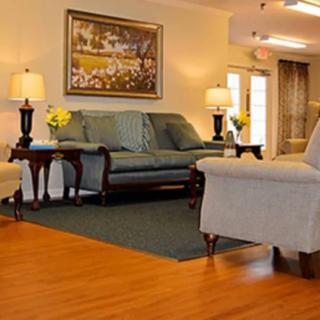
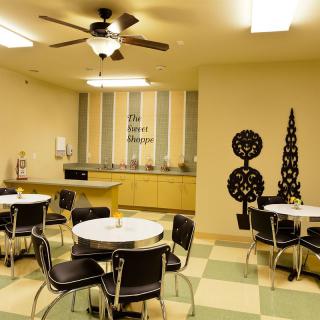
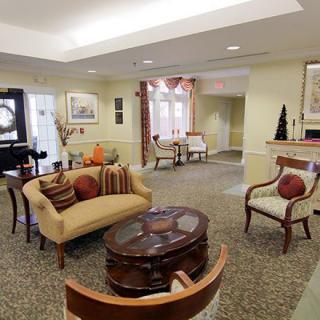
  • Indoor common areas Indoor common areasIndoor common areas are crucial for seniors as they provide a space for socialization, recreation, and community engagement, promoting overall well-being and reducing feelings of isolation and loneliness.

Transportation

  • Tulsa International (10 miles away) Tulsa International (10 miles away)

Care Services

  • Ambulatory care Ambulatory care"Ambulatory care services provide essential medical support and treatment to seniors without requiring hospitalization, allowing them to maintain their independence and quality of life while managing chronic conditions or receiving routine medical care."
  • Diabetic care Diabetic careDiabetic care is crucial for seniors as they are more susceptible to developing diabetes due to aging and other health conditions. Proper management of diabetes can help prevent complications such as heart disease, vision loss, and nerve damage, improving the overall quality of life for seniors in senior living communities.

Dining

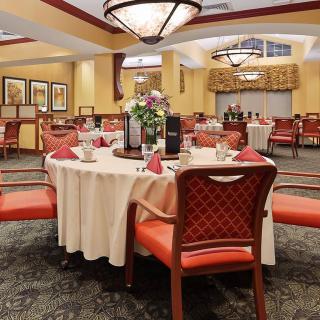
  • Meals provided Meals provided"Meals provided" are crucial for seniors in assisted living communities as it ensures they have access to nutritious, balanced meals without the stress of meal planning and preparation. This can help promote overall health and well-being for seniors who may have limited mobility or cognitive abilities.

Activities

  • Activities on-site Activities on-siteActivities on-site are important for seniors because they provide opportunities for socialization, mental stimulation, physical activity, and overall well-being. Engaging in activities can help seniors stay active, maintain their independence, and improve their quality of life.
  • Devotional activities offsite Devotional activities offsiteDevotional activities offsite are important for seniors because they provide social engagement, spiritual growth, and a sense of community outside of their living environment. This can improve overall well-being, mental health, and combat feelings of isolation or loneliness.

Description

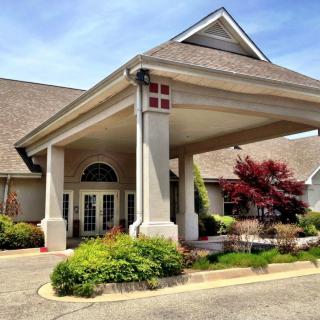
Savanna Landing in Tulsa, OK is an assisted living community that offers a warm and welcoming environment for seniors. Our community provides a range of amenities to ensure the comfort and well-being of our residents. Devotional services off-site allow individuals to nurture their spirituality, while our indoor common areas provide spaces for socializing and relaxation.

At Savanna Landing, we understand the importance of specialized care for those with diabetes. Our dedicated staff is trained to provide diabetic care, ensuring that residents receive the support they need to manage their condition effectively.

We believe in promoting an active and engaging lifestyle for our residents. Devotional activities offsite allow individuals to continue practicing their faith, fostering a sense of spiritual fulfillment. Additionally, our convenient location offers easy access to various cafes, parks, pharmacies, physicians' offices, restaurants, transportation options, places of worship, theaters, and hospitals. This ensures that residents have ample opportunities for outings and entertainment.

At Savanna Landing in Tulsa, OK, we strive to create a nurturing environment where seniors can thrive physically, mentally, and emotionally. With our exceptional care services and vibrant community life, we are dedicated to providing a fulfilling assisted living experience for our residents.

Nearby Places of Interest

Pharmacies

  • Walgreens (0.8 miles)
  • Drug Warehouse (0.8 miles)
  • CVS Pharmacy (1.1 miles)
  • Walmart Pharmacy (1.5 miles)
  • Warehouse Market (1.9 miles)
  • CVS Pharmacy (2.8 miles)
  • Walgreens (3 miles)

Restaurants

  • Casa Del Tequila (1.1 miles)
  • Chick-Fil-A (1.8 miles)
  • Old School Bagel Cafe (2.2 miles)
  • Chimi's Mexican Food (2.2 miles)
  • Whataburger (2.4 miles)
  • Sonic Drive-In (2.4 miles)
  • River Spirit Casino (2.7 miles)

Physicians

  • Osteo Strong (1.1 miles)
  • Beatty John Saint John Clinic Family Medical Care Tulsa (1.6 miles)
  • Family Care of Tulsa (2.4 miles)
  • Oklahoma Men's Clinic (2.7 miles)
  • Ranch Acres Audiology (2.7 miles)
  • Tulsa Endoscopy Center (2.9 miles)
  • Warren Clinic-Springer Building (3.1 miles)

Places of Worship

  • Brookside Baptist Church (2.3 miles)
  • Tulsa Hills Church Of The Nazarene (2.5 miles)
  • Christ United Methodist Church (3.2 miles)
  • Islamic Society of Tulsa (3.9 miles)
  • Boston Avenue United Methodist Church (4.6 miles)

Parks

  • Riverparks (2.4 miles)
  • Gathering Place (3.4 miles)
  • River Parks 96th and Riverside (4 miles)
  • Florence Park (4.3 miles)
  • Leake Park (5.1 miles)

Cafes

  • Starbucks (2.5 miles)
  • Starbucks (3.1 miles)
  • Dutch Bros Coffee (3.2 miles)
  • Starbucks (4.1 miles)
  • Coffee House (4.3 miles)

Theaters

  • AMC CLASSIC Tulsa Hills 12 (2.8 miles)
  • AMC Southroads 20 (3.8 miles)

Transportation

  • Christiansen Aviation (2.8 miles)
  • Richard Lloyd Jones Jr Airport (RVS) (2.9 miles)

Hospitals

  • Health Design (3.9 miles)
  • St John Medical Center (3.9 miles)
  • Hillcrest Medical Center Same Day Surgery (4.8 miles)
  • Hillcrest Medical Center (4.8 miles)
  • Hillcrest Specialty Hospital (4.8 miles)
  • Oklahoma State University Medical Center (4.9 miles)

Frequently Asked Questions

Where is Savanna Landing?

Nearby Communities

Assisted Living in Nearby Cities

Related Resources

  • elderly blood pressure chartComprehensive Look at Senior Blood Pressure Charts: Normal and Elevated Levels by Age
    The overview of blood pressure management for seniors emphasizes the importance of monitoring and interpreting blood pressure readings, noting that normal ranges can vary due to age-related factors and individual health conditions. It highlights tailored guidelines for systolic and diastolic levels, the necessity of early detection and consistent management to prevent serious health complications, and advocates for personalized care strategies that incorporate lifestyle changes and medication adherence.

  • best dog for seniorsTop Canine Companions for Older Adults

    Dogs can greatly improve the lives of older adults by offering emotional support and encouraging physical activity, with factors such as size, temperament, and grooming needs being crucial in selecting a suitable breed. Senior dogs often make ideal companions for this demographic, promoting social connections and requiring care routines that align with seniors' capabilities.

  • elderly blood pressure chartComprehensive Guide to Blood Pressure Charts for Older Adults: Understanding Normal and High Readings by Age

    The guide on blood pressure charts for older adults stresses the importance of understanding normal and high blood pressure readings influenced by age, genetics, and lifestyle, while emphasizing regular monitoring and lifestyle modifications to prevent serious health issues. It provides insights into blood pressure categories, dietary recommendations, medication considerations, and the role of caregivers in supporting healthy habits.