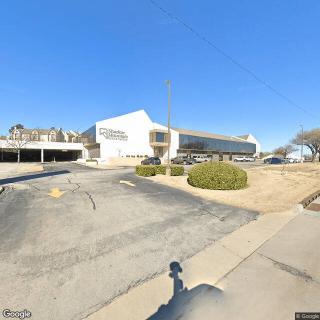
Maplewood Care Center is a nursing home community in Tulsa, OK.
Information last verified:
6202 E 61st St, Tulsa, OK 74136
For more information about senior living options: (866) 208-4318
1.8 from 115 reviews
5 stars
18
4 stars
5
3 stars
2
2 stars
1
1 stars
89
Overall Review of Maplewood Care Center
differentiator2 reviews mention this
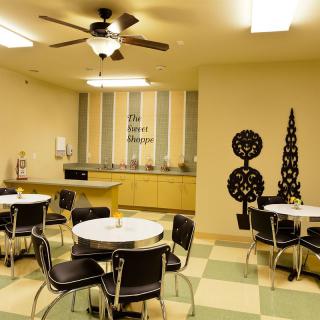
Dining is a bright spot
Meals and the dining space are consistently described positively.
Several residents and families describe the food as very good for a care center. Reviews also mention a dining room experience that feels more like a home setting, along with having three meals a day.
caveat2 reviews mention this
Response by phone and door
Some families say they could not reach staff promptly by phone.
At least a couple of reviewers report difficulty getting help when calling or even when someone is at the front desk. One review describes waiting while no one answers, and another says no one ever answers the phone when urgent questions come up.
caveat3 reviews mention this
Care safety concerns raised
Multiple reviews connect care issues to safety problems.
Some reviewers describe serious health and safety problems while a loved one was in the facility. Bed sores are mentioned as evidence of neglect in more than one review, and another account describes a resident developing bed wounds during a rehab stay.
common2 reviews mention this
Caring staff is noticed
Residents and families mention staff who feel caring and healthcare focused.
A couple of reviews specifically highlight staff as caring and healthcare centered, including nursing-related support. Another reviewer also says issues or questions were addressed quickly and professionally.
How we summarize
Counts show how many written reviews mention each theme; a review can touch several themes, and only frequently mentioned themes are displayed.
Features
Types of Care
Skilled Nursing Facility
Transportation
Tulsa International (9 miles away)
Care Services
High acuity care
Videos
Nearby Places of Interest
Restaurants
Whataburger (0.2 miles)
Hideaway Pizza (1 miles)
Old School Bagel Cafe (1.1 miles)
Beijing Gourmet (1.2 miles)
Charleston's Restaurant (1.2 miles)
Olive Garden (1.4 miles)
Taco Bell (1.5 miles)
Physicians
Breast Specialists Of Saint Francis (0.8 miles)
Eastern Oklahoma Orthopedic Center (0.9 miles)
Child Neurology of Tulsa (0.9 miles)
Bregman Richard Warren Clinic Neurosurgery Tulsa (1 miles)
Palliative care enhances the quality of life for seriously ill patients by providing comprehensive support at home through a multidisciplinary team, addressing various needs and prioritizing comfort over curative treatments. While it offers personalized care and involves family in decision-making, challenges like caregiver stress and logistical issues persist, with growing demand prompting advancements in technology and healthcare policies to improve access.
Palliative home care focuses on improving the quality of life for individuals with serious illnesses by providing comfort, symptom management, and emotional support in their own homes. This approach includes personalized care plans, regular assessments, and resources for family caregivers, all while prioritizing person-centered treatment that aligns with patients' goals.
Skilled nursing facilities (SNFs) provide high-level medical care and rehabilitation for short-term recovery, typically covered by Medicare after hospitalization, while nursing homes focus on ongoing custodial care for chronic conditions, mainly funded by Medicaid or private payments. The staffing and regulatory structures differ significantly between the two, necessitating clarity for families in choosing appropriate long-term care options.
Get PricingAsk A QuestionSchedule A TourContact Senior Advisor
By clicking submit, you agree to our Partner's Terms of Use. You
also consent to receive calls and texts, which may be autodialed, from our Partner. Your consent is not a condition to
using our Partner's service. Please visit our Partner's Privacy Policy for information about their privacy practices.

 Skilled Nursing Facility
 Tulsa International (9 miles away)
 High acuity care
 Strong amenities and care services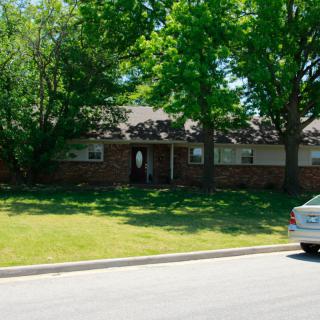
 Exploring Palliative Care in the Home: A Comprehensive Overview
 Comprehensive Insights into Palliative Home Care: What It Is and What to Expect
 Skilled Nursing Facilities vs. Nursing Homes: Making Sense of the Differences