Aberdeen Heights Assisted Living offers competitive pricing for its residents, reflecting the quality of care and services provided. For those considering a studio apartment, the monthly cost is set at $3,800, which is slightly above the average for Tulsa County at $3,593 and the state rate of $3,629. If opting for a one-bedroom unit, residents can expect to pay $4,450 - again higher than both county and state averages of $3,600 and $3,565 respectively. The two-bedroom option is priced at $5,715, which surpasses Tulsa County's average of $4,169 but remains above Oklahoma's statewide average of $3,747. While Aberdeen Heights may be positioned at a higher price point than some alternatives in the area, it emphasizes personalized care and a vibrant community atmosphere that many find invaluable.
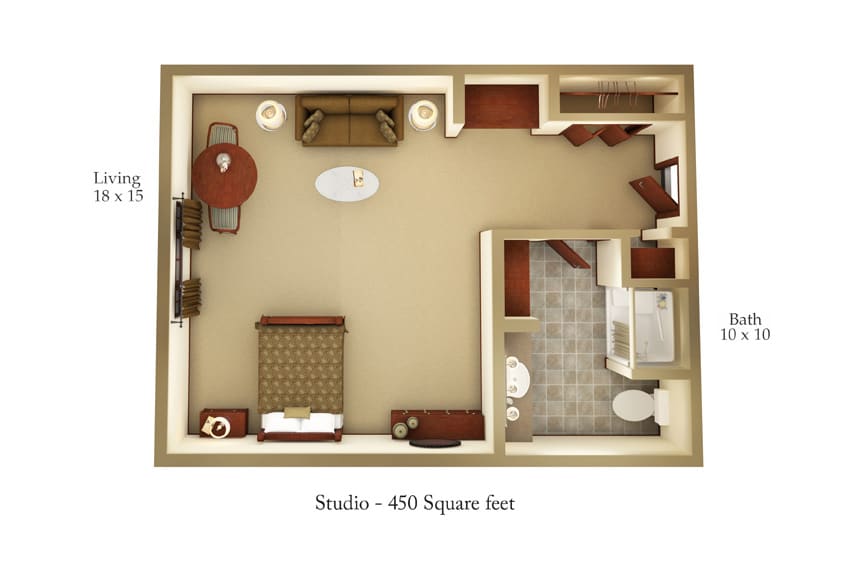
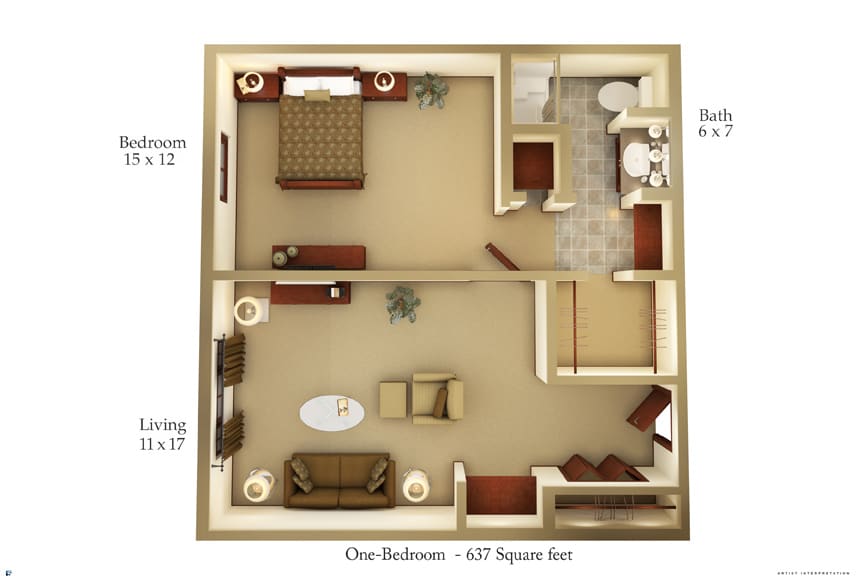
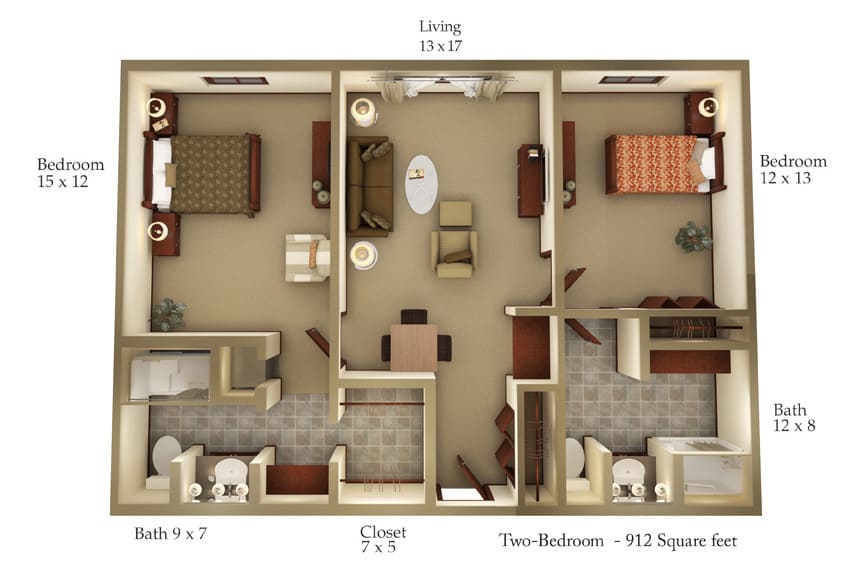
Floor plans
Aberdeen Heights Assisted Living
Tulsa County
Oklahoma
Studio
$3,800
$3,593
$3,629
1 Bedroom
$4,450
$3,600
$3,565
2 Bedrooms
$5,715
$4,169
$3,747
Skilled Nursing Facilities with a similar price nearby
Overall Review of Aberdeen Heights Assisted Living
common
Caring, family-like staff stands out
Residents and families repeatedly describe a caring, responsive staff.
Many reviewers say the staff is friendly and treats residents like family, with frequent mentions of nurses, aides, and the director being approachable. Several describe responsive communication and being able to reach staff when needed. A smaller set of reviews contrasts that experience, criticizing communication and follow-through during or after serious events.
common
Dining is a mixed experience
Dining draws strong opinions, with both praise and complaints.
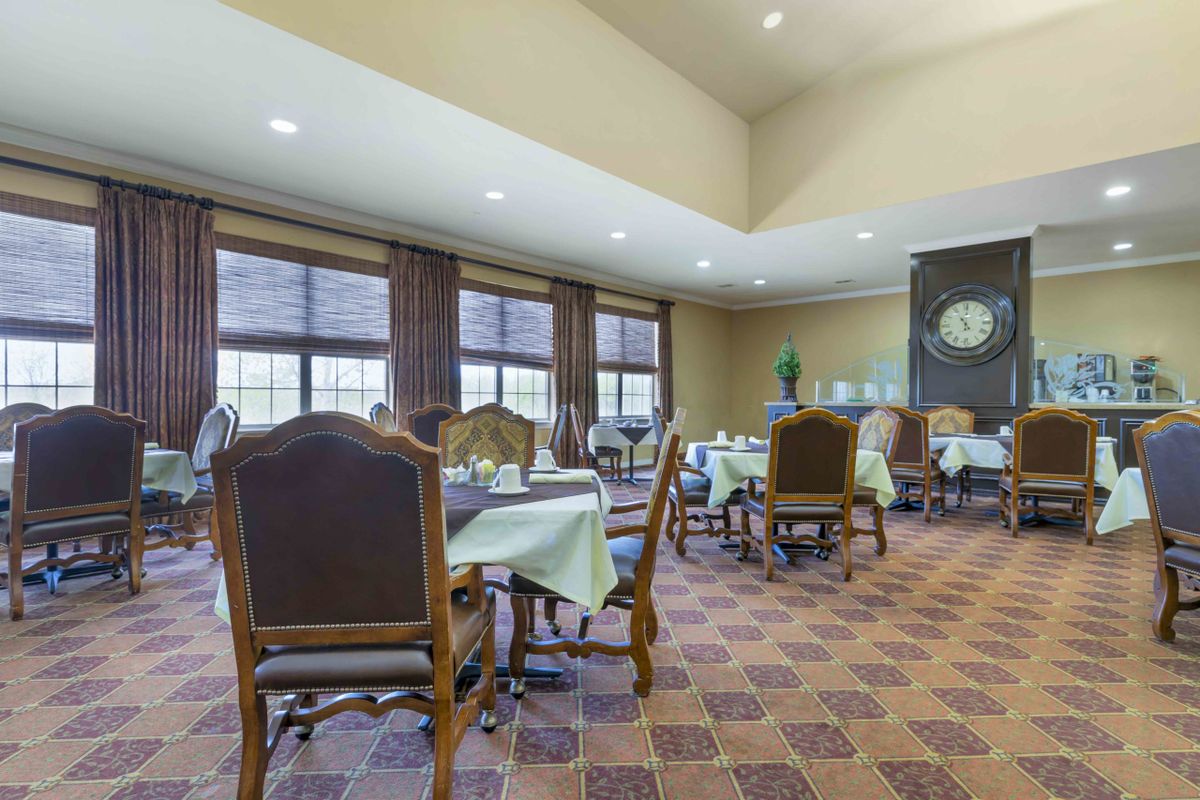
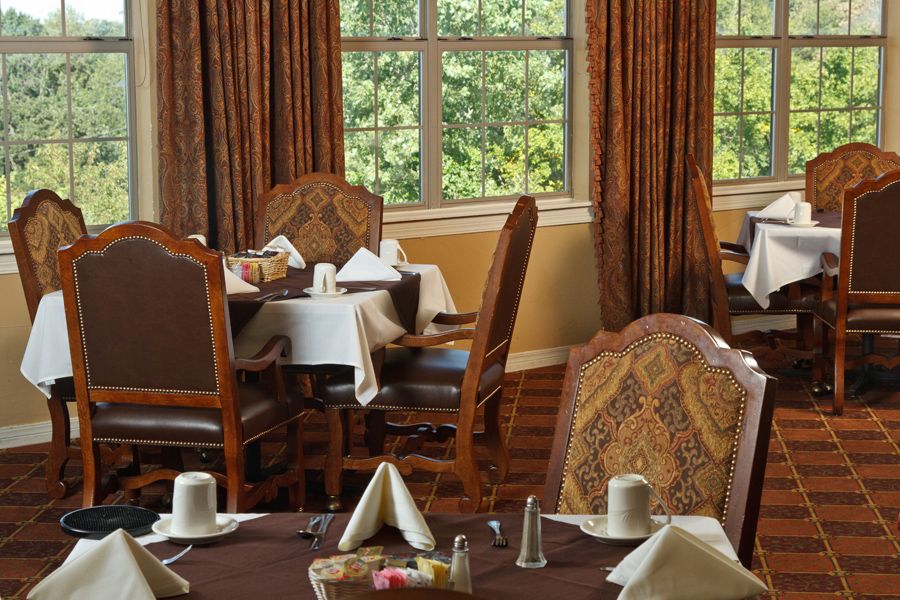
On the positive side, multiple residents and families describe meals as excellent, restaurant-like, and well presented, including a full-time chef and waitstaff service. Reviewers also connect dining with daily enjoyment and overall satisfaction. Others report that food quality declined or portions were too small, and one review says residents were often complaining about it.
common
Activities help residents stay engaged
Reviews frequently point to engaging, scheduled activities.
A recurring theme is that residents have a lot to do, with mentions of daily programming, bingo and other games, and live entertainment such as music and dance/theater. Several reviewers also highlight specific activity touches like happy hour and arts and crafts, and they describe residents becoming more involved over time. A few reviews raise concerns that activities were limited or staffing for activities changed.
caveat
Costs and move-out charges draw criticism
Some families say the community is expensive and billing felt unfair.
Pricing comes up directly in reviews, including comments that the community is overpriced and that rates increased. One detailed negative review describes dispute over move-out charges for carpet and paint after a loved one passed, along with frustration about documentation and explanations. The listing pricing also suggests units are generally priced above county and state benchmarks, which may align with these concerns.
How we summarize
We summarize when many written reviews mention each theme; a review can touch several themes, and only frequently mentioned themes are displayed.
Features
Housing
96 resident community capacity
1-bedroom apartments
2-bedroom apartments
Studio apartments
Types of Care
Assisted Living
Skilled Nursing Facility
Pets
Cats allowed
Dogs allowed
Amenities
Activities off-site
Activities on-site
Air-conditioning
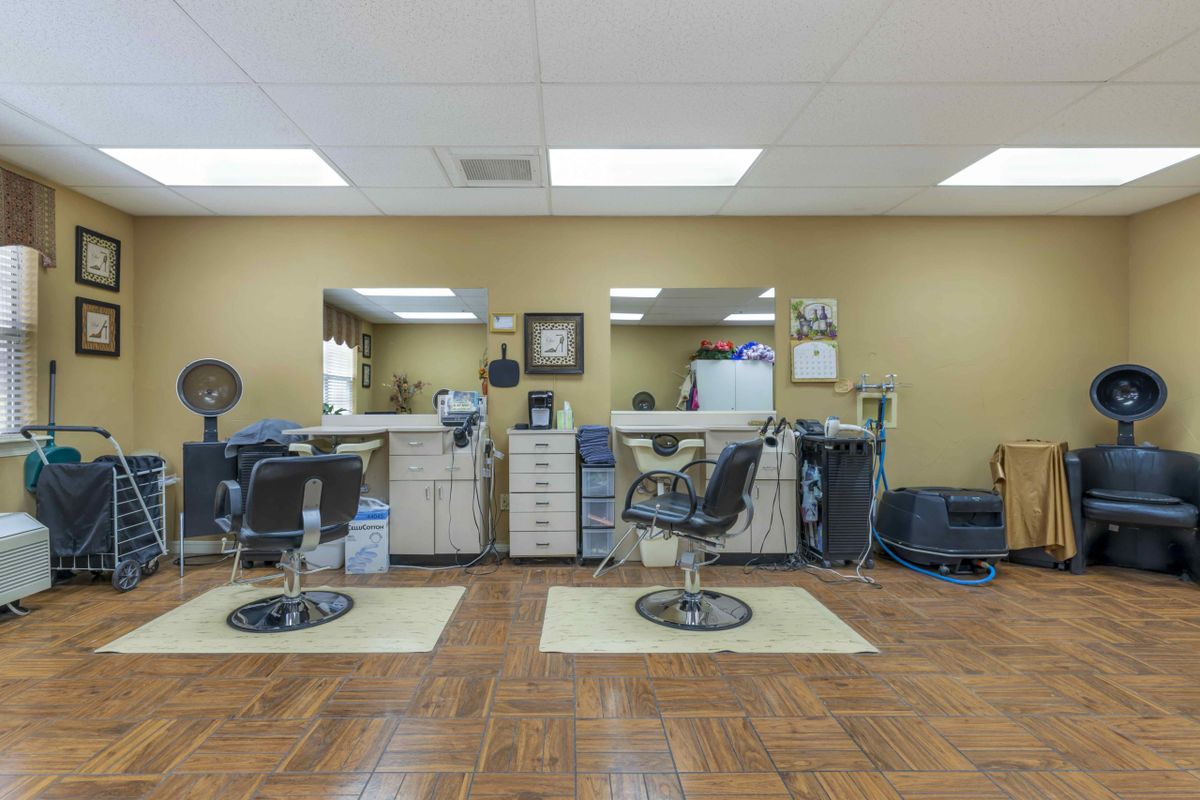
Beautician on-site
Beauty salon
Cable or satellite TV
Computer center
Devotional services off-site
Devotional services on-site
Dining room
Fitness room
Fully furnished
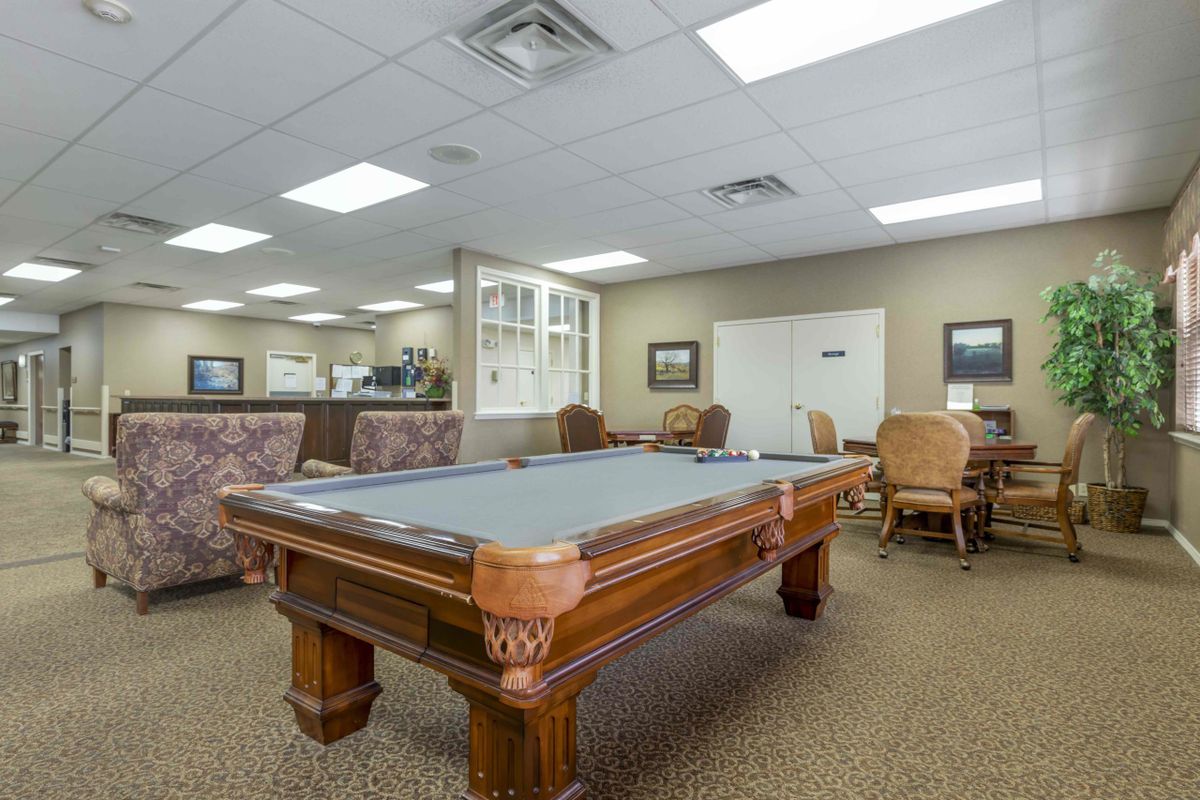
Gaming room
Garden
Ground floor units
Handicap accessible
Housekeeping services
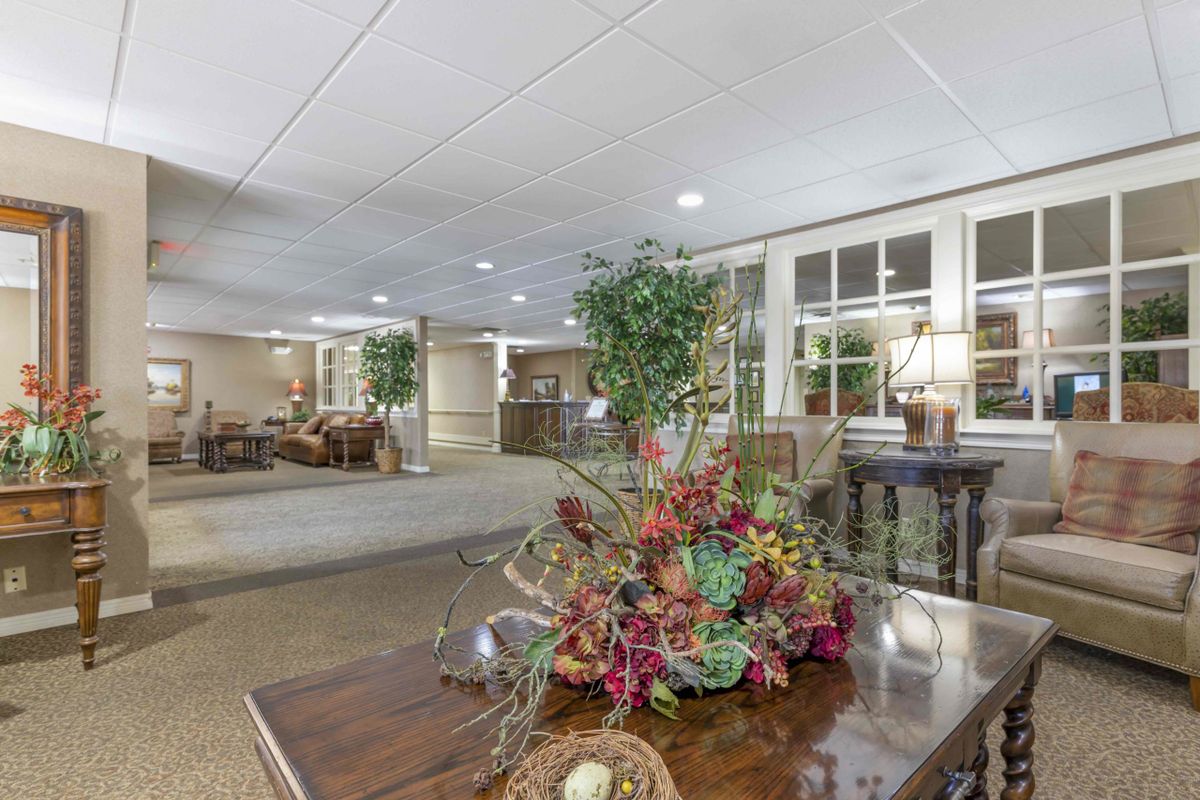
Indoor common areas
Kitchenette
Laundry
Move-in coordination
Outdoor common areas
Outdoor space
Party space
Private bathrooms
Restaurant-style dining
Small library
Telephone
Wellness center
Wheelchair accessible showers
Wi-Fi/high-speed internet available
Transportation
Tulsa International (10 miles away)
Community operated transportation
Transportation & parking
Transportation arrangement
Transportation arrangement (non-medical)
Transportation to doctors appointments
Care Services
12-16 hour nursing
24-hour call system
24-hour supervision
Activities of daily living assistance
Ambulatory care
Assistance with bathing
Assistance with dressing
Assistance with transfers
Coordination with health care providers
Diabetes diet
Diabetic care
Incontinence care
Meal preparation and service
Medication management
Mental wellness program
Special dietary restrictions
Transportation arrangement (medical)
Transportation to doctors appointments
Dining
Diabetes diet
Guest meals
Meals provided
Professional chef
Restaurant style dining
Room service
Special dietary restrictions
Vegetarian
Activities
Activities off-site
Art classes
Catholic services
Community-sponsored activities
Concierge services
Cooking classes
Day trips and outings
Devotional activities offsite
Devotional activities on-site
Educational speakers / life long learning
Fitness programs
Happy hour
Karaoke
Live dance or theater performances
Live musical performances
Planned day trips
Protestant services
Religious services
Resident-run activities
Scheduled daily activities
Languages Spoken
English
Nearby Places of Interest
This part of Tulsa, Oklahoma offers a convenient and diverse range of amenities for senior living. With a variety of physicians specializing in allergy, asthma, immunology, neurosurgery, orthopedics, and child neurology in close proximity, seniors can easily access healthcare services. Additionally, there are several pharmacies nearby for medication needs. For dining options, there is a mix of restaurants offering different cuisines such as Italian, Thai, American classics, and fast food. There are also cafes for those who enjoy coffee or tea. Nearby parks provide opportunities for outdoor recreation and relaxation. Places of worship cater to various spiritual needs, while hospitals and theaters offer additional resources for overall well-being and entertainment. Transportation options including an airport ensure easy travel access if needed.
Physicians
Allergy Asthma And Immunology Center P.C. (0.1 miles)
Tulsa Eye Clinic (0.1 miles)
South Tulsa Optical (0.2 miles)
Charles Walter Garrett (0.7 miles)
Bregman Richard Warren Clinic Neurosurgery Tulsa (0.8 miles)
Aberdeen Heights Assisted Living offers competitive pricing for its residents, reflecting the quality of care and services provided. For those considering a studio apartment, the monthly cost is set at $3,800, which is slightly above the average for Tulsa County at $3,593 and the state rate of $3,629. If opting for a one-bedroom unit, residents can expect to pay $4,450 - again higher than both county and state averages of $3,600 and $3,565 respectively. The two-bedroom option is priced at $5,715, which surpasses Tulsa County's average of $4,169 but remains above Oklahoma's statewide average of $3,747. While Aberdeen Heights may be positioned at a higher price point than some alternatives in the area, it emphasizes personalized care and a vibrant community atmosphere that many find invaluable.
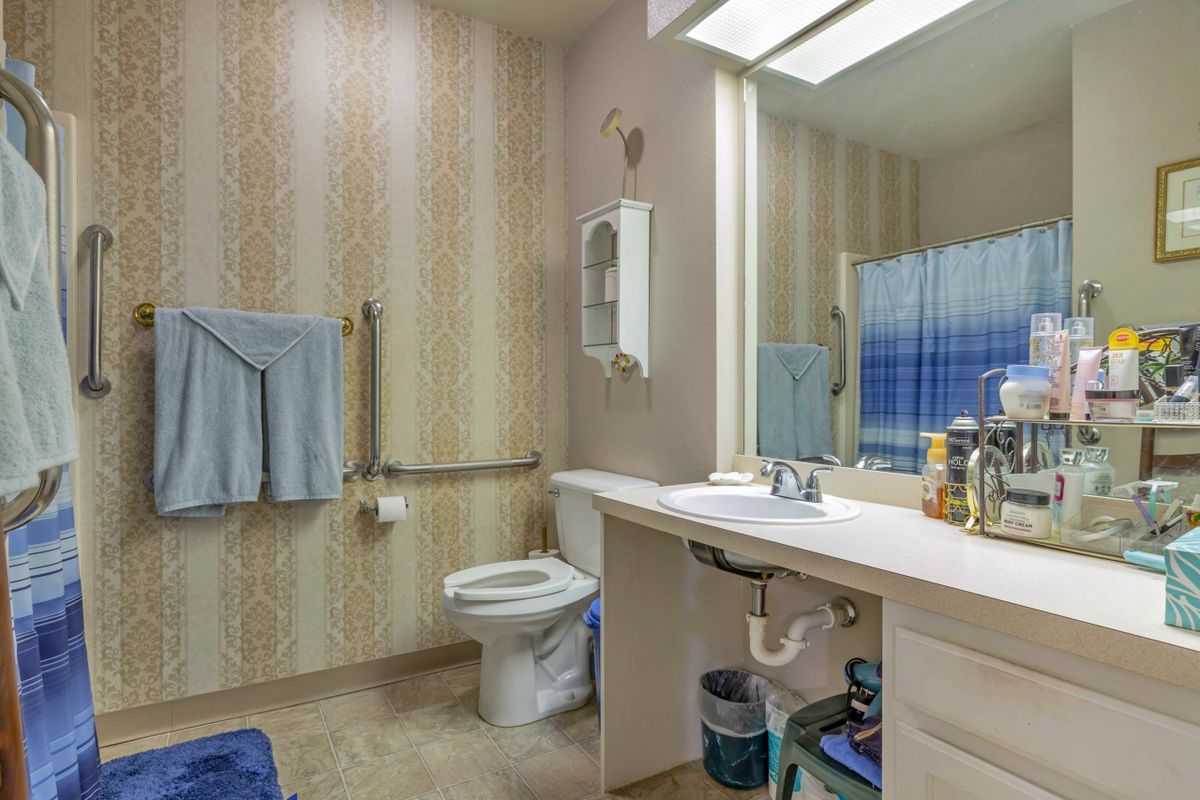
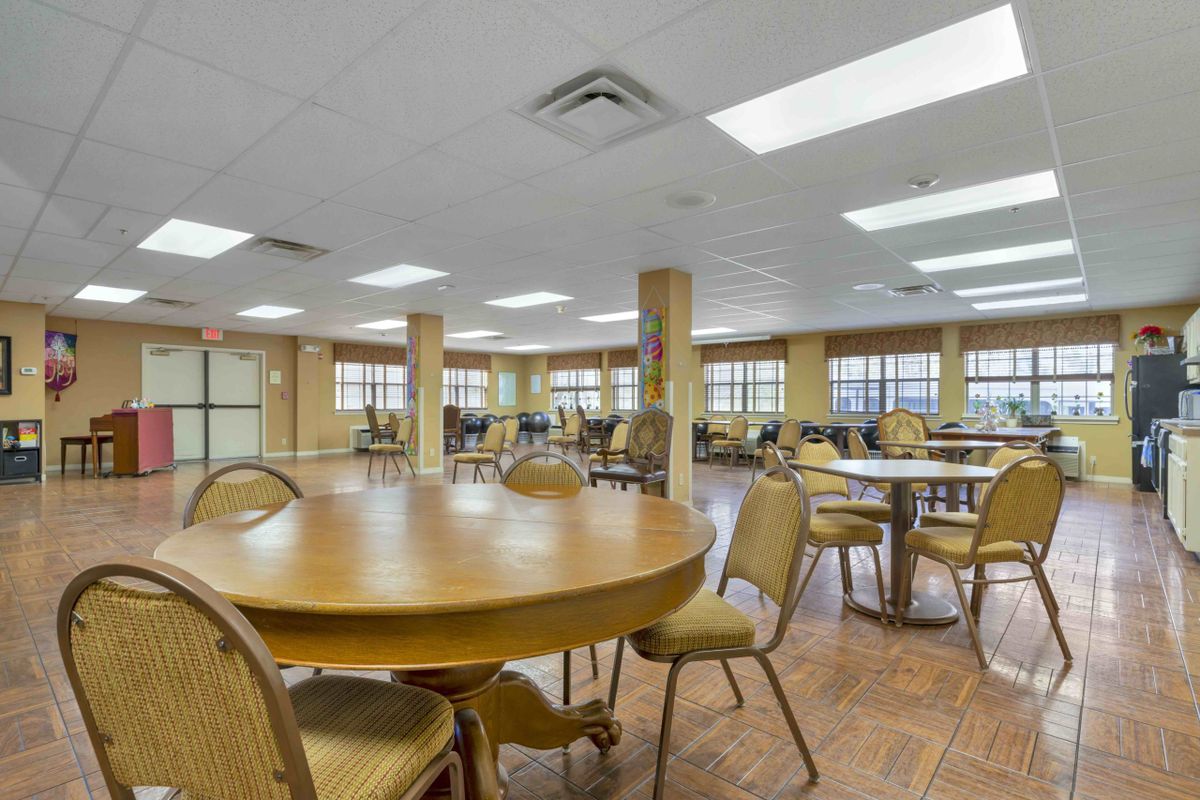
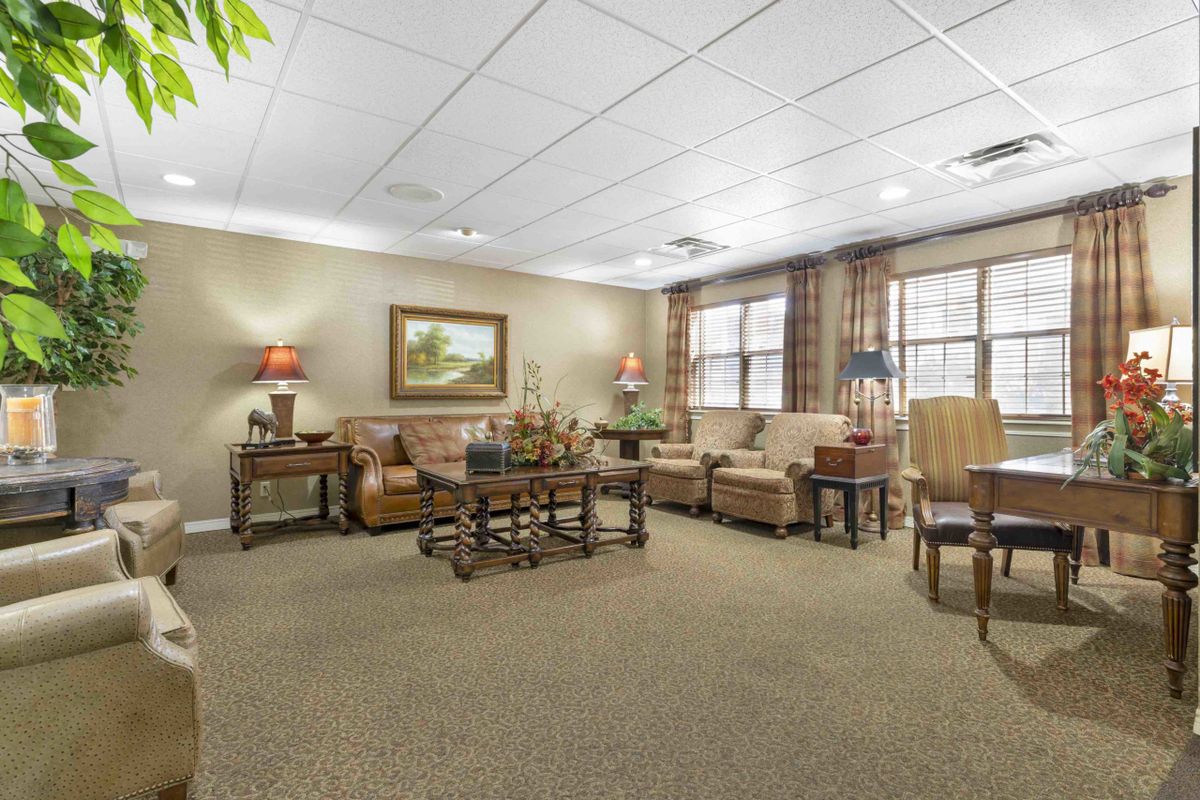
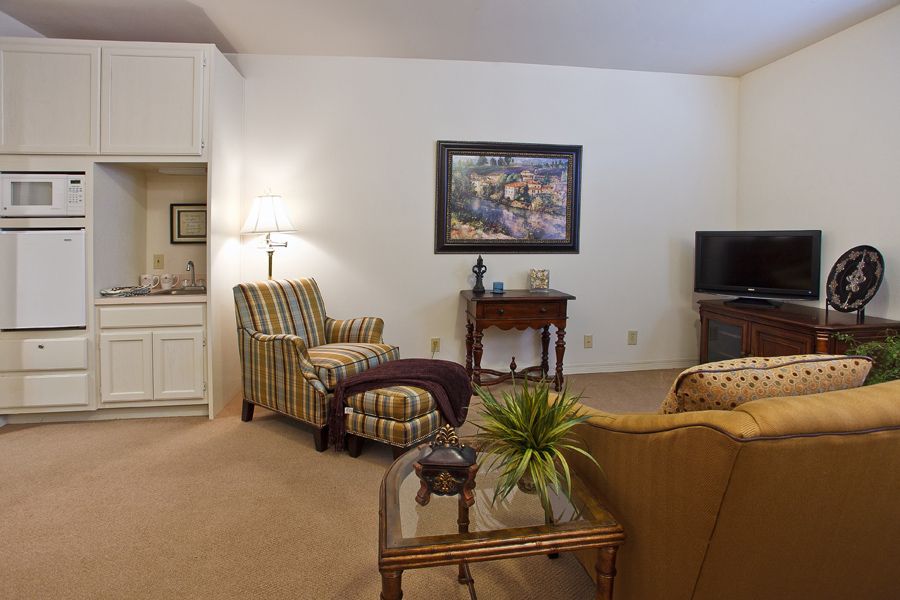
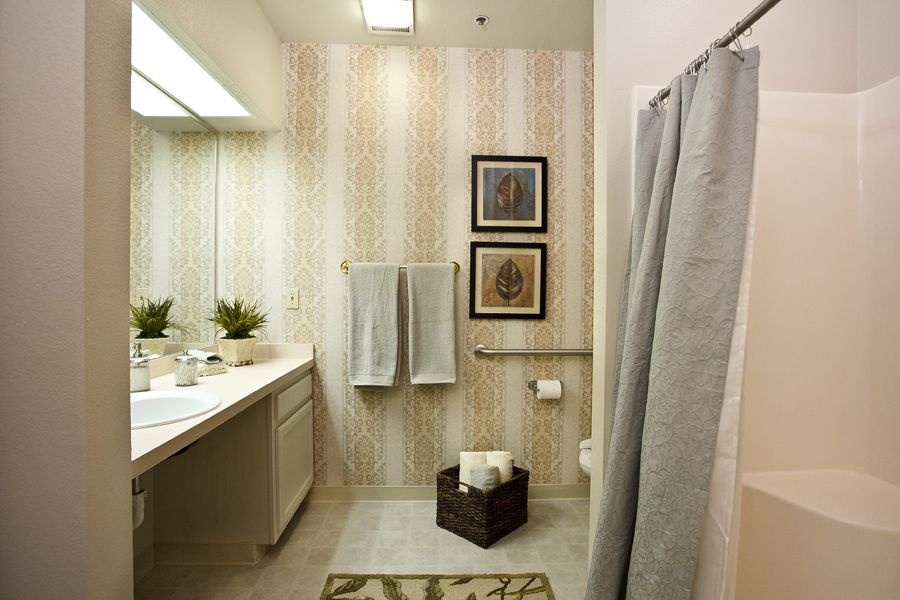
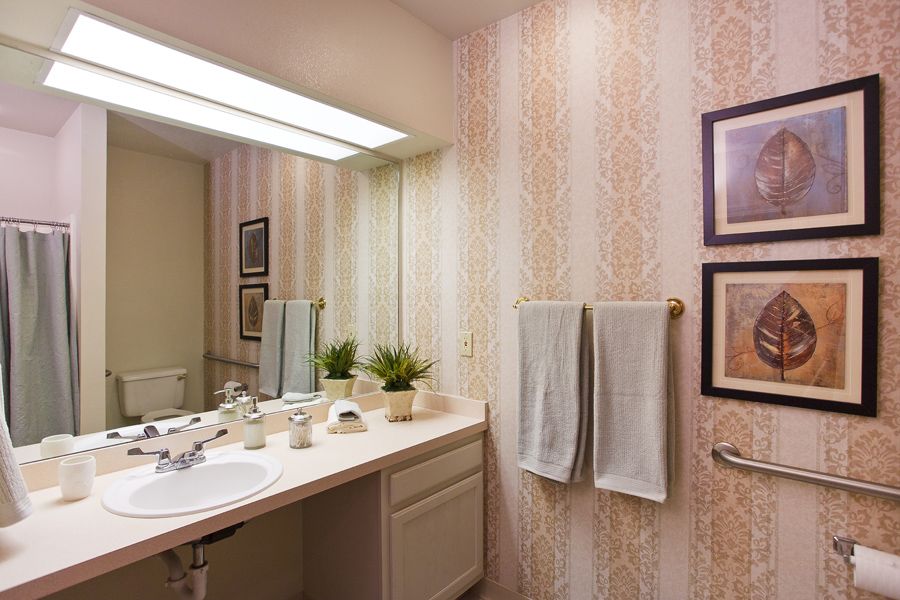
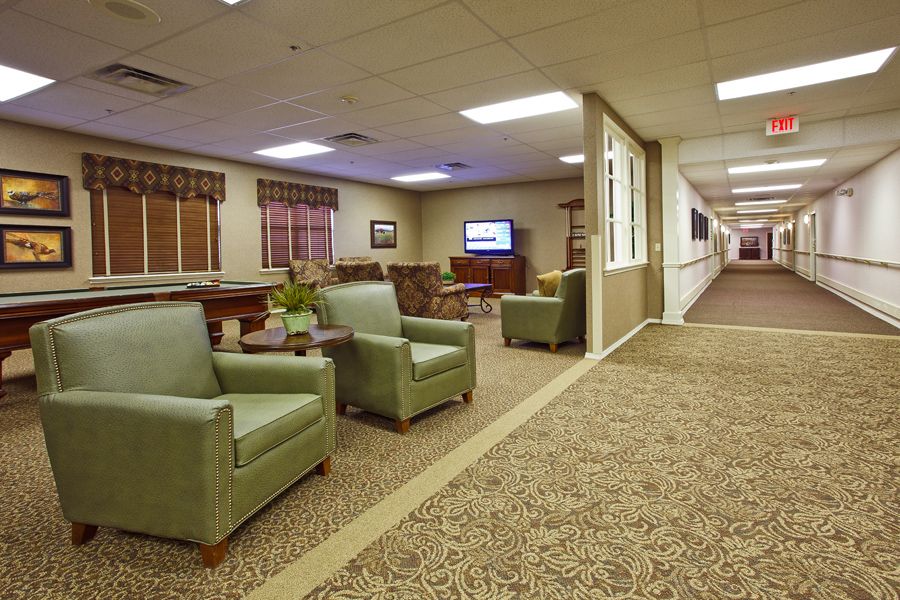
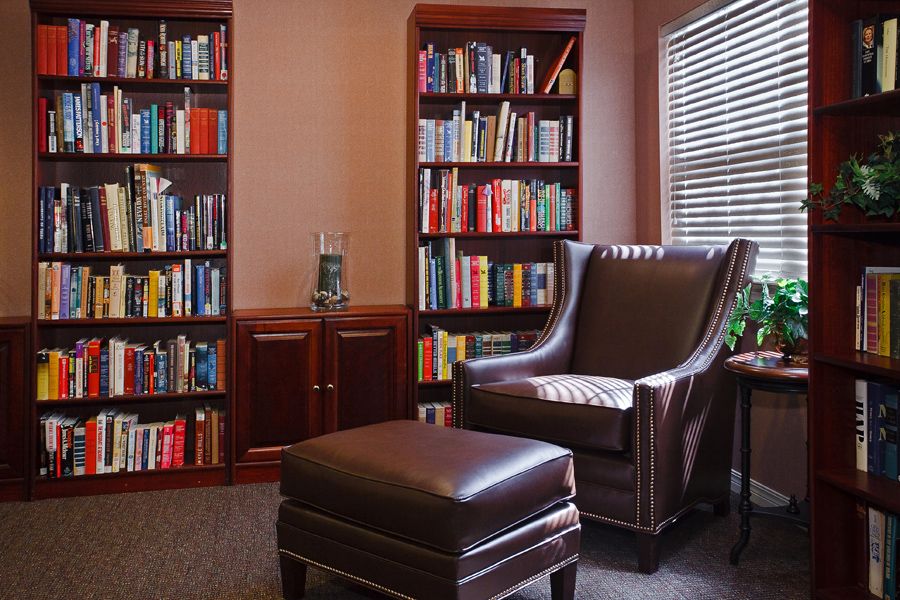
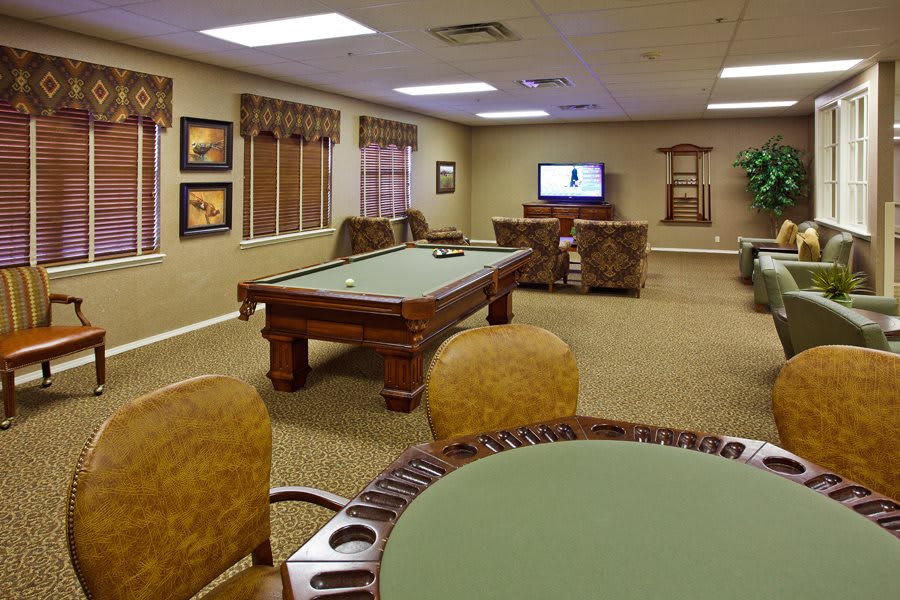
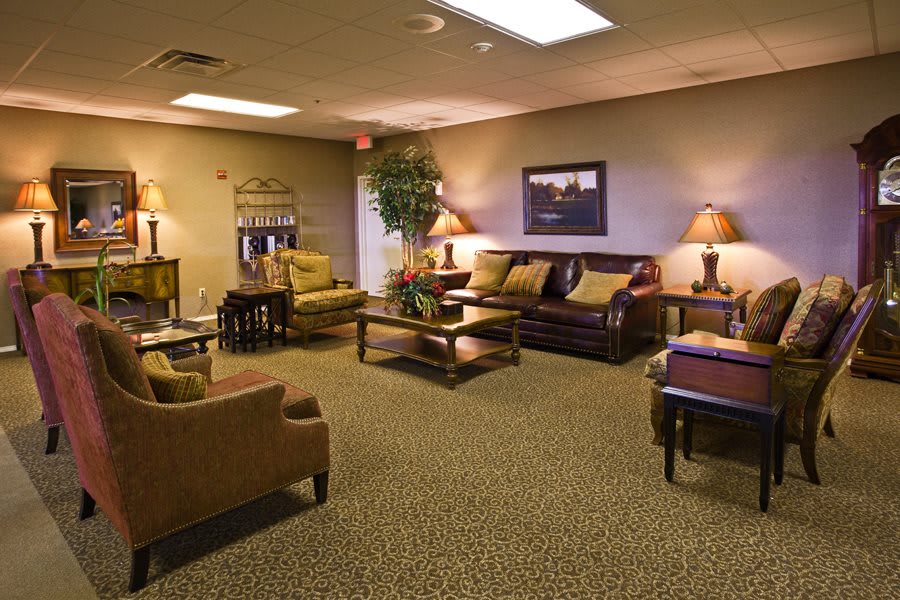
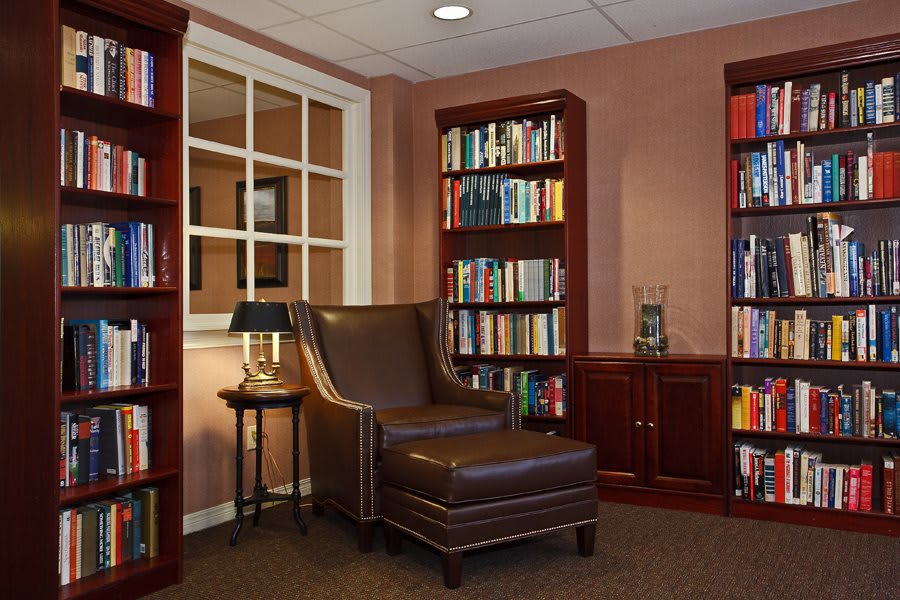
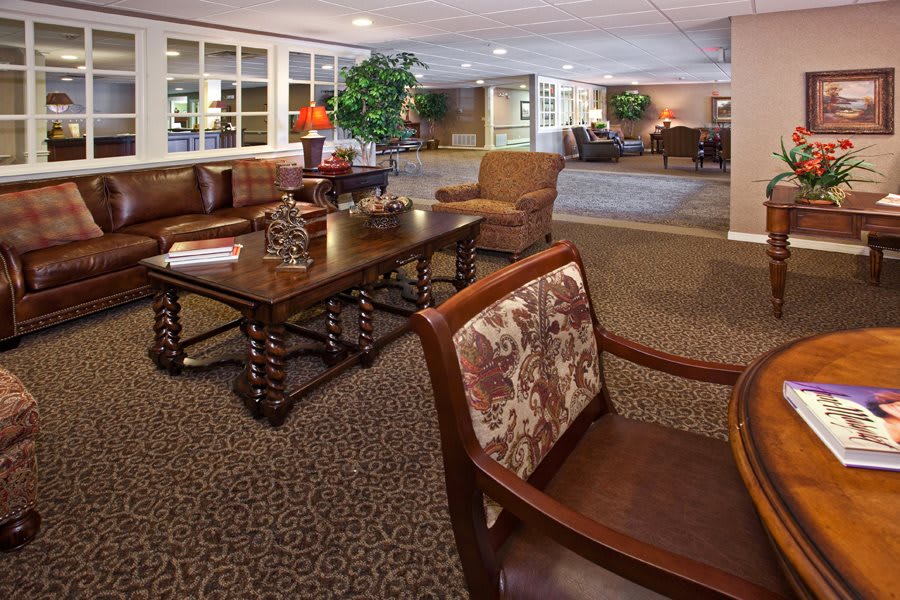
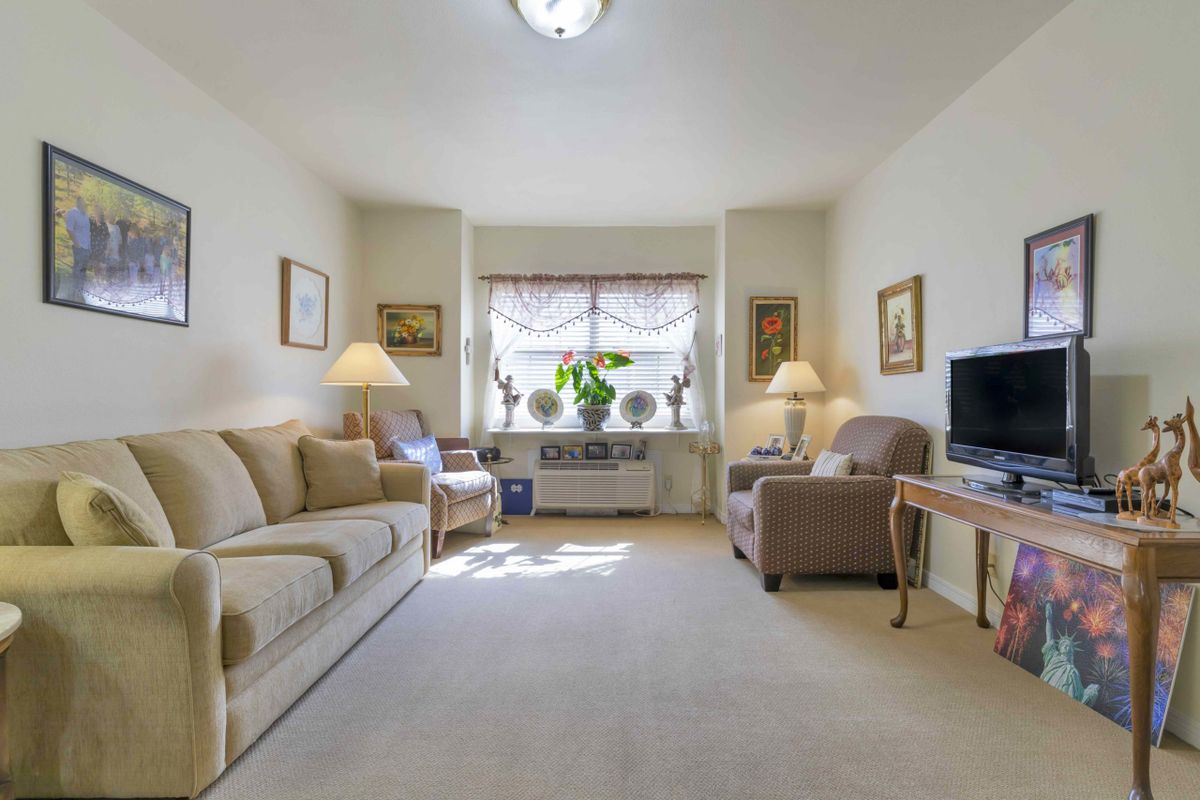
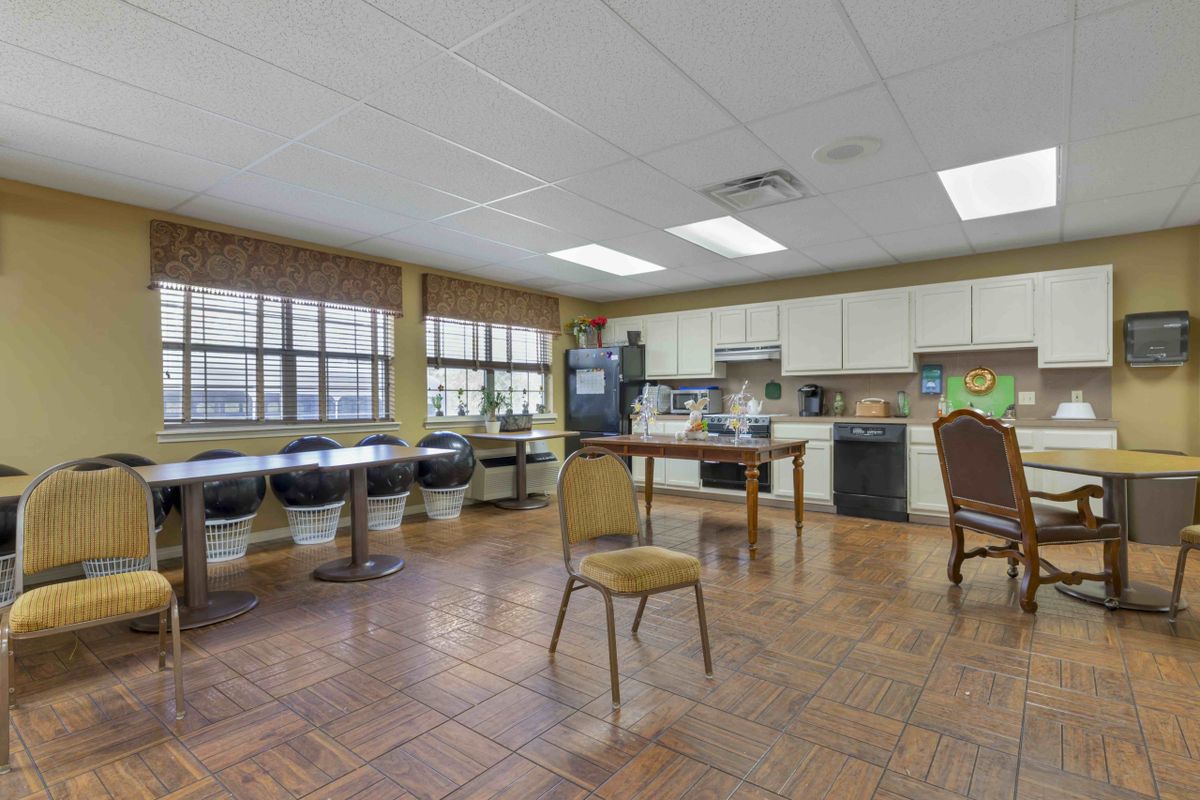
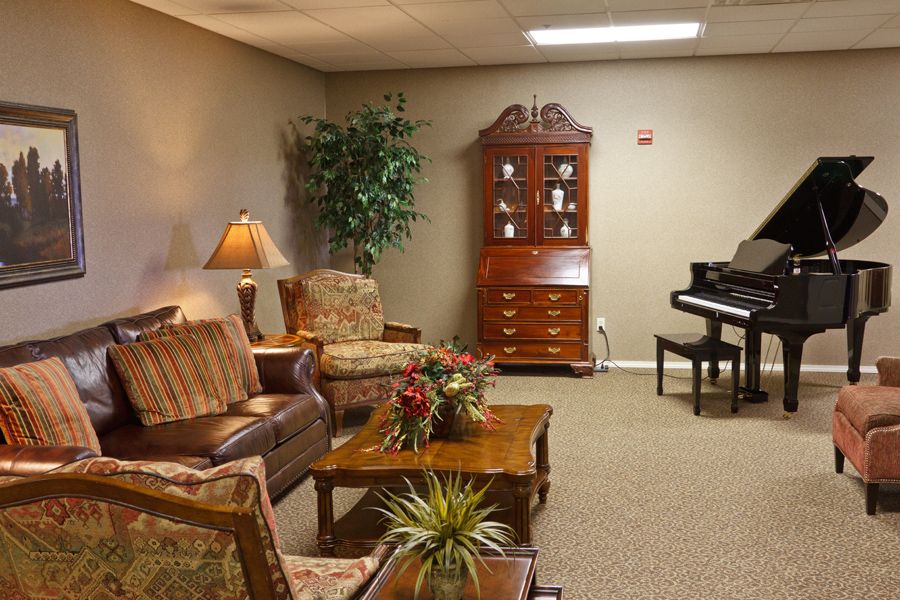
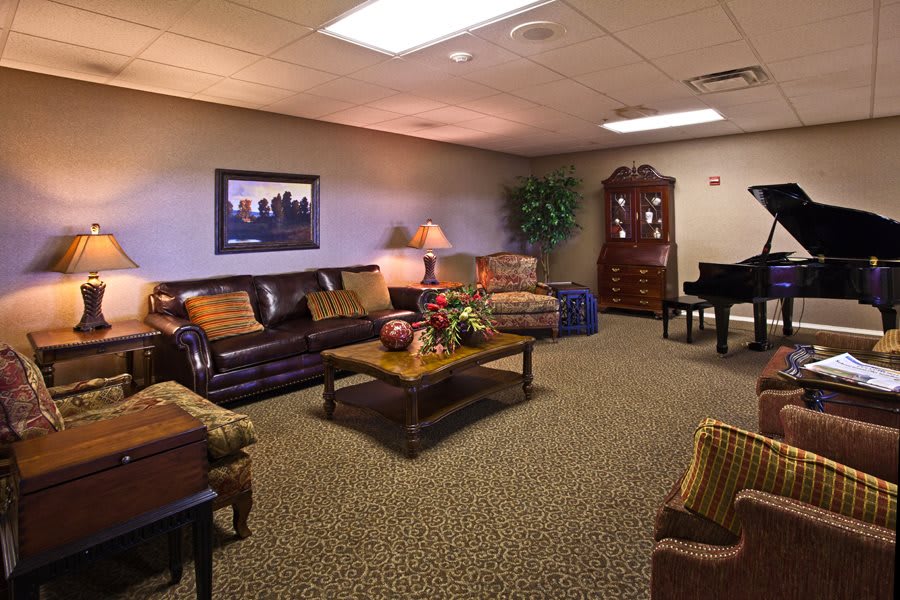
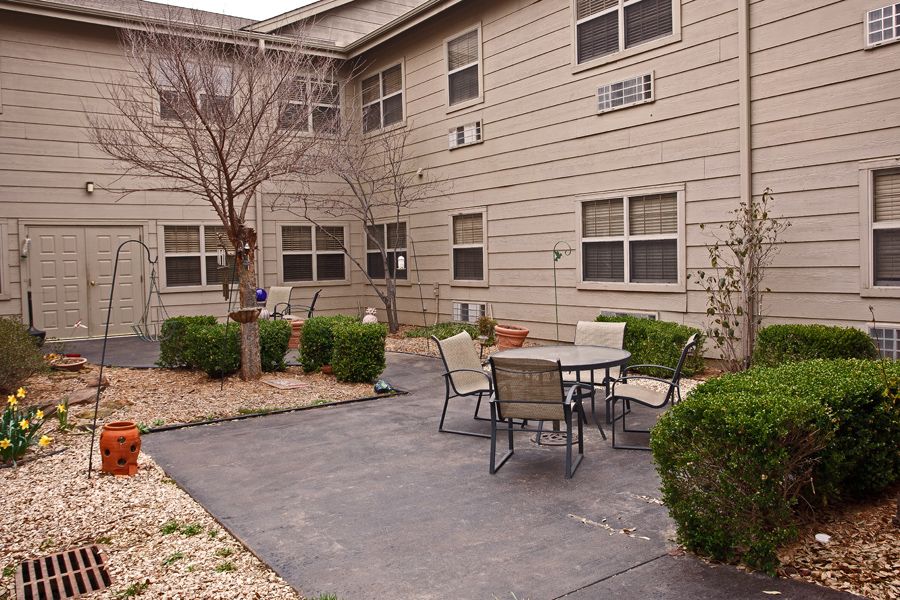
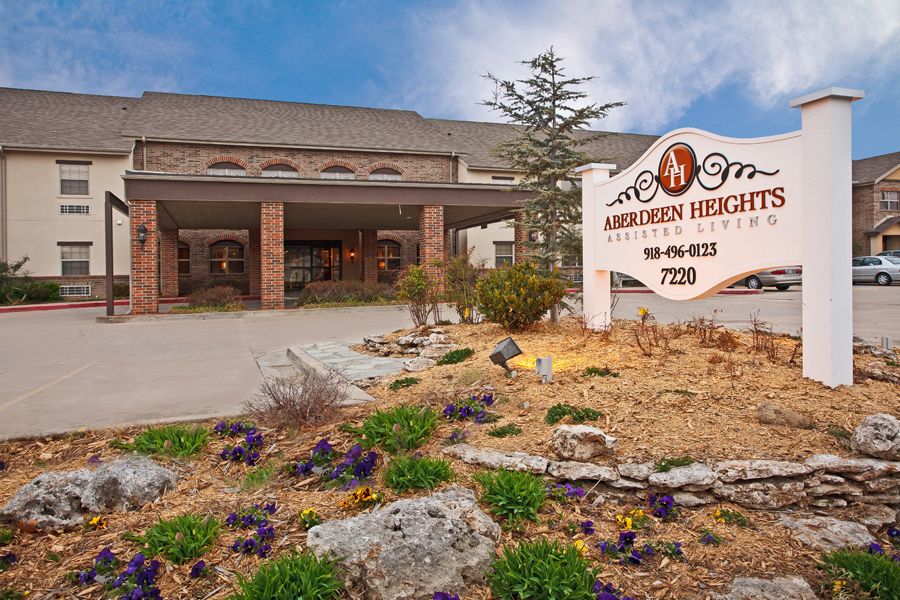
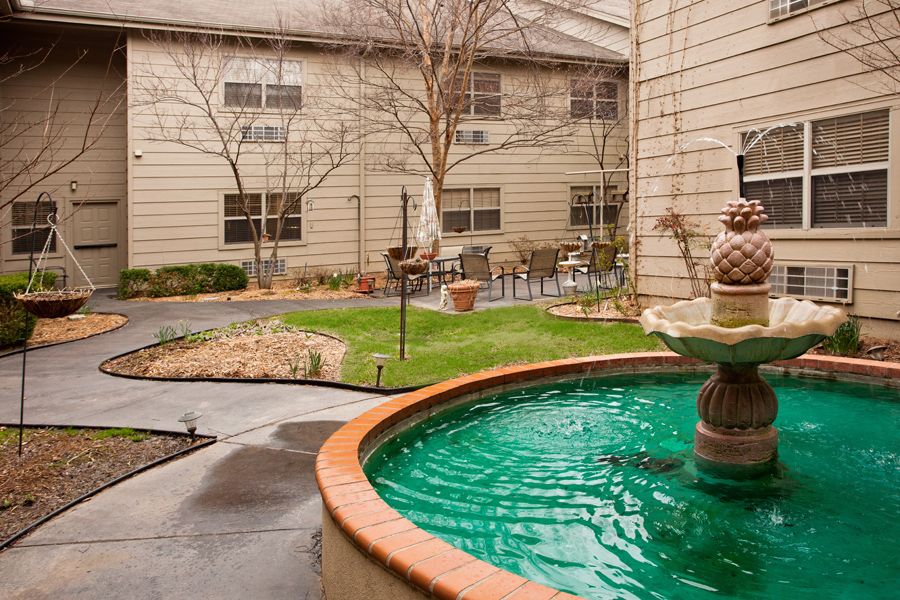
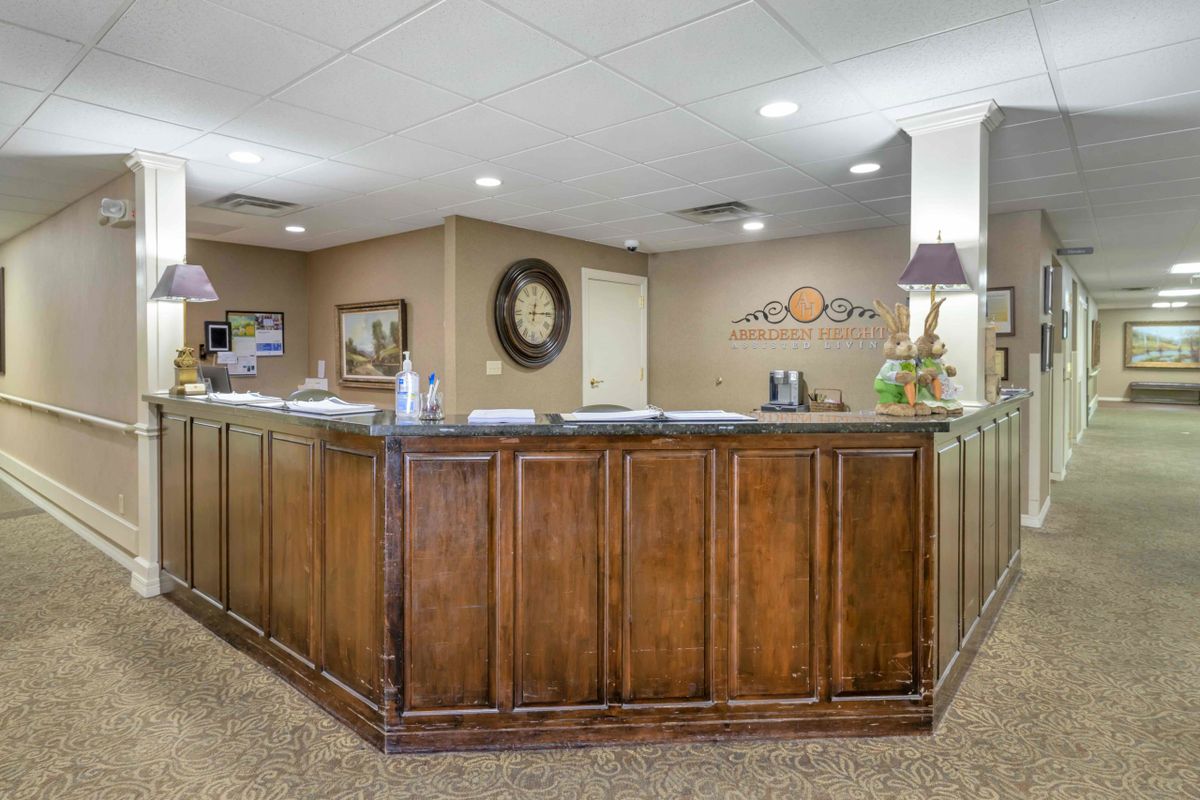
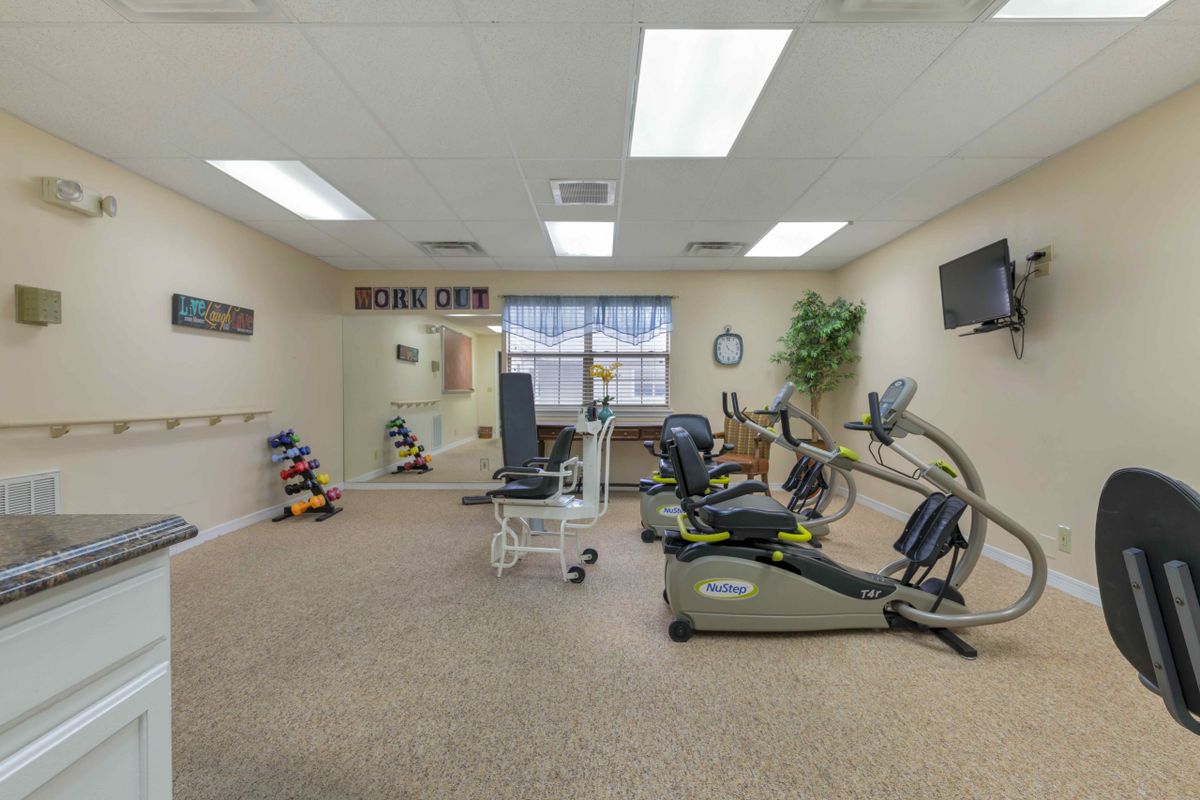
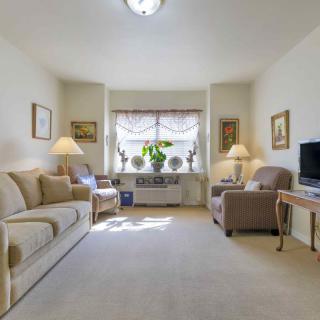
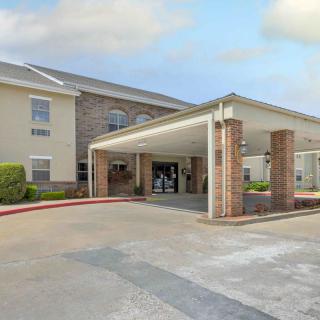
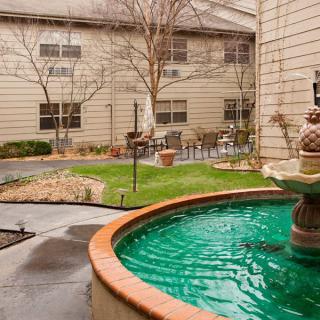
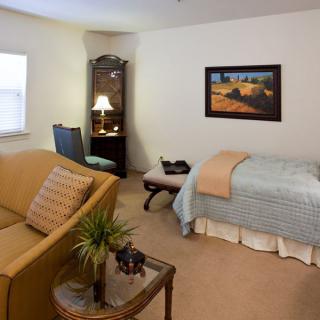
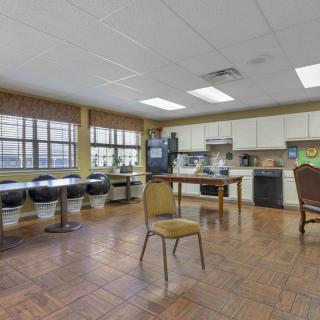
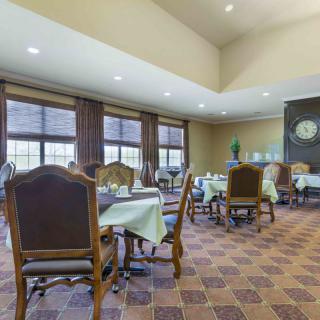
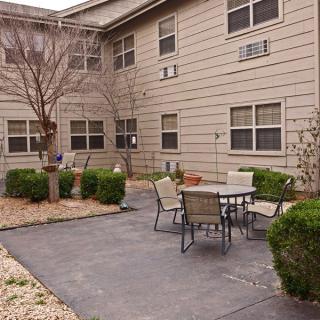
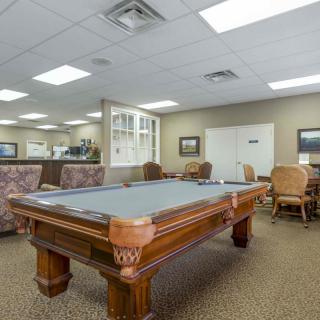
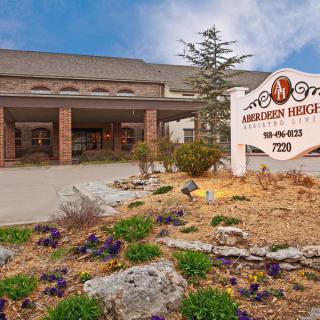
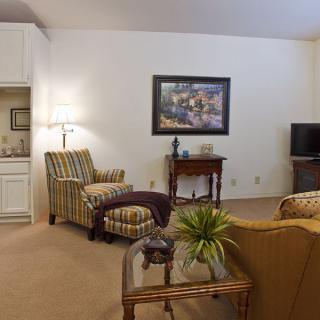
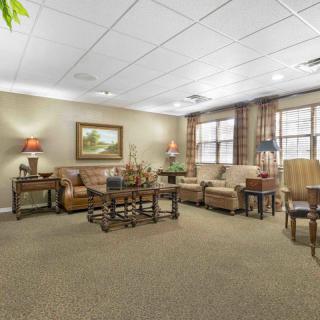
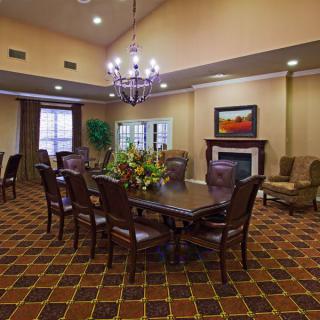
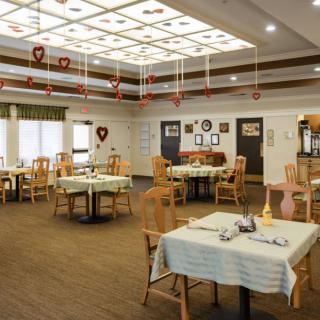
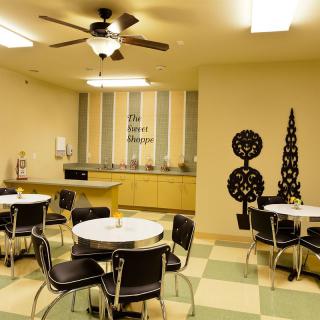
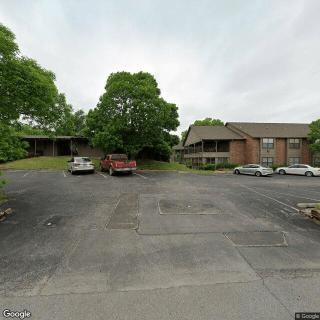
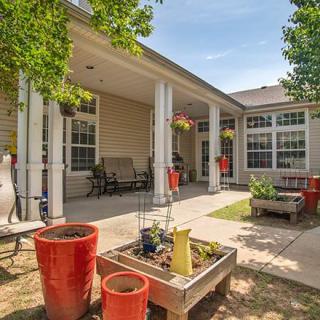
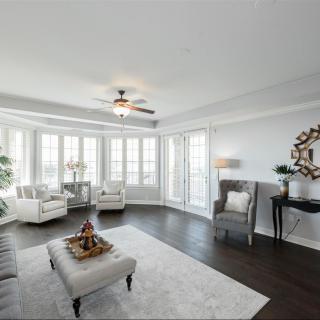
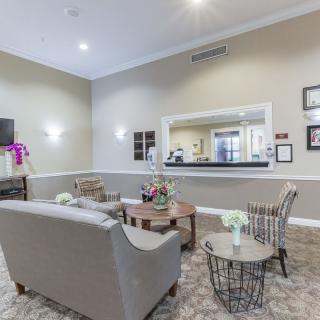
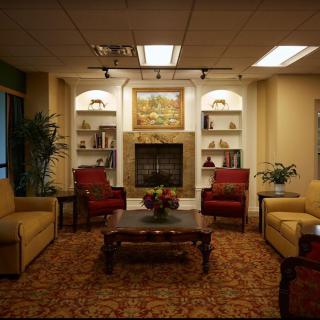
Aberdeen Heights Assisted Living on seniors.fyi includes 39 photos including images showing interior, decor, dining, living room, bathroom, floor plan, windows, landscaping, and more.
Nearby Communities
Aberdeen Memory Care of Tulsa
Tulsa, OK
4.4 from 63 reviews
$3,495 to $5,160 / month
Friendly, attentive staff in a clean, welcoming environment with engaging activities.
Unlimited Care
Tulsa, OK
$3,100 to $3,500 / month
Affordable private/semi-private rooms with easy access to many nearby amenities.
Montereau In Warren Woods
Tulsa, OK
2.3 from 3 reviews
Rent increases are capped at 4.5%, providing cost predictability.
Brookdale Tulsa 71st and Sheridan
Tulsa, OK
4.3 from 83 reviews
$3,710 to $5,640 / month
Clean, pleasant environment with friendly staff and engaging activities.
Montereau
Tulsa, OK
4.4 from 16 reviews
Resort-like setting with attractive amenities, varied dining, and engaging activities.
Town Village Tulsa
Tulsa, OK
4.4 from 84 reviews
$2,940 to $3,810 / month
Welcoming staff and a vibrant, activity-filled community in clean, spacious apartments.
University Village Retirement Community
Tulsa, OK
4 from 105 reviews
$2,475 to $3,450 / month
Friendly, caring staff and well-maintained facilities with engaging activities.
Senior Star at Burgundy Place
Tulsa, OK
4.7 from 107 reviews
$2,200 to $3,500 / month
Friendly, attentive staff in a clean, safe community with engaging activities and restaurant-style dining.
The Villages at Southern Hills
Tulsa, OK
3.2 from 227 reviews
$3,085 to $4,011 / month
Clean, spacious rooms with friendly staff and engaging activities.
Transitioning from assisted living to memory care is driven by an individual's cognitive decline and specific needs, requiring careful evaluation of indicators like increased confusion and wandering. The process involves consulting medical professionals, researching suitable communities, considering financial and legal aspects, and ensuring effective communication for personalized care plans.
Assisted living provides moderate support for seniors seeking independence, while memory care offers specialized support for individuals with dementia or cognitive impairments through structured routines and trained staff. Key differences include care approaches, environment security measures, staff training levels, activity types, and cost considerations.
Assisted living communities offer diverse activities beyond traditional games to enhance seniors' physical health, cognitive well-being, emotional enrichment, and social connections, including fitness classes, creative expression, and intergenerational interactions. These enriching programs foster community bonds and support residents' independence and happiness.
Exercise Equipment, Bright Lighting, and Exercise Room
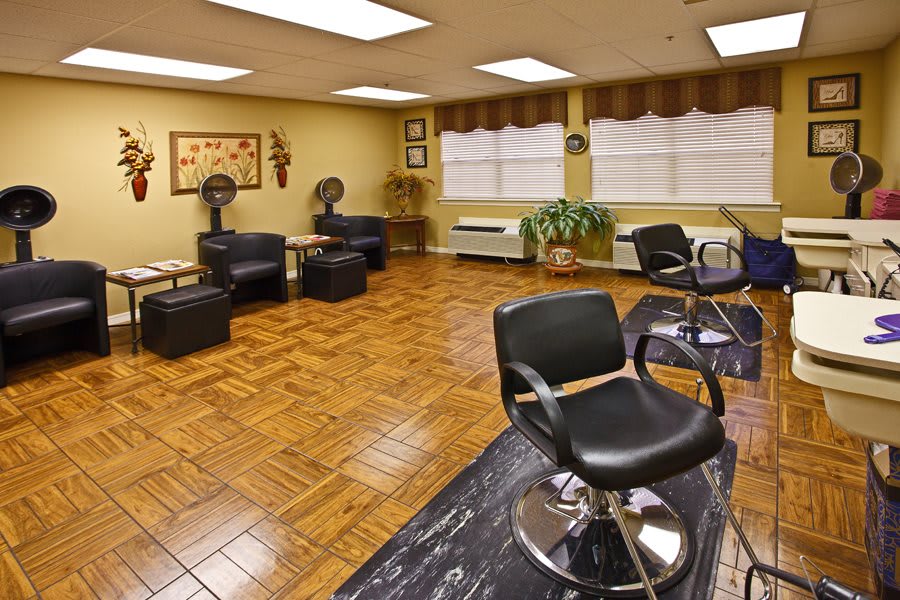
Salon
Appliances and Kitchenette
Bookshelves and Office Space
Wall Art
Painting
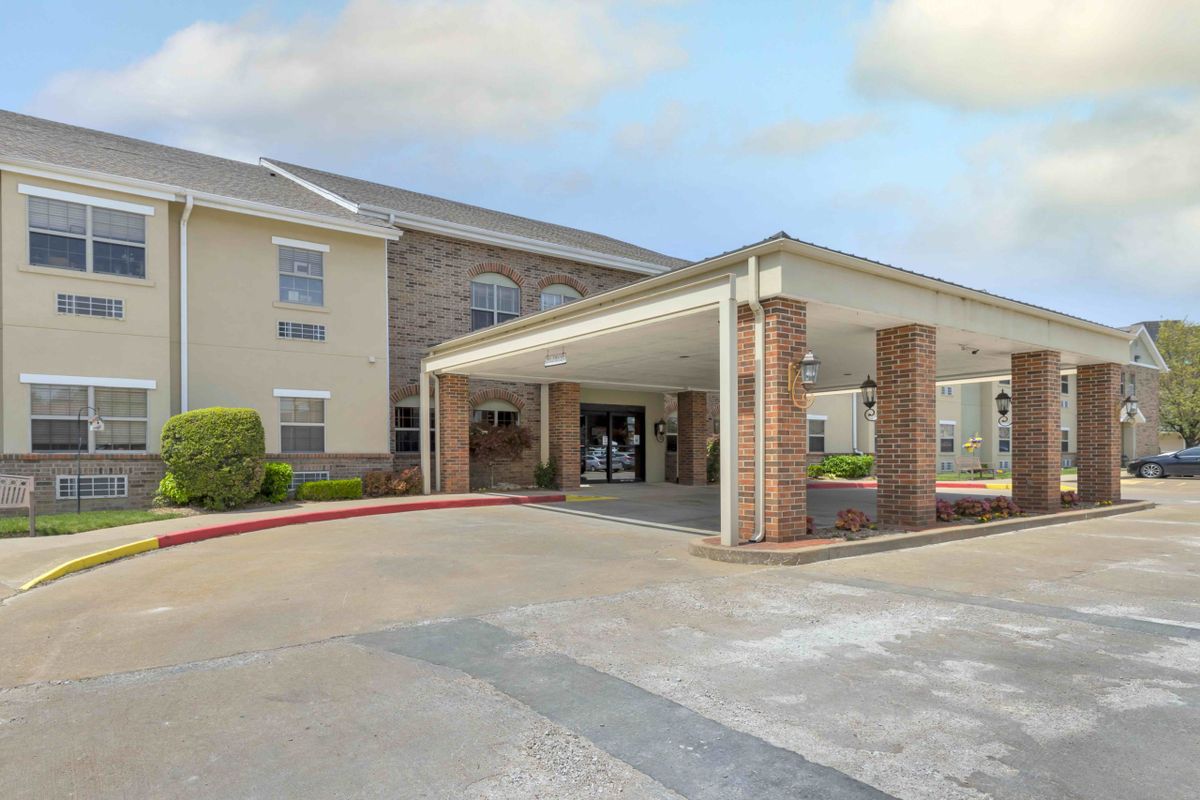
Parking
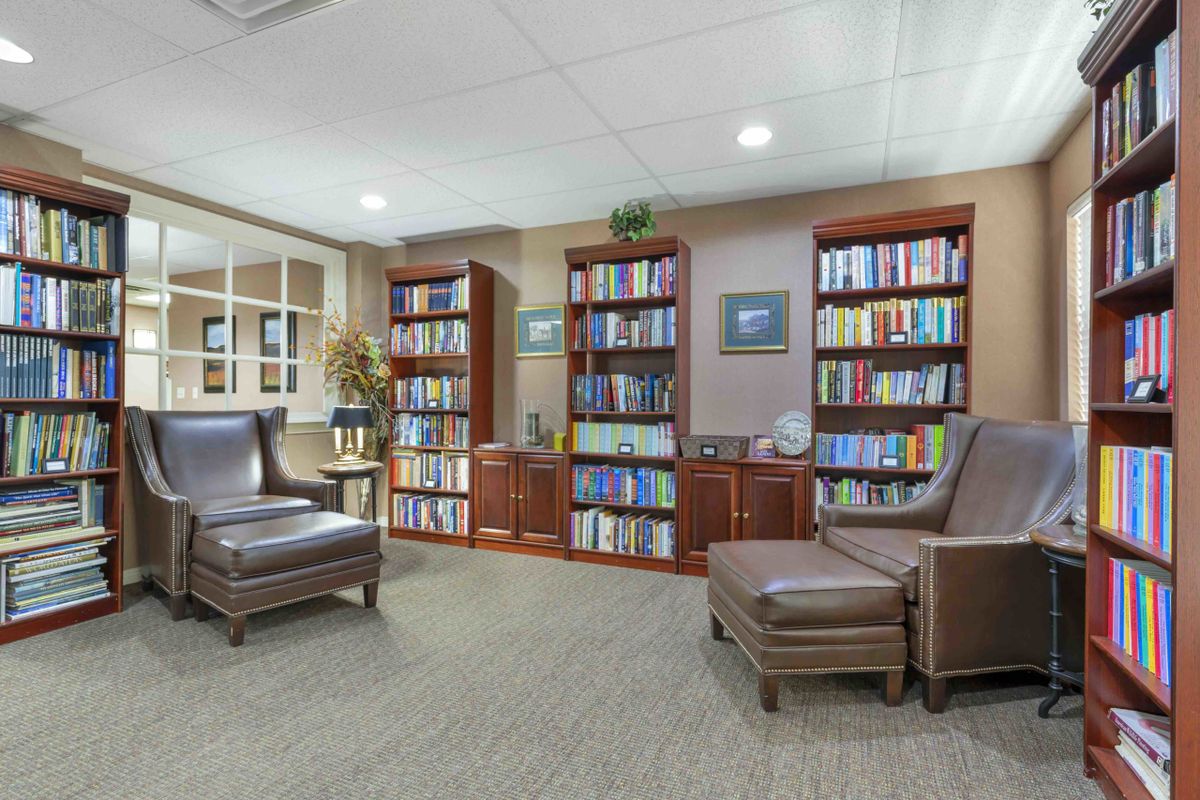
Library
Piano and Decorative Plants
Billiards
Office
Waiting Area
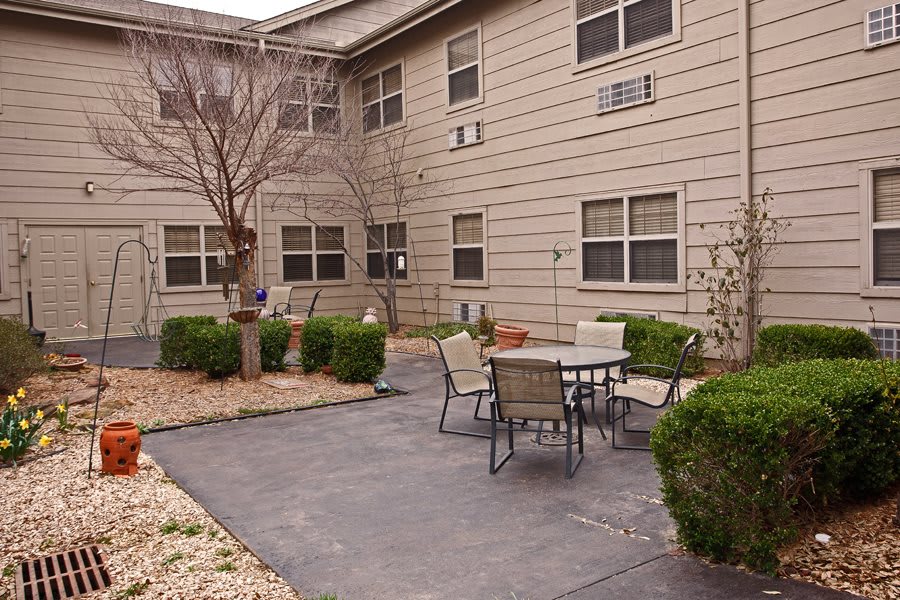
Tree and Outdoor Furniture
Studio Apartment
Mirrors and Workspace
Conference Room
Reception Area
Game Room
Reading Room
Indoor Lighting
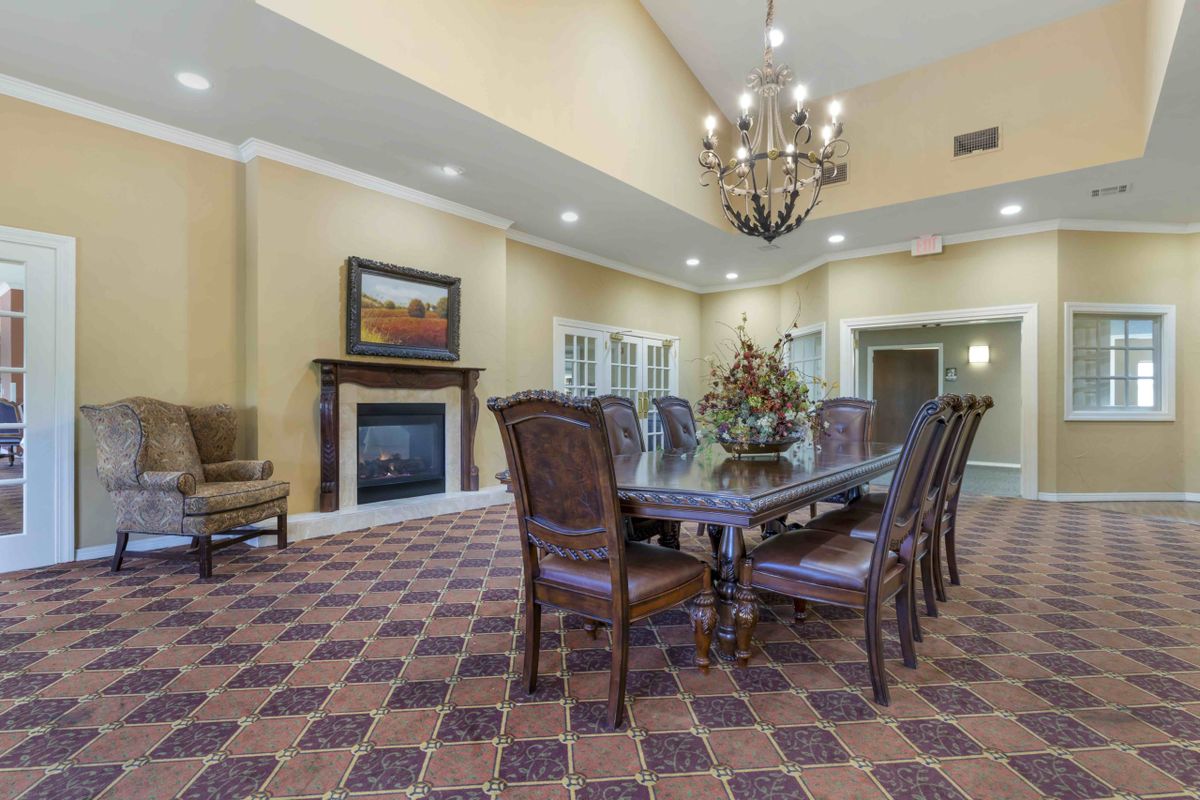
Table Settings
Get PricingAsk A QuestionSchedule A TourContact Senior Advisor
By clicking submit, you agree to our Partner's Terms of Use. You
also consent to receive calls and texts, which may be autodialed, from our Partner. Your consent is not a condition to
using our Partner's service. Please visit our Partner's Privacy Policy for information about their privacy practices.

 96 resident community capacity
 1-bedroom apartments
 Assisted Living
 Skilled Nursing Facility
 Cats allowed
 Dogs allowed
 Activities off-site
 Air-conditioning
 Beautician on-site
 Cable or satellite TV
 Computer center
 Devotional services off-site
 Dining room
 Fitness room
 Fully furnished
 Gaming room
 Garden
 Ground floor units
 Handicap accessible
 Housekeeping services
 Indoor common areas
 Kitchenette
 Laundry
 Move-in coordination
 Outdoor common areas
 Party space
 Private bathrooms
 Restaurant-style dining
 Small library
 Telephone
 Wellness center
 Wheelchair accessible showers
 Wi-Fi/high-speed internet available
 Tulsa International (10 miles away)
 Community operated transportation
 12-16 hour nursing
 24-hour call system
 Ambulatory care
 Assistance with bathing
 Assistance with dressing
 Assistance with transfers
 Diabetes diet
 Diabetic care
 Incontinence care
 Medication management
 Mental wellness program
 Special dietary restrictions
 Transportation arrangement (medical)
 Art classes
 Catholic services
 Concierge services
 Cooking classes
 Day trips and outings
 Educational speakers / life long learning
 Happy hour
 Karaoke
 Live dance or theater performances
 Live musical performances
 English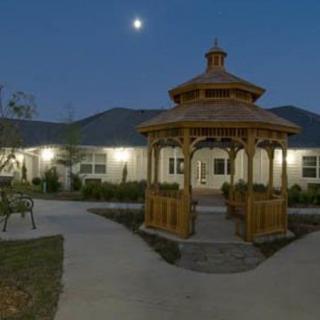
 Friendly, attentive staff in a clean, welcoming environment with engaging activities.
 When to Transition from Assisted Living to Memory Care: Key Indicators, Steps, and Finding the Right Community
 Assisted Living and Memory Care: Understanding Their Core Differences
 Beyond the Bingo Hall: 50+ Enriching Activities for Seniors in Assisted Living