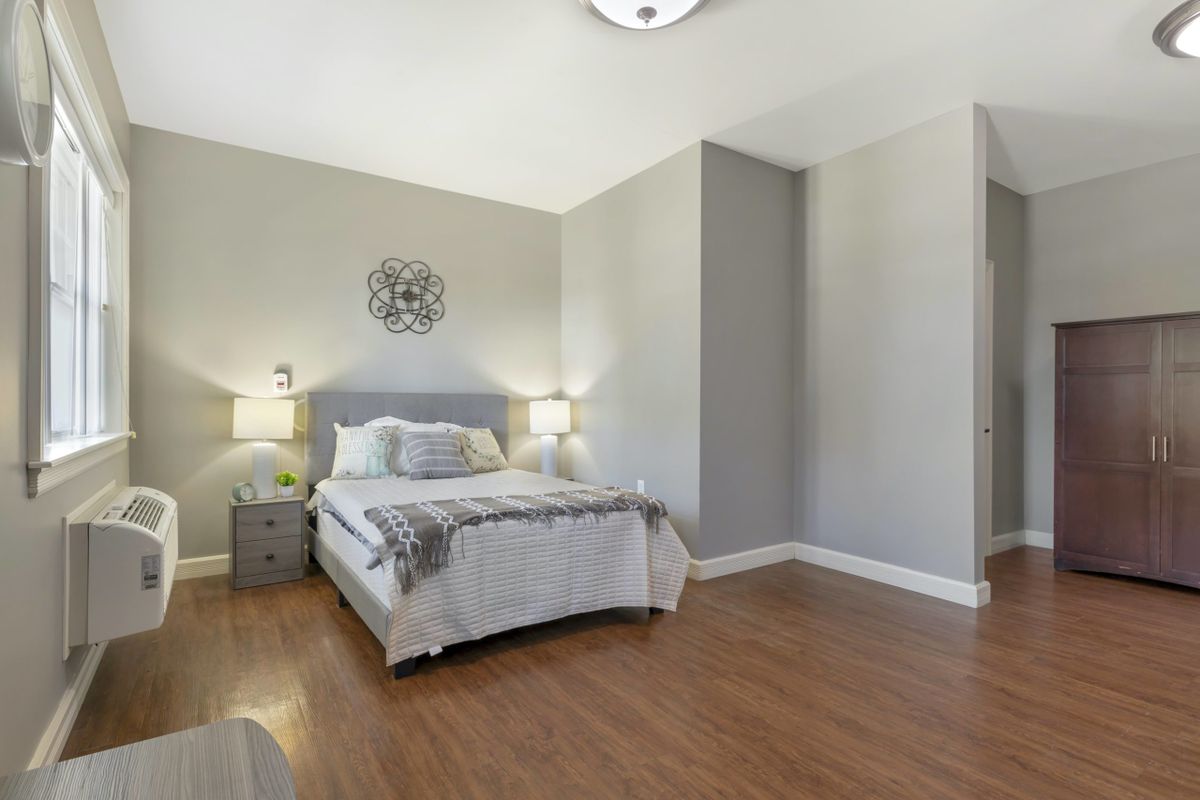
At Aberdeen Memory Care of Tulsa, residents can expect competitive pricing for their care options. The monthly cost for a semi-private room is set at $3,495, which is notably lower than the average in Tulsa County at $3,624 and significantly more affordable compared to the state average of $4,053. For those seeking a studio unit, the monthly fee rises to $5,160; while this exceeds both local and state averages of approximately $3,593 and $3,629 respectively, it reflects the specialized services and personalized attention offered by Aberdeen. Overall, these costs present a thoughtful balance between affordability and quality care within the context of both county and statewide benchmarks.
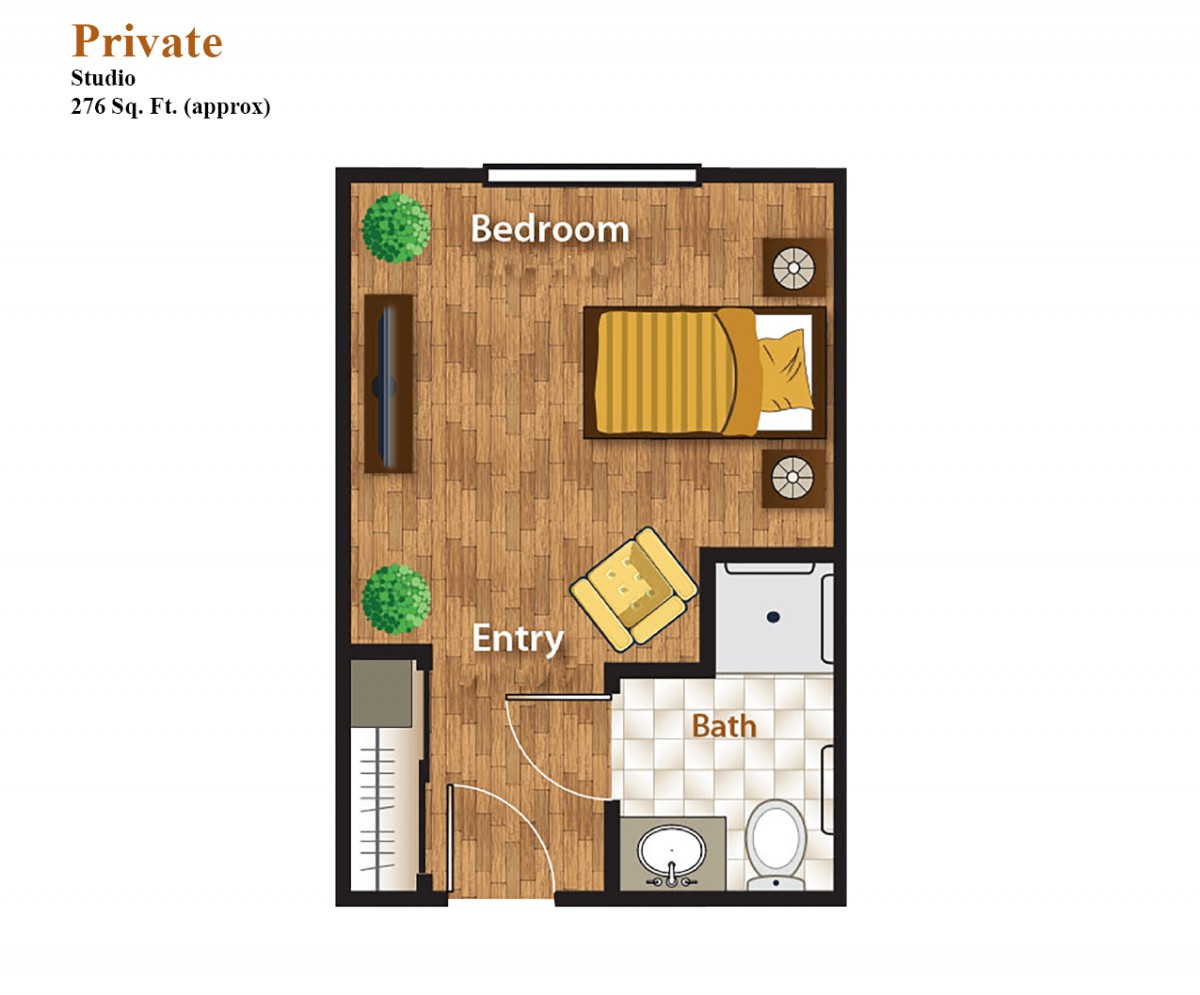
Floor plans
Aberdeen Memory Care of Tulsa
Tulsa County
Oklahoma
Semi-Private
$3,495
$3,624
$4,053
Studio
$5,160
$3,593
$3,629
Memory care communities with a similar price nearby
Residents and families describe staff who are attentive and communicate clearly.
Multiple reviews mention that staff are responsive when families have questions or concerns and that updates are provided. Residents and families also describe staff as friendly, helpful, and engaged with daily needs. Several reviewers highlight that day-to-day staff and nursing staff are readily available and that the team works with families when placement needs are urgent.
differentiator6 reviews mention this
Memory care support feels individualized
Residents get individualized memory-care support focused on safety and routine.
Residents’ needs are described as being handled at an individualized level, including a stated “scale of care” approach. Several reviews describe close attention to safety and wellbeing, including help with medication management and daily support. One reviewer also mentions that the facility helped manage a quicker transition after a hospital discharge, which can matter in memory care situations.
common6 reviews mention this
Dining quality is praised—some tweaks noted
Meals are a frequent point of approval, with occasional complaints about variety.
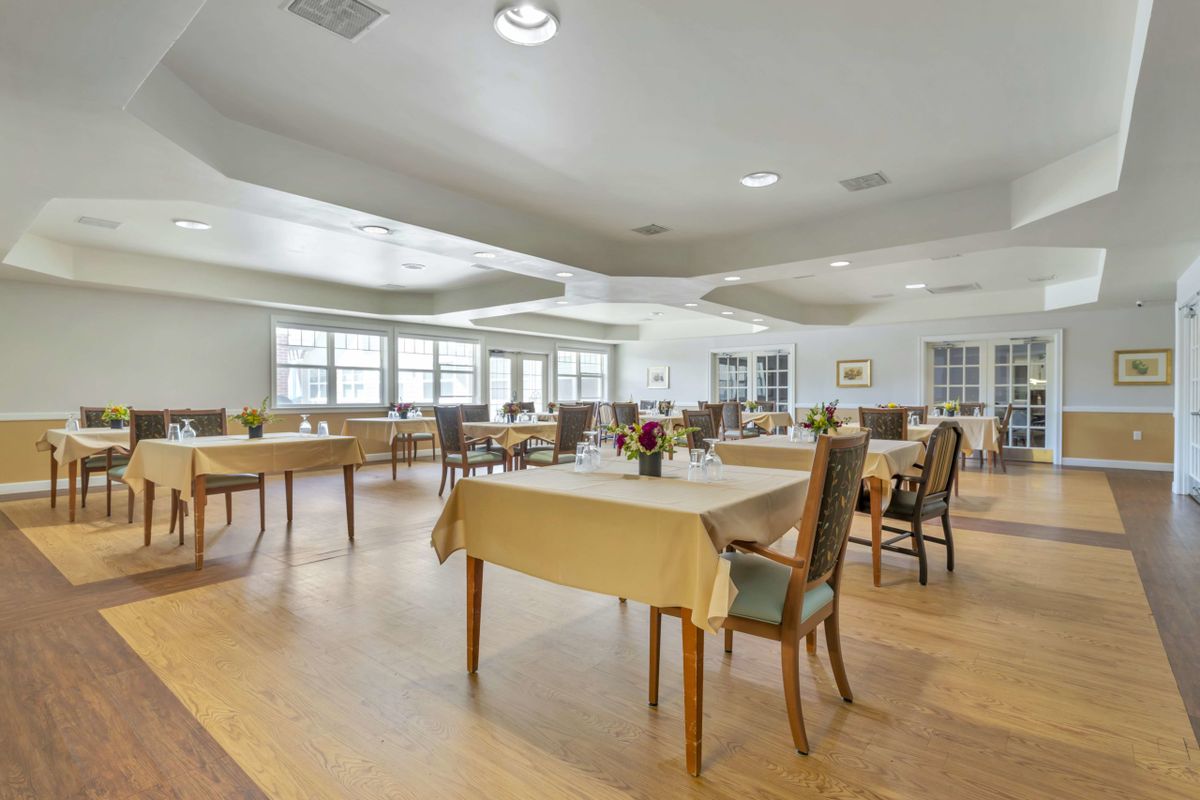
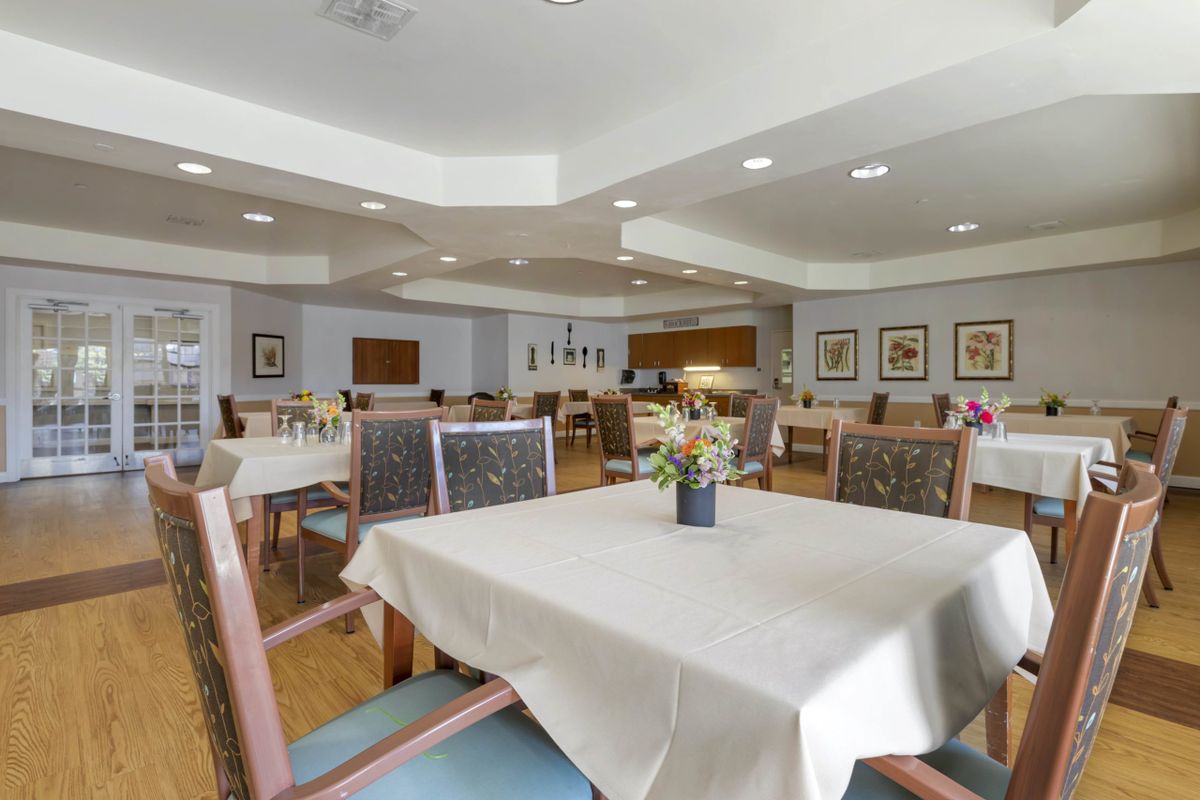
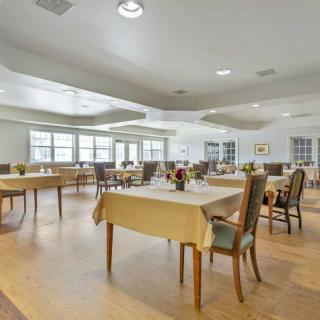
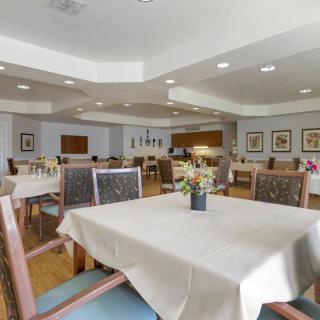
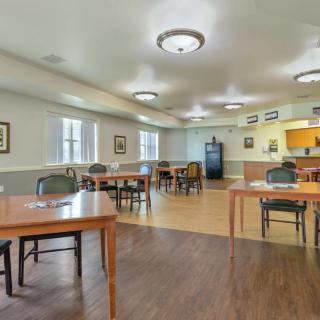
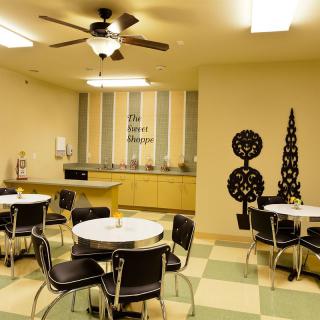
Many reviewers say the food is good and that residents seem to enjoy meals. Reviews also describe a welcoming dining room and mention that the kitchen can accommodate dietary needs. A smaller number of comments suggest meals could be varied more, such as repeating the same foods or wanting changes to what’s served.
common6 reviews mention this
Activities keep residents engaged
Families report there are activities running throughout the day.
Across reviews, families describe residents staying engaged through scheduled activities, social events, and ongoing engagement. Some reviewers mention daily activity programming and resident participation, while others specifically point out that staff keep residents involved rather than leaving them idle. A couple of reviews add a caveat that activity fit may vary for more advanced needs and vision limitations, and that promises around outings or arts-and-crafts may not always match expectations.
caveat4 reviews mention this
Costs can feel high for some
Price is a mixed experience, with some calling it expensive.
Some families describe the community as a good value for the care provided, including praise for quick placement and overall relief that a loved one is well taken care of. Other reviews raise cost concerns, including comments that the facility cost more than expected and that it can be very expensive for the level of care experienced during a stay. One reviewer also notes limited care relative to price, which affects perceived value.
How we summarize
Counts show how many written reviews mention each theme; a review can touch several themes, and only frequently mentioned themes are displayed.
Features
Housing
66 resident community capacity
Types of Care
Memory Care
Amenities
Activities off-site
Activities on-site
Air-conditioning
Beautician on-site
Beauty salon
Cable or satellite TV
Computer center
Devotional services off-site
Devotional services on-site
Dining room
Fitness room
Fully furnished
Gaming room
Garden
Housekeeping services
Indoor common areas
Kitchenette
Move-in coordination
Outdoor common areas
Outdoor space
Private bathrooms
Respite or short term stays offered
Restaurant-style dining
Small library
Telephone
Wellness center
Wheelchair accessible showers
Wi-Fi/high-speed internet available
Transportation
Tulsa International (10 miles away)
Community operated transportation
Transportation arrangement
Transportation arrangement (non-medical)
Care Services
12-16 hour nursing
24-hour call system
24-hour supervision
Activities of daily living assistance
Ambulatory care
Assistance with bathing
Assistance with dressing
Assistance with transfers
Coordination with health care providers
Dementia waiver
Diabetes diet
Diabetic care
Hospice waiver
Incontinence care
Meal preparation and service
Medication management
Mental wellness program
Mild cognitive impairment
Special dietary restrictions
Specialized memory care programming
Transportation arrangement (medical)
Transportation to doctors appointments
Dining
Anytime dining
Diabetes diet
Gluten-free
Guest meals
Low / no sodium
Meals provided
No Sugar
Professional chef
Restaurant style dining
Room service
Special dietary restrictions
Special dining programs
Vegetarian
Activities
Art classes
Brain fitness
Community-sponsored activities
Concierge services
Day trips and outings
Devotional activities offsite
Devotional activities on-site
Fitness programs
Gardening club
Karaoke
Live dance or theater performances
Live musical performances
Live well programs
Planned day trips
Resident-run activities
Scheduled daily activities
Stretching classes
Yoga / chair yoga
Nearby Places of Interest
This area of Tulsa, Oklahoma offers a variety of healthcare options, with several physicians, pharmacies, and hospitals located within close proximity. The presence of multiple cafes and restaurants provides convenient dining options for residents. Additionally, nearby parks offer opportunities for outdoor recreation and relaxation. Places of worship in the area cater to various spiritual needs. For entertainment, there are theaters within a short driving distance. Transportation options include an airport nearby for those who may need to travel frequently. Overall, this part of Tulsa provides a well-rounded community with amenities that cater to the needs of seniors looking for a comfortable living environment.
Physicians
Tulsa Eye Clinic (0.1 miles)
Allergy Asthma And Immunology Center P.C. (0.1 miles)
South Tulsa Optical (0.1 miles)
Charles Walter Garrett (0.6 miles)
Bregman Richard Warren Clinic Neurosurgery Tulsa (0.7 miles)
At Aberdeen Memory Care of Tulsa, residents can expect competitive pricing for their care options. The monthly cost for a semi-private room is set at $3,495, which is notably lower than the average in Tulsa County at $3,624 and significantly more affordable compared to the state average of $4,053. For those seeking a studio unit, the monthly fee rises to $5,160; while this exceeds both local and state averages of approximately $3,593 and $3,629 respectively, it reflects the specialized services and personalized attention offered by Aberdeen. Overall, these costs present a thoughtful balance between affordability and quality care within the context of both county and statewide benchmarks.
The array of features at Aberdeen Memory Care of Tulsa is thoughtfully designed to support residents with dementia or Alzheimer's by ensuring their safety and enhancing their quality of life. With 24-hour supervision, residents benefit from immediate assistance in case of emergencies or disorientation, while activities of daily living assistance aids them in maintaining autonomy throughout daily routines. Support with bathing and dressing not only fosters dignity but also promotes hygiene, essential for overall well-being. Assistance with transfers ensures mobility is safe and comfortable, minimizing the risk of falls. The brain fitness exercises are specifically tailored to stimulate cognitive function, complementing individualized mental wellness programs aimed at emotional health. Coordination with healthcare providers guarantees that medical needs are addressed promptly, further supported by medication management to ensure adherence to prescribed treatments. The inclusion of a dementia waiver acknowledges the specific care needs associated with such conditions, while tailored meal preparation ensures nutritious diets conducive to health. Incontinence care provides necessary support for those who need it without compromising privacy. Additionally, transportation arrangements for medical appointments facilitate ongoing health monitoring and intervention as needed, creating a holistic environment that prioritizes the dignity and wellness of each resident.
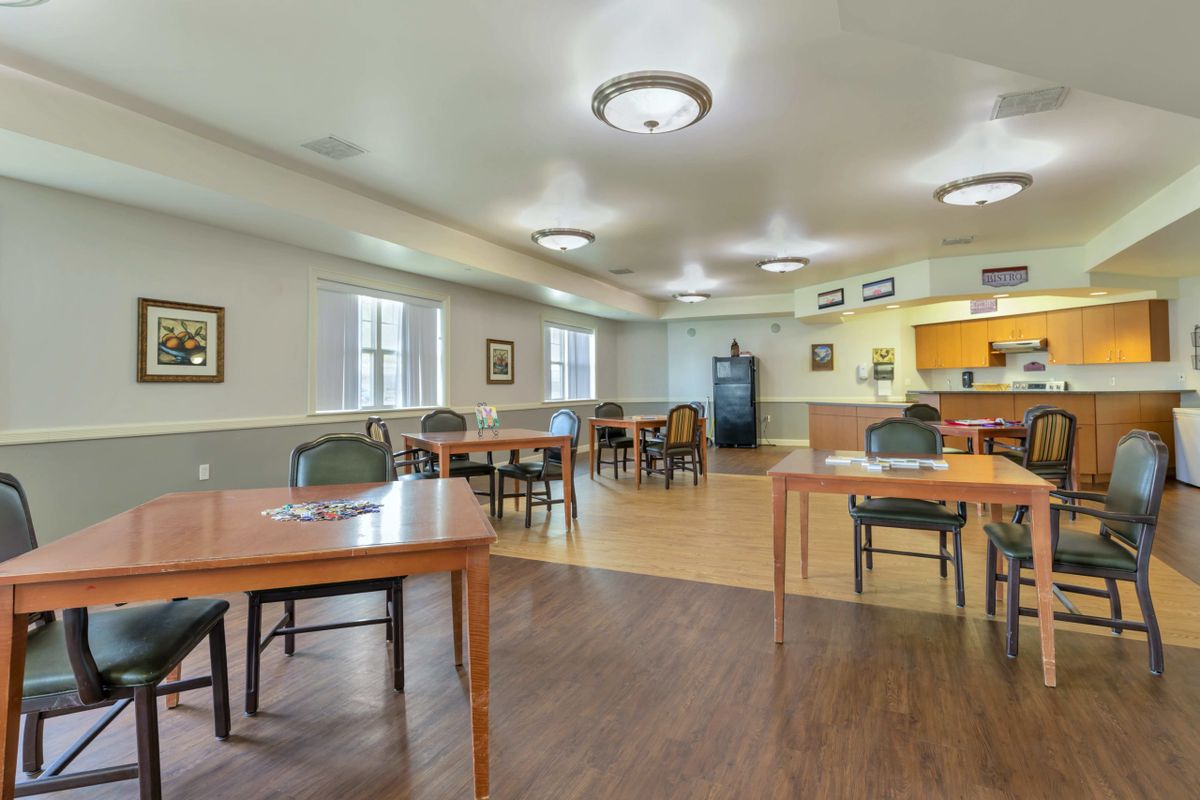
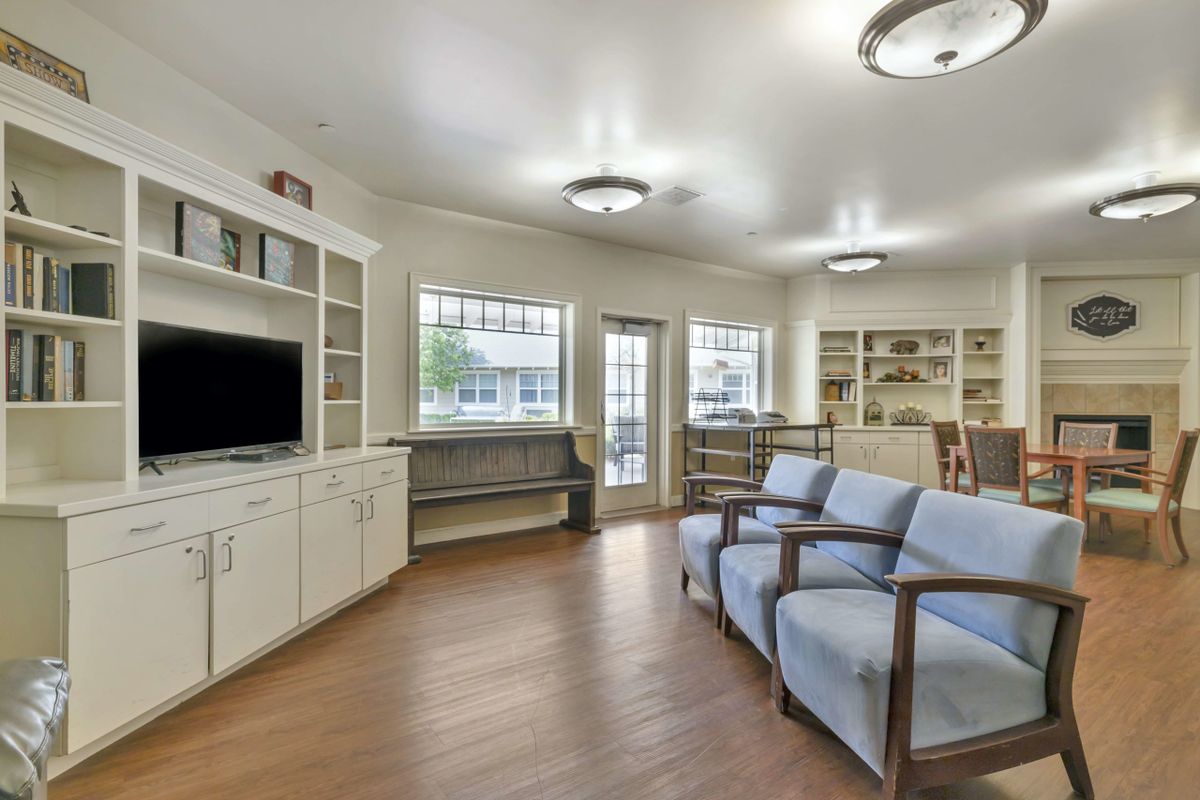
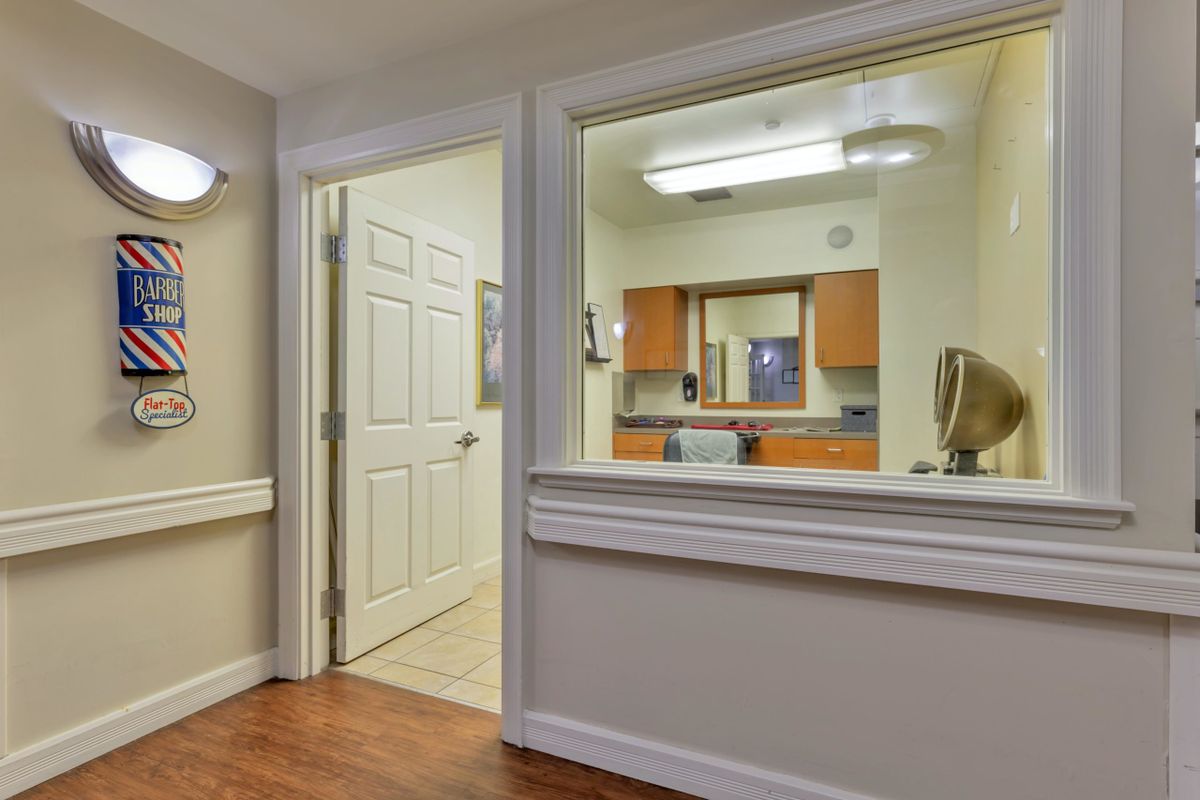
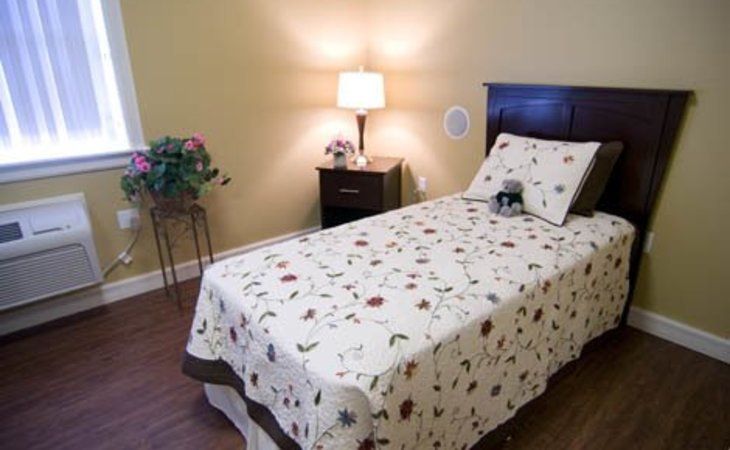
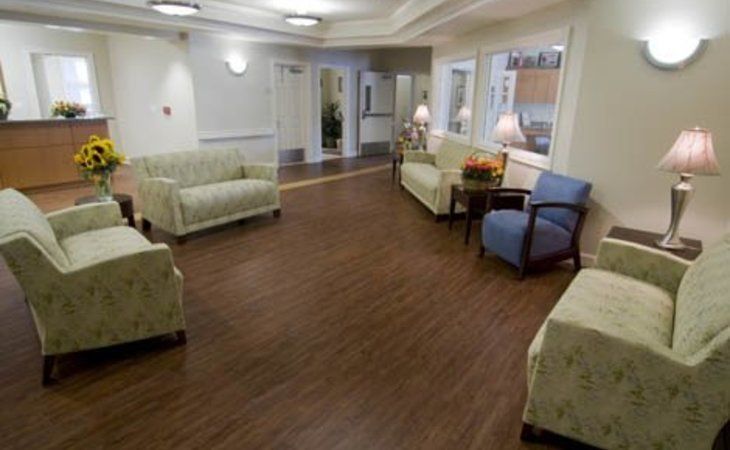
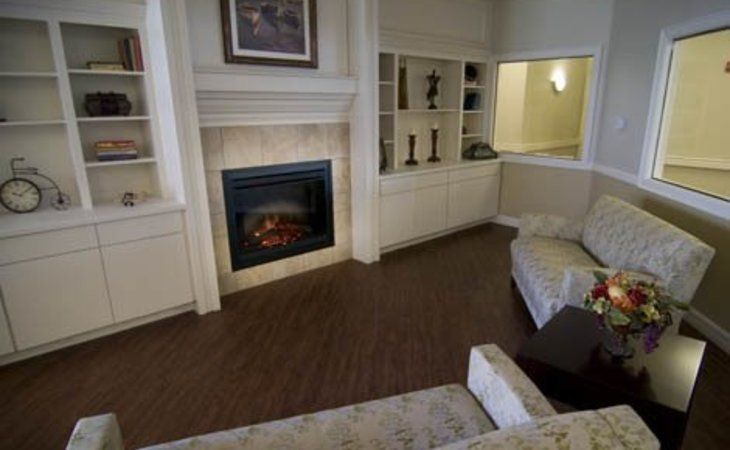
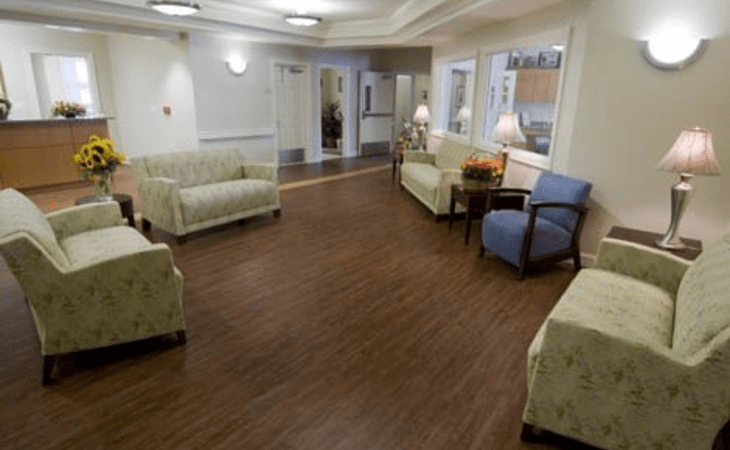
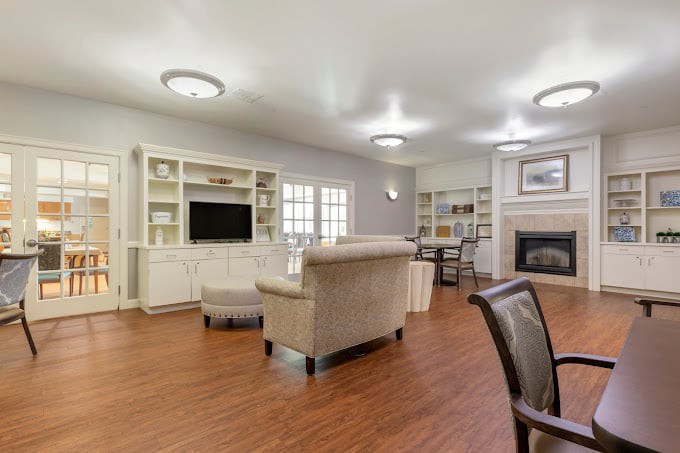
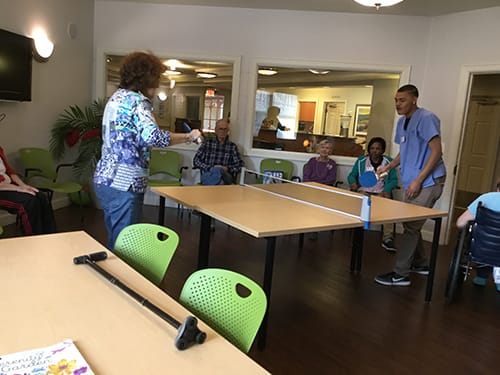
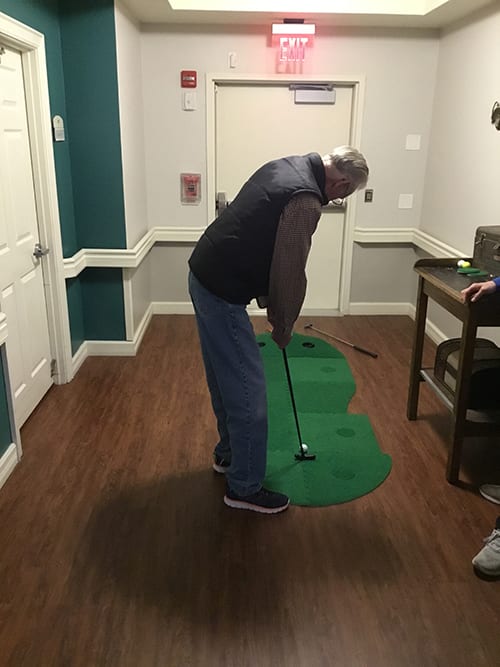
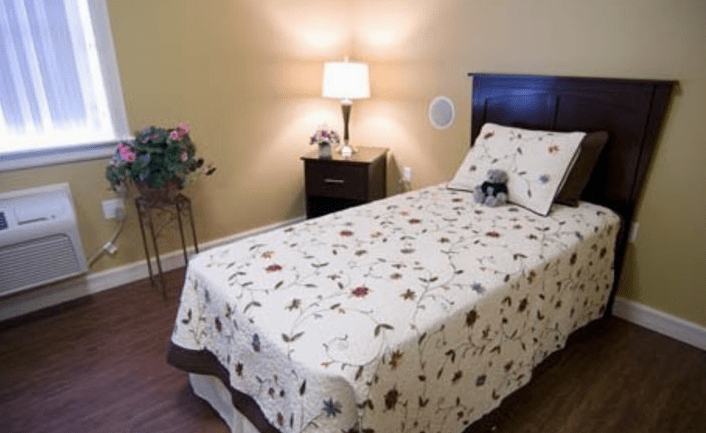
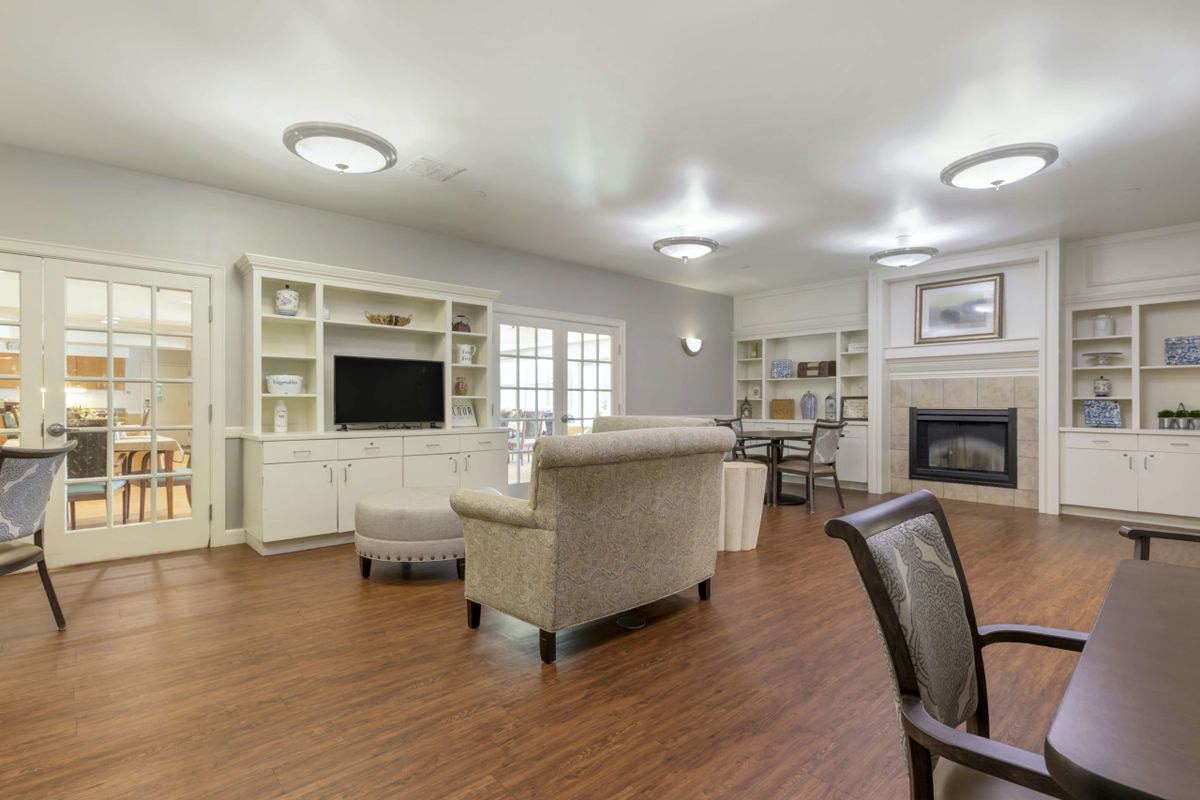
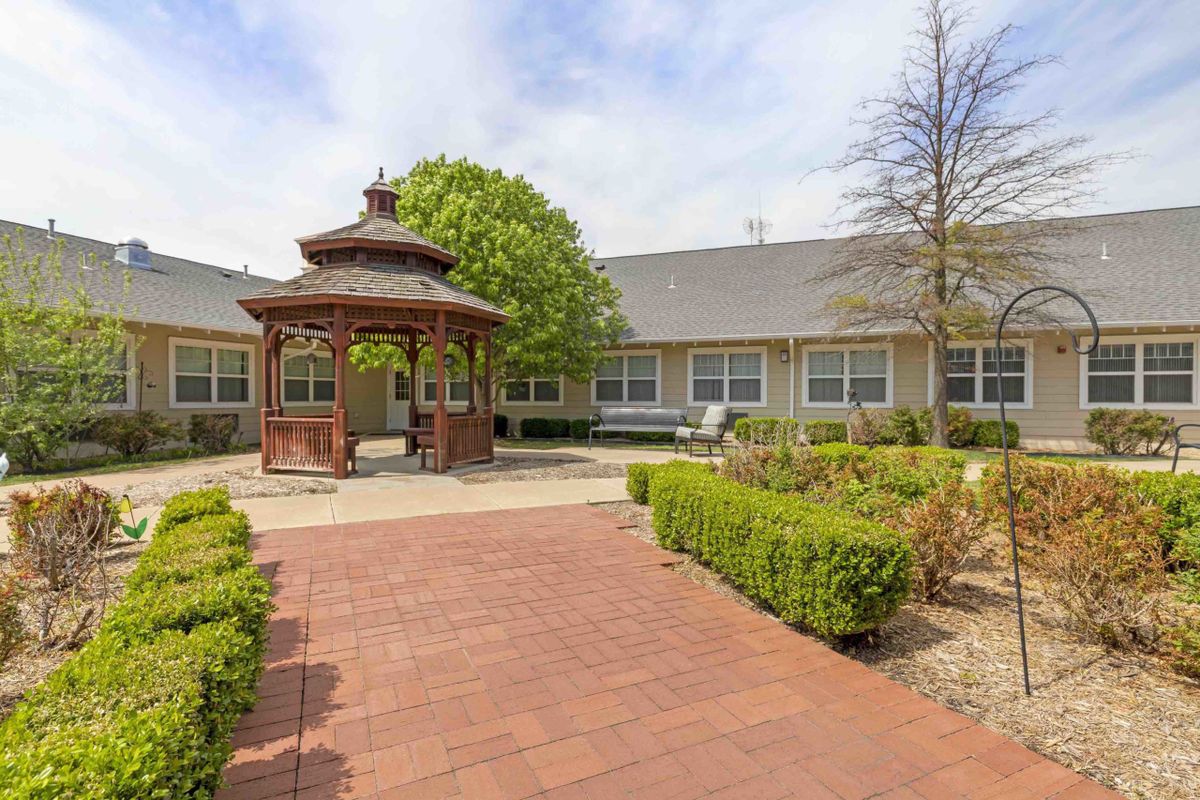
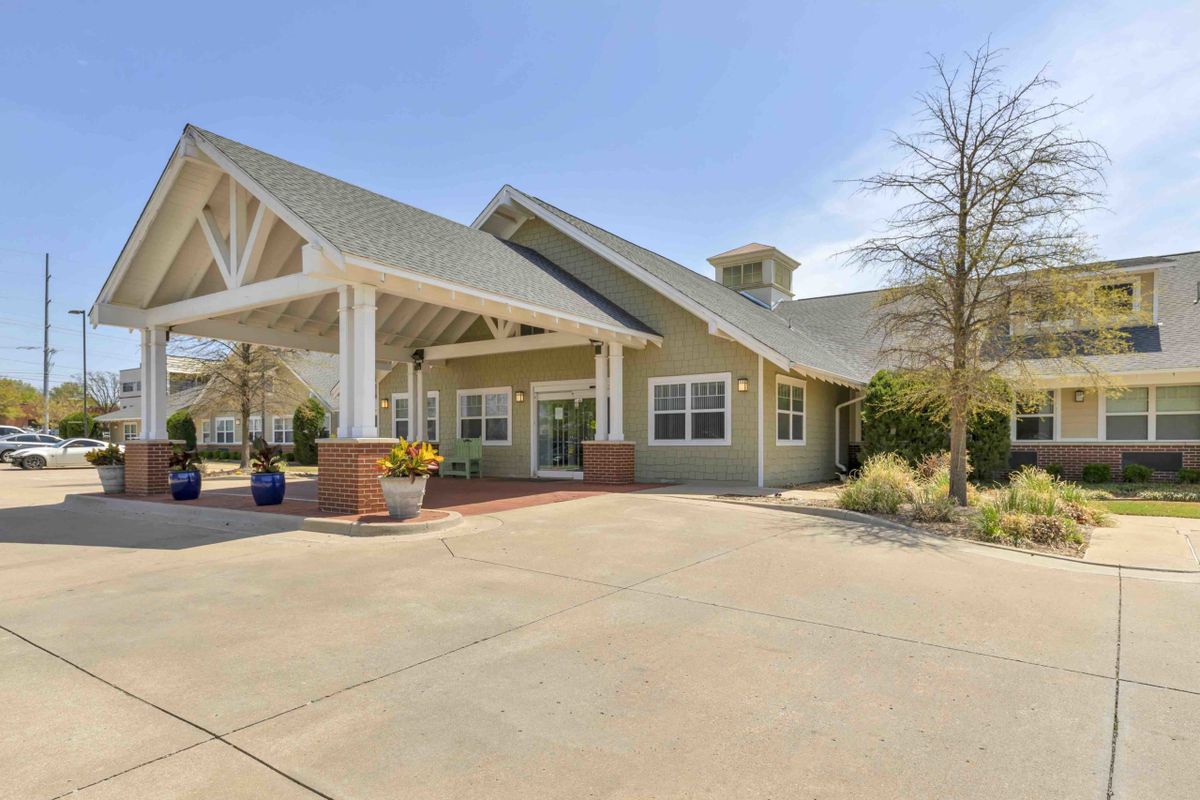
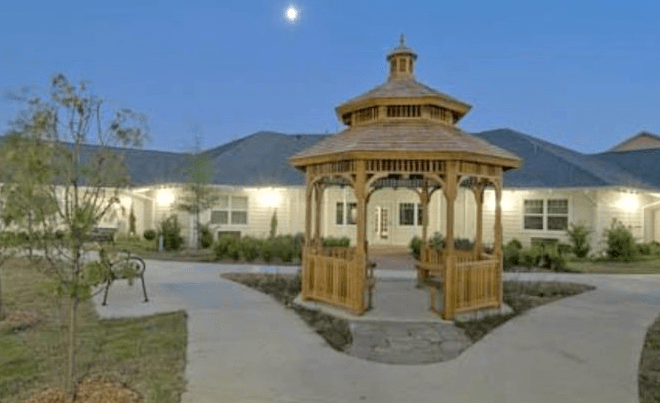
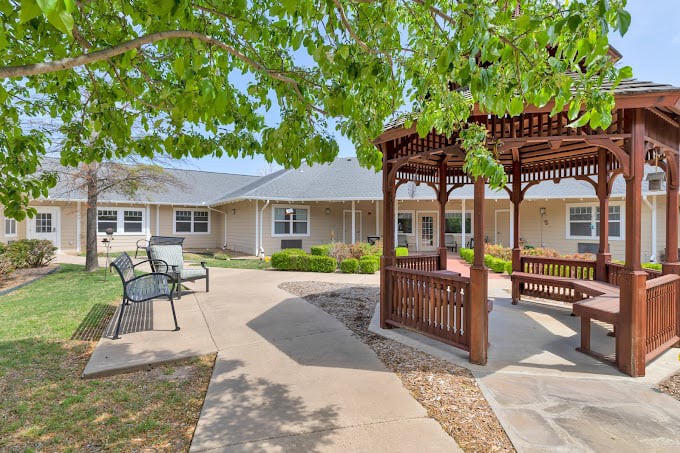
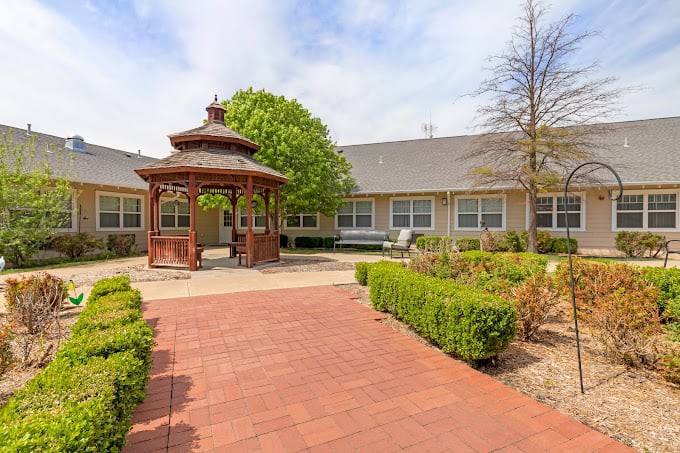
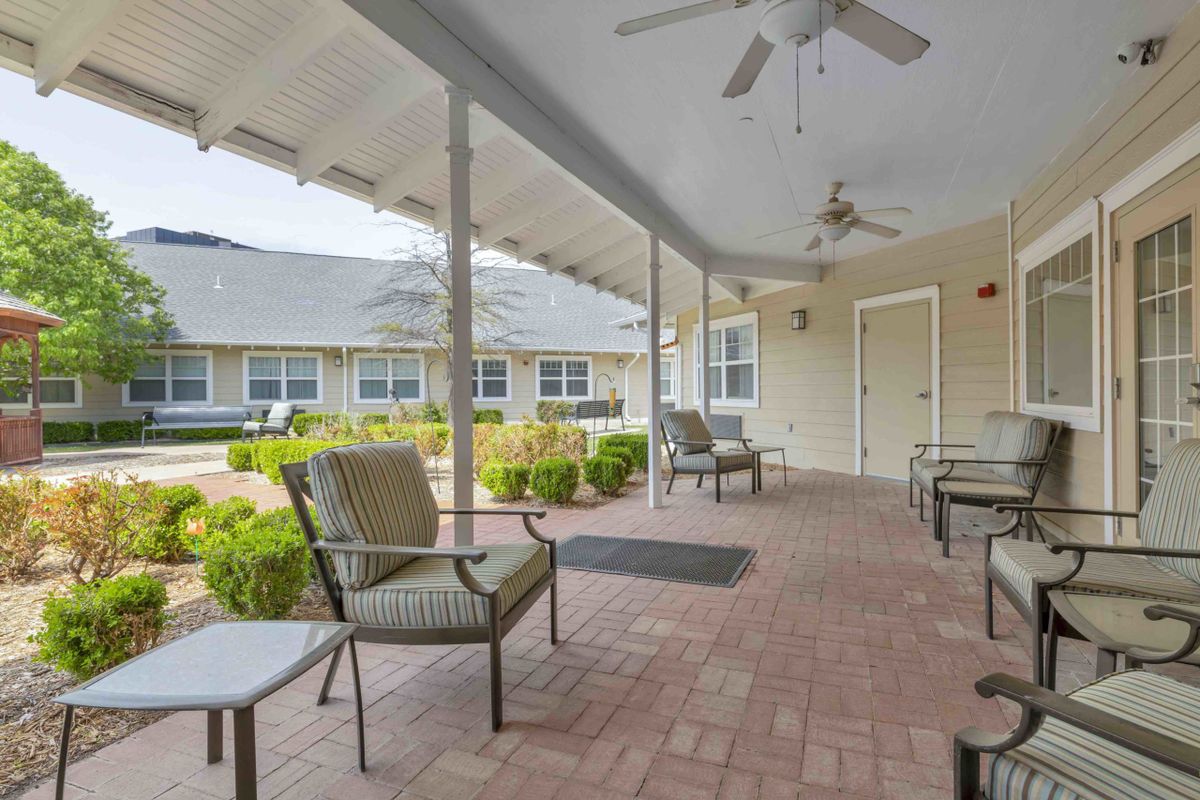
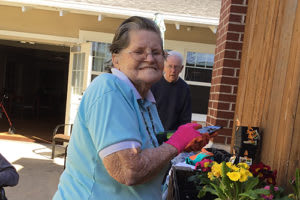
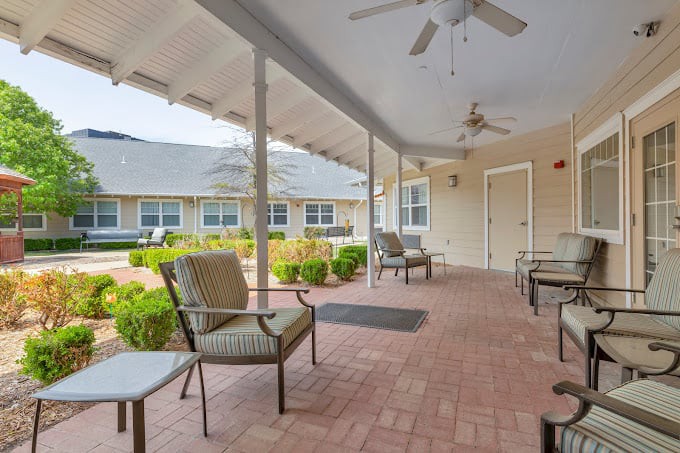
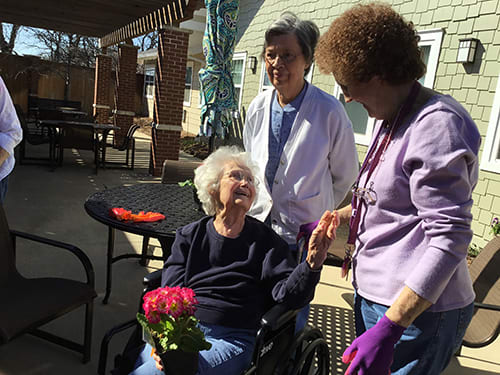
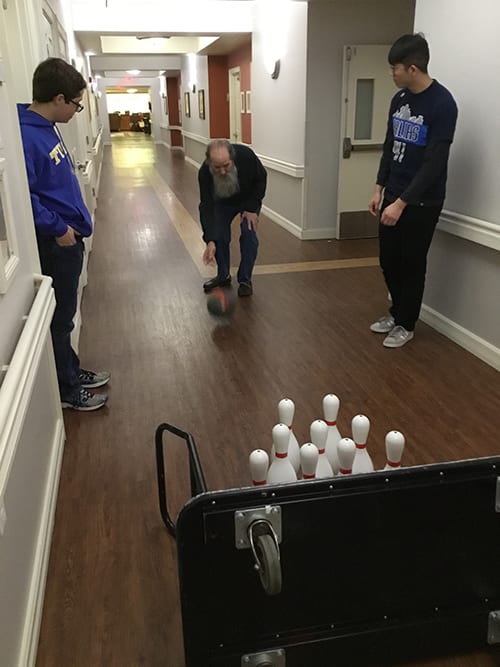
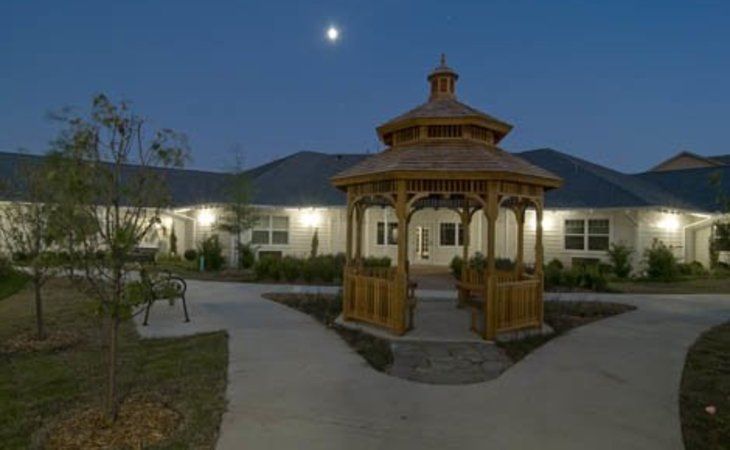
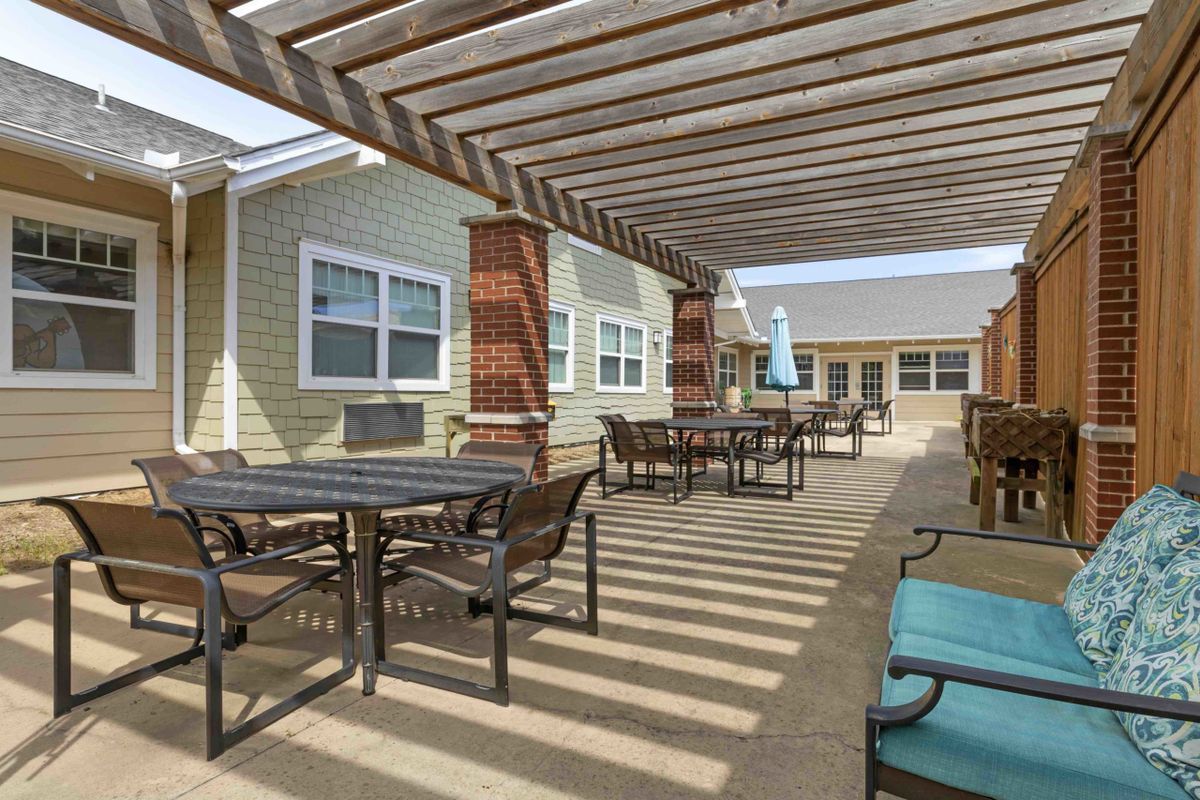
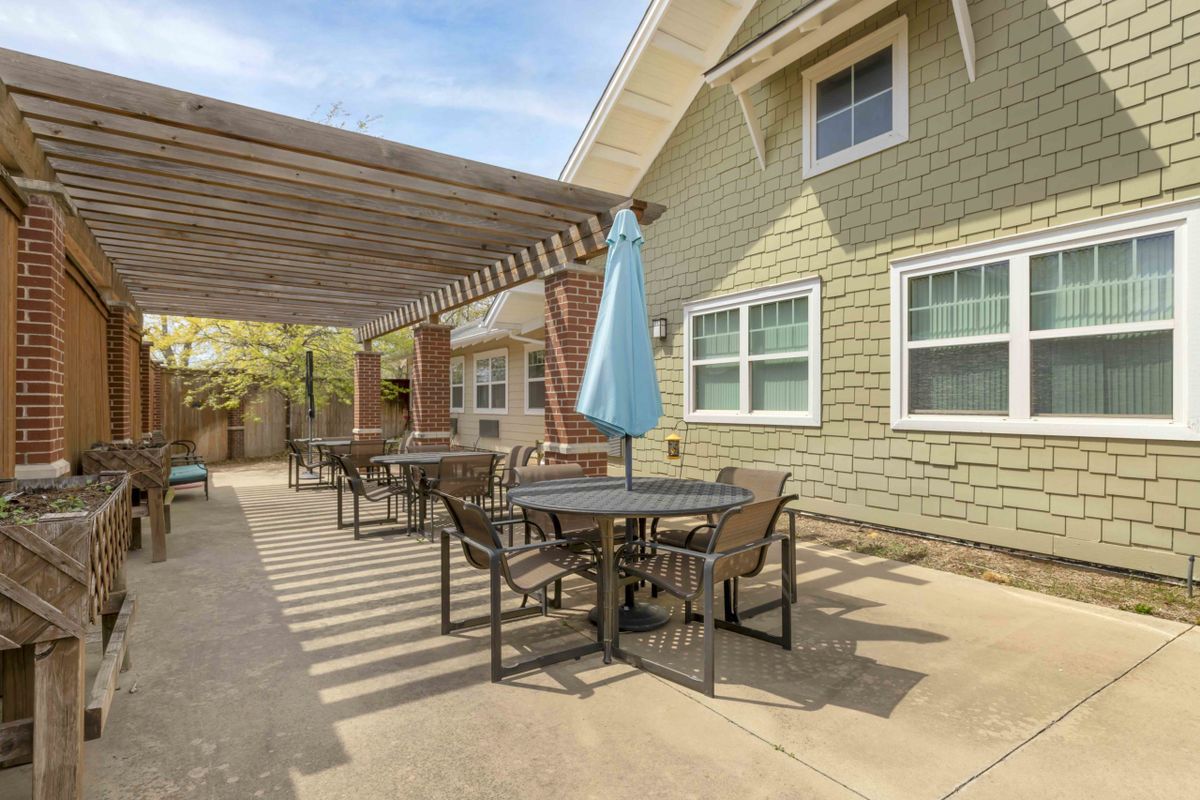
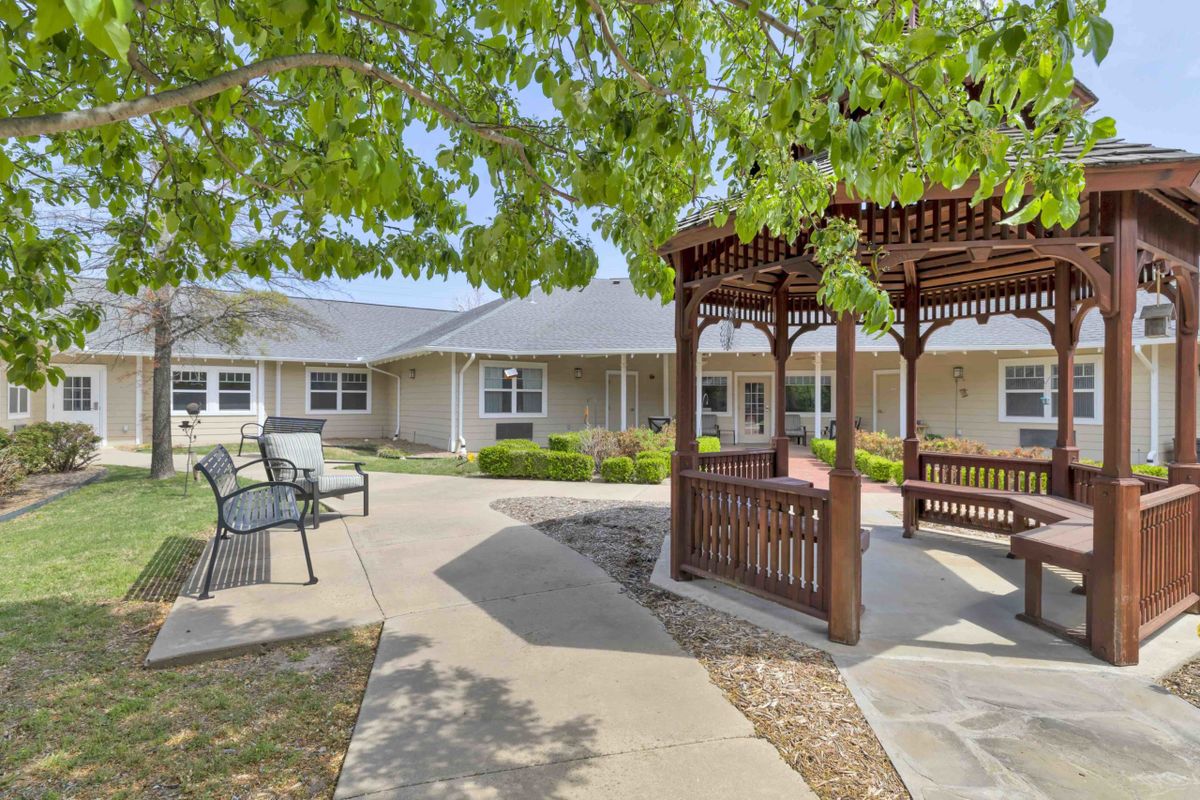
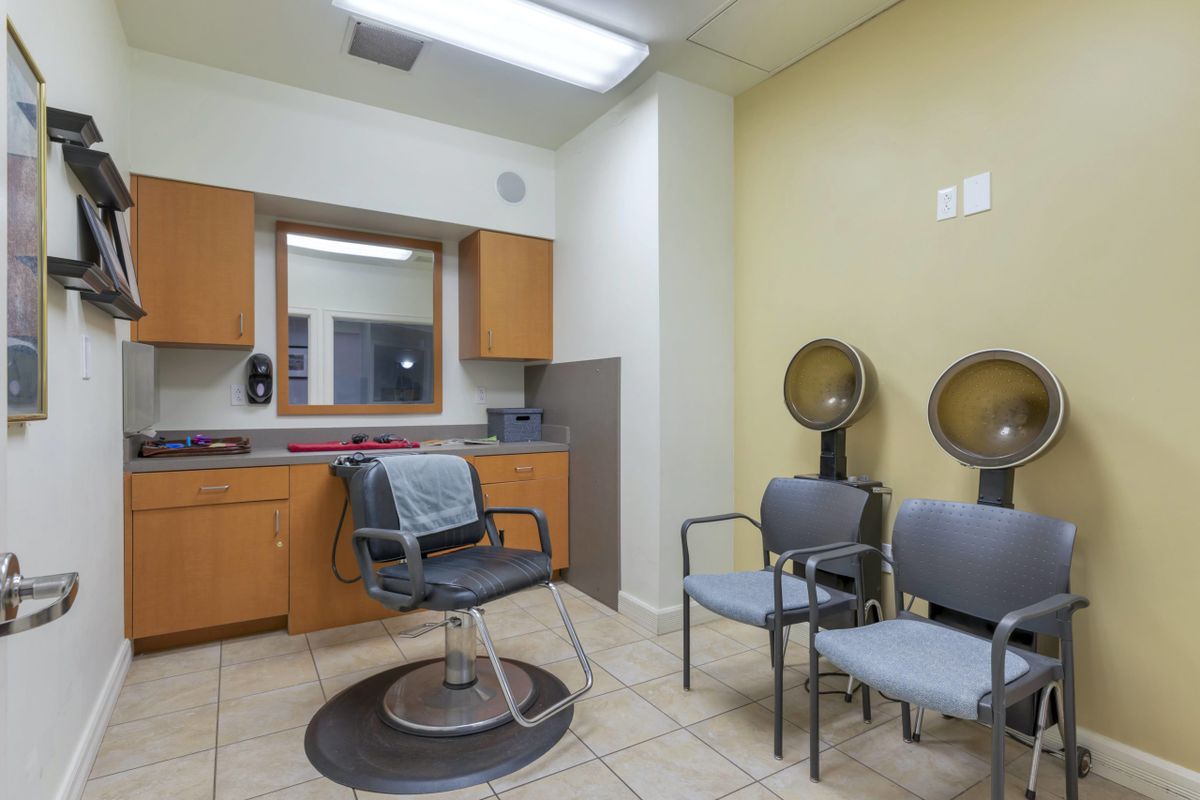
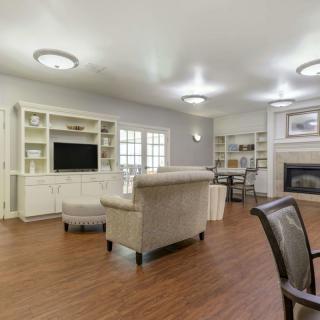
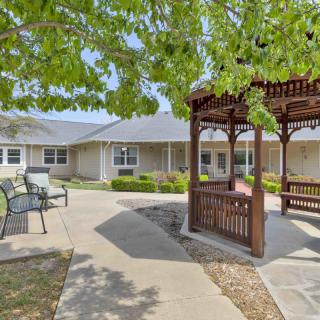
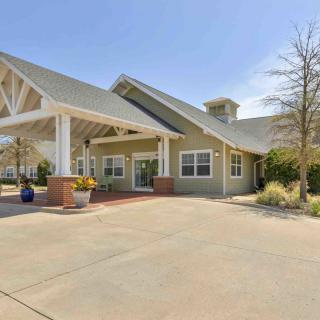
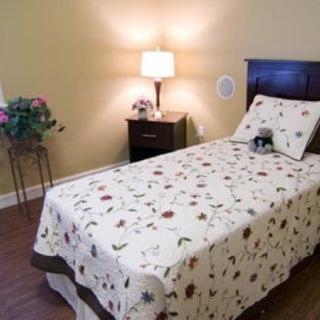
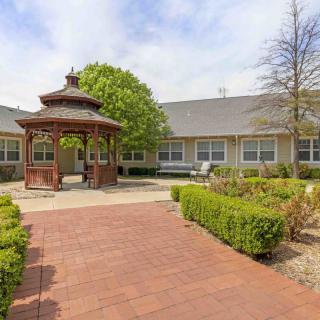
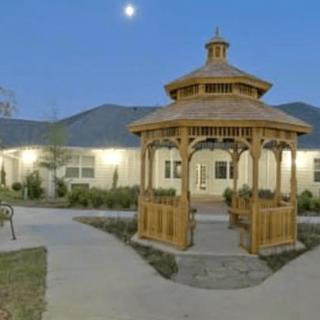
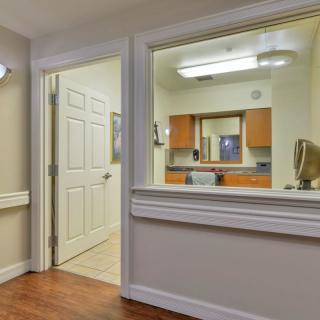
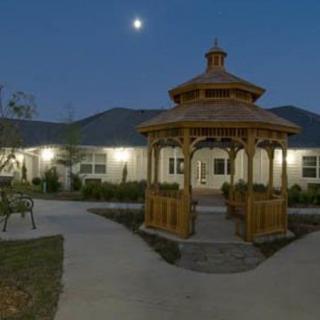
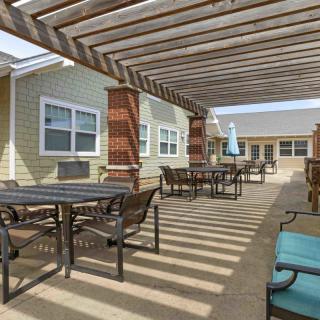
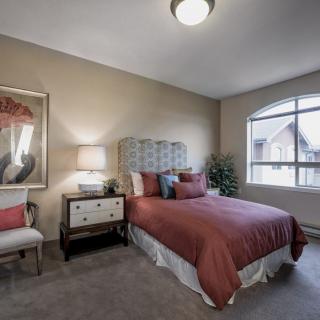
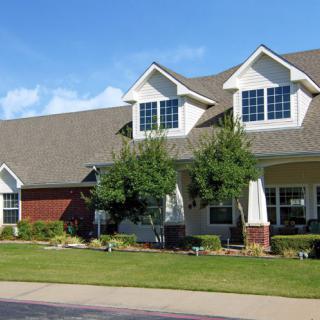
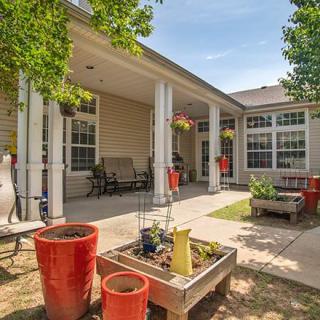
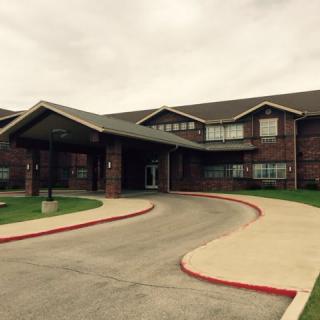
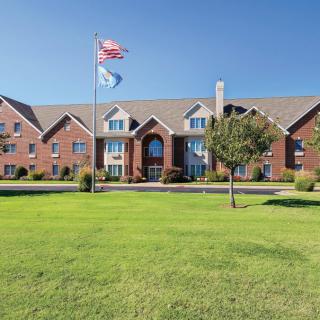
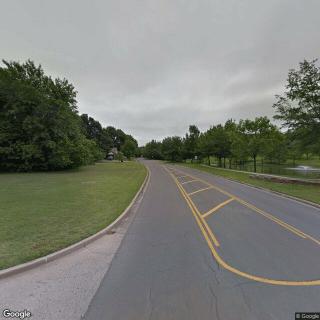
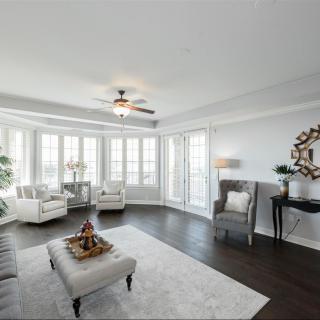
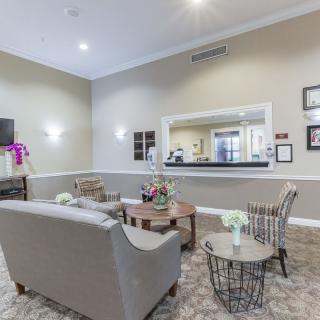
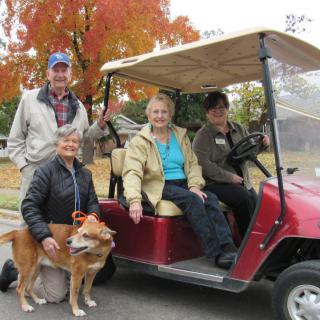
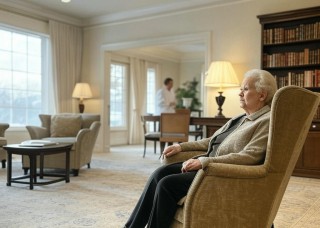
Aberdeen Memory Care of Tulsa on seniors.fyi includes 34 photos including images showing interior, bedroom, landscaping, decor, gazebo, building, living room, patio, and more.
Nearby Communities
Aberdeen Heights Assisted Living
Tulsa, OK
4.3 from 154 reviews
$3,800 to $5,715 / month
Warm, family-oriented staff with engaging activities and high-quality meals in a well-kept setting.
Unlimited Care
Tulsa, OK
$3,100 to $3,500 / month
Affordable private/semi-private rooms with easy access to many nearby amenities.
Montereau In Warren Woods
Tulsa, OK
2.3 from 3 reviews
Rent increases are capped at 4.5%, providing cost predictability.
Brookdale Tulsa 71st and Sheridan
Tulsa, OK
4.3 from 83 reviews
$3,710 to $5,640 / month
Clean, pleasant environment with friendly staff and engaging activities.
Montereau
Tulsa, OK
4.4 from 16 reviews
Resort-like setting with attractive amenities, varied dining, and engaging activities.
A Team Health Care Services
Tulsa, OK
4 from 39 reviews
Excellent access to nearby dining, parks, healthcare, and cultural venues.
Town Village Tulsa
Tulsa, OK
4.4 from 84 reviews
$2,940 to $3,810 / month
Welcoming staff and a vibrant, activity-filled community in clean, spacious apartments.
University Village Retirement Community
Tulsa, OK
4 from 105 reviews
$2,475 to $3,450 / month
Friendly, caring staff and well-maintained facilities with engaging activities.
The Villages at Southern Hills
Tulsa, OK
3.2 from 227 reviews
$3,085 to $4,011 / month
Clean, spacious rooms with friendly staff and engaging activities.
Dementia, primarily caused by Alzheimer's disease but also linked to other conditions, leads to cognitive decline impacting memory and daily functioning, with individuals experiencing varied awareness of their impairments. Despite memory loss, emotional connections persist, enabling responses to familiar stimuli, highlighting the need for caregivers to provide compassionate support that recognizes both limitations and retained emotional depth.
The article presents five subtle indicators of dementia, such as memory lapses and mood swings, to help families assess cognitive decline in loved ones. It emphasizes early detection, open communication, and seeking professional help while providing practical support steps.
Dementia encompasses progressive neurological disorders that impair cognitive functions and can lead to paranoia due to cognitive decline and emotional changes. The article discusses the triggers of paranoia in dementia, caregiver strategies for managing it, and the importance of distinguishing between dementia-related paranoia and other psychiatric conditions.
Get PricingAsk A QuestionSchedule A TourContact Senior Advisor
By clicking submit, you agree to our Partner's Terms of Use. You
also consent to receive calls and texts, which may be autodialed, from our Partner. Your consent is not a condition to
using our Partner's service. Please visit our Partner's Privacy Policy for information about their privacy practices.

 66 resident community capacity
 Memory Care
 Activities off-site
 Air-conditioning
 Beautician on-site
 Cable or satellite TV
 Computer center
 Devotional services off-site
 Dining room
 Fitness room
 Fully furnished
 Gaming room
 Garden
 Housekeeping services
 Indoor common areas
 Kitchenette
 Move-in coordination
 Outdoor common areas
 Private bathrooms
 Respite or short term stays offered
 Restaurant-style dining
 Small library
 Telephone
 Wellness center
 Wheelchair accessible showers
 Wi-Fi/high-speed internet available
 Tulsa International (10 miles away)
 Community operated transportation
 12-16 hour nursing
 24-hour call system
 Ambulatory care
 Assistance with bathing
 Assistance with dressing
 Assistance with transfers
 Diabetes diet
 Diabetic care
 Hospice waiver
 Incontinence care
 Medication management
 Mental wellness program
 Special dietary restrictions
 Transportation arrangement (medical)
 Art classes
 Brain fitness
 Concierge services
 Day trips and outings
 Karaoke
 Live dance or theater performances
 Live musical performances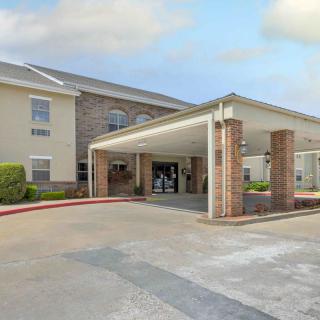
 Warm, family-oriented staff with engaging activities and high-quality meals in a well-kept setting.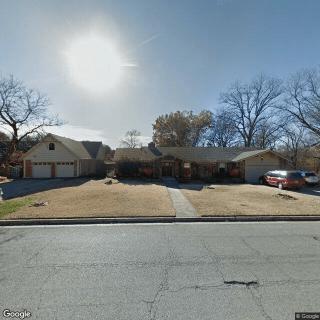

 Delving into the Inner World of Dementia: Insights into Thoughts and Awareness
 Five Subtle Dementia Indicators to Observe: An In-Depth Guide to Understanding “Does My Mom Have Dementia?”
 Dementia, Paranoia, and Caregiver Guidance: Understanding the Connection