Information last verified:
1831 E 71st St, Tulsa, OK 74136
For more information about senior living options: (844) 490-3973
This community is best suited for families who want a truly home-centered care experience where caregivers become extended family to the client. The strongest cases come from seniors who stay at home with steady, hands-on help that manages daily activities, medication reminders, mobility support, and meaningful companionship. For many families, that personal touch matters most, especially when dementia or medical complexity is present and a familiar routine helps reduce anxiety and hospital readmissions. The arrangement shines when continuity, approachable communication, and a warm, family-like atmosphere are non-negotiables. It is less about institutional polish and more about relationships that keep a loved one steady, engaged, and comfortable in their own space. In short, it works best where warmth and consistent, attentive presence are prioritized over rigid scheduling discipline.
Those who may want to consider alternatives are families prioritizing airtight administrative discipline and absolute predictability. If upfront transparency on billing, rapid responsiveness to calls, and a clear escalation path are non-negotiable, this provider may fall short. Several reviews flag inconsistent phone access and slow follow-through from administrators, along with disputes over refunds for services not delivered. For clients requiring fixed, guaranteed caregiver assignments or strict HR governance with independent oversight, a larger, more process-driven agency could be a safer match. Also worth considering are families demanding robust privacy protections, given occasional claims of privacy concerns during hospital transfers and a sense of unfocused supervision. These factors tilt the decision toward operators with stronger, centralized quality control.
On the upside, the most compelling proof lies in the people delivering care. When caregivers arrive with courtesy, attentiveness, and a readiness to tailor tasks to a client’s needs, the experience can be transformative. The best teams earn praise for reliability, compassion, and the sense that staff treat clients like family rather than tasks. That depth of engagement often translates into calmer days for both the loved one and the family, smoother medication routines, and better adherence to care plans. These advantages do not emerge automatically; they require a steady cadre of trained caregivers and a scheduler who holds the line on coverage. The main cons, spotty communication, inconsistent hours, and frustrating refunds, erode trust even when individual aides shine. The apparent variability is the critical fault line.
Several reviews spotlight standout staff who become anchors for families, caregivers who listen, respect boundaries, and follow instructions with gentle firmness. Names recur as evidence that capable, compassionate aides exist within the organization. Yet the flip side exists: customers report experiencing aides who sleep on shift, clock out late, or fail to communicate properly, and administrators who struggle to provide timely, clear responses. Instances of alleged unethical behavior and questions about refunds point to governance questions that no caregiver can wholly compensate for. The contrast between the best and worst experiences signals a systemic inconsistency that families must weigh against their risk tolerance. For some, the net effect is a lifeline; for others, it’s a fragile foundation that requires constant vigilance.
Decision-makers should demand a rigorous setup before committing. Insist on a named care coordinator, a written, mutually approved care plan, and a transparent billing schedule with explicit refund terms and cancellation rights. Require a guaranteed minimum number of hours, a back-up plan for holidays, and a clear escalation route if concerns arise, preferably with direct access to an executive or regional supervisor. Request references from multiple local families and verify the credentials and ongoing training of each caregiver who will regularly visit. If post-acute recovery or dementia care is the goal, verify targeted competencies and supervisory oversight. Real-time communication with regular updates is essential; avoid reliance on sporadic reports that allow drift to go unchecked.
Bottom line: this provider can deliver deeply human, personalized home care that preserves independence and family involvement when the operation is well-led and consistently executed. It is ideal for families who can stay actively involved, set clear expectations, and tolerate occasional administrative hiccups in exchange for highly compassionate caregivers. For those who cannot risk inconsistent communication, opaque refund policies, or potential privacy lapses, exploring alternatives with stronger governance and standardized processes is prudent. In scenarios where continuity of care and a home-like atmosphere are non-negotiable, this option remains compelling, but only with vigilant oversight, explicit service agreements, and robust safeguards that keep the care plan aligned with the loved one’s evolving needs.
A Team Health Care Services in Tulsa, OK is an assisted living community that offers a plethora of amenities and services to enhance the lives of its residents. Located in a vibrant area, this community benefits from the presence of various establishments that cater to different needs.
For those who enjoy dining out or exploring culinary delights, there are 28 restaurants in close proximity to the community. Residents can savor a wide range of cuisines and indulge in delicious meals without venturing too far from home. Additionally, the option for transportation nearby ensures convenient access to these eateries.
Nature enthusiasts will appreciate the abundance of green spaces surrounding the assisted living community, with four parks nearby. These parks offer opportunities for outdoor recreation such as walking trails, picnics, or simply enjoying the tranquility of nature. Residents can embrace an active lifestyle while connecting with the beautiful surroundings.
Maintaining good health is made easy with 25 pharmacies nearby and a hospital just a stone's throw away. This accessibility ensures that residents receive prompt medical attention and have convenient access to medications and healthcare supplies whenever necessary. A team of 28 physicians are also conveniently located nearby, providing comprehensive medical care.
To nurture spiritual well-being, there are four places of worship in close proximity where residents can engage in religious services and connect with their faith communities.
For entertainment and cultural experiences, three theaters are situated nearby, offering a variety of performances ranging from plays to concerts. Residents can easily immerse themselves in arts and culture without traveling far from their home.
Overall, A Team Health Care Services provides its residents with a well-rounded living experience by offering various amenities and services designed to enhance their quality of life. The accessibility to cafes, parks, pharmacies, physicians, restaurants, transportation options, places of worship, theaters, and hospitals creates convenience while fostering socialization and personal growth within this vibrant community.
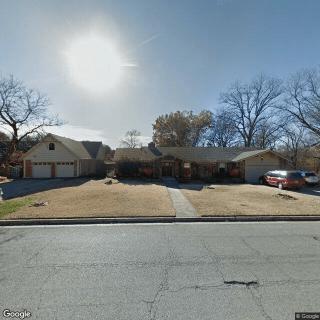
A Team Health Care Services is located at 1831 E 71st St, Tulsa, OK 74136 in Tulsa County, Oklahoma
Essential Knowledge on Pneumonia in Older Adults
Pneumonia significantly affects older adults due to weakened immune systems and atypical symptoms that complicate diagnosis, necessitating early detection and tailored treatment. Risk factors include chronic diseases and cognitive impairments, with preventive measures like vaccinations and healthy lifestyles being crucial for reducing risk.
Exploring Palliative Care in the Home: A Comprehensive Overview

Palliative care enhances the quality of life for seriously ill patients by providing comprehensive support at home through a multidisciplinary team, addressing various needs and prioritizing comfort over curative treatments. While it offers personalized care and involves family in decision-making, challenges like caregiver stress and logistical issues persist, with growing demand prompting advancements in technology and healthcare policies to improve access.
Comprehensive Insights into Palliative Home Care: What It Is and What to Expect
Palliative home care focuses on improving the quality of life for individuals with serious illnesses by providing comfort, symptom management, and emotional support in their own homes. This approach includes personalized care plans, regular assessments, and resources for family caregivers, all while prioritizing person-centered treatment that aligns with patients' goals.