
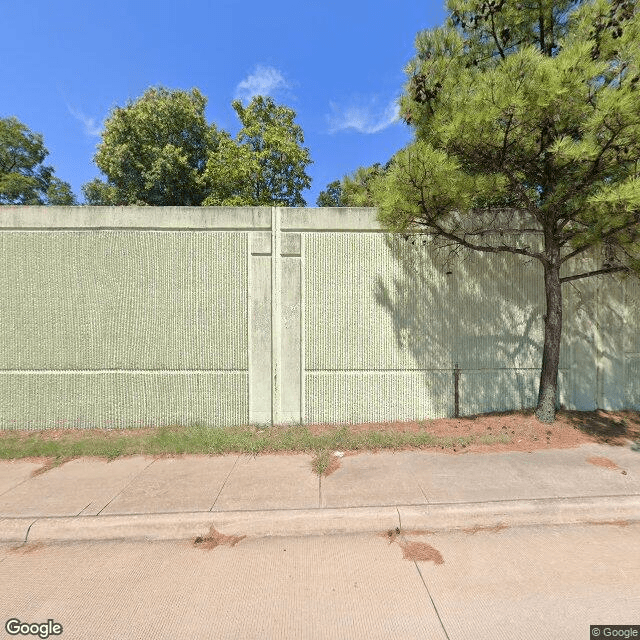
7028 South Harvard Avenue, Tulsa, OK 74136
To contact a resident: (918) 495-1199
For more information about senior living options: (866) 208-4318
Harvest Homes - Harvard Costs & Pricing
Harvest Homes - Harvard offers competitive monthly costs for its residents compared to the broader market in Tulsa County and the state of Oklahoma. For semi-private rooms, Harvest Homes is priced at $2,500, significantly lower than the county average of $3,624 and the state average of $4,053. Private rooms are available for $3,200, which again presents a cost-effective option against the county's rate of $3,774 and the state's higher figure of $4,618. Interestingly, while Harvest Homes offers a one-bedroom unit at $4,200, this price still positions it just above Tulsa County's average of $3,600 and slightly below Oklahoma's overall average of $3,565. Overall, Harvest Homes - Harvard stands out as an appealing choice for those seeking quality care without compromising their budget in comparison to local and state competitors.
| Floor plans | Harvest Homes - Harvard | Tulsa County | Oklahoma |
|---|---|---|---|
| Semi-Private | $2,500 | $3,624 | $4,053 |
| Private | $3,200 | $3,774 | $4,618 |
| 1 Bedroom | $4,200 | $3,600 | $3,565 |
Memory care communities with a similar price nearby
-
from -$85 / mo
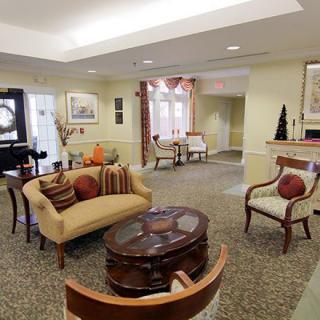
The Grove at Midtown Senior Living
$2,415 to $5,775 / month2.0 miles away
Overall Review of Harvest Homes - Harvard
Pros
 Everything is top notch at the facility.
- There are no complaints at all.
- The small size allows for really good personal care.
- The accommodations are adequate, and the loved one has his own bedroom.
- There are spaces large enough to share, but with only six residents they receive excellent personal care.
- The help is readily available, and Gail always answers calls promptly.
- The staff are cordial, the facility is clean, and it protects him.
Review
Harvest Homes - Harvard in Tulsa is best suited for seniors who want intimate, highly individualized care delivered in a true home-like setting. With a six-resident footprint, the community can tailor daily routines, respond quickly to needs, and build trust between residents and caregivers in a way larger campuses cannot. This is not a place for those seeking a resort-like atmosphere or a bustling activity calendar; it is a practical, dependable home where staff familiarity translates into consistent, attentive care. For families prioritizing safety, dignity, and a low-stress environment, Harvest Homes delivers tangible advantages that show up in every interaction.
If that intimate model isn’t a fit, consider alternatives such as larger assisted living communities or traditional nursing homes that offer more extensive medical oversight, structured therapy programs, and a broader array of on-site amenities. Residents who require frequent medical procedures, complex therapies, or a wide social milieu with regular outings may feel constrained by the smaller footprint. Families should compare not only monthly fees but also the cadence of care, responsiveness across shifts, and the ease of accessing additional supports if health needs escalate.
Two standout strengths emerge: the exceptionally low resident count and the resulting personal attention. With only six residents, staff can deliver care that feels truly tailored, no one gets lost in a crowd, and daily routines can be adjusted to suit preferences. Individual bedrooms provide privacy and a sense of personal space, while shared areas remain adequate for socializing without becoming crowded. Cleanliness and courtesy are evident in every visit, and the team communicates in a way that reassures families. The responsiveness of staff, exemplified by Gail, who consistently answers calls promptly, illustrates a level of reliability that reduces family anxiety.
Where the narrower footprint shows up as a potential drawback is in the scope of amenities and programming. Accommodations are described as adequate rather than upscale, and there may be fewer on-site activities or advanced therapies than a larger campus offers. For families needing robust medical oversight or a very broad social calendar, Harvest Homes may feel constrained. While new residents report smooth transitions and reliable oversight, the smaller team means it’s prudent to confirm staffing coverage across all shifts and to understand escalation procedures if care needs intensify.
Yet the strengths offset these gaps decisively for the target profile. The intimate setting fosters a protective atmosphere where caregivers know routines, preferences, and medical histories by heart. Personal relationships translate into quicker recognition of subtle changes, faster call-backs, and a sense of safety that's hard to achieve in bigger houses. For families prioritizing peace of mind, lower resident-to-staff ratios, and the dignity of a private bedroom, Harvest Homes delivers measurable value that outweighs a lack of luxury or breadth of programming.
Ultimately, the decision should hinge on aligning expectations with the community’s core strengths. If a resident will thrive with highly individualized attention, minimal bustle, and a home-like feel, Harvest Homes stands out as a compelling choice. If the priority is continuous medical oversight, abundant social programming, or private-room exclusivity with resort-like amenities, alternatives deserve serious consideration. Prospective families should schedule a visit, observe interactions during a routine day, ask to see how staff communicate across shifts, and confirm what happens when health needs rise. Thoughtful, hands-on assessment will reveal whether the six-resident model sustains a level of care that justifies the choice, or if a larger, more comprehensive community better serves the long-term trajectory.
 Board and Care Home
 Day Program
 Memory Care
 Bath tubs
 Devotional services off-site
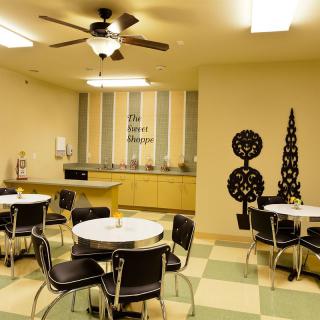
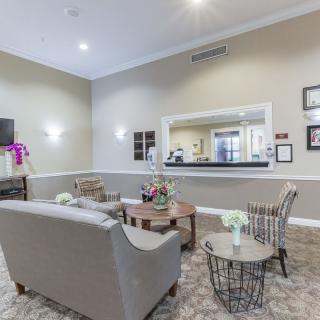
 Indoor common areas
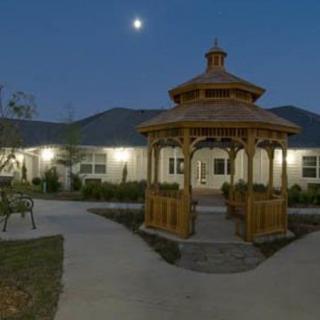
 Outdoor common areas
 Private
 Respite or short term stays offered
 Tulsa International (10 miles away)
 Ambulatory care
 Diabetic care
 High acuity care
 Incontinence care
 Medication management
 Meals provided


 Five Subtle Dementia Indicators to Observe: An In-Depth Guide to Understanding “Does My Mom Have Dementia?”
 Dementia, Paranoia, and Caregiver Guidance: Understanding the Connection
 Engaging Memory Care Activities That Enhance Quality of Life