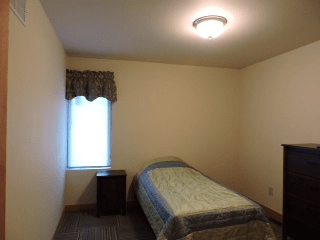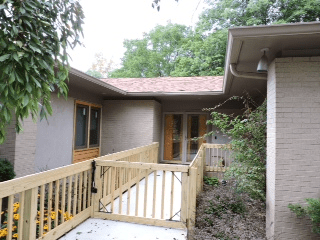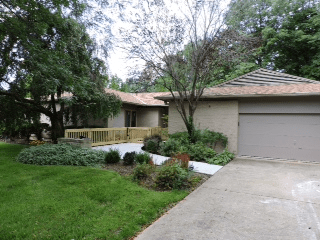
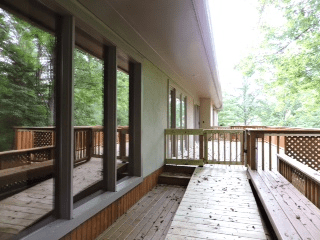

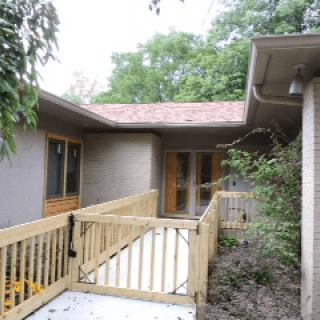
11621 Symmes Creek Dr., Loveland, OH 45140
To contact a resident: (513) 801-5158
For more information about senior living options: (866) 208-4318
Our Family Home Symmes Creek Costs & Pricing
Our Family Home Symmes Creek presents a premium living experience, with the monthly cost for a one-bedroom unit set at $7,350. This figure significantly exceeds both Warren County's average of $4,345 and the broader state average of $3,712 for similar accommodations. While the costs may be higher than those in surrounding areas, they reflect a commitment to providing exceptional service and care within a nurturing environment tailored to meet the needs of its residents. The pricing structure suggests an emphasis on quality and comprehensive support that families can trust when considering options for their loved ones.
| Floor plans | Our Family Home Symmes Creek | Warren County | Ohio |
|---|---|---|---|
| 1 Bedroom | $7,350 | $4,345 | $3,712 |
Memory care communities with a similar price nearby
-
from -$1350 / mo
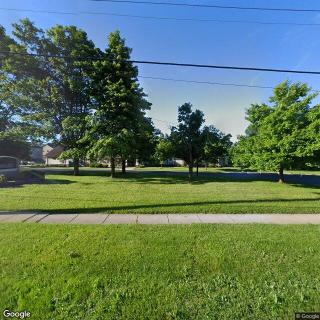
Close to Home
$6,000 / month15.5 miles away -
About the same
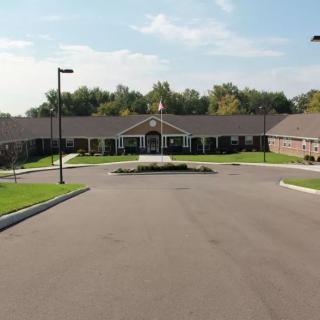
Artis Senior Living of Bridgetown
$7,200 / month19.3 miles away -
from -$1350 / mo

Serene Suites Premier Memory Care
$6,000 / month4.5 miles away -
from +$320 / mo

Arden Courts Of Anderson Township
$7,670 / month13.0 miles away -
from +$650 / mo
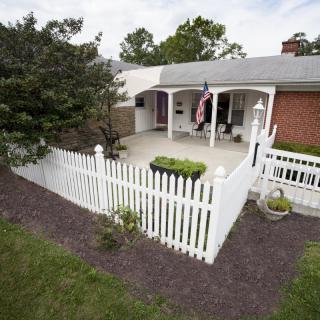
Our Family Home at Miami Hills
$8,000 / month6.6 miles away
Overall Review of Our Family Home Symmes Creek
Pros
 The facility provides one-on-one care for patients.
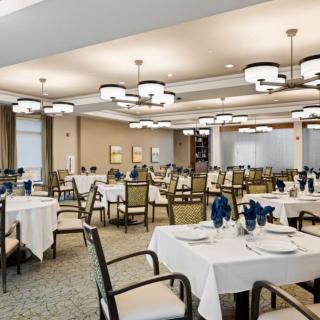
- The meals are homemade and there are engaging activities.
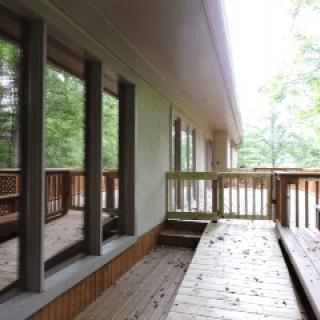
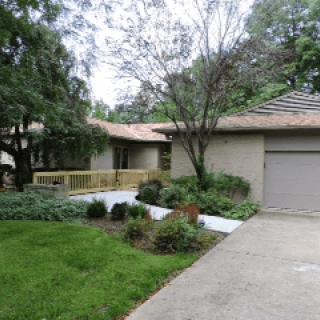
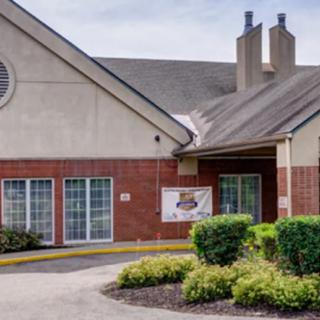
- It has very nice surroundings.
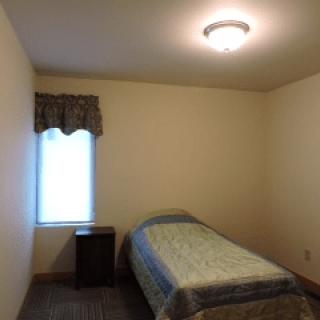
- It makes patients feel at home.
- Nurses are easy to reach.
- Families can access the house, and it is secure and safe for patients.
Review
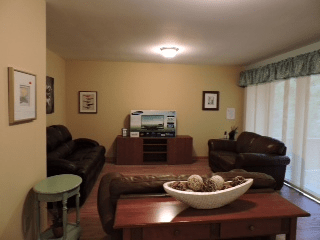
This community is best suited for families seeking a genuinely intimate, home-like senior living experience where care is highly personalized and every resident is treated as an individual. Our Family Home Symmes Creek in Loveland, Ohio emphasizes one-on-one attention, meals prepared in-house, and daily activities that feel meaningful rather than routine. The environment is calm and residential, avoiding the institutional feel of larger campuses, which helps residents settle in quickly. A nurse is readily reachable, and families have straightforward access to the house, reinforcing a sense of safety and involvement in daily life. For households prioritizing comfort, consistency, and an easily navigable care arrangement, this setting delivers with convincing credibility.
Those who may want to consider alternatives are seniors whose needs lean toward higher-acuity medical oversight or a more expansive array of on-site services. If the priority is frequent clinical intervention, extensive therapy options, or a bustling, highly structured schedule with transportation to multiple activities, a larger facility with more staff and a wider service menu could be a better fit. Similarly, if a broader social calendar, more formal programming, or on-site specialists are non-negotiable, families should explore communities designed to scale those offerings. In short, when the standard of care is a tightly knit, home-centered model, this option shines; when a more expansive continuum of care is required, look elsewhere.
The standout pros align closely with resident well-being and family confidence, and they appear to offset the most plausible concerns about a smaller setting. The one-on-one care translates to highly tailored support, vigilant daily monitoring, and a responsiveness that can feel almost instantaneous. Homestyle meals support nutrition and comfort while accommodating dietary needs without cumbersome restrictions. A home-like atmosphere reduces disorientation and anxiety, contributing to steadier moods and better overall engagement in activities. The proximity of staff to residents means little falls through the cracks, and the easy nurse access minimizes the friction that often accompanies medical questions or medication adjustments. Taken together, these advantages create a cohesive safety net where daily life is predictable yet responsive.
Accessibility and safety further strengthen the value proposition. The ability for families to engage directly with caregivers and nurses without navigating a labyrinth of administrative layers fosters trust and ongoing collaboration. The secure environment, paired with resident-centered routines, helps mitigate common concerns about wandering, emergency responsiveness, and routine transitions. For seniors who prize autonomy but also desire reliable support, this model delivers a reassuring balance: dignified independence supported by readily available professional oversight. In practice, the setting tends to reduce caregiver stress as well, because immediate communication and clear lines of accountability are built into the daily workflow.
Prospective residents should still approach with practical diligence, and a critical eye toward what remains unspoken in a five-star snapshot. Given the single-review basis, families should verify staffing patterns, especially the consistency of caregiving teams, and confirm the scope of on-site medical coordination, if any. Clarify what “homemade” means in terms of ingredients, portion control, and dietary accommodations; confirm menu variety and seasonal changes. Inquire about the range of activities, the availability of transportation for appointments or outings, and access to therapy services if needed. Finally, obtain a transparent understanding of costs, what is included, and what incurs additional charges. These steps transform a favorable impression into a well-grounded decision.
In the end, this Loveland community presents a compelling choice for families prioritizing a personalized, home-centric approach with strong caregiver visibility and direct nurse access. It is a standout option for residents who thrive on routine, meaningful daily activities, and a secure, family-engaged environment. For those whose care needs extend into broader clinical services, robust social programming, or a larger, more campus-like atmosphere, it makes sense to compare alternatives carefully and schedule first-hand demonstrations. A thoughtful tour, conversations with the caregiving team, and a clear sense of how daily life would unfold will reveal whether this intimate model aligns with the resident’s goals and the family’s peace of mind.
 Board and Care Home
 Memory Care
 Activities on-site
 Air-conditioning
 Bath tubs
 Cable or satellite TV
 Devotional services off-site
 Ground floor units
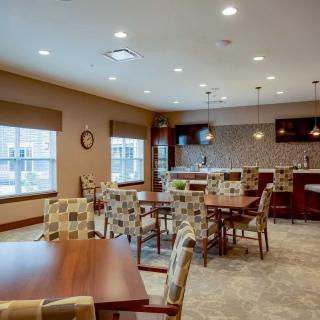
 Indoor common areas
 Outdoor common areas
 Respite or short term stays offered
 Wi-Fi/high-speed internet available
 Cincinnati Northern Kentucky International (25 miles away)
 High acuity care
 Incontinence care
 Medication management
 Anytime dining
 Catholic services
 Jewish services
 Live dance or theater performances
 Live musical performances
 Live well programs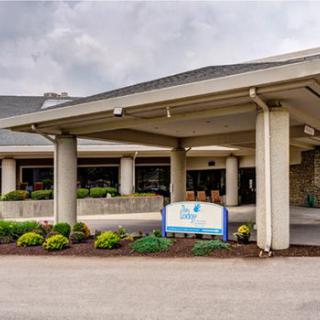


 How to Communicate with a Loved One Living with Dementia: 10 Supportive Strategies
 Comprehensive Guide to VA Nursing Homes: A Crucial Long-Term Care Resource for Veterans
 Estimating the Expenses of At-Home Dementia Care: A Detailed Exploration