Traditions of Deerfield offers a range of living options that reflect their premium services and amenities, with monthly costs slightly exceeding the average rates found in both Warren County and across Ohio. For instance, the studio apartments at Traditions of Deerfield are priced at $3,995, which is notably higher than the county's average of $3,601 and the state average of $3,727. Similarly, one-bedroom units are offered at $5,395, contrasting with more affordable offerings in Warren County at $4,345 and statewide at $3,712. The two-bedroom option also showcases this trend; it is priced at $5,895 compared to Warren County's $4,340 and Ohio's overall figure of $3,501. These figures highlight Traditions of Deerfield as a choice that emphasizes quality and comprehensive care within a vibrant community setting.
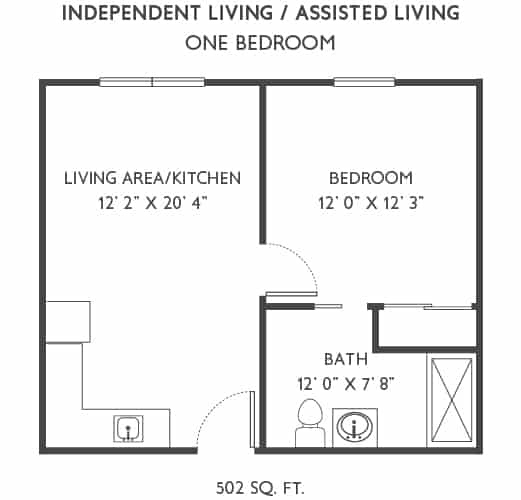
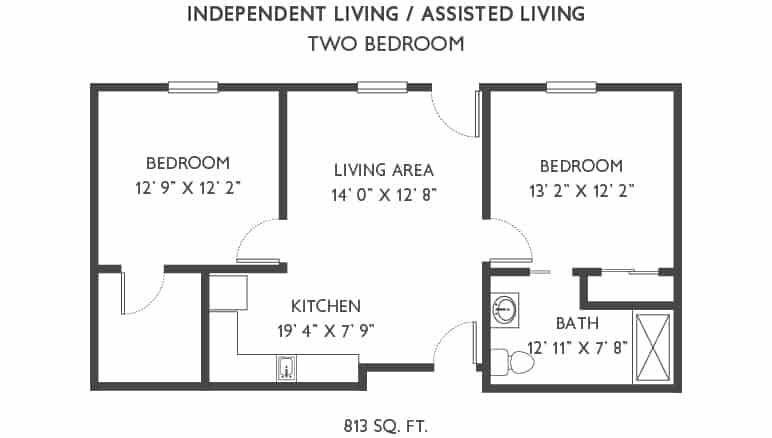
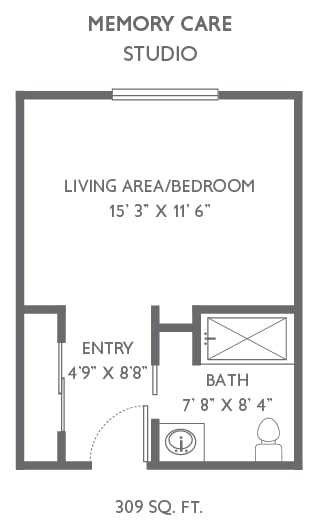
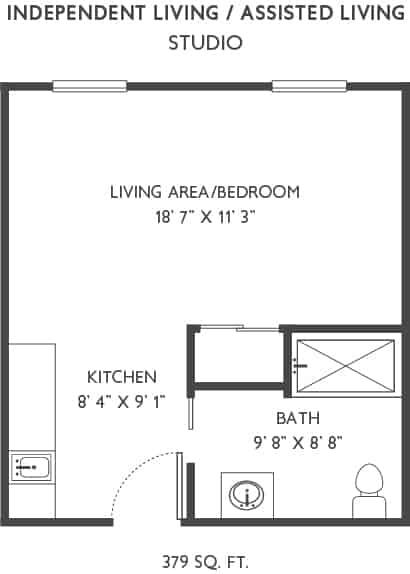
Floor plans
Traditions of Deerfield
Warren County
Ohio
Studio
$3,995
$3,601
$3,727
1 Bedroom
$5,395
$4,345
$3,712
2 Bedrooms
$5,895
$4,340
$3,501
Memory care communities with a similar price nearby
Residents describe the memory care team as highly attentive and clinically helpful.
Several reviewers specifically highlight the memory care team and its way of interpreting behaviors and matching care to what residents actually need. Families also describe smoother transitions into memory care and more consistent support during serious late-stage needs. A few other reviews still flag safety and staffing concerns within the memory care unit, but the strongest memory care feedback centers on compassionate, hands-on guidance and family communication.
common12 reviews mention this
Dining is repeatedly called out
Dining stands out in reviews, with residents describing good food and accessible service.
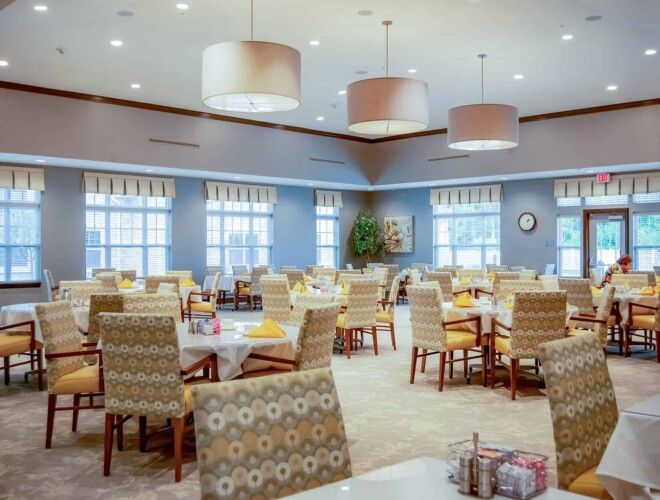
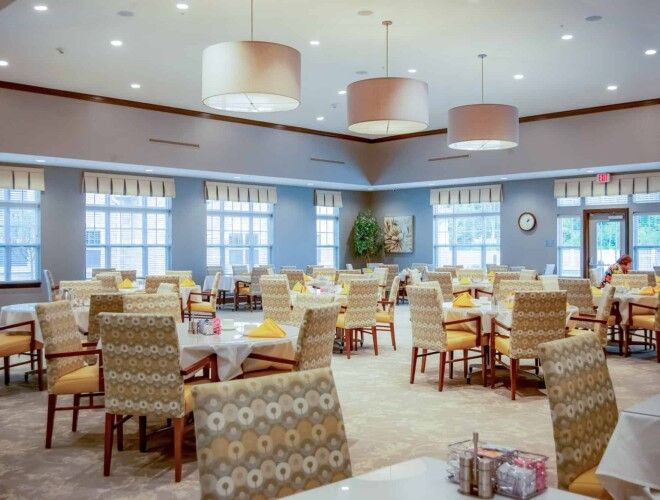
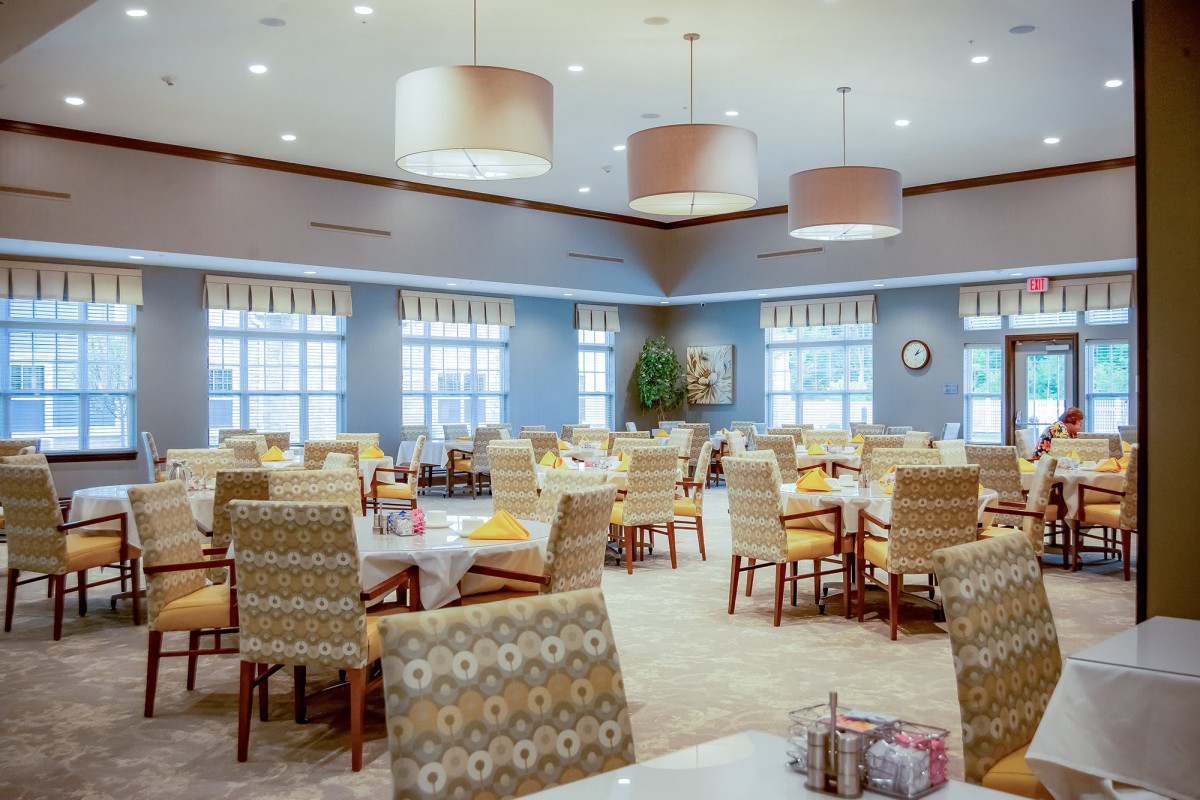
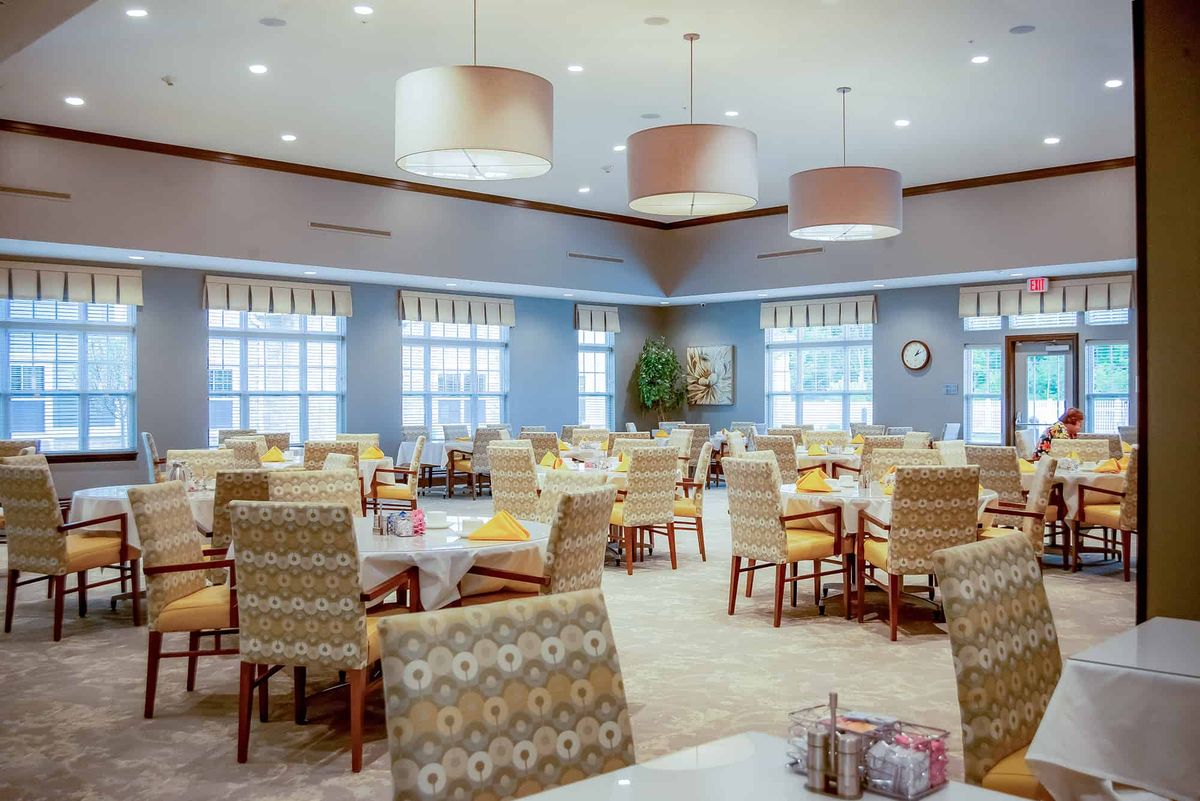
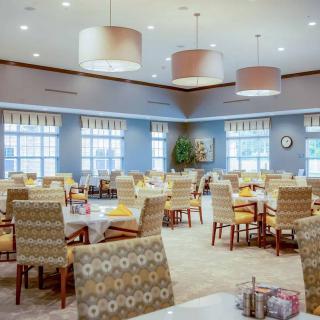
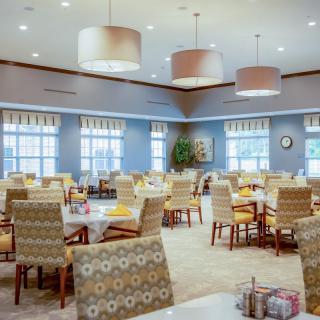
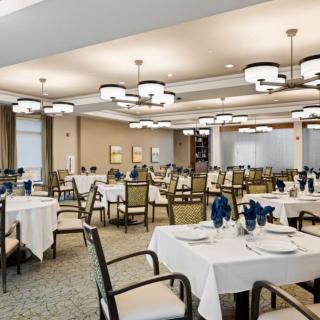
Food and dining experience come up often, with multiple reviewers saying the meals are tasty and the dining room feels more like a restaurant than a cafeteria. Reviews also mention flexibility around meal preferences, including attention to specific dietary needs. Some negative reviews complain about meal service delays or that food quality can fall short, but the majority of dining mentions are positive and tied to daily enjoyment.
common15 reviews mention this
Activities and social time matter
Reviews frequently link community life to daily activities and socializing.
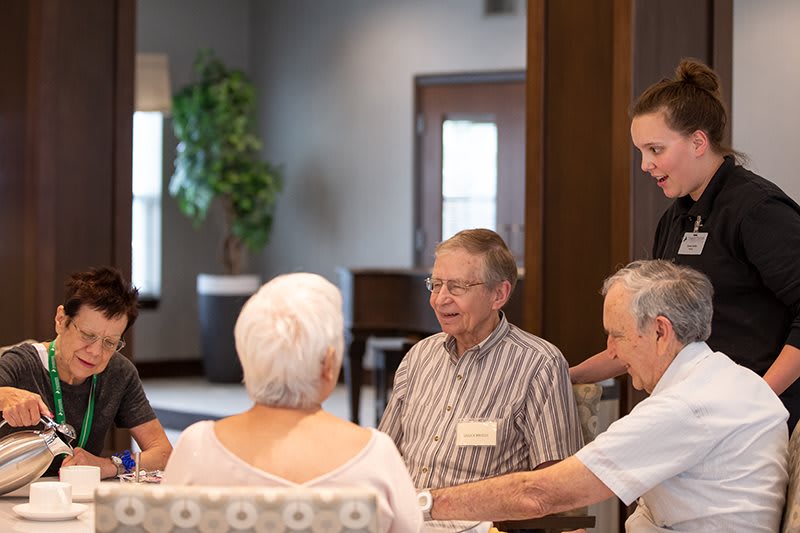
Many reviewers say their loved ones have more to do than just staying in their rooms, and they describe a steady schedule of activities that supports friendships and engagement. Several also mention specific kinds of programs and entertainment, including live performances, trivia, and outings. A smaller set of reviews raises concerns about staffing consistency, but even there the reviews generally agree that activities are central to residents’ day-to-day experience when care is running smoothly.
caveat10 reviews mention this
Care responsiveness is inconsistent
Some reviews report slow call-bell response and lapses in daily support.
While many families describe staff as caring and responsive, a recurring negative theme is delays when residents need help, including long waits for assistance and missed check-ins. Several reviewers describe problems such as late medications, not being promptly contacted or checked after calls, and residents going without basic needs like meals or help after alerts. A few comments also connect these issues to staffing shortages and high turnover, which can lead to inconsistent experience from shift to shift.
caveat6 reviews mention this
Price versus care is debated
Multiple reviews question whether the cost matches the care delivered.
Some reviewers say pricing feels reasonable or comparable to other communities they toured, and others express satisfaction with value. Others directly criticize the pricing as overpriced for what they experienced, often tying the complaint to understaffing, delays, and gaps in care. Across these comments, concerns about care consistency are a key reason some families feel the service did not justify the monthly cost.
How we summarize
Counts show how many written reviews mention each theme; a review can touch several themes, and only frequently mentioned themes are displayed.
Features
Housing
21 resident community capacity
1-bedroom apartments
2-bedroom apartments
Studio apartments
Types of Care
Assisted Living
Independent Living
Memory Care
Pets
Cats allowed
Dogs allowed
Amenities
Activities off-site
Activities on-site
Air-conditioning
Beautician on-site
Beauty salon
Cable or satellite TV
Devotional services on-site
Dining room
Full kitchen
Fully furnished
Garden
Ground floor units
Handicap accessible
Housekeeping services
Indoor common areas
Kitchenette
Laundry
Move-in coordination
Outdoor common areas
Outdoor space
Respite or short term stays offered
Telephone
Wheelchair accessible showers
Wi-Fi/high-speed internet available
Transportation
Transportation & parking
Care Services
24-hour call system
24-hour supervision
Activities of daily living assistance
Ambulatory care
Assistance with bathing
Assistance with dressing
Assistance with transfers
Coordination with health care providers
Dementia waiver
Diabetes diet
Diabetic care
Hospice waiver
Incontinence care
Meal preparation and service
Medication management
Mental wellness program
Mild cognitive impairment
Special dietary restrictions
Specialized memory care programming
Transportation arrangement (medical)
Transportation to doctors appointments
Dining
Anytime dining
Diabetes diet
Guest meals
Low / no sodium
Meals provided
Professional chef
Restaurant style dining
Room service
Special dietary restrictions
Activities
Community-sponsored activities
Cooking classes
Day trips and outings
Devotional activities on-site
Educational speakers / life long learning
Fitness programs
Happy hour
Live musical performances
Other religious services
Religious services
Resident-run activities
Scheduled daily activities
Trivia games
Visiting chaplain or priest
Wii bowling
Yoga / chair yoga
Languages Spoken
English
Nearby Places of Interest
This part of Loveland, Ohio offers a variety of amenities and services that cater to senior living. With several hospitals and physicians offices nearby, seniors can easily access healthcare services. The area also features a range of dining options, from fast food chains like McDonald's and Chick-Fil-A to sit-down restaurants like Olive Garden and Tony's of Cincinnati. Additionally, there are pharmacies such as Walmart Pharmacy and Walgreens for convenient prescription pick-ups. For recreation and relaxation, there are several parks within a few miles, providing opportunities for outdoor activities. Places of worship, including Heritage Presbyterian Church and Epiphany United Methodist Church, offer spiritual support and community engagement. Overall, this neighborhood provides a mix of conveniences that could support a comfortable and enjoyable senior living experience.
Restaurants
Raising Cane's Chicken Fingers (0.5 miles)
Tony's of Cincinnati (1 miles)
Sonder Brewing (1.2 miles)
Cracker Barrel (1.4 miles)
Olive Garden (1.4 miles)
Chick-Fil-A (1.5 miles)
McDonald's (1.5 miles)
Hospitals
Cincinnati Children's (1.1 miles)
Midwest Process Innovation (1.8 miles)
Micu 4 (2.4 miles)
TriHealth Seniority - TriHealth Bethesda North Hospital (4.4 miles)
Trihealth Connect Training (4.7 miles)
West Chester Hospital (5.8 miles)
Cincinnati Children's Hospital Medical Center Liberty Campus (6.7 miles)
Traditions of Deerfield offers a range of living options that reflect their premium services and amenities, with monthly costs slightly exceeding the average rates found in both Warren County and across Ohio. For instance, the studio apartments at Traditions of Deerfield are priced at $3,995, which is notably higher than the county's average of $3,601 and the state average of $3,727. Similarly, one-bedroom units are offered at $5,395, contrasting with more affordable offerings in Warren County at $4,345 and statewide at $3,712. The two-bedroom option also showcases this trend; it is priced at $5,895 compared to Warren County's $4,340 and Ohio's overall figure of $3,501. These figures highlight Traditions of Deerfield as a choice that emphasizes quality and comprehensive care within a vibrant community setting.
The features offered by Traditions of Deerfield significantly enhance the quality of memory care for individuals facing dementia or Alzheimer's disease. With 24-hour supervision, residents receive constant, attentive support that fosters a sense of security and safety. Assistance with activities of daily living, such as bathing, dressing, and transfers, helps maintain dignity and personal hygiene, which can be particularly challenging for those with cognitive impairments. Coordination with healthcare providers ensures holistic management of medical needs, while specialized memory care programming addresses the unique challenges posed by varying stages of cognitive decline. The meal preparation and service, alongside medication management, contribute to physical well-being by ensuring proper nutrition and adherence to treatment regimens. Incontinence care is also crucial for maintaining comfort and emotional health. Moreover, mental wellness programs and transportation arrangements for medical appointments provide additional layers of support that engage residents' cognitive abilities while facilitating necessary health services. Together, these features create a nurturing environment that prioritizes both physical and emotional welfare for individuals with memory challenges.
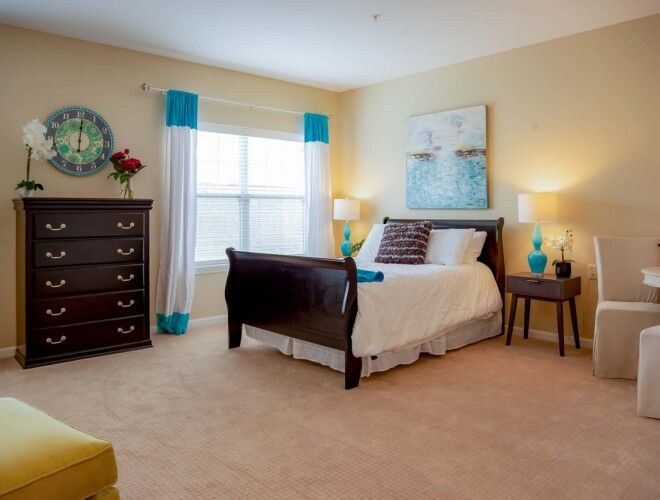
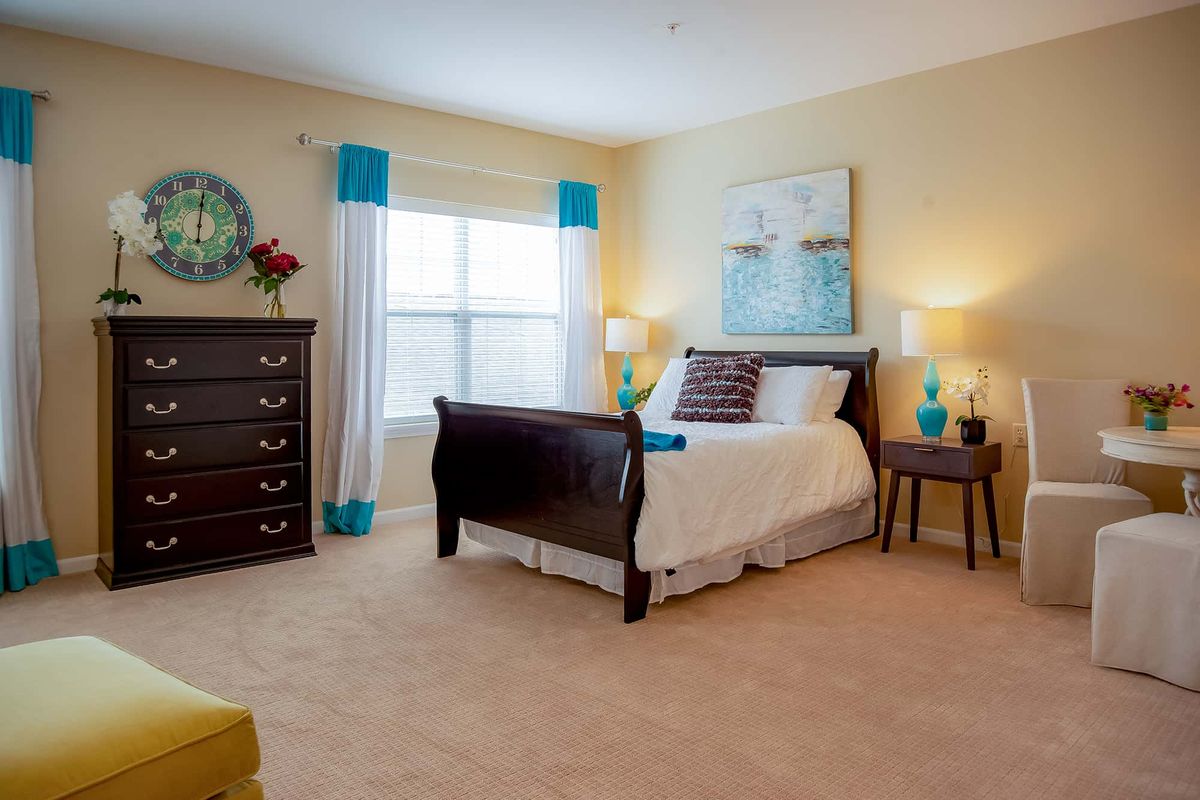
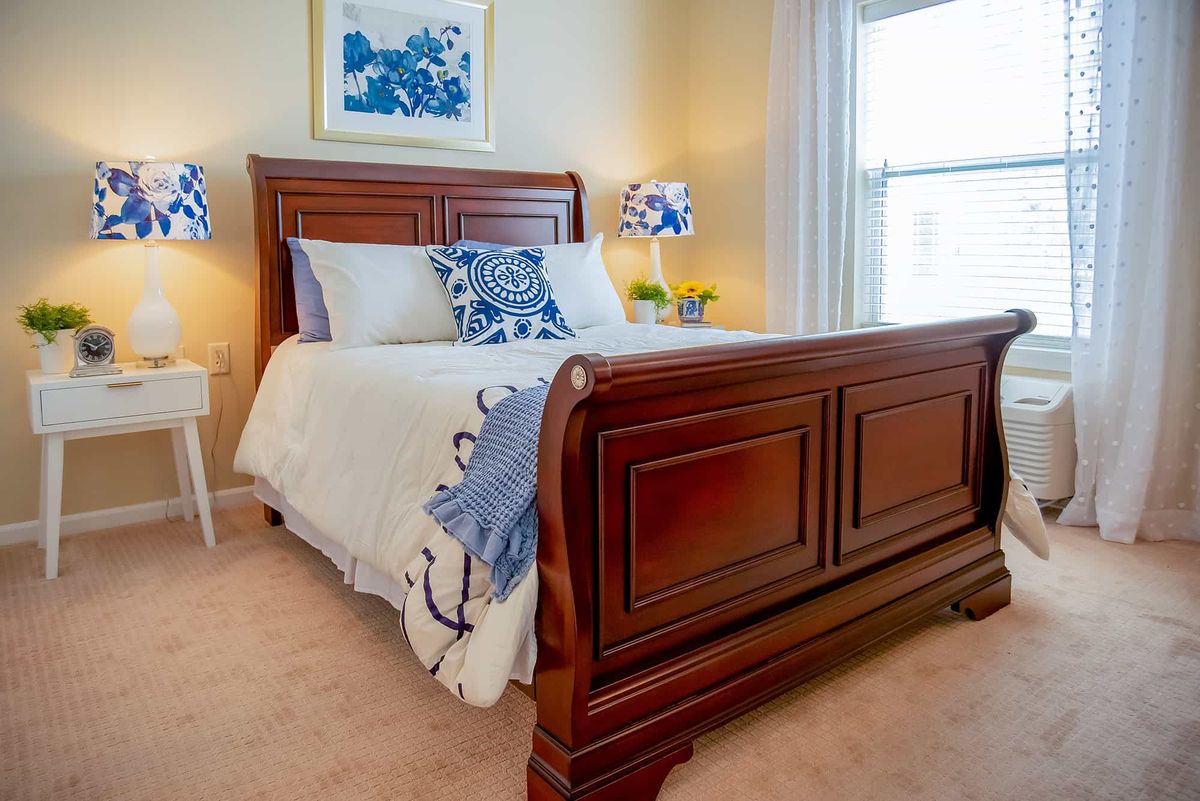
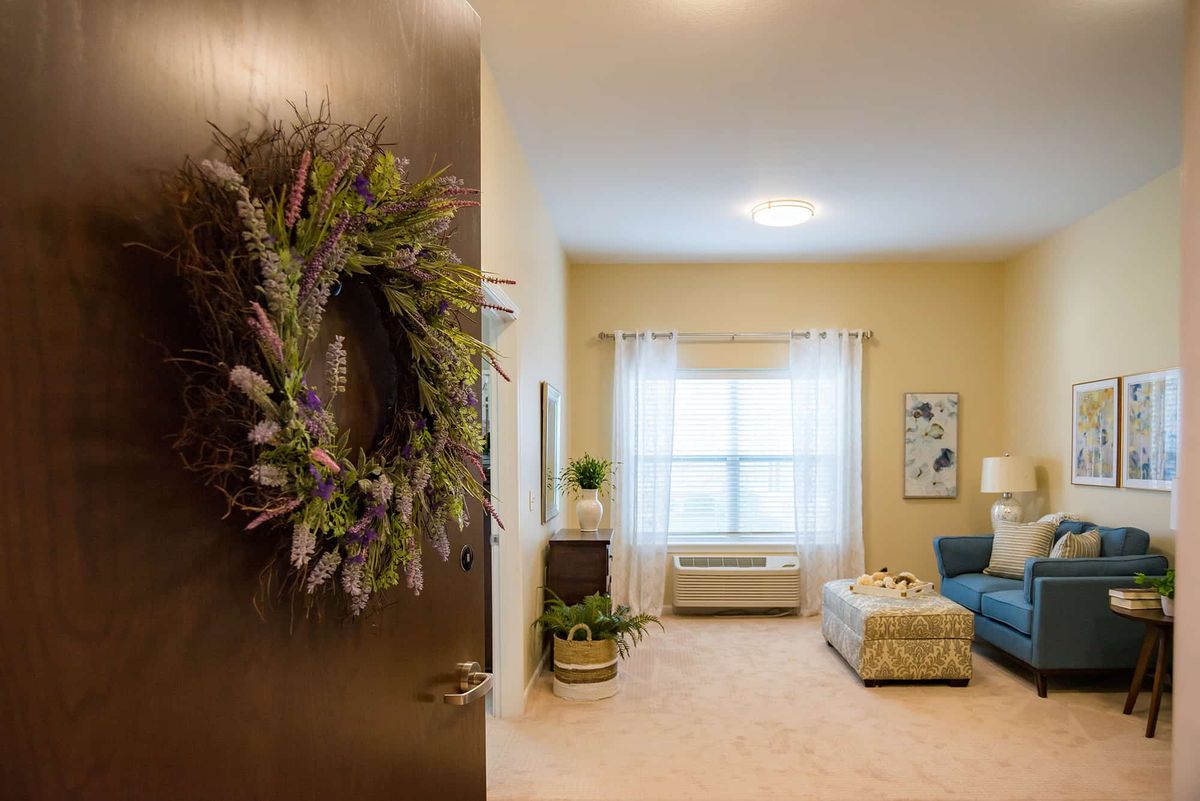
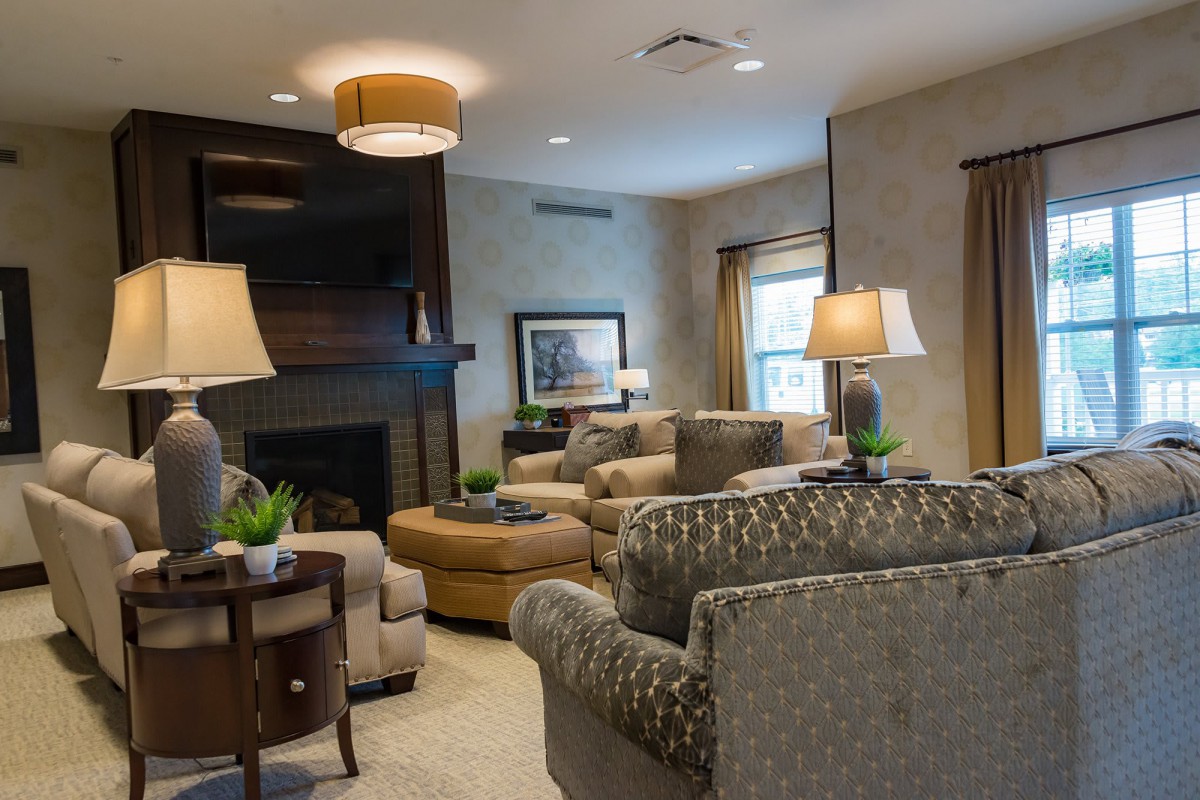
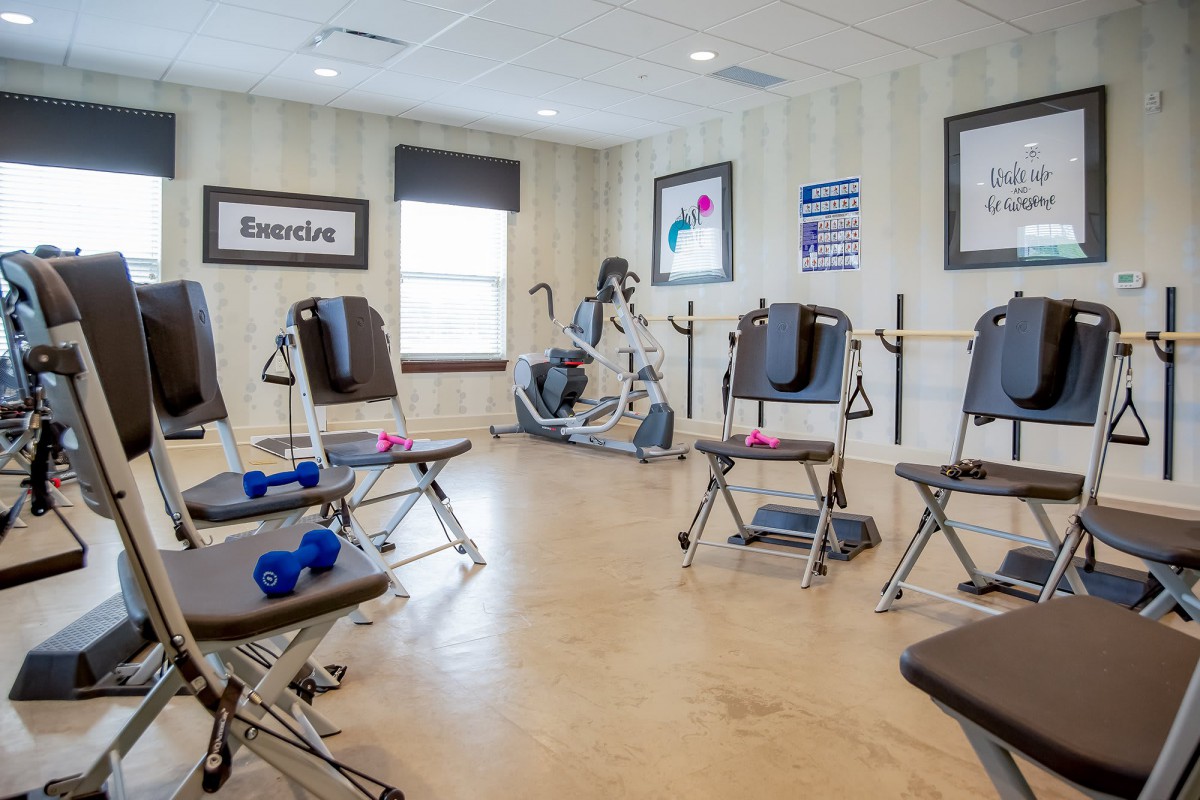
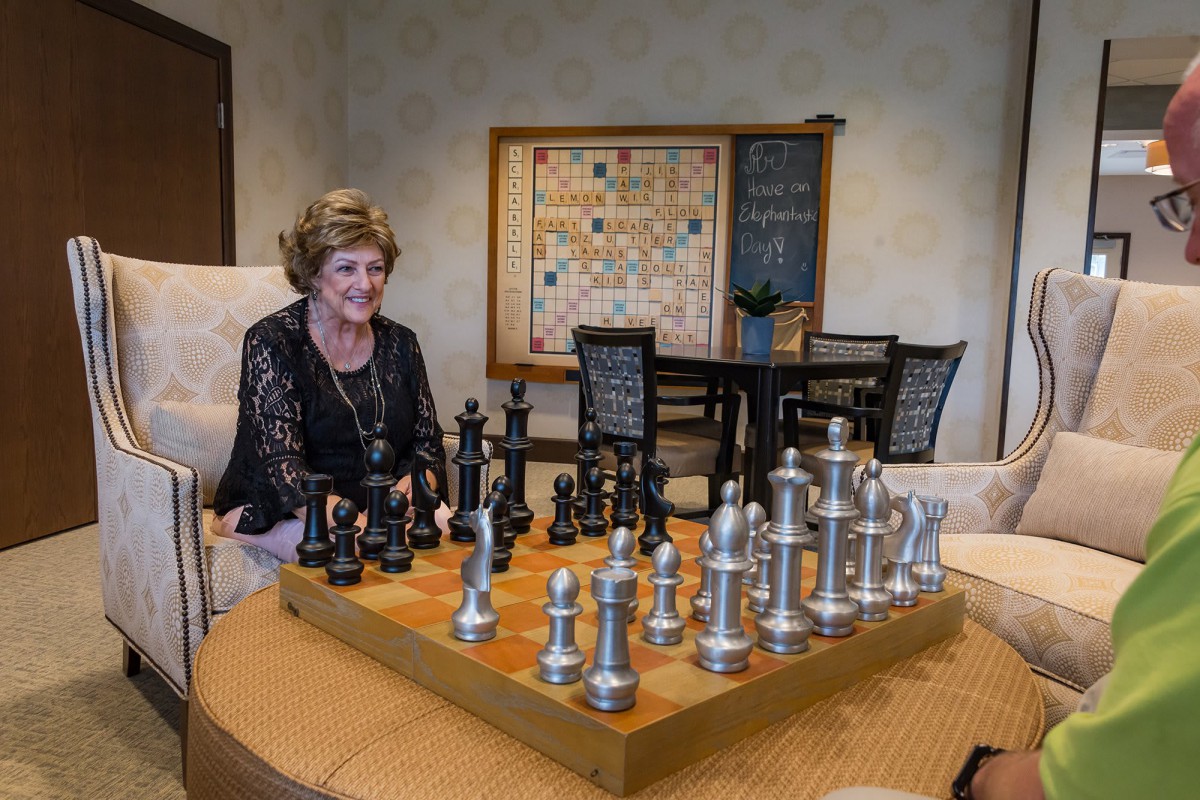
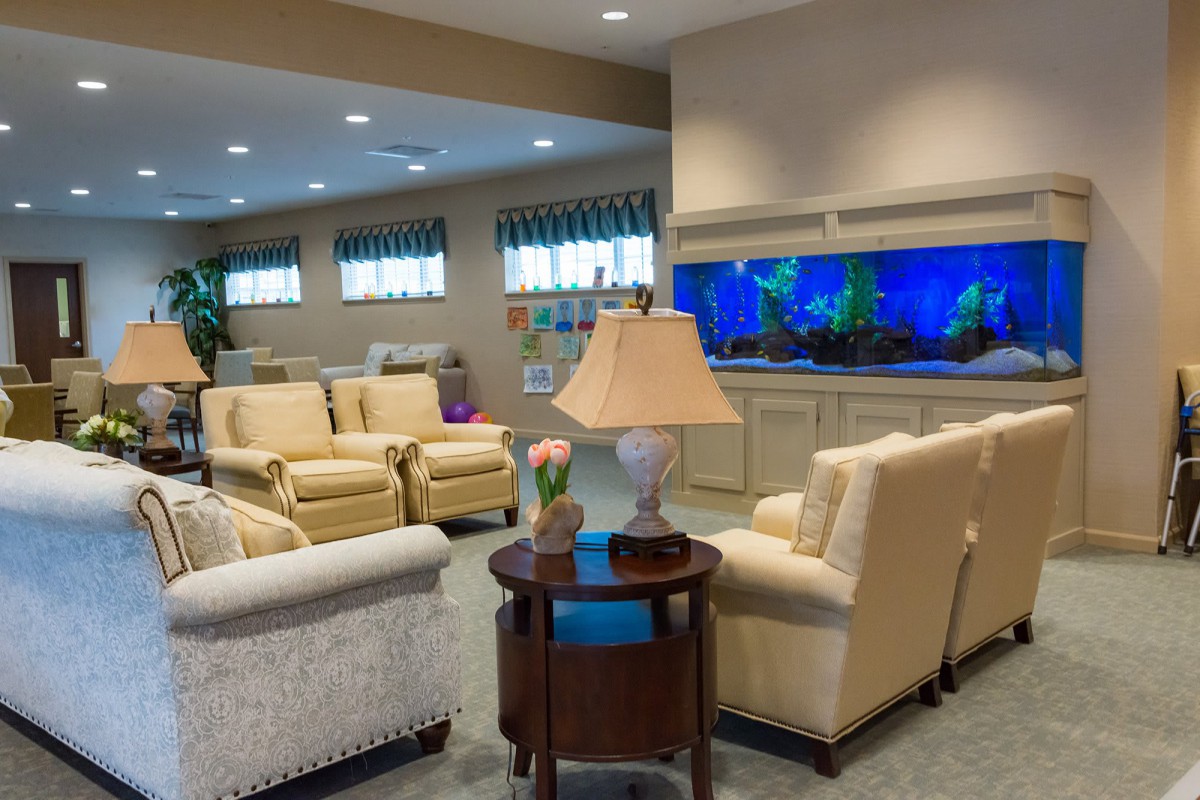
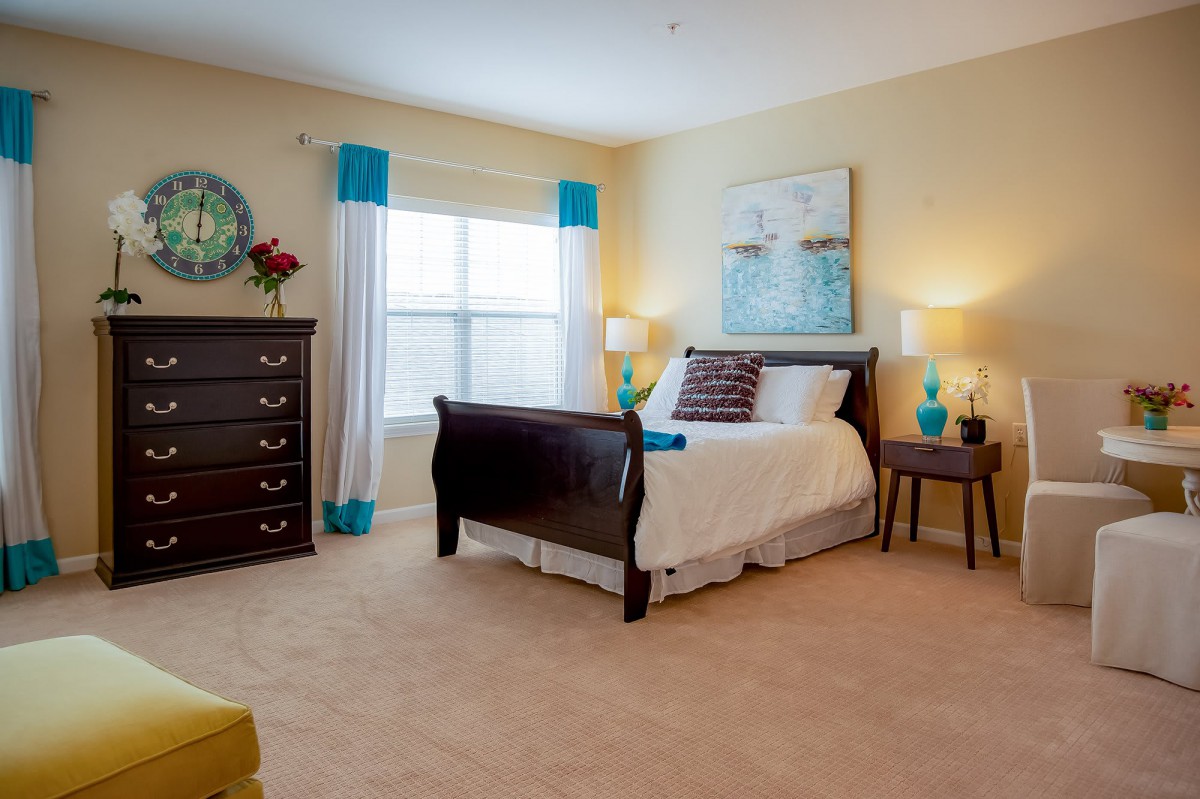
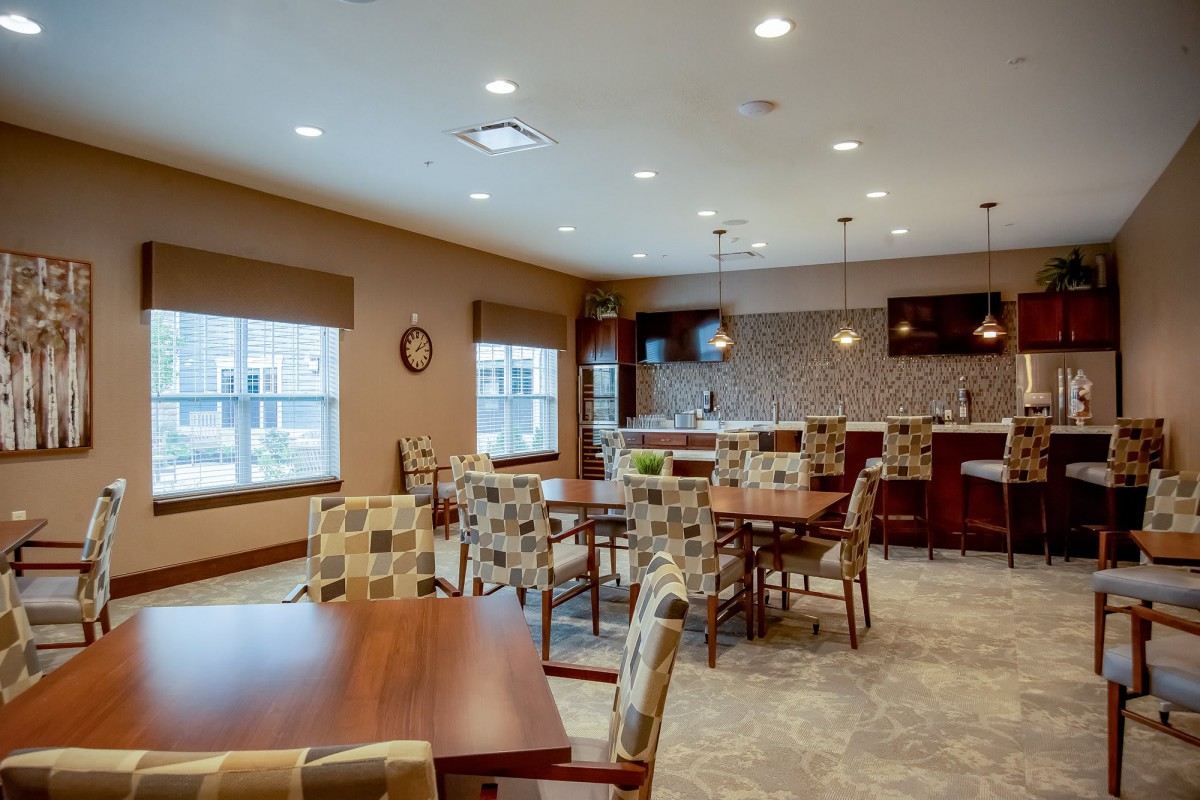
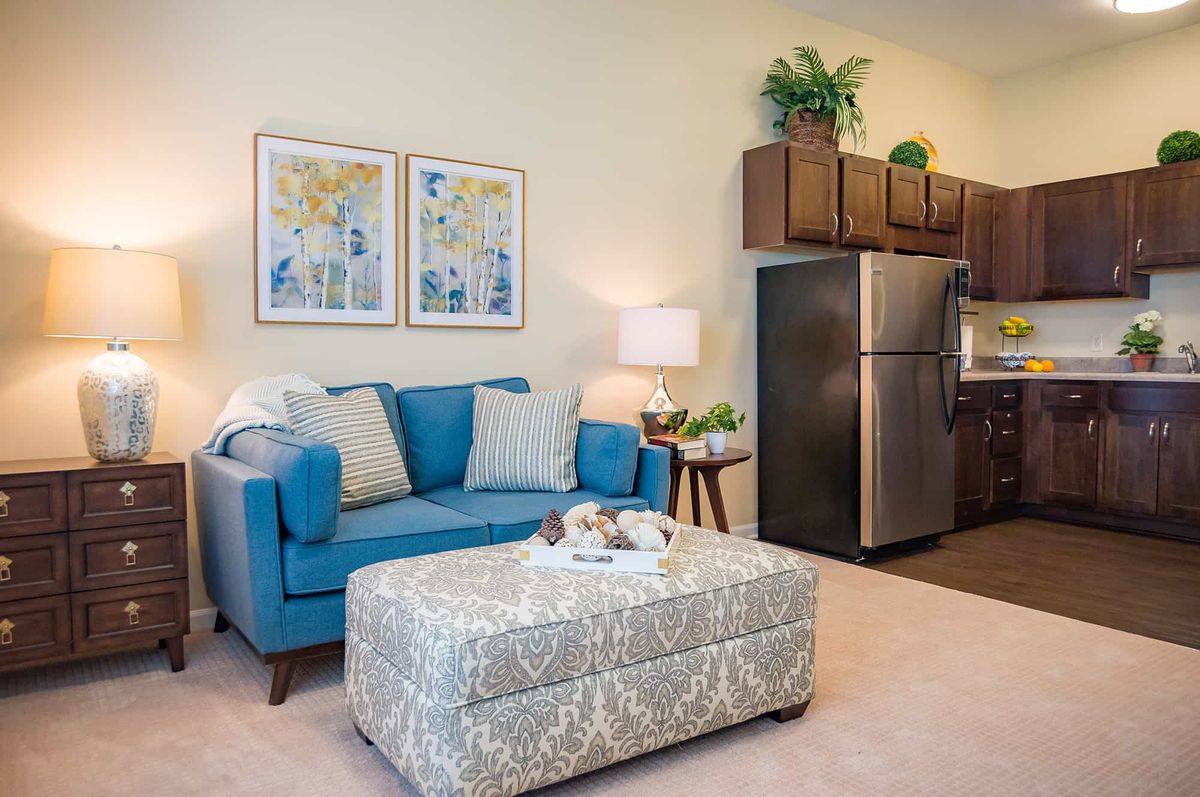
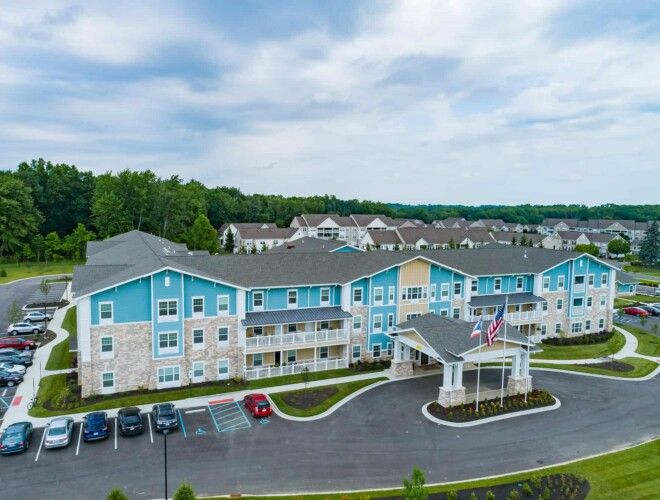
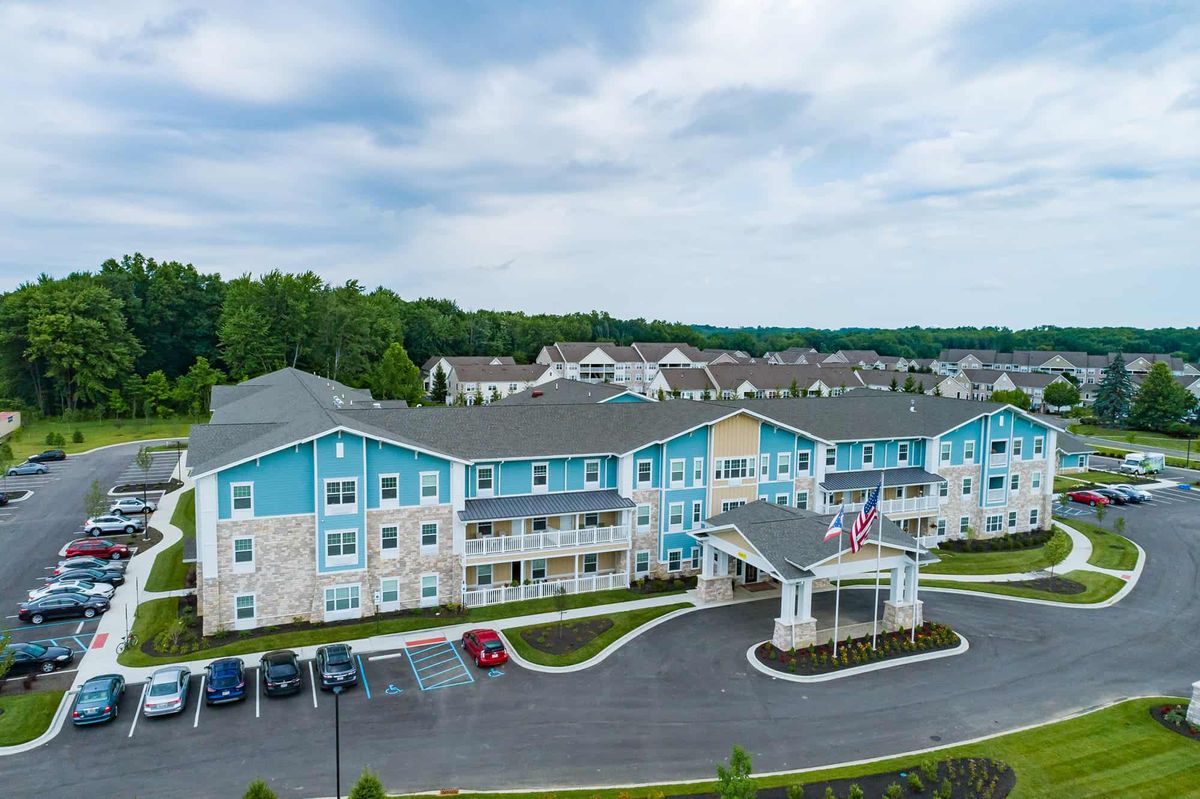
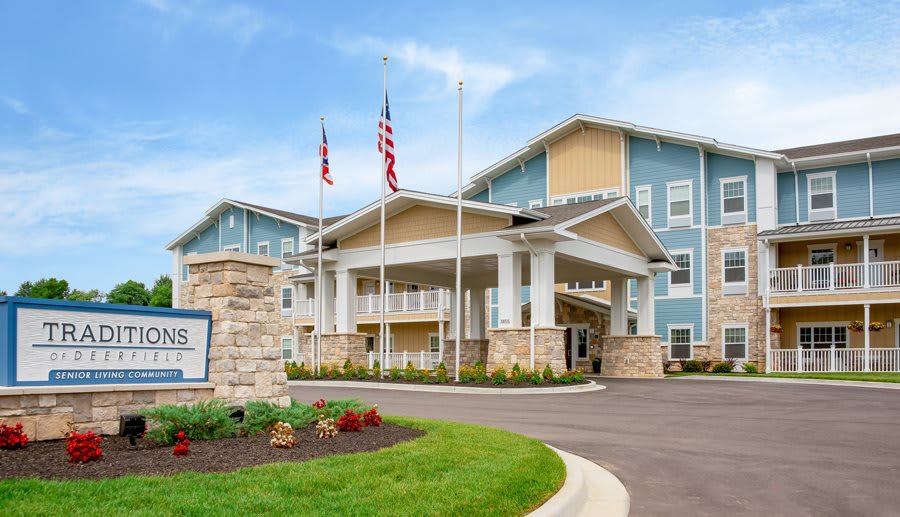
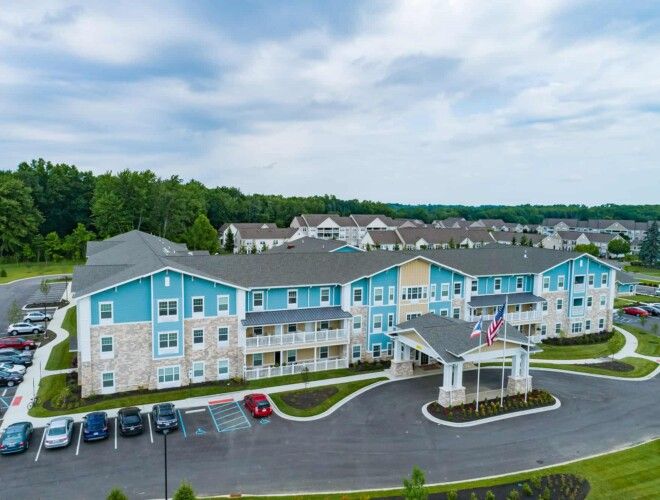
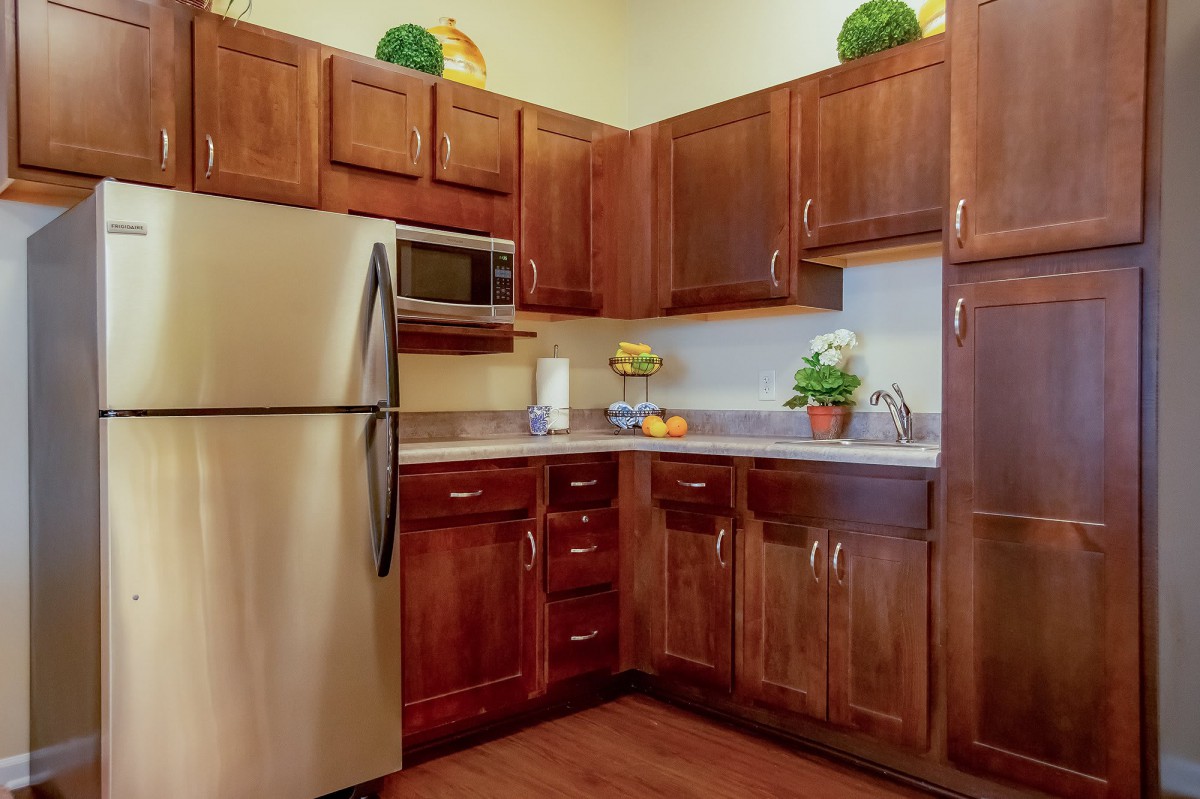
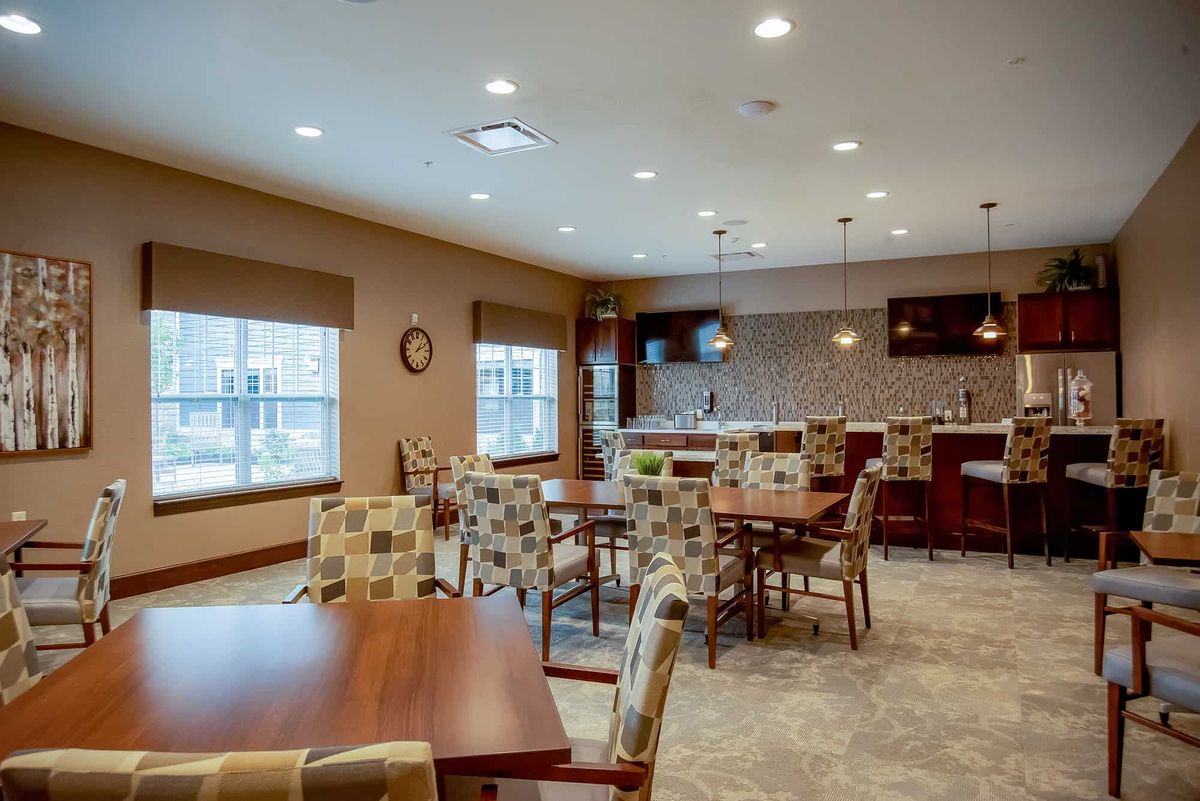
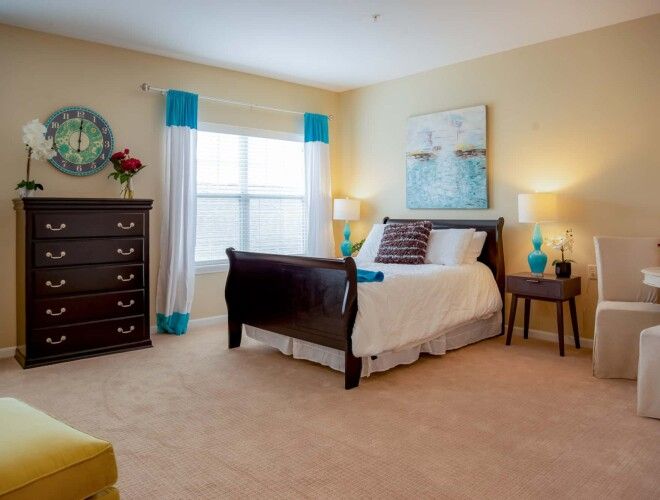
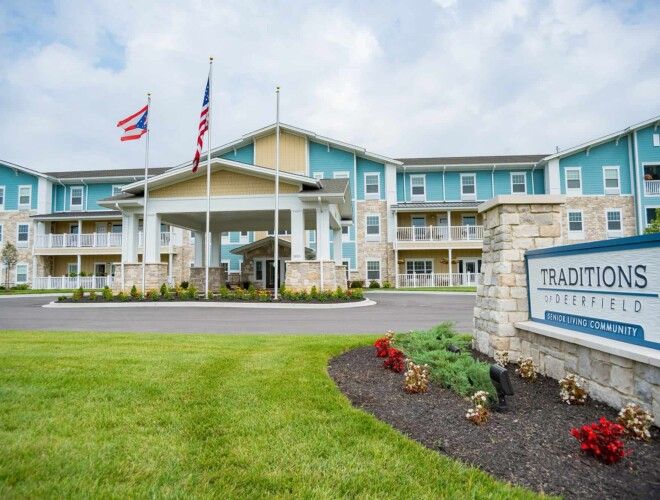
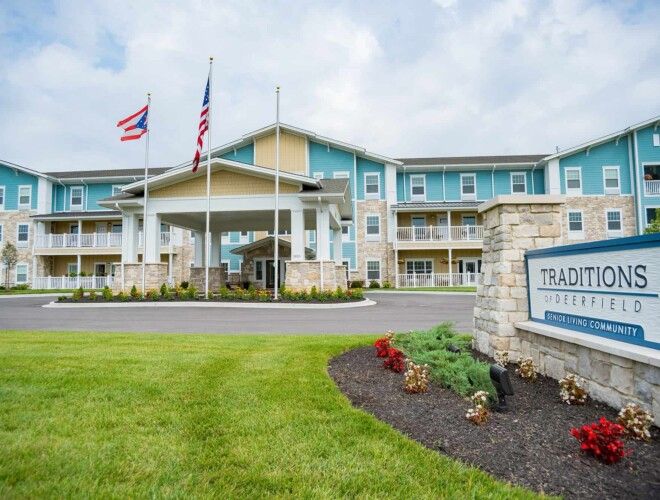
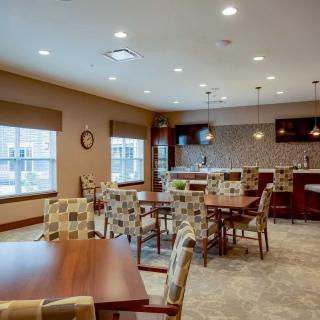
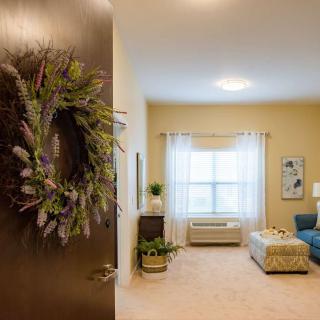
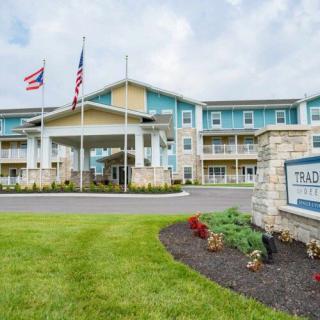
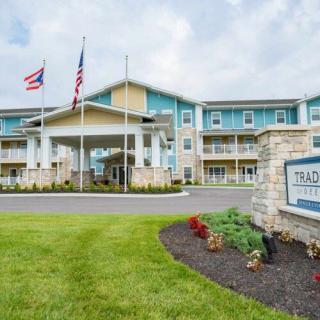
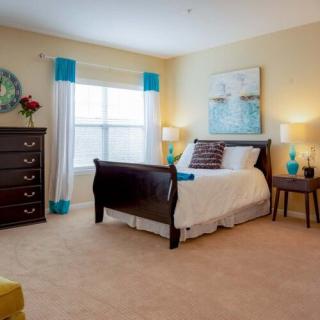
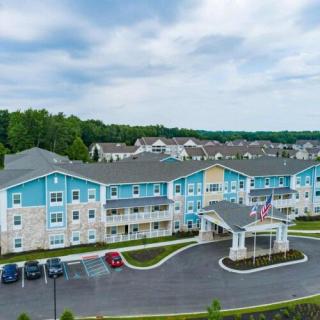
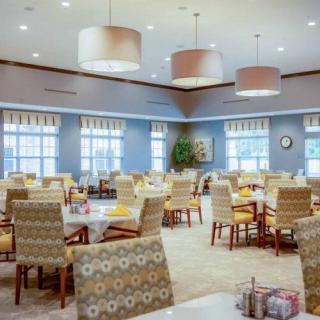
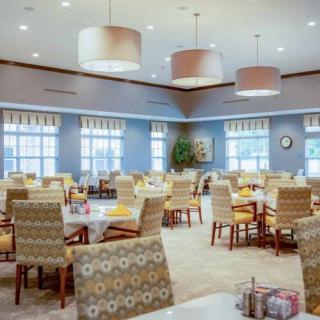
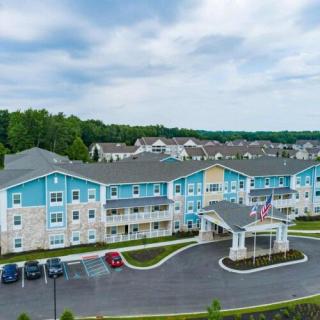
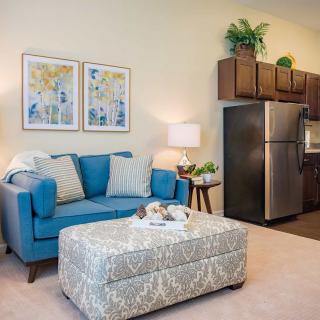
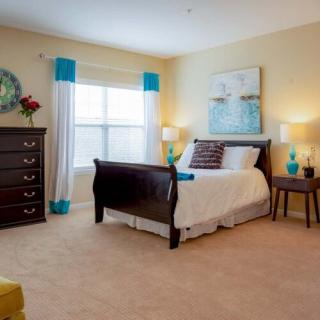
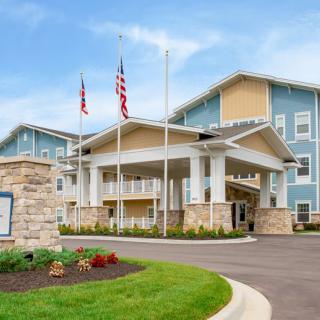
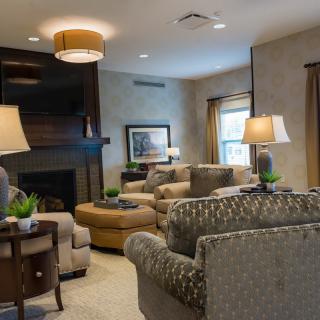
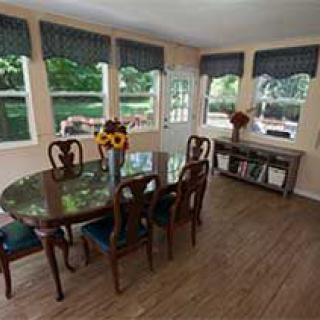
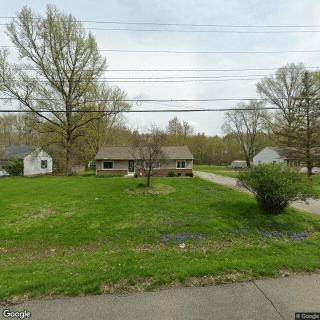
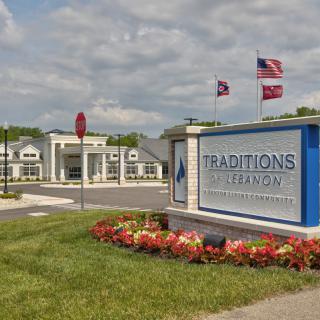
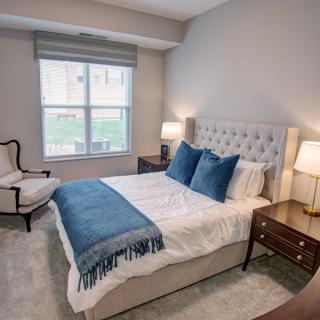
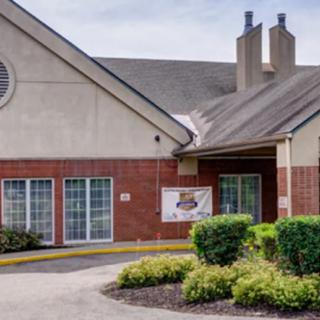
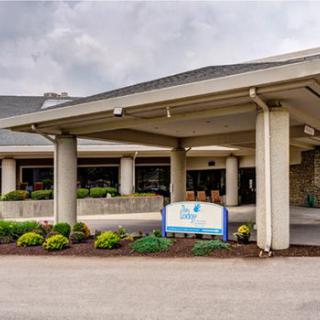
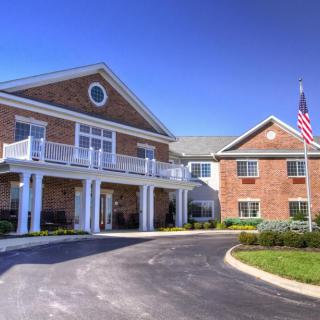
Traditions of Deerfield on seniors.fyi includes 31 photos including images showing interior, decor, bedroom, dining, floor plan, windows, building, landscaping, and more.
Nearby Communities
The Maples at 20 Mile Farm
Loveland, OH
4.7 from 18 reviews
Peaceful, scenic setting with nearby amenities and essential care services (meals and medication management) plus Wi-Fi/telephone access.
Deerfield Springs Retirement Resort
Loveland, OH
4.6 from 45 reviews
$3,197 to $4,434 / month
Warm, friendly staff and a strong sense of community, with well-maintained facilities and engaging activities.
Tender Hearts at Home
Cincinnati, OH
2.3 from 6 reviews
Convenient access to nearby amenities and healthcare.
The Lodge Care Center
Loveland, OH
4 from 85 reviews
Extensive amenities and 24/7 care services
The Lodge Retirement Community
Cincinnati, OH
3.9 from 82 reviews
$2,126 to $4,347 / month
Friendly, attentive staff; engaging activities; clean, welcoming environment; affordable pricing for the area.
Anthology of Mason
Mason, OH
4.5 from 85 reviews
$4,149 to $7,499 / month
Friendly staff, excellent dining, and a clean, engaging environment.
The Landing of Long Cove
Mason, OH
4.4 from 147 reviews
$3,580 to $4,550 / month
Attentive staff in a clean, well-equipped community with engaging activities.
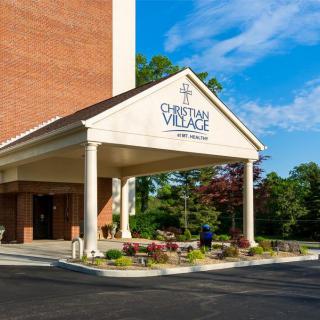
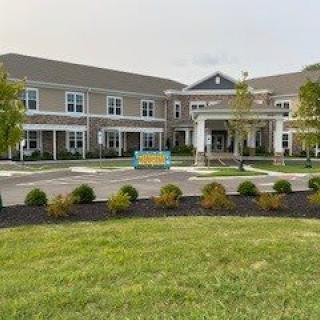
Mason Christian Village
Mason, OH
4.1 from 35 reviews
Newer facility with friendly, attentive staff and clean, welcoming spaces.
BrightStar Living of Mason
Mason, OH
4.7 from 79 reviews
$4,000 to $4,700 / month
Caring staff with personalized care, clear family communication, and a bright, engaging environment.
Vibrant Senior Living emphasizes active senior living communities that promote independence and engagement through diverse amenities and activities, fostering wellness and social interaction among older adults. These communities range from independent to assisted living, with a focus on personal growth, family involvement, financial planning, and leveraging technology to enhance residents' experiences.
Assisted living provides moderate support for seniors seeking independence, while memory care offers specialized support for individuals with dementia or cognitive impairments through structured routines and trained staff. Key differences include care approaches, environment security measures, staff training levels, activity types, and cost considerations.
Choosing between assisted living and nursing homes involves evaluating emotional and financial factors, with assisted living offering independence and support for daily activities at a lower cost, while nursing homes provide intensive medical care for individuals with significant health needs. The decision is influenced by personal preferences, health status, cognitive function, and varying Medicaid coverage across states.
Get PricingAsk A QuestionSchedule A TourContact Senior Advisor
By clicking submit, you agree to our Partner's Terms of Use. You
also consent to receive calls and texts, which may be autodialed, from our Partner. Your consent is not a condition to
using our Partner's service. Please visit our Partner's Privacy Policy for information about their privacy practices.



 21 resident community capacity
 1-bedroom apartments
 Assisted Living
 Independent Living
 Memory Care
 Cats allowed
 Dogs allowed
 Activities off-site
 Air-conditioning
 Beautician on-site
 Cable or satellite TV
 Devotional services on-site
 Dining room
 Full kitchen
 Fully furnished
 Garden
 Ground floor units
 Handicap accessible
 Housekeeping services
 Indoor common areas
 Laundry
 Move-in coordination
 Outdoor common areas
 Respite or short term stays offered
 Telephone
 Wheelchair accessible showers
 Wi-Fi/high-speed internet available
 Transportation & parking
 24-hour call system
 Ambulatory care
 Assistance with bathing
 Assistance with dressing
 Assistance with transfers
 Diabetes diet
 Diabetic care
 Hospice waiver
 Incontinence care
 Meal preparation and service
 Medication management
 Mental wellness program
 Special dietary restrictions
 Transportation arrangement (medical)
 Cooking classes
 Day trips and outings
 Educational speakers / life long learning
 Fitness programs
 Happy hour
 Live musical performances
 Trivia games
 Visiting chaplain or priest
 Wii bowling
 Yoga / chair yoga
 English
 Peaceful, scenic setting with nearby amenities and essential care services (meals and medication management) plus Wi-Fi/telephone access.
 Vibrant Senior Living: A Comprehensive Guide for Active Older Adults
 Assisted Living and Memory Care: Understanding Their Core Differences
 Choosing the Right Senior Care: A Detailed Exploration of Assisted Living and Nursing Homes