

705 South Weldon Street, Gastonia, NC 28052
To contact a resident: (704) 396-6195
For more information about senior living options: (866) 208-4318
Synergy Assisted Living, LLC Costs & Pricing
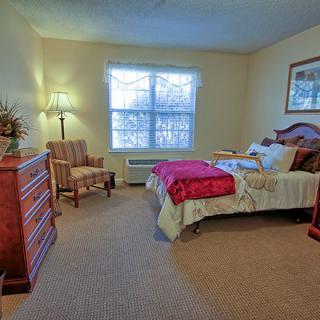
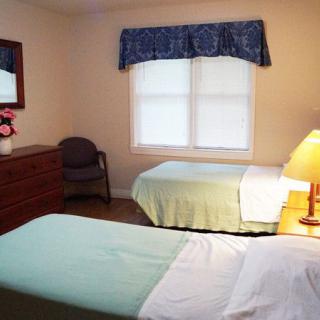
At Synergy Assisted Living, LLC, the monthly cost for a semi-private room is competitively priced at $2,250. This rate stands in stark contrast to the average costs observed in Gaston County and across North Carolina, which are $3,034 and $3,584 respectively. By offering such an affordable option, Synergy Assisted Living not only provides quality care but also ensures that families can access essential services without bearing excessive financial burdens. This thoughtful pricing strategy underscores their commitment to making assisted living more accessible while maintaining high standards of support and accommodation for residents.
| Floor plans | Synergy Assisted Living, LLC | Gaston County | North Carolina |
|---|---|---|---|
| Semi-Private | $2,250 | $3,034 | $3,584 |
Memory care communities with a similar price nearby
-
from -$250 / mo
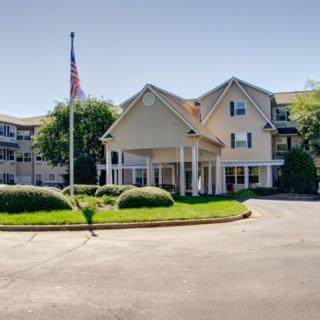
Lake Wylie Assisted Living
$2,000 to $4,000 / month12.0 miles away -
from -$334 / mo

Carolina Gardens At York
$1,916 to $3,638 / month17.1 miles away -
from +$350 / mo
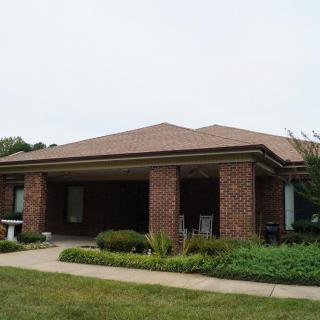
Country Time Inn
$2,600 to $3,000 / month5.8 miles away -
from +$85 / mo

Spring Arbor
$2,335 to $4,260 / month22.2 miles away -
from +$250 / mo
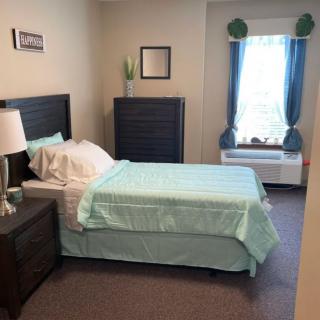
Somerset Court of Cherryville
$2,500 / month13.4 miles away
Overall Review of Synergy Assisted Living, LLC
Cons
 The facility is a disgrace to assisted living and healthcare.
- There are roaches, mice, rats, and spiders, and residents donā€™t receive enough food.
- The staff are abusive and scream at patients.
- Residents are given a cold burnt toast with half an egg, indicating insufficient meals.
- Since being there, the brother has become depressed and suicidal.
- The place should be investigated and shut down.
- They are not providing the care needed for the patients at all.
Review
Synergy Assisted Living in Gastonia, NC is not realistically suited for any typical senior seeking dependable care and a dignified living environment. The only plausible scenario where it might be considered is as a last-resort option for a family with nowhere else to place a loved one, and only if there is an immediate plan to relocate that person to a safer setting. In practice, this facility does not present a credible option for ordinary families who prioritize safety, comfort, and consistent care.
Those evaluating options should actively exclude this community unless no other affordable beds or acceptable placements are available. Families with loved ones who require reliable, compassionate care, clean surroundings, regulated meals, and consistent staff interactions should look elsewhere without hesitation. Any decision maker should default to facilities with verifiable inspection records, transparent nutrient standards, and staff protocols that prioritize resident dignity and safety. If a priority is safeguarding mental and emotional well-being, this option simply does not measure up.
From the available reporting, there are no evident advantages that offset the most serious drawbacks. The reviewed experience centers on pervasive facility-wide problems, pests (roaches, mice, rats, spiders), reports of insufficient food, and a care environment described as abusive, with staff who allegedly scream at residents. There is a stark mismatch between what families expect from a licensed assisted living setting and what is described here. With no credible positives documented, the balance of risk heavily outweighs any potential convenience or cost savings.
Safety concerns dominate the assessment. Pest infestations create obvious health hazards, while alleged neglect around nutrition signals a failure to meet basic living standards. The most troubling narrative is the implication of emotional and psychological harm: a resident described as depressed and suicidal after placement points to a level of distress that exceeds routine caregiving challenges and signals possible systemic neglect. Policy-compliant smoking controls are also at issue, given the claim that residents are allowed to use substances inconsistent with a non-smoking facility. These factors collectively create an environment that undermines trust and increases liability for families and regulators alike.
For families in the decision process, the takeaway is concrete: demand transparent, verifiable proof of quality before considering a move. Key questions to ask include: Are there current pest-control records and remediation plans? What is the resident meal plan, and can dietary needs be met consistently with fresh, hot meals? What are the staff-to-resident ratios, turnover rates, and training programs? How is medication managed, and what safeguards exist to prevent abuse or neglect? Tour the facility with a critical eye for cleanliness, odor, pests, and the general upkeep of common and private spaces. Request recent state inspection reports, complaint history, and evidence of corrective actions. If any of these elements fail to meet professional standards, the recommendation is to pursue clearly superior options with better oversight.
Ultimately, the prudent course is to abandon Synergy Assisted Living in favor of alternatives with demonstrated safety, nutrition, and staff accountability. Begin with a plan to transition promptly if a loved one is currently at risk, including coordinating with licensed placement agencies, visiting multiple competitors, and verifying regulatory compliance before any decision. The priority is clear: protect the resident from further harm, secure a stable and nourishing daily routine, and entrust care to providers with verifiable track records. In this context, the evidence points decisively away from Synergy, strongly advising families to seek other, more reliable avenues for assisted living.
 Board and Care Home
 Memory Care
 Charlotte Douglas International (15 miles away)
 Affordable pricing with extensive care and amenities (24-hour supervision, meal service, activities).



 When Dementia Sparks Anger and Aggression: Understanding the Connection and Ways to Cope
 Dementia Behaviors: In-Depth Understanding and Effective Coping Strategies
 5 Early Indicators of Dementia and What You Can Do