
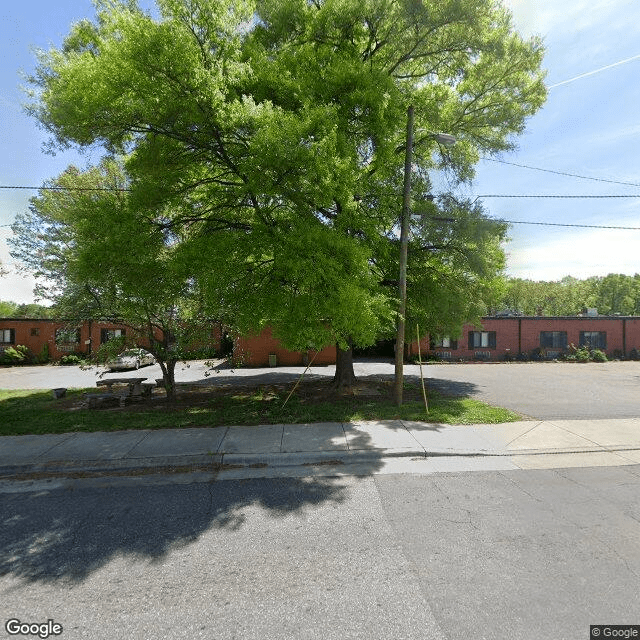
916 South Marietta Street, Gastonia, NC 28054
For more information about senior living options: (866) 208-4318
Heritage Oaks Assisted Living Costs & Pricing
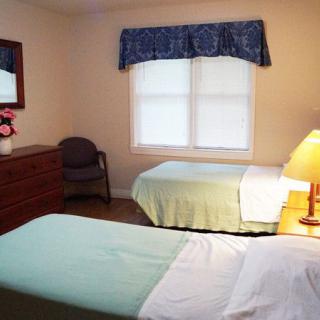
Heritage Oaks Assisted Living offers competitive pricing for its residents when compared to both Gaston County and the broader North Carolina market. For a semi-private room, the monthly cost at Heritage Oaks is $2,000, significantly lower than the county average of $3,034 and well below the state average of $3,584. Additionally, for those seeking more privacy in a one-bedroom accommodation, Heritage Oaks charges $2,600 per month. This price also stands in stark contrast to Gaston County's average of $4,324 and the state's $4,055 benchmark. These cost advantages make Heritage Oaks an attractive option for families looking for quality assisted living without straining their budgets.
| Floor plans | Heritage Oaks Assisted Living | Gaston County | North Carolina |
|---|---|---|---|
| Semi-Private | $2,000 | $3,034 | $3,584 |
| 1 Bedroom | $2,600 | $4,324 | $4,055 |
Assisted Living communities with a similar price nearby
-
from +$100 / mo

Carolina Care Retirement Community
$2,100 to $5,350 / month15.5 miles away -
About the same
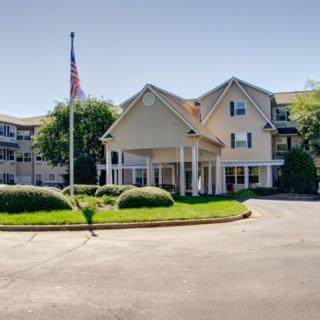
Lake Wylie Assisted Living
$2,000 to $4,000 / month11.3 miles away -
from -$84 / mo

Carolina Gardens At York
$1,916 to $3,638 / month17.1 miles away -
from +$335 / mo

Spring Arbor
$2,335 to $4,260 / month21.6 miles away -
from +$365 / mo
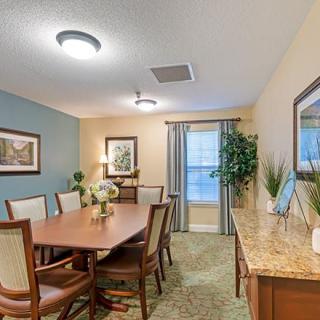
Brookdale Robinwood
$2,365 to $5,768 / month1.9 miles away
Overall Review of Heritage Oaks Assisted Living
Cons
 The reviewer reports that calls are routinely hung up on, making it impossible to speak to anyone.
- They express disgust at being told over the phone that a resident wouldn’t be allowed lunch.
- The reviewer says the place is sick and sad, and that the residents don’t deserve to be treated that way.
- The reviewer asserts that residents aren’t allowed to go home or be comfortable.
- They urge the organization to get it together.
Review
Heritage Oaks Assisted Living in Gastonia is best suited for families that can compensate for weak communication with frequent, direct oversight and for residents whose needs are relatively straightforward and manageable with standard oversight. The two reviews available paint a pattern of unreliable outreach and limited proactive care, suggesting that only households willing to be highly involved, and possibly prepared to push for answers, will feel comfortable with this community. In short, it is not a fit for families seeking a hands-off, consistently responsive experience or for seniors requiring attentive day-to-day engagement without persistent family monitoring.
Those considering alternatives should take note that this community may not meet expectations for dependable communication, transparent policies, or resident-centered care. Families prioritizing clear, respectful contact, quick issue resolution, and a working model where residents’ daily life, meals, routines, and personal autonomy, is handled with empathy, will likely want to look elsewhere. This is especially true for households that rely on professional staff to advocate for residents rather than using family members as the primary care coordinators.
From a decision-focused perspective, the few explicit positives that could balance drawbacks are not evident in the available feedback. The apparent advantages, whether they exist in other, unreviewed areas such as location, cost, or basic facility features, do not shine through in these accounts. Without credible, documented strengths, the main drawbacks dominate the value proposition: unreliable communication, and policies or practices that resist resident autonomy and comfort. In practical terms, the cons far exceed any unproven benefits.
The most concerning red flags center on how frontline interactions are handled and how resident needs are perceived and acted upon. Call handling reportedly ends with being hung up, which in turn undermines trust and delays problem resolution. A separate account describes an incident where a resident was reportedly barred from a normal meal service, raising questions about how dining policies are applied and whether residents are treated with dignity and respect. Together, these points suggest a staff culture that may struggle with empathy, responsiveness, and clear due process, issues that directly affect daily quality of life, safety, and the sense of home residents expect.
For families weighing a visit or a deeper dive, the recommended approach is disciplined and purposeful. Seek a live tour with the administrator and request to speak with caregiving staff and a few current residents or family members to gauge consistency of care and tone of interactions. Verify the facility’s policies on resident meals, autonomy, and rights, and ask for written explanations of any restrictions that seem punitive. Inquire about staffing levels, shift patterns, and turnover, and arrange to observe a meal service and a routine day in the community. Finally, check outside sources, licensing records, state inspections, and any available family advisory groups, to triangulate the narrative beyond the two reviews.
Ultimately, Heritage Oaks Assisted Living should be approached with a presumption of caution. The reviews indicate a misalignment with expectations around communication, resident dignity, and responsive care, making alternatives the prudent default for families prioritizing reliable contact, humane treatment, and a predictable daily experience. If the decision rests on safeguarding trust, autonomy, and consistent oversight, it is wise to explore other Gastonia options that demonstrate stronger, more transparent commitments to resident-centered care and open, respectful engagement with families. When in doubt, prioritize a facility where staff accountability and proactive communication are nonnegotiable, and let the on-site experience confirm the fit rather than online impressions alone.
 86 resident community capacity
 Assisted Living
 Activities on-site
 Air-conditioning
 Beauty salon
 Cable or satellite TV
 Computer center
 Devotional services on-site
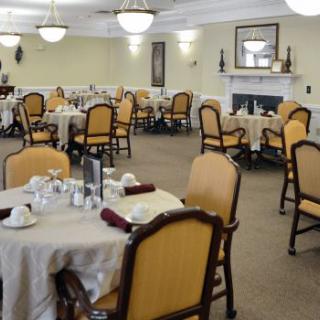
 Dining room
 Fitness room
 Fully furnished
 Gaming room
 Garden
 Housekeeping services
 Indoor common areas
 Kitchenette
 Move-in coordination
 Outdoor common areas
 Private bathrooms
 Restaurant-style dining
 Small library
 Telephone
 Wellness center
 Wi-Fi/high-speed internet available
 Charlotte Douglas International (14 miles away)
 Community operated transportation
 12-16 hour nursing
 24-hour call system
 Ambulatory care
 Assistance with bathing
 Assistance with dressing
 Assistance with transfers
 Diabetes diet
 Diabetic care
 Incontinence care
 Medication management
 Mental wellness program
 Special dietary restrictions
 Concierge services
 Planned day trips
 Affordable pricing with extensive care and amenities (24-hour supervision, meal service, activities).


 Understanding the Distinctions: Assisted Living and Memory Care Explained
 Guiding Elderly Parents Who Refuse Assisted Living: 6 Practical Steps
 Your Comprehensive Guide to Luxury Assisted Living: Elevated Facilities, Amenities, and Costs