


Wellington House in Gastonia, NC

Save

  • Interior

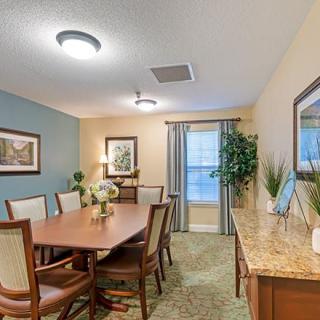
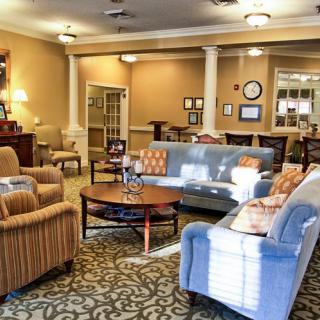
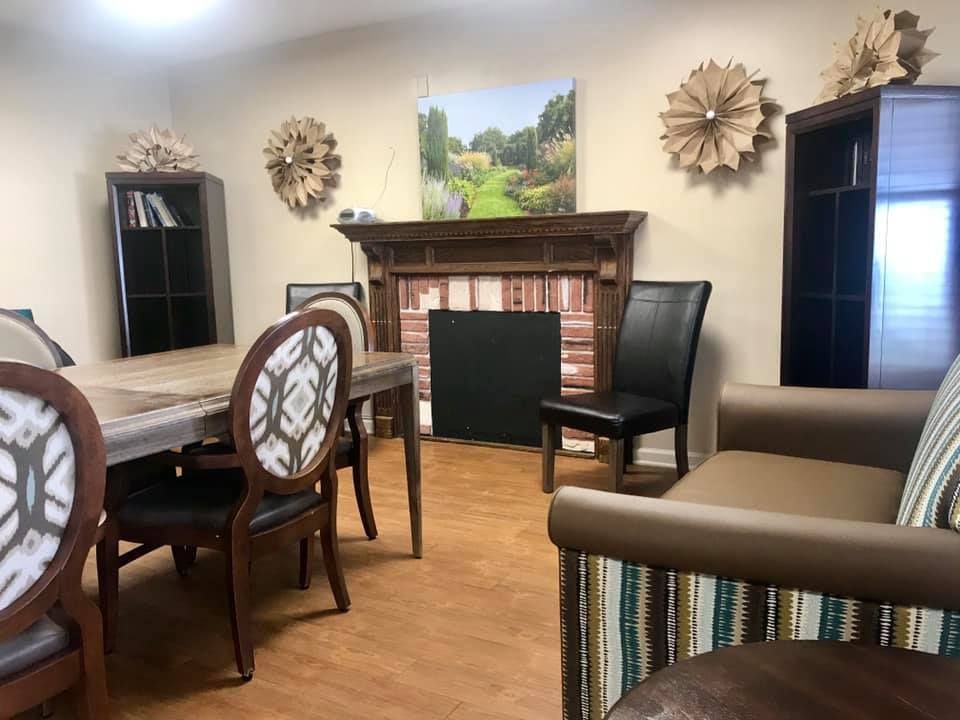
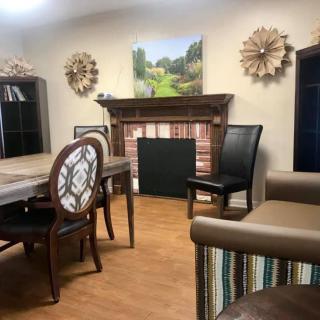
    A cozy living room with elegant furniture and wall decor.
  • Decor

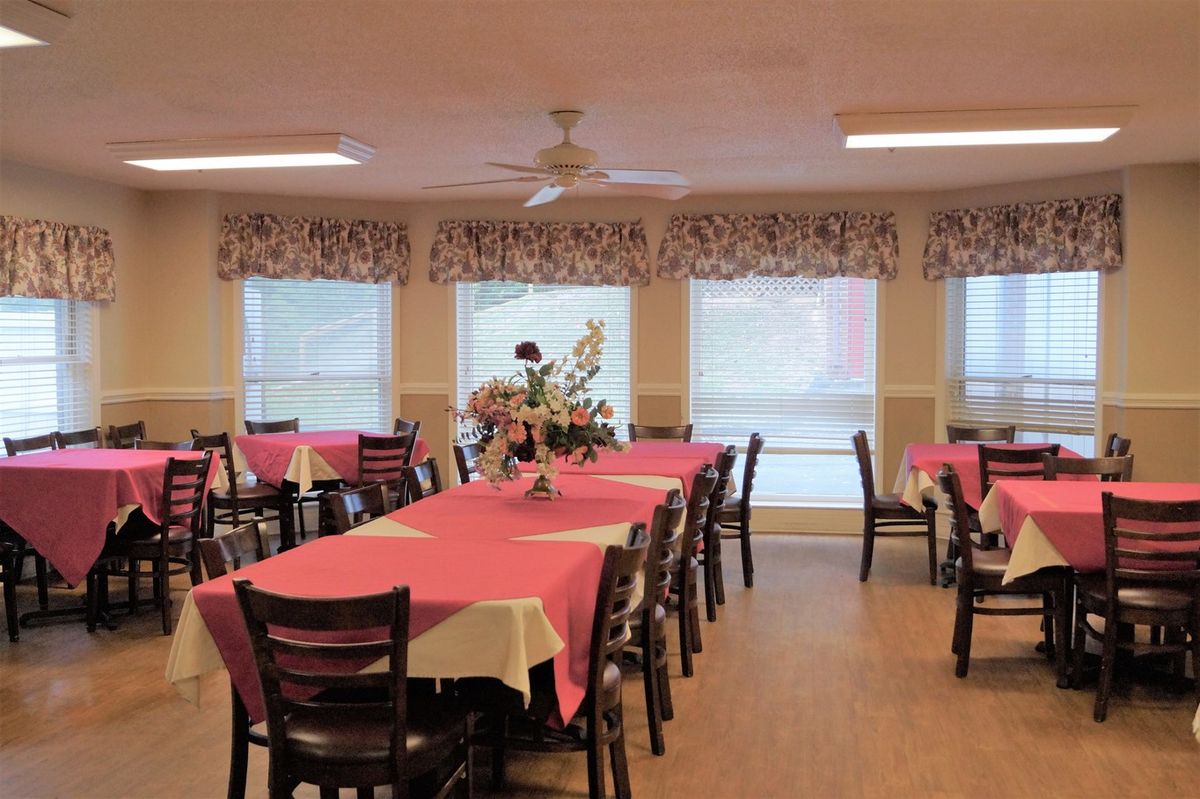
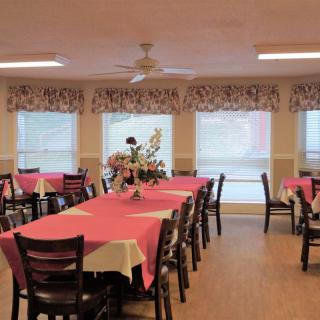
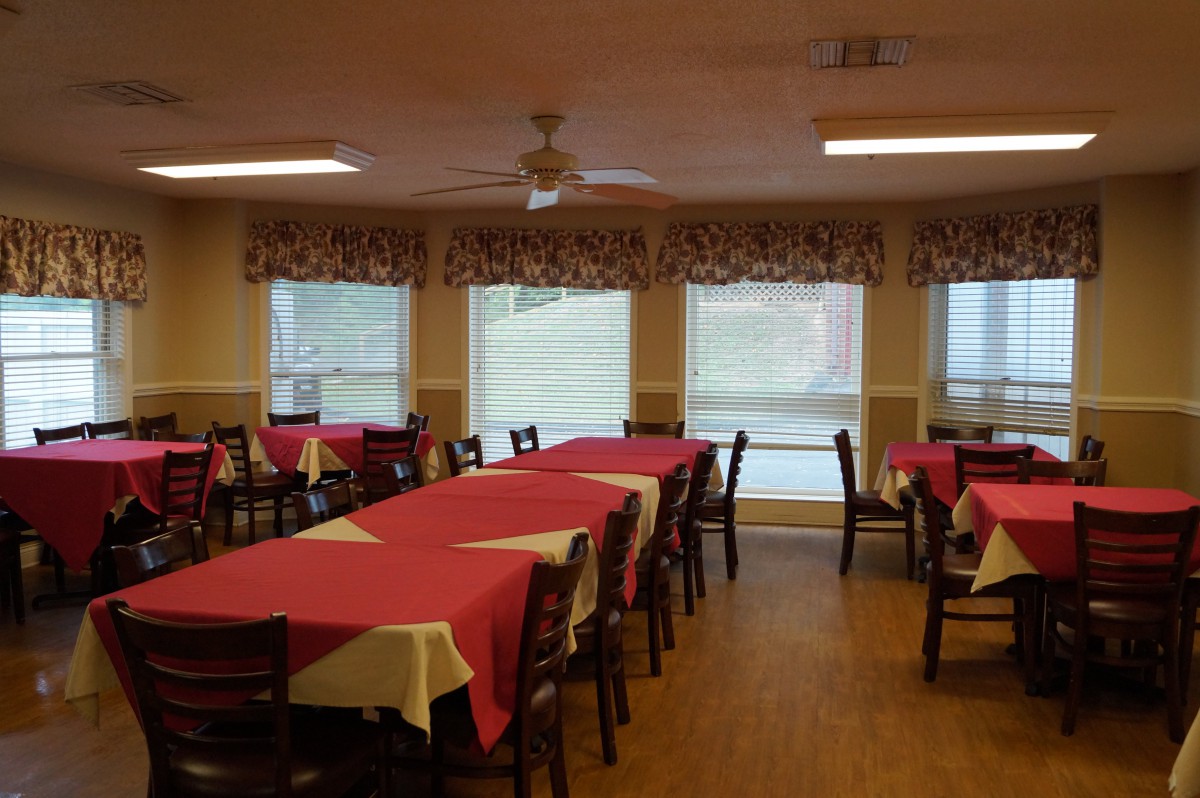
    A dining area with tables covered in pink tablecloths, surrounded by chairs and decorated with floral centerpieces.
  • Bedroom

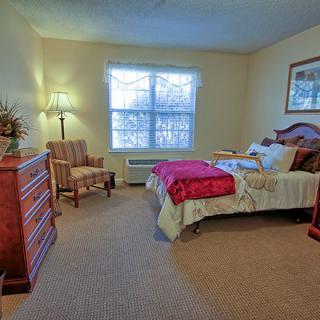
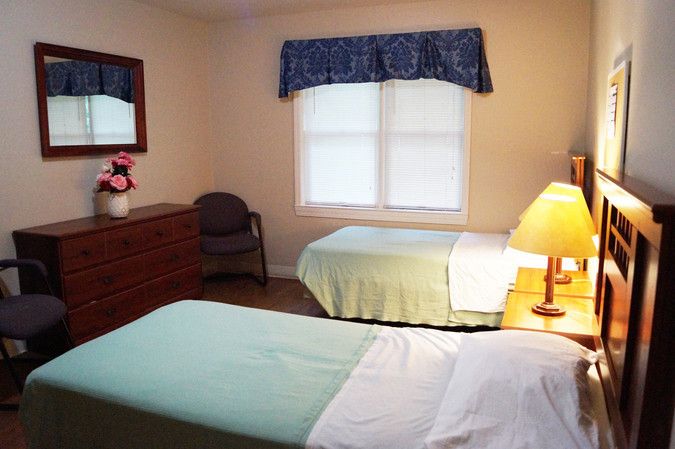
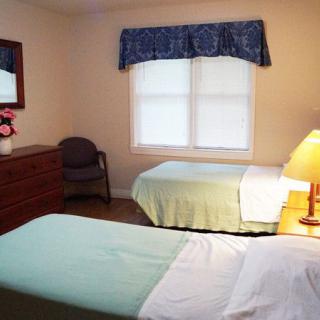
    A cozy bedroom with two twin beds, a lamp on a nightstand, and a dresser topped with flowers.
  • Trees

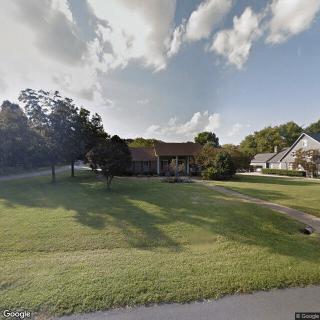
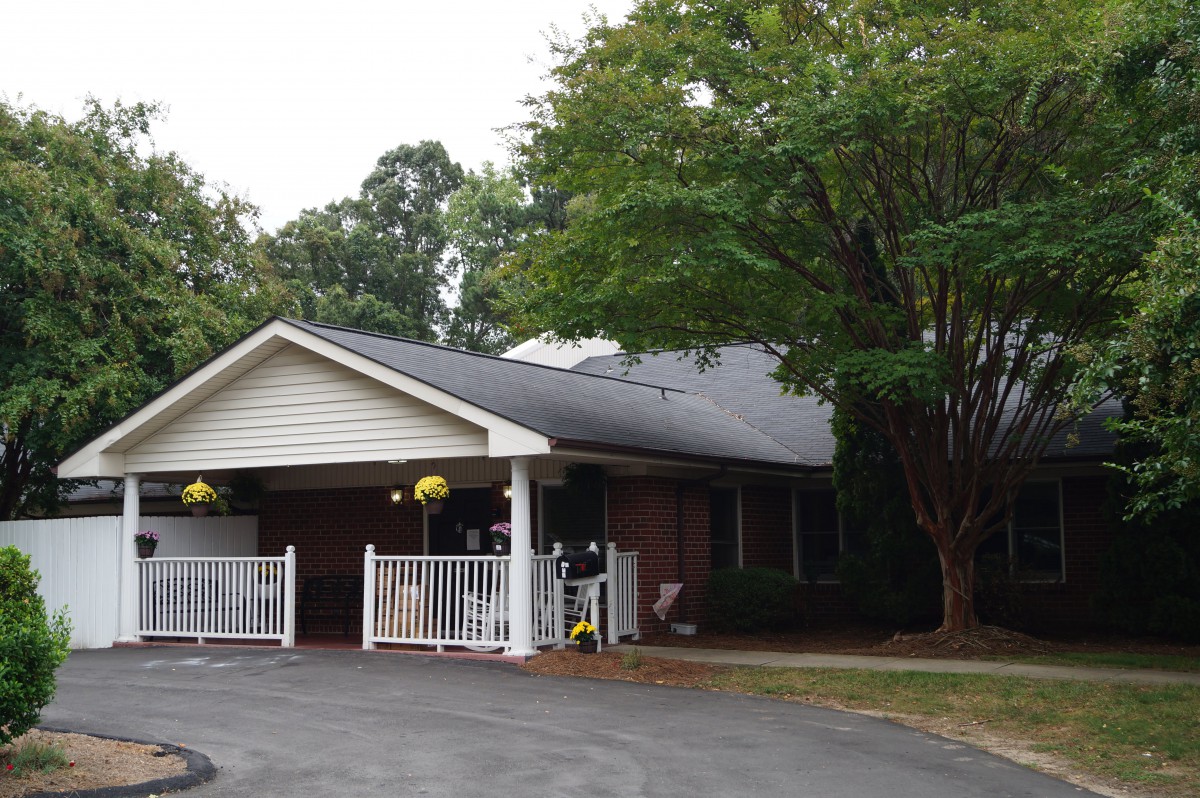
    A single-story house with a driveway and trees in the front yard.
  • Windows

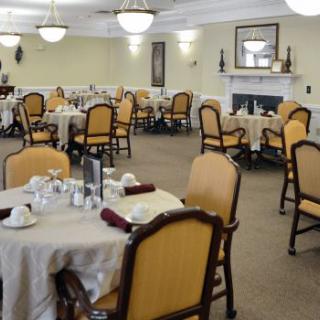
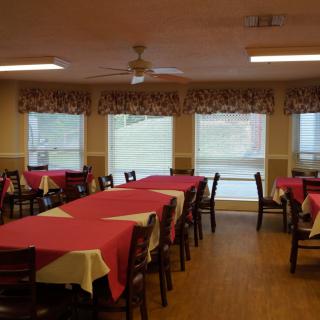
    A dining room with tables covered in red tablecloths and chairs arranged around them.
  • Landscaping

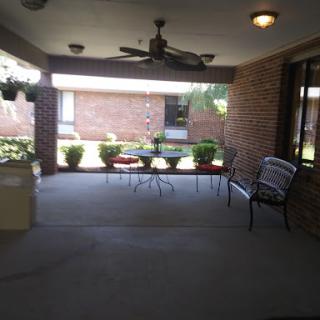
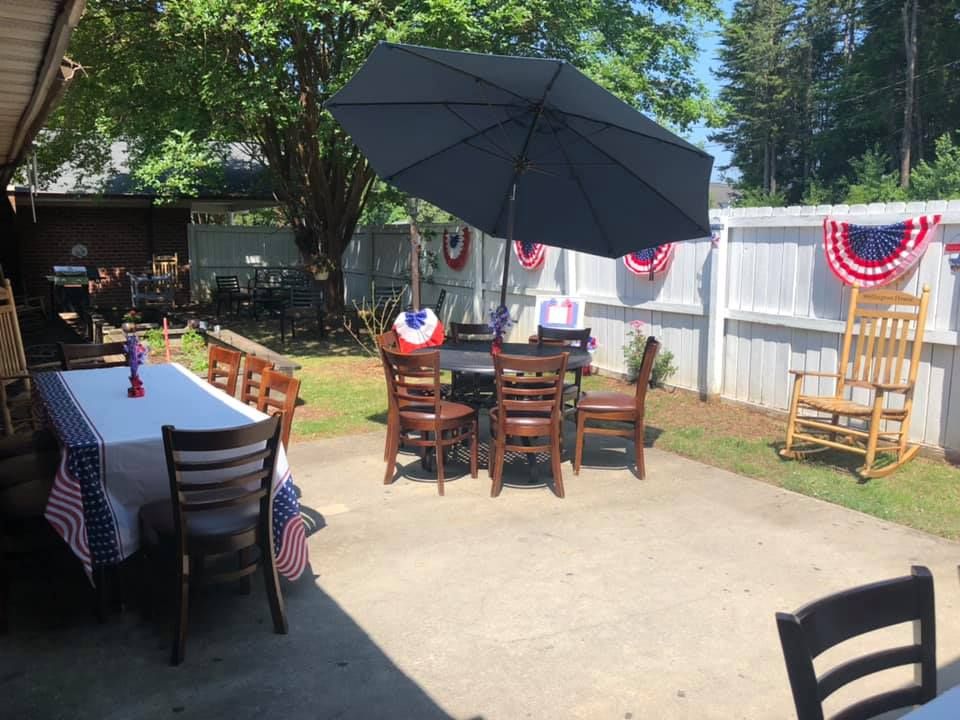
    A backyard patio setup with tables, chairs, and a large umbrella for shade.
  • Porch

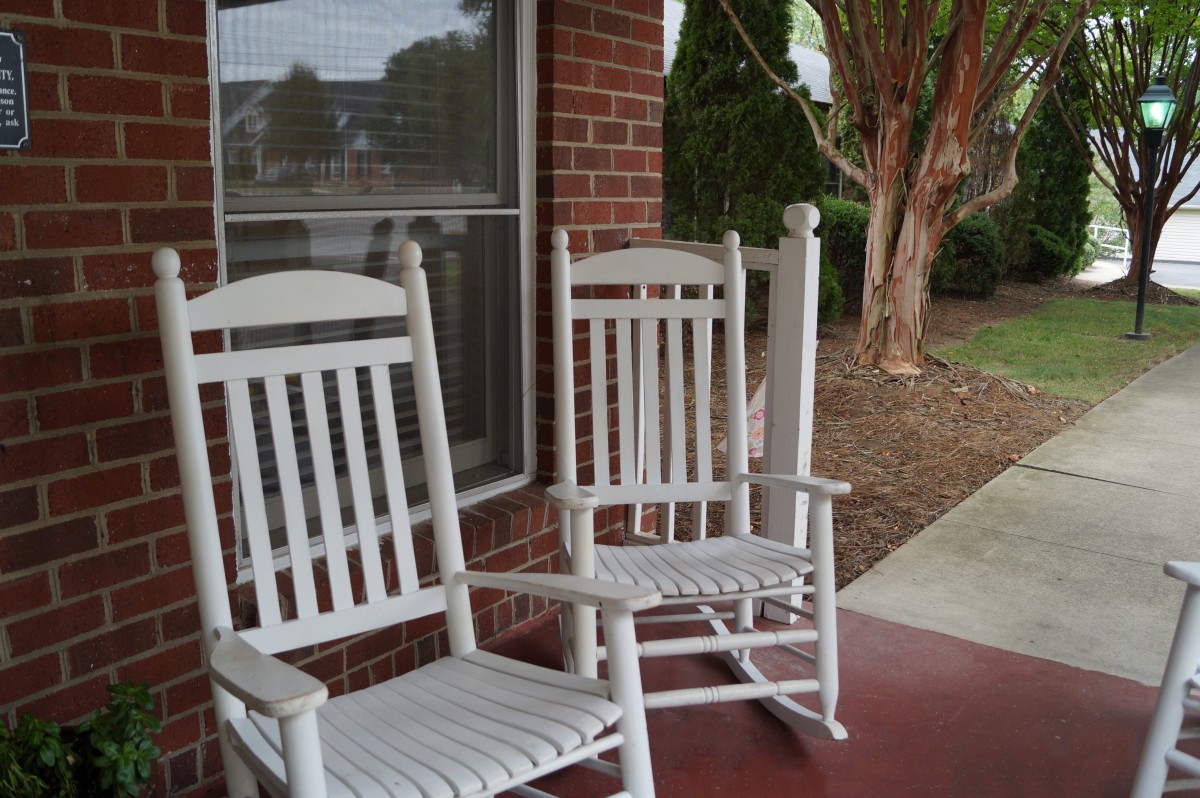
    Two white rocking chairs on a porch outside a brick house.

Wellington House in Gastonia, NC

850 Majestic Court, Gastonia, NC 28054

For more information about senior living options: (844) 490-3973

3.5 from 20 reviews
5 stars
11
4 stars
2
3 stars
0
2 stars
0
1 stars
7

Memory Care

Wellington House Costs & Pricing

Wellington House offers semi-private accommodations at a monthly cost of $3,700. This price is above the typical expenses seen in Gaston County, where similar semi-private rooms average around $3,034 per month. Additionally, Wellington House's rates exceed the state average for North Carolina, which stands at approximately $3,584. While the costs at Wellington House may be higher than both local and state averages, they reflect the unique amenities and quality of care that residents can expect at this facility.

Floor plansWellington HouseGaston CountyNorth Carolina
Semi-Private$3,700$3,034$3,584

Overall Review of Wellington House

Pros

  • pro The facility is great and the employees are nice and polite.
  • pro The residents are truly loved and cared for, with numerous activities to keep them engaged and happy.
  • pro The staff are genuine, present, caring, and professional.
  • pro The administration is helpful, and the team of employees is awesome.
  • pro The facility is clean, with great staff and residents.
  • pro The care provided to residents is excellent.

Cons

  • pro People should not send their loved ones to this facility.
  • pro Abbey Rauf hides behind her office door and responds with lies.
  • pro Money from residents' personal accounts has not been refunded despite months of requests.
  • pro Some staff members were lazy and there were not enough workers for the number of residents.
  • pro The facility is understaffed.
  • pro Bed bugs were present and an outside company was brought in to address them.
  • pro Pills were stolen by staff.
  • pro The reviewer would not recommend this place.

Review

Wellington House in Gastonia, NC is best suited for families who value a warm, person-centered atmosphere where residents are known by name and encouraged to stay socially active. The community consistently earns praise for kind, attentive staff and a calendar of engaging activities that foster a sense of belonging. For families seeking a home-like setting with visible affection between caregivers and residents, Wellington House delivers. The core impression is one of care when experiences are measured by the heart as much as by routine supervision. For those who want care delivered with heart and a community feel, this facility stands out as a strong option.

Yet this facility requires careful consideration for families with non-negotiables around governance and finances. Some reviews flag under-staffing, suggesting that staffing gaps can affect responsiveness and consistency of care. A significant concern centers on resident funds held in personal accounts, with reports of refunds delayed or mishandled and communications described as evasive. Other feedback touches on management responsiveness and accountability, including a specific administrator identified as unhelpful in resolving issues. Also noted are historical infection-control challenges such as bed bugs or related infestations. These issues aren't universal, but they are repeated enough to warrant serious due diligence for anyone prioritizing financial transparency and reliable operations.

On the upside, the core strength is the human thread - the staff. Residents and families repeatedly describe staff as attentive, patient, and deeply invested in residents' well-being. The environment feels active rather than clinical, with residents appearing well-dressed and engaged in meaningful programming. The rapport across shifts - where residents know each staff member and feel remembered - scripts a sense of daily comfort and trust. Under newer leadership, several voices note improvements in tone and responsiveness, reinforcing the sense that Wellington House can evolve in a positive direction when management stays aligned with these strengths.

Still, the negatives warrant hard scrutiny. Persistent under-staffing remains a practical concern that can undermine timely care and supervision. Allegations about infestations point to lapses in cleanliness and safety that families should verify in current conditions. The most troubling narratives center on financial handling - delays, questions about personal funds, and accusations against a specific administrator - compounded by reports of insufficient responsiveness to complaints and a lack of clear resolution. Some reviews reference older experiences, including changes in ownership or leadership, which may have since improved; others imply ongoing gaps in communication and accountability. In a setting where trust hinges on consistent care and transparent management, these red flags are material.

Balancing the positives and pitfalls, Wellington House can offer a meaningful, affectionate living experience to residents who welcome engaged staff and social programming and who can tolerate ongoing conversations about governance and accountability. Prospective families should insist on current, transparent documentation: clear accounting for resident funds, up-to-date policies, and evidence of infection-control practices. Walk-throughs should include conversations with front-line caregivers and long-tenured residents about day-to-day routines. Ask for recent survey results and any corrective action plans. A structured trial period with defined milestones could help determine whether the care culture and the governance framework align with expectations.

Bottom line: Wellington House stands out for warmth, community, and genuine staff engagement, making it a compelling option for families who prioritize personal connection and activity-rich living. It is not the right fit for those requiring flawless financial handling, perfectly stable staffing, and universally spotless infection control. For the right family, the favorable elements can outweigh the concerns when due diligence is performed and oversight is maintained. The prudent next steps are a thorough tour, candid discussions with multiple staff, and a careful review of current resident experiences and financial practices to decide if Wellington House will feel like home or if alternatives offer a safer alignment of needs and expectations.

Features

Housing

  • 48 resident community capacity 48 resident community capacity

Types of Care

  • Memory Care Memory CareMemory care is crucial for seniors as it provides specialized support and services for individuals with dementia or Alzheimer's disease. These programs offer a safe and secure environment where residents receive personalized care, cognitive stimulation, and help with daily activities. Memory care helps seniors maintain their independence, quality of life, and dignity while also providing peace of mind for their families.

Amenities

  • Activities on-site Activities on-siteActivities on-site are important for seniors because they provide opportunities for socialization, mental stimulation, physical activity, and overall well-being. Engaging in activities can help seniors stay active, maintain their independence, and improve their quality of life.
  • Beauty salon Beauty salonBeauty salons are important for seniors because they provide a space for them to feel pampered, socialize, and maintain their personal grooming and hygiene. Regular visits to a beauty salon can help boost seniors' self-esteem and overall well-being.
  • Cable or satellite TV Cable or satellite TVCable or satellite TV is important for seniors because it provides entertainment, news, and companionship, helping to combat loneliness and boredom. It also offers a wide range of programming options tailored to different interests and preferences.
  • Devotional services off-site Devotional services off-siteDevotional services off-site are important for seniors as they provide spiritual nourishment, social engagement, and a sense of community outside of the senior living facility. This can enhance overall well-being and help combat feelings of isolation and loneliness often experienced by older adults.
  • Devotional services on-site Devotional services on-siteDevotional services on-site provide seniors with spiritual support and a sense of community, as well as an opportunity for reflection and guidance during their senior living experience. This can promote emotional well-being and connection to others, leading to a more fulfilling and enriching lifestyle in their later years.
  • Dining room Dining roomDining rooms are important for seniors as they provide a space for socialization, connection, and nutritious meals. They offer opportunities for residents to bond over shared meals, foster a sense of community, and promote healthy eating habits. Dining rooms also ensure that seniors have access to well-balanced meals tailored to their dietary needs and preferences.
  • Fully furnished Fully furnishedFully furnished senior living communities are important for seniors because they provide convenience, comfort, and a hassle-free moving experience. Seniors can easily settle into their new living space without the stress of having to buy and move furniture. This allows them to focus on enjoying their new home and community.
  • Garden GardenGardens are important for seniors as they provide a peaceful and therapeutic environment for relaxation, physical activity, and socialization. Being in nature has been shown to reduce stress, improve mood, and promote overall well-being. Gardens also offer opportunities for seniors to engage in gardening activities, which can improve mobility, flexibility, and cognitive function. Additionally, gardens create a sense of community and connection with others who share a passion for plants and outdoor spaces.
  • Housekeeping services Housekeeping servicesHousekeeping services are important for seniors because they help maintain a clean and safe living environment, promote independence, and reduce the risk of accidents or illnesses. Additionally, having assistance with household chores can alleviate physical strain and allow seniors to focus on other aspects of their well-being.
  • Indoor common areas Indoor common areasIndoor common areas are crucial for seniors as they provide a space for socialization, recreation, and community engagement, promoting overall well-being and reducing feelings of isolation and loneliness.
  • Kitchenette KitchenetteKitchenettes are important for seniors living in senior living communities because they provide the convenience and independence of being able to prepare simple meals and snacks in the comfort of their own living space. This can help promote a sense of autonomy and well-being for seniors, allowing them to maintain some level of control over their dietary choices and daily routines.
  • Move-in coordination Move-in coordinationMove-in coordination is important for seniors because it helps ease the transition into their new living environment. It ensures that all logistics, such as packing, organizing movers, and setting up utilities are taken care of, allowing seniors to focus on settling in and adjusting to their new home. Having a smooth move-in process can alleviate stress and anxiety, making the transition smoother and more enjoyable for seniors.
  • Outdoor space Outdoor spaceOutdoor spaces are important for seniors as they provide opportunities for physical activity, social interaction, exposure to natural light and fresh air, and a sense of connection to nature. Having access to outdoor spaces can improve overall well-being and quality of life for older adults living in senior communities.
  • Restaurant-style dining Restaurant-style diningRestaurant-style dining is important for seniors because it allows them to enjoy delicious, nutritious meals in a social and upscale setting. This enhances their dining experience, promotes healthy eating habits, and fosters socialization with fellow residents, ultimately contributing to their overall well-being and quality of life.
  • Small library Small librarySmall libraries are important for seniors as they provide access to a variety of reading materials, including books, newspapers, and magazines. This can help stimulate their minds, keep them engaged, and provide a sense of community through book clubs and other social activities. Additionally, reading has been shown to improve cognitive function and overall mental well-being in older adults.
  • Telephone TelephoneTelephones are important for seniors as they provide a lifeline for communication with loved ones, emergency services, and healthcare providers. They offer a sense of security and independence, enabling seniors to stay connected and access assistance when needed.
  • Wi-Fi/high-speed internet available Wi-Fi/high-speed internet availableWi-Fi/high-speed internet is important for seniors to stay connected with loved ones, access online resources, and participate in virtual activities to combat feelings of loneliness and isolation. It also allows them to easily manage healthcare needs, access entertainment, and engage in lifelong learning opportunities.

Transportation

  • Charlotte Douglas International (12 miles away) Charlotte Douglas International (12 miles away)

Care Services

  • 24-hour call system 24-hour call system24-hour call systems are important for seniors because they provide peace of mind and immediate assistance in case of emergencies. This technology ensures that help is always available, promoting safety and security for elderly individuals living alone or in assisted living facilities.
  • 24-hour supervision 24-hour supervision24-hour supervision is important for seniors to ensure their safety, well-being, and access to immediate assistance in case of emergencies or health issues. This constant support provides peace of mind for both seniors and their loved ones, allowing them to age in place with dignity and security.
  • Activities of daily living assistance Activities of daily living assistanceActivities of daily living assistance are important for seniors because they provide essential support with tasks such as eating, bathing, dressing, and mobility. This assistance helps seniors maintain their independence, dignity, and overall quality of life as they age.
  • Ambulatory care Ambulatory care"Ambulatory care services provide essential medical support and treatment to seniors without requiring hospitalization, allowing them to maintain their independence and quality of life while managing chronic conditions or receiving routine medical care."
  • Assistance with bathing Assistance with bathingAssistance with bathing is crucial for seniors as it helps maintain personal hygiene, prevents infections, and ensures their overall well-being and comfort. It also provides a sense of dignity and independence for seniors who may struggle with this task on their own.
  • Assistance with dressing Assistance with dressingAssistance with dressing is important for seniors because it helps maintain their independence, promotes personal hygiene, prevents accidents and injuries, and improves overall quality of life. This service ensures that seniors can continue to dress comfortably and confidently, despite any physical limitations they may have.
  • Assistance with transfers Assistance with transfersAssistance with transfers is crucial for seniors as it helps prevent falls and injuries, maintains their independence, and ensures they can safely navigate their living environment. It also provides peace of mind for both seniors and their loved ones.
  • Diabetes diet Diabetes dietA diabetes diet is crucial for seniors as it helps manage blood sugar levels, reduce risks of complications, and improve overall health and well-being. By following a balanced and nutritious diet tailored to their specific needs, seniors can better control their diabetes and enhance their quality of life.
  • Diabetic care Diabetic careDiabetic care is crucial for seniors as they are more susceptible to developing diabetes due to aging and other health conditions. Proper management of diabetes can help prevent complications such as heart disease, vision loss, and nerve damage, improving the overall quality of life for seniors in senior living communities.
  • Meal preparation and service Meal preparation and serviceMeal preparation and service are crucial for seniors as they may have limited mobility or energy to cook nutritious meals. Having access to healthy and convenient food options can ensure they are getting the proper nutrition needed to maintain their overall health and well-being.
  • Medication management Medication managementMedication management is crucial for seniors to ensure they are taking the right medications at the correct dosages and times. This helps prevent adverse drug interactions, reduces the risk of medication errors, and promotes overall health and well-being. Proactive management also allows for adjustments as needed based on changing health conditions or new prescriptions.
  • Mental wellness program Mental wellness programMental wellness programs are essential for seniors as they promote cognitive stimulation, emotional support, and social engagement. These programs help prevent isolation, depression, and cognitive decline, ultimately enhancing the overall quality of life for older adults.
  • Mild cognitive impairment Mild cognitive impairment"Mild cognitive impairment" is important for seniors because it is an early stage of cognitive decline that can potentially progress to more severe conditions such as dementia. Recognizing and addressing mild cognitive impairment can help seniors receive appropriate care and support to maintain their quality of life and independence for as long as possible.
  • Special dietary restrictions Special dietary restrictionsSpecial dietary restrictions are important for seniors because age-related changes in metabolism and health conditions can make it difficult for their bodies to process certain foods. By following a diet tailored to their specific needs, seniors can maintain their overall health and well-being, manage chronic conditions, and reduce the risk of complications such as malnutrition or food interactions with medications.

  • Specialized memory care programming Specialized memory care programmingSpecialized memory care programming is crucial for seniors with cognitive impairments such as dementia or Alzheimer's disease. These programs provide a safe and supportive environment tailored to the unique needs of individuals with memory loss, helping them maintain their independence, dignity, and quality of life.

Dining

  • Diabetes diet Diabetes dietA diabetes diet is crucial for seniors as it helps manage blood sugar levels, reduce risks of complications, and improve overall health and well-being. By following a balanced and nutritious diet tailored to their specific needs, seniors can better control their diabetes and enhance their quality of life.
  • Meals provided Meals provided"Meals provided" are crucial for seniors in assisted living communities as it ensures they have access to nutritious, balanced meals without the stress of meal planning and preparation. This can help promote overall health and well-being for seniors who may have limited mobility or cognitive abilities.
  • Special dietary restrictions Special dietary restrictionsSpecial dietary restrictions are important for seniors because age-related changes in metabolism and health conditions can make it difficult for their bodies to process certain foods. By following a diet tailored to their specific needs, seniors can maintain their overall health and well-being, manage chronic conditions, and reduce the risk of complications such as malnutrition or food interactions with medications.

Activities

  • Activities on-site Activities on-siteActivities on-site are important for seniors because they provide opportunities for socialization, mental stimulation, physical activity, and overall well-being. Engaging in activities can help seniors stay active, maintain their independence, and improve their quality of life.
  • Community-sponsored activities Community-sponsored activitiesCommunity-sponsored activities are important for seniors as they provide opportunities for social interaction, mental stimulation, and physical activity. These activities can help improve overall well-being, combat loneliness and isolation, and promote a sense of belonging and purpose among older adults.
  • Devotional activities offsite Devotional activities offsiteDevotional activities offsite are important for seniors because they provide social engagement, spiritual growth, and a sense of community outside of their living environment. This can improve overall well-being, mental health, and combat feelings of isolation or loneliness.
  • Devotional activities on-site Devotional activities on-siteDevotional activities on-site provide seniors with a sense of community, spiritual fulfillment, and emotional support, promoting overall well-being and a positive sense of purpose in their lives.
  • Resident-run activities Resident-run activitiesResident-run activities are important for seniors as they encourage social interaction, creativity, and a sense of autonomy. These activities empower seniors to stay engaged and active in their community while fostering meaningful connections with their peers.
  • Scheduled daily activities Scheduled daily activitiesScheduled daily activities are important for seniors because they provide structure, socialization, mental stimulation, and physical activity. Engaging in regular activities can improve overall well-being and quality of life for seniors living in a community setting.

Description

Wellington House in Gastonia, NC is an assisted living community that offers a wide range of amenities and care services to provide a comfortable and convenient living environment for its residents. The community offers a beauty salon where residents can enjoy haircuts, styling, and other personal grooming services. Residents can also enjoy their favorite shows and movies with cable or satellite TV in their fully furnished apartments.

Devotional services are available both on-site and off-site, providing opportunities for spiritual nourishment and connection. Meals are served in a spacious dining room with restaurant-style dining offering delicious and nutritious options. Residents can also take advantage of housekeeping services to maintain a clean and tidy living space.

Indoor common areas provide spaces for socializing, relaxation, and engagement with other residents. A small library is available for those who enjoy reading or want to explore new topics. Telephone service ensures easy communication with loved ones, while Wi-Fi/high-speed internet keeps residents connected in the digital world.

The care services provided at Wellington House are designed to support residents' daily needs and overall well-being. Trained staff members provide 24-hour supervision and assistance with activities of daily living such as bathing, dressing, and transfers. Specialized memory care programming caters to individuals with mild cognitive impairment or dementia-related conditions.

Medication management ensures that residents receive their prescribed medications in a timely manner. A mental wellness program promotes emotional health through various activities and interventions. For those with specific dietary needs, the community offers diabetes diet options as well as special dietary restrictions.

Residents can enjoy community-sponsored activities as well as resident-run activities that foster social interaction and engagement within the community. Scheduled daily activities provide structure and entertainment throughout the day.

Located near cafes, pharmacies, physicians' offices, and restaurants, Wellington House offers convenience for its residents' everyday needs. With its comprehensive amenities and caring staff, this assisted living community provides a nurturing environment where residents can thrive physically, mentally, emotionally, and socially.

Nearby Places of Interest

This part of Gastonia, North Carolina is a peaceful and convenient area for senior living. With several physicians, pharmacies, and healthcare facilities nearby, residents have easy access to medical care. There are also a variety of restaurants and cafes within a short driving distance, offering a range of dining options. For those who enjoy spending time outdoors, there are parks in the vicinity where one can enjoy nature. Additionally, transportation options such as the airport and car rental center are easily accessible for any travel needs. Overall, this part of Gastonia provides a balanced mix of amenities and services that cater to the needs of seniors looking for a comfortable and convenient living environment.

Physicians

  • Carolina Pediatric Center (0.7 miles)
  • Eyecarecenter (1.3 miles)
  • Carolina Asthma & Allergy Center PA (1.6 miles)
  • First Care Medical Clinic (1.7 miles)
  • Caromont Imaging Services (1.7 miles)
  • The Hand Center Of The Carolinas Pa (1.8 miles)
  • Gaston Hematology & Oncology (1.8 miles)

Restaurants

  • Cook Out (1.6 miles)
  • McDonald's (6.4 miles)
  • Chick-Fil-A (7.2 miles)
  • McDonald's (8.1 miles)
  • McDonald's (9.9 miles)
  • El Mexicano (10.2 miles)
  • Sonic Drive-In (10.2 miles)

Pharmacies

  • CVS Pharmacy (3.6 miles)
  • Shiv Pharmacy (5.8 miles)
  • CVS Pharmacy (7.1 miles)
  • CVS Pharmacy (8 miles)
  • Allen Drug (8.1 miles)
  • Walgreens (10 miles)
  • CVS Pharmacy (10.4 miles)

Cafes

  • Floyd & Blackie's (4.8 miles)
  • Panera Bread (12 miles)
  • Starbucks (13.9 miles)
  • Starbucks (16.2 miles)

Places of Worship

  • South Point United Methodist Church (7.9 miles)
  • Riverview Baptist Church (13.9 miles)

Parks

  • Patriots Park (10.7 miles)
  • Field Day Park (10.8 miles)
  • Overlook Neighborhood (13.4 miles)
  • South Point Business Park (14.7 miles)

Transportation

  • Concourse A (12 miles)
  • The Club At CLT (12 miles)
  • Admirals Club (12.1 miles)
  • Runway 18R/36L (12.1 miles)
  • Concourse B (12.1 miles)
  • CLT Car Rental Center (12.1 miles)
  • Main Concourse (12.1 miles)

Frequently Asked Questions

How much does it cost to live at Wellington House in Gastonia, NC?
Where is Wellington House?
Does Wellington House provide care for residents with dementia or Alzheimer's disease?
What photos are available for Wellington House in Gastonia, North Carolina?

Nearby Communities

  • Covenant Village

    Covenant Village

    Gastonia, NC

    4.7 from 47 reviews
    $8,500 / month

    pro Diverse housing options on a well-maintained campus with strong wellness facilities, security, and attentive staff.

  • Brookdale Robinwood

    Brookdale Robinwood

    Gastonia, NC

    4.1 from 69 reviews
    $2,365 to $5,768 / month

    pro Kind, attentive staff in a clean, welcoming community with engaging activities.

  • Victorious Health Services

    Victorious Health Services

    Gastonia, NC

    5 from 1 review
     

    pro 24/7 personalized care with engaging activities

  • Brookdale Union

    Brookdale Union

    Gastonia, NC

    4 from 42 reviews
    $3,265 to $7,000 / month

    pro Caring staff, strong resident engagement, and recent upgrades.

  • Village Square Apartments

    Village Square Apartments

    Gastonia, NC

    2.9 from 14 reviews
     

    pro Convenient access to healthcare and dining, plus engaging activities.

  • Brookdale New Hope

    Brookdale New Hope

    Gastonia, NC

    4.3 from 56 reviews
    $4,320 to $5,155 / month

    pro Friendly, attentive staff with restaurant-style dining and on-site activities.

  • Courtland Terrace Nursing Ctr

    Courtland Terrace Nursing Ctr

    Gastonia, NC

    3.9 from 65 reviews
     

    pro Caring, attentive staff in a clean facility with rehab support.

  • Morningside of Gastonia

    Morningside of Gastonia

    Gastonia, NC

    4.4 from 141 reviews
    $3,585 to $5,595 / month

    pro Caring, attentive staff in a clean, engaging community.

  • Alexandria Place

    Alexandria Place

    Gastonia, NC

    3.2 from 16 reviews
    $2,970 to $4,380 / month

    pro Positive feedback on care quality and responsive staff from visitors.

Related Resources

  • dementia stagesUnderstanding Dementia Through Its Seven Stages: A Comprehensive Look at Progression and Expectations

    Dementia encompasses a range of cognitive impairments characterized by types such as Alzheimer's and vascular dementia, and follows a seven-stage progression model known as the Global Deterioration Scale (GDS), highlighting varying symptoms and decline timelines. Early detection allows for lifestyle adjustments to potentially slow progression, while caregivers need support and resources to manage the challenges involved in caring for affected individuals.

  • dementia careA Holistic Dementia Care Guide: Effective Strategies for Memory Support

    The guide on holistic dementia care outlines the complexity of dementia and stresses the need for individualized caregiver strategies that include medical treatment, psychological support, and environmental adaptations, while emphasizing early detection, various therapeutic options, and caregiver support to enhance quality of life and maintain dignity.

  • activities of daily livingComprehensive Insights into Activities of Daily Living (ADLs) and Their Assessment
    Activities of Daily Living (ADLs) are fundamental tasks vital for an individual's independence, particularly in older adults over 85, and include functions like bathing and dressing; assessing ADLs alongside Instrumental Activities of Daily Living (IADLs) helps determine the level of required assistance due to age-related health challenges. Tailored support plans, involving family and community resources, are essential for maintaining dignity and autonomy in assisted living environments.