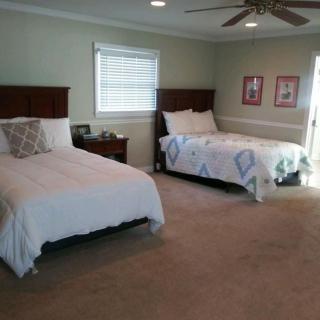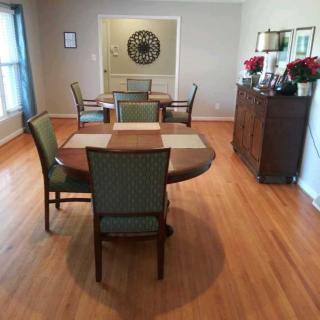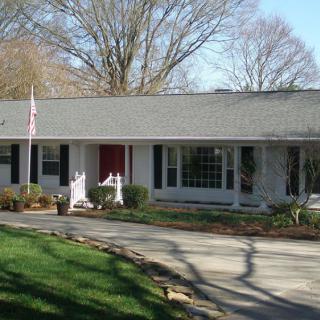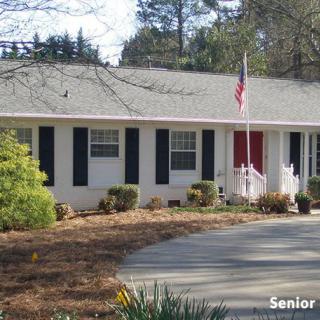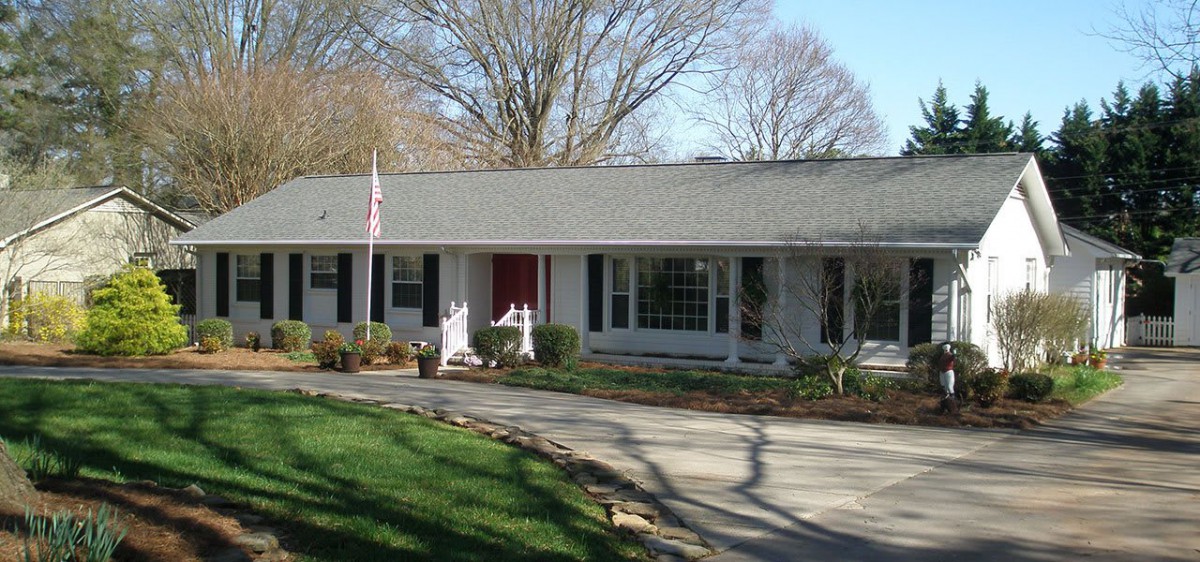
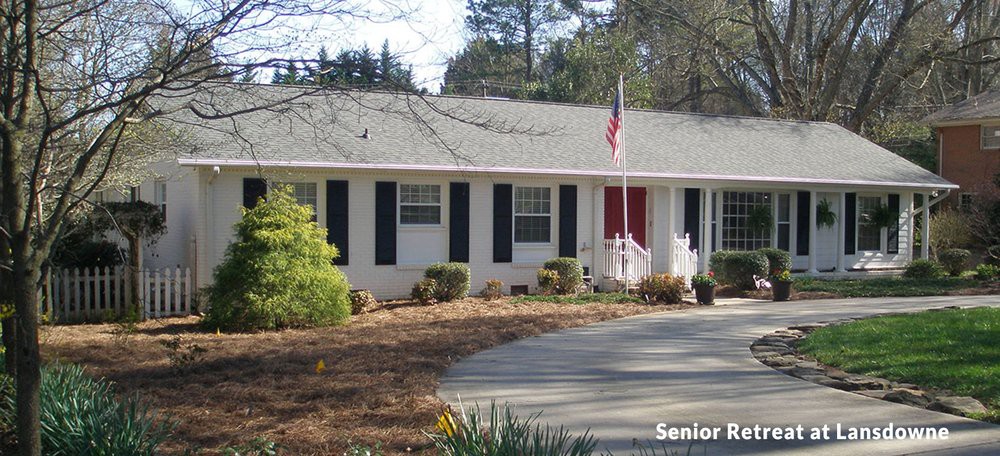
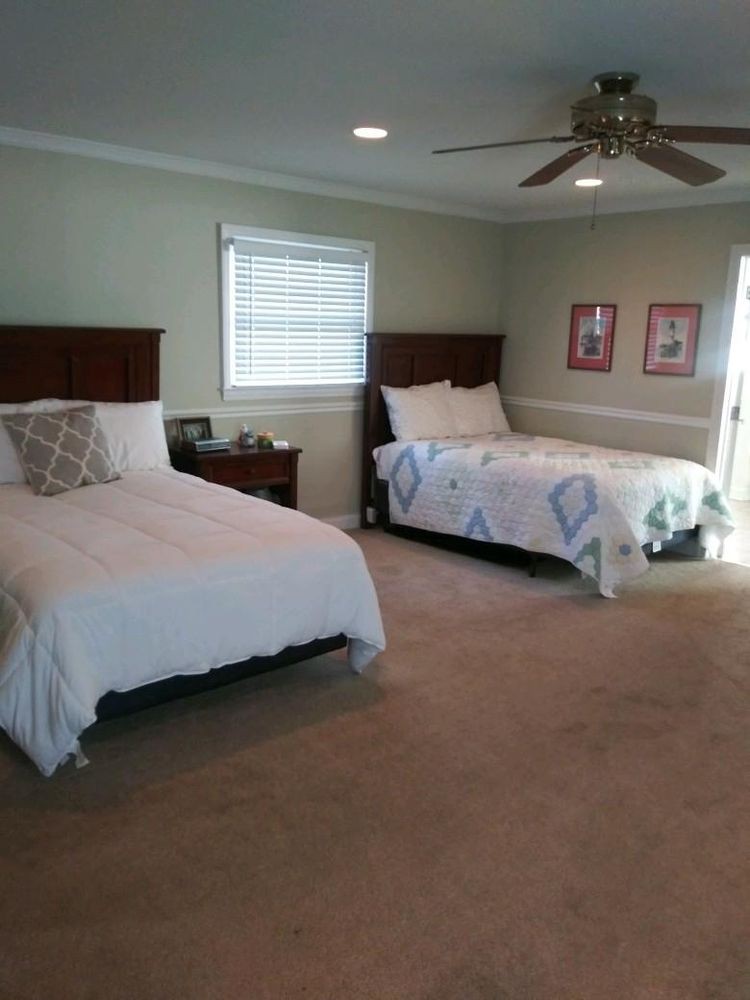
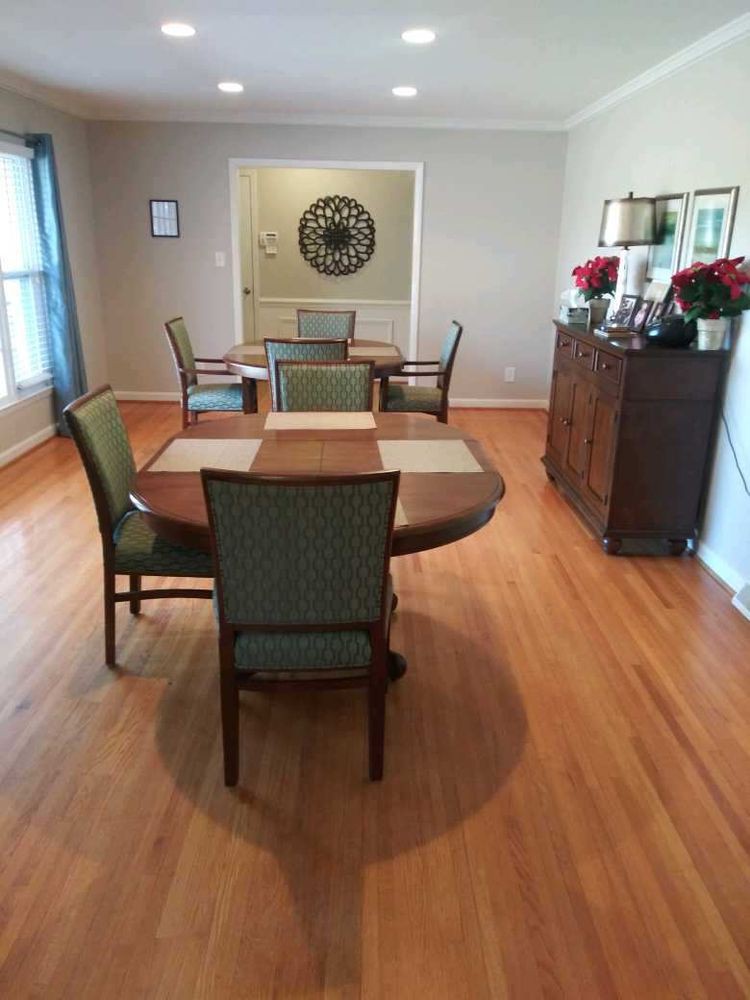
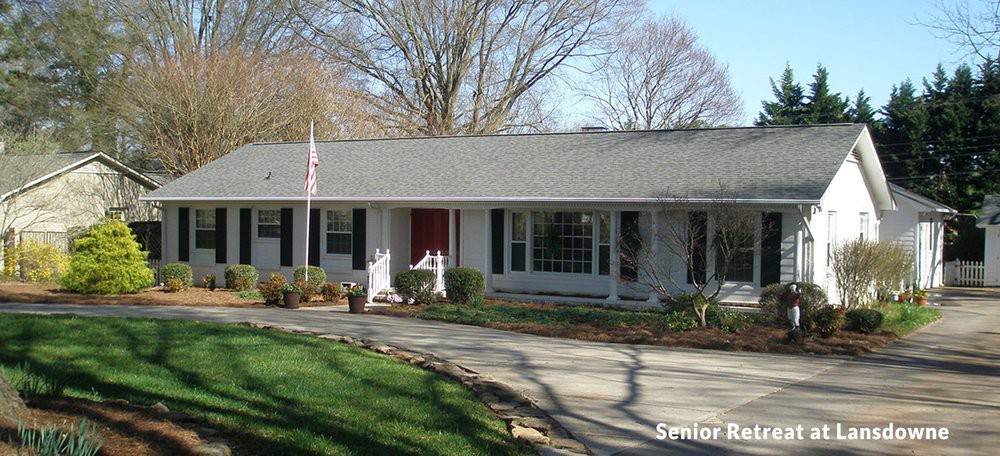
7219 Folger Dr, Charlotte, NC 28270
To contact a resident: (704) 543-0643
For more information about senior living options: (866) 208-4318
Senior Retreat at Lansdowne Costs & Pricing
At Senior Retreat at Lansdowne, the monthly costs reflect a commitment to quality care and amenities, albeit at a premium compared to local and state averages. For semi-private accommodations, residents can expect a monthly fee of $5,800, which surpasses both Mecklenburg County's average of $4,191 and North Carolina's overall average of $3,584. Similarly, the cost for a one-bedroom unit is set at $6,400 - substantially higher than the county's rate of $3,434 and slightly above the state's average of $4,055. Private rooms also come in at $6,400 each month, again exceeding both the county's cost of $4,417 and North Carolina's average of $4,425. This pricing illustrates Lansdowne's emphasis on providing exceptional services and an enriching environment for its residents.
| Floor plans | Senior Retreat at Lansdowne | Mecklenburg County | North Carolina |
|---|---|---|---|
| Semi-Private | $5,800 | $4,191 | $3,584 |
| 1 Bedroom | $6,400 | $3,434 | $4,055 |
| Private | $6,400 | $4,417 | $4,425 |
Memory care communities with a similar price nearby
-
from +$1100 / mo

The Post at Mint Hill 2
$6,900 / month9.7 miles away -
from -$1100 / mo
Morningside of Concord
$4,700 to $6,000 / month23.6 miles away -
from -$600 / mo
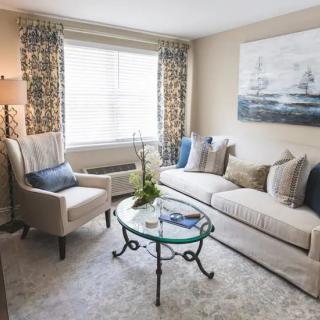
The Charlotte
$5,200 to $7,800 / month5.9 miles away -
About the same
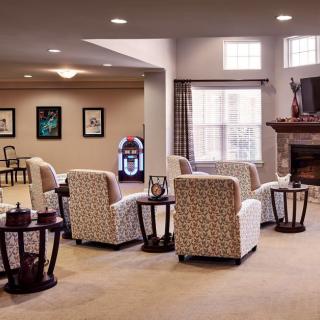
Waltonwood Cotswold
$5,895 to $7,995 / month1.8 miles away -
from -$690 / mo
Brookdale Concord Parkway
$5,110 to $6,425 / month20.0 miles away
Overall Review of Senior Retreat at Lansdowne
Pros
 The home is very clean.
- The caregivers are nice and respectful.
- The staff are attentive and residents are well cared for.
- The care home is kept immaculate.
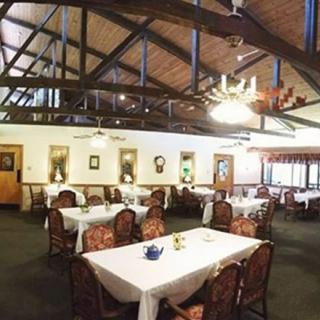
- The meals are homemade and tasty.
- Visits are welcome at any time.
- The facility is amazing.
- The home is considered a treasure in Charlotte.
- The mom's health has improved tremendously in just two weeks.
Cons
 This facility is full.
Review
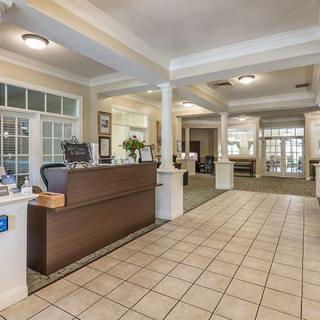
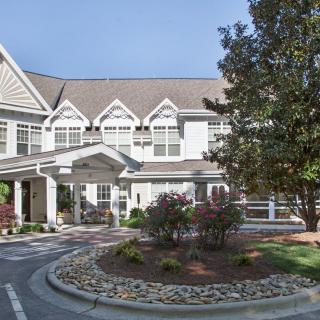
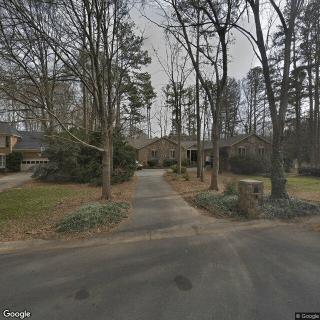
Senior Retreat at Lansdowne is best suited for families seeking a warm, home-like assisted living experience in Charlotte for a senior who values a spotless environment, steady caregiving, and straightforward daily routines. The community delivers on cleanliness and personal attention, with staff that come across as respectful and engaged. It fits residents who are largely independent but appreciate help with daily tasks, regular safety checks, and convenient visitation. For families prioritizing a nurturing setting where meals feel homemade and the atmosphere remains calm and predictable, this is a compelling option.
Still, certain care profiles will want alternatives. Those who require advanced medical oversight, frequent on-site nursing beyond routine assistance, or memory care with specialized programming may find the fit too light. The facility’s occupancy is currently full, which means new admissions may face a wait or need to explore other communities with immediate openings. Families seeking a larger campus, more structured rehab services, or a broader array of clinical services should evaluate other options alongside this community.
On the positives, the core strengths are evident. The home is described as very clean, with caregivers who are nice and respectful and consistently attentive. The ability to visit at almost any time and the overall safety and thorough housekeeping create a sense of security for families. The meals are noted as homemade and flavorful, contributing to residents’ comfort and appetite, which matters for daily well-being. Several reviewers report tangible improvements in their loved ones’ health within weeks, a clear signal that the staff’s approach translates into real-world benefits.
Where the story may fall short for some is capacity. The facility is full, which constrains new residents and can add stress for families in urgent transition. Without explicit mention of memory-care programming or higher-level clinical services in the reviews, prospective residents with dementia-related needs or acute medical concerns should proceed with caution and compare alternative communities that offer more specialized supports. In addition, while visitation is welcome, the reviews do not describe a formal activity calendar or rehab-focused options, which could matter for residents who crave a more robust social or therapeutic program.
Yet the favorable inputs significantly offset the occupancy hurdle. A clean, safe, home-like setting with compassionate caregivers produces stability and peace of mind that often trumps the glossy but impersonal feel of bigger campuses. The ability to visit freely, the consistent housekeeping, and the reminder of homemade meals contribute to a high-quality daily life that can ease transitions for families and support continuity of care as health needs evolve. For families already within reach of a vacancy, the gains in resident well-being can justify the wait.
In deciding, prioritize this community for those who prize warmth, immediacy of personal attention, and a comforting, domestic atmosphere. If a waiting period is unacceptable or if specialized medical or memory-care services are required, look to alternatives with available openings and explicit clinical programs. Prospective residents should request current vacancy status, inquire about staffing ratios, and ask for a detailed tour focusing on meal service, cleanliness routines, and the cadence of daily activities. When possible, speak with caregivers and families of current residents to gauge consistency over time. With the right fit, Senior Retreat at Lansdowne can deliver a secure, enriching home where health often improves quickly, and daily life feels truly well cared for.
 Board and Care Home
 Memory Care
 Activities on-site
 Air-conditioning
 Bath tubs
 Cable or satellite TV
 Devotional services off-site
 Ground floor units
 Handicap accessible
 Indoor common areas
 Outdoor common areas
 Private
 Private bathrooms
 Respite or short term stays offered
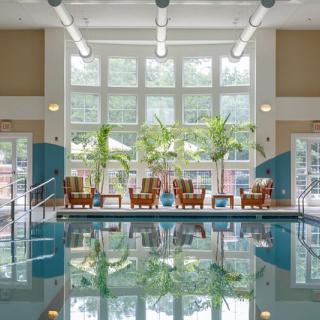
 Swimming pool / hot tub
 Wheelchair accessible showers
 Wi-Fi/high-speed internet available
 Charlotte Douglas International (10 miles away)
 Ambulatory care
 Diabetic care
 High acuity care
 Incontinence care
 Medication management
 Anytime dining
 Art classes
 Catholic services
 Day trips and outings
 Jewish services
 Karaoke
 Live musical performances
 Live well programs
 Wine tasting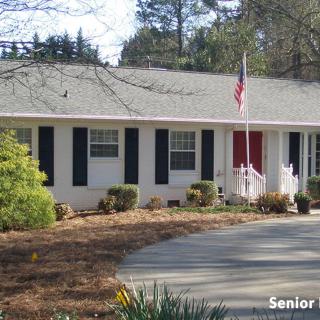

 Why Do Dementia Patients Sleep So Much? Understanding Oversleeping, Stages, and Care Approaches
 8 Key Indicators That Suggest It May Be Time to Transition from Assisted Living to Skilled Nursing Care
 Nourishing the Mind: Essential Dietary Approaches for Dementia