The Sanctuary At Stonehaven in Charlotte, NC

Save
The Sanctuary At Stonehaven

The Sanctuary At Stonehaven in Charlotte, NC

6741 Ciscayne Place, Charlotte, NC 28211

For more information about senior living options: (844) 490-3973

4.9 from 76 reviews
5 stars
75
4 stars
0
3 stars
0
2 stars
0
1 stars
1

Assisted Living Board and Care Home

Overall Review of The Sanctuary At Stonehaven

Pros

  • pro The Sanctuary is described as brand new, warm, and inviting, giving the feel of a home.
  • pro The staff are consistently friendly, kind, and caring, meeting residents' likes, needs, and interests.
  • pro The caregiver-to-resident ratio is excellent, allowing for individualized attention and engagement.
  • pro Families express gratitude and peace of mind knowing their loved ones are well cared for.
  • pro The homes are clean, beautiful, and homelike, with spacious bedrooms and private bathrooms.
  • pro Meals are home-cooked and nutritious, and residents look forward to them.
  • pro The Sanctuary is considered a blessing and a beacon of excellence in memory care.
  • pro Residents participate in meaningful activities and are encouraged to maintain independence.
  • pro The care team is proactive, communicative, and deeply devoted to residents and families.
  • pro The Sanctuary provides a safe, calm, and comfortable environment that reduces anxiety and improves well-being.

Cons

  • pro The reviewer notes the facility was a nice place but not a good fit for their father, given his long nocturnal sleep and self-care needs, with only one staff member on duty 8 p.m.?8 a.m. and a second caregiver not arriving until 9 a.m. on one day.
  • pro The reviewers accuse the owners of overcharging, and these billing concerns were not acknowledged when brought to their attention.

Review

The Sanctuary at Stonehaven is best suited for families seeking a true home-like memory-care environment for a loved one with dementia, especially when the priority is intimate, individualized care delivered in small-house settings. This community excels for residents who benefit from a calm, residential atmosphere with a strong emphasis on independence within safety, meaningful engagement, and daily routines that feel like a family home. With five- to six-resident houses, private bedrooms and baths, homestyle meals, and highly attentive staff, it serves well those who want high-touch attention, consistent personnel, and a culture of warmth over institutional efficiency.

Those who may want to consider alternatives include families prioritizing a larger, more clinical campus or a setting with round-the-clock, hospital-grade medical oversight. The Sanctuary's strength is its personalized, home-first model, not a traditional hospital-like memory-care facility. For residents who require intensive, 24/7 nursing acuity or specialized medical equipment on site, a larger, more medically oriented community could be a better fit. Additionally, there are price considerations; several reviewers note Sanctuary care is premium relative to some memory-care options, so cost-conscious families should have transparent conversations about fees and what is included.

The standout pros align directly with the core needs of dementia care and family peace of mind. The caregiver-to-resident ratio, often described as roughly 1:3 and frequently with two caregivers on duty for six residents during the day, delivers individualized attention that is repeatedly cited as the difference between adequate care and exceptional care. Residents are engaged in activities, encouraged to participate, and supported in maintaining routines that sustain dignity and independence. The home environment - spacious, clean, beautifully appointed rooms and common areas - paired with home-cooked meals and a non-institutional atmosphere, creates a sense of security many families crave. Staff and leadership are repeatedly described as compassionate, knowledgeable, and deeply invested in residents' lives.

The main drawbacks cited cluster around a few practical realities rather than philosophical failings. Night coverage can be lean in some locations, with a small number of staff on duty overnight, which may give pause to families seeking 24/7 clinical immediacy. A minority of review voices also flag concerns about communication around billing or contracts, urging prospective families to verify details up front and insist on clear, written terms. Despite these notes, the response from management and the overall track record of attentive, proactive care often mitigates these concerns, because successful experiences hinge on consistent, named staff who know residents personally.

When pros meet cons, the balance remains decisively favorable for the Sanctuary model. The low resident count and highly engaged staff are not merely nice-to-haves; they directly translate into safer, more responsive care, with residents who are less anxious and more capable of social interaction and simple independence. The family-centric approach - open communication, involvement in activities, and flexible visitation - further compounds the sense of security for families who want to be part of the daily life of their loved one. The combination of a beautifully maintained home, the warmth of caregivers, and a clear emphasis on person-centered care makes shortcomings like occasional schedule gaps far more tolerable than they would be in a larger, more impersonal setting.

For families evaluating their options, practical next steps are clear. Visit multiple Sanctuary locations if possible to observe caregiver interactions first-hand and to meet staff by name. Inquire about the exact night-shift structure, ongoing training, and how care plans are updated as dementia progresses. Request sample menus, activity calendars, and opportunities to participate in meals and daily routines. Ask for a written, itemized contract that outlines fees, what is included, and how costs may change with escalating needs. Speak with several families with loved ones in similar conditions to assess consistency in care and communication. The Sanctuary at Stonehaven stands out as a top choice for those prioritizing a safe, loving, and actively engaging home environment.

Ultimately, this community is the best fit for families seeking a high-quality, intimate memory-care setting that prioritizes dignity, connection, and steady daily engagement. It is less suited for those needing intensive medical supervision or constrained by tight budgets. With passionate ownership, transparent communication, and a proven track record of personalized care, Sanctuary families gain not just a place to live, but a rehabilitated sense of peace and purpose for their loved ones - and for the caregiving family alike. Prospective movers should schedule a tour and bring questions that address night staffing, fee clarity, and the daily rhythm that defines life at The Sanctuary.

Features

Housing

  • 6 resident community capacity 6 resident community capacity

Types of Care

  • Assisted Living Assisted LivingAssisted living facilities provide crucial support and care for seniors who may need help with daily tasks such as medication management, bathing, and meal preparation. These communities offer a safe and comfortable environment where seniors can maintain their independence while receiving the assistance they need to thrive in their golden years.
  • Board and Care Home Board and Care HomeBoard and care homes provide a smaller, more intimate setting for seniors who require assistance with daily tasks but do not need the level of care offered by a nursing home. They offer personalized care, meals, and social activities in a homelike environment, ensuring that seniors receive individualized attention and support in their golden years.

Amenities

  • Cable or satellite TV Cable or satellite TVCable or satellite TV is important for seniors because it provides entertainment, news, and companionship, helping to combat loneliness and boredom. It also offers a wide range of programming options tailored to different interests and preferences.
  • Dining room Dining roomDining rooms are important for seniors as they provide a space for socialization, connection, and nutritious meals. They offer opportunities for residents to bond over shared meals, foster a sense of community, and promote healthy eating habits. Dining rooms also ensure that seniors have access to well-balanced meals tailored to their dietary needs and preferences.
  • Fully furnished Fully furnishedFully furnished senior living communities are important for seniors because they provide convenience, comfort, and a hassle-free moving experience. Seniors can easily settle into their new living space without the stress of having to buy and move furniture. This allows them to focus on enjoying their new home and community.
  • Garden GardenGardens are important for seniors as they provide a peaceful and therapeutic environment for relaxation, physical activity, and socialization. Being in nature has been shown to reduce stress, improve mood, and promote overall well-being. Gardens also offer opportunities for seniors to engage in gardening activities, which can improve mobility, flexibility, and cognitive function. Additionally, gardens create a sense of community and connection with others who share a passion for plants and outdoor spaces.
  • Housekeeping services Housekeeping servicesHousekeeping services are important for seniors because they help maintain a clean and safe living environment, promote independence, and reduce the risk of accidents or illnesses. Additionally, having assistance with household chores can alleviate physical strain and allow seniors to focus on other aspects of their well-being.
  • Move-in coordination Move-in coordinationMove-in coordination is important for seniors because it helps ease the transition into their new living environment. It ensures that all logistics, such as packing, organizing movers, and setting up utilities are taken care of, allowing seniors to focus on settling in and adjusting to their new home. Having a smooth move-in process can alleviate stress and anxiety, making the transition smoother and more enjoyable for seniors.
  • Outdoor space Outdoor spaceOutdoor spaces are important for seniors as they provide opportunities for physical activity, social interaction, exposure to natural light and fresh air, and a sense of connection to nature. Having access to outdoor spaces can improve overall well-being and quality of life for older adults living in senior communities.
  • Telephone TelephoneTelephones are important for seniors as they provide a lifeline for communication with loved ones, emergency services, and healthcare providers. They offer a sense of security and independence, enabling seniors to stay connected and access assistance when needed.
  • Wi-Fi/high-speed internet available Wi-Fi/high-speed internet availableWi-Fi/high-speed internet is important for seniors to stay connected with loved ones, access online resources, and participate in virtual activities to combat feelings of loneliness and isolation. It also allows them to easily manage healthcare needs, access entertainment, and engage in lifelong learning opportunities.

Transportation

  • Charlotte Douglas International (11 miles away) Charlotte Douglas International (11 miles away)

Care Services

  • 24-hour supervision 24-hour supervision24-hour supervision is important for seniors to ensure their safety, well-being, and access to immediate assistance in case of emergencies or health issues. This constant support provides peace of mind for both seniors and their loved ones, allowing them to age in place with dignity and security.
  • Activities of daily living assistance Activities of daily living assistanceActivities of daily living assistance are important for seniors because they provide essential support with tasks such as eating, bathing, dressing, and mobility. This assistance helps seniors maintain their independence, dignity, and overall quality of life as they age.
  • Assistance with bathing Assistance with bathingAssistance with bathing is crucial for seniors as it helps maintain personal hygiene, prevents infections, and ensures their overall well-being and comfort. It also provides a sense of dignity and independence for seniors who may struggle with this task on their own.
  • Assistance with dressing Assistance with dressingAssistance with dressing is important for seniors because it helps maintain their independence, promotes personal hygiene, prevents accidents and injuries, and improves overall quality of life. This service ensures that seniors can continue to dress comfortably and confidently, despite any physical limitations they may have.
  • Assistance with transfers Assistance with transfersAssistance with transfers is crucial for seniors as it helps prevent falls and injuries, maintains their independence, and ensures they can safely navigate their living environment. It also provides peace of mind for both seniors and their loved ones.
  • Coordination with health care providers Coordination with health care providersCoordination with health care providers is crucial for seniors to ensure proper medical care, medication management, and overall well-being. This collaboration helps prevent overlapping treatments, track progress more effectively, and provide comprehensive support tailored to individual needs.
  • Diabetes diet Diabetes dietA diabetes diet is crucial for seniors as it helps manage blood sugar levels, reduce risks of complications, and improve overall health and well-being. By following a balanced and nutritious diet tailored to their specific needs, seniors can better control their diabetes and enhance their quality of life.
  • Meal preparation and service Meal preparation and serviceMeal preparation and service are crucial for seniors as they may have limited mobility or energy to cook nutritious meals. Having access to healthy and convenient food options can ensure they are getting the proper nutrition needed to maintain their overall health and well-being.
  • Medication management Medication managementMedication management is crucial for seniors to ensure they are taking the right medications at the correct dosages and times. This helps prevent adverse drug interactions, reduces the risk of medication errors, and promotes overall health and well-being. Proactive management also allows for adjustments as needed based on changing health conditions or new prescriptions.
  • Special dietary restrictions Special dietary restrictionsSpecial dietary restrictions are important for seniors because age-related changes in metabolism and health conditions can make it difficult for their bodies to process certain foods. By following a diet tailored to their specific needs, seniors can maintain their overall health and well-being, manage chronic conditions, and reduce the risk of complications such as malnutrition or food interactions with medications.
  • Transportation arrangement (medical) Transportation arrangement (medical)Transportation arrangements for medical purposes are essential for seniors as they may have difficulty driving themselves to appointments or accessing public transportation. Having reliable and safe transportation options ensures that seniors can receive timely medical care and maintain their health and well-being.
  • Transportation to doctors appointments Transportation to doctors appointmentsTransportation to doctors' appointments is crucial for seniors as it ensures they have access to necessary medical care and support for their health needs. Without reliable transportation, seniors may struggle to attend important appointments, leading to potential delays in treatment and health complications. Providing transportation services helps seniors maintain their overall well-being and quality of life.
Dining

  • Diabetes diet Diabetes dietA diabetes diet is crucial for seniors as it helps manage blood sugar levels, reduce risks of complications, and improve overall health and well-being. By following a balanced and nutritious diet tailored to their specific needs, seniors can better control their diabetes and enhance their quality of life.
  • Special dietary restrictions Special dietary restrictionsSpecial dietary restrictions are important for seniors because age-related changes in metabolism and health conditions can make it difficult for their bodies to process certain foods. By following a diet tailored to their specific needs, seniors can maintain their overall health and well-being, manage chronic conditions, and reduce the risk of complications such as malnutrition or food interactions with medications.

Activities

  • Community-sponsored activities Community-sponsored activitiesCommunity-sponsored activities are important for seniors as they provide opportunities for social interaction, mental stimulation, and physical activity. These activities can help improve overall well-being, combat loneliness and isolation, and promote a sense of belonging and purpose among older adults.
  • Scheduled daily activities Scheduled daily activitiesScheduled daily activities are important for seniors because they provide structure, socialization, mental stimulation, and physical activity. Engaging in regular activities can improve overall well-being and quality of life for seniors living in a community setting.

Description

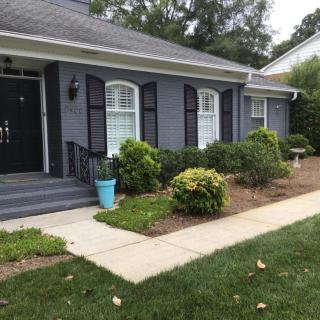
The Sanctuary at Stonehaven in Charlotte, NC is a board and care home that provides personalized and compassionate care for seniors. Our community offers a range of amenities to enhance the comfort and convenience of our residents' daily lives.

Residents can enjoy delicious meals in our dining room, which offers options for special dietary restrictions. Each living space is fully furnished, ensuring that residents feel at home from the moment they arrive. Our beautiful garden provides a serene outdoor space where residents can relax and enjoy nature.

We understand the importance of maintaining a clean living environment, which is why we provide housekeeping services to all residents. Additionally, we offer move-in coordination services to assist with the transition into our community.

We prioritize the well-being of our residents by offering assistance with activities of daily living such as bathing, dressing, and transfers. Our dedicated staff also coordinates with health care providers to ensure that each resident's medical needs are met. We specialize in diabetes diets and provide medication management services.

Transportation arrangements for medical purposes are available, including transportation to doctors' appointments. This allows residents to easily access necessary healthcare services.

In terms of nearby amenities, there are three cafes, eleven pharmacies, nine physicians' offices, eleven restaurants, and four places of worship located nearby. This convenient location ensures that residents have easy access to essential services and opportunities for socialization within their community.

At The Sanctuary at Stonehaven, we strive to create a warm and welcoming environment where seniors can live comfortably while receiving personalized care. Our scheduled daily activities promote engagement and socialization among our residents.

If you or your loved one is seeking an assisted living community that prioritizes exceptional care alongside a wide array of amenities and convenient nearby resources, The Sanctuary at Stonehaven is an excellent choice in Charlotte, NC.

Nearby Places of Interest

This part of Charlotte, North Carolina offers a convenient and diverse range of amenities for seniors looking to settle in the area. With multiple pharmacies, medical clinics, and hospitals within a few miles radius, healthcare needs can be easily met. Places of worship provide spiritual fulfillment, while a variety of restaurants and cafes offer dining options for every taste. Nearby parks and greenways offer opportunities for outdoor recreation and relaxation. Additionally, theaters provide entertainment options, and transportation options such as the Sugar Creek Station make navigating the area accessible. Overall, this area provides a well-rounded community that caters to the needs and interests of seniors looking to enjoy an active lifestyle.

Pharmacies

  • CVS Pharmacy (1.8 miles)
  • CVS Pharmacy (2.7 miles)
  • Walgreens (3.3 miles)
  • Family Care Specialty Pharmacy (3.4 miles)
  • Walgreens (3.5 miles)
  • CVS Pharmacy (3.5 miles)
  • Walmart Pharmacy (3.6 miles)

Physicians

  • Cotswold Medical Clinic (2.6 miles)
  • Center For Wellness (3.4 miles)
  • Arboretum Pediatrics (3.5 miles)
  • Novant Health Imaging Southpark (3.8 miles)
  • OrthoCarolina South Park (4 miles)
  • Perry Orthopedics & Sports Medicine (4.1 miles)
  • Paviol Dermatology (4.4 miles)

Places of Worship

  • St Gabriels Catholic Church (2.6 miles)
  • Carmel Baptist Church (2.7 miles)
  • Idlewild Baptist Church (4.6 miles)
  • Sharon Baptist Church (4.7 miles)
  • Calvary Church (5.2 miles)
  • St John's Baptist Church (5.4 miles)
  • Providence Presbyterian Church (5.4 miles)

Restaurants

  • Showmars (3.2 miles)
  • McDonald's (3.2 miles)
  • The Cheesecake Factory (3.5 miles)
  • Mac's Speed Shop (3.6 miles)
  • Chick-Fil-A (3.6 miles)
  • Le Peep (3.7 miles)
  • Metro Diner (3.8 miles)

Cafes

  • Starbucks (3.6 miles)
  • Panera Bread (3.9 miles)
  • The Collective Cafe (4.2 miles)
  • Villanis Bakery (5.3 miles)
  • Starbucks (6.6 miles)
  • Jeni's Splendid Ice Creams (6.7 miles)
  • Panera Bread (6.8 miles)

Parks

  • Sedgefield Neighborhood Park (6 miles)
  • Little Sugar Creek Greenway (6.5 miles)
  • First Ward Park (6.6 miles)
  • Romare Bearden Park (6.9 miles)
  • Fourth Ward Park (7 miles)

Theaters

  • AMC Carolina Pavilion 22 (6.7 miles)
  • Regal Stonecrest at Piper Glen 4DX, IMAX & RPX (6.7 miles)

Hospitals

  • Carolinas Medical Center-Pineville (7.1 miles)

Transportation

  • Sugar Creek Station (7.2 miles)

Frequently Asked Questions

Where is The Sanctuary At Stonehaven?

Nearby Communities

  • Senior Retreat at Stonehaven

    Senior Retreat at Stonehaven

    Charlotte, NC

    4.6 from 5 reviews
    $5,800 to $6,400 / month

    pro Low resident-to-staff ratio enables personalized, attentive care.


  • McAlpine Terrace

    McAlpine Terrace

    Charlotte, NC

    3.2 from 9 reviews
     

    pro Convenient access to pharmacies, physicians, restaurants, cafes, and a vibrant social scene.

  • FirstLight HomeCare of Greater Charlotte

    FirstLight HomeCare of Greater Charlotte

    CHARLOTTE, NC

    3 from 2 reviews
     

    pro Friendly, responsive administrators and a smooth initial experience.

  • Senior Retreat At Lansdowne

    Senior Retreat At Lansdowne

    Charlotte, NC

    3.7 from 43 reviews
     

    pro Small, intimate setting with comprehensive memory care and 24-hour supervision.

  • Senior Retreat at Lansdowne

    Senior Retreat at Lansdowne

    Charlotte, NC

    4.2 from 5 reviews
    $5,800 to $6,400 / month

    pro Attentive staff, clean facilities, and homemade meals.

  • Sardis Gardens Adult Day & Health Care Center

    Sardis Gardens Adult Day & Health Care Center

    Charlotte, NC

    1 from 1 review
     

    pro Convenient access to amenities (cafes, pharmacies, physicians, restaurants, places of worship) and memory care services.

  • Brookdale Carriage Club Providence

    Brookdale Carriage Club Providence

    Charlotte, NC

    3.9 from 152 reviews
    $3,545 to $5,945 / month

    pro Friendly, accommodating staff and a welcoming community with diverse amenities and flexible care options.

  • Carmel Hills

    Carmel Hills

    Charlotte, NC

    4.6 from 23 reviews
    $2,402 / month

    pro Dedicated staff and a supportive, close-knit community.

  • Matthews Glen

    Matthews Glen

    Matthews, NC

    4.3 from 123 reviews
     

    pro Impressive, well-maintained facilities with friendly staff and a broad activities program.

Related Resources

  • how to pay for assisted livingFunding and Affording Assisted Living: A Thorough Overview

    Assisted living facilities provide support for older adults needing help with daily activities without extensive medical care, but their costs can be high and vary by location and services offered. Families often seek various funding options and financial strategies to manage these expenses effectively while considering future needs and potential price increases.

  • assisted living insuranceAssisted Living Expenses and Long-Term Care Insurance: A Comprehensive Exploration

    The article discusses assisted living expenses, the importance of long-term care insurance in covering these costs, and various financing options, highlighting the need for careful policy review and early planning to address potential needs. It also clarifies common misconceptions about Medicare and private health insurance limitations regarding long-term care coverage.

  • how to pay for assisted livingSecuring Financial Support for Assisted Living: A Comprehensive Overview

    Assisted living facilities offer crucial support for older adults needing help with daily activities but come with varying and significant costs, which can be financed through personal savings, government assistance programs, long-term care insurance, and home equity options. Professional guidance from experts can aid families in navigating these financial complexities to establish a sustainable budgeting approach for assisted living services.