Carmel Hills in Charlotte, NC

Save

  • Interior

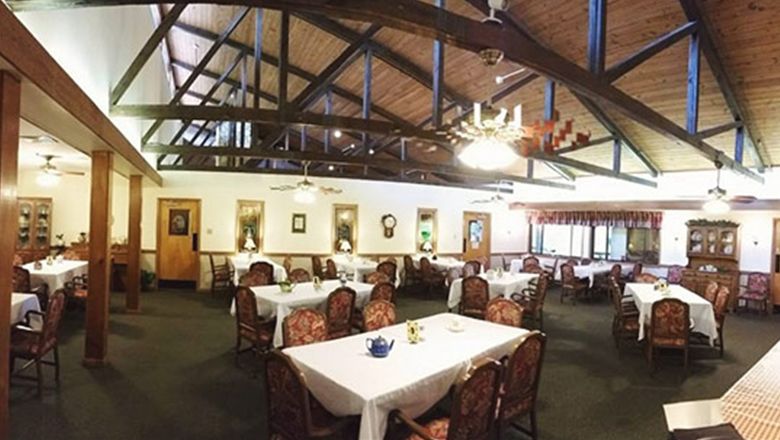
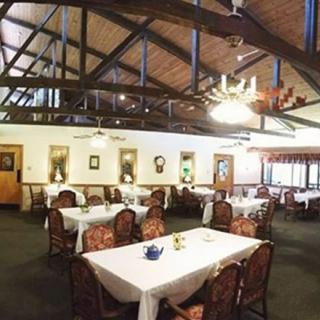
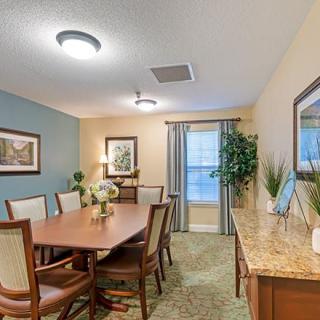
    A cozy restaurant interior featuring neatly arranged tables and rustic wooden beams.
  • Living Room

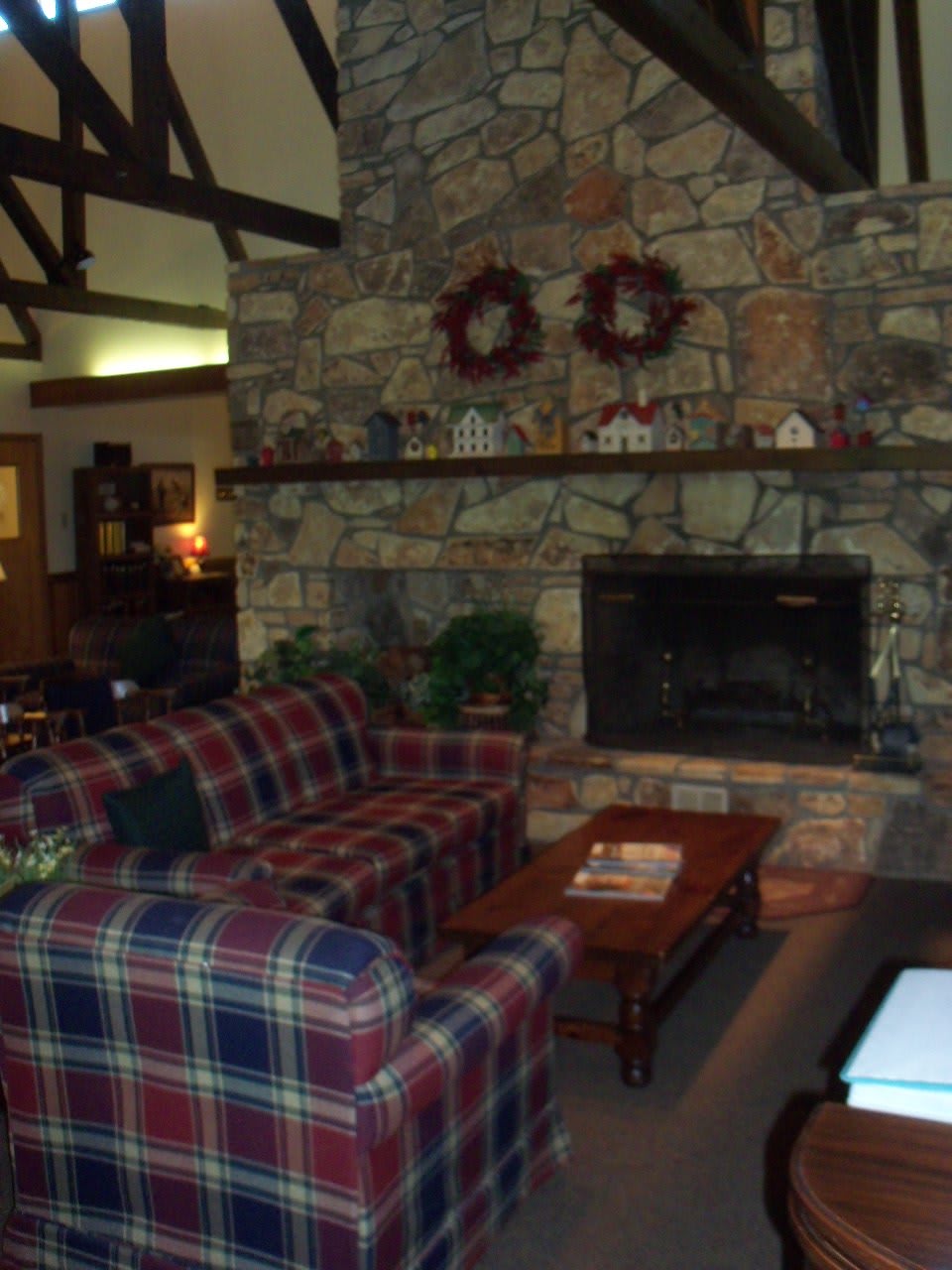
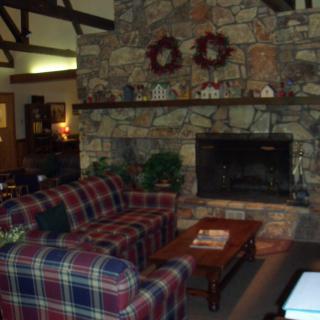
    A cozy living room with a stone fireplace and plaid sofa, featuring cabin-style decor.
  • Building

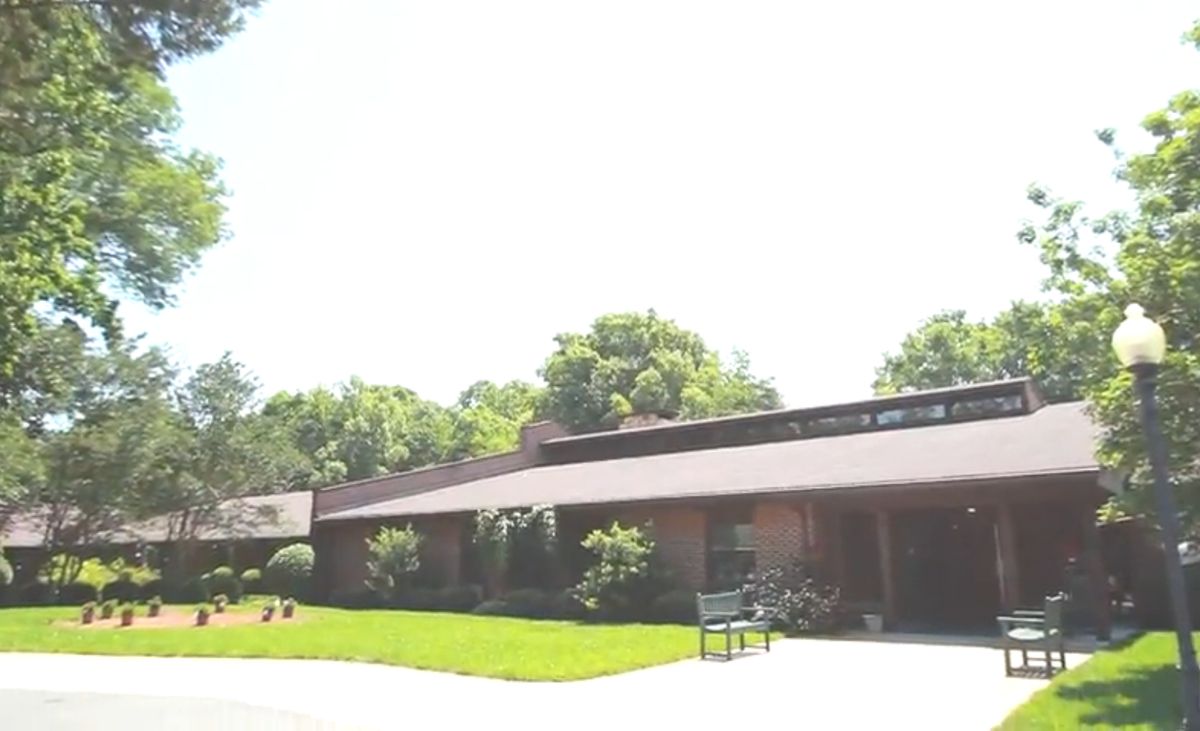
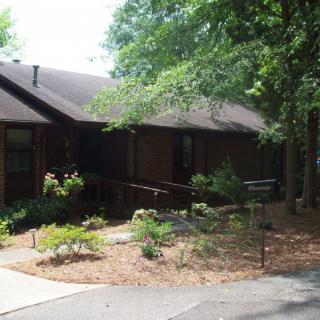
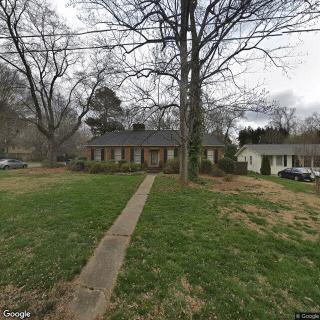
    A one-story building surrounded by trees and a well-kept lawn, with a bench in front.
  • Trees

    A wooden house surrounded by a garden with trees.
  • Landscaping

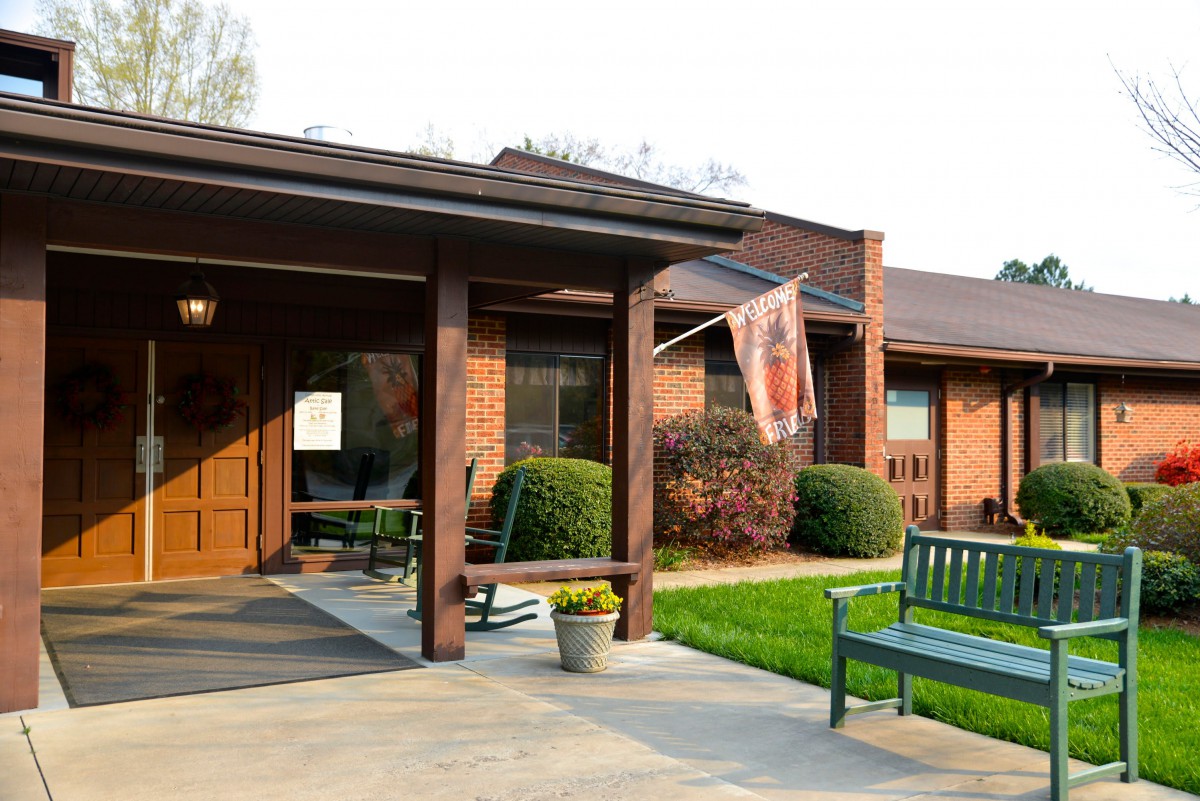
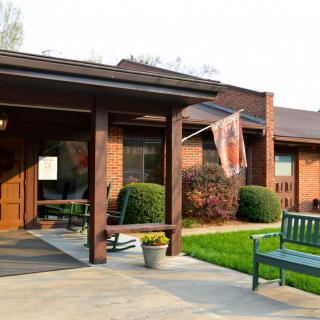
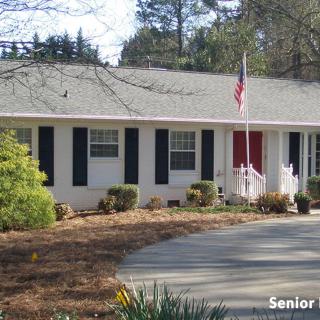
    A brick building entrance with a small garden, a flag, and benches.
  • Outdoor

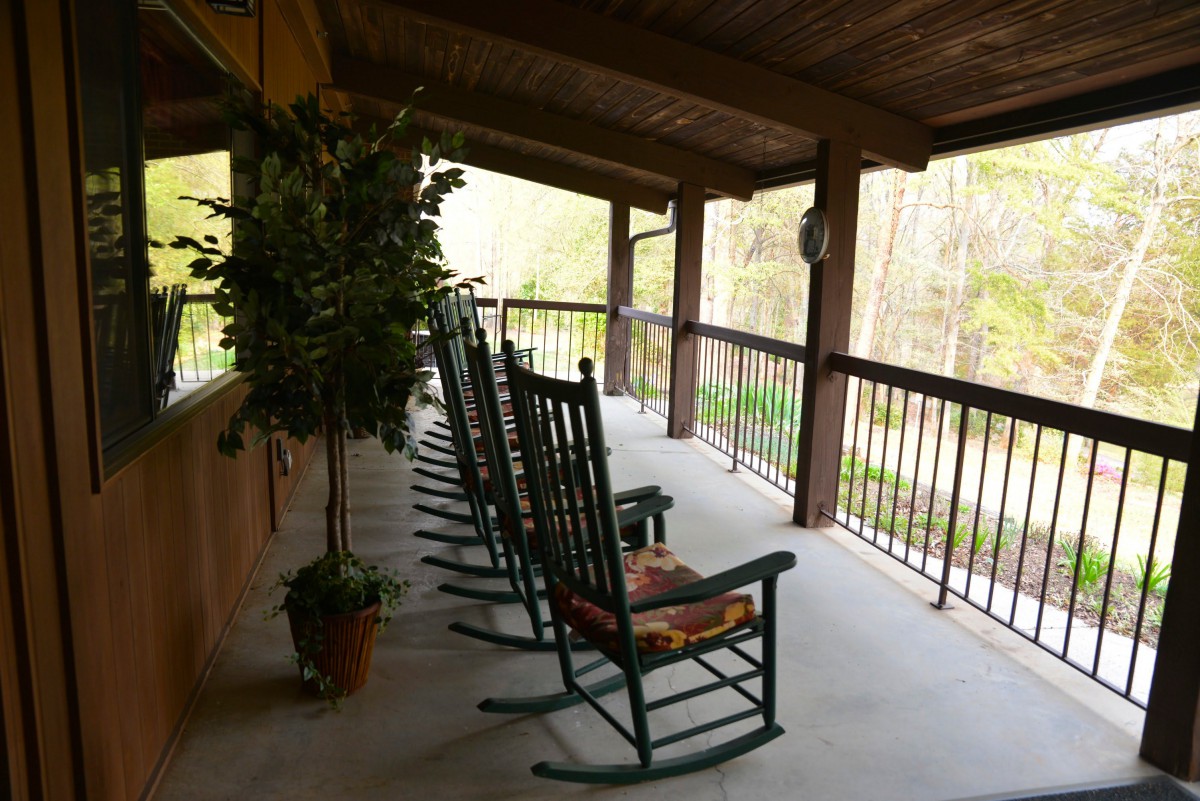
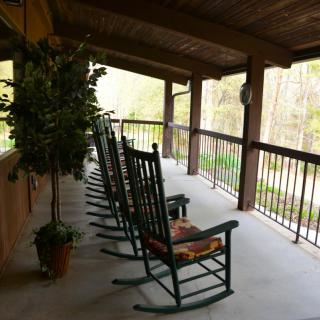
    A peaceful porch with a row of rocking chairs overlooking nature.

Carmel Hills in Charlotte, NC

2801 Carmel Road, Charlotte, NC 28226

For more information about senior living options: (844) 490-3973

4.6 from 23 reviews
5 stars
20
4 stars
1
3 stars
0
2 stars
0
1 stars
2

Assisted Living Continuing Care Retirement Community (CCRC) Independent Living

Carmel Hills Costs & Pricing

Carmel Hills offers a competitive pricing structure for its studio apartments, with a monthly cost of $2,402. This rate is significantly lower than the average costs in Mecklenburg County, which are approximately $3,941, and even more favorable when compared to the broader state of North Carolina, where studio apartments average around $4,020 per month. This positioning not only highlights Carmel Hills as an attractive option for potential residents seeking affordability but also reflects its commitment to providing quality living arrangements within a vibrant community context.

Floor plansCarmel HillsMecklenburg CountyNorth Carolina
Studio$2,402$3,941$4,020

Overall Review of Carmel Hills

Pros

  • pro Carmel Hills is described as a beautiful, uplifting place with great vibes and friendly, helpful staff.
  • pro The facility is recognized for its sincere, caring, Christian atmosphere where residents are treated with love, respect, and dignity.
  • pro The care team is attentive and dedicated, going the extra mile to meet individual needs and communicate with families.
  • pro The administration, including Sally, Richard, and Lydia, is proactive and deeply committed to residents' comfort and well-being.
  • pro CNAs and kitchen staff radiate joy and compassion, even during demanding shifts.
  • pro The setting is tranquil and picturesque, with walking trails, trees, benches, and a pond.
  • pro Families feel supported and often describe the staff as treating residents like family, building lasting bonds.
  • pro Pricing is frequently noted as a good value relative to similar facilities, making it accessible.

Cons

  • pro The main drawback cited was the location, with tons of traffic in the area.
  • pro One reviewer advised avoiding Carmel Hills due to nepotism that prevents accountability for poor care.
  • pro The reviewer described the assisted living side as the complete opposite of the homey independent side, citing caregiver attitude, low skill, unprofessional behavior, and poor or zero communication skills, along with a complacent director.
  • pro There were unclean and unsanitary conditions, with no dedicated or consistent housekeeping staff for the last 5?6 months.
  • pro It's hard to believe this was once a 5-star facility, implying a decline.

Review

Carmel Hills is best suited for families seeking a warm, faith-centered community where residents are treated like family and care routines are deeply personalized. The place shines for seniors who want a real sense of belonging, where long-tenured staff know residents by name, and where daily life includes compassionate, attentive assistance around the clock. It is particularly appealing to families who value a seamless connection between independent living and a 24/7 care setting, with an affordable, all-inclusive pricing approach that reduces budgeting complexity. For someone prioritizing a tranquil, neighborly atmosphere over flashier amenities, Carmel Hills presents a compelling fit.

Alternatives are worth considering when location and modernization become decisive factors. The area's heavy traffic was a deal-breaker for some tours, and that practical concern can overwhelm otherwise solid chemistry with staff and residents. Others may prefer a newer building with a more contemporary layout or a more clearly defined, high-level memory-care environment. If a strictly hospital-like environment, or highly centralized administrative control, is a nonstarter, or if a three-meal-a-day plan clashes with personal routines, alternative communities may offer a better alignment with expectations and needs.

The strongest positives - an uplifting ambiance, a sincerely caring staff, and a Christian, family-like culture - tend to offset most drawbacks for many families. Reviews repeatedly highlight the staff's genuine warmth, with caregivers who embody joy and compassion even after long shifts. The setting itself feels serene and pretty, with grounds, walking paths, and a sense of quiet dignity that permeates both independent living and the care center. Families note the willingness to tailor care, from feeding smoothies or puree meals to coordinating with families on mobility, towels, or seating, all of which reinforces a perception of partnership rather than mere service.

That same care mindset shows up in daily practice: teams that remember residents' preferences, programs that bring dedicated activity specialists into rooms, and leaders who actively monitor changes in health status. Observations from multiple families laud the director role in particular - staff members who safeguard residents' dignity, anticipate needs, and respond with practical,. timely measures. The all-inclusive price point is praised as a meaningful budgetary advantage within Charlotte, especially when compared with peers charging separately for housing, care, and services. The care center's cleanliness and grooming standards also receive frequent praise, contributing to a sense of polish that supports residents' self-respect and comfort.

Nonetheless, some reviews raise cautions worth weighing. The facility's age and the hospital-like wing can feel less modern than newer campuses, and a few families describe lapses in communication or housekeeping during staff turnover or renovation periods. Concerns about management style, including allegations of nepotism or inconsistent accountability, surface from a minority of voices. There is also recognition that the care philosophy on the independent side versus the care center side can feel different - one reviewer described the independent area as cozy and homey while the care center elsewhere carried a sterner, more clinical edge. For families seeking the most rigorous, state-of-the-art memory care or the most spotless housekeeping record, these concerns warrant scrutiny.

In deciding for Carmel Hills, the critical lens should focus on personal priorities: a priority on warmth, faith-driven culture, and close-knit staff continuity; a desire for straightforward budgeting with predictable, all-inclusive pricing; and a preference for a setting where caregivers feel like extended family. If these align, Carmel Hills offers meaningful advantages that many families identify as decisive - the ability to keep a loved one connected to a familiar community while accessing 24/7 care, in a setting that many describe as tranquil and uplifting. If instead modernity, aggressive memory-care specialization, or ironclad, centralized accountability tops the list, steering toward alternatives with newer facilities and different governance may be prudent.

To move forward, prospective families should schedule a thorough, on-site visit focused on staff interactions, cleanliness, and care workflows. Ask about current staffing levels by shift, the process for transitioning a resident from independent living to the care center, and how consistent housekeeping is managed during renovations. Inquire about pricing specifics - what is truly included in the all-inclusive model, and how individual dietary needs are accommodated. Speak with residents and families about daily life, and, if possible, observe care in action during a busy time. These steps will illuminate how Carmel Hills will perform in practice for a particular loved one and help determine whether the pros truly align with the anticipated cons.

Features

Housing

  • 38 resident community capacity 38 resident community capacity
  • 1-bedroom apartments 1-bedroom apartments1-bedroom apartments are important for seniors because they provide a sense of independence, privacy, and autonomy while still offering the necessary space for comfortable living. These apartments allow seniors to maintain their own personal space and lifestyle preferences in a supportive community setting.
  • 2-bedroom apartments 2-bedroom apartments2-bedroom apartments are important for seniors because they provide extra space for guests, hobbies, and caregivers, as well as potential for additional income through roommates or rental.
  • Condos / townhomes Condos / townhomesCondos and townhomes provide seniors with a low-maintenance, community-oriented living option that allows for social interaction and access to amenities while also offering the freedom of independent living.

Types of Care

  • Assisted Living Assisted LivingAssisted living facilities provide crucial support and care for seniors who may need help with daily tasks such as medication management, bathing, and meal preparation. These communities offer a safe and comfortable environment where seniors can maintain their independence while receiving the assistance they need to thrive in their golden years.
  • Continuing Care Retirement Community (CCRC) Continuing Care Retirement Community (CCRC)Continuing Care Retirement Communities (CCRCs) are important for seniors because they provide a range of housing options and care services all in one location. This allows seniors to age in place and receive the level of care they need as their health changes, without having to move to a new facility. CCRCs provide a sense of security and peace of mind for seniors and their families, knowing that they will be taken care of no matter what the future holds.
  • Independent Living Independent LivingIndependent living communities are important for seniors because they offer a safe and supportive environment where older adults can live independently while still having access to amenities and services that enhance their quality of life. These communities provide social opportunities, recreational activities, and assistance with daily tasks, promoting overall well-being and allowing seniors to maintain their independence for as long as possible.

Amenities

  • Activities on-site Activities on-siteActivities on-site are important for seniors because they provide opportunities for socialization, mental stimulation, physical activity, and overall well-being. Engaging in activities can help seniors stay active, maintain their independence, and improve their quality of life.
  • Beautician on-site Beautician on-siteHaving a beautician on-site at a senior living community is important for seniors as it allows them to easily access grooming and personal care services, boosting their self-esteem and overall well-being. It also provides convenience and helps seniors maintain their sense of independence and personal style.
  • Beauty salon Beauty salonBeauty salons are important for seniors because they provide a space for them to feel pampered, socialize, and maintain their personal grooming and hygiene. Regular visits to a beauty salon can help boost seniors' self-esteem and overall well-being.
  • Cable or satellite TV Cable or satellite TVCable or satellite TV is important for seniors because it provides entertainment, news, and companionship, helping to combat loneliness and boredom. It also offers a wide range of programming options tailored to different interests and preferences.
  • Devotional services off-site Devotional services off-siteDevotional services off-site are important for seniors as they provide spiritual nourishment, social engagement, and a sense of community outside of the senior living facility. This can enhance overall well-being and help combat feelings of isolation and loneliness often experienced by older adults.
  • Dining room Dining roomDining rooms are important for seniors as they provide a space for socialization, connection, and nutritious meals. They offer opportunities for residents to bond over shared meals, foster a sense of community, and promote healthy eating habits. Dining rooms also ensure that seniors have access to well-balanced meals tailored to their dietary needs and preferences.
  • Fully furnished Fully furnishedFully furnished senior living communities are important for seniors because they provide convenience, comfort, and a hassle-free moving experience. Seniors can easily settle into their new living space without the stress of having to buy and move furniture. This allows them to focus on enjoying their new home and community.
  • Garden GardenGardens are important for seniors as they provide a peaceful and therapeutic environment for relaxation, physical activity, and socialization. Being in nature has been shown to reduce stress, improve mood, and promote overall well-being. Gardens also offer opportunities for seniors to engage in gardening activities, which can improve mobility, flexibility, and cognitive function. Additionally, gardens create a sense of community and connection with others who share a passion for plants and outdoor spaces.
  • Guasts at mealtime Guasts at mealtime"Guests at mealtime" offer seniors the opportunity for social interaction, companionship, and a sense of community during meals, which can help combat feelings of loneliness and isolation commonly experienced in senior living environments. It can also enhance their overall dining experience and improve their mental and emotional well-being.
  • Housekeeping services Housekeeping servicesHousekeeping services are important for seniors because they help maintain a clean and safe living environment, promote independence, and reduce the risk of accidents or illnesses. Additionally, having assistance with household chores can alleviate physical strain and allow seniors to focus on other aspects of their well-being.
  • Indoor common areas Indoor common areasIndoor common areas are crucial for seniors as they provide a space for socialization, recreation, and community engagement, promoting overall well-being and reducing feelings of isolation and loneliness.
  • Kitchenette KitchenetteKitchenettes are important for seniors living in senior living communities because they provide the convenience and independence of being able to prepare simple meals and snacks in the comfort of their own living space. This can help promote a sense of autonomy and well-being for seniors, allowing them to maintain some level of control over their dietary choices and daily routines.
  • Laundry LaundryLaundry services are important for seniors as they may have difficulty with physical tasks such as bending, lifting, or carrying heavy loads. Having access to laundry services can help seniors maintain personal hygiene, cleanliness, and independence in their daily lives.
  • Move-in coordination Move-in coordinationMove-in coordination is important for seniors because it helps ease the transition into their new living environment. It ensures that all logistics, such as packing, organizing movers, and setting up utilities are taken care of, allowing seniors to focus on settling in and adjusting to their new home. Having a smooth move-in process can alleviate stress and anxiety, making the transition smoother and more enjoyable for seniors.
  • Outdoor common areas Outdoor common areasOutdoor common areas are important for seniors as they provide a space for socialization, physical activity, and relaxation. Being outside in nature can improve mood and overall well-being, while also encouraging movement and engagement with others. These spaces can help combat feelings of isolation and promote a sense of community among residents.
  • Outdoor space Outdoor spaceOutdoor spaces are important for seniors as they provide opportunities for physical activity, social interaction, exposure to natural light and fresh air, and a sense of connection to nature. Having access to outdoor spaces can improve overall well-being and quality of life for older adults living in senior communities.
  • Party space Party spaceHaving access to party space is important for seniors as it provides opportunities for socialization, connection, and enjoyment. These spaces allow seniors to celebrate special occasions, host gatherings with friends and family, and participate in community events, enhancing their overall well-being and quality of life.
  • Private bathrooms Private bathroomsPrivate bathrooms are important for seniors in senior living communities because they provide independence, dignity, and comfort. Having a private bathroom allows seniors to maintain their personal hygiene routines without the need for assistance, promoting a sense of autonomy and privacy. Additionally, private bathrooms help prevent the spread of infections and provide a safe and clean environment for seniors to navigate safely.
  • Wheelchair accessible showers Wheelchair accessible showersWheelchair accessible showers are crucial for seniors as they provide a safe and independent bathing option for those with mobility challenges. These showers help prevent falls and allow seniors to maintain their dignity and autonomy while ensuring they can bathe comfortably.

Transportation

  • Charlotte Douglas International (9 miles away) Charlotte Douglas International (9 miles away)
  • Transportation & parking Transportation & parkingTransportation and parking are vital for seniors as they offer access to essential services, activities, and social interactions. Reliable transportation options can help seniors maintain independence, stay connected within their community, and enjoy a higher quality of life. Additionally, convenient parking facilities ensure that seniors can easily access necessary resources and amenities without added stress or difficulty.
  • Transportation arrangement Transportation arrangementTransportation arrangements are crucial for seniors as they may face challenges with driving, mobility, or access to public transportation. Having reliable transportation services ensures that seniors can easily attend appointments, social activities, and maintain their independence and quality of life.
  • Transportation arrangement (non-medical) Transportation arrangement (non-medical)Transportation arrangements are essential for seniors as they provide access to essential services, activities, and social interactions outside the home. This service helps maintain independence, mobility, and overall well-being for seniors who may have limited transportation options.

Care Services

  • 24-hour call system 24-hour call system24-hour call systems are important for seniors because they provide peace of mind and immediate assistance in case of emergencies. This technology ensures that help is always available, promoting safety and security for elderly individuals living alone or in assisted living facilities.
  • 24-hour supervision 24-hour supervision24-hour supervision is important for seniors to ensure their safety, well-being, and access to immediate assistance in case of emergencies or health issues. This constant support provides peace of mind for both seniors and their loved ones, allowing them to age in place with dignity and security.
  • Activities of daily living assistance Activities of daily living assistanceActivities of daily living assistance are important for seniors because they provide essential support with tasks such as eating, bathing, dressing, and mobility. This assistance helps seniors maintain their independence, dignity, and overall quality of life as they age.
  • Assistance with bathing Assistance with bathingAssistance with bathing is crucial for seniors as it helps maintain personal hygiene, prevents infections, and ensures their overall well-being and comfort. It also provides a sense of dignity and independence for seniors who may struggle with this task on their own.
  • Assistance with dressing Assistance with dressingAssistance with dressing is important for seniors because it helps maintain their independence, promotes personal hygiene, prevents accidents and injuries, and improves overall quality of life. This service ensures that seniors can continue to dress comfortably and confidently, despite any physical limitations they may have.
  • Assistance with transfers Assistance with transfersAssistance with transfers is crucial for seniors as it helps prevent falls and injuries, maintains their independence, and ensures they can safely navigate their living environment. It also provides peace of mind for both seniors and their loved ones.
  • Diabetes diet Diabetes dietA diabetes diet is crucial for seniors as it helps manage blood sugar levels, reduce risks of complications, and improve overall health and well-being. By following a balanced and nutritious diet tailored to their specific needs, seniors can better control their diabetes and enhance their quality of life.
  • Diabetic care Diabetic careDiabetic care is crucial for seniors as they are more susceptible to developing diabetes due to aging and other health conditions. Proper management of diabetes can help prevent complications such as heart disease, vision loss, and nerve damage, improving the overall quality of life for seniors in senior living communities.
  • Incontinence care Incontinence careIncontinence care is essential for seniors to maintain their dignity, hygiene, and overall quality of life. By addressing incontinence issues promptly and effectively, seniors can enjoy a sense of independence and comfort in their daily activities.
  • Meal preparation and service Meal preparation and serviceMeal preparation and service are crucial for seniors as they may have limited mobility or energy to cook nutritious meals. Having access to healthy and convenient food options can ensure they are getting the proper nutrition needed to maintain their overall health and well-being.
  • Medication management Medication managementMedication management is crucial for seniors to ensure they are taking the right medications at the correct dosages and times. This helps prevent adverse drug interactions, reduces the risk of medication errors, and promotes overall health and well-being. Proactive management also allows for adjustments as needed based on changing health conditions or new prescriptions.
  • Special dietary restrictions Special dietary restrictionsSpecial dietary restrictions are important for seniors because age-related changes in metabolism and health conditions can make it difficult for their bodies to process certain foods. By following a diet tailored to their specific needs, seniors can maintain their overall health and well-being, manage chronic conditions, and reduce the risk of complications such as malnutrition or food interactions with medications.

Dining

  • Diabetes diet Diabetes dietA diabetes diet is crucial for seniors as it helps manage blood sugar levels, reduce risks of complications, and improve overall health and well-being. By following a balanced and nutritious diet tailored to their specific needs, seniors can better control their diabetes and enhance their quality of life.
  • Meals provided Meals provided"Meals provided" are crucial for seniors in assisted living communities as it ensures they have access to nutritious, balanced meals without the stress of meal planning and preparation. This can help promote overall health and well-being for seniors who may have limited mobility or cognitive abilities.
  • Special dietary restrictions Special dietary restrictionsSpecial dietary restrictions are important for seniors because age-related changes in metabolism and health conditions can make it difficult for their bodies to process certain foods. By following a diet tailored to their specific needs, seniors can maintain their overall health and well-being, manage chronic conditions, and reduce the risk of complications such as malnutrition or food interactions with medications.

Activities

  • Activities off-site Activities off-siteActivities off-site are crucial for seniors as they provide opportunities for socialization, mental stimulation, and physical activity outside of their usual routine. This helps combat feelings of isolation and boredom, promotes overall well-being, and allows seniors to remain engaged in the community.
  • Activities on-site Activities on-siteActivities on-site are important for seniors because they provide opportunities for socialization, mental stimulation, physical activity, and overall well-being. Engaging in activities can help seniors stay active, maintain their independence, and improve their quality of life.
  • Community-sponsored activities Community-sponsored activitiesCommunity-sponsored activities are important for seniors as they provide opportunities for social interaction, mental stimulation, and physical activity. These activities can help improve overall well-being, combat loneliness and isolation, and promote a sense of belonging and purpose among older adults.
  • Devotional activities offsite Devotional activities offsiteDevotional activities offsite are important for seniors because they provide social engagement, spiritual growth, and a sense of community outside of their living environment. This can improve overall well-being, mental health, and combat feelings of isolation or loneliness.
  • Fitness programs Fitness programsFitness programs are crucial for seniors as they help improve strength, flexibility, balance, and overall well-being. Staying active can reduce the risk of chronic diseases, improve mental health, and enhance quality of life in older adults.
  • Religious services Religious servicesReligious services provide seniors with a sense of community, support, and spiritual fulfillment, which can improve their overall well-being and mental health. It also offers them opportunities for socialization and connection with others who share their beliefs.
  • Scheduled daily activities Scheduled daily activitiesScheduled daily activities are important for seniors because they provide structure, socialization, mental stimulation, and physical activity. Engaging in regular activities can improve overall well-being and quality of life for seniors living in a community setting.

Languages Spoken

  • English EnglishEnglish is important for seniors as it allows them to communicate effectively with healthcare providers, understand important information related to their health and medications, stay connected with loved ones, and engage in social activities within their communities. It also opens up opportunities for lifelong learning and intellectual stimulation.

Description

Carmel Hills in Charlotte, NC is an assisted living community that offers 2-bedroom apartments, condos, and townhomes for seniors looking for a comfortable and independent lifestyle. As a Continuing Care Retirement Community (CCRC), residents have access to a range of care options to meet their changing needs.

The community provides a wide range of amenities to enhance the quality of life for its residents. There is an on-site beautician and beauty salon where residents can pamper themselves. Each unit comes fully furnished for convenience. There are indoor and outdoor common areas where residents can socialize and relax. The community also offers move-in coordination services to make the transition as smooth as possible.

Transportation services are available for non-medical needs, ensuring that residents can easily get around the area. Wheelchair accessible showers make bathing safe and convenient for those with mobility challenges.

Carmel Hills also offers a comprehensive selection of care services to support residents' daily lives. Trained staff members provide 24-hour supervision and assistance with activities of daily living such as bathing, dressing, and transfers. The community also specializes in diabetes care, offering meals tailored to specific dietary needs.

Residents enjoy delicious meals prepared on-site in the dining room, with special dietary restrictions taken into consideration. Regularly scheduled daily activities ensure that there is always something fun and engaging happening within the community. Community-sponsored events and fitness programs encourage social interaction and physical well-being.

Additionally, Carmel Hills is conveniently located near various amenities within the surrounding area including pharmacies, physicians' offices, restaurants, places of worship, theaters, and hospitals.

Overall, Carmel Hills provides a vibrant assisted living community where seniors can enjoy an active lifestyle while receiving personalized care as needed.

Nearby Places of Interest

This area of Charlotte, North Carolina offers a variety of amenities and conveniences that may appeal to seniors looking for a comfortable and convenient place to live. With numerous pharmacies nearby, accessing medication and healthcare services is easily accessible. There are also plenty of dining options ranging from casual fast food restaurants to more upscale establishments like The Cheesecake Factory. Additionally, there are several healthcare facilities in the vicinity, providing easy access to medical care. For recreational activities, there are several parks and theaters within a short drive, offering opportunities for entertainment and relaxation. Overall, this area provides a well-rounded living environment for seniors seeking convenience and accessibility in their daily lives.

Pharmacies

  • Walgreens (1.6 miles)
  • Walgreens (1.8 miles)
  • Walmart Pharmacy (2.7 miles)
  • Walgreens (3.7 miles)
  • CVS Pharmacy (3.9 miles)
  • CVS Pharmacy (4.6 miles)
  • CVS Pharmacy (4.6 miles)

Cafes

  • Starbucks (1.6 miles)
  • Starbucks (4.5 miles)
  • Starbucks (5.3 miles)
  • Starbucks (5.7 miles)
  • Starbucks (5.8 miles)
  • Panera Bread (5.9 miles)
  • Panera Bread (5.9 miles)

Restaurants

  • The Cheesecake Factory (1.8 miles)
  • Reid's Fine Foods (2.1 miles)
  • Chick-Fil-A (2.7 miles)
  • McDonald's (2.8 miles)
  • Le Peep (3 miles)
  • Chick-Fil-A (3.6 miles)
  • Amelie's French Bakery - Park Road (3.6 miles)

Physicians

  • Novant Health Imaging Southpark (1.9 miles)
  • OrthoCarolina South Park (2.4 miles)
  • Arboretum Pediatrics (2.7 miles)
  • Carolina Sinus Centers - Charlotte (3.2 miles)
  • Cotswold Medical Clinic (3.4 miles)
  • Pineville Pediatrics (4 miles)
  • Carmel Family Physicians (4 miles)

Places of Worship

  • Sharon Baptist Church (2 miles)
  • St Gabriels Catholic Church (2.8 miles)
  • Calvary Church (3.1 miles)
  • Carmel Baptist Church (3.4 miles)
  • Providence Presbyterian Church (4.6 miles)
  • St John's Baptist Church (5.8 miles)
  • Covenant Presbyterian Church (6 miles)

Theaters

  • AMC Carolina Pavilion 22 (3.9 miles)
  • Regal Stonecrest at Piper Glen 4DX, IMAX & RPX (4.7 miles)

Hospitals

  • Carolinas Medical Center-Pineville (4.3 miles)

Parks

  • Sedgefield Neighborhood Park (5.4 miles)
  • Little Sugar Creek Greenway (6.4 miles)
  • Blakney Park (6.4 miles)
  • First Ward Park (6.9 miles)
  • Romare Bearden Park (7 miles)

Frequently Asked Questions

How much does it cost to live at Carmel Hills in Charlotte, NC?
What floor plans and room types does Carmel Hills offer?
Where is Carmel Hills?
What photos are available for Carmel Hills in Charlotte, North Carolina?

Nearby Communities

  • Brookdale Carriage Club Providence

    Brookdale Carriage Club Providence

    Charlotte, NC

    3.9 from 152 reviews
    $3,545 to $5,945 / month

    pro Friendly, accommodating staff and a welcoming community with diverse amenities and flexible care options.

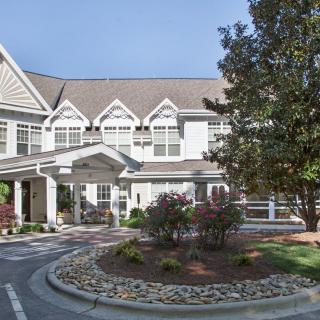

  • Sharon Towers

    Sharon Towers

    Charlotte, NC

    4.3 from 6 reviews
     

    pro Upscale facilities with attentive staff and diverse living options.

  • Sunrise on Providence

    Sunrise on Providence

    Charlotte, NC

    4.1 from 121 reviews
    $4,200 to $5,600 / month

    pro Kind, attentive staff in a clean, engaging environment with strong leadership.

  • Grant Adult Care Home

    Grant Adult Care Home

    Charlotte, NC

     
    $3,450 to $4,500 / month

    pro Competitive pricing for semi-private and private rooms relative to county/state averages.

  • Covenant In Home Care

    Covenant In Home Care

    Charlotte, NC

    4.6 from 18 reviews
     

    pro Reliable scheduling with caring, well-regarded caregivers and an approachable director.

  • Senior Retreat At Lansdowne

    Senior Retreat At Lansdowne

    Charlotte, NC

    3.7 from 43 reviews
     

    pro Small, intimate setting with comprehensive memory care and 24-hour supervision.

  • The Cypress of Charlotte

    The Cypress of Charlotte

    Charlotte, NC

    4.5 from 39 reviews
     

    pro Upscale CCRC with buy-in ownership, spacious well-maintained apartments, and active social programming.

  • Southminster

    Southminster

    Charlotte, NC

    4.4 from 111 reviews
     

    pro Modern, upscale amenities with comprehensive care services.

  • Summit Place of South Park

    Summit Place of South Park

    Charlotte, NC

    4.3 from 133 reviews
    $3,135 to $5,050 / month

    pro Caring staff and engaging activities.

Related Resources

  • assisted living for seniors on social securitySocial Security Benefits and Assisted Living: Navigating Options Across the U.S.

    Assisted living costs often exceed Social Security benefits, necessitating a combination of funding sources like state aid and Medicaid. Understanding the interaction between Social Security programs and available financial support is essential for affording such care.

  • aid and attendance vaAn Extensive Exploration of the VA Aid and Attendance Benefit

    The VA Aid and Attendance benefit provides financial support to veterans needing assistance with daily living due to medical conditions or disabilities, augmenting standard VA pensions for services like in-home care. Eligibility is based on service duration, wartime status, income, and medical needs, with a detailed application process required to access funds for caregiving and home modifications.

  • senior move managementSenior Transition Services: Understanding Their Role, Cost, and Importance
    Senior move management services assist older adults in the relocation process by providing emotional support and organizational help, addressing unique challenges like downsizing and moving from long-term homes. These specialists collaborate with real estate agents and manage logistics, making the transition smoother for seniors and their families.