The Cypress of Charlotte

Save

  • Interior

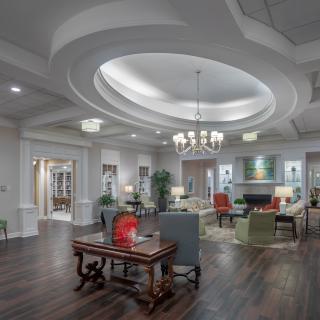
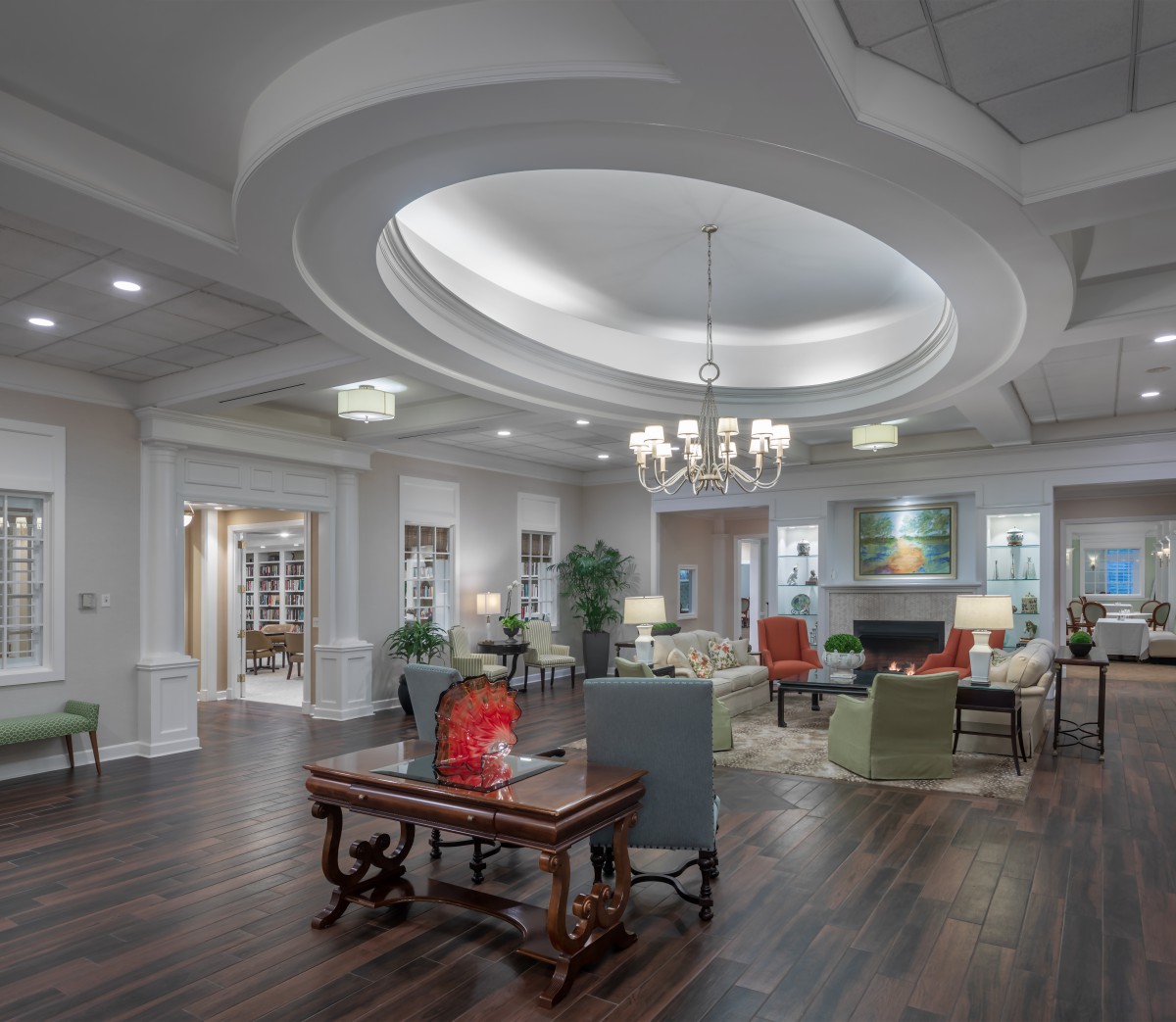
    A modern lobby with elegant furnishings and a central chandelier.
  • Decor

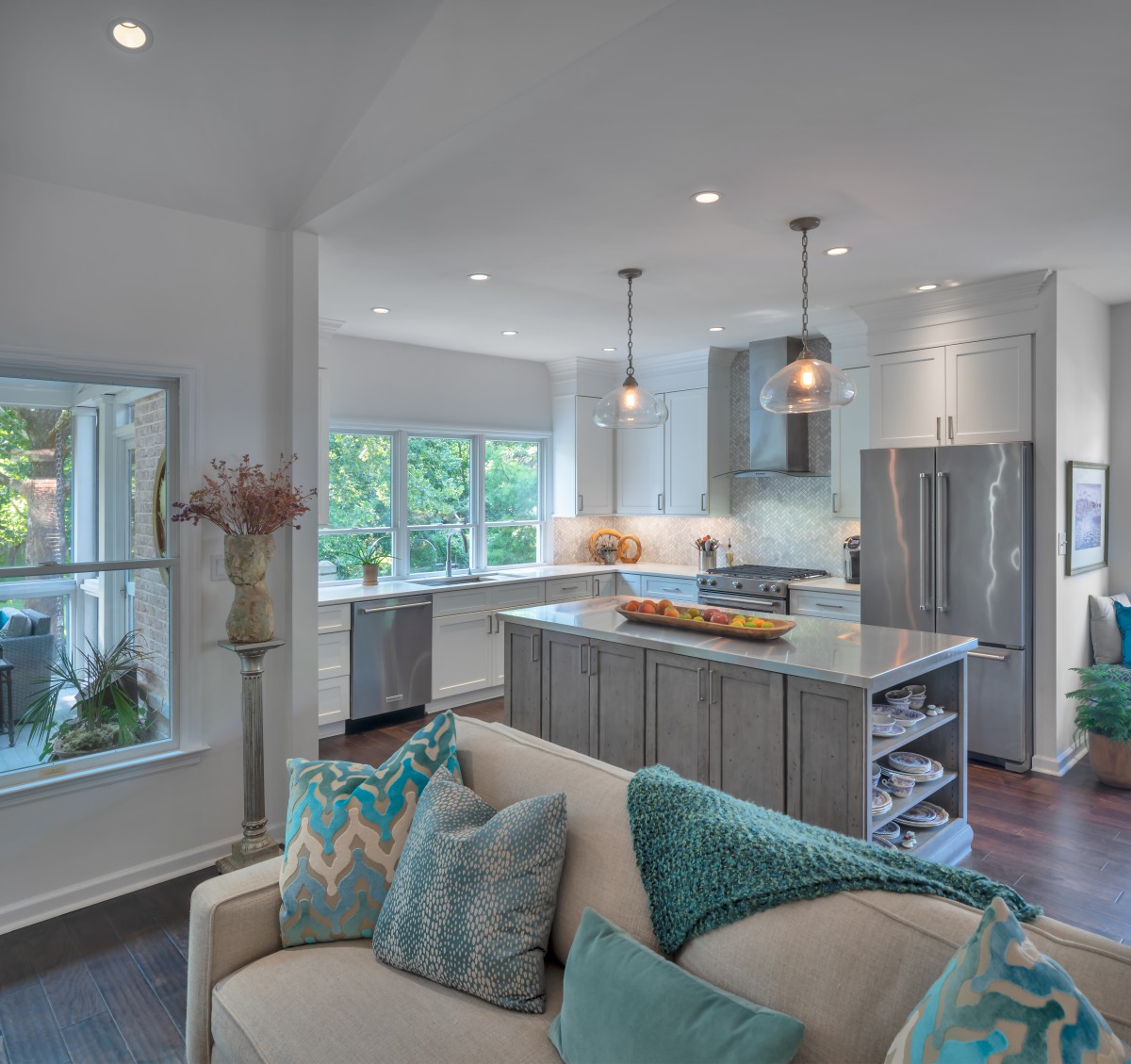
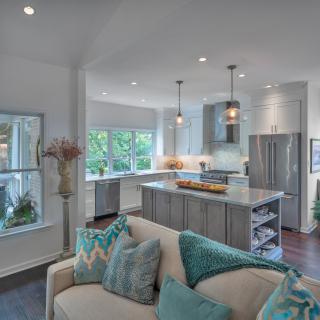
    A modern open-concept kitchen and living area featuring an island counter, pendant lighting, and stainless steel appliances.
  • Building

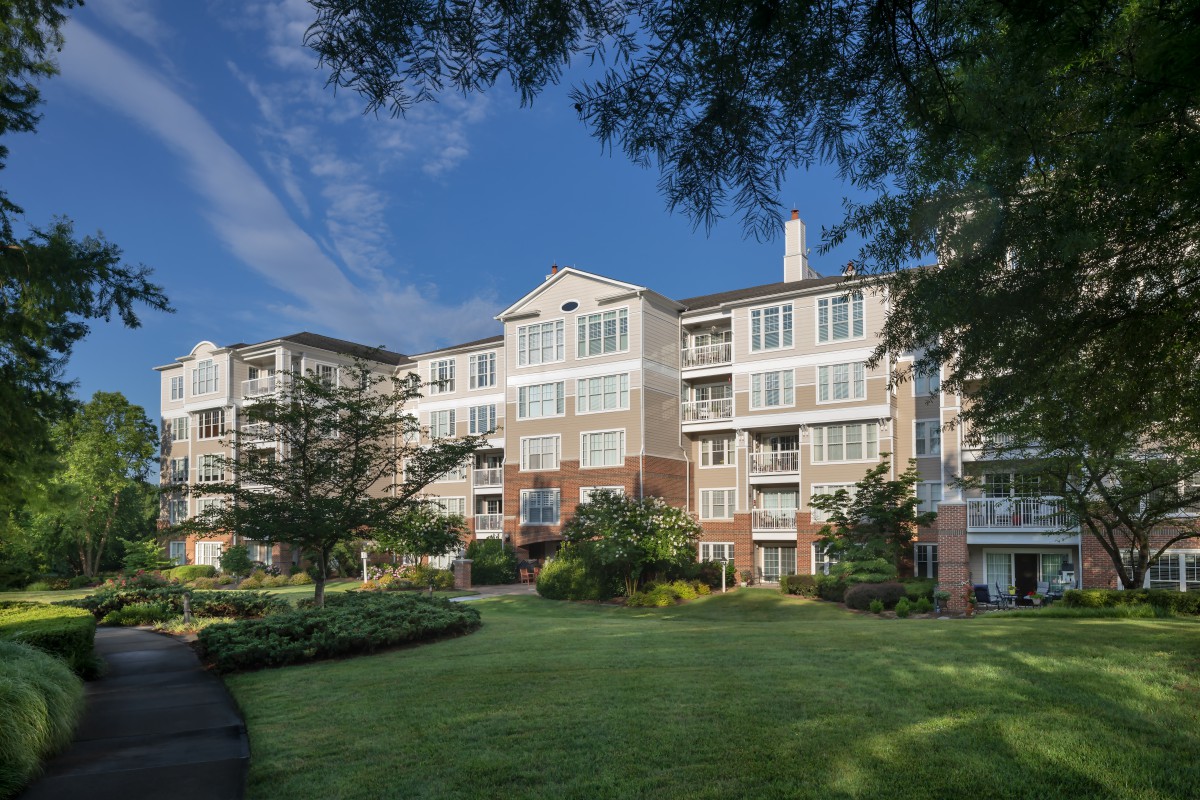
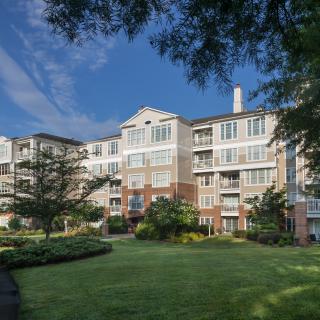
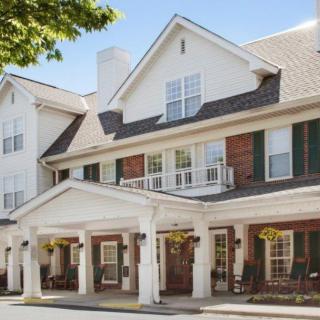
    A residential apartment building with beautifully landscaped gardens and a clear blue sky.
  • Architecture

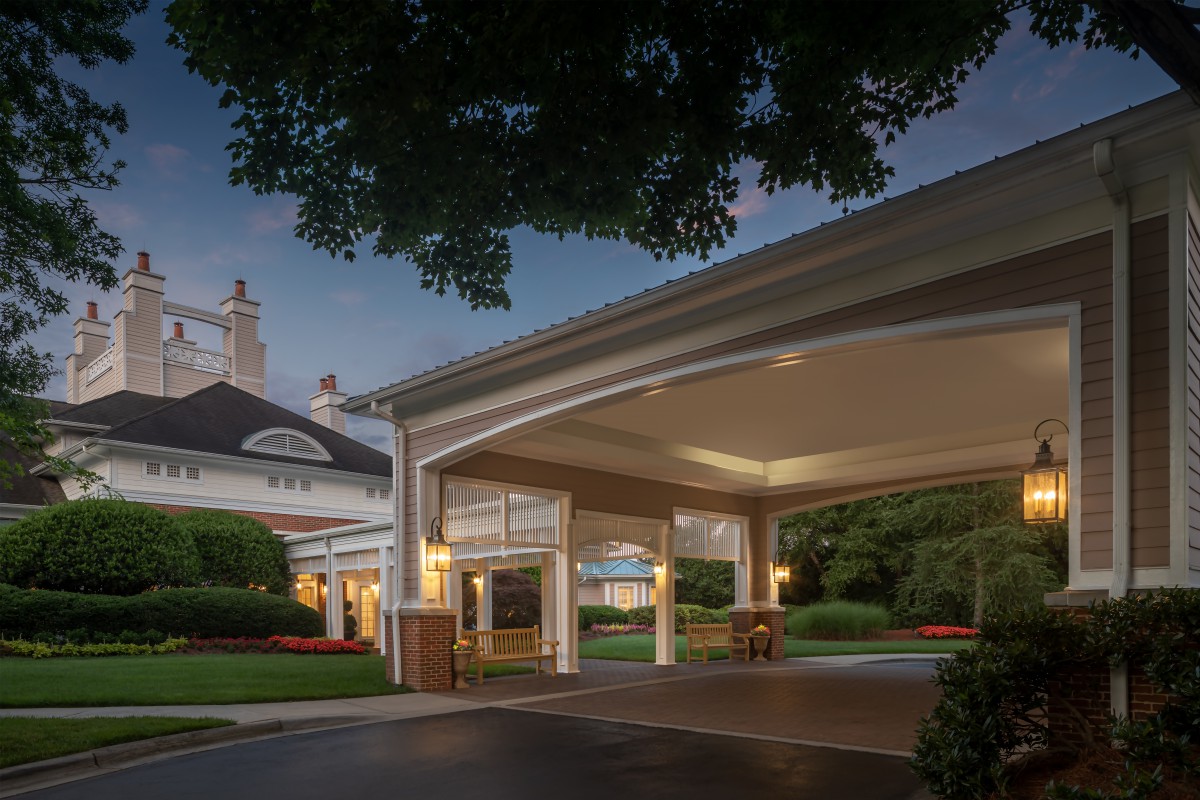
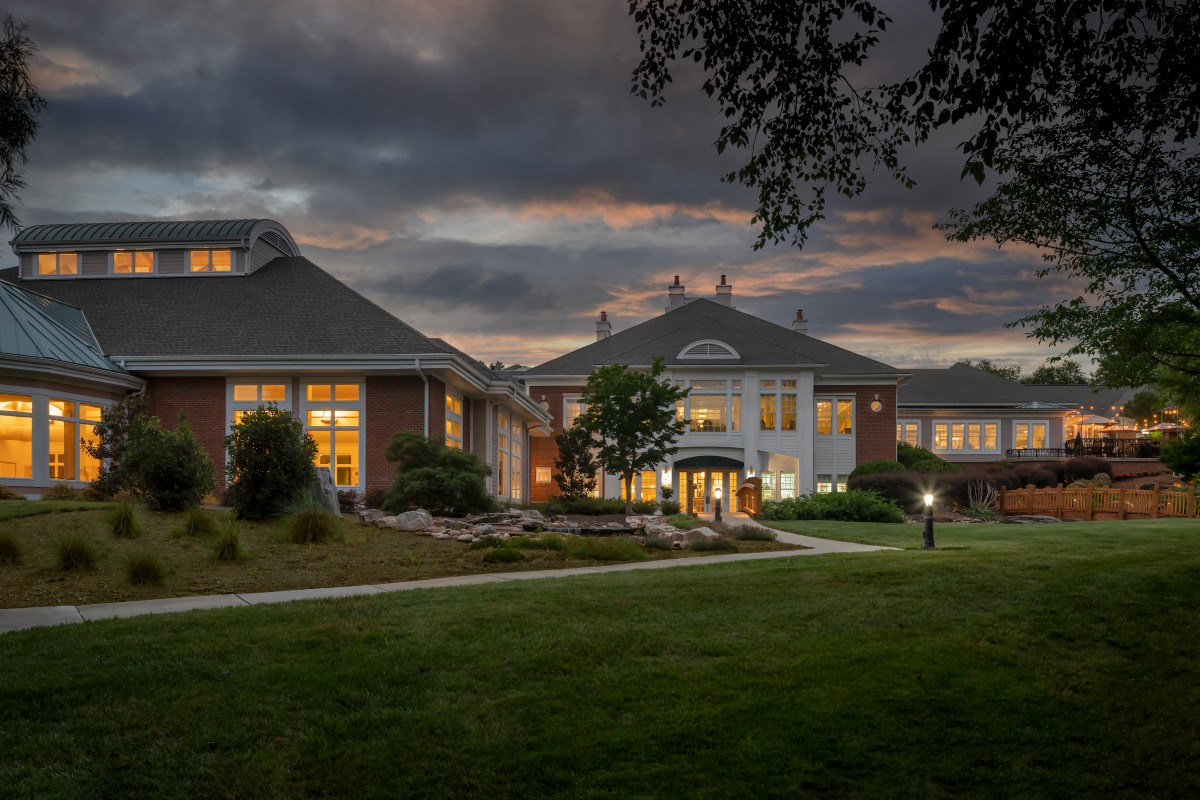
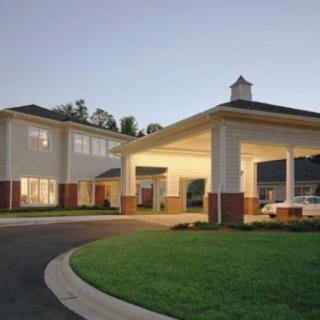
    Illuminated building entrance at dusk with well-maintained landscaping.
  • Landscaping

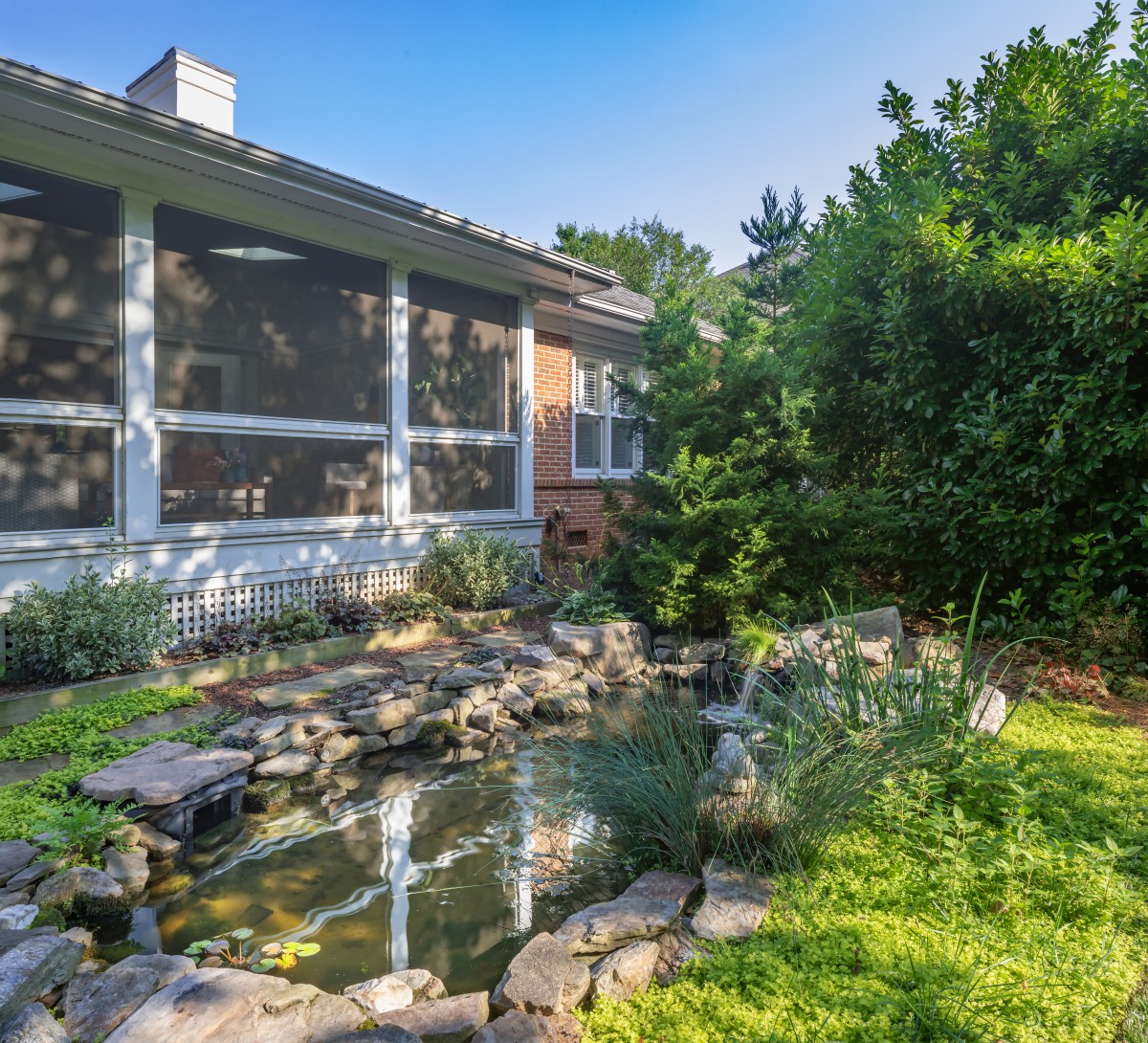
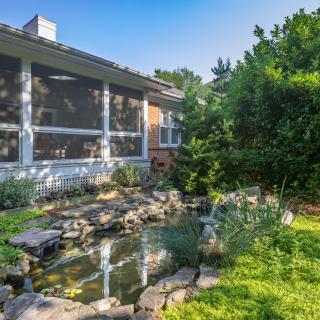
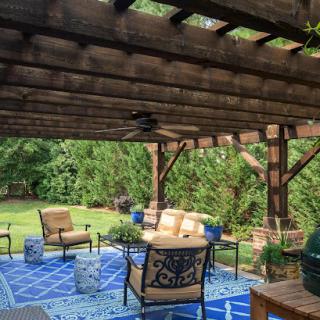
    A serene backyard featuring a pond surrounded by lush greenery and a screened porch on the house.
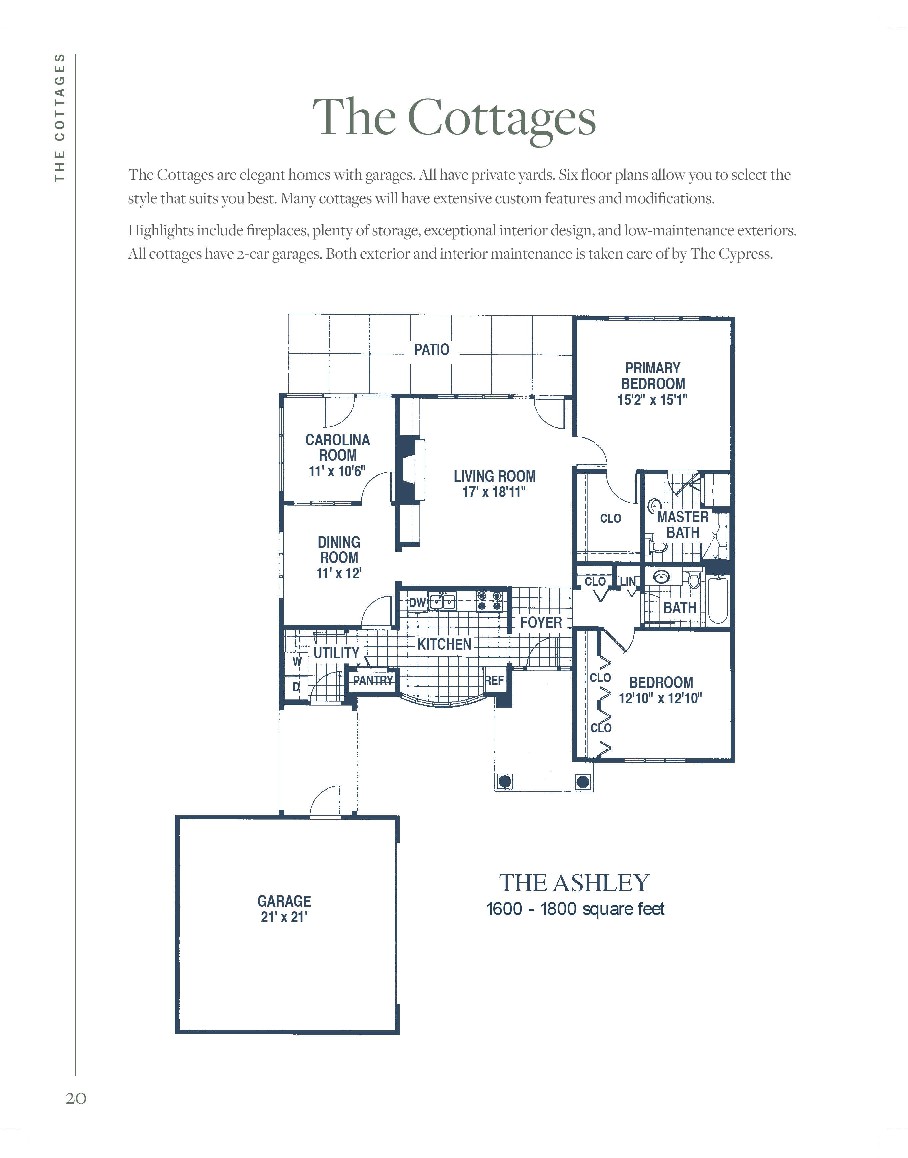
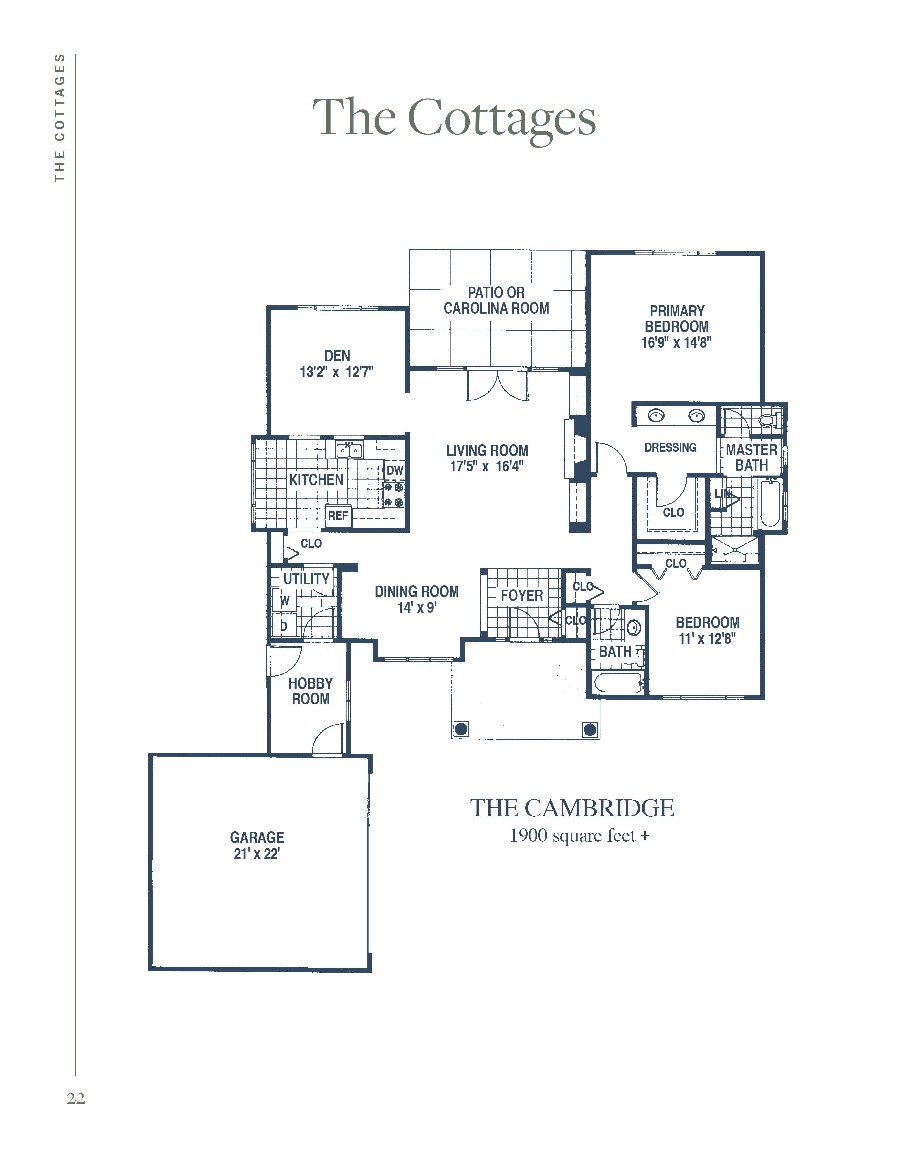
  • Floor Plan

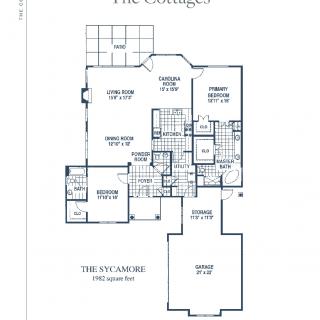
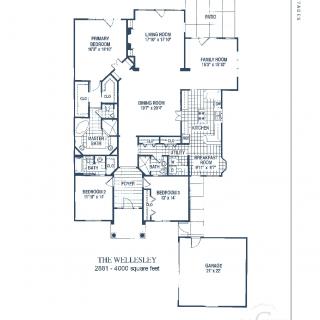
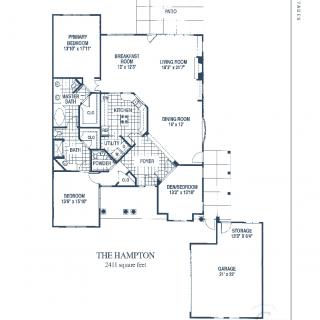
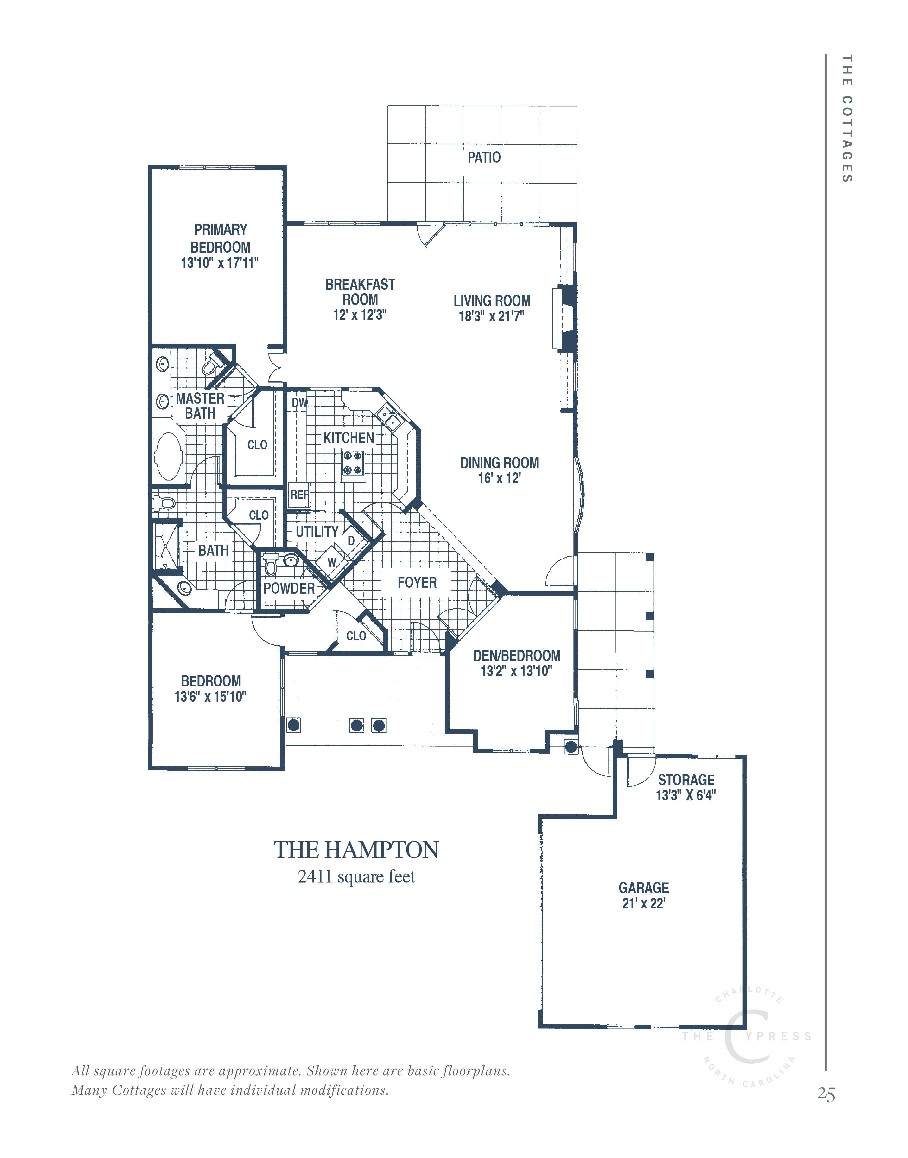
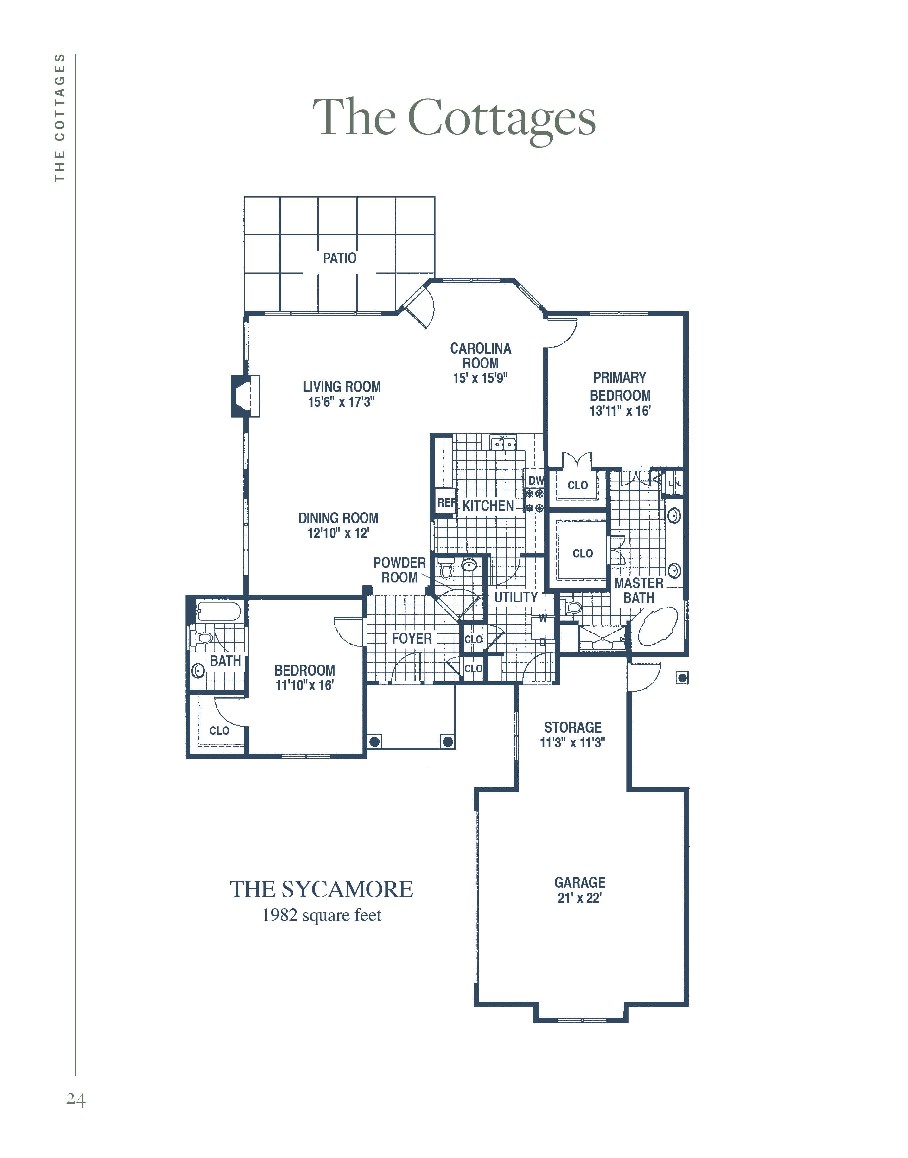
    Architectural floor plan of a residential home.
  • Grass

    A view of a well-lit building at dusk with a cloudy sky backdrop and surrounding green landscape.
  • Home Design

    A detailed floor plan of a residential home, labeled 'The Williams'.
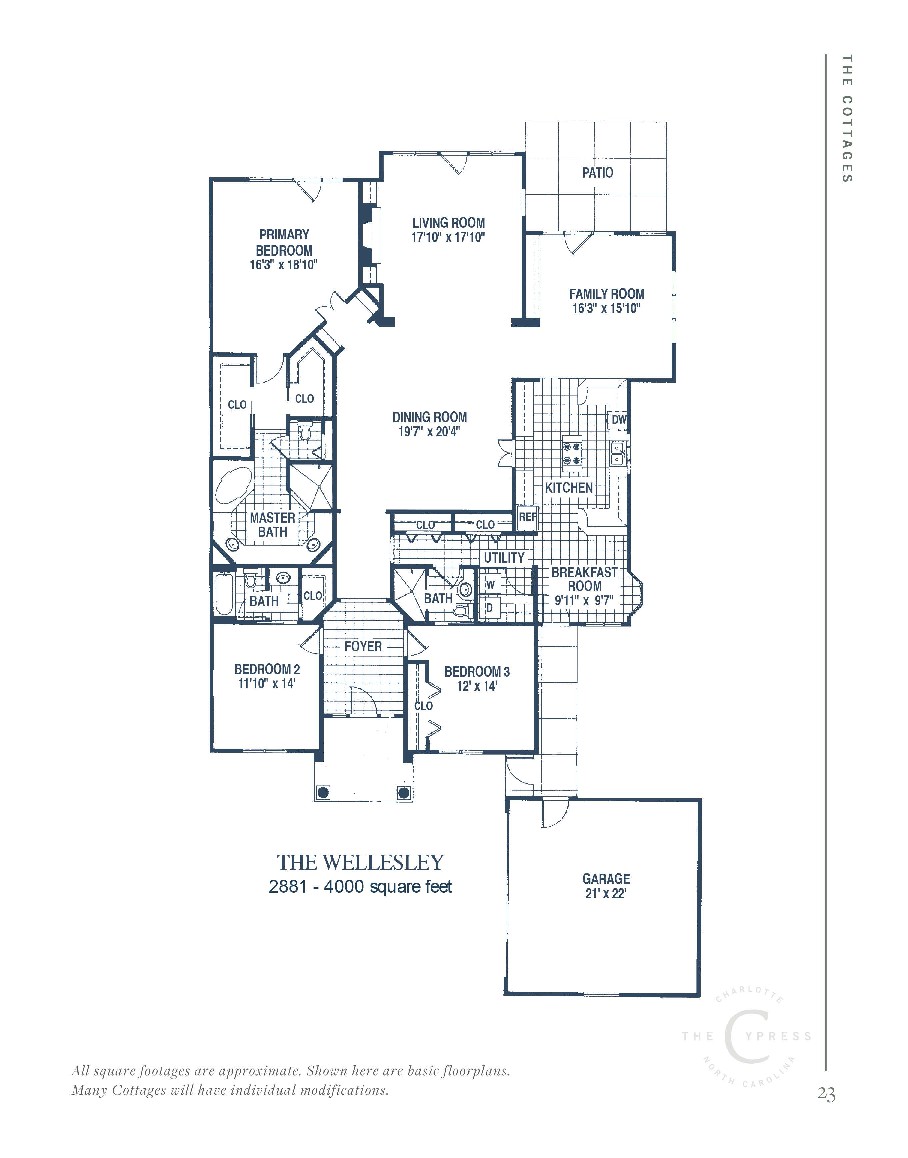
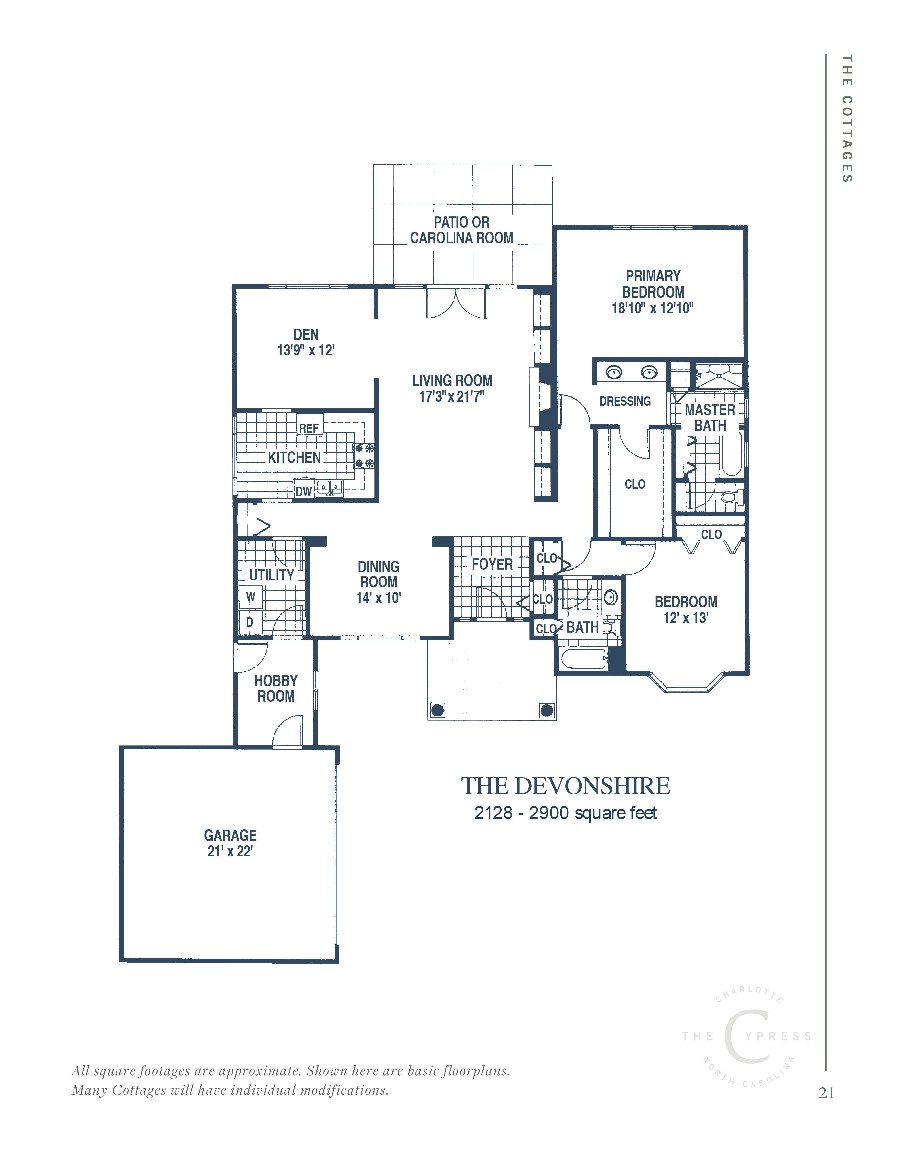
  • Architectural Drawing

    This image is a detailed floor plan of a house, showing the layout and dimensions of various rooms.
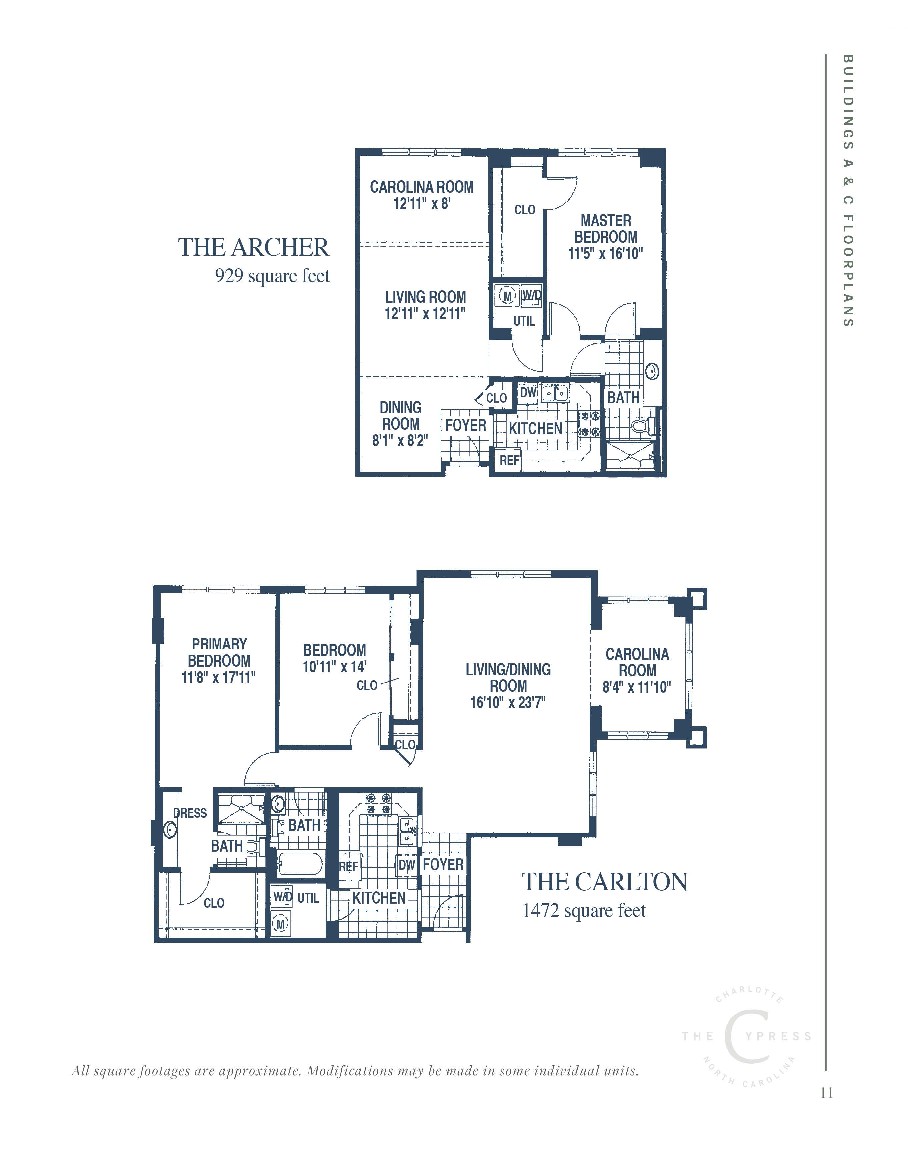
  • Architectural Design

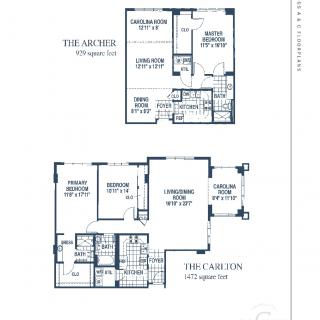
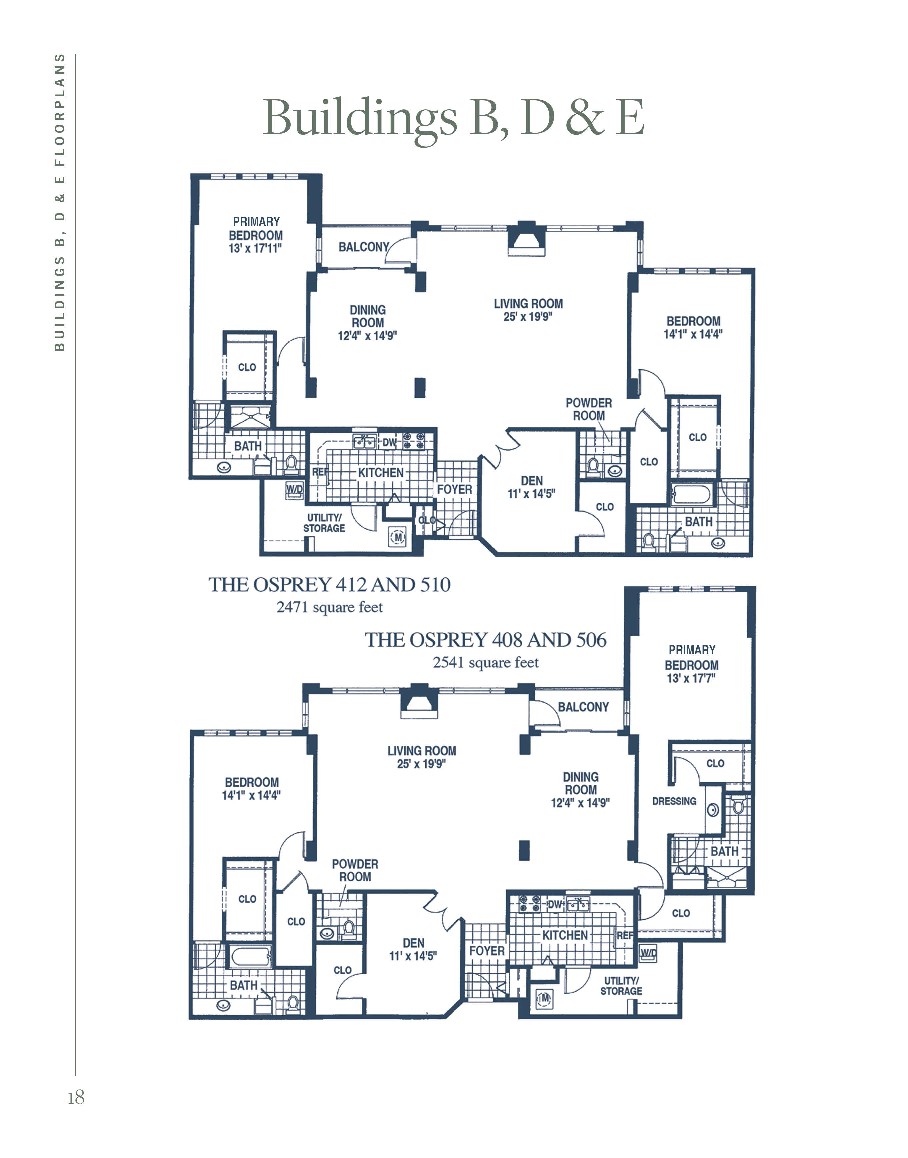
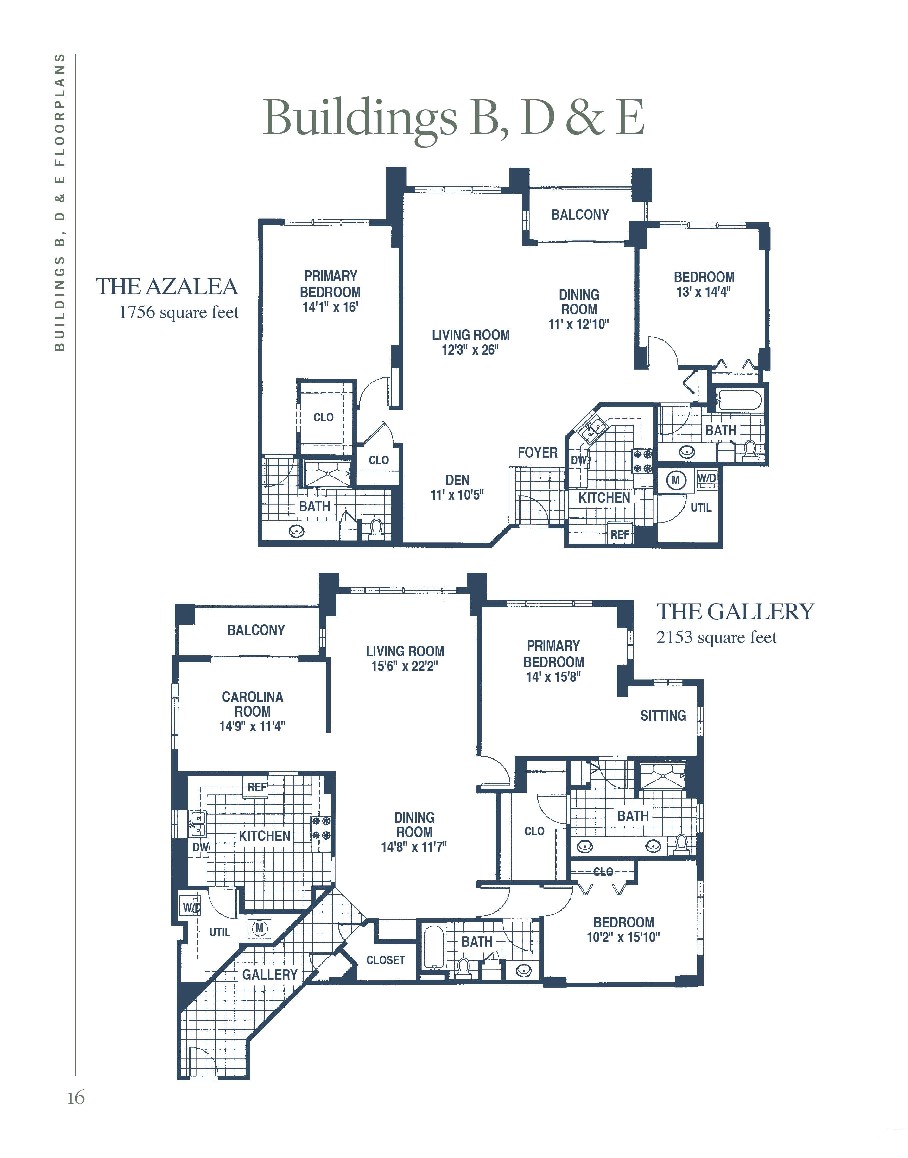
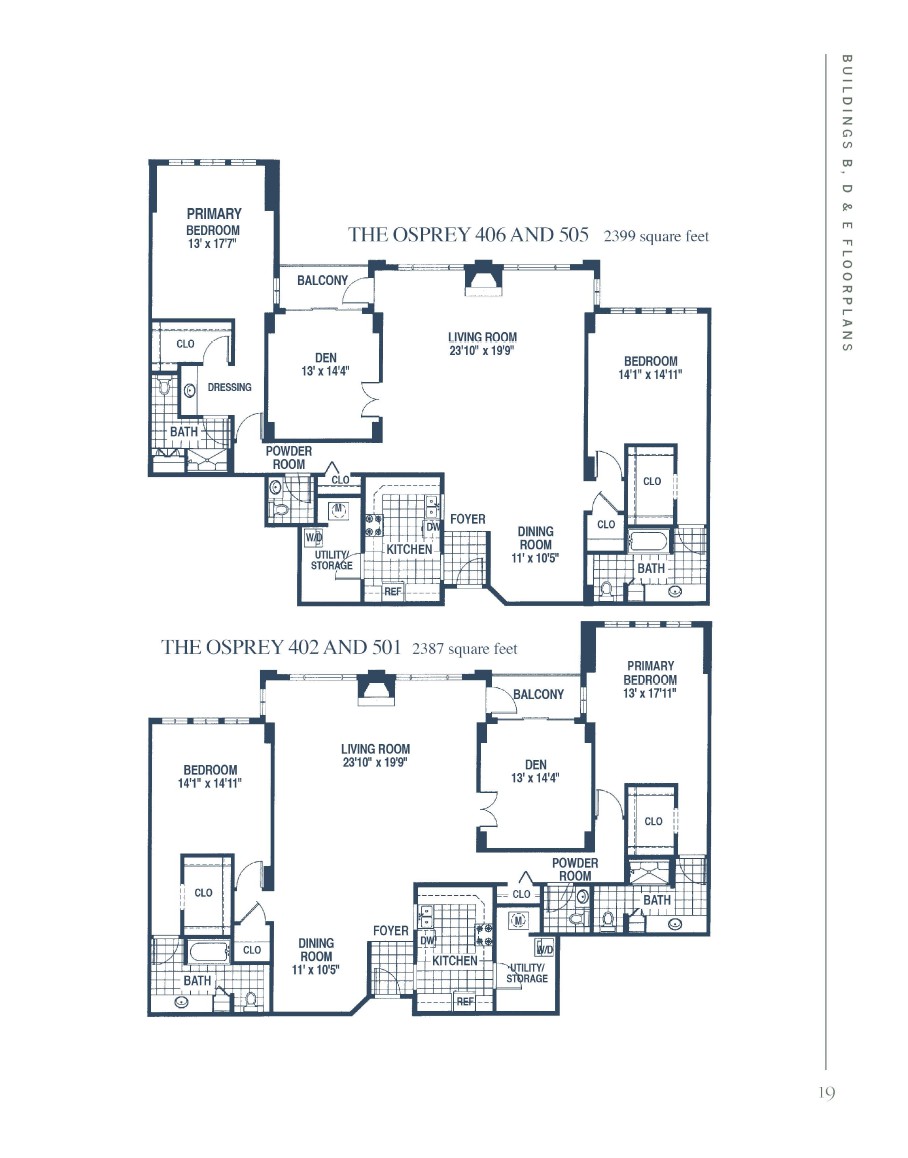
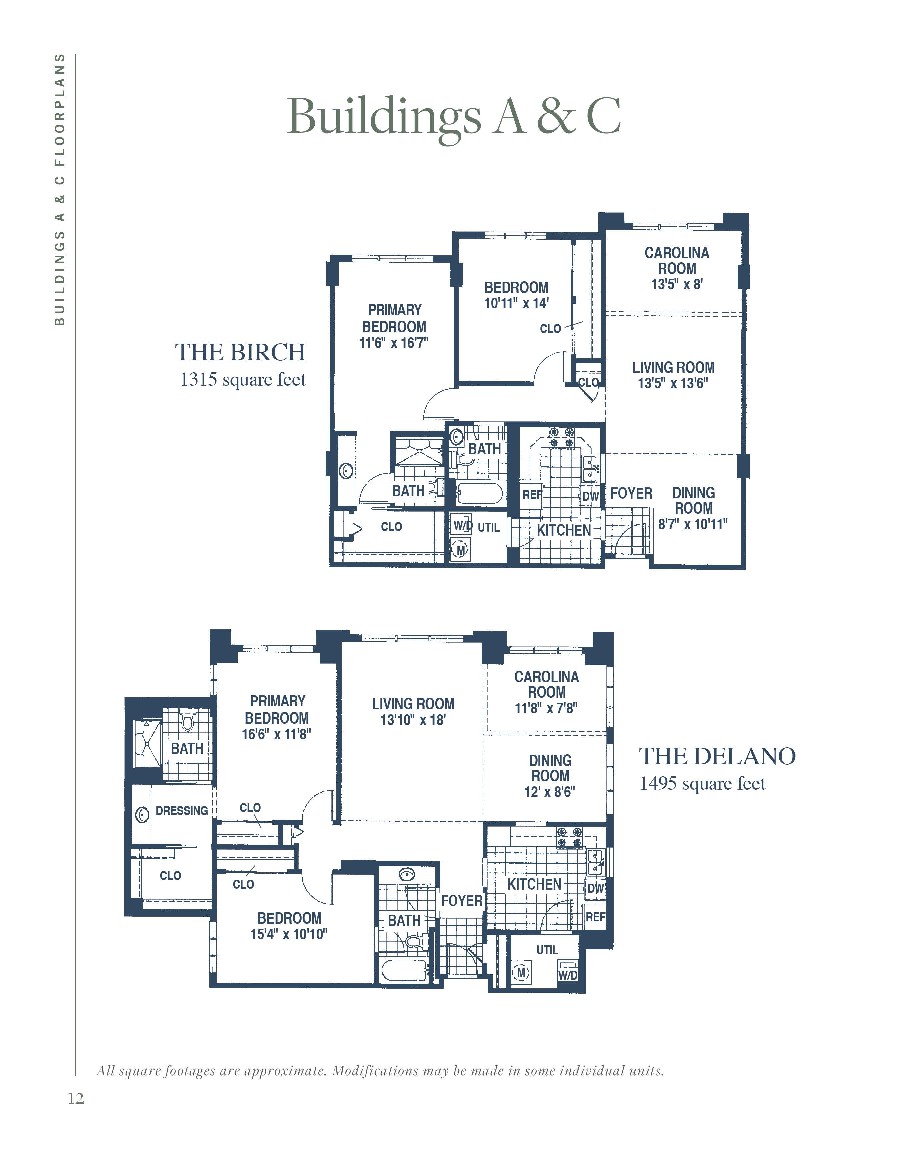
    This image shows floor plans for two different residential layouts, named 'The Archer' and 'The Griffin'.
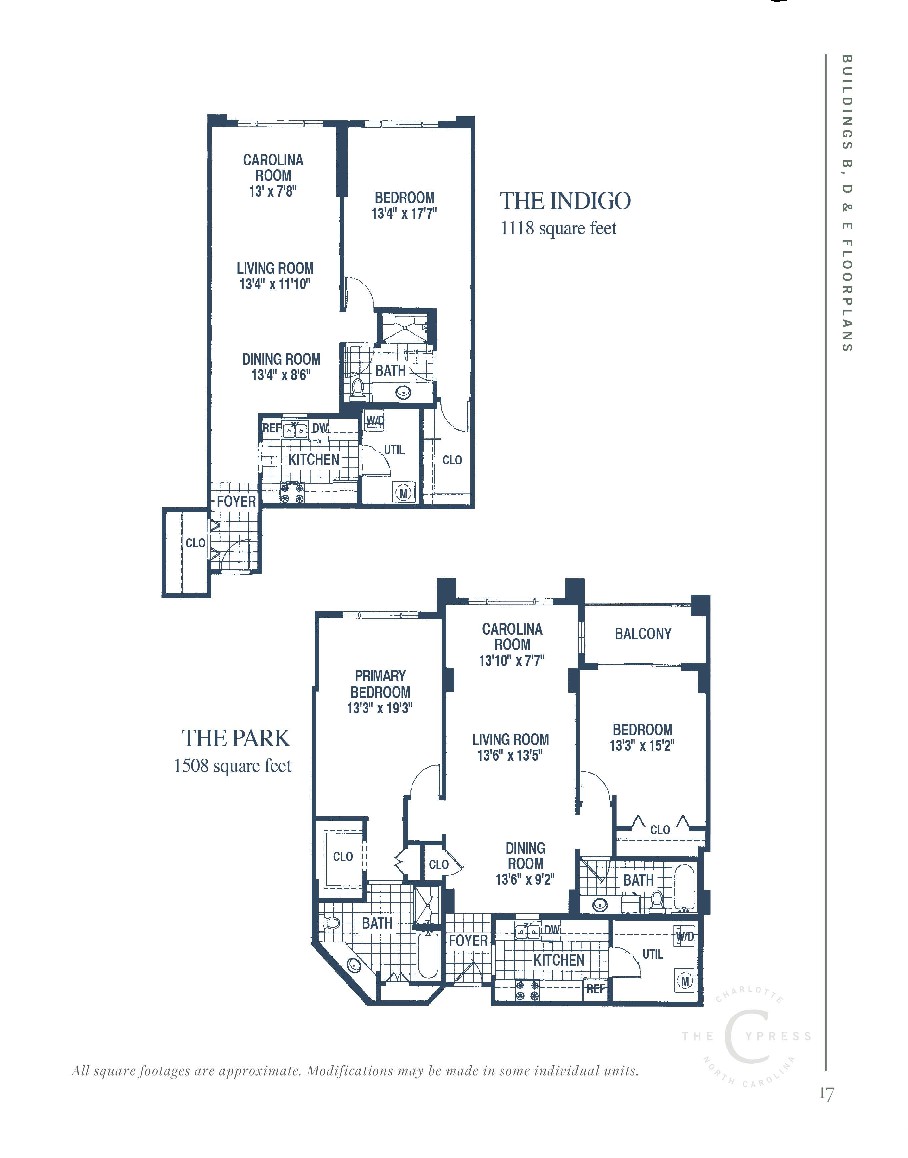
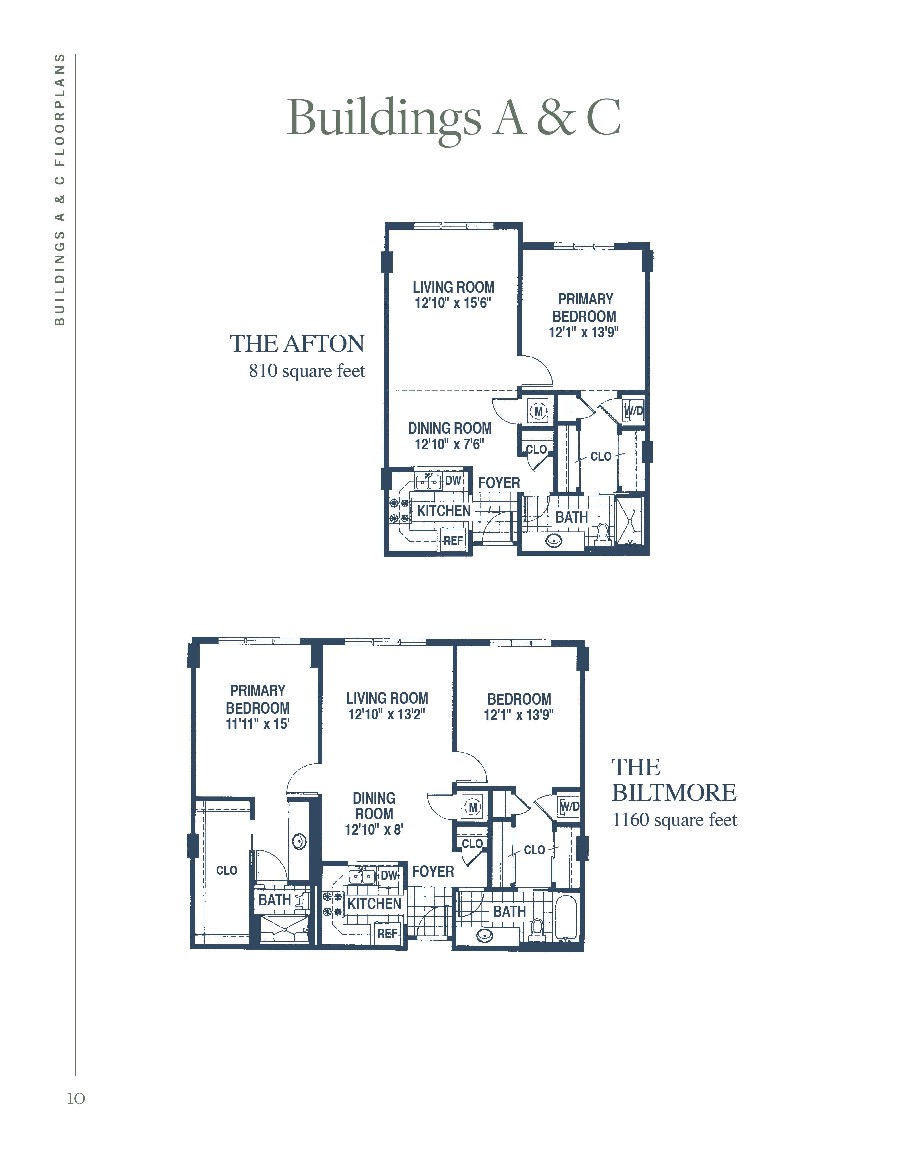
  • Apartment Design

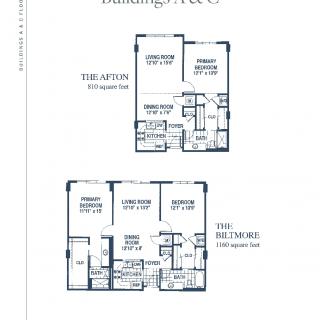
    Floor plans of two different apartment layouts showcasing detailed room arrangements.

The Cypress of Charlotte

3442 CYPRESS CLUB DRIVE, Charlotte, NC 28210

For more information about senior living options: (844) 490-3973

4.5 from 39 reviews
5 stars
31
4 stars
4
3 stars
1
2 stars
0
1 stars
3

Assisted Living Continuing Care Retirement Community (CCRC) Independent Living Memory Care Skilled Nursing Facility

Overall Review of The Cypress of Charlotte

Pros

  • pro The Cypress of Charlotte outshines other retirement communities.
  • pro Sondra Key is amazing in getting people acquainted with the Cypress Community.
  • pro The Cypress is a beautiful place to live, with an amazing, friendly, and supportive staff.
  • pro The villas and cottages are spacious inside and beautifully designed.
  • pro The Cypress is a safe, gated community with security.
  • pro The grounds are immaculate and beautifully landscaped, with a lovely lake for strolls.
  • pro The Cypress offers abundant activities, trips, and fitness options along with excellent dining and gourmet meals.
  • pro The staff is professional, friendly, and attentive, delivering five-star service.

Cons

  • pro The therapy department is a mess and needs to be completely restructured; they are all over the place with treatment and can't give a clear answer on billing.
  • pro Every therapy session had a different provider, making it a waste of time.
  • pro The manager needs to be restrained so she can assist her employees.
  • pro The food tastes terrible and has no flavor.
  • pro The Stewart Center is short on rooms, causing residents to double up.
  • pro The cost is a downside, as it is in a very expensive area of Charlotte.

Review

The Cypress of Charlotte is best suited for seniors who prize a luxury, destination-style retirement experience where independence is the foundation, but with a clear path to more care if needed. The campus lifestyle is designed for residents who want generous, apartment-style living with resort-like amenities, robust dining, and a calendar of social and wellness programs. Ownership-friendly structure adds long-term value through a buy-in that can be recouped when moving to a higher level of care or selling the unit, which provides a measurable financial anchor for families weighing the upfront premium. In short, it is ideal for independent-minded adults who want to lock in a first-rate environment with the security of on-site healthcare options as a future option.

Those who should consider alternatives fall into two camps: budget-conscious buyers who balk at the premium price and upfront buy-in, and families who foresee a near-term need for significant daily assistance. A recurring concern is the absence of a traditional in-house assisted living wing; the community relies on a separate care structure, and waitlist dynamics or capacity constraints at the higher levels of care can complicate transitions. Additionally, the therapy experience is not uniform, since a contracted provider staffs sessions externally; billing clarity and continuity can be uneven, and some residents find the sessions and management of therapy disjointed. For anyone who must see consistent daily help or who dislikes the idea of arranging external therapy, alternatives with integrated assisted living and more predictable caregiver routines warrant serious consideration.

The strongest pros - exceptional dining, outstanding service, and a lively, expansive campus - tightly offset many of the downsides for families willing to invest. Reviews consistently praise a restaurant-caliber dining room, a broad array of menus across venues, and staff that are professional, responsive, and genuinely friendly. The grounds are immaculate, with a lake, walking paths, and plentiful opportunities for exercise, socializing, and excursions. Residents emphasize the sense of safety and community; a gated, well-maintained environment coupled with a full range of on-site conveniences reduces the need to venture far for everyday needs. The healthcare backbone is meaningful too: a Medicare-certified facility on-site supports long-term care and short-term recovery, plus dedicated memory care options, which can provide reassurance as health needs evolve.

Yet the cons do matter, and they must be weighed carefully. The buy-in price is a practical hurdle, with reported unit costs in the high six figures, and some reviewers fear the size of certain apartments is not commensurate with the premium. Taxes on ownership add to the ongoing financial equation, even as the resale aspect promises some recovery. The absence of a fully integrated assisted living enclave means families should plan for a transition pathway, rather than rely on immediate, ready-made in-place care. Food quality, while generally strong in many reviews, is not universal - one family notes flavor concerns - so dining expectations should be validated during tastings and in conversations with current residents. Finally, the therapy division's inconsistencies can translate into real frustration for residents relying on consistent therapeutic momentum and transparent billing.

When weighing the Cypress against these trade-offs, the decision hinges on priorities and timing. If the aim is prestige, comprehensive campus living, and a high-touch social and culinary experience - with the comfort of on-site healthcare options down the line - The Cypress delivers with remarkable clarity. The key offset is the price and the structural gap for immediate assisted living; families should be prepared to accept a transition plan rather than a turnkey AL experience. For those who require predictable daily assistance now, or who must minimize upfront costs, a community with a more integrated AL wing and a lower buy-in will likely serve better. For decision-making, concrete next steps are essential: tour the campus with a checklist focused on apartment size and layout, verify the exact terms of the life-care contract, assess the current and projected wait times at Stewart Center, and sample meals and therapy coordination to gauge consistency of service.

In the end, Cypress stands out as one of Charlotte's most luxurious, well-maintained CCRCs, with a compelling value proposition for long-term planning and social fulfillment. It is a strong recommendation for families prioritizing quality of life, safety, and a vibrant resident community, provided the financial commitment aligns with expectations for care needs that may intensify in the future. For those whose needs are immediate, or whose budget requires more flexibility, it is prudent to explore alternatives that offer in-house assisted living and tighter governance around therapy and ongoing costs. The Cypress remains a premier option, but the decision must align with both present reality and the likelihood of evolving care requirements.

Features

Housing

  • 122 resident community capacity 122 resident community capacity

Types of Care

  • Assisted Living Assisted LivingAssisted living facilities provide crucial support and care for seniors who may need help with daily tasks such as medication management, bathing, and meal preparation. These communities offer a safe and comfortable environment where seniors can maintain their independence while receiving the assistance they need to thrive in their golden years.
  • Continuing Care Retirement Community (CCRC) Continuing Care Retirement Community (CCRC)Continuing Care Retirement Communities (CCRCs) are important for seniors because they provide a range of housing options and care services all in one location. This allows seniors to age in place and receive the level of care they need as their health changes, without having to move to a new facility. CCRCs provide a sense of security and peace of mind for seniors and their families, knowing that they will be taken care of no matter what the future holds.
  • Independent Living Independent LivingIndependent living communities are important for seniors because they offer a safe and supportive environment where older adults can live independently while still having access to amenities and services that enhance their quality of life. These communities provide social opportunities, recreational activities, and assistance with daily tasks, promoting overall well-being and allowing seniors to maintain their independence for as long as possible.
  • Memory Care Memory CareMemory care is crucial for seniors as it provides specialized support and services for individuals with dementia or Alzheimer's disease. These programs offer a safe and secure environment where residents receive personalized care, cognitive stimulation, and help with daily activities. Memory care helps seniors maintain their independence, quality of life, and dignity while also providing peace of mind for their families.
  • Skilled Nursing Facility Skilled Nursing FacilitySkilled Nursing Facilities are crucial for seniors as they provide round-the-clock medical care, rehabilitation services, and assistance with daily activities. These facilities ensure that seniors receive the specialized care they need to maintain their health and well-being as they age.

Amenities

  • Air-conditioning Air-conditioningAir conditioning is important for seniors as they are more vulnerable to heat-related illnesses and may have underlying health conditions that make it difficult for them to regulate their body temperature. It helps to keep them comfortable, safe, and healthy in hot weather.
  • Beauty salon Beauty salonBeauty salons are important for seniors because they provide a space for them to feel pampered, socialize, and maintain their personal grooming and hygiene. Regular visits to a beauty salon can help boost seniors' self-esteem and overall well-being.
  • Cable or satellite TV Cable or satellite TVCable or satellite TV is important for seniors because it provides entertainment, news, and companionship, helping to combat loneliness and boredom. It also offers a wide range of programming options tailored to different interests and preferences.
  • Computer center Computer centerA computer center is essential for seniors as it provides access to technology, communication tools, and resources that can enhance their daily lives. It allows them to stay connected with loved ones, engage in online activities, and learn new skills, ultimately promoting socialization and mental stimulation.
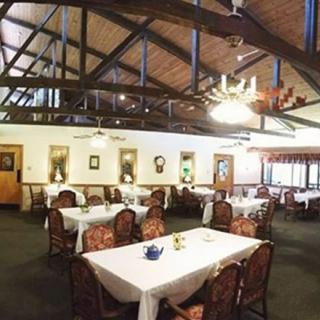
  • Dining room Dining roomDining rooms are important for seniors as they provide a space for socialization, connection, and nutritious meals. They offer opportunities for residents to bond over shared meals, foster a sense of community, and promote healthy eating habits. Dining rooms also ensure that seniors have access to well-balanced meals tailored to their dietary needs and preferences.
  • Fitness room Fitness roomHaving a fitness room in a senior living community is essential for seniors to stay active, maintain their physical health, and improve their overall well-being. Regular exercise can help prevent falls, reduce the risk of chronic diseases, and promote mental sharpness. It also provides social opportunities for residents to connect with others and enjoy a sense of community.
  • Fully furnished Fully furnishedFully furnished senior living communities are important for seniors because they provide convenience, comfort, and a hassle-free moving experience. Seniors can easily settle into their new living space without the stress of having to buy and move furniture. This allows them to focus on enjoying their new home and community.
  • Gaming room Gaming roomGaming rooms are important for seniors as they provide a fun and engaging environment for socializing, cognitive stimulation, and physical activity. Games can improve memory, problem-solving skills, and overall mental well-being while fostering friendships and reducing feelings of isolation.
  • Garden GardenGardens are important for seniors as they provide a peaceful and therapeutic environment for relaxation, physical activity, and socialization. Being in nature has been shown to reduce stress, improve mood, and promote overall well-being. Gardens also offer opportunities for seniors to engage in gardening activities, which can improve mobility, flexibility, and cognitive function. Additionally, gardens create a sense of community and connection with others who share a passion for plants and outdoor spaces.
  • Housekeeping services Housekeeping servicesHousekeeping services are important for seniors because they help maintain a clean and safe living environment, promote independence, and reduce the risk of accidents or illnesses. Additionally, having assistance with household chores can alleviate physical strain and allow seniors to focus on other aspects of their well-being.
  • Kitchenette KitchenetteKitchenettes are important for seniors living in senior living communities because they provide the convenience and independence of being able to prepare simple meals and snacks in the comfort of their own living space. This can help promote a sense of autonomy and well-being for seniors, allowing them to maintain some level of control over their dietary choices and daily routines.
  • Move-in coordination Move-in coordinationMove-in coordination is important for seniors because it helps ease the transition into their new living environment. It ensures that all logistics, such as packing, organizing movers, and setting up utilities are taken care of, allowing seniors to focus on settling in and adjusting to their new home. Having a smooth move-in process can alleviate stress and anxiety, making the transition smoother and more enjoyable for seniors.
  • Outdoor space Outdoor spaceOutdoor spaces are important for seniors as they provide opportunities for physical activity, social interaction, exposure to natural light and fresh air, and a sense of connection to nature. Having access to outdoor spaces can improve overall well-being and quality of life for older adults living in senior communities.
  • Private bathrooms Private bathroomsPrivate bathrooms are important for seniors in senior living communities because they provide independence, dignity, and comfort. Having a private bathroom allows seniors to maintain their personal hygiene routines without the need for assistance, promoting a sense of autonomy and privacy. Additionally, private bathrooms help prevent the spread of infections and provide a safe and clean environment for seniors to navigate safely.
  • Restaurant-style dining Restaurant-style diningRestaurant-style dining is important for seniors because it allows them to enjoy delicious, nutritious meals in a social and upscale setting. This enhances their dining experience, promotes healthy eating habits, and fosters socialization with fellow residents, ultimately contributing to their overall well-being and quality of life.
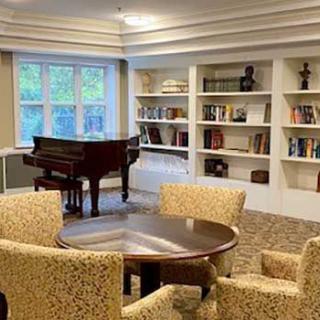
  • Small library Small librarySmall libraries are important for seniors as they provide access to a variety of reading materials, including books, newspapers, and magazines. This can help stimulate their minds, keep them engaged, and provide a sense of community through book clubs and other social activities. Additionally, reading has been shown to improve cognitive function and overall mental well-being in older adults.
  • Spa SpaSpas are important for seniors because they provide relaxation, stress relief, and therapeutic benefits which can improve their overall well-being and quality of life. Additionally, spa treatments such as massages, hydrotherapy, and aromatherapy can help alleviate common age-related ailments such as arthritis, joint pain, and circulation issues. Seniors deserve to enjoy a pampering experience that promotes physical and emotional wellness.
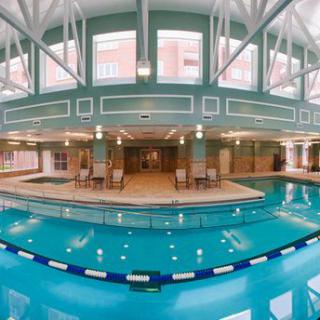
  • Swimming pool Swimming poolSwimming pools are important for seniors as they provide a low-impact form of exercise that can improve cardiovascular health, increase muscle strength and flexibility, and help maintain mental well-being. Additionally, swimming can relieve joint pain and stiffness associated with conditions such as arthritis, making it an ideal activity for older adults looking to stay active and healthy.
  • Telephone TelephoneTelephones are important for seniors as they provide a lifeline for communication with loved ones, emergency services, and healthcare providers. They offer a sense of security and independence, enabling seniors to stay connected and access assistance when needed.
  • Wellness center Wellness centerWellness centers are important for seniors because they offer a variety of programs and services that promote physical, mental, and emotional well-being. These centers provide opportunities for exercise, socialization, education, and relaxation, helping seniors maintain their overall health and quality of life.
  • Wi-Fi/high-speed internet available Wi-Fi/high-speed internet availableWi-Fi/high-speed internet is important for seniors to stay connected with loved ones, access online resources, and participate in virtual activities to combat feelings of loneliness and isolation. It also allows them to easily manage healthcare needs, access entertainment, and engage in lifelong learning opportunities.

Transportation

  • Charlotte Douglas International (8 miles away) Charlotte Douglas International (8 miles away)
  • Community operated transportation Community operated transportationCommunity operated transportation is crucial for seniors as it provides them with the means to access essential services, social activities, and medical appointments. It allows seniors to maintain their independence and quality of life by ensuring they can participate in activities outside of their homes. Additionally, community-operated transportation services offer a safe and reliable way for seniors to travel without having to rely on family or friends for assistance.
  • Transportation arrangement Transportation arrangementTransportation arrangements are crucial for seniors as they may face challenges with driving, mobility, or access to public transportation. Having reliable transportation services ensures that seniors can easily attend appointments, social activities, and maintain their independence and quality of life.
  • Transportation arrangement (non-medical) Transportation arrangement (non-medical)Transportation arrangements are essential for seniors as they provide access to essential services, activities, and social interactions outside the home. This service helps maintain independence, mobility, and overall well-being for seniors who may have limited transportation options.

Care Services

  • 24-hour call system 24-hour call system24-hour call systems are important for seniors because they provide peace of mind and immediate assistance in case of emergencies. This technology ensures that help is always available, promoting safety and security for elderly individuals living alone or in assisted living facilities.
  • 24-hour supervision 24-hour supervision24-hour supervision is important for seniors to ensure their safety, well-being, and access to immediate assistance in case of emergencies or health issues. This constant support provides peace of mind for both seniors and their loved ones, allowing them to age in place with dignity and security.
  • Activities of daily living assistance Activities of daily living assistanceActivities of daily living assistance are important for seniors because they provide essential support with tasks such as eating, bathing, dressing, and mobility. This assistance helps seniors maintain their independence, dignity, and overall quality of life as they age.
  • Assistance with bathing Assistance with bathingAssistance with bathing is crucial for seniors as it helps maintain personal hygiene, prevents infections, and ensures their overall well-being and comfort. It also provides a sense of dignity and independence for seniors who may struggle with this task on their own.
  • Assistance with dressing Assistance with dressingAssistance with dressing is important for seniors because it helps maintain their independence, promotes personal hygiene, prevents accidents and injuries, and improves overall quality of life. This service ensures that seniors can continue to dress comfortably and confidently, despite any physical limitations they may have.
  • Assistance with transfers Assistance with transfersAssistance with transfers is crucial for seniors as it helps prevent falls and injuries, maintains their independence, and ensures they can safely navigate their living environment. It also provides peace of mind for both seniors and their loved ones.
  • Coordination with health care providers Coordination with health care providersCoordination with health care providers is crucial for seniors to ensure proper medical care, medication management, and overall well-being. This collaboration helps prevent overlapping treatments, track progress more effectively, and provide comprehensive support tailored to individual needs.
  • Dementia waiver Dementia waiverDementia waivers are essential for seniors as they provide critical protections and accommodations for those experiencing cognitive decline. These waivers ensure individuals with dementia receive appropriate care, support, and resources to maintain their quality of life and dignity as they navigate the challenges of this progressive condition.
  • Diabetes diet Diabetes dietA diabetes diet is crucial for seniors as it helps manage blood sugar levels, reduce risks of complications, and improve overall health and well-being. By following a balanced and nutritious diet tailored to their specific needs, seniors can better control their diabetes and enhance their quality of life.
  • Hospice waiver Hospice waiverHospice waivers are important for seniors because they allow individuals to receive specialized end-of-life care and support at home or in a hospice facility. This waiver ensures that seniors can access the necessary resources and services to maintain comfort and dignity during their final days.
  • Meal preparation and service Meal preparation and serviceMeal preparation and service are crucial for seniors as they may have limited mobility or energy to cook nutritious meals. Having access to healthy and convenient food options can ensure they are getting the proper nutrition needed to maintain their overall health and well-being.
  • Medication management Medication managementMedication management is crucial for seniors to ensure they are taking the right medications at the correct dosages and times. This helps prevent adverse drug interactions, reduces the risk of medication errors, and promotes overall health and well-being. Proactive management also allows for adjustments as needed based on changing health conditions or new prescriptions.
  • Mental wellness program Mental wellness programMental wellness programs are essential for seniors as they promote cognitive stimulation, emotional support, and social engagement. These programs help prevent isolation, depression, and cognitive decline, ultimately enhancing the overall quality of life for older adults.
  • Special dietary restrictions Special dietary restrictionsSpecial dietary restrictions are important for seniors because age-related changes in metabolism and health conditions can make it difficult for their bodies to process certain foods. By following a diet tailored to their specific needs, seniors can maintain their overall health and well-being, manage chronic conditions, and reduce the risk of complications such as malnutrition or food interactions with medications.
  • Specialized memory care programming Specialized memory care programmingSpecialized memory care programming is crucial for seniors with cognitive impairments such as dementia or Alzheimer's disease. These programs provide a safe and supportive environment tailored to the unique needs of individuals with memory loss, helping them maintain their independence, dignity, and quality of life.
  • Transportation arrangement (medical) Transportation arrangement (medical)Transportation arrangements for medical purposes are essential for seniors as they may have difficulty driving themselves to appointments or accessing public transportation. Having reliable and safe transportation options ensures that seniors can receive timely medical care and maintain their health and well-being.
  • Transportation to doctors appointments Transportation to doctors appointmentsTransportation to doctors' appointments is crucial for seniors as it ensures they have access to necessary medical care and support for their health needs. Without reliable transportation, seniors may struggle to attend important appointments, leading to potential delays in treatment and health complications. Providing transportation services helps seniors maintain their overall well-being and quality of life.

Dining

  • Diabetes diet Diabetes dietA diabetes diet is crucial for seniors as it helps manage blood sugar levels, reduce risks of complications, and improve overall health and well-being. By following a balanced and nutritious diet tailored to their specific needs, seniors can better control their diabetes and enhance their quality of life.
  • Special dietary restrictions Special dietary restrictionsSpecial dietary restrictions are important for seniors because age-related changes in metabolism and health conditions can make it difficult for their bodies to process certain foods. By following a diet tailored to their specific needs, seniors can maintain their overall health and well-being, manage chronic conditions, and reduce the risk of complications such as malnutrition or food interactions with medications.

Activities

  • Community-sponsored activities Community-sponsored activitiesCommunity-sponsored activities are important for seniors as they provide opportunities for social interaction, mental stimulation, and physical activity. These activities can help improve overall well-being, combat loneliness and isolation, and promote a sense of belonging and purpose among older adults.
  • Concierge services Concierge servicesConcierge services are essential for seniors as they provide assistance with daily tasks and errands, enhance their quality of life by offering convenience and personalized care, and promote a sense of safety and security.
  • Fitness programs Fitness programsFitness programs are crucial for seniors as they help improve strength, flexibility, balance, and overall well-being. Staying active can reduce the risk of chronic diseases, improve mental health, and enhance quality of life in older adults.
  • Planned day trips Planned day tripsPlanned day trips are important for seniors because they offer opportunities for socialization, mental stimulation, and physical activity. They provide a change of scenery and help seniors stay engaged and connected to their community, promoting overall well-being and quality of life.
  • Resident-run activities Resident-run activitiesResident-run activities are important for seniors as they encourage social interaction, creativity, and a sense of autonomy. These activities empower seniors to stay engaged and active in their community while fostering meaningful connections with their peers.
  • Scheduled daily activities Scheduled daily activitiesScheduled daily activities are important for seniors because they provide structure, socialization, mental stimulation, and physical activity. Engaging in regular activities can improve overall well-being and quality of life for seniors living in a community setting.

Description

The Cypress of Charlotte in Charlotte, NC is a premier senior living community that offers a range of care options to cater to the unique needs of its residents. As a Continuing Care Retirement Community (CCRC), it provides Independent Living, Memory Care, and Skilled Nursing Facility services all under one roof.

Residents at The Cypress of Charlotte will enjoy a wide array of amenities designed to enhance their daily lives. These amenities include a beauty salon for convenient hair and beauty services, cable or satellite TV for entertainment options, community-operated transportation for ease of mobility, and a well-equipped computer center to stay connected with loved ones. The dining room offers restaurant-style dining with delicious meals prepared by professional chefs, while the fitness room and wellness center provide opportunities for residents to engage in exercise programs for physical well-being. Additionally, there are various recreational spaces such as gaming rooms, gardens, outdoor areas, small libraries, spas, and swimming pools where residents can relax and socialize.

The assisted living community ensures that the residents receive round-the-clock supervision and assistance with activities of daily living such as bathing, dressing, and transfers. Coordination with healthcare providers guarantees comprehensive healthcare management and continuity of care. Specialized memory care programming is available for individuals with dementia-related conditions. Medication management services are provided to ensure proper administration of medications. Meal preparation and service take into account special dietary restrictions such as diabetes diets.

Residents can partake in an array of activities specially curated by the community including concierge services for personalized assistance and fitness programs to promote an active lifestyle. Planned day trips allow residents to explore nearby attractions while resident-run activities foster a sense of community engagement. Scheduled daily activities ensure that there is always something fun happening around the community.

For convenience and accessibility, The Cypress of Charlotte boasts proximity to various cafes, parks, pharmacies, physicians' offices, restaurants, places of worship, theaters nearby. This ensures that residents have easy access to essential services and entertainment options.

The Cypress of Charlotte is a warm and inviting senior living community that provides exceptional care, amenities, and services to its residents. With a focus on maintaining independence and enhancing overall well-being, it is an ideal choice for seniors looking for a vibrant community to call home.

Nearby Places of Interest

Places of Worship

  • Sharon Baptist Church (0.6 miles)
  • St Gabriels Catholic Church (3.4 miles)
  • Calvary Church (4.1 miles)
  • Covenant Presbyterian Church (5.4 miles)
  • St John's Baptist Church (5.6 miles)
  • Carmel Baptist Church (5.7 miles)
  • First Baptist Of Charlotte: Family Life Center (5.9 miles)

Physicians

  • Novant Health Imaging Southpark (1.3 miles)
  • OrthoCarolina South Park (1.6 miles)
  • Dr Richard A. Dougherty (3 miles)
  • Carmel Family Physicians (3.1 miles)
  • Carolinas Healthcare System Pulmonary Care-Pineville (3.2 miles)
  • Pineville Pediatrics (3.2 miles)
  • Carolina Sinus Centers - Charlotte (3.4 miles)

Cafes

  • Starbucks (1.3 miles)
  • Starbucks (3 miles)
  • Starbucks (3.4 miles)
  • Jeni's Splendid Ice Creams (5.2 miles)
  • Starbucks (5.6 miles)
  • Starbucks (5.6 miles)
  • Villanis Bakery (6 miles)

Restaurants

  • McDonald's (1.4 miles)
  • Reid's Fine Foods (1.5 miles)
  • The Cheesecake Factory (1.6 miles)
  • Chick-Fil-A (2.5 miles)
  • McDonald's (2.6 miles)
  • Amelie's French Bakery - Park Road (2.6 miles)
  • Park Place Restaurant (3.1 miles)

Pharmacies

  • Walgreens (1.8 miles)
  • CVS Pharmacy (2.9 miles)
  • Walgreens (3.1 miles)
  • Walgreens (3.3 miles)
  • Walgreens (4 miles)
  • Walgreens (4.3 miles)
  • Walmart Pharmacy (4.6 miles)

Theaters

  • AMC Carolina Pavilion 22 (2.3 miles)
  • Regal Stonecrest at Piper Glen 4DX, IMAX & RPX (5.4 miles)

Hospitals

  • Carolinas Medical Center-Pineville (3.2 miles)

Parks

  • Sedgefield Neighborhood Park (4.4 miles)
  • Little Sugar Creek Greenway (5.6 miles)
  • Romare Bearden Park (6.3 miles)
  • First Ward Park (6.4 miles)
  • South Point Business Park (6.5 miles)
  • Fourth Ward Park (6.6 miles)
  • Blakney Park (7.1 miles)

Transportation

  • American Airlines (7.2 miles)
  • Roush Air (7.2 miles)

Frequently Asked Questions

Where is The Cypress of Charlotte?
Does The Cypress of Charlotte provide care for residents with dementia or Alzheimer's disease?
What photos are available for The Cypress of Charlotte in Charlotte, North Carolina?

Nearby Communities

  • The Cypress At Charlotte

    The Cypress At Charlotte

    Charlotte, NC

    4.2 from 36 reviews
    $4,045 to $5,350 / month

    pro Spacious standalone cottages with strong amenities and quality meals.

  • The Stewart Health Center

    The Stewart Health Center

    Charlotte, NC

    4.3 from 8 reviews
     

    pro Clean, cheerful environment with attentive staff, spacious rooms, excellent meals, and engaging activities.

  • Covenant In Home Care

    Covenant In Home Care

    Charlotte, NC

    4.6 from 18 reviews
     

    pro Reliable scheduling with caring, well-regarded caregivers and an approachable director.

  • The Ivey- Adult Day Services

    The Ivey- Adult Day Services

    Charlotte, NC

    4.8 from 31 reviews
    $3,500 to $4,500 / month

    pro Specialized memory-care programs with compassionate staff.

  • Sharon Towers

    Sharon Towers

    Charlotte, NC

    4.3 from 6 reviews
     

    pro Upscale facilities with attentive staff and diverse living options.

  • Brighton Gardens Of Charlotte

    Brighton Gardens Of Charlotte

    Charlotte, NC

    3.9 from 98 reviews
    $4,100 to $5,900 / month

    pro Caring, responsive staff and engaging activities in a well-appointed setting.

  • Southminster

    Southminster

    Charlotte, NC

    4.4 from 111 reviews
     

    pro Modern, upscale amenities with comprehensive care services.

  • Carmel Hills

    Carmel Hills

    Charlotte, NC

    4.6 from 23 reviews
    $2,402 / month

    pro Dedicated staff and a supportive, close-knit community.

  • Summit Place of South Park

    Summit Place of South Park

    Charlotte, NC

    4.3 from 133 reviews
    $3,135 to $5,050 / month

    pro Caring staff and engaging activities.

Related Resources

  • how to talk to someone with dementiaHow to Communicate with a Loved One Living with Dementia: 10 Supportive Strategies

    The article outlines effective communication strategies for interacting with loved ones with dementia, highlighting the need for empathy, patience, and understanding while emphasizing supportive approaches like using simple language, minimizing distractions, and focusing on feelings over facts to maintain dignity and foster connection. It also suggests seeking professional guidance when needed as communication challenges evolve.

  • va nursing homeComprehensive Guide to VA Nursing Homes: A Crucial Long-Term Care Resource for Veterans

    VA nursing homes, or Community Living Centers (CLCs), offer tailored long-term care for veterans, featuring medical attention and rehabilitation in a supportive environment. The guide covers facility types, eligibility criteria, financial assistance options, quality of care standards, and alternatives to full-time nursing home placement.

  • in home dementia care costsEstimating the Expenses of At-Home Dementia Care: A Detailed Exploration
    At-home dementia care expenses vary widely based on care levels, location, and caregiver expertise, with monthly costs for home health aides exceeding $4,500 and specialized care potentially surpassing $100,000 annually. While families favor in-home care for its comfort and personalized attention, they must consider financial planning and the challenges of caregiver fatigue.