
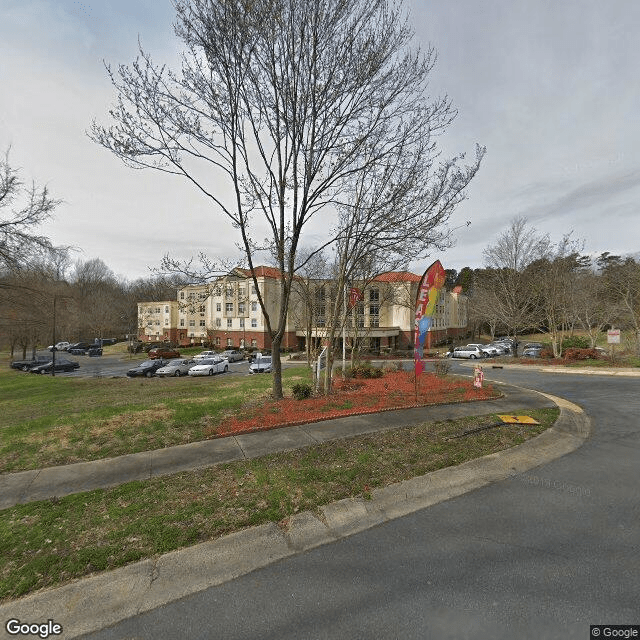
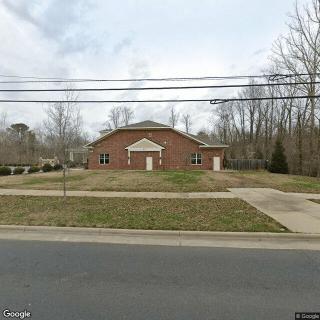
6130 Pineburr Rd., Charlotte, NC 28211
To contact a resident: (704) 336-8895
For more information about senior living options: (866) 208-4318
Overall Review of McAlpine Terrace
Pros
 Her mother loves her neighbors.
- The building is in a quiet location.
- There is a gathering space on every floor.
- There is a laundry room on every floor.
- It is a senior living facility for those 55 years and older.
- The residents have plenty of scheduled activities, such as movie nights, shopping trips, and a breakfast club.
- Most residents love it.
- Her mother is happy and healthy because of this place and the people who look after her.
Cons
 The building is described as full of a black mood, roaches, and trash everywhere.
- Central air conditioning is not available, despite mentions on some websites.
- Housekeeping is inconsistent and changes often.
- Maintenance patches are not done well.
- Renovations appear superficial, aiming for cosmetic updates rather than fixing underlying issues, with hopes for a new roof instead of proper repairs.
- Leaks are widespread, including inside some 4th-floor apartments, yet those units are still rented.
- Management is not welcoming; office hours are not followed and callbacks are rare.
- There are multiple residents living in a single 1-bedroom unit, sometimes up to six.
- Black mold is reported in all units and on the air conditioning; bed bugs are common; tenants are getting sick.
Review
McAlpine Terrace in Charlotte is best suited for independent seniors who want a sociable, built-in community environment and who prize daily opportunities to connect with neighbors. The strongest appeal centers on a 55-plus atmosphere where residents look out for one another, a quiet location, and tangible social infrastructure: gathering spaces on every floor, laundry facilities on each level, and a steady slate of activities, movie nights, shopping excursions, breakfast clubs, that help structure the day and foster camaraderie. For seniors who value routine, companionship, and a measure of safety from a close-knit peer group, this property can feel like a welcoming home.
That said, families should explicitly consider alternatives if health, cleanliness, and reliable management are non-negotiables. Several red flags recur in the resident and family reviews: persistent concerns about pests (mold, bed bugs, roaches), leaks, and overall sanitation; maintenance described as patchy rather than systematic; and renovations focused on cosmetic updates rather than addressing underlying infrastructure. Management access and responsiveness also appear uneven, with published office hours not consistently honored and callbacks not routinely returned. Non-lease residents living in units, as reported, adds an additional layer of occupancy ambiguity that can complicate oversight and safety assurances.
On the upside, the social framework can compensate significantly for many residents. The 55-plus designation contributes to a calmer, more predictable environment, and the sense of neighborly support is repeatedly cited as a core strength. The floor-by-floor gathering spaces and the presence of on-site laundry reduce daily friction, while a core calendar of activities gives structure to the week and keeps residents engaged. For families, that level of community can translate into peace of mind about a loved one’s social well-being and daily routines, which often proves more valuable than a pristine apartment when long-term happiness is the goal.
The drawbacks, however, are substantial enough to tilt the risk-reward calculation. Reports of black mold around units and air conditioning components raise legitimate health concerns, especially for seniors with respiratory sensitivities. Bed bugs, if persistent, disrupt sleep and comfort and can undermine confidence in a residence’s overall cleanliness. Trash overflow and rodent-friendly conditions around exterior spaces compound health worries and diminish the sense of well-being. The combination of ongoing plumbing leaks, visible renovation spillovers, and a governance pattern that some families perceive as reactive rather than proactive makes it hard to trust that issues will be resolved promptly or comprehensively.
Pros may offset the negatives for a narrowly defined audience: seniors who prize social engagement, low-cost living relative to other options, and a willingness to live with maintenance quirks in exchange for a close community. The daily human element, the neighbors who look out for one another and a robust array of activities, can be a powerful antidote to loneliness and a reason to stay long-term. But for anyone with chronic health needs, allergy concerns, or a priority on consistently clean, well-maintained surroundings and responsive management, the drawbacks quickly overwhelm the upside. The overall value proposition hinges on tolerance for ongoing upkeep challenges and the acceptance that health and cleanliness standards may fluctuate.
For decision-makers, the practical path is clear. If McAlpine Terrace is on the short list, conduct a disciplined on-site assessment that goes beyond surface impressions: inspect multiple units for mold and pest indicators, demand documentation of an enhanced pest-control plan and a remediation timeline, and observe whether maintenance requests are acknowledged and resolved with transparency. Verify the reliability of office communication by requesting a written point of contact and a guaranteed response window. If these assurances cannot be secured, or if cleanliness and proactive management are non-negotiable, seriously weigh alternatives, other senior residences or 55-plus communities with stronger pest control, cleaner interiors, and more consistent governance. The best choice will be the option that aligns social connectedness and independence with dependable upkeep and clear, accountable leadership.
 Active Adult Communities (55+)
 Charlotte Douglas International (11 miles away)




 9 Stimulating Memory Activities for Seniors: Puzzles, Cards, and Much More
 Managing Nursing Home Expenses After Medicare Coverage Ends
 Is a Geriatric Care Manager the Right Choice for Your Family?