Overall Review of Sunset Nursing And Rehabilitation Center
common48 reviews mention this
Staff care and responsiveness stand out
Residents and families repeatedly describe staff as helpful, courteous, and attentive.
Across the reviews, families frequently say staff were kind, professional, and easy to work with during both rehab stays and visits. Many comments highlight personal attention, like staff greeting residents, checking in, and responding to requests. Even where reviews raise problems, several still describe the staff they encountered as caring and supportive.
common12 reviews mention this
Therapy support gets praise
Residents describe attentive therapy that helps them make progress.
Rehab-focused reviews commonly mention therapy teams being engaged with patients and responsive to their needs. Several families describe sessions that helped residents get moving again or make noticeable progress. A few reviews place rehab among the main reasons for choosing or recommending the facility, even when other concerns are mentioned.
caveat16 reviews mention this
Cleanliness is mixed
Cleanliness reviews include both positive impressions and odor-related concerns.
Some visitors and families say the facility felt clean and well kept, with rooms and common areas described positively. Others report strong odor and dirty conditions, including urine- and soil-laundry-related complaints, and describe situations that made visits unpleasant. Taken together, the cleanliness experience varies by reviewer, with odor and hygiene issues showing up as recurring criticisms.
common5 reviews mention this
Activities and community engagement
Residents and visitors describe regular activities that help fill the day.
A handful of reviews mention time spent in activity areas and community events, including moments like an activity room visit and planned gatherings. Some reviews also talk about special events and scheduled group activities while residents are there. This aligns with the facility’s on-site activities programming and day-to-day calendar mentioned in amenity listings.
caveat7 reviews mention this
Understaffing hurts care for some
Some reviewers say staffing levels were too low for the care needs.
Several critical reviews point to being short-handed or understaffed, with claims that basic support was delayed or missed. These reviews also describe hygiene-related problems, such as residents left in soiled conditions and concerns about bathing frequency. One reviewer also frames the issue as affecting day-to-day help and activity support, not just customer service.
How we summarize
Counts show how many written reviews mention each theme; a review can touch several themes, and only frequently mentioned themes are displayed.
The comprehensive features offered at Sunset Nursing And Rehabilitation Center are designed to create a supportive environment for residents with dementia or Alzheimer's disease. The 24-hour supervision ensures that residents receive continuous care and immediate assistance when needed, fostering a sense of safety and security. Activities of daily living assistance--including help with bathing, dressing, and transfers--empowers individuals to maintain their dignity while receiving necessary support tailored to their specific needs. Meal preparation and service are optimized to accommodate dietary requirements and preferences, promoting nutrition and overall well-being. Medication management plays a crucial role in adhering to prescribed health regimens, minimizing confusion around dosages or schedules. Finally, the mental wellness program provides engaging activities and therapeutic interventions aimed at enhancing cognitive function and emotional health, creating opportunities for social interaction and mental stimulation while addressing the unique challenges faced by those with memory impairments.
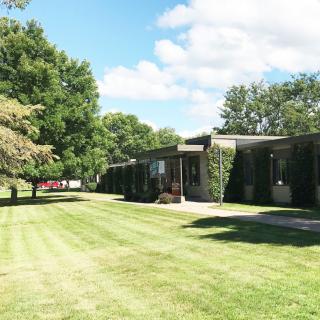
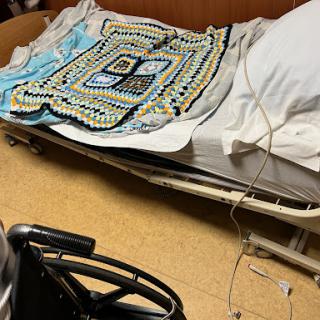
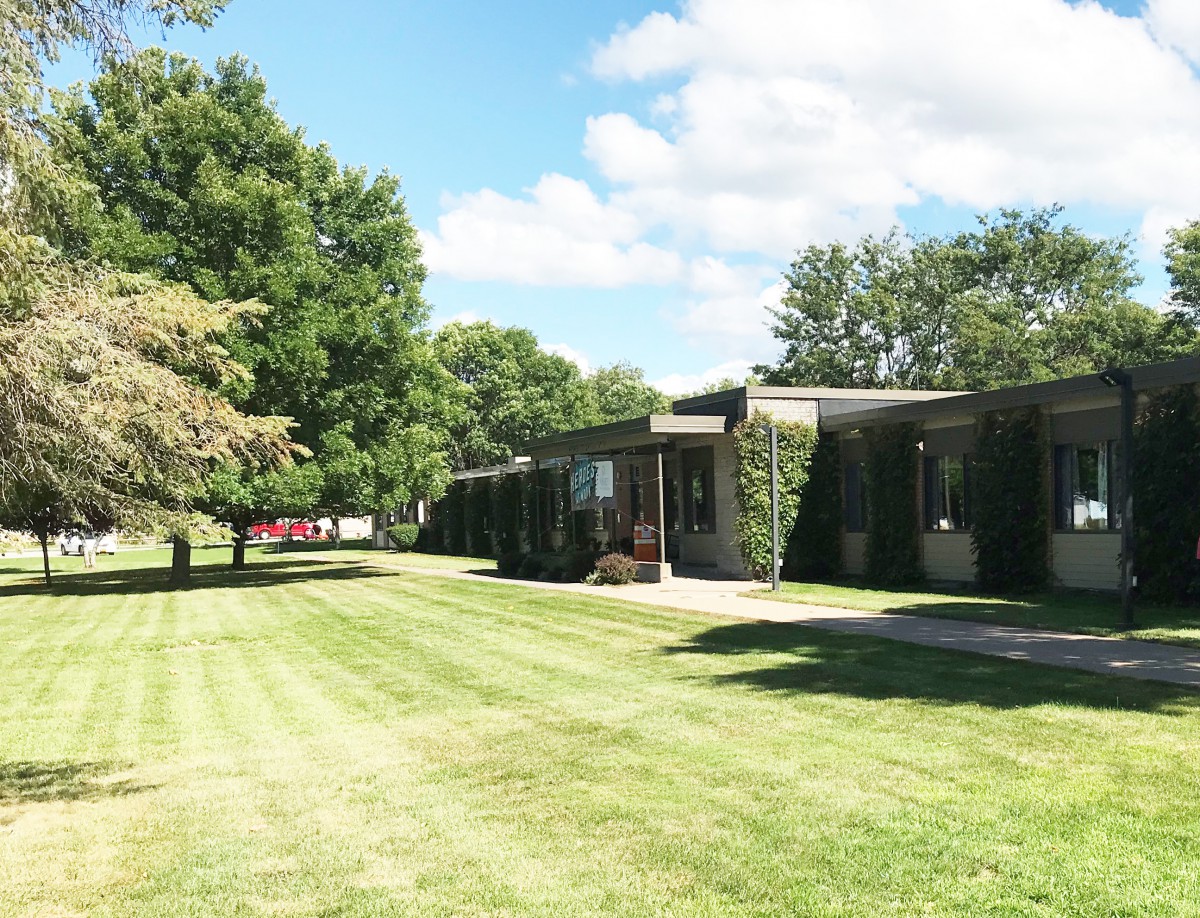
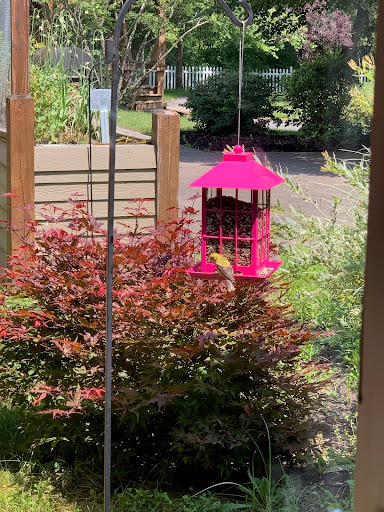
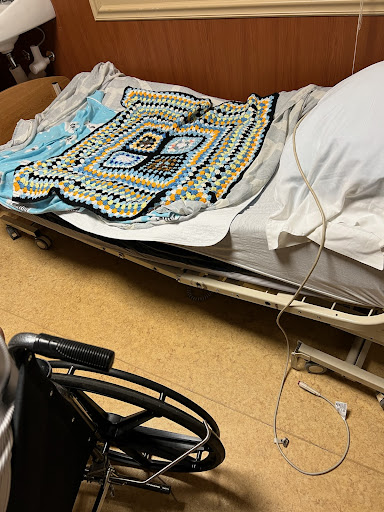
Sunset Nursing And Rehabilitation Center on seniors.fyi includes 4 photos including images showing outdoor, bedroom, wheelchair, building, landscaping, trees, clouds, outdoors, and more.
Nearby Communities
Valehaven Home For Adults
Boonville, NY
Peaceful Boonville location with a nearby park, pharmacies, four physicians nearby, plus dining options and places of worship.
The Terrace At Woodland
Rome, NY
4 from 12 reviews
$2,980 to $3,800 / month
Beautifully decorated rooms with a pleasant environment and dedicated staff.
Bethany Gardens Skilled Living Center
Rome, NY
3.4 from 61 reviews
Caring staff and engaging activities.
Rome Memorial Hospital - RHCF
Rome, NY
4.8 from 16 reviews
Hard-working staff in a cozy, social setting.
Betsy Ross Rehabilitation Center
Rome, NY
2.9 from 58 reviews
Friendly, caring staff with nice dining and activity spaces.
Colonial Park Rehabilitation And Nursing Center
Rome, NY
3.3 from 53 reviews
Comprehensive care with 24-hour supervision and diabetes-friendly dining, plus on-site amenities (fitness, activities, dining).
Pounder Hall
Oriskany, NY
5 from 1 review
Two care options (board-and-care or independent living) with comprehensive daily living support.
Brookside Senior Living Community
Lowville, NY
5 from 1 review
$1,585 to $2,110 / month
Affordable pricing for 1- and 2-bedroom units with extensive nearby amenities.
Schuyler Commons
Utica, NY
4.9 from 44 reviews
$1,630 to $1,840 / month
Friendly, responsive staff with a robust calendar of activities.
Transitioning from assisted living to memory care is driven by an individual's cognitive decline and specific needs, requiring careful evaluation of indicators like increased confusion and wandering. The process involves consulting medical professionals, researching suitable communities, considering financial and legal aspects, and ensuring effective communication for personalized care plans.
The article differentiates between assisted living and memory care, explaining that assisted living supports seniors with daily activities while promoting independence, whereas memory care provides specialized services for individuals with dementia, focusing on secure environments and cognitive support. It also addresses staff training, safety considerations, costs, family involvement, and transition strategies for families navigating these care options.
The article outlines effective communication strategies for interacting with loved ones with dementia, highlighting the need for empathy, patience, and understanding while emphasizing supportive approaches like using simple language, minimizing distractions, and focusing on feelings over facts to maintain dignity and foster connection. It also suggests seeking professional guidance when needed as communication challenges evolve.
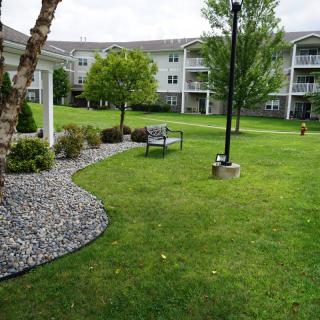
Landscaping, Building, Trees, Outdoors, and Clouds
Garden and Nature
Outdoor
Healthcare
Get PricingAsk A QuestionSchedule A TourContact Senior Advisor
By clicking submit, you agree to our Partner's Terms of Use. You
also consent to receive calls and texts, which may be autodialed, from our Partner. Your consent is not a condition to
using our Partner's service. Please visit our Partner's Privacy Policy for information about their privacy practices.

 120 resident community capacity
 Memory Care
 Skilled Nursing Facility
 Air-conditioning
 Beautician on-site
 Cable or satellite TV
 Computer center
 Dining room
 Fitness room
 Fully furnished
 Gaming room
 Garden
 Housekeeping services
 Kitchenette
 Laundry
 Move-in coordination
 Outdoor space
 Private bathrooms
 Restaurant-style dining
 Small library
 Telephone
 VA Benefits Consultation
 Wellness center
 Wi-Fi/high-speed internet available
 Community operated transportation
 12-16 hour nursing
 24-hour call system
 Activities of daily living assistance
 Assistance with bathing
 Assistance with dressing
 Assistance with transfers
 Diabetes diet
 Hospice care
 Medication management
 Mental wellness program
 Personal care assistants
 Special dietary restrictions
 Arts and crafts
 Book club
 Concierge services
 Games
Games Live musical performances
 Planned day trips
 Religious services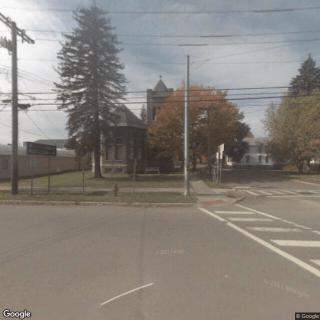
 Peaceful Boonville location with a nearby park, pharmacies, four physicians nearby, plus dining options and places of worship.





 When to Transition from Assisted Living to Memory Care: Key Indicators, Steps, and Finding the Right Community
 Understanding the Distinctions: Assisted Living and Memory Care Explained
 How to Communicate with a Loved One Living with Dementia: 10 Supportive Strategies