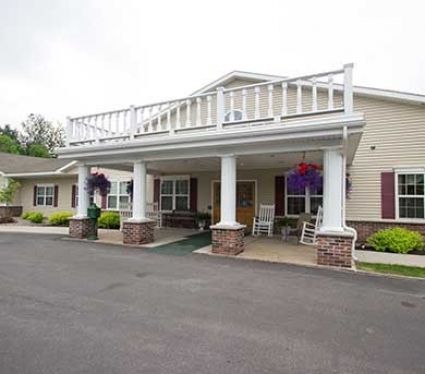

8299 Turin Road, Rome, NY 13440
For more information about senior living options: (866) 208-4318
The Terrace At Woodland Costs & Pricing
The Terrace At Woodland offers competitive pricing for its accommodations compared to broader regional averages in Oneida County and New York State. For instance, the monthly cost of a semi-private room is $2,980, which is significantly lower than the county average of $4,637 and the state average of $4,389. Similarly, residents opting for a studio will pay $3,600 - again more affordable than both Oneida County's average of $4,152 and New York's statewide figure of $4,532. Interestingly, while the price for a one-bedroom unit at The Terrace At Woodland is set at $3,800, it exceeds the county's average of $2,711; however, it remains lower than the state's average of $4,307. Overall, The Terrace At Woodland provides residents with an appealing balance of quality living at cost-effective rates relative to their counterparts in the region.
| Floor plans | The Terrace At Woodland | Oneida County | New York |
|---|---|---|---|
| Semi-Private | $2,980 | $4,637 | $4,389 |
| Studio | $3,600 | $4,152 | $4,532 |
| 1 Bedroom | $3,800 | $2,711 | $4,307 |
Overall Review of The Terrace At Woodland
Pros
 The staff are very inviting and caring.
 - The staff treat residents like family and go above and beyond to provide the best care.
- The Terrace at Woodland creates a great atmosphere with loving care for all residents.
- Incredible staff provide peace of mind that loved ones are well cared for.
- The nurses are sweet and personable, and the rooms are spacious.
Cons
 The reviewer felt that several dementia patients, including their loved one, were locked in a room and couldn’t roam the community, which they did not want for their mom.
- They believed that having only two staff members in the back was not enough to provide proper care for all the dementia patients.
- They suggested the facility would be suitable only for higher-functioning dementia patients, not for the more advanced cases.
Review
The Terrace At Woodland in Rome, NY is best suited for families that prize a warm, home‑like atmosphere where staff treat residents as if they were part of the family and respond to concerns with tangible care. It works especially well for seniors who want visible, engaged caregivers, clear channels of communication, and a sense of peace of mind that comes from a staff team that genuinely seems to care. The community tends to favor residents who do well in a structured, affectionate setting and may be most comfortable for higher-functioning dementia residents who don’t require broad roaming or intensive medical intervention.
The strongest positives are a caring, inviting staff culture and a setting that feels personally managed and compassionate. Families repeatedly point to the welcome they receive and the way the team goes above and beyond to support their loved ones. Residents gain from a climate where staff are described as loving, capable, and attentive, and where concerns are addressed promptly. Rooms are described as spacious and well kept, contributing to a sense of dignity and comfort that families notice immediately. The overarching takeaway is a calm, trusting environment that lets families relax about day‑to‑day care.
Yet the best fit hinges on acuity and freedom of movement. A significant concern raised by several families involves dementia residents who, in practice, end up largely confined to a room rather than able to roam the wider community. That dynamic matters, because for meaningful dementia care many families expect opportunities for safe engagement, stimulation, and social interaction across shared spaces. The impression of only two staff members in the back room further compounds worries about adequate supervision and responsiveness, particularly for several dementia patients with varying needs. In short, the core trade‑off is a lovingly run setting that can feel undersized in staffing for higher acuity dementia.
This tension is partly offset by the proven strengths in staffing warmth and family communication. The consistently positive feedback about staff going the extra mile, treating loved ones with respect, and addressing issues quickly can be a decisive factor for families weighing a move. For many, the emotional security of knowing care is delivered with personal attention and an open-door policy cannot be overstated. Families also report a strong, uplifting atmosphere that supports emotional well‑being, not just physical safety, which can translate into better overall satisfaction and fewer daily anxieties during transitions.
Given these dynamics, some families should consider alternatives. Those evaluating memory care for residents with advanced dementia or those who require more extensive supervision and mobility options may find The Terrace too restrictive or understaffed for current needs. Prospective residents who prioritize expansive programming, higher staff‑to‑resident ratios, or memory‑care units designed for roaming and independent engagement may be better served elsewhere. The key questions to ask are about shift-by-shift staffing levels, the specific policies on wandering and safe roaming, and the availability of dedicated memory‑care spaces that encourage activity while preserving safety.
For families ready to commit to a warm, personally attentive environment, The Terrace offers clear strengths: compassionate care, open communication, a welcoming atmosphere, and rooms that feel like home. The decision should hinge on the resident’s dementia stage, mobility expectations, and the importance placed on roaming freedoms and staffing sufficiency. A thorough tour, direct discussions with front‑line staff about daily routines, and a visit during different times of day will reveal whether this community’s heart aligns with the resident’s practical needs. If alignment exists, the Terrace becomes not just a place to live, but a trusted continuation of care anyone would wish for.
 60 resident community capacity
 Assisted Living
 Memory Care
 Activities on-site
 Air-conditioning
 Beauty salon
 Cable or satellite TV
 Computer center
 Devotional services off-site
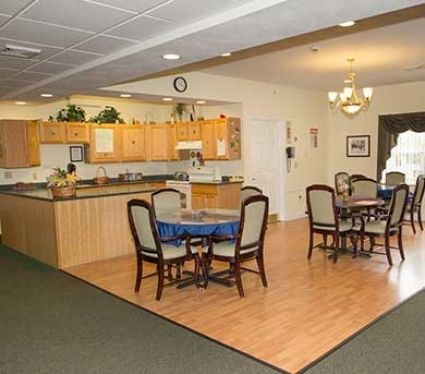
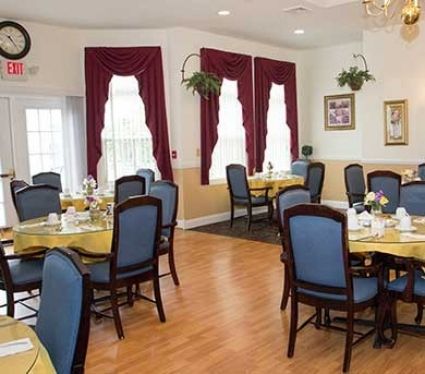
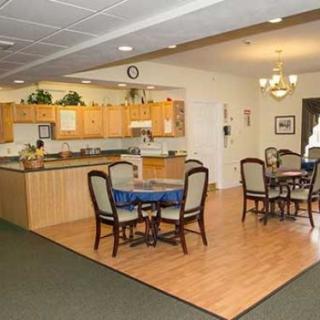
 Dining room
 Fitness room
 Fully furnished
 Gaming room
 Garden
 Housekeeping services
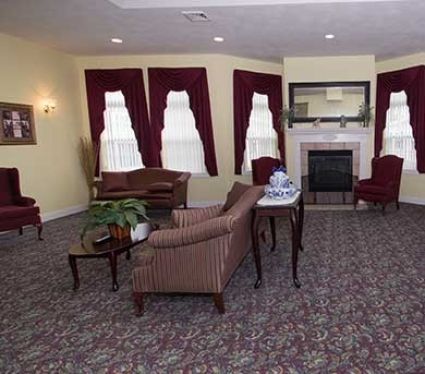
 Indoor common areas
 Kitchenette
 Move-in coordination
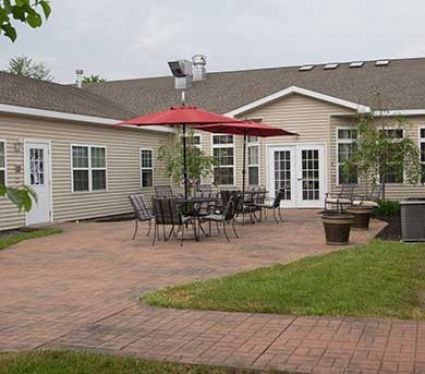
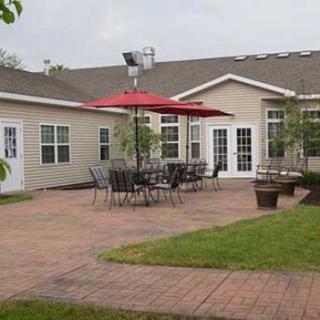
 Outdoor space
 Private bathrooms
 Restaurant-style dining
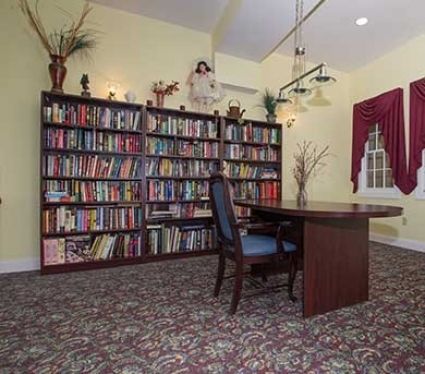
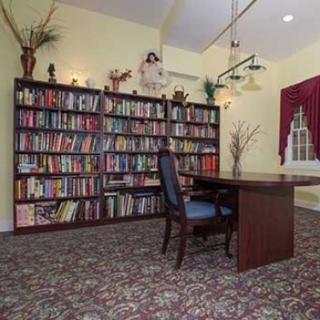
 Small library
 Telephone
 Wellness center
 Wi-Fi/high-speed internet available
 Community operated transportation
 12-16 hour nursing
 24-hour call system
 Ambulatory care
 Assistance with bathing
 Assistance with dressing
 Assistance with transfers
 Diabetes diet
 Diabetic care
 Incontinence care
 Medication management
 Mental wellness program
 Special dietary restrictions
 Concierge services
 Planned day trips



 22 Remarkable Caregiver Support Groups Available Online and In-Person
 Understanding Medicaid Coverage for Assisted Living: A Comprehensive Guide
 How and When Medicaid May Cover Assisted Living Costs