
1500 North James Street, Rome, NY 13440
For more information about senior living options: (866) 208-4318
Overall Review of Rome Memorial Hospital - RHCF
Pros
 Many employees take good care of residents.
- Steps were taken to prevent future laundry losses.
- The staff are doing a wonderful job.
- The care provided at this facility is above and beyond.
- The staff are hard-working and deserve a raise.
- The visit to the facility was nice.
- The staff are pleasant and attentive to residents.
- The activities director is wonderful.
Cons
 The staff are rude and the facility's rooms are dirty and small, with residents wandering in and out of other rooms all day and night.
- The facility is short-handed, despite the hard-working staff.
Review
Rome Memorial Hospital - RHCF is best suited for families seeking a dependable, hands-on care environment where staff are visibly engaged and leadership is accessible. This community works well for residents who thrive on structured routines, meaningful daily activities, and reassurance that someone is always attentive to safety and well-being. It is especially strong for families needing reliable respite coverage or short-term stays, where the team’s responsiveness and personal touch can provide peace of mind during transitions. The facility’s culture centers on compassionate, practical care delivered by a team that appears to know residents well and respond quickly to concerns. For families prioritizing visible leadership and a culture of accountability, RHCF stands out as a sound choice.
Key strengths cluster around the human side of care. Across multiple reviews, staff are portrayed as caring, attentive, and hardworking, even when the unit is short-handed. Families repeatedly note care that goes beyond the basics, with aides who help residents start meals, assist with activities, and “season” meals to suit individual preferences. The leadership presence is palpable: the CEO is described as actively watching and listening, and families feel their needs are being heard. The activities director earns high praise for bringing meaningful engagement, which can dramatically improve a resident’s day-to-day quality of life. Respite care is reliably available, offering real reassurance to families traveling or needing a short break, and concrete problems, such as a laundry mishap, have been addressed with improvements implemented.
There is a credible caution from at least one perspective: some reviewers describe rude interactions, dirty rooms, and easy wandering between residents’ spaces. The facility is concurrently undergoing construction, which can introduce noise and disruption and may affect routine. Staffing pressures, noted as being short-handed, can intensify these concerns at peak times. Taken together, these caveats do not erase the care and leadership strengths, but they do matter. Prospective movers should weigh cleanliness, room size, and supervision for wandering residents against the broadly positive, day-to-day caregiving experiences that most families report.
Yet the positives offset the negatives in meaningful ways. The core asset is the staff’s dedication, which creates a reliable baseline of safety and daily support. When issues arise, prompt problem-solving and hands-on responsiveness appear real, laundry processes have been adjusted, and families report consistent follow-through. The combination of engaged leadership and a robust activity program adds predictability and purpose for residents who can be unsettled by skilled-nursing environments. Even ongoing remodeling is framed by residents and families as a sign of improvement, not simply disruption; the improvements point to a longer-term capacity to deliver higher-quality care and facilities that better meet resident needs.
Who should consider alternatives? Those who prize pristine, expansive private rooms or an ultra-clean environment may find RHCF short of their expectations. Families with residents who require formal, highly structured memory-care protocols or stricter wandering controls may prefer facilities with dedicated memory-care wings and more pronounced safety features. If staff turnover is a pronounced concern, or if ongoing renovations are expected to regularly intrude on daily life, exploring other options could yield more consistency and fewer disruptions. In essence, RHCF suits engaged, hands-on caregiving needs; alternatives may better serve those prioritizing space, extreme cleanliness, or specialized memory support.
Practical steps for families evaluating RHCF are clear. Schedule in-person visits at different times to observe interactions between staff and residents, and inspect room cleanliness and size firsthand. Ask direct questions about staffing ratios, how laundry is handled, and the protocol for wandering or safety incidents. Inquire about family communication, what updates are provided, how incidents are reported, and how often family meetings occur. Confirm the scope and schedule of renovations and whether temporary accommodations exist if disruptions are heavy. If respite or short-term care is the goal, verify the length of stay and included services. Overall, RHCF offers a human-centered, responsive option for many seniors; for others, careful comparison will determine whether it truly fits the desired balance of care, space, and stability.
 80 resident community capacity
 Skilled Nursing Facility
 Air-conditioning
 Beauty salon
 Cable or satellite TV
 Computer center
 Dining room
 Fitness room
 Fully furnished
 Gaming room
 Garden
 Housekeeping services
 Kitchenette
 Move-in coordination
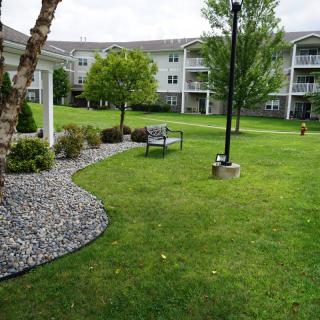
 Outdoor space
 Private bathrooms
 Restaurant-style dining
 Small library
 Telephone
 Wellness center
 Wi-Fi/high-speed internet available
 Community operated transportation
 12-16 hour nursing
 24-hour call system
 Activities of daily living assistance
 Assistance with bathing
 Assistance with dressing
 Assistance with transfers
 Diabetes diet
 Medication management
 Mental wellness program
 Special dietary restrictions
 Concierge services
 Planned day trips



 Seniors and Modern Transportation: Exploring Uber, Lyft, and Other Ride-Hailing Options
 Comprehensive Guide to Qualifying for Home Health Care Services
 Powerful Realities of Elder Abuse and the Most Effective Ways to Report It