
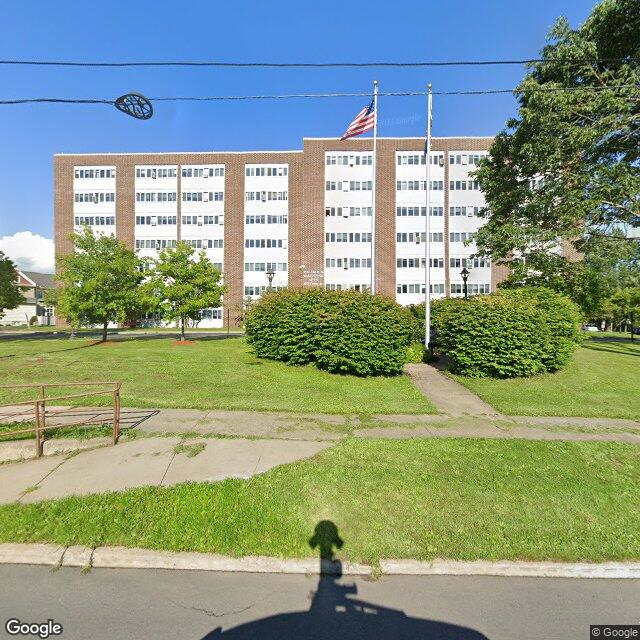
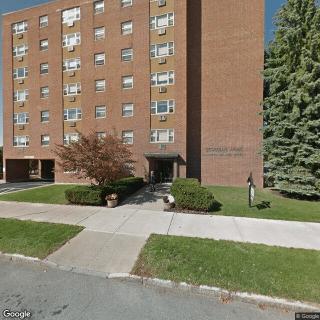
152 Turin St, Rome, NY 13440
To contact a resident: (315) 339-0730
For more information about senior living options: (866) 208-4318
Overall Review of William A Valentine Apartments
Pros
 It is a nice place to work.
- It has lots of closet space and is well set up.
- The hallways are clean and the building feels secure.
- It is centrally located.
Cons
 The building is old and outdated, with 40+ year old apartments and a laundry room that barely cleans.
 - The rent implies a standard of living that does not align with the pervasive smell of weed and cigarettes throughout the building.
- The smell of weed and cigarettes permeates the apartments even for nonsmokers at all hours.
- People stand outside residents' windows and shout to be let in instead of ringing the doorbells, disturbing everyone.
- The housing authority seems unable or unwilling to address these disturbances.
- The place feels like a giant, outdated ashtray and is described as horrible.
- There are tiny black ants on the window sills.
- Rugs are stained, lights are out on the stairs, and the windows are dirty.
- Help is rude and maintenance is poor; the place needs a lot of repair and new management.
- The owners are money grubbers.
Review
William A Valentine Apartments in Rome, NY is best suited for budget-conscious seniors or independent adults who prize a central location and straightforward, low-cost housing, and who can tolerate an older building with limited on-site services. The layout offers ample closet space and a sense of secure, hallway-connected living, and transit access is workable for those who depend on public buses. This community works for residents who can overlook the wear and tear that comes with decades of use and who value proximity to services and downtown amenities over modern finishes. Those who demand quiet, consistently clean surroundings, or who rely on proactive, well-staffed management should pursue other options.
On the upside, residents repeatedly note practical strengths: a central site that keeps errands and appointments convenient, enough storage to accommodate belongings, and a building that feels secure and orderly on entry. Hallways are described as clean, and the proximity to transit is a tangible perk for everyday living. For some reviewers, these elements translate into a workable baseline of independence, particularly for individuals who do not require frequent, hands-on assistance and who can manage some compromises in exchange for a lower rent and a favorable location.
Yet the downsides are hard to overlook and repeatedly color the overall impression. The apartments are small and dated, roughly 40-something years old, yet the wear shows in the living spaces, laundry areas, and common zones. Maintenance and repairs appear inconsistent at best: lights out in stairwells, stained fixtures, dirty windows, and cleaning standards that fail to meet expectations. A persistent odor problem, weed and cigarettes, pervades even nonsmoking units, creating an environment that feels more like a smoky apartment block than a tranquil home. Ants, odor-related complaints, and disruptive behavior from some residents contribute to a sense of disorder that is hard to ignore.
In weighing pros against cons, the practical calculus remains challenging. The central location and generous storage do not compensate for ongoing maintenance gaps, odor issues, and pest concerns for most prospective residents who value stability and predictable upkeep. For families evaluating assisted living, these drawbacks are more pronounced: the building lacks the amenities, on-site services, and responsive management that typically accompany higher levels of care or more modern senior living options. The positives may help a resident tolerate daily annoyances if budget and location are the primary priorities, but they fall far short for anyone seeking a consistently comfortable, well-maintained home with reliable service.
What to verify before committing: request a clear, up-to-date statement of maintenance response times and a plan for addressing recurring issues (lighting, cleaning, pest control). Tour the unit and common areas with a keen eye for odors and cleanliness, and speak with current residents about their experiences with management and staff. Check the parking situation and the reliability of transit options, since limited parking plus frequent bus service can be a mixed practicality. Clarify what rents cover and whether any services or partner programs exist that might bridge toward assisted living care if needs change. Finally, ask for recent examples of management responsiveness to complaints, so expectations align with reality.
Bottom line: this community serves a specific, cost-driven niche where location and space are meaningful wins, and where residents can tolerate an aging building and inconsistent upkeep. For families seeking true assisted living or a consistently quiet, well-maintained home, alternatives with stronger management, better maintenance histories, and on-site services are worth pursuing. If the decision tilts toward Valentineā€™s, approach with precise expectations, a concrete maintenance and pest-control plan, and a rental agreement that guards against ongoing quality concerns. A candid visit, especially conversations with current residents, will reveal whether the pros align with personal tolerance for the many tradeoffs and whether the cons are acceptable given the price point.
 Independent Living



 Highly Beneficial Low-Impact Exercises for Senior Living Residents
 Is In-Home Healthcare Tax Deductible? Your Comprehensive Guide
 Nurturing Well-Being Through Gardening: A Detailed Guide for Senior Enthusiasts