For more information about senior living options: (866) 208-4318
2.4 from 30 reviews
5 stars
9
4 stars
1
3 stars
1
2 stars
1
1 stars
18
Overall Review of Oneida Health Rehabilitation And Extended Care
caveat14 reviews mention this
Staff responsiveness and medication issues
Residents and families describe repeated delays and medication problems that caused serious consequences.
A substantial number of reviews raise concerns about communication and day-to-day follow-through, including unanswered call bells and staffing that did not respond quickly when help was needed. Several reviews also describe medication being missed or handled incorrectly, with families saying their loved ones did not receive prescribed doses. Others mention conditions being left unattended, such as prolonged soiling, delayed wound attention, and safety issues like bed sores and falls.
caveat7 reviews mention this
Rehab progress and care attention
Multiple reviews question whether therapy and rehab support led to real improvement.
Some families describe rehab stays where their loved ones spent much of the time in bed and were not getting the level of assistance they expected for getting up. A few reviews describe regressing after admission, including repeated health setbacks and no meaningful progress they could see. One review also describes disputes around discharge planning and why therapy or readiness for discharge did not match what the family believed was happening.
caveat7 reviews mention this
Communication and access to information
Several reviews describe difficulty reaching staff or getting timely, reliable answers.
Communication problems show up across reviews, ranging from families feeling repeatedly given excuses to experiences where questions were not addressed until escalation. Some reviews describe delays around practical coordination, such as discharge calls, paperwork-related expectations, or getting help after asking at the nursing station. Others say it was difficult to understand how their loved one was doing, including whether dementia-related medication was being provided consistently while the patient was in quarantine.
common7 reviews mention this
Caring staff and a clean setting
Many reviewers highlight caring, helpful staff and a setting they felt was clean.
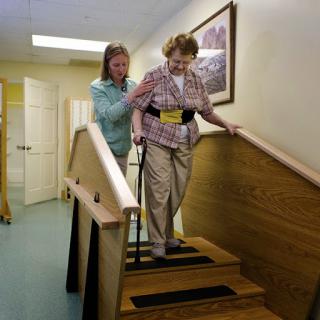
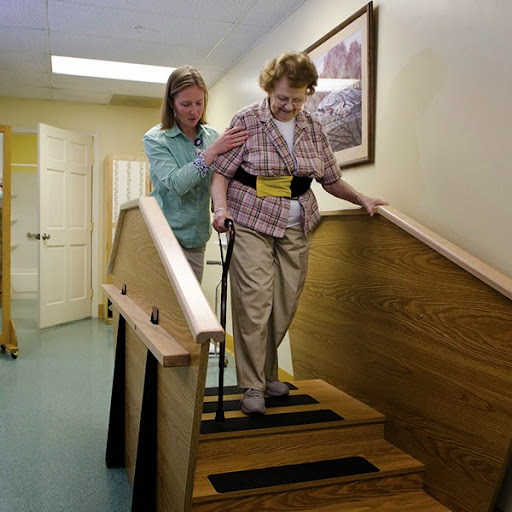
Alongside the negative experiences, several reviews praise staff for being hard-working, kind, and professional, including mentions of patient help and responsiveness during visits. Some families also report that the facility was kept clean and comfortable enough for them to visit regularly. A tour review also describes staff working patiently with residents in physical therapy, even though it notes an odor during the visit.
caveat2 reviews mention this
Food quality is mixed
Food reviews are split between strong praise and strong complaints.
One review calls the food disgusting, while another says the food was good and describes meals being delivered for residents who could not easily go to the cafeteria. Because these impressions differ sharply, food quality appears to be inconsistent across residents and experiences.
common2 reviews mention this
Cats and resident-friendly companionship
Some families say resident pets help with comfort and companionship.
Two reviews specifically mention cats around the facility and describe them as a positive part of daily life for residents. One family adds that the visit felt odor-free and highlights the pets as part of what made their loved one feel comfortable near the end of life.
How we summarize
Counts show how many written reviews mention each theme; a review can touch several themes, and only frequently mentioned themes are displayed.
Features
Housing
160 resident community capacity
Types of Care
Skilled Nursing Facility
Amenities
Air-conditioning
Beauty salon
Cable or satellite TV
Computer center
Dining room
Fitness room
Fully furnished
Gaming room
Garden
Housekeeping services
Kitchenette
Move-in coordination
Outdoor space
Private bathrooms
Restaurant-style dining
Small library
Telephone
Wellness center
Wi-Fi/high-speed internet available
Transportation
Syracuse-Hancock International (23 miles away)
Community operated transportation
Transportation arrangement
Transportation arrangement (non-medical)
Transportation to doctors appointments
Care Services
12-16 hour nursing
24-hour call system
24-hour supervision
Activities of daily living assistance
Assistance with bathing
Assistance with dressing
Assistance with transfers
Diabetes diet
Meal preparation and service
Medication management
Mental wellness program
Special dietary restrictions
Dining
Diabetes diet
Special dietary restrictions
Activities
Community-sponsored activities
Concierge services
Fitness programs
Planned day trips
Resident-run activities
Scheduled daily activities
Nearby Places of Interest
Physicians
Women's Health Associates (0.1 miles)
Dr Newsom (0.1 miles)
Hassan, Islam Neurology Specialist of Oneida (0.1 miles)
Oneida Medical Associates (0.1 miles)
Digestive Disease Medicine of Central New York (0.1 miles)
Central New York Cardi (0.1 miles)
Ear Nose and Throat Specialists of Oneida (0.1 miles)
Restaurants
McDonald's (0.2 miles)
Arby's (0.4 miles)
Burger King (0.5 miles)
Wendy's (0.6 miles)
Denny's (0.6 miles)
Subway (0.7 miles)
Taco Bell (0.7 miles)
Theaters
Oneida Movieplex (0.6 miles)
Pharmacies
Walgreens (0.7 miles)
Dougherty's Pharmacy (12.3 miles)
Top's Markets (12.5 miles)
Walgreens (12.7 miles)
Rite Aid (13.4 miles)
Walgreens (13.5 miles)
Walmart Pharmacy (13.5 miles)
Hospitals
Oneida Healthcare Center (0.8 miles)
Rome Memorial Hospital (13.5 miles)
Places of Worship
First Presbyterian Church (1 miles)
Plymouth Alliance Church (2.6 miles)
Beacon Light Baptist Church (5.3 miles)
Oneida Lake Congregational Church (10.3 miles)
Vienna Church (11.5 miles)
St Joseph's Rectory (13.5 miles)
Madison Baptist Church (14.1 miles)
Cafes
Hipstir Cafe (1.2 miles)
Ebeneezer's Cafe & Creamery (2.7 miles)
Canal View Cafe (9 miles)
Flashback cafe (9.1 miles)
Copperccino's (13.5 miles)
Utica Coffee Of Clinton (14.1 miles)
Parks
Vernon Center Circle (7.9 miles)
Old Erie Canal State Park (11 miles)
Chittenango Falls State Park (11.6 miles)
Old Erie Canal State Historic Park - Kirkville (13.7 miles)
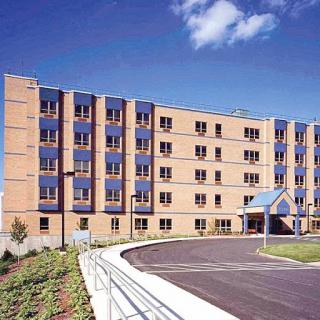
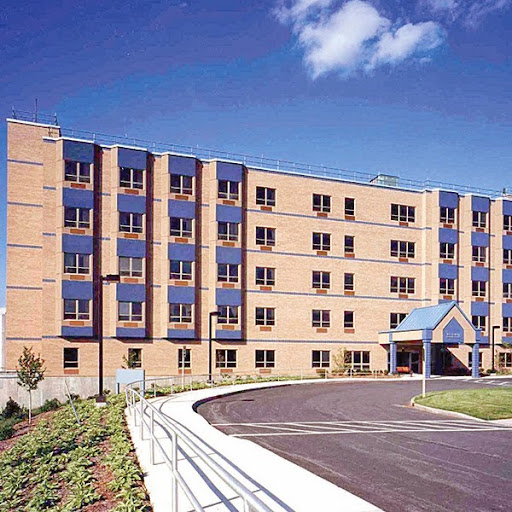
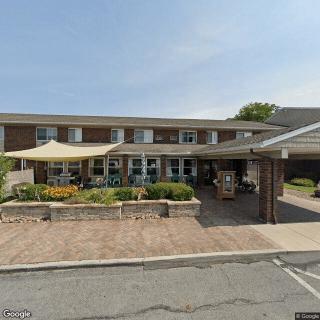
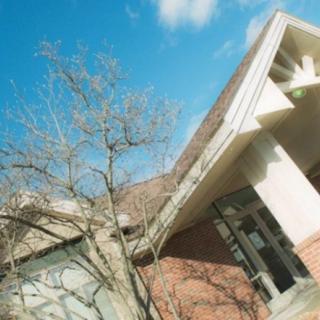
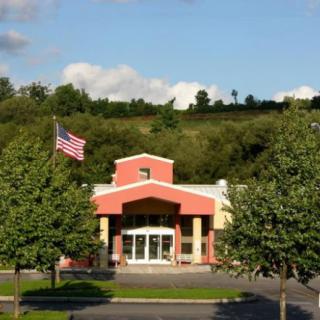
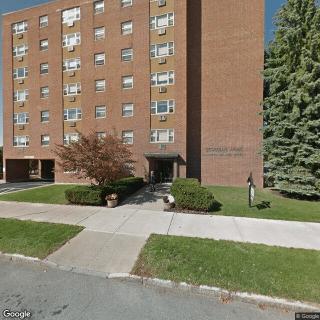
Oneida Health Rehabilitation And Extended Care on seniors.fyi includes 3 photos including images showing building, architecture, exterior, urban, assistance, stairs, caregiver, rehabilitation, and more.
Nearby Communities
Hazel L Carpenter Home Inc
Oneida, NY
5 from 1 review
Great access to healthcare, dining, worship, and entertainment; supports independent living.
Hazel L. Carpenter Adult Home
Oneida, NY
5 from 3 reviews
Caring staff with a positive impact on residents' quality of life and strong family communication.
Stoneleigh Apartments
Canastota, NY
4 from 4 reviews
24/7 personalized care with compassionate staff, senior-friendly apartments, and nearby healthcare and dining options.
The Grand Rehabilitation And Nrsg At Chittenango
Chittenango, NY
3.5 from 47 reviews
Courteous, knowledgeable staff with personalized care; clean, odor-free setting and engaging activities.
Adult day care programs offer essential support and activities for older adults, yet many hesitate to participate due to concerns about independence and stigma. To alleviate these apprehensions, families should facilitate open discussions, explore financial resources, suggest trial visits, and collaborate with healthcare providers to highlight the benefits of such services for both the participants and their caregivers.
Living wills and advance directives are crucial legal documents that outline an individual's healthcare preferences when they cannot make decisions themselves, enhancing patient autonomy and alleviating family stress during medical crises. The article emphasizes the need for these documents to be personalized, legally valid, and regularly updated, while also encouraging communication about end-of-life wishes among family members and healthcare providers.
The article examines living wills and advance directives, highlighting their significance in expressing healthcare preferences for those unable to communicate due to illness or incapacity. It discusses their historical development, legal components, limitations, practical drafting advice, and the importance of clear communication among families and healthcare professionals regarding end-of-life decisions.
Oneida Health Rehabilitation And Extended Care photos
×
Interior
Building
Rehabilitation
Interior
Building, Architecture, Exterior, and Urban
Rehabilitation, Caregiver, Stairs, and Assistance
Get PricingAsk A QuestionSchedule A TourContact Senior Advisor
By clicking submit, you agree to our Partner's Terms of Use. You
also consent to receive calls and texts, which may be autodialed, from our Partner. Your consent is not a condition to
using our Partner's service. Please visit our Partner's Privacy Policy for information about their privacy practices.


 160 resident community capacity
 Skilled Nursing Facility
 Air-conditioning
 Beauty salon
 Cable or satellite TV
 Computer center
 Dining room
 Fitness room
 Fully furnished
 Gaming room
 Garden
 Housekeeping services
 Kitchenette
 Move-in coordination
 Outdoor space
 Private bathrooms
 Restaurant-style dining
 Small library
 Telephone
 Wellness center
 Wi-Fi/high-speed internet available
 Syracuse-Hancock International (23 miles away)
 Community operated transportation
 12-16 hour nursing
 24-hour call system
 Activities of daily living assistance
 Assistance with bathing
 Assistance with dressing
 Assistance with transfers
 Diabetes diet
 Medication management
 Mental wellness program
 Special dietary restrictions
 Concierge services
 Planned day trips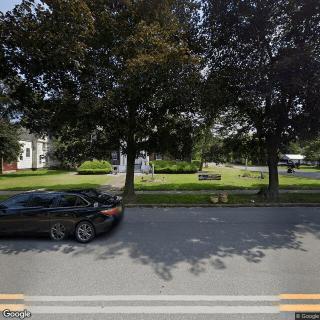
 Great access to healthcare, dining, worship, and entertainment; supports independent living.


 Encouraging Participation in Adult Day Care: A Guide to Supporting a Hesitant Parent
 Comprehensive Exploration of Living Wills and Other Advance Directives
 A Detailed Exploration of Living Wills and Advance Directives