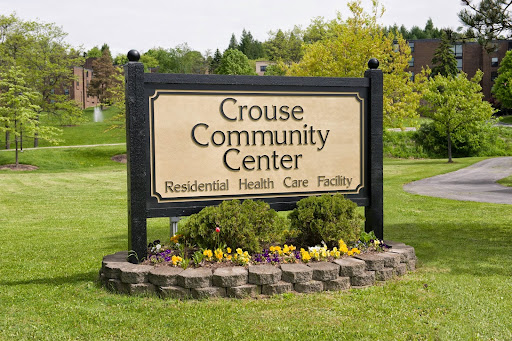




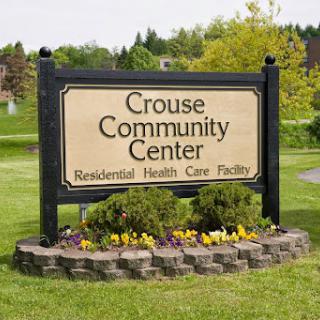

101 South Street, Morrisville, NY 13408
For more information about senior living options: (866) 208-4318
Overall Review of Crouse Community Center
Pros
 The staff at Crouse Community were kind, compassionate, and professional during his stay.
- The nurses and staff were good.
- The staff were extremely helpful with the logistics of her stay and discharge.
- The place is well kept.
- They provide excellent care to residents and are compassionate toward families.
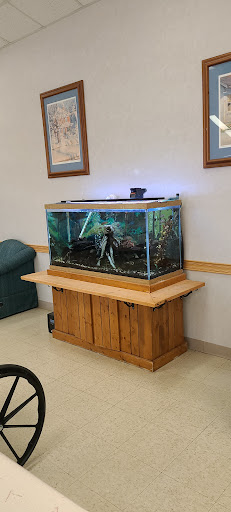
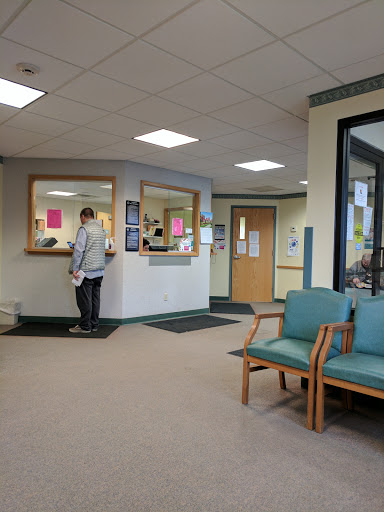
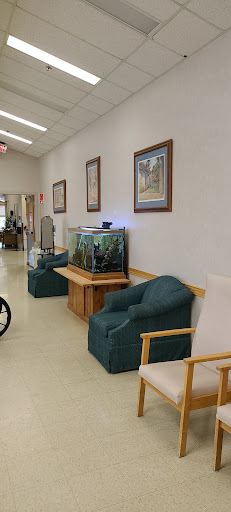
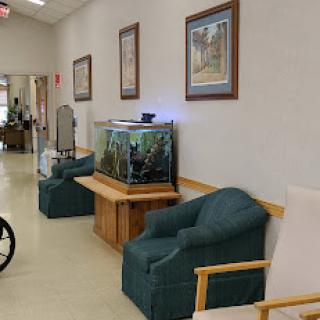
- The facility is clean, bright, and inviting.
- The staff are kind, efficient, and knowledgeable.
- The staff genuinely care for their patients.
- Crouse has provided exceptional care for family members and friends.
Cons
 The reviewer criticized the facility's new screening and acceptance guidelines as unjust and discriminatory, noting they only accept patients who are already on Medicaid or self-pay.
- They argued that this policy is unfair to families seeking care and suggests the center prioritizes money over patient access.
Review
Crouse Community Center in Morrisville, NY is best suited for seniors who want a warm, person-centered care environment delivered by consistently compassionate staff, with reliable rehab support or long-term assisted living maintained in a respectful, home-like setting. Families that prize steady routines, responsive nursing, and a tone that treats residents as adults will find this community reassuring. The facility’s strengths show up most clearly in daily care, meals that residents enjoy, and engaging activities, all delivered in a bright, well-kept environment where safety and dignity are evident. For those who value continuity of care and a calm, dignified atmosphere, Crouse offers a compelling fit.
Yet, not every potential resident will fit the model here. A notable caveat is the admissions framework described in several reviews: eligibility leans toward Medicaid or self-pay arrangements. For families relying on private-pay plans or certain long-term care insurance structures, access may be uncertain or delayed, and that can derail planning timelines. Those seeking care outside the Medicaid/self-pay framework, or looking for more flexible entry criteria, should actively compare options. Additionally, families pursuing highly specialized memory-care services or other niche offerings should benchmark against facilities that advertise those capabilities more explicitly.
The strongest pros are tangible and durable: staff kindness, professionalism, and responsiveness form the backbone of care. Multiple accounts highlight nurses and aides who treat residents with consistent respect and who help families navigate discharge logistics smoothly. The environment is repeatedly described as clean, bright, and inviting, reinforcing a sense of peace for relatives. Meals receive favorable notices, and a robust slate of activities supports social engagement and meaningful days. Outdoor courtyards provide safe, accessible spaces for residents to get fresh air and socialize, enhancing quality of life without compromising security. Taken together, these elements create a dependable care experience that many families come to rely on.
Beyond the basics, the culture at Crouse centers on genuine care and adult-to-adult interaction. Staff are praised for listening, using humor appropriately, and honoring resident rights and preferences, which matters for those who want to maintain autonomy as needs evolve. Family involvement appears to be welcomed, with visits described as comfortable and collaborative rather than intrusive. The combination of respectful treatment, steady staffing, and community amenities translates into a sense of continuity that families often say gives them confidence about their loved one’s daily life, which in turn can ease the stress of transitions.
The admissions policy remains the most significant, and potentially decisive, drawback. While some reviews reflect broadly positive experiences, the criticism about eligibility criteria is hard to ignore: a gatekeeping approach that seems to privilege Medicaid or self-pay can disrupt plans for otherwise suitable candidates. Prospective residents should demand clear explanations of current eligibility, any possible exceptions, and what financial paths might be negotiated, before making commitments. Tour conversations should probe how discharge planning is coordinated with hospitals and therapists, what services are covered under different payment scenarios, and how flexible the center can be when needs shift.
In sum, Crouse Community Center earns a strong recommendation for families whose loved ones fit the financial entry point and who value a practical, person-centered approach to daily living. For those outside that frame, the center remains worth considering as part of a broader comparison, but with a clear-eyed understanding of admission realities and potential barriers. Prospective clients should verify eligibility details upfront, request a sample care plan, and assess the calendar of activities and therapy options to ensure alignment with expectations. With its track record of compassionate care and reliable operations, Crouse is a credible, often excellent option, provided the financial and entry criteria line up.
 120 resident community capacity
 Skilled Nursing Facility
 Air-conditioning
 Beauty salon
 Cable or satellite TV
 Computer center
 Dining room
 Fitness room
 Fully furnished
 Gaming room
 Garden
 Housekeeping services
 Kitchenette
 Move-in coordination
 Outdoor space
 Private bathrooms
 Restaurant-style dining
 Small library
 Telephone
 Wellness center
 Wi-Fi/high-speed internet available
 Community operated transportation
 12-16 hour nursing
 24-hour call system
 Activities of daily living assistance
 Assistance with bathing
 Assistance with dressing
 Assistance with transfers
 Diabetes diet
 Medication management
 Mental wellness program
 Special dietary restrictions
 Concierge services
 Planned day trips








 Navigating the Tax Landscape of Caregiving: Credits, Deductions, and Beyond
 Highly Beneficial Low-Impact Exercises for Senior Living Residents
 Is In-Home Healthcare Tax Deductible? Your Comprehensive Guide