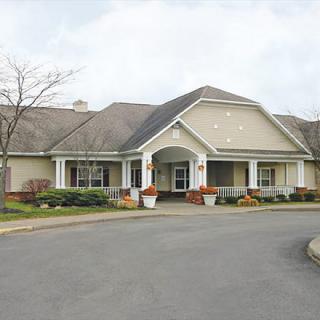
Waterville Residential Care Center in Waterville, NY

Save

  • Interior

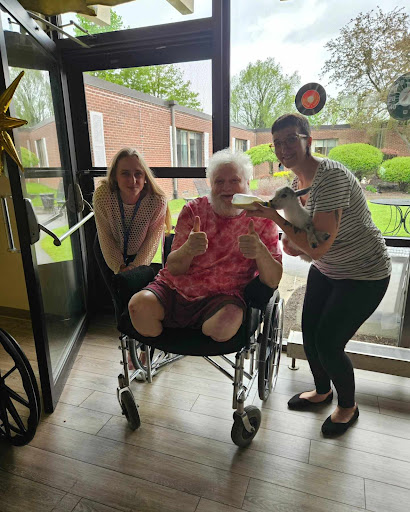
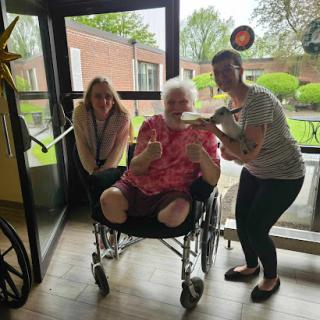
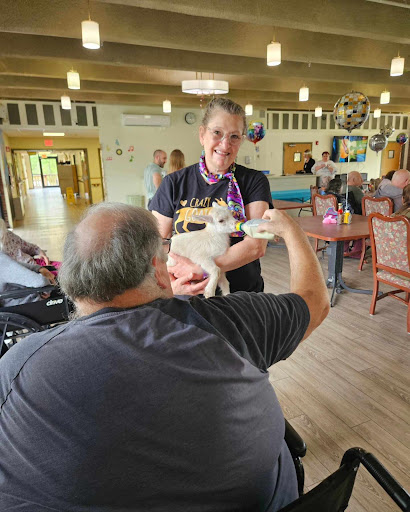
    A joyful moment with caregivers and an elderly individual in a cheerful indoor setting.
  • Outdoors

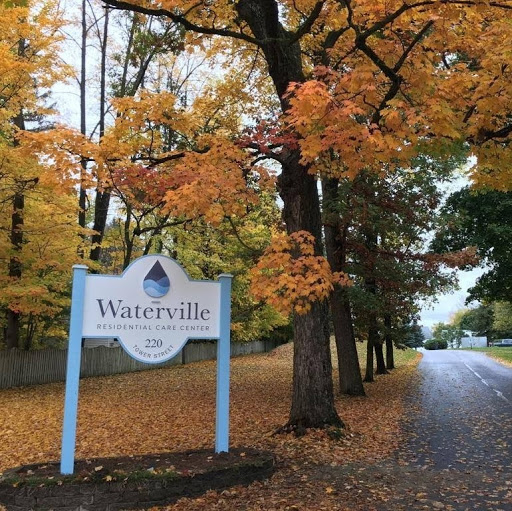
    A scenic view of Waterville in autumn, showcasing vibrant fall foliage.
  • Building

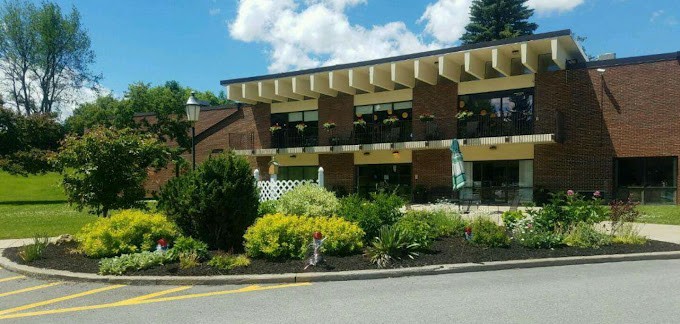
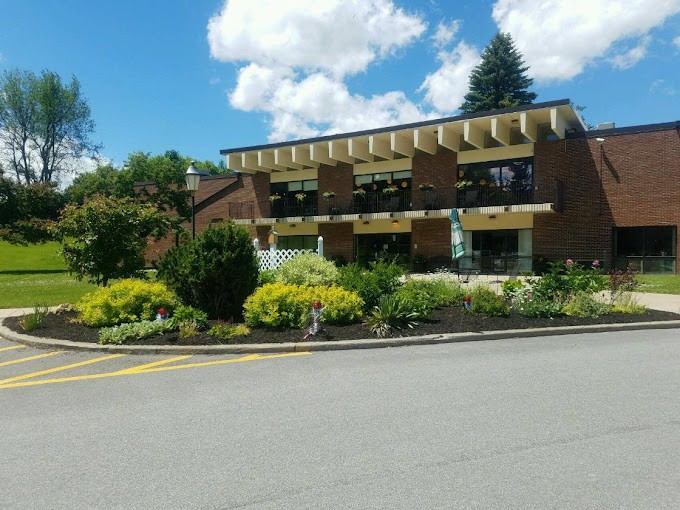
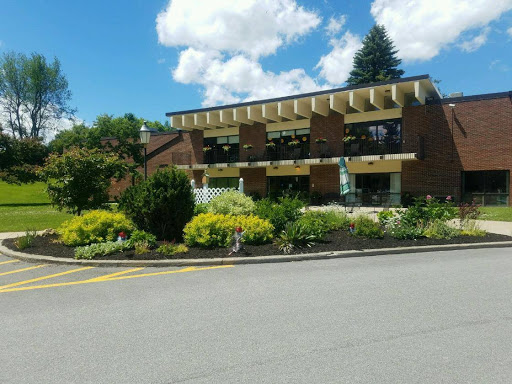
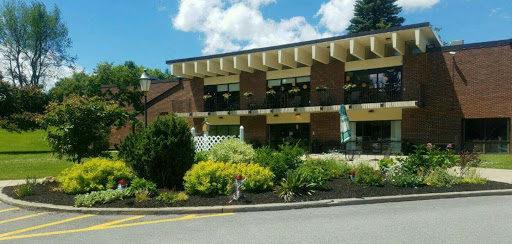
    A modern building surrounded by a well-maintained garden on a sunny day.
  • Architecture

    A beautifully landscaped building under a blue sky with fluffy clouds.
  • Trees

    A modern building surrounded by well-maintained landscaping under a blue sky with clouds.
  • Landscaping

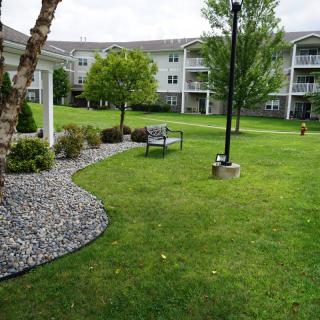
    A modern architectural building surrounded by vibrant landscaping under a blue sky.
  • Wheelchair

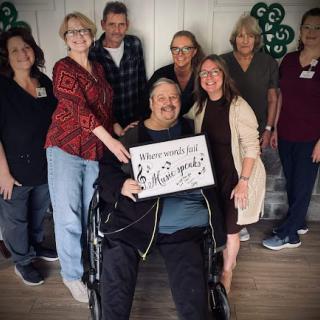
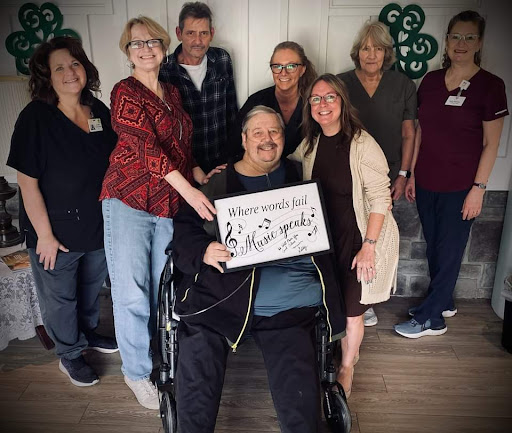
    A joyful gathering celebrating a special moment with smiles and camaraderie.

Waterville Residential Care Center in Waterville, NY

Information last verified:

220 Tower Street, Waterville, NY 13480

For more information about senior living options: (844) 490-3973

3.3 from 42 reviews
5 stars
24
4 stars
0
3 stars
0
2 stars
0
1 stars
18

Overall Review of Waterville Residential Care Center

Pros

  • pro Hilary Owens is an AMAZING CNA instructor who explains things clearly, is patient, and thorough.
  • pro The staff, owner, and facility in Waterville are the best; residents are cared for and loved.
  • pro The OT and PT department at Waterville is fantastic, balancing kindness with encouragement to help patients get better.
  • pro The Activities Director and the team take pride in caring for residents and host engaging activities.
  • pro The Waterville staff rock; they are caring, attentive, and go above and beyond.
  • pro The facility is amazing and makes visitors feel welcomed and at home.
  • pro Dr. Jeffers and the staff are incredible and reliable for helping patients.

Cons

  • pro One reviewer described the facility as the dirtiest place they had ever seen, noting that residents were dirty and diabetes care was inadequate.
  • pro The reviewer claimed a loved one sat in a soiled diaper all day and that the resident’s hair was greasy.
  • pro They stated that the overall care was less than adequate.
  • pro The reviewer wrote that the place “sucks” and would not want a cat admitted there.
  • pro They described neglect, including residents left in soiled garments for hours and the call button being hidden to prevent help.
  • pro They reported repeated delays in responding to call bells, sometimes resulting in hospital visits for the resident.
  • pro They warned others not to place loved ones there, saying they would be mistreated and neglected.
  • pro They recounted a case where an elderly relative became dehydrated and unresponsive, requiring hospital transfer.

Review

Waterville Residential Care Center is best suited for families seeking a rehabilitation-forward environment where therapists and front-line caregivers partner closely with residents to regain independence, often in a home-like, small-community setting. The strongest argument for this community rests in its therapy-focused culture: dedicated PT and OT teams, compassionate nursing staff, and clinicians who consistently demonstrate practical, hands-on care. For residents returning from injury or surgery, or those needing structured daily rehab with tangible progress, Waterville can deliver meaningful gains and a sense of being cared for as a person, not just a patient. The setting, quiet, tucked away off main streets, amplifies a feeling of belonging and normalcy, which can accelerate motivation and engagement.

Those who should explicitly consider alternatives are families prioritizing consistently flawless day-to-day operations and rock-solid safety metrics. Several reviews describe urgent red flags: perceived neglect, delays in assistance, and inconsistent hygiene or wound-care standards. If a resident requires near-immediate response to call bells, rigorous infection control, or a consistently spotless environment, this center’s record in those areas raises legitimate concerns. Additionally, advancements in communication needs or accessibility services, such as ASL interpretation or reliable landline access, appear uneven, suggesting that families with specific, nonnegotiable accessibility requirements may want to evaluate other options that demonstrate stronger compliance on these fronts.

The best way to weigh the positives against the negatives is to focus on what matters most to the individual’s goals. The therapy department emerges as a clear strength: numerous residents report significant mobility and functional gains after PT and OT, enabling transitions from hospital to home or to a more independent daily routine. Positive anecdotes about staff going the extra mile, nursing kindness, kitchen and activity staff contributing to a warm atmosphere, and a general sense that caregivers are invested, can translate into real quality of life improvements for many residents. Yet the counterweight is real and persistent in several accounts: episodes of neglect, prolonged call-bell delays, and accusations of poor hygiene or mismanagement of personal belongings. When rehab wins are paired with these downsides, the overall picture becomes one of high potential payoff tempered by serious risk if daily care lapses occur.

On balance, Waterville’s strengths tend to offset the main risk for families who place high priority on recovery outcomes and personal warmth over pristine, uninterrupted day-to-day operations. The presence of dependable medical and therapy staff, along with testimonials about compassionate, attentive care from multiple disciplines, suggests that a resident with clear rehab goals and a willingness to participate can experience tangible progress. The community also earns goodwill through engaging activities and a reputation for treating residents like family, with testimonials highlighting heartfelt gratitude from loved ones and the sense that staff members truly invest in each resident’s well-being. It is this blend, progress-oriented therapy plus a caring, if sometimes imperfect, daily care environment, that makes Waterville compelling for the right set of families.

From a practical decision-making standpoint, several steps can clarify whether Waterville is the right fit. First, conduct a candid on-site visit focused on the daily rhythm: observe the responsiveness of staff when call bells sound, inspect common areas and resident rooms for cleanliness, and talk with current residents and families about wound care, medication administration, and meal quality. Second, request a detailed care plan that spells out staffing ratios during peak hours, the cadence of status updates to families, and a concrete pathway for addressing concerns promptly. Third, probe the therapy team’s current case load, typical discharge timelines, and personalized goals, and verify that there is a clear handoff plan if a transfer back to home or another facility is anticipated. Finally, verify accessibility needs and communication supports, ask about ASL interpretation, compatible devices, and staff training in ADA accommodations, to ensure that nonclinical preferences do not become barriers to care.

In conclusion, Waterville Residential Care Center stands out for families prioritizing rehabilitation outcomes delivered in a warm, family-oriented setting. It can be a strong choice when rehab progress, strong therapy leadership, and compassionate daily caregiving are the guiding criteria. However, the decision must weigh the facility’s documented inconsistencies in cleanliness, response times, and certain safety concerns. For residents whose needs hinge on absolute reliability in everyday care, pristine environments, and rapid crisis response, alternatives with steadier performance in those areas may be more suitable. When evaluating, let the rehab-focused benefits drive the choice, but insist on transparent, measurable assurances around cleanliness, responsiveness, and individualized care plans to ensure the fit is right for long-term peace of mind.

Features

Housing

  • 92 resident community capacity 92 resident community capacity

Types of Care

  • Skilled Nursing Facility Skilled Nursing FacilitySkilled Nursing Facilities are crucial for seniors as they provide round-the-clock medical care, rehabilitation services, and assistance with daily activities. These facilities ensure that seniors receive the specialized care they need to maintain their health and well-being as they age.

Amenities

  • Air-conditioning Air-conditioningAir conditioning is important for seniors as they are more vulnerable to heat-related illnesses and may have underlying health conditions that make it difficult for them to regulate their body temperature. It helps to keep them comfortable, safe, and healthy in hot weather.
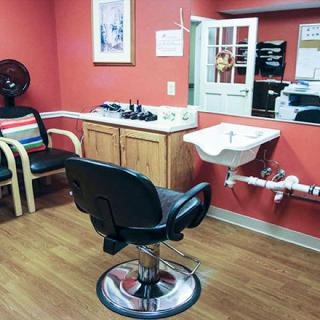
  • Beauty salon Beauty salonBeauty salons are important for seniors because they provide a space for them to feel pampered, socialize, and maintain their personal grooming and hygiene. Regular visits to a beauty salon can help boost seniors' self-esteem and overall well-being.
  • Cable or satellite TV Cable or satellite TVCable or satellite TV is important for seniors because it provides entertainment, news, and companionship, helping to combat loneliness and boredom. It also offers a wide range of programming options tailored to different interests and preferences.
  • Computer center Computer centerA computer center is essential for seniors as it provides access to technology, communication tools, and resources that can enhance their daily lives. It allows them to stay connected with loved ones, engage in online activities, and learn new skills, ultimately promoting socialization and mental stimulation.
  • Dining room Dining roomDining rooms are important for seniors as they provide a space for socialization, connection, and nutritious meals. They offer opportunities for residents to bond over shared meals, foster a sense of community, and promote healthy eating habits. Dining rooms also ensure that seniors have access to well-balanced meals tailored to their dietary needs and preferences.
  • Fitness room Fitness roomHaving a fitness room in a senior living community is essential for seniors to stay active, maintain their physical health, and improve their overall well-being. Regular exercise can help prevent falls, reduce the risk of chronic diseases, and promote mental sharpness. It also provides social opportunities for residents to connect with others and enjoy a sense of community.
  • Fully furnished Fully furnishedFully furnished senior living communities are important for seniors because they provide convenience, comfort, and a hassle-free moving experience. Seniors can easily settle into their new living space without the stress of having to buy and move furniture. This allows them to focus on enjoying their new home and community.
  • Gaming room Gaming roomGaming rooms are important for seniors as they provide a fun and engaging environment for socializing, cognitive stimulation, and physical activity. Games can improve memory, problem-solving skills, and overall mental well-being while fostering friendships and reducing feelings of isolation.
  • Garden GardenGardens are important for seniors as they provide a peaceful and therapeutic environment for relaxation, physical activity, and socialization. Being in nature has been shown to reduce stress, improve mood, and promote overall well-being. Gardens also offer opportunities for seniors to engage in gardening activities, which can improve mobility, flexibility, and cognitive function. Additionally, gardens create a sense of community and connection with others who share a passion for plants and outdoor spaces.
  • Housekeeping services Housekeeping servicesHousekeeping services are important for seniors because they help maintain a clean and safe living environment, promote independence, and reduce the risk of accidents or illnesses. Additionally, having assistance with household chores can alleviate physical strain and allow seniors to focus on other aspects of their well-being.
  • Kitchenette KitchenetteKitchenettes are important for seniors living in senior living communities because they provide the convenience and independence of being able to prepare simple meals and snacks in the comfort of their own living space. This can help promote a sense of autonomy and well-being for seniors, allowing them to maintain some level of control over their dietary choices and daily routines.
  • Move-in coordination Move-in coordinationMove-in coordination is important for seniors because it helps ease the transition into their new living environment. It ensures that all logistics, such as packing, organizing movers, and setting up utilities are taken care of, allowing seniors to focus on settling in and adjusting to their new home. Having a smooth move-in process can alleviate stress and anxiety, making the transition smoother and more enjoyable for seniors.
  • Outdoor space Outdoor spaceOutdoor spaces are important for seniors as they provide opportunities for physical activity, social interaction, exposure to natural light and fresh air, and a sense of connection to nature. Having access to outdoor spaces can improve overall well-being and quality of life for older adults living in senior communities.
  • Private bathrooms Private bathroomsPrivate bathrooms are important for seniors in senior living communities because they provide independence, dignity, and comfort. Having a private bathroom allows seniors to maintain their personal hygiene routines without the need for assistance, promoting a sense of autonomy and privacy. Additionally, private bathrooms help prevent the spread of infections and provide a safe and clean environment for seniors to navigate safely.
  • Restaurant-style dining Restaurant-style diningRestaurant-style dining is important for seniors because it allows them to enjoy delicious, nutritious meals in a social and upscale setting. This enhances their dining experience, promotes healthy eating habits, and fosters socialization with fellow residents, ultimately contributing to their overall well-being and quality of life.
  • Small library Small librarySmall libraries are important for seniors as they provide access to a variety of reading materials, including books, newspapers, and magazines. This can help stimulate their minds, keep them engaged, and provide a sense of community through book clubs and other social activities. Additionally, reading has been shown to improve cognitive function and overall mental well-being in older adults.
  • Telephone TelephoneTelephones are important for seniors as they provide a lifeline for communication with loved ones, emergency services, and healthcare providers. They offer a sense of security and independence, enabling seniors to stay connected and access assistance when needed.
  • Wellness center Wellness centerWellness centers are important for seniors because they offer a variety of programs and services that promote physical, mental, and emotional well-being. These centers provide opportunities for exercise, socialization, education, and relaxation, helping seniors maintain their overall health and quality of life.
  • Wi-Fi/high-speed internet available Wi-Fi/high-speed internet availableWi-Fi/high-speed internet is important for seniors to stay connected with loved ones, access online resources, and participate in virtual activities to combat feelings of loneliness and isolation. It also allows them to easily manage healthcare needs, access entertainment, and engage in lifelong learning opportunities.

Transportation

  • Community operated transportation Community operated transportationCommunity operated transportation is crucial for seniors as it provides them with the means to access essential services, social activities, and medical appointments. It allows seniors to maintain their independence and quality of life by ensuring they can participate in activities outside of their homes. Additionally, community-operated transportation services offer a safe and reliable way for seniors to travel without having to rely on family or friends for assistance.
  • Transportation arrangement Transportation arrangementTransportation arrangements are crucial for seniors as they may face challenges with driving, mobility, or access to public transportation. Having reliable transportation services ensures that seniors can easily attend appointments, social activities, and maintain their independence and quality of life.
  • Transportation arrangement (non-medical) Transportation arrangement (non-medical)Transportation arrangements are essential for seniors as they provide access to essential services, activities, and social interactions outside the home. This service helps maintain independence, mobility, and overall well-being for seniors who may have limited transportation options.
  • Transportation to doctors appointments Transportation to doctors appointmentsTransportation to doctors appointments is crucial for seniors as it ensures they have access to necessary medical care and support, promoting their health and well-being. It allows them to receive timely treatment, monitor existing conditions, and address any new health concerns efficiently. Additionally, transportation services can help seniors maintain their independence and quality of life by enabling them to stay connected with their healthcare providers.

Care Services

  • 12-16 hour nursing 12-16 hour nursing12-16 hour nursing care is crucial for seniors in order to ensure around-the-clock monitoring, timely medication administration, and prompt response to any health concerns or emergencies. This level of care helps to promote the overall well-being and safety of seniors living in senior living communities.
  • 24-hour call system 24-hour call system24-hour call systems are important for seniors because they provide peace of mind and immediate assistance in case of emergencies. This technology ensures that help is always available, promoting safety and security for elderly individuals living alone or in assisted living facilities.
  • 24-hour supervision 24-hour supervision24-hour supervision is important for seniors to ensure their safety, well-being, and access to immediate assistance in case of emergencies or health issues. This constant support provides peace of mind for both seniors and their loved ones, allowing them to age in place with dignity and security.
  • Activities of daily living assistance Activities of daily living assistanceActivities of daily living assistance are important for seniors because they provide essential support with tasks such as eating, bathing, dressing, and mobility. This assistance helps seniors maintain their independence, dignity, and overall quality of life as they age.
  • Assistance with bathing Assistance with bathingAssistance with bathing is crucial for seniors as it helps maintain personal hygiene, prevents infections, and ensures their overall well-being and comfort. It also provides a sense of dignity and independence for seniors who may struggle with this task on their own.
  • Assistance with dressing Assistance with dressingAssistance with dressing is important for seniors because it helps maintain their independence, promotes personal hygiene, prevents accidents and injuries, and improves overall quality of life. This service ensures that seniors can continue to dress comfortably and confidently, despite any physical limitations they may have.
  • Assistance with transfers Assistance with transfersAssistance with transfers is crucial for seniors as it helps prevent falls and injuries, maintains their independence, and ensures they can safely navigate their living environment. It also provides peace of mind for both seniors and their loved ones.
  • Diabetes diet Diabetes dietA diabetes diet is crucial for seniors as it helps manage blood sugar levels, reduce risks of complications, and improve overall health and well-being. By following a balanced and nutritious diet tailored to their specific needs, seniors can better control their diabetes and enhance their quality of life.
  • Meal preparation and service Meal preparation and serviceMeal preparation and service are crucial for seniors as they may have limited mobility or energy to cook nutritious meals. Having access to healthy and convenient food options can ensure they are getting the proper nutrition needed to maintain their overall health and well-being.
  • Medication management Medication managementMedication management is crucial for seniors to ensure they are taking the right medications at the correct dosages and times. This helps prevent adverse drug interactions, reduces the risk of medication errors, and promotes overall health and well-being. Proactive management also allows for adjustments as needed based on changing health conditions or new prescriptions.
  • Mental wellness program Mental wellness programMental wellness programs are essential for seniors as they promote cognitive stimulation, emotional support, and social engagement. These programs help prevent isolation, depression, and cognitive decline, ultimately enhancing the overall quality of life for older adults.
  • Special dietary restrictions Special dietary restrictionsSpecial dietary restrictions are important for seniors because age-related changes in metabolism and health conditions can make it difficult for their bodies to process certain foods. By following a diet tailored to their specific needs, seniors can maintain their overall health and well-being, manage chronic conditions, and reduce the risk of complications such as malnutrition or food interactions with medications.

Dining

  • Diabetes diet Diabetes dietA diabetes diet is crucial for seniors as it helps manage blood sugar levels, reduce risks of complications, and improve overall health and well-being. By following a balanced and nutritious diet tailored to their specific needs, seniors can better control their diabetes and enhance their quality of life.
  • Special dietary restrictions Special dietary restrictionsSpecial dietary restrictions are important for seniors because age-related changes in metabolism and health conditions can make it difficult for their bodies to process certain foods. By following a diet tailored to their specific needs, seniors can maintain their overall health and well-being, manage chronic conditions, and reduce the risk of complications such as malnutrition or food interactions with medications.

Activities

  • Community-sponsored activities Community-sponsored activitiesCommunity-sponsored activities are important for seniors as they provide opportunities for social interaction, mental stimulation, and physical activity. These activities can help improve overall well-being, combat loneliness and isolation, and promote a sense of belonging and purpose among older adults.
  • Concierge services Concierge servicesConcierge services are essential for seniors as they provide assistance with daily tasks and errands, enhance their quality of life by offering convenience and personalized care, and promote a sense of safety and security.
  • Fitness programs Fitness programsFitness programs are crucial for seniors as they help improve strength, flexibility, balance, and overall well-being. Staying active can reduce the risk of chronic diseases, improve mental health, and enhance quality of life in older adults.
  • Planned day trips Planned day tripsPlanned day trips are important for seniors because they offer opportunities for socialization, mental stimulation, and physical activity. They provide a change of scenery and help seniors stay engaged and connected to their community, promoting overall well-being and quality of life.
  • Resident-run activities Resident-run activitiesResident-run activities are important for seniors as they encourage social interaction, creativity, and a sense of autonomy. These activities empower seniors to stay engaged and active in their community while fostering meaningful connections with their peers.
  • Scheduled daily activities Scheduled daily activitiesScheduled daily activities are important for seniors because they provide structure, socialization, mental stimulation, and physical activity. Engaging in regular activities can improve overall well-being and quality of life for seniors living in a community setting.

Description

Waterville Residential Care Center is an assisted living community located in the serene and picturesque town of Waterville, NY. Our community offers a wide range of amenities and care services to ensure that our residents enjoy a comfortable and fulfilling lifestyle.

Our residents have access to a beauty salon, where they can indulge in pampering treatments and get their hair styled. They can also relax in their private rooms while enjoying cable or satellite TV. For those who need transportation for non-medical purposes or doctor's appointments, we provide community-operated transportation arrangement services.

Our computer center allows residents to stay connected with loved ones and access the internet at any time. Our dining room offers restaurant-style dining, providing nutritious and delicious meals prepared by our skilled kitchen staff. We cater to special dietary restrictions and offer diabetes diets as well.

Maintaining physical fitness is important for overall well-being, which is why we provide a fitness room equipped with exercise equipment. Residents can also enjoy various activities in our gaming room or spend time in our small library.

At Waterville Residential Care Center, we understand the importance of mental wellness. We offer mental wellness programs that provide support and engagement for our residents. We also have a wellness center where residents can receive assistance with activities of daily living such as bathing, dressing, and transfers.

Our dedicated staff ensures 24-hour supervision and assistance with medication management. Housekeeping services are provided to maintain a clean environment for our residents. Additionally, move-in coordination services are available to ease the transition into our community.

Residents can make use of outdoor spaces including gardens to enjoy fresh air and tranquility. Wi-Fi/high-speed internet is accessible throughout the community, enabling residents to stay connected with loved ones virtually.

We strive to create a vibrant atmosphere by offering scheduled daily activities, resident-run activities, fitness programs, and planned day trips. Our concierge services are always available to assist residents with any requests or inquiries they may have.

Within close proximity to our community, there are four physicians and one restaurant. Residents also have the convenience of five places of worship nearby for spiritual support.

Waterville Residential Care Center is committed to providing exceptional care and creating a warm and inviting environment for our residents. With our wide range of amenities and care services, we strive to enhance the quality of life for each individual in our community.

Nearby Places of Interest

Physicians

  • Barton Memorial Family Health Center of Community Memorial Hospital (0.3 miles)
  • St Elizabeth Medical Group (0.3 miles)
  • St Elizabeth Health Center Office (0.3 miles)
  • Faxton-St Luke's Healthcare (0.5 miles)
  • St Elizabeth Medical Group (7.9 miles)
  • Jennifer Smith (8.1 miles)
  • Lester Lisa M DDS - Lester Lisa M PC DDS (8.5 miles)

Places of Worship

  • Southgate Ministries (0.3 miles)
  • Waterville Baptist (0.4 miles)
  • Grace Episcopal Church (0.4 miles)
  • Three Steeples United (0.5 miles)
  • St Joseph's Rectory (4.1 miles)
  • Three Steeples United (6.4 miles)
  • Madison United Methodist Parsonage (6.8 miles)

Restaurants

  • Roc Star Ice Cream & Eatery (0.7 miles)
  • Buck's Inn (5.7 miles)
  • Hotel Solsville (7 miles)
  • Orchard Hall Restaurant (8 miles)
  • McDonald's (10 miles)
  • West Winfield Tavern (10.2 miles)
  • Subway (10.2 miles)

Pharmacies

  • CVS Pharmacy (7.6 miles)
  • Rite Aid (9.9 miles)
  • The Medicine Shoppe (10 miles)
  • Walgreens (10.1 miles)
  • Omnicare of Ny (10.7 miles)
  • Health Mart Pharmacy (10.9 miles)
  • Kinney Drugs (10.9 miles)

Cafes

  • Utica Coffee Of Clinton (8 miles)
  • Debbie's Cafe (10.2 miles)
  • FoJo Beans (10.9 miles)
  • Daylight Donuts (10.9 miles)
  • Starbucks (11.8 miles)
  • Raspberries Cafe (11.9 miles)
  • Panera Bread (12 miles)

Parks

  • Vernon Center Circle (10.1 miles)
  • Whitnall Field (11.2 miles)

Transportation

  • Valley View Aviation (10.8 miles)

Hospitals

  • Community Memorial Hospital (11.5 miles)
  • St Elizabeth Medical Center (11.9 miles)

Theaters

  • Marquee Cinemas - Orchard 14 (11.6 miles)

Frequently Asked Questions

Where is Waterville Residential Care Center?
What photos are available for Waterville Residential Care Center in Waterville, New York?

Nearby Communities

  • Schoolhouse Apartments

    Schoolhouse Apartments

    Waterville, NY

    3.6 from 7 reviews
     

    pro Personalized care in a serene, well-equipped assisted living setting.
  • Brookdale Clinton IL

    Brookdale Clinton IL

    Clinton, NY

    4.4 from 35 reviews
    $2,620 to $3,815 / month

    pro Professional staff in a beautiful, engaging community with robust activities and convenient transport.

  • Brookdale Clinton

    Brookdale Clinton

    Clinton, NY

    4.4 from 66 reviews
    $7,350 to $8,650 / month

    pro Caring staff, engaging activities, and a strong dining program create a welcoming, active community.

  • Brookdale Clinton

    Brookdale Clinton

    Clinton, NY

    4.4 from 53 reviews
     

    pro Vibrant activities with attentive staff and a pet-friendly environment.

  • Clinton Manor Apts

    Clinton Manor Apts

    Clinton, NY

    4.4 from 7 reviews
     

    pro Prime location with easy access to amenities.

  • Hall IRA

    Hall IRA

    Sauquoit, NY


    pro Personalized care plans with easy access to nearby dining, pharmacies, healthcare professionals, and places of worship in a peaceful setting.

  • Charles T Sitrin Health Care Center

    Charles T Sitrin Health Care Center

    New Hartford, NY

    3.7 from 83 reviews
     

    pro Effective rehab therapies and caring nursing staff.

  • Schuyler Commons

    Schuyler Commons

    Utica, NY

    4.9 from 43 reviews
    $1,630 to $1,840 / month

    pro Friendly, responsive staff with a robust calendar of activities.

  • Pounder Hall

    Pounder Hall

    Oriskany, NY

    5 from 1 review
     

    pro Two care options (board-and-care or independent living) with comprehensive daily living support.

Skilled Nursing Facility in Nearby Cities

Related Resources

  • what to say to someone who is grievingCompassionate Conversations: How to Comfort Someone Who Is Grieving

    The article highlights the importance of empathy and open communication when comforting someone who is grieving, noting that grief is unique to each individual and emphasizing the need for sincere expressions of condolence, active listening, and ongoing support. It also addresses cultural differences in mourning practices and encourages tailored approaches to provide effective comfort.

  • home care aideHome Health Care Aides: Understanding Their Role and Supporting Your Family

    Home health care aides provide vital medical and non-medical support to individuals at home, assisting with daily living activities and promoting emotional well-being, while the demand for these services increases due to an aging population. Families benefit from in-home care's flexibility and cost-effectiveness but face challenges like scheduling consistency and caregiver turnover.

  • uti in elderlyUrinary Tract Infections in Older Adults: Comprehensive Insights on Symptoms, Treatment, and Prevention
    Older adults with urinary tract infections (UTIs) often present atypical symptoms, complicating diagnosis due to factors like incomplete bladder emptying and chronic health conditions that increase their susceptibility. Effective management involves prompt treatment with antibiotics, hydration, and preventive strategies while minimizing antibiotic resistance and focusing on holistic care approaches.