Overall Review of The Grand Rehabilitation And Nrsg At Chittenango
common
10 reviews mention this
Therapy support stands out
Physical and occupational therapy receive consistently strong feedback from residents.
Many residents describe the rehab therapy as a major reason they felt they were making progress, with staff setting goals and staying engaged with care. Several reviews single out both physical therapy and occupational therapy as excellent, including being encouraging, attentive, and knowledgeable about progress. Even when other parts of the stay were criticized, some families still described the rehab therapy team positively.
common
17 reviews mention this
Staff care is a mixed picture
Residents frequently mention staff who are kind, responsive, and involved in care.
Across reviews, families often describe nurses, aides, and administrative staff as caring, patient, and professional. Some also mention communication and support during transitions, as well as staff being present to answer questions. At the same time, multiple critical reviews describe neglect, poor cleanliness, and slow responses when help was requested, so staff quality appears uneven depending on timing and unit coverage.
common
4 reviews mention this
Activities keep residents engaged
The activities program is repeatedly described as engaging and always happening.
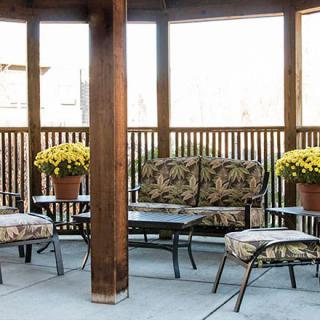
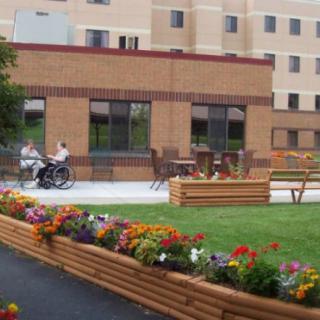
Several reviews say there is consistently something going on, with activities designed to keep residents social and engaged. Families also mention opportunities to get fresh air and use outdoor spaces as part of the day. For people in rehab, some residents connect the activities with staying busy while continuing recovery.
common
5 reviews mention this
Cleanliness and setting matter
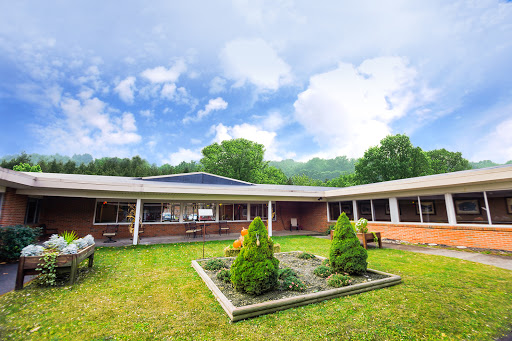
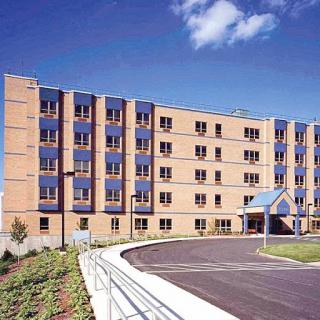
Residents describe a well-kept facility and an appealing outdoor setting.
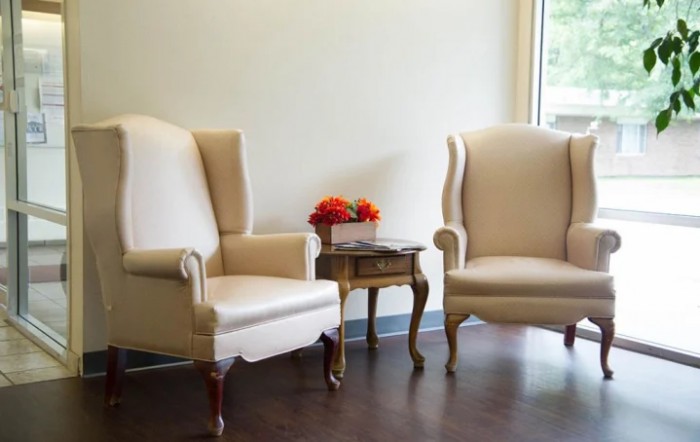
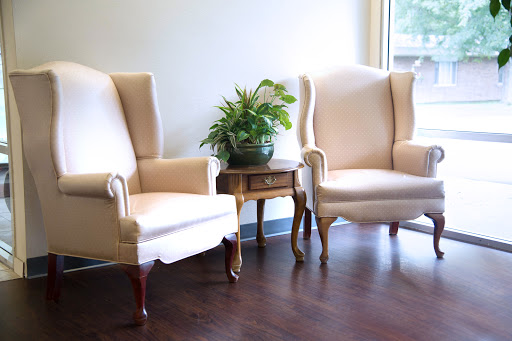
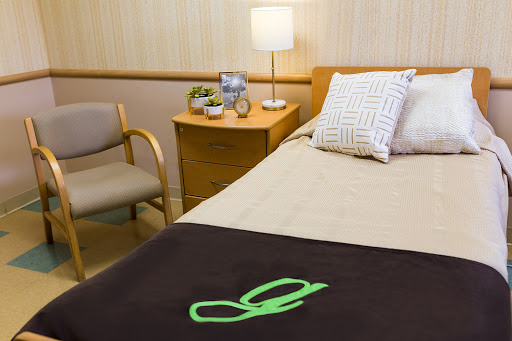
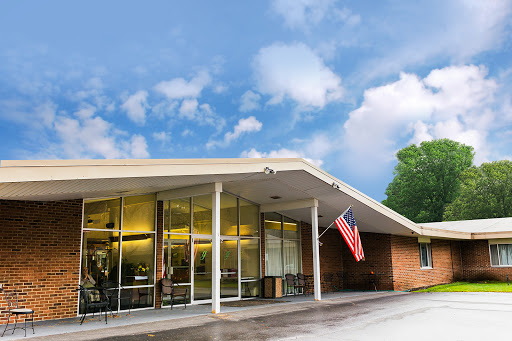
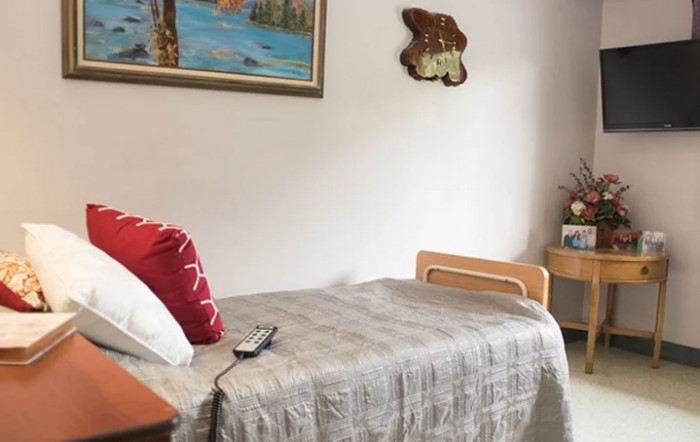
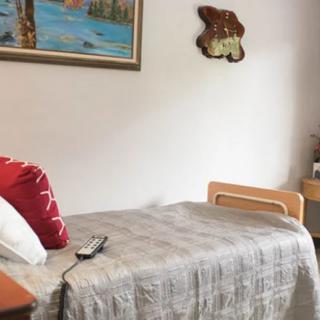
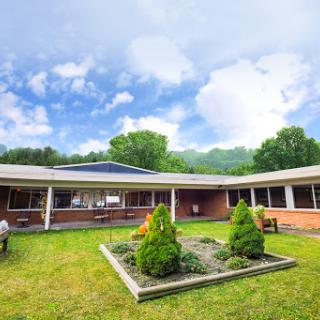
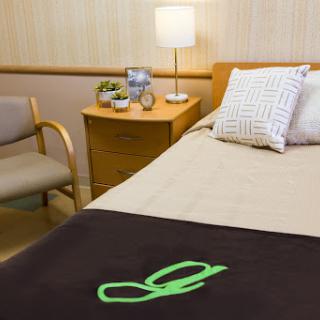
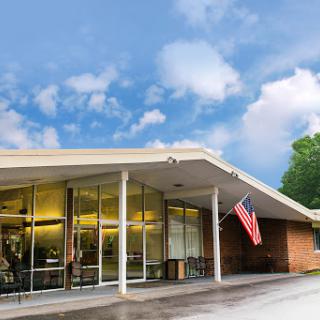
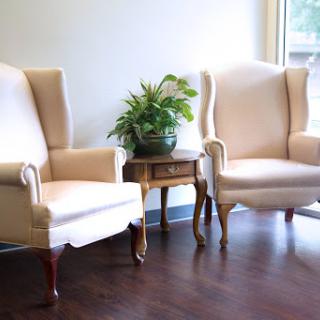
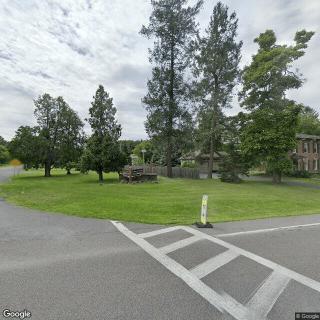
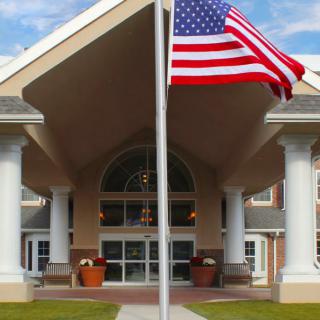
Many positive comments highlight that the facility is clean and well maintained, including rooms that looked freshly updated. Reviewers also describe the overall location as pleasant, with access to outdoor areas where families and residents can walk together. Some critical reviews, however, describe cleanliness problems and rooms that felt poorly maintained, which shows this can vary from visit to visit.
caveat
9 reviews mention this
Understaffing can affect response times
Multiple reviews describe understaffing that leads to delayed help.
Several critical reviews report long waits for nurse responses when calls were placed, including cases where residents reportedly waited extended periods for assistance. Families also describe situations involving delayed basic care needs, such as changes, toileting assistance, and follow-through on requests. While other reviews praise the staff, these accounts suggest coverage and responsiveness may be inconsistent, especially during higher-need moments.
caveat
4 reviews mention this
Food service receives negative comments
Dining quality and service timing draw repeated complaints.
Some families describe meals as cold, inconsistent, or served slowly, and several mention frustration with how food and drink requests were handled. There are also comments about utensil use and concerns about whether special dietary instructions were followed. While the community offers restaurant-style dining in its amenities list, residentsā€™ recent experiences reported in reviews include problems with meal service and temperature.
How we summarize
Counts show how many written reviews mention each theme; a review can touch several themes, and only frequently mentioned themes are displayed.





 80 resident community capacity
 Skilled Nursing Facility
 Air-conditioning
 Beauty salon
 Cable or satellite TV
 Computer center
 Dining room
 Fitness room
 Fully furnished
 Gaming room
 Garden
 Housekeeping services
 Kitchenette
 Move-in coordination
 Outdoor space
 Private bathrooms
 Restaurant-style dining
 Small library
 Telephone
 Wellness center
 Wi-Fi/high-speed internet available
 Syracuse-Hancock International (13 miles away)
 Community operated transportation
 12-16 hour nursing
 24-hour call system
 Activities of daily living assistance
 Assistance with bathing
 Assistance with dressing
 Assistance with transfers
 Diabetes diet
 Medication management
 Mental wellness program
 Special dietary restrictions
 Concierge services
 Planned day trips
 Diabetic care specialization; indoor common areas; convenient access to nearby amenities.
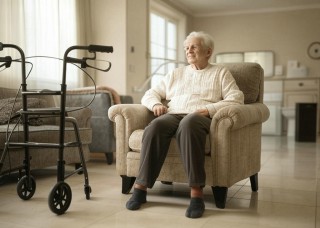 8 Essential Assistive Devices for Older Adults
 Navigating the Financial Road to Nursing Home Care: In-Depth Guidance and Resources
 Supportive Employee Benefits That Help Caregivers Attain Better Work-Life Harmony