
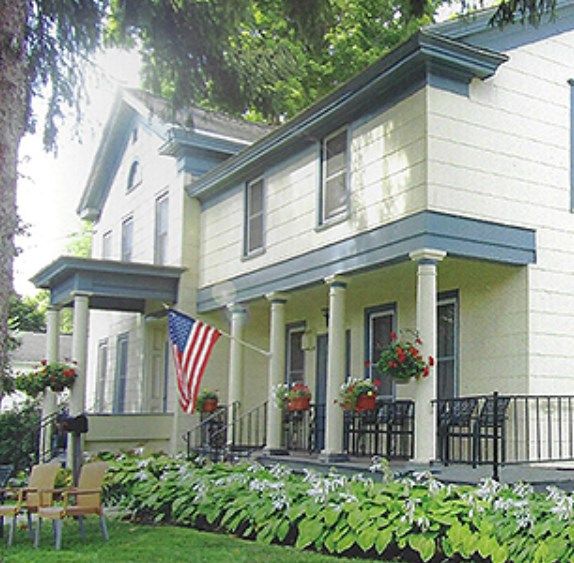
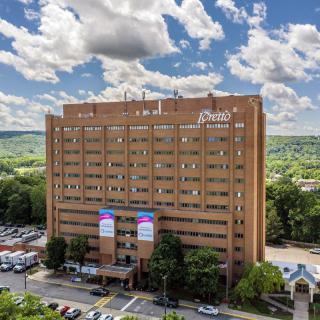
215 East Pleasant Street, Manlius, NY 13104
For more information about senior living options: (866) 208-4318
Overall Review of Manlius Assisted Living Program
Pros
 The staff are the best.
- It feels very homey and like extended family.
- The meals are exceptional.
- The facility is characterized by great professionalism and genuine care.
- The staff truly care about the residents and go to great lengths to ensure their comfort, safety and happiness.
- The owners are excellent.
- They would highly recommend the facility to others.
Cons
 The reviewer would think long and hard before placing a loved one there.
- The staff sit around the dining room talking instead of engaging with residents.
- For a facility this small, the cleanliness is lacking and residents are neglected.
Review
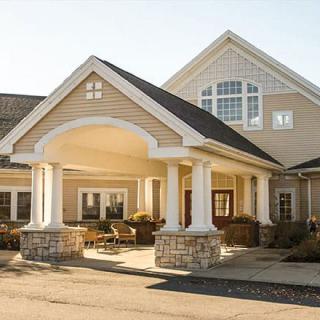
Manlius Assisted Living Program is best suited for families seeking a small, intimate, home-like setting where familiar faces and warm, personal care define daily life. This community excels for an elderly parent who benefits from genuine warmth, predictable routines, and meals that feel like home cooking. It is a strong fit when a loved one values caregiver relationships over a buzzy, highly structured campus atmosphere, and when safety, comfort, and a sense of extended-family support take priority over high-energy programming or institutional polish. In short, it serves best those who want to be known by name and to feel that care staff treat every day as a caring, individualized experience.
That said, attention should go to families who may want to explore alternatives. For seniors who crave robust social programming, continuous activity variety, and a high level of stimulation throughout the day, this option may feel understated. Critics note a quiet, repetitive rhythm in the day-to-day staff dynamics and a lack of proactive engagement with residents. Cleanliness and upkeep are flagged as concerns by some, and the small size of the facility can translate into limited resources and fewer visible amenities. If a more dynamic, bustling, and visibly polished environment is a priority, it would be prudent to compare with larger communities that can offer more structured programming and broader staffing coverage.
The strongest positives are concrete and meaningful: a staff that demonstrates genuine care and a professionalism that translates into comfort and safety. Residents feel cherished within what many describe as a homey atmosphere, with caregivers who know their names and preferences. Meals stand out as a notable strength, delivering quality that residents and families repeatedly praise. Several accounts highlight staff going to great lengths to support families, whether coordinating care during hospital stays or ensuring a resident is settled back in with a hot meal after long hours. This level of attentiveness, coupled with owners who respond when needs arise, creates a foundation of trust that can be hard to find in smaller settings.
Yet the downsides can erode the overall experience if not weighed carefully. The major concerns center on engagement and cleanliness. Observations describe residents and staff as being in the same places with limited stimulation, and interactions sometimes focus on routine task completion rather than meaningful conversation. The atmosphere can feel a bit stagnant, with staff more talkative among themselves than actively engaging those needing attention. Cleanliness and upkeep are rated as wanting by some, which raises questions about daily maintenance and the overall ambience. In a setting where comfort and safety hinge on visible upkeep and proactive interaction, these issues can offset otherwise strong personal care.
For families evaluating this community, the practical path is clear: visit with a checklist in hand and look for evidence of lively but respectful engagement, consistent staffing patterns, and a demonstrated willingness to address concerns. Observe how meals are presented and whether staff actively participate in mealtime conversations rather than simply supervising. Inquire about daily activity schedules, transportation options for outings, and programs tailored to varying levels of independence. Speak with residents and their families about responsiveness to questions and the facility’s approach during transitions of care. Ask about housekeeping routines, laundry, and room upkeep to gauge whether cleanliness expectations align with your standards.
In the end, Manlius Assisted Living Program offers a compelling option for families prioritizing a warm, family-like environment, attentive staff, and standout meals. It shines when the priority is person-centered care, continuity of relationships, and a sense that a loved one is cherished daily. Pros offset by strong caveats only if the decision hinges on constant activity, expansive programming, or the polish of a larger campus. For a parent who would thrive in a small, attentive setting with caregivers who feel like extended family, this community earns a favorable recommendation. For those who require a more dynamic social calendar and impeccably maintained surroundings, it is wise to compare with other options before deciding.
 40 resident community capacity
 Assisted Living
 Respite Care
 Skilled Nursing Facility
 Beautician on-site
 Cable or satellite TV
 Dining room
 Financial aid
 Fully furnished
 Garden
 Housekeeping services
 Kitchenette
 Laundry
 Move-in coordination
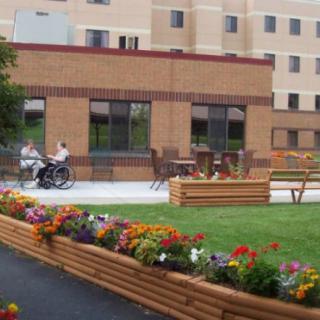
 Outdoor space
 Restaurant-style dining
 Small library
 Telephone
 Wi-Fi/high-speed internet available
 Syracuse-Hancock International (10 miles away)
 Transportation & parking
 24-hour call system
 Activities of daily living assistance
 Assistance with bathing
 Assistance with dressing
 Assistance with transfers
 Diabetes diet
 Medication management
 Mental wellness program
 Physical therapy
 Special dietary restrictions
 Arts and crafts
 Fitness programs
 Games
Games English
 Comprehensive Insights into Activities of Daily Living (ADLs) and Their Assessment
 Medicare Coverage for Assisted Living: An In-Depth Exploration
 Your Comprehensive Guide to Luxury Assisted Living: Elevated Facilities, Amenities, and Costs