Iroquois Nursing Home in Jamesville, NY

Save

  • Interior

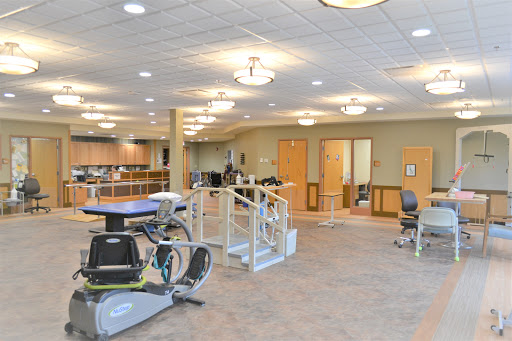
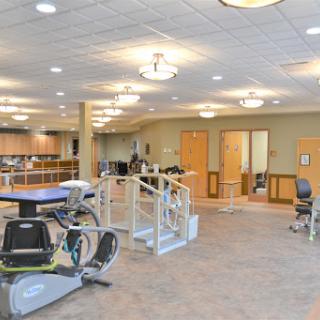
    A well-equipped rehabilitation center designed for physical therapy, featuring various exercise equipment and a spacious layout.
  • Outdoors

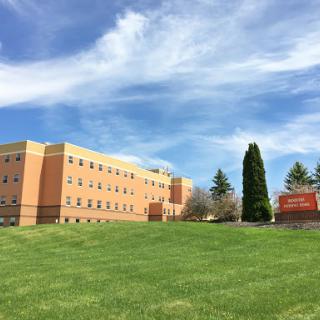
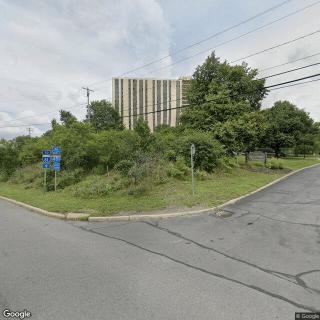
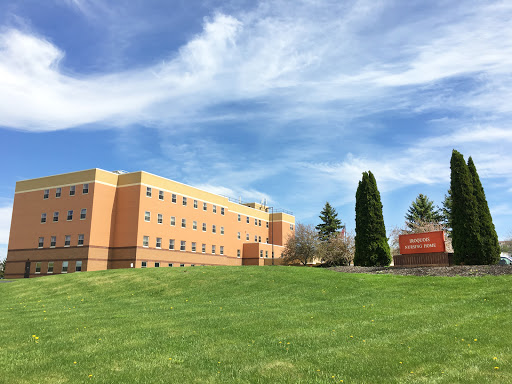
    A sunny day showcasing a multi-story educational building surrounded by lush green grass and a clear blue sky.
  • Decor

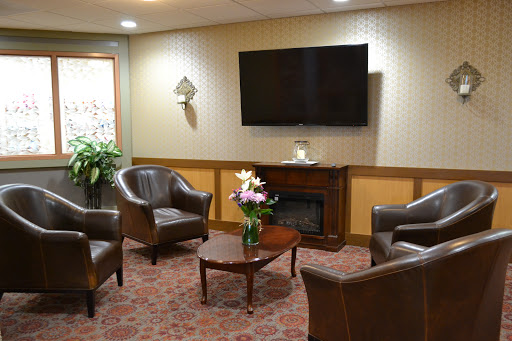
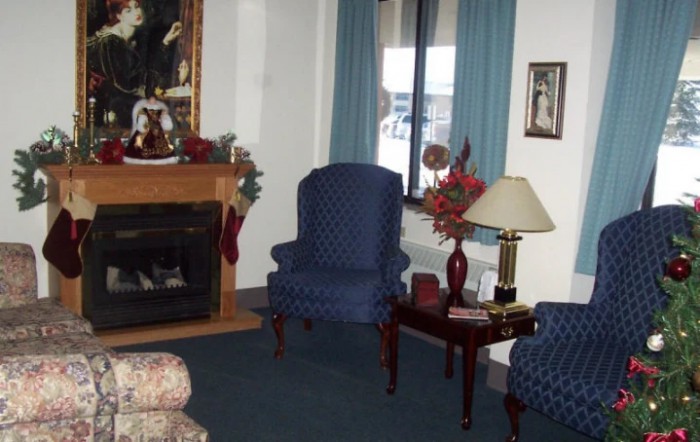
    A cozy living room with a fireplace, armchairs, and decorative elements.
  • Building

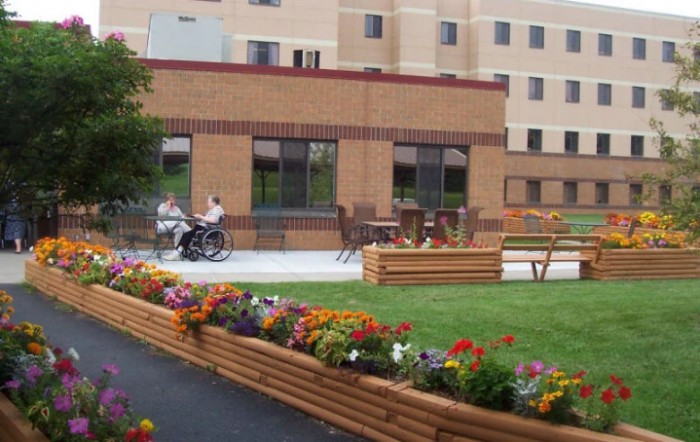
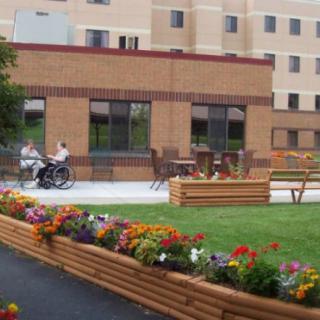
    A vibrant garden with colorful flowers and outdoor seating in front of a building, with a person in a wheelchair nearby.
  • Trees

    A view of a rainy parking lot with trees and parked vehicles.
  • Lighting

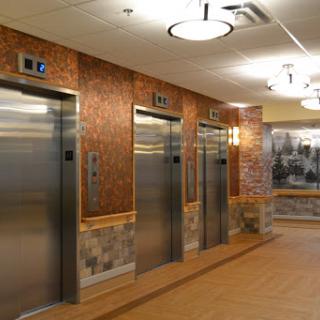
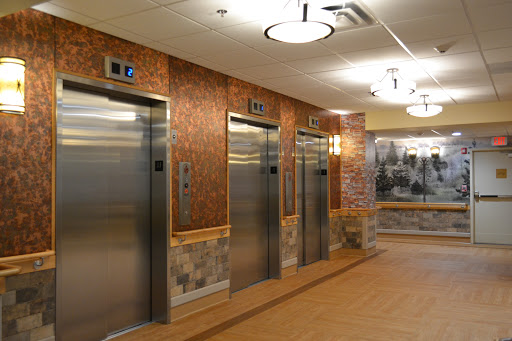
    A view of three sleek elevators in a modern building interior, showcasing contemporary design and warm lighting.
  • Garden

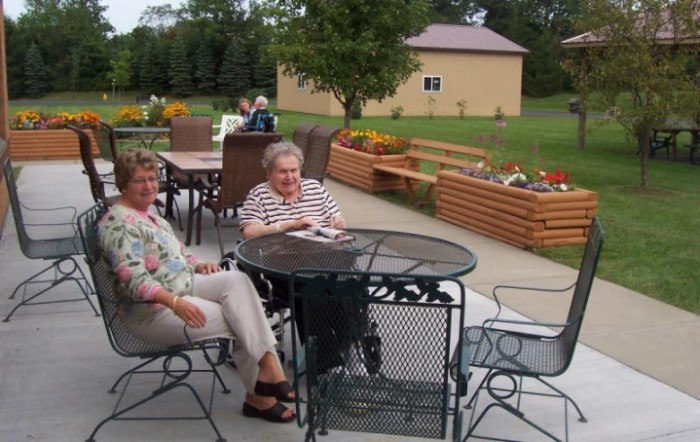
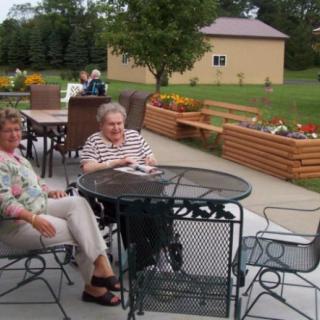
    Two people sitting and relaxing at an outdoor patio table in a garden setting.
  • Television

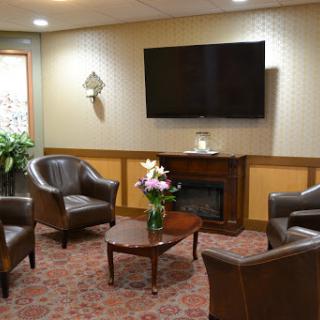
    A cozy lounge area featuring comfortable seating, a television, and decorative flowers.
  • Nature

    A subtle rainbow appears amidst the stormy clouds and lush greenery.
  • Waiting Area

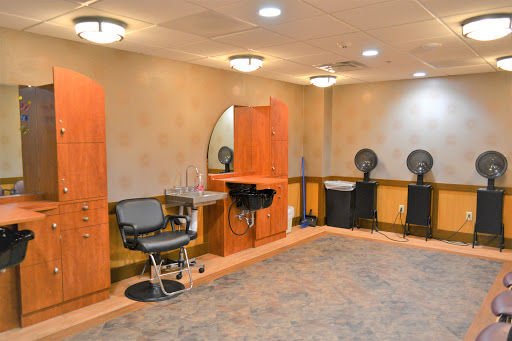
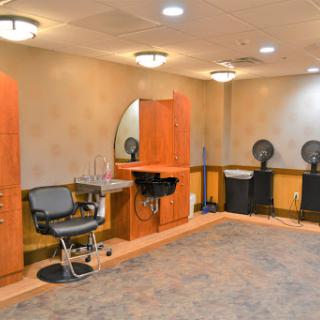
    An interior view of a modern hair salon with styling stations and waiting areas.
  • Wheelchair

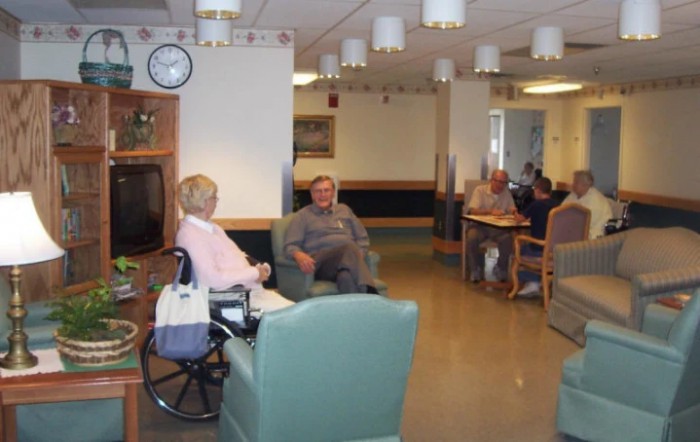
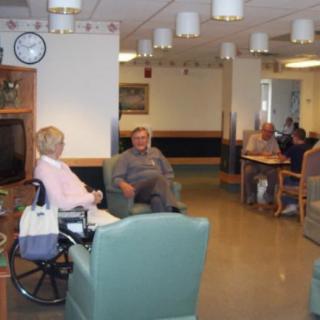
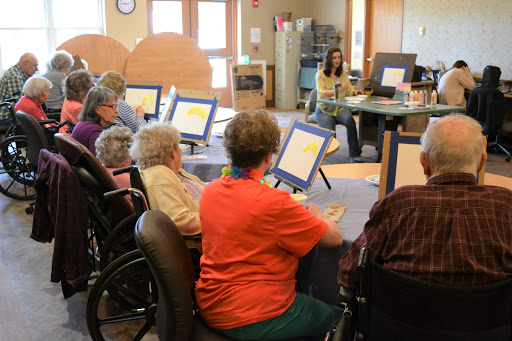
    Elderly residents engaging in conversation in a nursing home common area.
  • Computers

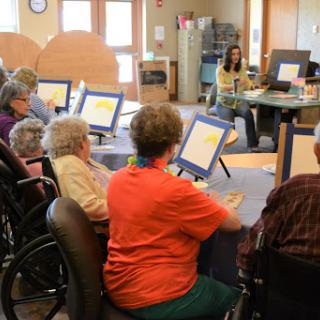
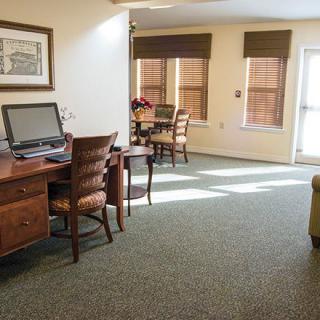
    Elderly individuals engaged in a technology session at a community center.

Iroquois Nursing Home in Jamesville, NY

4600 Southwood Heights Drive, Jamesville, NY 13078

For more information about senior living options: (844) 490-3973

3.4 from 134 reviews
5 stars
59
4 stars
18
3 stars
10
2 stars
10
1 stars
37

Skilled Nursing Facility

Overall Review of Iroquois Nursing Home

Pros

  • pro The lobby front desk staff are kind.
  • pro The facility is very clean.
  • pro Residents receive excellent care from nursing, CNAs, PT, OT, and dietitians.
  • pro The nursing staff provide outstanding care and attentive support.
  • pro The dementia unit allows residents to roam and stay engaged with activities.
  • pro Staff across all shifts are compassionate, responsive, and communicative.
  • pro The facility is spacious, well-maintained, and welcoming.
  • pro The main entrance and common areas feel like a hotel, not a typical nursing home.
  • pro The staff are friendly, courteous, and professional.
  • pro The food is decent and accommodations are available when needed.
  • pro Families frequently express high satisfaction and would recommend Iroquois Nursing Home.
  • pro Residents are treated with dignity, respect, and compassion by the caregiving team.

Cons

  • pro CNAs are overworked and underappreciated.
  • pro The facility is described as a nightmare, where patients are neglected and families treated with disrespect.
  • pro Administration does not answer the phone or return calls, and policies are not communicated to families.
  • pro The facility is severely understaffed, with aides who are careless and lazy and nurses who do not promptly respond to calls.
  • pro Personal items frequently go missing, such as clothes and glasses, and are not returned.
  • pro Residents are sometimes left in soiled conditions or not properly fed or washed.
  • pro Discharge processes are poorly handled, leading to dehydration, malnutrition, and unsafe transitions.
  • pro Staff communication with families is rude or disrespectful, and management appears indifferent to residents' welfare.

Review

Iroquois Nursing Home in Jamesville is best suited for families seeking solid rehabilitative services and a dementia-capable environment within a facility that aims to feel like a cohesive community. When the goal is post-acute recovery or ongoing cognitive care, the campus often delivers measurable progress, with skilled therapy teams, clean surroundings, and a supportive atmosphere that residents and families can experience as reassuring. The dementia unit, designed to allow safe roaming and engaging activities, bolsters this fit for residents who benefit from structured social programming and attentive hourly care. For long-term, high-need care where consistent, highly responsive staffing is nonnegotiable, this community requires careful scrutiny and ongoing advocacy.

Alternatives should be considered by families prioritizing consistently proactive administration, transparent communication, and uniform staffing. Several reviews flag communication gaps with administrators and social workers, delayed responses to calls, and a perception that management prioritizes occupancy over resident needs. If a family requires rapid, reliable updates, meticulous discharge planning, or a tightly coordinated care plan across shifts, other facilities with stronger administrative reliability may be a better fit. Similarly, those who need English-proficient staff across all roles or who want a facility with a uniformly attentive weekend team may want to compare options before deciding.

The strongest positives counterbalance the downside in ways that matter for many residents. Clean, well-maintained spaces and spacious rooms create a welcoming, hotel-like feel that reduces anxiety and fosters dignity. Families repeatedly praise the dedication of nursing assistants, therapists, and activity staff who participate earnestly in rehabilitation and daily routines. The rehab and therapy teams are frequently described as devoted, with therapies that help patients regain function, and with care teams that communicate with families in meaningful, informative ways during care planning and progress reviews. A well-regarded dementia unit and robust activity programming can translate into meaningful engagement for residents who otherwise struggle with isolation.

However, the most significant drawbacks appear as persistent structural challenges. Understaffing is a recurrent theme, resulting in long waits for assistance, delayed responses to bed alarms, and inconsistent attention to basics like meals and hygiene. Several accounts describe staff turnover and language barriers that complicate communication, particularly on weekends or on harder-to-staff shifts. Family members report missed belongings, lost clothing, and disjointed discharge experiences, with some instances of inadequate documentation or slow follow-up from social workers. There are also troubling allegations of neglect and unacceptable lapses in responsiveness that cannot be ignored in a decision about care.

From a practical perspective, these dynamics shape decision-making for rehab versus long-term care. For post-acute stays, the facility can deliver meaningful mobility gains when therapy teams can engage consistently and the care plan is actively managed by involved families. It is essential to verify that discharge goals align with a resident's home plan and to insist on clear, timely communication from nursing leadership. For long-term residents, the risk is that inconsistent staffing and variable administrative support undermine daily quality of life, even as many individual caregivers remain compassionate and capable on their shifts. Prospective residents should prepare to monitor care closely, advocate for care adjustments, and request routine updates.

The takeaway is candid: Iroquois has undeniable strengths in care when the rehabilitation framework and dementia programming are the priority, and when families can maintain an active role in oversight. Yet the reality of staffing gaps, uneven administrative responsiveness, and mixed reports on day-to-day operations means that this community may not be the best choice for every family. If choosing Iroquois, prepare to engage early and often - review care plans with the floor manager, request consistent shifts for key staff, and insist on timely feedback from social workers. For those who cannot tolerate the variability that accompanies under-resourced care, exploring alternatives with stronger staffing consistency and tighter administrative control is prudent. In the end, the decision hinges on balancing the appeal of strong rehab and engaging programs against the risk of uneven day-to-day responsiveness and safety concerns.

Features

Housing

  • 160 resident community capacity 160 resident community capacity

Types of Care

  • Skilled Nursing Facility Skilled Nursing FacilitySkilled Nursing Facilities are crucial for seniors as they provide round-the-clock medical care, rehabilitation services, and assistance with daily activities. These facilities ensure that seniors receive the specialized care they need to maintain their health and well-being as they age.

Amenities

  • Air-conditioning Air-conditioningAir conditioning is important for seniors as they are more vulnerable to heat-related illnesses and may have underlying health conditions that make it difficult for them to regulate their body temperature. It helps to keep them comfortable, safe, and healthy in hot weather.
  • Beauty salon Beauty salonBeauty salons are important for seniors because they provide a space for them to feel pampered, socialize, and maintain their personal grooming and hygiene. Regular visits to a beauty salon can help boost seniors' self-esteem and overall well-being.
  • Cable or satellite TV Cable or satellite TVCable or satellite TV is important for seniors because it provides entertainment, news, and companionship, helping to combat loneliness and boredom. It also offers a wide range of programming options tailored to different interests and preferences.
  • Computer center Computer centerA computer center is essential for seniors as it provides access to technology, communication tools, and resources that can enhance their daily lives. It allows them to stay connected with loved ones, engage in online activities, and learn new skills, ultimately promoting socialization and mental stimulation.
  • Dining room Dining roomDining rooms are important for seniors as they provide a space for socialization, connection, and nutritious meals. They offer opportunities for residents to bond over shared meals, foster a sense of community, and promote healthy eating habits. Dining rooms also ensure that seniors have access to well-balanced meals tailored to their dietary needs and preferences.
  • Fitness room Fitness roomHaving a fitness room in a senior living community is essential for seniors to stay active, maintain their physical health, and improve their overall well-being. Regular exercise can help prevent falls, reduce the risk of chronic diseases, and promote mental sharpness. It also provides social opportunities for residents to connect with others and enjoy a sense of community.
  • Fully furnished Fully furnishedFully furnished senior living communities are important for seniors because they provide convenience, comfort, and a hassle-free moving experience. Seniors can easily settle into their new living space without the stress of having to buy and move furniture. This allows them to focus on enjoying their new home and community.
  • Gaming room Gaming roomGaming rooms are important for seniors as they provide a fun and engaging environment for socializing, cognitive stimulation, and physical activity. Games can improve memory, problem-solving skills, and overall mental well-being while fostering friendships and reducing feelings of isolation.
  • Garden GardenGardens are important for seniors as they provide a peaceful and therapeutic environment for relaxation, physical activity, and socialization. Being in nature has been shown to reduce stress, improve mood, and promote overall well-being. Gardens also offer opportunities for seniors to engage in gardening activities, which can improve mobility, flexibility, and cognitive function. Additionally, gardens create a sense of community and connection with others who share a passion for plants and outdoor spaces.
  • Housekeeping services Housekeeping servicesHousekeeping services are important for seniors because they help maintain a clean and safe living environment, promote independence, and reduce the risk of accidents or illnesses. Additionally, having assistance with household chores can alleviate physical strain and allow seniors to focus on other aspects of their well-being.
  • Kitchenette KitchenetteKitchenettes are important for seniors living in senior living communities because they provide the convenience and independence of being able to prepare simple meals and snacks in the comfort of their own living space. This can help promote a sense of autonomy and well-being for seniors, allowing them to maintain some level of control over their dietary choices and daily routines.
  • Move-in coordination Move-in coordinationMove-in coordination is important for seniors because it helps ease the transition into their new living environment. It ensures that all logistics, such as packing, organizing movers, and setting up utilities are taken care of, allowing seniors to focus on settling in and adjusting to their new home. Having a smooth move-in process can alleviate stress and anxiety, making the transition smoother and more enjoyable for seniors.
  • Outdoor space Outdoor spaceOutdoor spaces are important for seniors as they provide opportunities for physical activity, social interaction, exposure to natural light and fresh air, and a sense of connection to nature. Having access to outdoor spaces can improve overall well-being and quality of life for older adults living in senior communities.
  • Private bathrooms Private bathroomsPrivate bathrooms are important for seniors in senior living communities because they provide independence, dignity, and comfort. Having a private bathroom allows seniors to maintain their personal hygiene routines without the need for assistance, promoting a sense of autonomy and privacy. Additionally, private bathrooms help prevent the spread of infections and provide a safe and clean environment for seniors to navigate safely.
  • Restaurant-style dining Restaurant-style diningRestaurant-style dining is important for seniors because it allows them to enjoy delicious, nutritious meals in a social and upscale setting. This enhances their dining experience, promotes healthy eating habits, and fosters socialization with fellow residents, ultimately contributing to their overall well-being and quality of life.
  • Small library Small librarySmall libraries are important for seniors as they provide access to a variety of reading materials, including books, newspapers, and magazines. This can help stimulate their minds, keep them engaged, and provide a sense of community through book clubs and other social activities. Additionally, reading has been shown to improve cognitive function and overall mental well-being in older adults.
  • Telephone TelephoneTelephones are important for seniors as they provide a lifeline for communication with loved ones, emergency services, and healthcare providers. They offer a sense of security and independence, enabling seniors to stay connected and access assistance when needed.
  • Wellness center Wellness centerWellness centers are important for seniors because they offer a variety of programs and services that promote physical, mental, and emotional well-being. These centers provide opportunities for exercise, socialization, education, and relaxation, helping seniors maintain their overall health and quality of life.
  • Wi-Fi/high-speed internet available Wi-Fi/high-speed internet availableWi-Fi/high-speed internet is important for seniors to stay connected with loved ones, access online resources, and participate in virtual activities to combat feelings of loneliness and isolation. It also allows them to easily manage healthcare needs, access entertainment, and engage in lifelong learning opportunities.

Transportation

  • Syracuse-Hancock International (8 miles away) Syracuse-Hancock International (8 miles away)
  • Community operated transportation Community operated transportationCommunity operated transportation is crucial for seniors as it provides them with the means to access essential services, social activities, and medical appointments. It allows seniors to maintain their independence and quality of life by ensuring they can participate in activities outside of their homes. Additionally, community-operated transportation services offer a safe and reliable way for seniors to travel without having to rely on family or friends for assistance.
  • Transportation arrangement Transportation arrangementTransportation arrangements are crucial for seniors as they may face challenges with driving, mobility, or access to public transportation. Having reliable transportation services ensures that seniors can easily attend appointments, social activities, and maintain their independence and quality of life.
  • Transportation arrangement (non-medical) Transportation arrangement (non-medical)Transportation arrangements are essential for seniors as they provide access to essential services, activities, and social interactions outside the home. This service helps maintain independence, mobility, and overall well-being for seniors who may have limited transportation options.
  • Transportation to doctors appointments Transportation to doctors appointmentsTransportation to doctors appointments is crucial for seniors as it ensures they have access to necessary medical care and support, promoting their health and well-being. It allows them to receive timely treatment, monitor existing conditions, and address any new health concerns efficiently. Additionally, transportation services can help seniors maintain their independence and quality of life by enabling them to stay connected with their healthcare providers.

Care Services

  • 12-16 hour nursing 12-16 hour nursing12-16 hour nursing care is crucial for seniors in order to ensure around-the-clock monitoring, timely medication administration, and prompt response to any health concerns or emergencies. This level of care helps to promote the overall well-being and safety of seniors living in senior living communities.
  • 24-hour call system 24-hour call system24-hour call systems are important for seniors because they provide peace of mind and immediate assistance in case of emergencies. This technology ensures that help is always available, promoting safety and security for elderly individuals living alone or in assisted living facilities.
  • 24-hour supervision 24-hour supervision24-hour supervision is important for seniors to ensure their safety, well-being, and access to immediate assistance in case of emergencies or health issues. This constant support provides peace of mind for both seniors and their loved ones, allowing them to age in place with dignity and security.
  • Activities of daily living assistance Activities of daily living assistanceActivities of daily living assistance are important for seniors because they provide essential support with tasks such as eating, bathing, dressing, and mobility. This assistance helps seniors maintain their independence, dignity, and overall quality of life as they age.
  • Assistance with bathing Assistance with bathingAssistance with bathing is crucial for seniors as it helps maintain personal hygiene, prevents infections, and ensures their overall well-being and comfort. It also provides a sense of dignity and independence for seniors who may struggle with this task on their own.
  • Assistance with dressing Assistance with dressingAssistance with dressing is important for seniors because it helps maintain their independence, promotes personal hygiene, prevents accidents and injuries, and improves overall quality of life. This service ensures that seniors can continue to dress comfortably and confidently, despite any physical limitations they may have.
  • Assistance with transfers Assistance with transfersAssistance with transfers is crucial for seniors as it helps prevent falls and injuries, maintains their independence, and ensures they can safely navigate their living environment. It also provides peace of mind for both seniors and their loved ones.
  • Diabetes diet Diabetes dietA diabetes diet is crucial for seniors as it helps manage blood sugar levels, reduce risks of complications, and improve overall health and well-being. By following a balanced and nutritious diet tailored to their specific needs, seniors can better control their diabetes and enhance their quality of life.
  • Meal preparation and service Meal preparation and serviceMeal preparation and service are crucial for seniors as they may have limited mobility or energy to cook nutritious meals. Having access to healthy and convenient food options can ensure they are getting the proper nutrition needed to maintain their overall health and well-being.
  • Medication management Medication managementMedication management is crucial for seniors to ensure they are taking the right medications at the correct dosages and times. This helps prevent adverse drug interactions, reduces the risk of medication errors, and promotes overall health and well-being. Proactive management also allows for adjustments as needed based on changing health conditions or new prescriptions.
  • Mental wellness program Mental wellness programMental wellness programs are essential for seniors as they promote cognitive stimulation, emotional support, and social engagement. These programs help prevent isolation, depression, and cognitive decline, ultimately enhancing the overall quality of life for older adults.
  • Special dietary restrictions Special dietary restrictionsSpecial dietary restrictions are important for seniors because age-related changes in metabolism and health conditions can make it difficult for their bodies to process certain foods. By following a diet tailored to their specific needs, seniors can maintain their overall health and well-being, manage chronic conditions, and reduce the risk of complications such as malnutrition or food interactions with medications.

Dining

  • Diabetes diet Diabetes dietA diabetes diet is crucial for seniors as it helps manage blood sugar levels, reduce risks of complications, and improve overall health and well-being. By following a balanced and nutritious diet tailored to their specific needs, seniors can better control their diabetes and enhance their quality of life.
  • Special dietary restrictions Special dietary restrictionsSpecial dietary restrictions are important for seniors because age-related changes in metabolism and health conditions can make it difficult for their bodies to process certain foods. By following a diet tailored to their specific needs, seniors can maintain their overall health and well-being, manage chronic conditions, and reduce the risk of complications such as malnutrition or food interactions with medications.

Activities

  • Community-sponsored activities Community-sponsored activitiesCommunity-sponsored activities are important for seniors as they provide opportunities for social interaction, mental stimulation, and physical activity. These activities can help improve overall well-being, combat loneliness and isolation, and promote a sense of belonging and purpose among older adults.
  • Concierge services Concierge servicesConcierge services are essential for seniors as they provide assistance with daily tasks and errands, enhance their quality of life by offering convenience and personalized care, and promote a sense of safety and security.
  • Fitness programs Fitness programsFitness programs are crucial for seniors as they help improve strength, flexibility, balance, and overall well-being. Staying active can reduce the risk of chronic diseases, improve mental health, and enhance quality of life in older adults.
  • Planned day trips Planned day tripsPlanned day trips are important for seniors because they offer opportunities for socialization, mental stimulation, and physical activity. They provide a change of scenery and help seniors stay engaged and connected to their community, promoting overall well-being and quality of life.
  • Resident-run activities Resident-run activitiesResident-run activities are important for seniors as they encourage social interaction, creativity, and a sense of autonomy. These activities empower seniors to stay engaged and active in their community while fostering meaningful connections with their peers.
  • Scheduled daily activities Scheduled daily activitiesScheduled daily activities are important for seniors because they provide structure, socialization, mental stimulation, and physical activity. Engaging in regular activities can improve overall well-being and quality of life for seniors living in a community setting.

Description

The Iroquois Nursing Home in Jamesville, NY is a premier assisted living community that offers a wide range of amenities and care services to ensure the comfort and well-being of its residents.

For convenience and relaxation, residents can take advantage of the on-site beauty salon, cable or satellite TV, gaming room, small library, and outdoor space. The community is also equipped with a computer center and Wi-Fi/high-speed internet for those who wish to stay connected with their loved ones or engage in online activities.

Meals are served in a spacious dining room with restaurant-style dining, offering delicious and nutritious options to accommodate special dietary restrictions. A kitchenette is available for those who prefer preparing their own meals.

Residents have access to various care services around the clock, including assistance with activities of daily living such as bathing, dressing, and transfers. Medication management ensures that individuals receive the correct dosage on time. Additionally, the staff provides support for individuals following diabetes diets and other special dietary restrictions.

To promote mental wellness, the community offers a mental wellness program that addresses social and emotional needs. Concierge services are available to assist residents with any additional needs or requests they may have.

Residents can stay active through fitness programs held in the on-site fitness room or participate in scheduled daily activities organized by the community. Planned day trips provide opportunities for exploration and enjoyment beyond the community's premises.

In terms of location, Iroquois Nursing Home is surrounded by numerous amenities including four cafes, three parks where residents can enjoy nature walks or picnics, nine pharmacies providing easy access to medication supplies, 38 physicians for medical consultations nearby. There are also 30 restaurants nearby offering diverse culinary experiences while two transportation options ensure convenient travels as needed. Places of worship are conveniently located nearby as well as nine hospitals providing peace of mind knowing medical care is accessible when needed.

With its wide array of amenities and comprehensive care services combined with its convenient location, the Iroquois Nursing Home in Jamesville, NY offers a comfortable and fulfilling assisted living community for individuals seeking a supportive and enriching lifestyle.

Nearby Places of Interest

Hospitals

  • Specialists One Day Surgery (0.7 miles)
  • Upstate Golisano After Hours Care (2.6 miles)
  • Upstate University Hospital (2.6 miles)
  • Syracuse VA Medical Center (3.2 miles)
  • Suny Upstate Medical University University Hospital (3.2 miles)
  • Crouse Promptcare (3.3 miles)
  • Crouse Hospital: Human Resources (3.3 miles)

Physicians

  • Dr Anne Barash, MD (0.7 miles)
  • Orthopedics East (0.7 miles)
  • DeRoberts Plastic Surgery (2.6 miles)
  • Upstate University Hospital Community Campus (2.6 miles)
  • Haxton Frances G MD (2.8 miles)
  • The Vision Center (3.1 miles)
  • Syracuse Gastroentrological Associates (3.3 miles)

Pharmacies

  • Kinney Drugs (0.7 miles)
  • Walgreens (1.9 miles)
  • Kinney Drugs (2.4 miles)
  • Syracuse Community Pharmacy (3.4 miles)
  • Walgreens (3.6 miles)
  • Gifford & West Pharmacy (3.9 miles)
  • Wegmans (4.2 miles)

Parks

  • Clark Reservation State Park (1.2 miles)
  • Clinton Square (4.2 miles)
  • Burnet Park (4.6 miles)

Restaurants

  • Pfohl's Tavern (1.3 miles)
  • McDonald's (1.5 miles)
  • Gannon's Ice Cream (1.8 miles)
  • Luigi's Restaurant (1.8 miles)
  • Strong Hearts Cafe (3.8 miles)
  • Eleven Waters (3.8 miles)
  • John H Mulroy Civic Center (3.8 miles)

Places of Worship

  • Islamic Society of Central New York Mosque (2.6 miles)
  • May Memorial Unitarian Universalist Society (3.6 miles)
  • Holy Cross Church (3.6 miles)
  • Apostolic Church (4.4 miles)
  • St Elias Orthodox Church (4.5 miles)

Transportation

  • Centro Transit Hub (3.7 miles)
  • Enterprise Rent-A-Car (4.5 miles)

Cafes

  • Cafe Kubal (3.9 miles)
  • Original Grain (4.1 miles)
  • Tous Les Jours (4.3 miles)
  • Starbucks (4.4 miles)

Frequently Asked Questions

Where is Iroquois Nursing Home?
What photos are available for Iroquois Nursing Home in Jamesville, New York?

Nearby Communities

  • Brighton Towers Inc

    Brighton Towers Inc

    Syracuse, NY

    2.8 from 25 reviews
     

    pro Excellent location with easy access to cafes, parks, pharmacies, restaurants, and transit.
  • Central Park Rehabilitation And Nursing Center

    Central Park Rehabilitation And Nursing Center

    Syracuse, NY

    4.1 from 109 reviews
     

    pro Professional staff and a clean, secure environment.

  • Loretto Health And Rehabilitation Center

    Loretto Health And Rehabilitation Center

    Syracuse, NY

    2.3 from 105 reviews
     

    pro Caring, knowledgeable staff and effective physical therapy; regular family updates.

  • Loretto Rehab Ctr

    Loretto Rehab Ctr

    Syracuse, NY

    2.3 from 84 reviews
     

    pro Some staff provided adequate care; rehab services were available.

  • The Heritage

    The Heritage

    Syracuse, NY

    3.8 from 18 reviews
     

    pro Pleasant, hotel-like atmosphere with caring staff and an active social calendar.

  • J Stanley Coyne Heritage Apts

    J Stanley Coyne Heritage Apts

    Syracuse, NY


    pro Excellent access to healthcare and nearby amenities.

  • Mount St James Apartments

    Mount St James Apartments

    Syracuse, NY

    3.1 from 10 reviews
     

    pro Excellent access to nearby amenities (medical, dining, transportation, worship, and parks).

  • Brookdale Summerfield

    Brookdale Summerfield

    Syracuse, NY

    4.3 from 36 reviews
    $3,335 to $4,530 / month

    pro Caring, attentive staff and a clean, hotel-like environment with engaging activities.

  • Presidential Plaza Harrison

    Presidential Plaza Harrison

    Syracuse, NY


    pro Excellent access to dining, healthcare, parks, and transit nearby.

Skilled Nursing Facility in Nearby Cities

Related Resources

  • anticipatory griefRecognizing the Journey: Understanding and Navigating Anticipatory Grief

    Anticipatory grief is an emotional response to the impending loss of a loved one, characterized by complex emotions such as sadness and anger, and involves navigating stages similar to those identified by Kübler-Ross. Coping strategies are vital for managing this process, emphasizing compassionate communication, self-care, and support groups while recognizing the cultural influences on grieving.

  • adult day careEncouraging Participation in Adult Day Care: A Guide to Supporting a Hesitant Parent

    Adult day care programs offer essential support and activities for older adults, yet many hesitate to participate due to concerns about independence and stigma. To alleviate these apprehensions, families should facilitate open discussions, explore financial resources, suggest trial visits, and collaborate with healthcare providers to highlight the benefits of such services for both the participants and their caregivers.

  • living will definitionComprehensive Exploration of Living Wills and Other Advance Directives
    Living wills and advance directives are crucial legal documents that outline an individual's healthcare preferences when they cannot make decisions themselves, enhancing patient autonomy and alleviating family stress during medical crises. The article emphasizes the need for these documents to be personalized, legally valid, and regularly updated, while also encouraging communication about end-of-life wishes among family members and healthcare providers.