For more information about senior living options: (866) 208-4318
4.1 from 123 reviews
5 stars
77
4 stars
18
3 stars
6
2 stars
4
1 stars
18
Overall Review of Central Park Rehabilitation And Nursing Center
differentiator6 reviews mention this
Dining and special diets
Restaurant-style dining and diet options come up in both good and bad experiences.
Several residents and families describe the food positively, including praise for specific meals and that loved ones were eating well. Others criticize the food quality, including complaints about meals not matching expectations. The community also offers diet accommodations, and reviewers mention meal substitutions when a resident doesn’t like what’s served.
common18 reviews mention this
Friendly, attentive staff
Staff kindness and responsiveness are a consistent reason families feel comfortable visiting.
Across many reviews, people describe staff as polite, friendly, and helpful during visits and day-to-day interactions. Families also highlight nursing and floor staff as available to answer questions and support residents’ comfort. A few reviewers, however, describe staffing problems and unresponsiveness, so the experience isn’t uniform across all units or times.
common15 reviews mention this
Clean building and rooms
Cleanliness stands out in many reviews, with frequent mention of fresh rooms and well-kept spaces.
Multiple visitors and families report that the facility is clean, well maintained, and generally organized, with clean rooms and a pleasant environment for visits. Several reviewers also call out cleanliness as part of what impressed them right away. Still, some reviews describe serious cleanliness lapses, including soiled bedding or floors, which suggests uneven standards depending on unit or timing.
caveat8 reviews mention this
Care concerns on some units
Some reviews raise concerns about missed or delayed care needs.
A subset of reviewers describe neglect-related issues such as neglected medical needs, poor follow-through, and concerns about how quickly staff responds for assistance. There are also accounts of inadequate discharge planning or missing equipment after leaving. While some reviews praise care and therapy outcomes, these negative reports focus on safety and basic support needs not being met.
How we summarize
Counts show how many written reviews mention each theme; a review can touch several themes, and only frequently mentioned themes are displayed.
Features
Housing
160 resident community capacity
Types of Care
Skilled Nursing Facility
Amenities
Air-conditioning
Beauty salon
Cable or satellite TV
Computer center
Dining room
Fitness room
Fully furnished
Gaming room
Garden
Housekeeping services
Kitchenette
Move-in coordination
Outdoor space
Private bathrooms
Restaurant-style dining
Small library
Telephone
Wellness center
Wi-Fi/high-speed internet available
Transportation
Syracuse-Hancock International (8 miles away)
Community operated transportation
Transportation arrangement
Transportation arrangement (non-medical)
Transportation to doctors appointments
Care Services
12-16 hour nursing
24-hour call system
24-hour supervision
Activities of daily living assistance
Assistance with bathing
Assistance with dressing
Assistance with transfers
Diabetes diet
Meal preparation and service
Medication management
Mental wellness program
Special dietary restrictions
Dining
Diabetes diet
Special dietary restrictions
Activities
Community-sponsored activities
Concierge services
Fitness programs
Planned day trips
Resident-run activities
Scheduled daily activities
Nearby Places of Interest
Restaurants
Pfohl's Tavern (0.4 miles)
Gannon's Ice Cream (0.8 miles)
Luigi's Restaurant (0.9 miles)
McDonald's (1.1 miles)
Eleven Waters (3.3 miles)
John H Mulroy Civic Center (3.4 miles)
Strong Hearts Cafe (3.4 miles)
Pharmacies
Kinney Drugs (0.4 miles)
Walgreens (2.2 miles)
Kinney Drugs (2.5 miles)
Syracuse Community Pharmacy (2.9 miles)
Gifford & West Pharmacy (3.3 miles)
Walgreens (3.4 miles)
Wegmans (3.6 miles)
Hospitals
Specialists One Day Surgery (0.6 miles)
Upstate Golisano After Hours Care (1.6 miles)
Upstate University Hospital (1.7 miles)
Syracuse VA Medical Center (2.8 miles)
Suny Upstate Medical University University Hospital (2.9 miles)
Crouse Promptcare (3 miles)
Crouse Hospital: Human Resources (3 miles)
Physicians
Dr Anne Barash, MD (0.6 miles)
Orthopedics East (0.6 miles)
DeRoberts Plastic Surgery (1.7 miles)
Upstate University Hospital Community Campus (1.7 miles)
The Vision Center (2.6 miles)
Haxton Frances G MD (2.8 miles)
Syracuse Community Health Center Incorporated, Infectious Diseases Department (3 miles)
Parks
Clark Reservation State Park (2.2 miles)
Clinton Square (3.7 miles)
Burnet Park (3.8 miles)
Places of Worship
Islamic Society of Central New York Mosque (2.4 miles)
Apostolic Church (3.4 miles)
St Elias Orthodox Church (3.5 miles)
May Memorial Unitarian Universalist Society (4 miles)
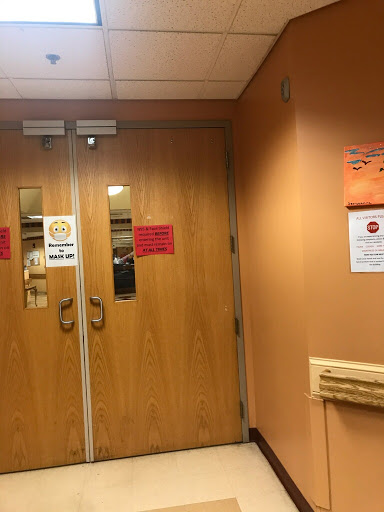
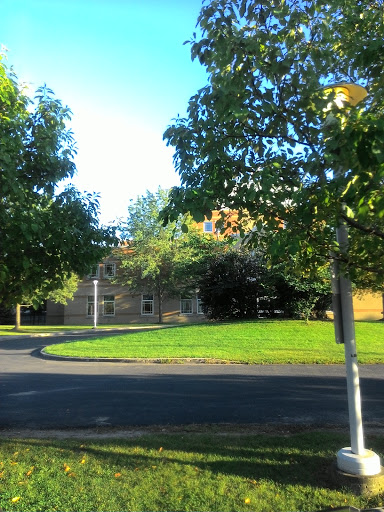
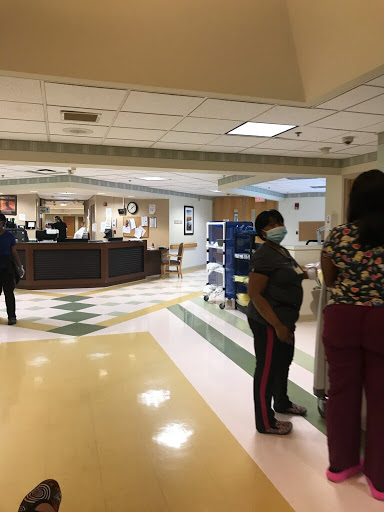
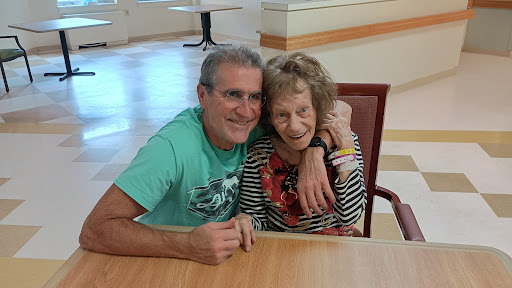
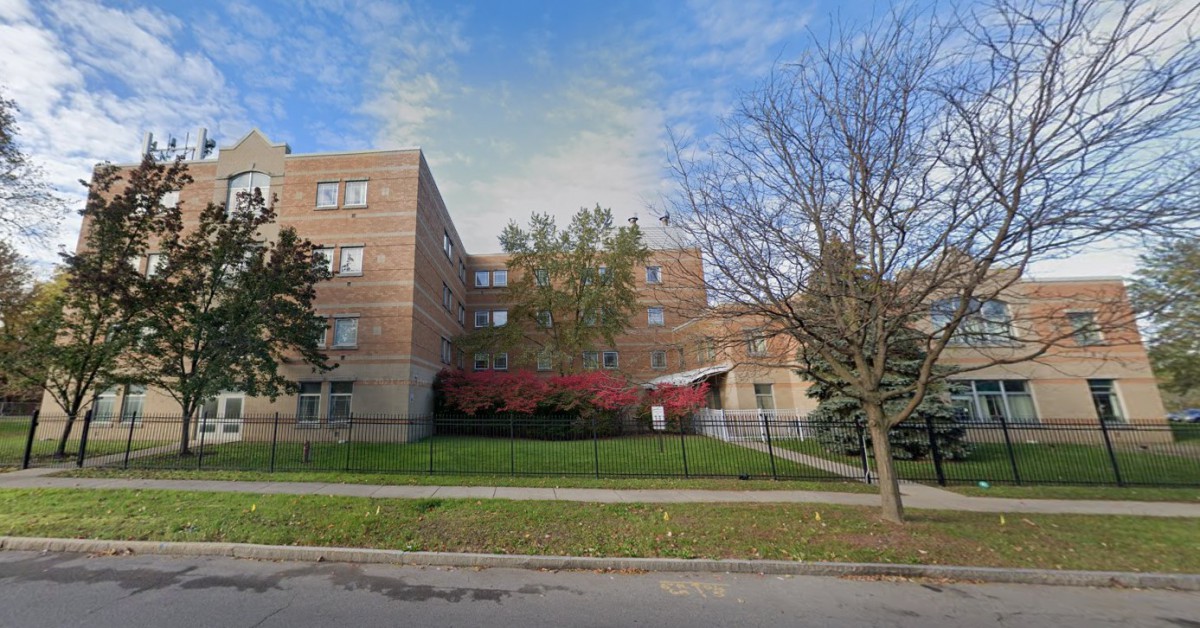
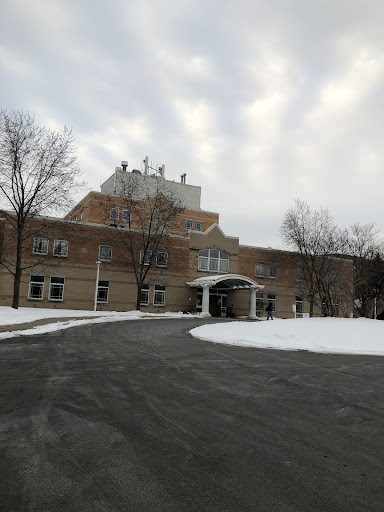
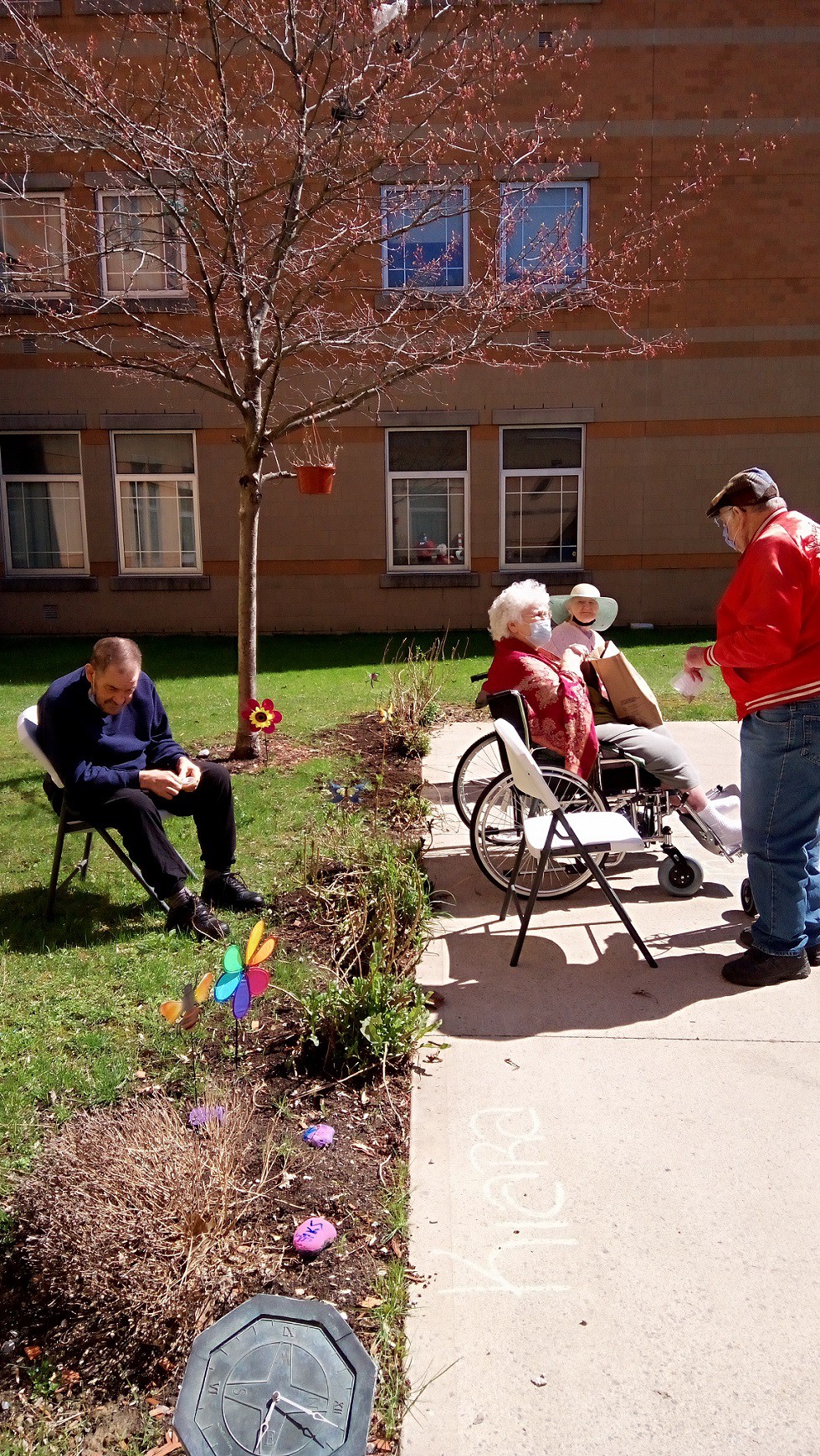
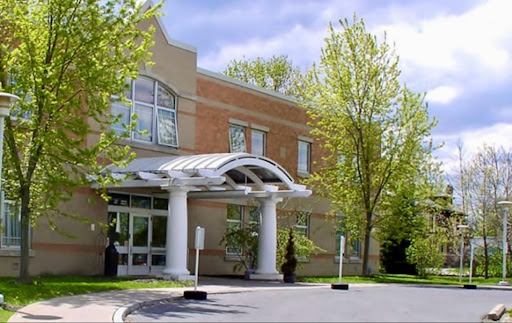
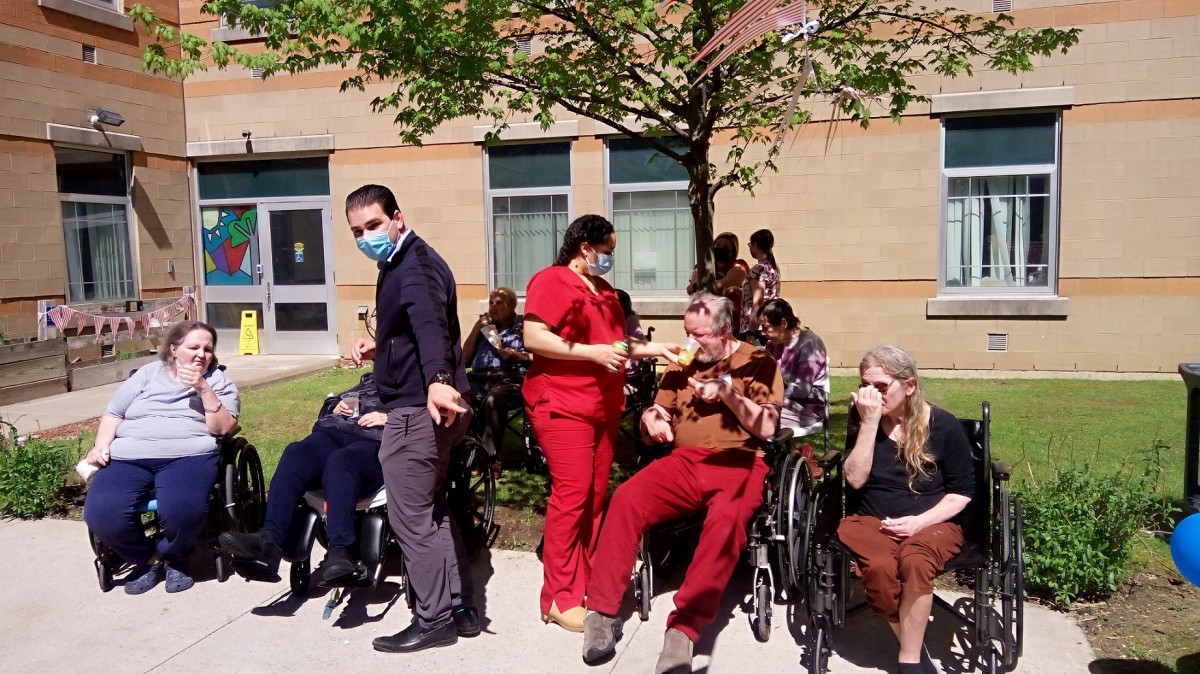
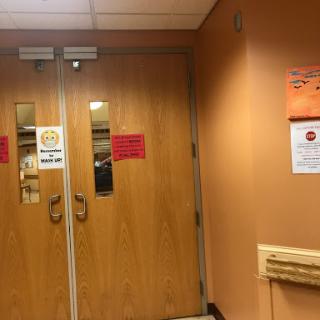
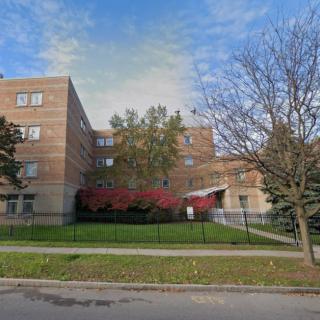
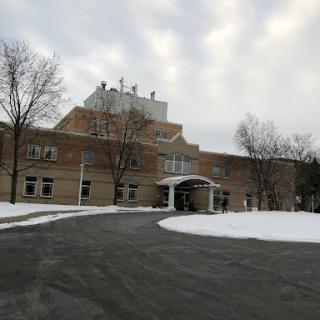
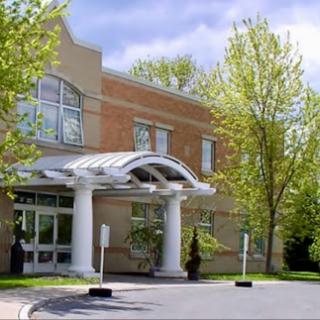
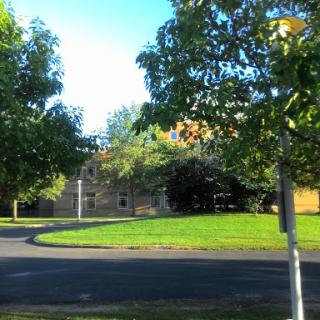
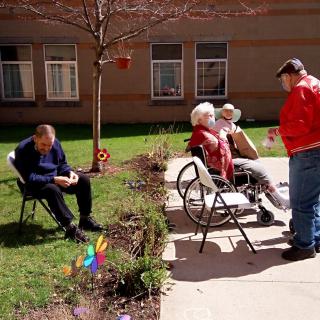
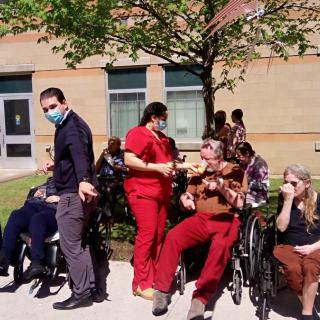
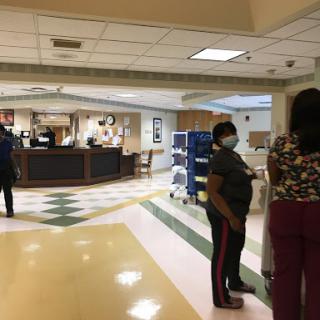
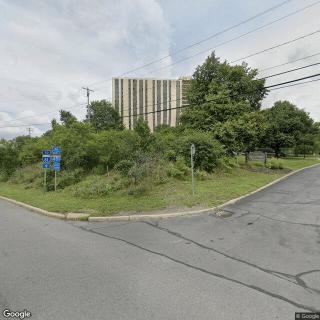
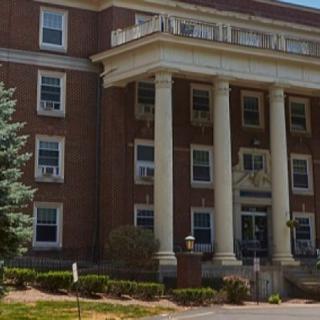
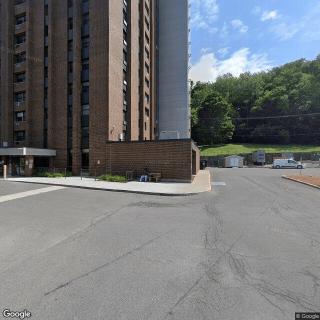
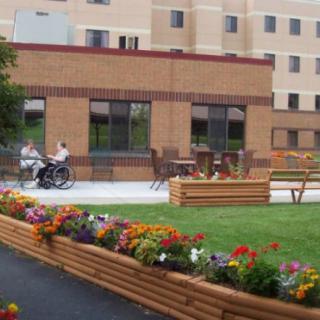
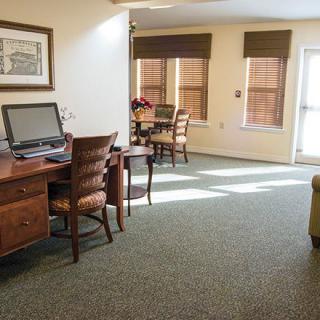
Central Park Rehabilitation And Nursing Center on seniors.fyi includes 10 photos including images showing building, outdoors, entrance, trees, architecture, landscaping, outdoor, tree, and more.
Nearby Communities
Loretto Health And Rehabilitation Center
Syracuse, NY
2.3 from 113 reviews
Caring, knowledgeable staff and effective physical therapy; regular family updates.
Loretto Rehab Ctr
Syracuse, NY
2.3 from 84 reviews
Some staff provided adequate care; rehab services were available.
Brighton Towers Inc
Syracuse, NY
2.7 from 26 reviews
Excellent location with easy access to cafes, parks, pharmacies, restaurants, and transit.
The Heritage
Syracuse, NY
3.8 from 18 reviews
Pleasant, hotel-like atmosphere with caring staff and an active social calendar.
J Stanley Coyne Heritage Apts
Syracuse, NY
5 from 10 reviews
Excellent access to healthcare and nearby amenities.
Bernardine Senior Apartments
Syracuse, NY
3.6 from 36 reviews
Excellent proximity to dining, parks, healthcare, and places of worship.
Iroquois Nursing Home
Jamesville, NY
3.4 from 140 reviews
Spacious, well-maintained setting with attentive staff and engaging dementia activities.
Mount St James Apartments
Syracuse, NY
3.3 from 11 reviews
Excellent access to nearby amenities (medical, dining, transportation, worship, and parks).
Brookdale Summerfield
Syracuse, NY
4.3 from 36 reviews
$3,335 to $4,530 / month
Caring, attentive staff and a clean, hotel-like environment with engaging activities.
Weight training is vital for seniors to maintain muscle mass, bone density, and overall health, combating age-related declines through customized resistance exercises that enhance balance and well-being. Safe routines should start with realistic goals and proper form, while emphasizing gradual progress and consultations with healthcare providers to ensure safety and effectiveness.
The Sandwich Generation comprises adults managing the dual responsibilities of caring for aging parents and raising children, leading to significant emotional, logistical, and financial challenges. This situation is exacerbated by longer life expectancies and cultural expectations, necessitating effective coping strategies and support resources to alleviate caregiver stress and burnout.
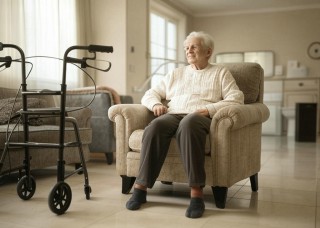
The article highlights eight essential assistive devices that improve the independence and safety of older adults, addressing issues related to mobility, balance, vision, hearing, and dexterity. It emphasizes the importance of proper selection guided by healthcare professionals to enhance seniors' quality of life while allowing them to age in place.
Central Park Rehabilitation And Nursing Center photos
×
Interior
Outdoors
Building
Architecture
Trees
Garden
Tree
Waiting Area
Interior and Doors
Landscaping
Building
Architecture
Trees
Garden and Wheelchair
Outdoor
Entrance
Outdoors
Healthcare and Waiting Area
Grass, Park, and Road
Tree
Sidewalk
Additional Photos
Get PricingAsk A QuestionSchedule A TourContact Senior Advisor
By clicking submit, you agree to our Partner's Terms of Use. You
also consent to receive calls and texts, which may be autodialed, from our Partner. Your consent is not a condition to
using our Partner's service. Please visit our Partner's Privacy Policy for information about their privacy practices.

 160 resident community capacity
 Skilled Nursing Facility
 Air-conditioning
 Beauty salon
 Cable or satellite TV
 Computer center
 Dining room
 Fitness room
 Fully furnished
 Gaming room
 Garden
 Housekeeping services
 Kitchenette
 Move-in coordination
 Outdoor space
 Private bathrooms
 Restaurant-style dining
 Small library
 Telephone
 Wellness center
 Wi-Fi/high-speed internet available
 Syracuse-Hancock International (8 miles away)
 Community operated transportation
 12-16 hour nursing
 24-hour call system
 Activities of daily living assistance
 Assistance with bathing
 Assistance with dressing
 Assistance with transfers
 Diabetes diet
 Medication management
 Mental wellness program
 Special dietary restrictions
 Concierge services
 Planned day trips
 Caring, knowledgeable staff and effective physical therapy; regular family updates.
 Weight Training for Seniors: Building Strength and Vitality
 Understanding the Sandwich Generation: Stress and Responsibilities for Multigenerational Caregivers
 8 Essential Assistive Devices for Older Adults