Route 434 Apalachin 13732 Barton Ellen, Apalachin, NY 13732
To contact a resident: (607) 625-3658
For more information about senior living options: (866) 208-4318
Grant Homestead Costs & Pricing
Grant Homestead offers competitive pricing for its accommodations, standing out in both Tioga County and the broader New York market. For semi-private rooms, the monthly cost is set at $3,795, which is notably lower than the county average of $4,300 and the state average of $4,389. Similarly, private room rates at Grant Homestead are priced at $4,495, offering a more affordable option compared to Tioga County's $5,150 and New York's $5,159 averages. For those seeking a one-bedroom arrangement, Grant Homestead maintains an attractive rate of $4,495 - slightly exceeding the county average of $4,078 but still providing solid value when compared to the statewide average of $4,307. Overall, Grant Homestead positions itself as a financially savvy choice for quality living arrangements within the region.
| Floor plans | Grant Homestead | Tioga County | New York |
|---|---|---|---|
| Semi-Private | $3,795 | $4,300 | $4,389 |
| Private | $4,495 | $5,150 | $5,159 |
| 1 Bedroom | $4,495 | $4,078 | $4,307 |
Memory care communities with a similar price nearby
-
from -$500 / mo
The Homestead/ Barton FTHA
$3,295 to $5,195 / month0.6 miles away -
About the same
Paquette Homestead
$3,795 to $4,295 / month1.0 miles away
Overall Review of Grant Homestead
Pros
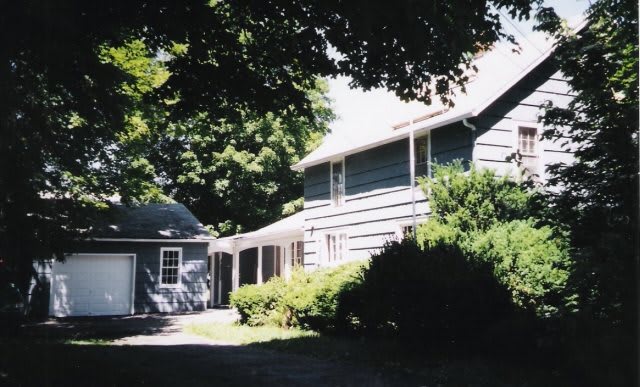
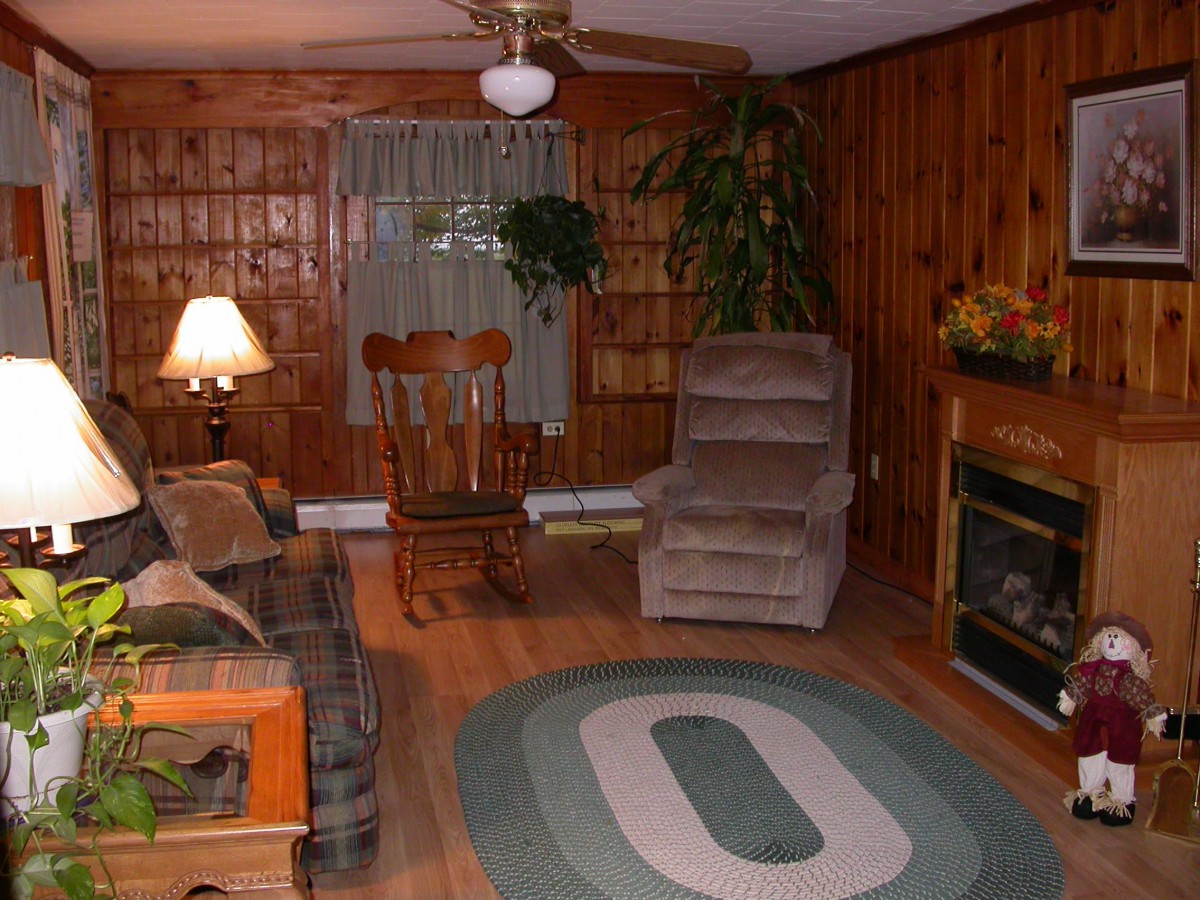
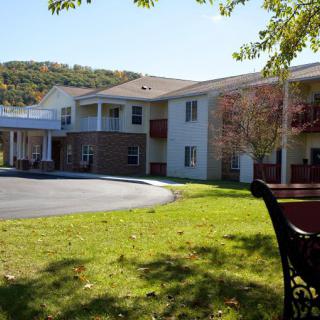
 Grant Homestead is a smaller, residential-style community described as a very nice place overall.
- The staff are friendly and the facility is clean.
- The staff actively engage with residents and avoid them appearing lost.
- Care can be personalized, including taking residents out for walks when they are restless.
- The weekly meal plan is publicly visible, and staff are willing to try options that might help.
Cons
 They didn't think the residential-style living would be the best fit for their loved one.
Review
Grant Homestead in Apalachin is best suited for seniors who want a small, home-like setting where staff know residents well and care feels personal. The community’s intimate, residential atmosphere appeals to families seeking close daily interactions, predictable routines, and a calm pace over a large, busy campus. It works best when independence is still present but regular, hands-on engagement from attentive caregivers is valued. The emphasis on warmth, cleanliness, and a sense of belonging makes it a strong option for those who respond positively to a tight-knit environment rather than a sprawling, commercial senior living model.
Those who should consider alternatives tend to be families with loved ones who require more structure, a broader range of on-site programming, or robust medical oversight. A larger assisted living setting or memory-care-focused option often provides more scheduled activities, more diverse social opportunities, and greater clinical support. If the goal is strong routine management, a busy activity calendar, or enhanced dementia-care resources, other communities may deliver those elements more consistently.
The strongest pros here are tangible and well-aligned with a certain senior lifestyle. Staff are described as friendly and genuinely engaged, which translates into residents not appearing “lost” or forgotten. The facility’s cleanliness and approachable feel are repeatedly noted as differentiators. The ability to personalize activities, such as taking a resident out for walks when restless, helps maintain mood and mobility, while a transparent meal plan available to families keeps caregivers accountable for nutrition and dining quality. In short, the human touch and visible attentiveness convert a smaller setting into meaningful, day-to-day value.
On the downside, the crux of the hesitation rests on scale. A smaller, residential format may limit the breadth of programming and the volume of social opportunities available at any given moment. For a resident who thrives on a bustling calendar, multiple amenities, or frequent experiential programming, the environment could feel constraining over time. Yet the reviews show that what is sacrificed in breadth is offset by depth: personalization, quick adaptation to preferences, and a caregiving posture that treats residents as individuals rather than cases.
Decision-makers should measure what matters most in daily life. If dependable staff engagement, transparent dining, and flexible, person-centered activities are the priorities, Grant Homestead delivers strongly. The capacity to accommodate specific routines, the willingness to adjust plans, and the opportunity for simple, meaningful outings are compelling contrasts to larger campuses where familiarity can give way to impersonality. However, if a loved one requires extensive medical supervision, a high volume of activities, or specialized memory-care programming, those needs may be better met elsewhere.
Overall, Grant Homestead deserves serious consideration for families prioritizing intimate, attentive care in a small, clean, and nurturing environment. It is not the fit for everyone, but for the right resident, one who values direct access to staff, transparent nutrition planning, and adaptable, personalized activity options, it represents tangible value and dependable day-to-day quality. The bottom line is clear: for a senior who flourishes in a homey setting with a responsive team, this community can be a thoughtful, practical choice that aligns with both care goals and budget considerations.
 Board and Care Home
 Day Program
 Memory Care
 Beautician on-site
 Devotional services off-site
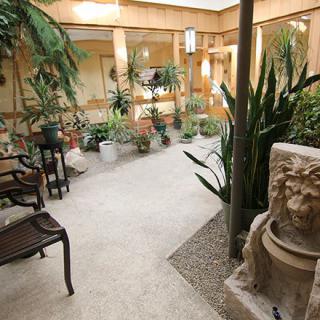
 Indoor common areas
 Outdoor common areas
 Private
 Respite or short term stays offered
 Binghamton Regional (13 miles away)
 Ambulatory care
 Diabetic care
 High acuity care
 Incontinence care
 Medication management
 Meals provided


 Exploring the Power of Reminiscence Therapy for Individuals With Dementia
 An In-Depth Look at Reminiscence Therapy in Dementia Care
 Dementia-Related Hallucinations: Causes, Experiences, and Practical Approaches