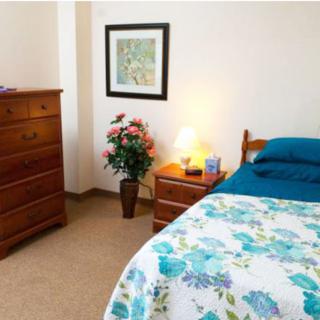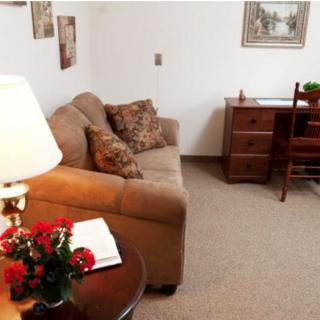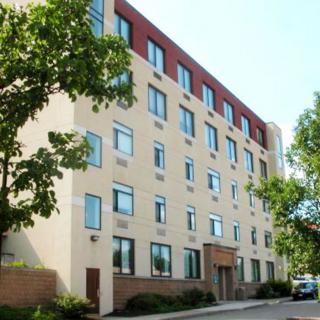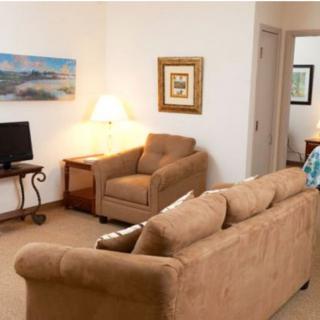
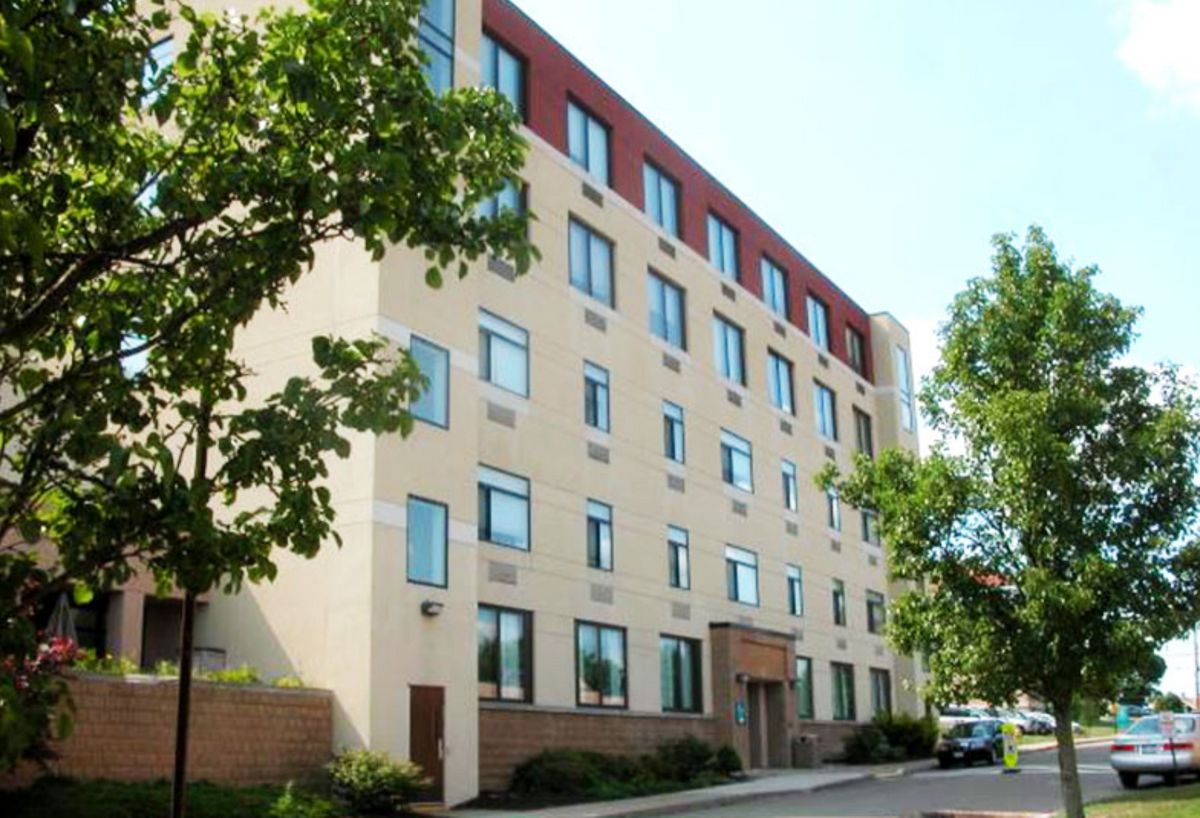
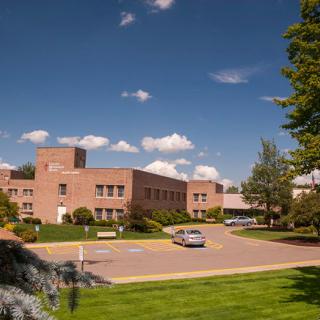
600 High Avenue, Endicott, NY 13760
For more information about senior living options: (866) 208-4318
Overall Review of UHS Senior Living at Ideal
Pros
 The staff is wonderful, attentive, and caring.
- The care provided is exceptional, with doctors and nurses treating residents with respect and dignity.
- The facility is kept very clean, and maintenance responds quickly to requests.
- The rehabilitation and therapy teams are knowledgeable and effective.
- Residents are respected and feel safe, and staff communicate warmly and welcomingly.
- The dining area is pleasant, and meals are described as good.
- The facility follows Covid-19 protocols to keep loved ones as safe as possible.
- The staff celebrates residents with events and activities, creating a sense of community.
Cons
 The mother died due to abuse by aides.
- They could not reach a live person by phone.
- The facility is understaffed at times.
- Clothing items disappeared despite labeling.
- The temperature fluctuates—too hot at times and too cold at others.
- The TV volume was too loud.
- There were too many visitors.
- The bathroom door was left open by a heavy trash can, creating a hazard.
- The staff were lazy and not very ambitious.
Review
UHS Senior Living at Ideal in Endicott is best suited for families seeking a substantial, hands-on care environment where nursing and therapy support are solid, and where a warm, resident-driven community atmosphere is a clear priority. This is a place for those who want reliable daily care, a clean and orderly setting, and staff who are accessible and respectful to residents and families. It works well for couples and singles alike who value a strong long-term care foundation, plus an independent-living option that keeps autonomy within reach. Those who prize a modern, purpose-built facility with on-site therapy rooms and consistently brisk response times, however, may want to consider alternatives. In short, Ideal serves families prioritizing depth of care, tangible senior services, and a sense of community over architectural polish or cutting-edge design.
The strongest echoes across reviews are the quality of care and the competence of the therapy team. Nursing staff and therapists are frequently described as knowledgeable, capable, and compassionate, delivering respectful care and meaningful rehab outcomes. The setting is repeatedly praised for cleanliness and safety, with maintenance requests handled promptly in independent living. Residents and families alike highlight meals and dining as social anchors and as a reliable daily rhythm, while communication with staff is characterized as welcoming and transparent. When a rehabilitative path is needed, the care team is seen as supportive and effective, helping residents regain strength and move toward returning home. Taken together, these clinical strengths create a reliable spine for both ongoing daily living and recovery periods.
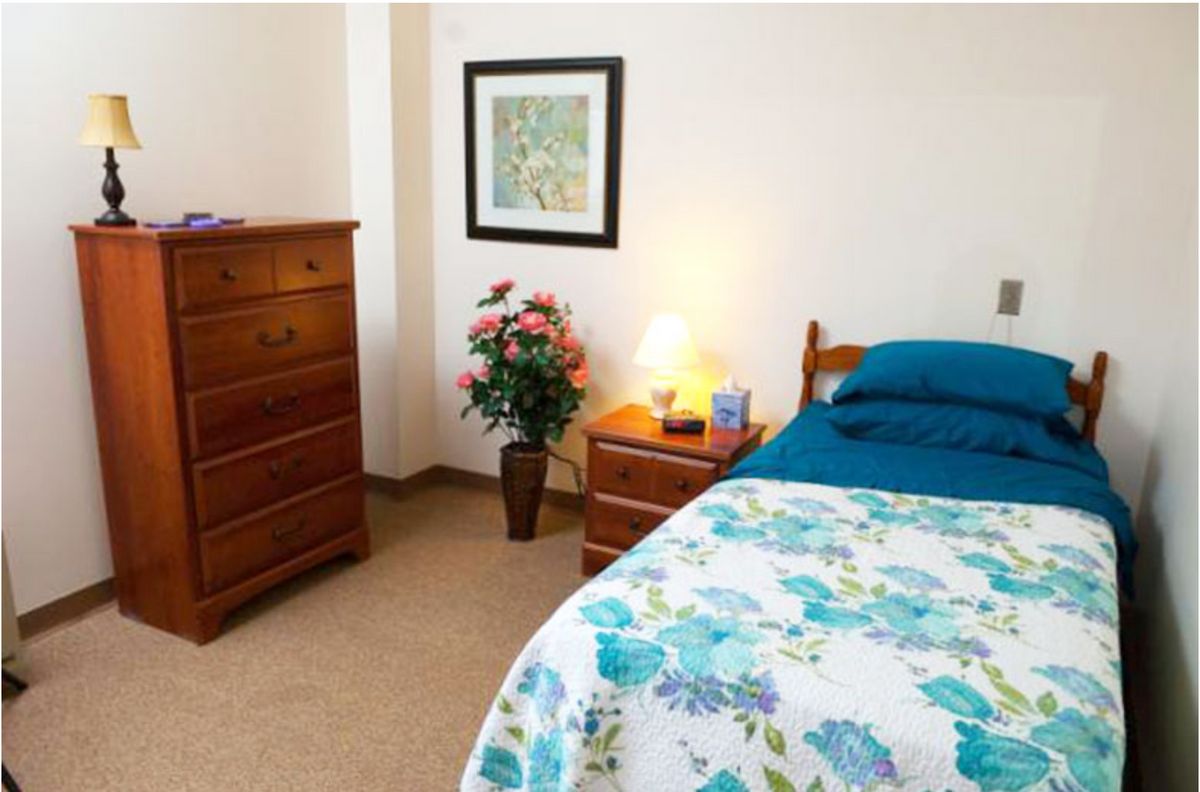
Yet a handful of tangible drawbacks temper the overall impression. The most serious concern arises from a single, grave allegation of abuse by an aide, a reminder that staffing vigilance and robust safeguarding mechanisms must be non-negotiable. Beyond that, multiple reviewers note occasional understaffing and uneven responsiveness, with some concerns taking longer to address than desired. The facility’s physical footprint also shows its age: older architecture and smaller rooms, with some residents longing for more on-site therapy spaces rather than having to travel for therapy. Operational quirks appear as well, brief lapses in communication, delays in returning calls or updates, and occasional issues with personal items like clothing going missing. These issues do not negate care quality, but they do create friction points that families should weigh carefully.
When the positives are weighed against the negatives, several clear offsets emerge. For families prioritizing rehabilitative momentum and trustworthy day-to-day care, Ideal’s therapy and nursing teams can deliver meaningful outcomes that allow residents to regain independence or stabilize quickly after health events. The independent-living component sustains autonomy with a responsive maintenance culture and a clean, orderly environment that supports dignity and routine. Community engagement, celebrations, family visits, and a dining culture that feels welcoming, adds a social layer that helps residents stay connected and engaged. Even where concerns surface, the facility’s willingness to communicate and address issues helps preserve trust and reduces the potential fallout from staffing gaps or aging infrastructure. In practical terms, care depth and a strong, patient-centered culture often compensate for the physical footprint and occasional administrative friction.
For families who must have unwavering safety oversight, or who demand a consistently modern look and on-site therapy infrastructure, alternatives may be the safer path. The abuse allegation, whether isolated or systemic in perception, demands a thorough vetting of safety protocols, staffing models, and incident-response histories before any commitment. If on-site therapy space is non-negotiable or if rapid issue resolution is a high priority, compare with facilities that offer dedicated rehabilitation suites and more tightly managed operations. Those who favor a newer campus, a quieter aesthetic, or more uniform, year-round service levels should shortlist other options to ensure the choice aligns with expectations for daily life, safety, and the resident’s personality.
Prospective families should approach a visit with a pragmatic lens. Request a full tour that includes daily routines, therapy spaces, and the care wing, then speak with administrators and frontline staff about staffing levels, shift patterns, and escalation procedures. Verify how past concerns were addressed and what safeguards are in place to prevent incidents like abuse; ask about incident transparency with families and residents. Assess room configurations, meals, activities, and the overall social ecosystem to ensure alignment with the loved one’s preferences and routines. If the fit feels right on care quality, safety emphasis, and community warmth, and if staffing and space realities align with expectations, Ideal can be a strong choice. If not, having alternatives ready will keep the decision grounded in safety, dignity, and practical daily living.
 70 resident community capacity
 Assisted Living
 Independent Living
 Memory Care
 Respite Care
 Skilled Nursing Facility
 Air-conditioning
 Beauty salon
 Cable or satellite TV
 Computer center
 Dining room
 Fitness room
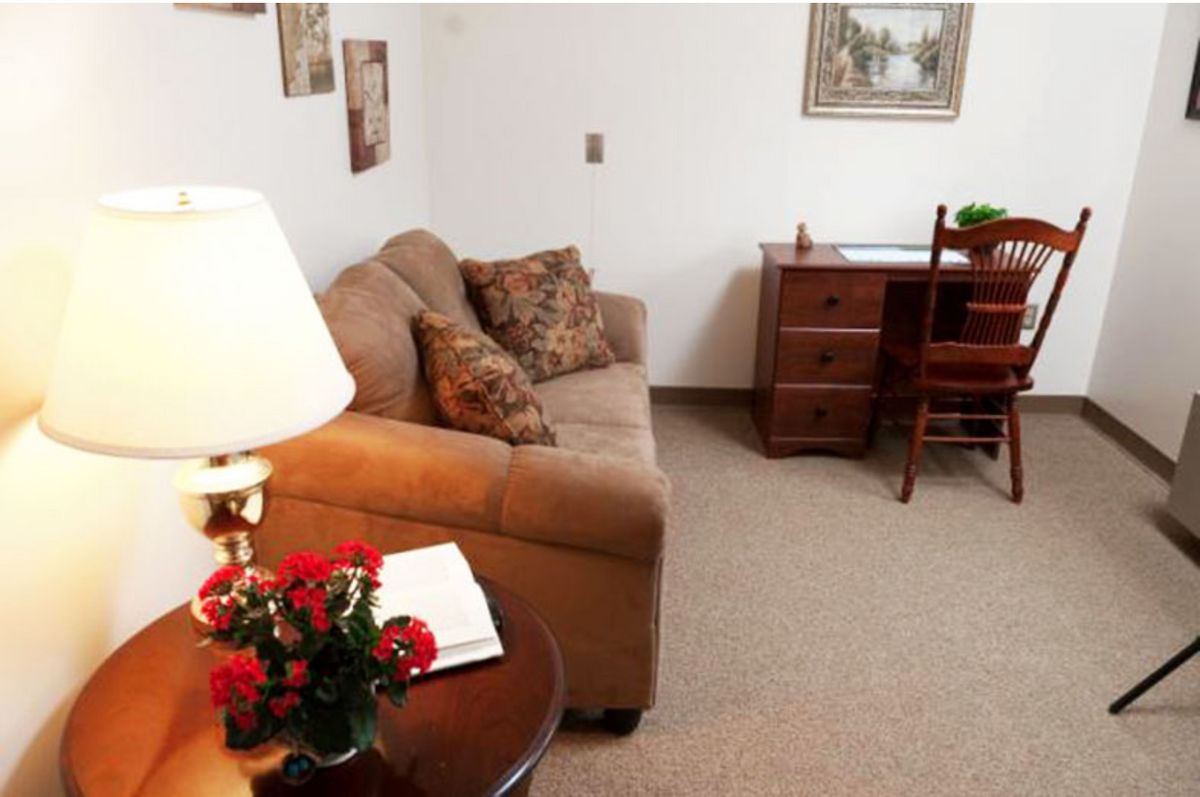
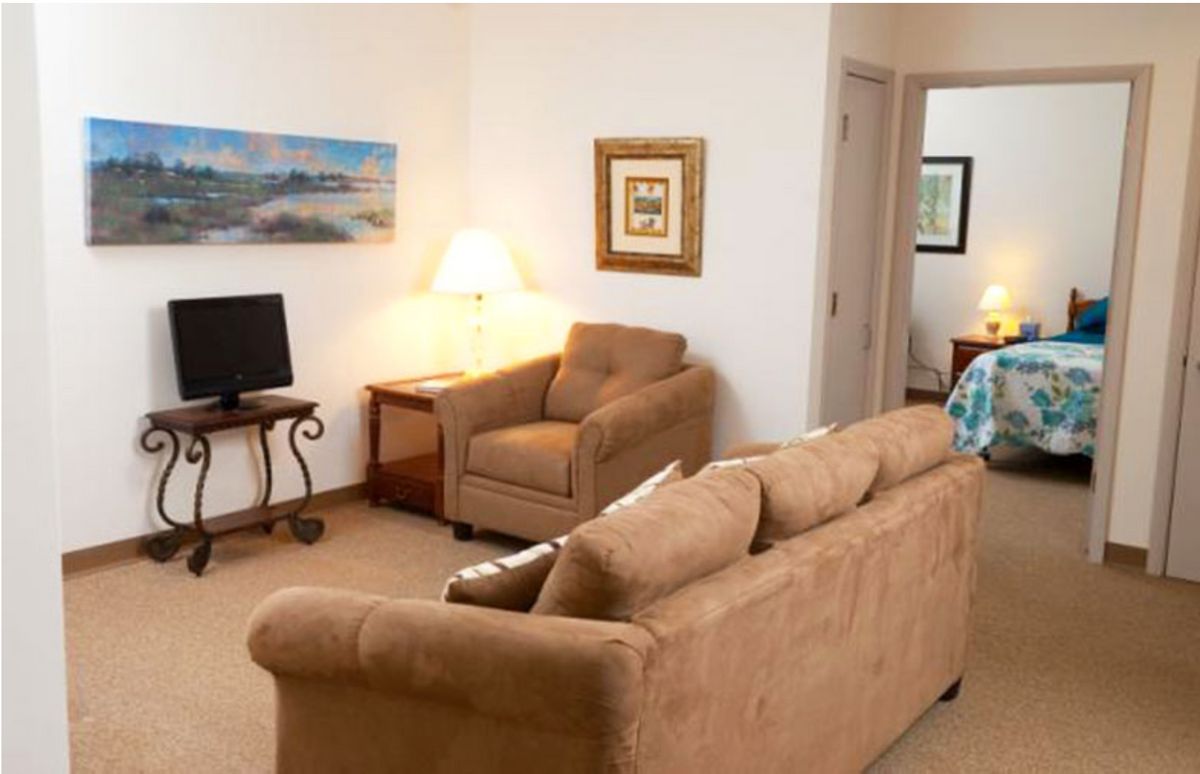
 Fully furnished
 Gaming room
 Garden
 Housekeeping services
 Kitchenette
 Move-in coordination
 Outdoor space
 Private bathrooms
 Restaurant-style dining
 Small library
 Telephone
 Wellness center
 Wi-Fi/high-speed internet available
 Binghamton Regional (9 miles away)
 Community operated transportation
 12-16 hour nursing
 24-hour call system
 Activities of daily living assistance
 Assistance with bathing
 Assistance with dressing
 Assistance with transfers
 Diabetes diet
 Medication management
 Mental wellness program
 Special dietary restrictions
 Concierge services
 Planned day trips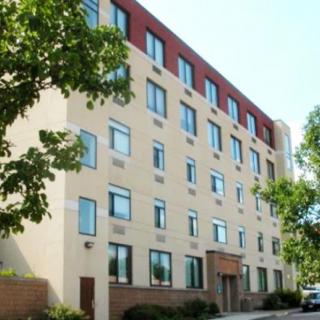




 A Thorough Discussion of Medications Potentially Linked to Dementia Risk
 Why Do Dementia Patients Sleep So Much? Understanding Oversleeping, Stages, and Care Approaches
 8 Key Indicators That Suggest It May Be Time to Transition from Assisted Living to Skilled Nursing Care