For more information about senior living options: (866) 208-4318
3.2 from 131 reviews
5 stars
54
4 stars
21
3 stars
6
2 stars
1
1 stars
49
Absolut of Endicott Costs & Pricing
At Absolut of Endicott, the monthly costs for various room types reflect a premium compared to both Tioga County and the broader New York state averages. For a semi-private room, residents are charged $7,620, significantly higher than the county's average of $4,300 and the state's average of $4,389. Private rooms at Absolut come with a monthly fee of $7,770, again surpassing local and state figures which stand at $5,150 and $5,159 respectively. Additionally, the cost for a one-bedroom suite mirrors that of the private option at $7,770, while providing an appealing alternative to lower-priced options in Tioga County and New York state - where similar accommodations are priced at approximately $4,078 and $4,307. These figures suggest that while Absolut offers certain advantages or amenities that justify its higher rates, prospective residents should carefully consider their budget and compare value across different facilities in the region.
Floor plans
Absolut of Endicott
Tioga County
New York
Semi-Private
$7,620
$4,300
$4,389
Private
$7,770
$5,150
$5,159
1 Bedroom
$7,770
$4,078
$4,307
Overall Review of Absolut of Endicott
caveat3 reviews mention this
Security can restrict movement
Some residents describe being restricted from leaving when they want.
A few reviewers mention security policies that limit freedom of movement. One person says they were locked in the building and had to wait for staff to let them out. Another says residents are treated like prisoners and that they do not let them go outside, even while other feedback credits improved security.
caveat3 reviews mention this
Call bell response is a concern
Several reviewers report slow or missed responses to the call bell.
Multiple reviews raise concerns about getting help in a timely way. One reviewer says no one answers when a patient rings the call bell, and another says call bells are going off with nurses not responding. A third describes call bell response time taking 30–45 minutes, framing it as a safety and care problem.
common10 reviews mention this
Therapy is frequently praised
Rehabilitation therapy is a standout part of the experience for many families.
Reviews commonly point to therapy as a major reason families feel their loved ones were getting the support they needed. Several describe strong outcomes from physical rehabilitation, including examples of patients actively participating with PT and therapy staff motivating residents. At the same time, one shortcoming is also mentioned: a reviewer says their loved one did not receive physical therapy over part of the weekend and spent days in bed as a result.
common12 reviews mention this
Staff warmth shows up often
Many reviewers describe staff members as friendly, caring, and attentive.
Across reviews, families frequently comment on staff behavior—describing friendliness, helpfulness, and care. Multiple people highlight warm greetings, smiling employees, and caregivers who take an interest in residents’ well-being. Some reviews also acknowledge that staff shortages happen, but even in those cases the positive tone toward individual caregivers comes through in the writing.
How we summarize
Counts show how many written reviews mention each theme; a review can touch several themes, and only frequently mentioned themes are displayed.
At Absolut of Endicott, the monthly costs for various room types reflect a premium compared to both Tioga County and the broader New York state averages. For a semi-private room, residents are charged $7,620, significantly higher than the county's average of $4,300 and the state's average of $4,389. Private rooms at Absolut come with a monthly fee of $7,770, again surpassing local and state figures which stand at $5,150 and $5,159 respectively. Additionally, the cost for a one-bedroom suite mirrors that of the private option at $7,770, while providing an appealing alternative to lower-priced options in Tioga County and New York state - where similar accommodations are priced at approximately $4,078 and $4,307. These figures suggest that while Absolut offers certain advantages or amenities that justify its higher rates, prospective residents should carefully consider their budget and compare value across different facilities in the region.
Incontinence care is a crucial feature of memory care services, as it addresses both the physical and emotional needs of residents with dementia or Alzheimer's disease. Proper incontinence management ensures that residents remain comfortable, dignified, and confident by minimizing discomfort and the risk of skin issues. This aspect of care allows caregivers to focus on the overall well-being of individuals, creating an environment where they feel safe and supported. Furthermore, by routinely checking and addressing incontinence needs, staff can help maintain regularity and predictability in daily routines, which is essential for residents who may struggle with cognitive changes. Overall, effective incontinence care helps promote a higher quality of life for individuals facing the challenges associated with memory loss.
Nearby Communities
Absolut Center For Nursing & Rehab Endicott
Endicott, NY
3.2 from 109 reviews
Engaging activities and some compassionate staff.
Long Term Home Health Care
Endicott, NY
5 from 1 review
Extensive nearby amenities and healthcare resources.
Ideal Senior Living Center
Endicott, NY
3.8 from 18 reviews
Extensive on-site amenities and 24/7 care
UHS Senior Living at Ideal
Endicott, NY
3.6 from 28 reviews
Nice dining room with good food; friendly staff and engaging activities.
Willow Point Rehabilitation And Nursing Center
Vestal, NY
3.7 from 31 reviews
Caring staff with engaging activities and a clean, comfortable environment.
The Hearth at Castle Gardens
Vestal, NY
4.1 from 81 reviews
$2,958 to $5,443 / month
Friendly, caring staff; engaging activities; clean, homey environment; good dining and transparent communication.
United Methodist Homes Hilltop Campus
Johnson City, NY
3.9 from 32 reviews
$1,810 to $5,500 / month
Caring staff, engaging activities, clean facilities, and pleasant grounds.
Dementia causes cognitive decline and challenging behaviors that caregivers must manage, necessitating an understanding of the neurological basis of these issues. Effective strategies and self-care for caregivers can enhance support for those with dementia and improve their daily lives.
The content outlines five key early indicators of dementia, including significant memory loss and confusion about time and place, while emphasizing the need for professional evaluation and emotional support for both individuals showing symptoms and their caregivers. It encourages family members to monitor these signs closely and use online quizzes for initial awareness.
The article highlights eight indicators that a loved one with dementia may require specialized memory care, emphasizing the emotional and logistical challenges families encounter in this decision. It discusses signs such as difficulties with daily tasks, safety concerns, and caregiver burnout, suggesting that memory care facilities can provide the necessary support and structured environments for those experiencing cognitive decline.
Get PricingAsk A QuestionSchedule A TourContact Senior Advisor
By clicking submit, you agree to our Partner's Terms of Use. You
also consent to receive calls and texts, which may be autodialed, from our Partner. Your consent is not a condition to
using our Partner's service. Please visit our Partner's Privacy Policy for information about their privacy practices.

 Memory Care
 Skilled Nursing Facility
 Activities off-site
 Beautician on-site
 Devotional services on-site
 Indoor common areas
 Outdoor common areas
 Private
 Respite or short term stays offered
 Wheelchair accessible showers
 Binghamton Regional (8 miles away)
 Diabetic care
 High acuity care
 Incontinence care
 Meals provided
 Engaging activities and some compassionate staff.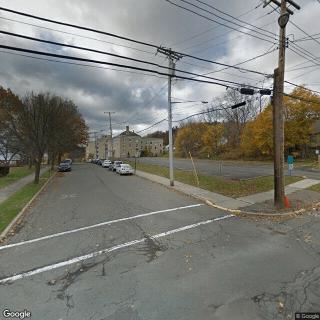

 Dementia Behaviors: In-Depth Understanding and Effective Coping Strategies
 5 Early Indicators of Dementia and What You Can Do
 8 Important Indicators That Memory Care May Be Necessary