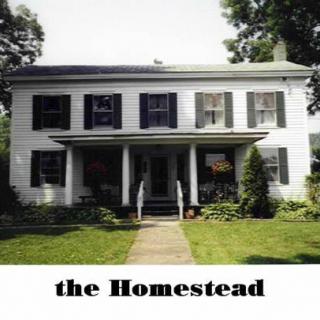
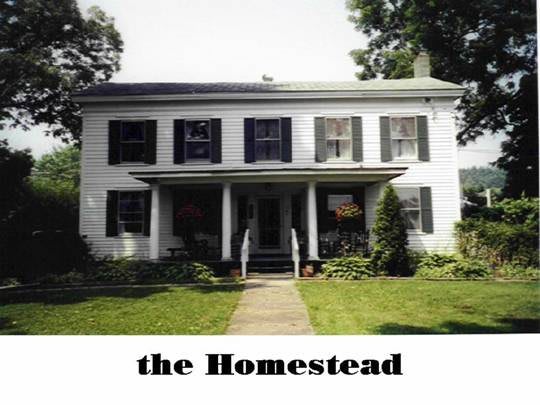
6 Main Street, Apalachin, NY 13732
To contact a resident: (607) 625-3658
For more information about senior living options: (866) 208-4318
The Homestead/ Barton FTHA Costs & Pricing
The Homestead/Barton FTHA offers competitive pricing for its accommodations compared to both Tioga County and the broader New York state averages. For semi-private rooms, residents can expect a monthly cost of $3,295, which is notably lower than the Tioga County average of $4,300 and the state average of $4,389. Similarly, one-bedroom units at The Homestead are priced at $3,795, again offering savings over local and state averages of $4,078 and $4,307 respectively. In terms of private rooms, The Homestead's monthly fee stands at $5,195 - slightly surpassing the county's rate of $5,150 but still remaining below the state's average of $5,159. Overall, these rates reflect a commitment to affordability while maintaining high standards in care and comfort for residents.
| Floor plans | The Homestead/ Barton FTHA | Tioga County | New York |
|---|---|---|---|
| Semi-Private | $3,295 | $4,300 | $4,389 |
| 1 Bedroom | $3,795 | $4,078 | $4,307 |
| Private | $5,195 | $5,150 | $5,159 |
Memory care communities with a similar price nearby
-
from -$337 / mo
The Hearth at Castle Gardens
$2,958 to $5,443 / month4.0 miles away -
from -$295 / mo

Reasons Home of Open Hearts
$3,000 to $3,500 / month17.2 miles away -
from -$300 / mo
Prentice Homestead
$2,995 to $3,995 / month1.1 miles away -
from +$500 / mo
Grant Homestead
$3,795 to $4,495 / month0.6 miles away -
from +$500 / mo
Paquette Homestead
$3,795 to $4,295 / month1.6 miles away
Overall Review of The Homestead/ Barton FTHA
Pros
 The Homesteads provides a warm, family-like atmosphere for residents.
- It is a well-run, family-owned operation with decades of experience.
- The caregiver-to-resident ratio is one to four, ensuring attentive care.
- The meals are home-cooked and dietary requests are accommodated.
- The staff are patient, respectful, and genuinely caring for residents.
- Staff communication with families is thorough and timely.
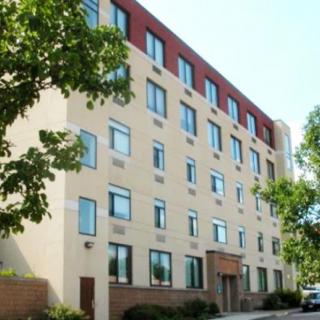
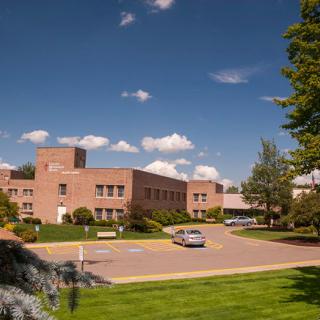
- The community is clean, well-kept, and attractive.
- Residents are treated with love, respect, and personalized care.
- The owners and managers uphold high standards of care, kindness, and competence.
- Staff handle challenging behaviors with skill and empathy.
- The facility offers welcoming environments, good floor plans, and engaging amenities.
- Dogs provide companionship for residents.
Cons
 The rooms were reported to be a little small.
 - The presence of two peppy dogs would not work for his wife.
- A shared room would not work for his wife.
- The owner did not appear to be dressed professionally.
- The owner was not available during the tour, having gone shopping.
Review
The Homesteads at Barton FTHA in Apalachin is best suited for families seeking an intimate, home-like setting where care feels personal and steady. The organization owns and operates four separate homes, including the Barton House, and operates with a hands-on, family-run ethos that translates into a remarkably consistent caregiving culture. The caregiver-to-resident ratio stays attentive, roughly one caregiver for every four residents, so daily routines feel predictable, and staff can tune care to individual needs. This environment suits seniors who value easy navigation, familiar routines, and a sense of belonging over the polish of a larger institution. For families chasing stability, warmth, and a true “home” feel, The Homesteads is a standout option.
This community may be less suitable for seniors who require higher levels of medical oversight or a broader array of on-site clinical services. Large, hospital-like settings with extensive nursing support can be more appropriate for complex medical needs or aggressively monitored conditions. The Homesteads emphasizes homestead-style care rather than formalized medical intensity, which matters when escalating needs arise. Additionally, space constraints can pose a mismatch for couples or residents who crave private rooms; several reviews note smaller rooms and, in some cases, shared accommodations. Pet policies and personal preferences also factor in, one reviewer flagged how two dogs could be an obstacle for a spouse with sensitivities. A tour can feel uneven if leadership visibility isn’t consistent on the day of the visit.
On the upside, the pros consistently push this community ahead. The meals are home-cooked with a willingness to tailor menus, a tangible sign that daily life is customized rather than cookie-cutter. Residents tend to be treated with patience and warmth, and staff manage challenging behaviors, such as aggression associated with certain conditions, with competence and care. The leadership is anchored by an owner with decades of experience who communicates proactively, following up on concerns and sometimes sharing pictures to reassure families about a loved one’s well-being. The clean, well-kept environment reinforces a sense of safety and respect, while the family-run structure adds a level of accountability and steadiness that many families find deeply reassuring.
Another clear benefit is the tight-knit culture that emerges from a smaller scale. The multi-home model still yields consistency across staff while preserving a sense of community and familiarity for residents. The staffing ratio leads to more accessible attention, quicker responses, and personalized interactions that feel meaningful rather than transactional. Families repeatedly observe genuine respect and kindness in daily care, with caregivers who know each resident’s preferences, quirks, and medical needs. The ability to tailor activities, provide memory-support measures, and maintain ongoing family communication, through calls or photos, creates a sense that loved ones are thriving, not simply cared for in a routine sense.
Yet the intimacy of the setting does carry tradeoffs. Social options can be more limited than in larger campuses, which may matter for seniors who thrive on a broad slate of activities and peer networks. Room configurations, particularly the prevalence of private or shared rooms, may not fit every family’s expectations or every resident’s privacy needs. The impression of leadership accessibility can vary; one reviewer noted a tour where the owner’s availability was less consistent than hoped, suggesting that some prospective families will want to verify access and follow-through before committing. It remains essential to discuss escalation plans if medical needs intensify and to confirm the exact memory-care capabilities within the Barton home or sister locations.
For families weighing practical decisions, The Homesteads offers a compelling blend of warmth, personalized attention, and steady, long-tenured leadership. It excels where care feels individualized, where staff communication with families is robust, and where a home environment supports dignity and safety. Those prioritizing a large-scale facility, extensive on-site medical services, or private rooms for every resident may find themselves better served elsewhere. A targeted visit, meeting frontline caregivers, touring the Barton home, and talking through room options and memory-care plans, will reveal whether this intimate setting aligns with the loved one’s needs. Clear questions about room configurations, pet policies, and escalation procedures will smooth the decision and ensure the fit is right.
 Board and Care Home
 Day Program
 Memory Care
 Beautician on-site
 Devotional services off-site
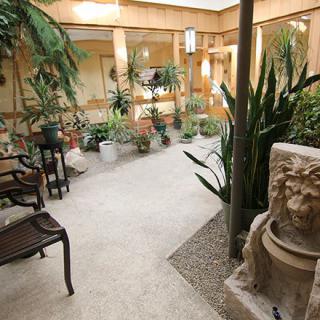
 Indoor common areas
 Outdoor common areas
 Private
 Respite or short term stays offered
 Swimming pool / hot tub
 Wheelchair accessible showers
 Binghamton Regional (13 miles away)
 Ambulatory care
 Diabetic care
 High acuity care
 Incontinence care
 Medication management
 Meals provided

 Memory Care Pathways: A Holistic Guide to Dementia Support
 Comprehending Evening Confusion in Dementia: Causes, Manifestations, and Support
 Delirium and Dementia: Unraveling the Key Differences