


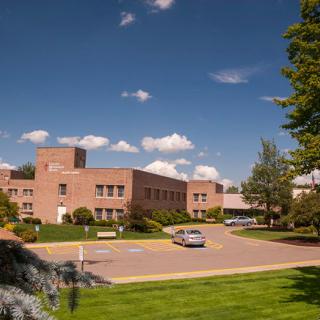
733 Pennsylvania Avenue, Apalachin, NY 13732
To contact a resident: (607) 625-3658
For more information about senior living options: (866) 208-4318
Prentice Homestead Costs & Pricing
Prentice Homestead offers competitive monthly rates for its accommodations when compared to both Tioga County and the broader New York state environment. For a semi-private room, residents would pay $2,995, which is significantly lower than the county average of $4,300 and the state average of $4,389. This trend continues with the one-bedroom option priced at $3,795, again underselling Tioga County's average of $4,078 and New York's average of $4,307. Even for private rooms, Prentice Homestead's rate of $3,995 stands out as more affordable compared to Tioga County's average of $5,150 and the state's $5,159. Overall, these pricing structures reflect a commitment to providing accessible living solutions without compromising quality.
| Floor plans | Prentice Homestead | Tioga County | New York |
|---|---|---|---|
| Semi-Private | $2,995 | $4,300 | $4,389 |
| 1 Bedroom | $3,795 | $4,078 | $4,307 |
| Private | $3,995 | $5,150 | $5,159 |
Memory care communities with a similar price nearby
-
from +$300 / mo
The Homestead/ Barton FTHA
$3,295 to $5,195 / month1.1 miles away -
About the same
The Hearth at Castle Gardens
$2,958 to $5,443 / month4.2 miles away -
About the same

Reasons Home of Open Hearts
$3,000 to $3,500 / month17.9 miles away
Overall Review of Prentice Homestead
Pros
 They have resumed a lot of activities such as chair yoga, games, and physical therapy.
 - They are caring as family members could be in relating to loved ones.
- Meals are prepared in the home kitchen with attention to the food pyramid and dietary needs.
- They ensure that everyone is fed nutritious meals.
- They are receptive to bringing in food for residents or the whole house.
- The reviewer has a nice rapport with the manager, the daily caregivers, and the owner.
- They offer excellent value for money and feel like a private home rather than an institutional setting.
- Loved ones experience increased independence, emotional stability, and a sense of safety.
- The reviewer would strongly recommend Prentice Homestead to other families.
- They are well known in the community and well-established.
- Julie is kind, compassionate, and does a wonderful job taking care of everyone.
- It is a great place for residents.
Cons
 They haven't organized outings yet, though that is in the works.
- The resident is often sitting in front of the TV and not engaging in activities, suggesting a need for more interaction.
Review
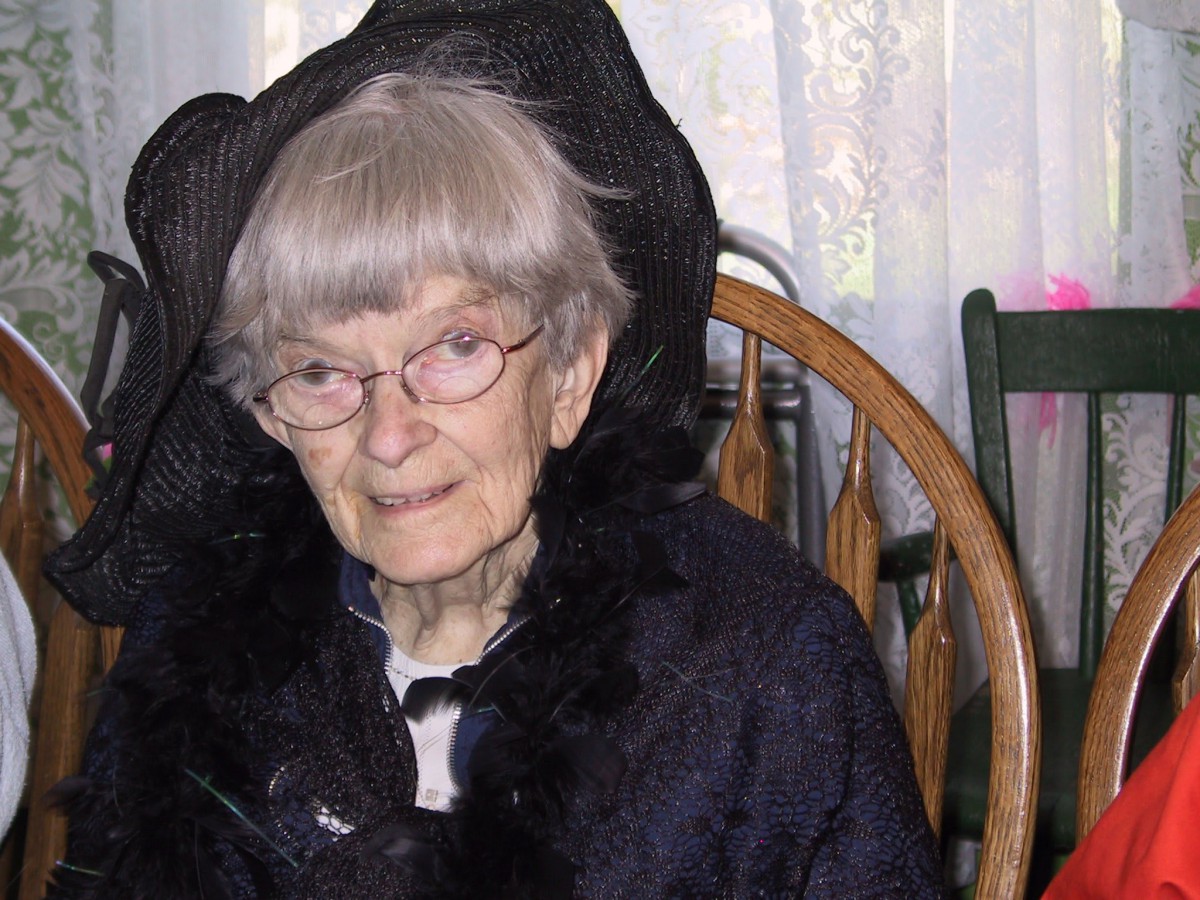
Prentice Homestead in Apalachin, NY is best suited for families seeking a true home-like assisted living experience, one where care feels personal, staff are accessible, and meals come straight from a kitchen rather than a cafeteria line. This community shines for seniors who want a smaller, intimate setting with reliable daily support and a sense of continuity. Residents benefit from a private-home atmosphere that emphasizes safety, independence, and relational care, rather than a clinical or institutional vibe. The combination of attentive caregivers, a stable management presence, and a locally rooted reputation makes it a compelling option for families prioritizing warmth, familiarity, and practical, everyday stability.
That said, some families should explicitly weigh alternatives if a richer calendar of social programming or more frequent off-site outings is essential. One reviewer noted a resident’s tendency toward quiet time in front of the TV, signaling a desire for more meaningful engagement and activity variety. While outings are on the horizon and a robust slate of in-house activities exists (chair yoga, games, basic physical therapy), the current level of external adventures may not meet every resident’s need for continuous stimulation. For seniors who rely on structured group programming or more frequent excursions, it’s prudent to compare options with a stronger emphasis on day trips, classes, or memory-care oriented activities.
The strongest, differentiating pro is the nutritional approach coupled with real meal flexibility. Meals are prepared in a home kitchen with attention to the food pyramid and specific dietary needs, and staff demonstrate a clear willingness to accommodate foods families want to bring in. That practical flexibility reduces mealtime friction and supports better adherence to dietary plans, which translates into steadier energy and mood. Complementing that is a staff network that feels consistently available, solid relationships with the manager, daily caregivers, and ownership foster quick problem-solving, transparent communication, and a sense that residents are known and cared for beyond routine tasks.
Another clear strength is value for money in a setting that departs markedly from institutional care. The private-home feel, coupled with community ties and established local partnerships, creates a sense of reliability and goodwill that many families find persuasive. Residents tend to experience increased independence and emotional stability within this supportive framework, along with a palpable sense of safety that comes from a familiar caregiver presence and proactive communication. The combination of a homelike environment and a responsive team helps offset the lack of a larger-scale activity apparatus by delivering consistent, meaningful daily routines.
For decision-makers, the key is aligning expectations with the facility’s strengths and gaps. If the priority is a serene, individualized care experience where meals are tailored and relationships with staff feel deeply personal, Prentice Homestead delivers in spades. If the priority shifts toward a more vibrant social calendar, frequent outings, or a highly structured schedule designed to spark constant interaction, it may be worth evaluating other communities that run more formal programming and transportation options. The pace here is more intimate than bustling, and that matters when choosing between a private-home ethos and a more program-driven setting.
Bottom line: Prentice Homestead earns a strong recommendation for families seeking a small, home-oriented assisted living with dependable staff, nutritious meals, and a comforting, safety-forward environment. It is less well-suited for those who require robust daily programming or a busier social scene with frequent off-site activities. Prospective residents should plan a visit to observe the daily rhythms, sample meal preparation, and gauge how staff interactions feel in practice. If the fit aligns, valuing warmth, continuity, and practical independence, the community offers a trustworthy, experienced path to comfortable living in a familiar-feeling setting.
 Board and Care Home
 Day Program
 Memory Care
 Beautician on-site
 Devotional services off-site
 Indoor common areas
 Outdoor common areas
 Private
 Respite or short term stays offered
 Wi-Fi/high-speed internet available
 Binghamton Regional (14 miles away)
 Ambulatory care
 Diabetic care
 High acuity care
 Incontinence care
 Medication management
 Meals provided
 BBQs or picnics
 Birthday parties
 Cooking classes
 Day trips and outings
 Gardening club
 Karaoke
 Live musical performances
 Pet-focused programs
 Yoga / chair yoga

 Understanding Dementia Through Its Seven Stages: A Comprehensive Look at Progression and Expectations
 A Holistic Dementia Care Guide: Effective Strategies for Memory Support
 Memory Care Pathways: A Holistic Guide to Dementia Support