17 Jamie Avenue, Apalachin, NY 13732
To contact a resident: (607) 625-3658
For more information about senior living options: (866) 208-4318
Paquette Homestead Costs & Pricing
At Paquette Homestead, the monthly costs for accommodations demonstrate a competitive pricing structure compared to both Tioga County and the broader state of New York. For semi-private rooms, residents can expect to pay $3,795, which is notably lower than the county average of $4,300 and the state average of $4,389. Likewise, our one-bedroom units are priced at $3,895, offering an economical alternative to the county's $4,078 and the state's $4,307. The private room option is similarly cost-effective at $4,295 compared to Tioga County's higher rate of $5,150 and New York state's rate of $5,159. Overall, Paquette Homestead provides quality living options at rates that are not only accessible but also reflect a commitment to affordability in senior housing.
| Floor plans | Paquette Homestead | Tioga County | New York |
|---|---|---|---|
| Semi-Private | $3,795 | $4,300 | $4,389 |
| 1 Bedroom | $3,895 | $4,078 | $4,307 |
| Private | $4,295 | $5,150 | $5,159 |
Memory care communities with a similar price nearby
-
from -$500 / mo
The Homestead/ Barton FTHA
$3,295 to $5,195 / month1.6 miles away -
About the same
Grant Homestead
$3,795 to $4,495 / month1.0 miles away
Overall Review of Paquette Homestead
Pros
 The staff at Paquette Homestead are described as great and capable of handling residents well.
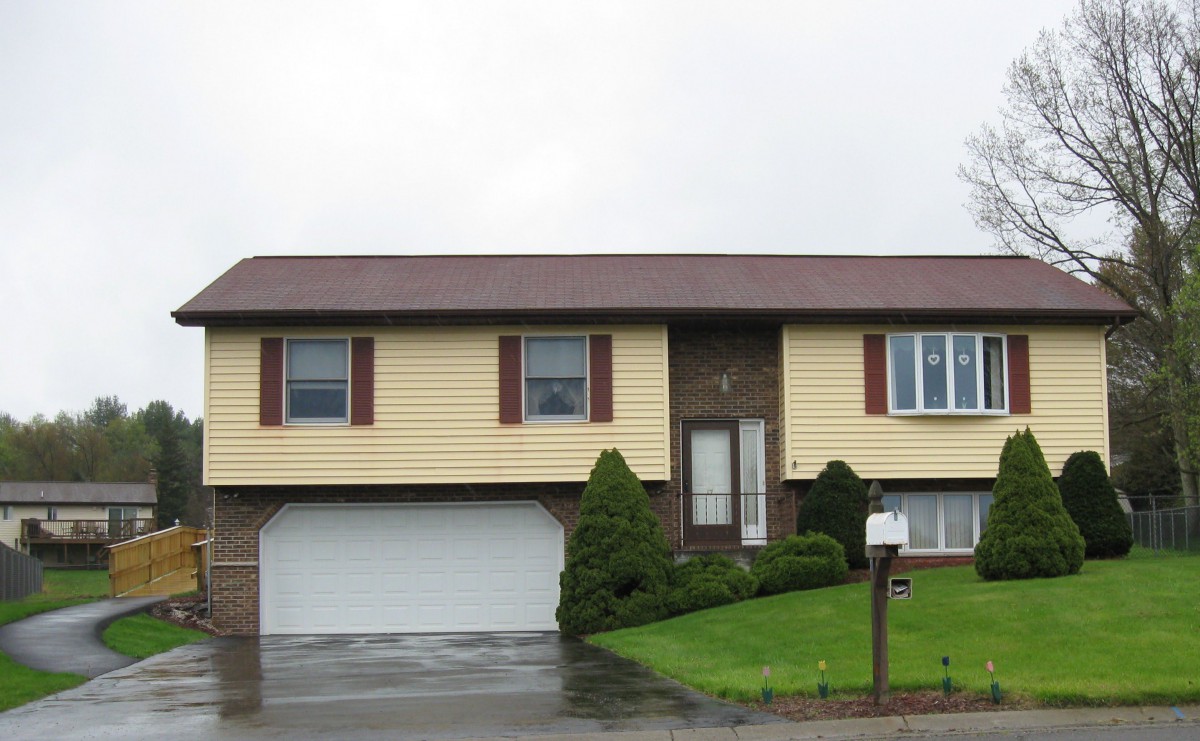
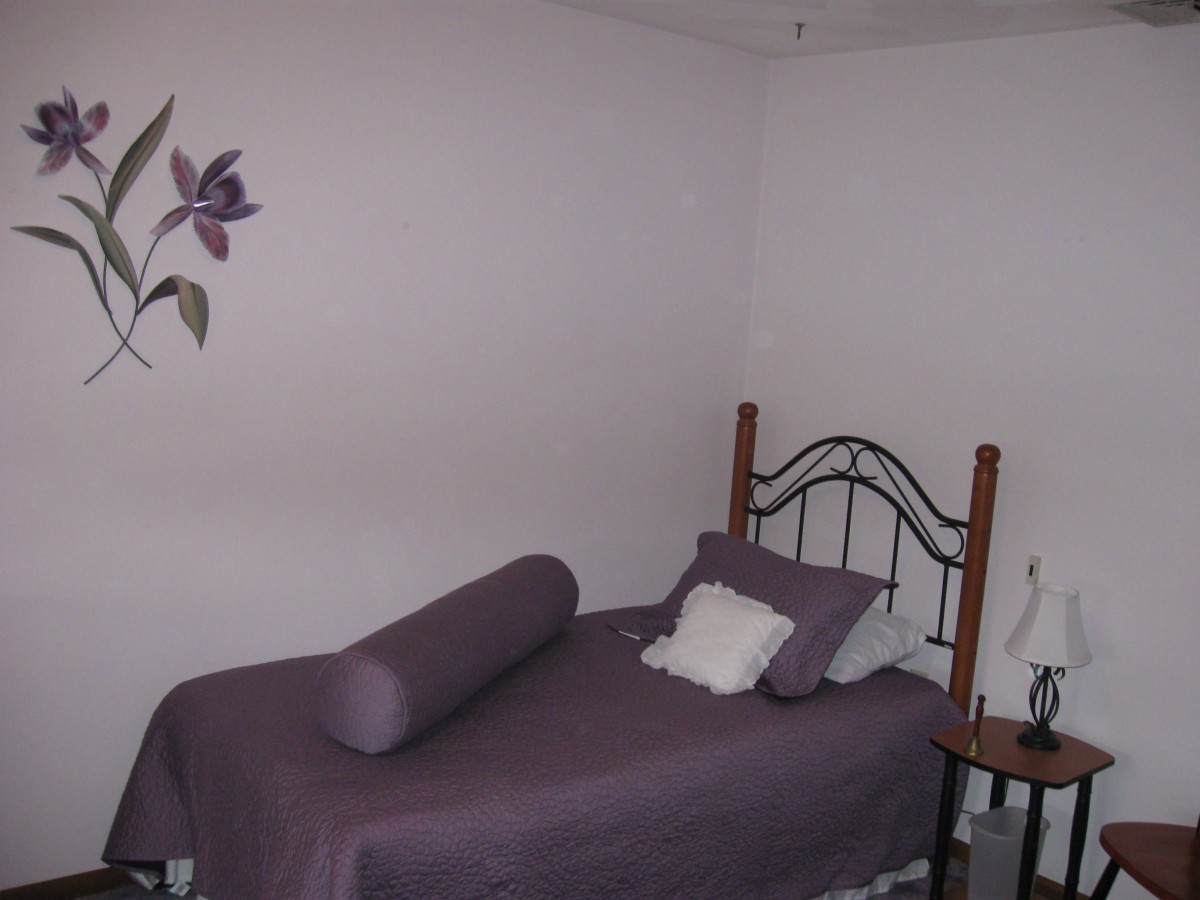
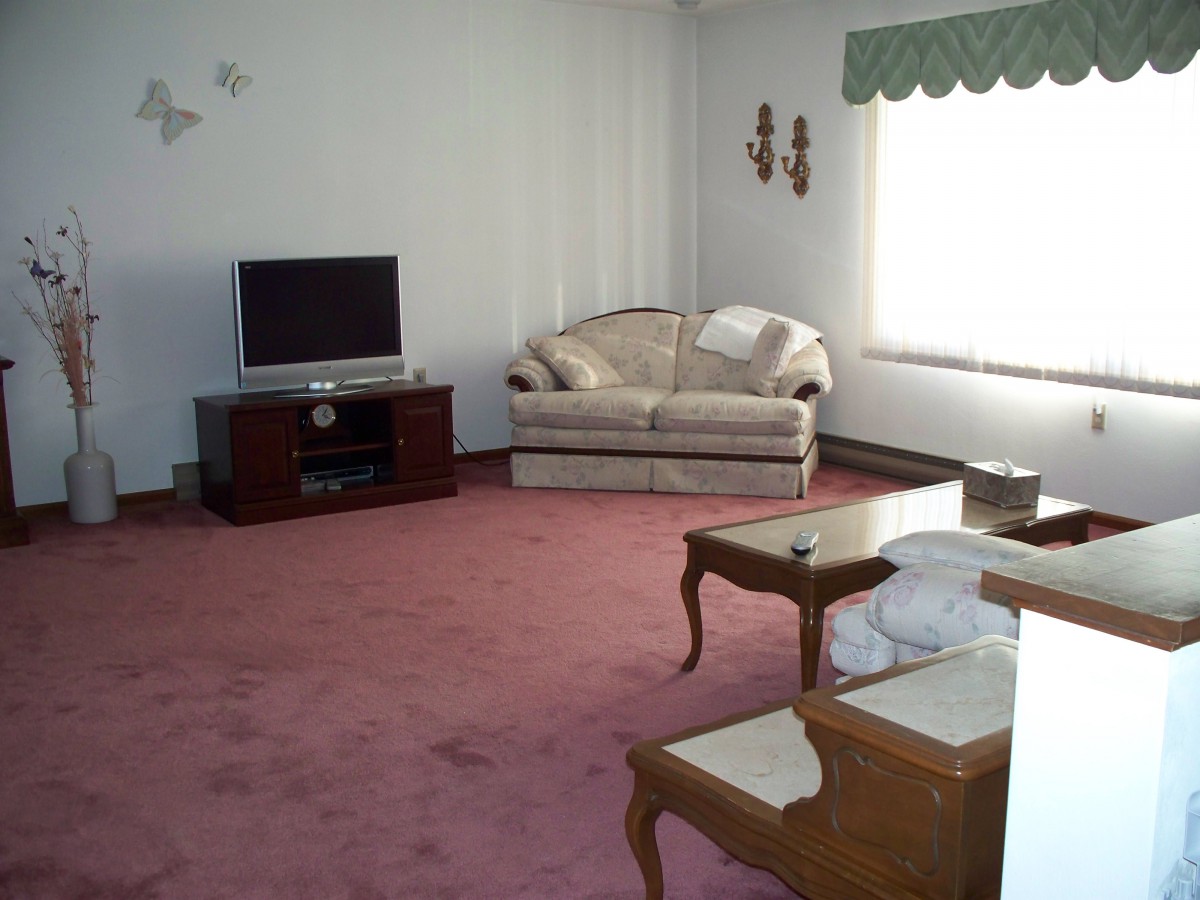
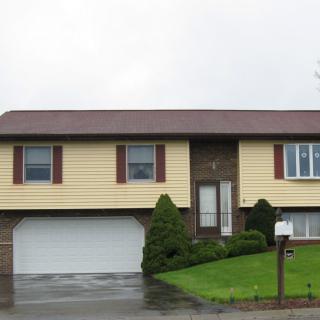
- The facility offers a nice house in a pleasant neighborhood, with easy visits from family.
- Residents receive medications on schedule and are well cared for.
- Connie Barton is easy to get along with and sympathetic to families' needs.
- The Homesteads come highly recommended for assisted living.
- Families report an absolutely great overall experience at the facility.
Cons
 The staff had their hands full.
- Mom initially didn’t want to have anything to do with living there.
- She was incapable of living alone.
- The family could no longer provide her the daily care that she required.
Review
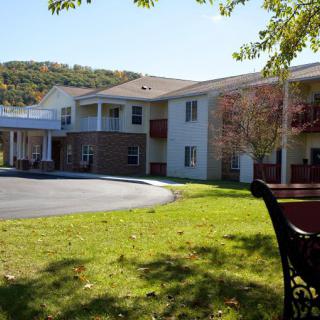
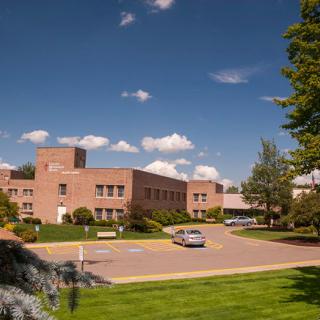
Paquette Homestead in Apalachin is best suited for families seeking a small, home-like assisted living option that reliably supports memory-care needs and daily routines. The setting feels like a neighborhood house rather than an institutional campus, which matters when a loved one values familiarity and a sense of belonging. The core strength is a staff that stays engaged with residents, responds promptly, and maintains consistency with essential tasks such as medication administration and mealtime oversight. For families local to Apalachin, the ability to visit easily reinforces the sense of continuity and safety that caregivers look for when dementia or memory challenges are a central concern.
For those weighing alternatives, Paquette Homestead may not be ideal for residents who require a broader slate of on-site amenities, more intensive medical oversight, or a larger community with a wide range of programs. Families considering facilities with expansive memory-care programs, higher acuity nursing, or a bustling activity calendar should explore bigger campuses or specialized memory-care houses. The small-house atmosphere naturally prioritizes intimate attention, which is excellent for daily care, but it can look limited next to larger, more centralized offerings.
The most compelling pros converge on staff quality and the resulting stability for residents. Families repeatedly highlight that staff are attentive, capable of handling the demands of care, and easy to coordinate with on a day-to-day basis. The staff’s reliability translates into practical benefits: medications are administered on schedule, meals are prepared with care, and the resident experiences a predictable routine. The positive interpersonal dynamic, evidenced by named staff members who are described as sympathetic and easy to work with, creates trust that a loved one is known as an individual rather than just another resident. This continuity matters deeply for dementia care, where familiarity can reduce anxiety and behavioral challenges.
These strengths offset the most common concerns families naturally raise about smaller facilities. A compact, home-like environment can limit the breadth of social programming and formalized activities, but the close-knit setting makes it easier for families to stay involved and for staff to tailor daily routines around individual preferences. The visible dedication of caregivers, even when they are managing multiple residents, helps compensate for any perceived lack of scale. In practice, this means fewer missed medications, steadier meals, and a reassuring sense that the person’s everyday needs are being watched closely.
The most tangible proof of fit comes from long-standing placement outcomes. One resident entering with dementia found a welcoming house and neighborhood, with visits remaining convenient for family members. Over time, the resident accepted Paquette Homestead as home, formed friendships with others, and benefited from consistent care that contributed to peace of mind for the family. The arrangement lasted years, with clear confirmation that essential care tasks, such as medication scheduling and nutrition, were handled reliably, and that the resident was treated with kindness and respect. These practical outcomes provide a robust case for the community’s value in appropriate cases.
Decision-makers should approach Paquette Homestead with a clear set of priorities. If the goal is a quiet, personalized care environment where staff know residents well and daily routines are predictable, this community delivers. If, however, the plan requires a larger campus, a broader program slate, or access to more intensive medical services on site, alternatives should be weighed carefully. Prospective families are wise to schedule direct conversations with staff and a tour, focusing questions about dementia-specific routines, medication oversight, and how care plans adapt as needs evolve. For many local families, Paquette Homestead represents a practical, trustworthy option that aligns with a preference for home-like warmth backed by dependable caregiving.
 Board and Care Home
 Day Program
 Memory Care
 Beautician on-site
 Devotional services off-site
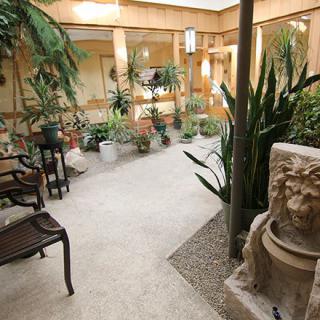
 Indoor common areas
 Outdoor common areas
 Private
 Respite or short term stays offered
 Binghamton Regional (13 miles away)
 Ambulatory care
 Diabetic care
 High acuity care
 Incontinence care
 Medication management
 Meals provided

 8 Key Indicators That Suggest It May Be Time to Transition from Assisted Living to Skilled Nursing Care
 Nourishing the Mind: Essential Dietary Approaches for Dementia
 Understanding Dementia Behaviors: Practical Insights and Strategies for Caregivers