
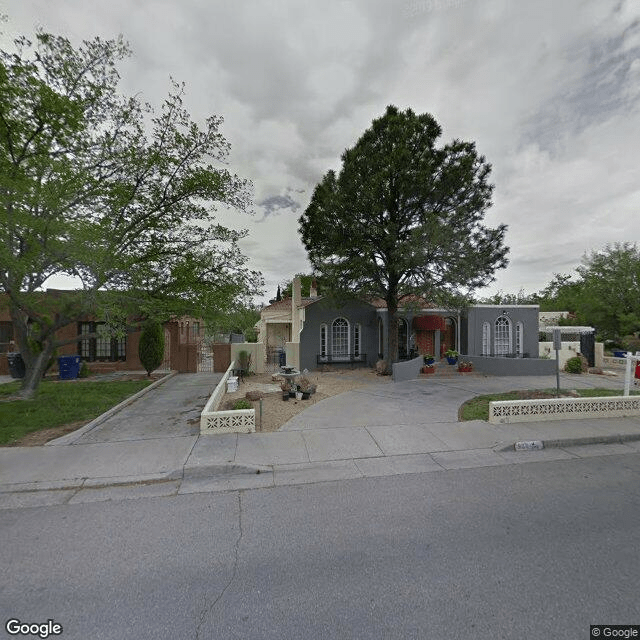
1606 Roma Ave NE, Albuquerque, NM 87106
To contact a resident: (505) 236-3417
For more information about senior living options: (866) 208-4318
Home Sweet Home Assisted Living - Roma Costs & Pricing
Home Sweet Home Assisted Living - Roma offers competitive pricing for its residents, particularly when compared to the broader market in Bernalillo County and across New Mexico. For a semi-private room, the cost is $2,800 per month, which is significantly lower than the county average of $3,285 and the state average of $3,324. Similarly, their private rooms are priced at $3,500, markedly more affordable than both the county's average of $4,602 and the state's average of $4,391. This makes Home Sweet Home Assisted Living - Roma an appealing option for those seeking quality care without the financial burden commonly associated with assisted living facilities in the area.
| Floor plans | Home Sweet Home Assisted Living - Roma | Bernalillo County | New Mexico |
|---|---|---|---|
| Semi-Private | $2,800 | $3,285 | $3,324 |
| Private | $3,500 | $4,602 | $4,391 |
Memory care communities with a similar price nearby
-
About the same
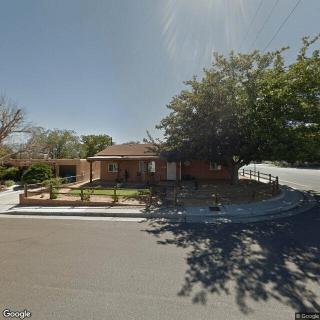
Home Sweet Home - Palomas Drive
$2,800 to $3,500 / month2.7 miles away -
from +$450 / mo
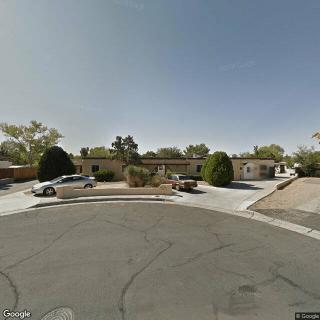
Harmony House
$3,250 to $3,600 / month11.0 miles away -
from +$550 / mo

MorningStar at North Ridge
$3,350 to $10,620 / month7.3 miles away -
About the same

Life Spire Assisted Living Of North Albuquerque Acres
$2,850 to $3,200 / month7.8 miles away -
from +$95 / mo

Neighborhood in Rio Rancho Life Plan Community
$2,895 to $4,410 / month12.4 miles away
Overall Review of Home Sweet Home Assisted Living - Roma
Pros
 The facility is well maintained, spotless, and the staff is very professional.
- The caregivers provided exceptional care for residents from independence to decline.
- The father formed strong attachments to several staff members.
- The home is a small, charming, spotless residence with friendly staff.
- The staff are capable and professional, with a very good patient-to-staff ratio of 1 to 3.
- The owner works hard to satisfy families and is highly regarded.
Cons
 The management refused to refund nearly the amount paid for the first month and a quarter, despite promises to refund at least a portion, and the room that was paid for was later taken and paid for by another client.
- Parking was very limited, making visits by family and friends difficult.
- Despite claims of ADA approval, navigating the home in a wheelchair would be very difficult due to numerous stairs and raised thresholds.
- The shared bathroom would not work for her.
- The facility was smaller than what they believed would be best for their loved one, lacking the larger, more interactive environment they desired.
Review
Home Sweet Home Assisted Living - Roma is best suited for families seeking a small, home-like setting where caregivers know residents well and care plans can be deeply personalized. With capacity capped around eight residents, the community operates like a true in-home environment rather than a large campus. The strongest appeal lies in the intimate atmosphere, a very favorable staff-to-resident dynamic (roughly 1 to 3 in current staffing), well-maintained interiors, and a setting that allows residents to form meaningful routines and attachments. Rooms described as master suites with garden views underscore the value placed on comfort and a familiar, homelike feel. For a family prioritizing consistent, attentive caregiving over bustling activity, this is a compelling option.
That said, alternatives are worth weighing for families that prioritize bigger communities, broader social programming, or easier accessibility. If a resident benefits from robust, on-site activities and a wide network of peers, a larger facility may deliver more daily options. For those whose visiting schedule is important, parking constraints can become a practical hurdle at this specific site. In addition, the layout raises questions for wheelchair users or those with significant mobility needs, since stairs and raised thresholds are present despite claims of ADA approval. Finally, if financial policy clarity and prompt refunds are essential, past billing friction suggests an area where options with transparent, stricter policies could be preferable.
The core strengths, cleanliness, professionalism, and steadfast caregiver dedication, materialize in a way that can decisively offset the smaller scale. Caregivers who deliver consistent, compassionate support during a loved one’s progression from independence to greater vulnerability indicate a reliable, relationship-driven model. Families repeatedly note caregiver attachment to residents and a willingness to accommodate specific wishes, reflecting a hands-on owner/manager dynamic. For relatives who want to observe daily routines, know the staff by name, and feel confident that a caregiver will respond promptly to needs in a calm, predictable environment, the pros are meaningful enough to justify the intimate setting.
However, meaningful limitations cannot be ignored. The small footprint, while charming, limits social spontaneity and may constrain the resident’s exposure to a wider circle of peers or organized activities. Parking restrictions complicate visits for extended family and friends, turning what should be simple drop-ins into logistical planning. Accessibility is a mixed bag: the facility is not fully barrier-free for someone in a wheelchair, with several stairs and raised thresholds that challenge navigation. The shared bathroom arrangement further compounds daily living logistics for some residents. On the financial side, the dispute over refunds after a loved one’s death signals a potential red flag: financial policies and responsive resolutions matter greatly in a setting where care needs evolve quickly.
In practical terms, this community makes the most sense for a resident who values safety, routine, and close observation from a small, stable team. If a loved one thrives with one-on-one attention, likes a quiet, predictable schedule, and prefers a setting that feels like a curated home, Home Sweet Home Roma can deliver. It is less advisable for someone who needs frequent social programming, seamless wheelchair access throughout the building, or ample space for visitors to come and go without scheduling. Prospective families should demand a clear, written refund and billing policy, verify current accessibility details, and assess how the living space would feel in day-to-day life for a resident’s specific needs.
The take-home decision is clear: Home Sweet Home Roma is a strong choice for families seeking intimate, caregiver-centric care in a small community that fosters personal connections and consistent attention. It is not the best fit for those prioritizing large-scale social opportunities, full accessibility, or frictionless financial terms. The prudent, action-oriented next steps are to schedule a first-hand tour with potential residents in mind, speak directly with multiple caregivers about daily routines, ask to review the current staffing schedule, and obtain a concise, written explanation of the refund policy. With these checks, the choice becomes a confident alignment of care style, resident needs, and family expectations.
 Board and Care Home
 Day Program
 Memory Care
 Cats allowed
 Dogs allowed
 Bath tubs
 Indoor common areas
 Outdoor common areas
 Private
 Private bathrooms
 Respite or short term stays offered
 Wheelchair accessible showers
 Albuquerque International (3 miles away)
 High acuity care
 Incontinence care
 Medication management
 Kosher



 Memory Care Pathways: A Holistic Guide to Dementia Support
 Comprehending Evening Confusion in Dementia: Causes, Manifestations, and Support
 Delirium and Dementia: Unraveling the Key Differences