
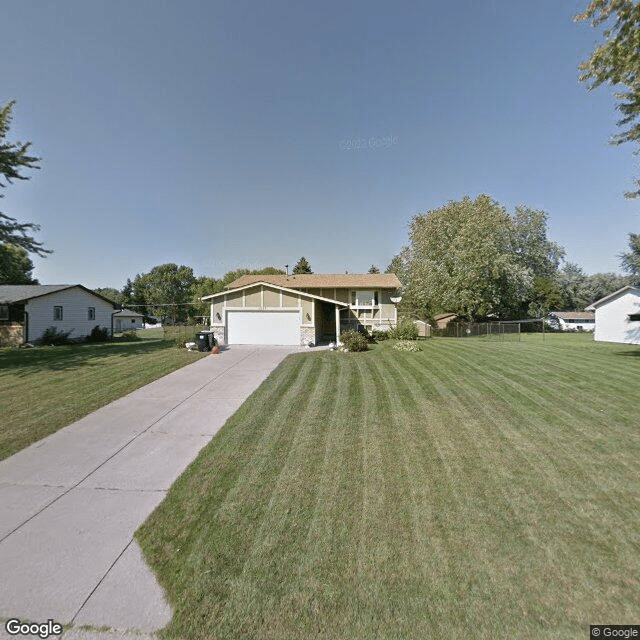
1527 143rd Ave NE, Ham Lake, MN 55304
To contact a resident: (763) 754-1033
For more information about senior living options: (866) 208-4318
Adult Foster Care Costs & Pricing
The cost of Adult Foster Care can vary significantly based on location, with Anoka County pricing slightly below the average for Minnesota overall. In Anoka County, the monthly expense for a private room in an Adult Foster Care setting is approximately $3,928. This is notably more affordable compared to the state average of $5,090 per month. Conversely, the base rate specifically for Adult Foster Care facilities stands at $3,500. These figures highlight the financial considerations families must navigate when seeking care options that provide both a safe and supportive environment for their loved ones. It's essential to weigh these costs against the quality of care and services offered when making such important decisions.
| Floor plans | Adult Foster Care | Anoka County | Minnesota |
|---|---|---|---|
| Private | $3,500 | $3,928 | $5,090 |
Memory care communities with a similar price nearby
-
from -$500 / mo
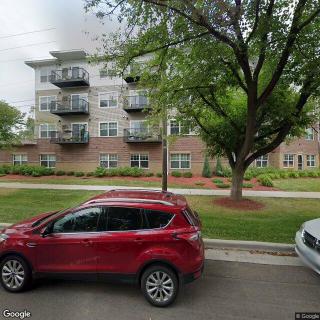
Highland on Graham
$3,000 to $4,000 / month23.0 miles away -
from -$673 / mo
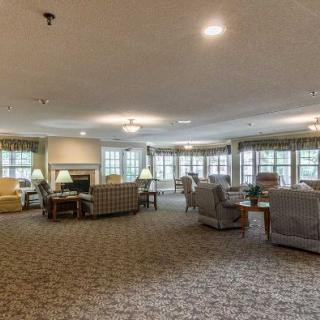
New Perspective Mahtomedi
$2,827 to $4,076 / month18.1 miles away -
from +$280 / mo

Lilydale Senior Living
$3,780 / month23.1 miles away -
About the same

Atlas Villas Memory Care
$3,500 / month14.1 miles away -
from +$155 / mo

Gable Pines
$3,655 to $4,535 / month15.3 miles away
Overall Review of Adult Foster Care
Pros
 They love living there.
- They consider it the best place to stay.
- They see it as a great place to call home.
- They are grateful for information about adult foster care services.
Cons
 The reviewer reports hidden cameras in bedrooms, describing it as a terrible experience.
- They say the family has very dark secrets and that their smiles should not be trusted.
- They describe the staff as shady and capable of sneaking around and covering up paperwork.
- They claim the staff degrade clients by using their native language to avoid reporting.
- They say they will report the organization to the Minnesota Adult Abuse Reporting Center and to the attorney general.
- They explicitly do not recommend this place.
- They indicate there are several things that need to be reported to authorities.
Review
This community is best suited for seniors who want a small, home-like foster-care setting and are comfortable with a family-operated model that emphasizes intimate, personal attention. It can feel welcoming to someone who prefers living among a tight-knit caregiver-family environment and who is looking to avoid the feel and expense of a larger nursing home. The trade-off is clear: the setting aims for warmth and flexibility, but that comes with a level of informality that may not satisfy families seeking formal, highly regulated oversight and standardized procedures.
Those who should actively consider alternatives include families that prioritize rigorous safeguarding, transparent operations, and documented accountability. The reviews raise serious concerns about paperwork practices, potential deception, and even covert surveillance, all of which undermine trust and safety. For households that require third-party verification, consistent regulatory compliance, and clear, auditable care plans, a larger, professionally managed facility with a track record of inspections and formal complaint handling is usually the wiser path.
The strongest positives here, the sense of belonging, the potential for a homelike daily routine, and the appeal of a cost-effective, non-nursing-home option, do provide meaningful value in the right circumstances. For residents who value familiarity, direct access to caregivers, and a setting that feels like extended family, the advantages can offset some daily frictions. Yet these pros are consistently counterbalanced by the most serious cons: allegations of hidden cameras, manipulation of paperwork, and language that degrades residents. In a decision-making framework, the safety and integrity gaps presented are not easily dismissed, and they erode the confidence needed to recommend this community without strong assurances.
In practical terms, any due-diligence process should prioritize hard evidence of safeguarding and governance. Prospective families should verify licensing status, inspect recent state reports, and examine any Open Investigations or sanction history. A crucial step is to demand detailed responses about privacy policies, staffing credentials, and the handling of abuse reports. Ask for a clear, written care plan process, including how changes are documented and who has oversight. It is essential to determine whether there is regular third-party monitoring or mandatory quarterly reviews and whether residents and families have direct, unfiltered channels to report concerns.
During visits, focus on how daily life actually unfolds. Observe caregiver-resident interactions for warmth paired with boundaries, and assess whether residents appear informed about their rights and privacy. Investigate the presence and placement of any cameras, and insist on explicit consent protocols and opt-out options. Review dining quality, medication administration practices, emergency readiness, and access to medical professionals. Question turnover rates and staff stability, since high turnover often correlates with inconsistent care. The absence of transparent, verifiable records in these areas is a red flag that deserves serious caution.
The bottom-line verdict is practical and unequivocal: this community may work for a highly specific segment, families seeking a low-cost, intimate living arrangement close to home and willing to accept a degree of informality and potential governance risk. For most families, especially those with concerns about safeguarding, transparency, and external accountability, alternatives with stronger regulatory footing are the prudent choice. If pursuing this option, insist on concrete, in-writing safeguards, a clear abuse-reporting framework, and a commitment to opening records for independent review. Consider a measured trial period with defined milestones, and prioritize facilities that can demonstrate consistent compliance, robust oversight, and a proven track record of protecting residents’ safety and dignity.
 Board and Care Home
 Day Program
 Memory Care
 Private
 Private bathrooms
 Respite or short term stays offered
 Minneapolis-St Paul International (24 miles away)
 Diabetic care
 High acuity care
 Incontinence care
 Medication management



 Illuminating Insights About Alzheimer's Disease: Ten Crucial Realities
 A Thorough Discussion of Medications Potentially Linked to Dementia Risk
 Why Do Dementia Patients Sleep So Much? Understanding Oversleeping, Stages, and Care Approaches