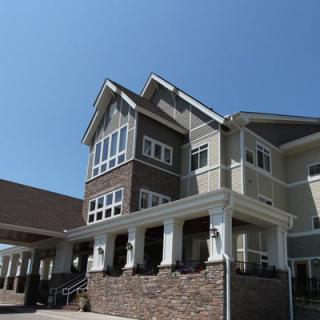
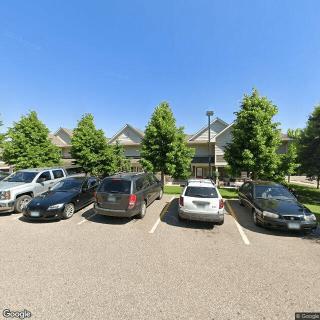
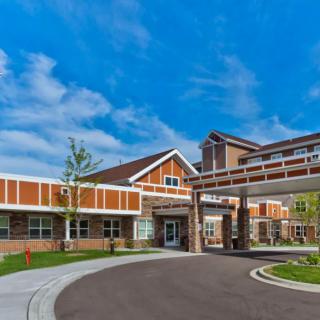
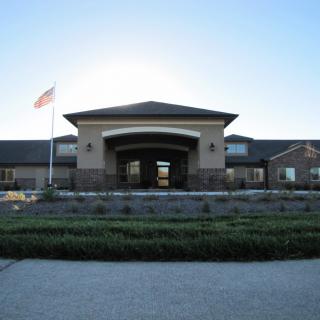
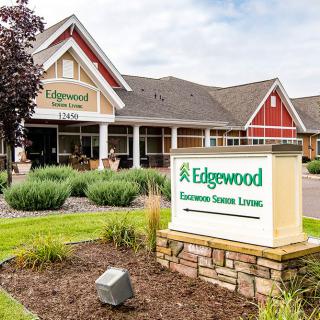
Edgewood Blaine

12450 Cloud Drive Ne, Blaine, MN 55449

For more information about senior living options: (844) 490-3973

4.1 from 35 reviews
5 stars
25
4 stars
1
3 stars
3
2 stars
1
1 stars
5

Assisted Living Memory Care

What level of care are you interested in?

Assisted Living

Memory Care

Independent Living

Skilled Nursing Facility

Continuing Care Retirement Community (CCRC)CCRC

Other


Request a tour at Edgewood Blaine

    Overall Review of Edgewood Blaine

    Pros

    • pro The facility is clean, warm, and home-like with friendly staff.
    • pro The staff listened to residents and calmed their worries.
    • pro The staff are patient, caring, and encourage residents to be their best.
    • pro The staff foster independence and respect residents' wishes.
    • pro Residents have made friends and look forward to the activities.
    • pro Families have peace of mind knowing residents are safe and well cared for.
    • pro The staff take pride in their work and genuinely care for every resident.
    • pro Edgewood is highly recommended by families seeking assisted living or memory care.

    Cons

    • pro There were red flags and the staff didn't seem worried when concerns were raised.
    • pro There were no two-person transfers for residents, and the Hoyer lift wasn't delivered despite safety concerns.
    • pro Family members were not informed about weight loss and had to ask for updates.
    • pro Edgewood Healthcare was accused of abandoning its caring, nurturing atmosphere in favor of bottom-line priorities.
    • pro There was alleged overmedication that dulled cognition, with changes later reversed only after moving to another facility.
    • pro Covid-era policy changes to dietary needs and non-ambulatory transfers were made without disclosure to families.

    Review

    Edgewood Blaine in Blaine, MN is best suited for families seeking an assisted living or memory care option that feels like home, where staff quickly become familiar with residents and daily life emphasizes independence within a supportive, watchful environment. It works well for seniors who want meaningful social connection - regular activities, friendly camaraderie, and the feeling of a close-knit community - without sacrificing steady nursing oversight. The setting appeals to those who value a warm, clean campus, shuttle transportation, and restaurant-style dining across a broad window of hours, with staff handling laundry and medication administration to lessen family burdens. Residents who thrive on personal attention, consistent routines, and a home-like atmosphere where caregivers listen and tailor care to individual wishes will find Edgewood Blaine a reassuring match. It is also a strong option for families navigating memory care or end-of-life needs, given demonstrated compassion and coordinated support from the team.

    Those who may want to consider alternatives include families that place a premium on flawless transparency and communication around medical decisions, or those whose loved one requires two-person transfers and specialized equipment on a routine basis. Several reviews highlight moments where concerns about responsiveness and information sharing surfaced, especially during caregiving crises or transitions. A few families noted inconsistent staff performance, unplanned changes in care protocols, and perceived emphasis on cost considerations over individualized nuance. For residents with complex dietary restrictions, non-ambulatory transfer needs, or a history of significant agitation or medication-related risks, other communities with more rigid clinical protocols or different staffing models might be a better match. In short, Edgewood Blaine can be superb for warmth and everyday care, but it may not satisfy every demand for clinical rigor or absolute procedural transparency.

    The strongest pro pack here is the human touch: staff described as loving, attentive, and genuinely invested in residents' well-being. The facility's cleanliness and the homey atmosphere consistently come through in impressions from families and volunteers. Management is repeatedly characterized as approachable and responsive to feedback, with real examples of adjustments following family input. Residents form friendships, participate in engaging activities like bingo and painting, and feel watched over by a team that treats safety as a core value. End-of-life care and hospice coordination have elicited particular praise, underscoring a capacity to navigate sensitive transitions with dignity. Practical conveniences - on-site laundry, medication management, and flexible dining options - reduce stress for families during challenging chapters and amplify the "like family" sentiment that permeates the community.

    Yet, the weight of the drawbacks cannot be ignored. Several accounts describe alarming gaps in communication during critical moments, including weight changes, medical concerns, or the need for hospital transfer decisions. A few reviews recount alarms raised by family members that were not promptly acknowledged, with later misunderstandings about care plans or symptom management. The two-person transfer policy is named as a real constraint by families with mobility challenges, and some notes suggest that staffing inconsistencies can surface, especially in high-stress periods. Even where staff are described as compassionate, anecdotes of overmedication and cognitive decline after leaving Edgewood's care surface as cautions for those relying on this setting for long-term stability. These threads point to a legitimate caveat: quality is visibly dependent on day-to-day personnel and leadership judgment.

    When the pros align with family priorities - home-like warmth, staff closeness, robust social programming, and proactive management - the cons become more tolerable or even secondary. The offsetting strengths are meaningful: peace of mind that someone is watching over a loved one with timely nurse responses, a culture that treats residents like family, and coordinated support during sensitive transitions. For families prioritizing an environment where independence is respected, where activities and social ties fuel daily purpose, Edgewood Blaine can deliver a distinctly positive experience. The risk calculus tilts in favor of Edgewood for those who value personal connection and practical care logistics over the rare need for ultra-strict clinical governance or absolute procedural transparency.

    Bottom line: Edgewood Blaine is a compelling, well-loved option for many families seeking a warm, community-focused setting with attentive staff and a strong program of activities. It excels at creating a safe, home-like atmosphere where residents feel cared for and families feel supported, particularly in memory care and end-of-life scenarios. However, it may not be the best fit for those who require unwavering transparency in every medical decision, guaranteed two-person transfers, or exceptionally uniform staffing every shift. Prospective families should prioritize direct conversations with administration about care plans, transfer capabilities, and communication protocols, and should arrange in-person visits to observe staff-resident interactions firsthand. If the goal is a community where care feels personal and partners with families to keep independence in daily life, Edgewood Blaine deserves serious consideration.

    Features

    Housing

    • 21 resident community capacity 21 resident community capacity

    Types of Care

    • Assisted Living Assisted LivingAssisted living facilities provide crucial support and care for seniors who may need help with daily tasks such as medication management, bathing, and meal preparation. These communities offer a safe and comfortable environment where seniors can maintain their independence while receiving the assistance they need to thrive in their golden years.
    • Memory Care Memory CareMemory care is crucial for seniors as it provides specialized support and services for individuals with dementia or Alzheimer's disease. These programs offer a safe and secure environment where residents receive personalized care, cognitive stimulation, and help with daily activities. Memory care helps seniors maintain their independence, quality of life, and dignity while also providing peace of mind for their families.

    Amenities

    • Beauty salon Beauty salonBeauty salons are important for seniors because they provide a space for them to feel pampered, socialize, and maintain their personal grooming and hygiene. Regular visits to a beauty salon can help boost seniors' self-esteem and overall well-being.
    • Cable or satellite TV Cable or satellite TVCable or satellite TV is important for seniors because it provides entertainment, news, and companionship, helping to combat loneliness and boredom. It also offers a wide range of programming options tailored to different interests and preferences.
    • Dining room Dining roomDining rooms are important for seniors as they provide a space for socialization, connection, and nutritious meals. They offer opportunities for residents to bond over shared meals, foster a sense of community, and promote healthy eating habits. Dining rooms also ensure that seniors have access to well-balanced meals tailored to their dietary needs and preferences.
    • Fully furnished Fully furnishedFully furnished senior living communities are important for seniors because they provide convenience, comfort, and a hassle-free moving experience. Seniors can easily settle into their new living space without the stress of having to buy and move furniture. This allows them to focus on enjoying their new home and community.
    • Garden GardenGardens are important for seniors as they provide a peaceful and therapeutic environment for relaxation, physical activity, and socialization. Being in nature has been shown to reduce stress, improve mood, and promote overall well-being. Gardens also offer opportunities for seniors to engage in gardening activities, which can improve mobility, flexibility, and cognitive function. Additionally, gardens create a sense of community and connection with others who share a passion for plants and outdoor spaces.
    • Housekeeping services Housekeeping servicesHousekeeping services are important for seniors because they help maintain a clean and safe living environment, promote independence, and reduce the risk of accidents or illnesses. Additionally, having assistance with household chores can alleviate physical strain and allow seniors to focus on other aspects of their well-being.
    • Kitchenette KitchenetteKitchenettes are important for seniors living in senior living communities because they provide the convenience and independence of being able to prepare simple meals and snacks in the comfort of their own living space. This can help promote a sense of autonomy and well-being for seniors, allowing them to maintain some level of control over their dietary choices and daily routines.
    • Move-in coordination Move-in coordinationMove-in coordination is important for seniors because it helps ease the transition into their new living environment. It ensures that all logistics, such as packing, organizing movers, and setting up utilities are taken care of, allowing seniors to focus on settling in and adjusting to their new home. Having a smooth move-in process can alleviate stress and anxiety, making the transition smoother and more enjoyable for seniors.
    • Outdoor space Outdoor spaceOutdoor spaces are important for seniors as they provide opportunities for physical activity, social interaction, exposure to natural light and fresh air, and a sense of connection to nature. Having access to outdoor spaces can improve overall well-being and quality of life for older adults living in senior communities.
    • Telephone TelephoneTelephones are important for seniors as they provide a lifeline for communication with loved ones, emergency services, and healthcare providers. They offer a sense of security and independence, enabling seniors to stay connected and access assistance when needed.
    • Wi-Fi/high-speed internet available Wi-Fi/high-speed internet availableWi-Fi/high-speed internet is important for seniors to stay connected with loved ones, access online resources, and participate in virtual activities to combat feelings of loneliness and isolation. It also allows them to easily manage healthcare needs, access entertainment, and engage in lifelong learning opportunities.

    Transportation

    • Minneapolis-St Paul International (22 miles away) Minneapolis-St Paul International (22 miles away)

    Care Services

    • 24-hour call system 24-hour call system24-hour call systems are important for seniors because they provide peace of mind and immediate assistance in case of emergencies. This technology ensures that help is always available, promoting safety and security for elderly individuals living alone or in assisted living facilities.
    • 24-hour supervision 24-hour supervision24-hour supervision is important for seniors to ensure their safety, well-being, and access to immediate assistance in case of emergencies or health issues. This constant support provides peace of mind for both seniors and their loved ones, allowing them to age in place with dignity and security.
    • Activities of daily living assistance Activities of daily living assistanceActivities of daily living assistance are important for seniors because they provide essential support with tasks such as eating, bathing, dressing, and mobility. This assistance helps seniors maintain their independence, dignity, and overall quality of life as they age.
    • Assistance with bathing Assistance with bathingAssistance with bathing is crucial for seniors as it helps maintain personal hygiene, prevents infections, and ensures their overall well-being and comfort. It also provides a sense of dignity and independence for seniors who may struggle with this task on their own.
    • Assistance with dressing Assistance with dressingAssistance with dressing is important for seniors because it helps maintain their independence, promotes personal hygiene, prevents accidents and injuries, and improves overall quality of life. This service ensures that seniors can continue to dress comfortably and confidently, despite any physical limitations they may have.
    • Assistance with transfers Assistance with transfersAssistance with transfers is crucial for seniors as it helps prevent falls and injuries, maintains their independence, and ensures they can safely navigate their living environment. It also provides peace of mind for both seniors and their loved ones.
    • Coordination with health care providers Coordination with health care providersCoordination with health care providers is crucial for seniors to ensure proper medical care, medication management, and overall well-being. This collaboration helps prevent overlapping treatments, track progress more effectively, and provide comprehensive support tailored to individual needs.
    • Dementia waiver Dementia waiverDementia waivers are essential for seniors as they provide critical protections and accommodations for those experiencing cognitive decline. These waivers ensure individuals with dementia receive appropriate care, support, and resources to maintain their quality of life and dignity as they navigate the challenges of this progressive condition.
    • Diabetes diet Diabetes dietA diabetes diet is crucial for seniors as it helps manage blood sugar levels, reduce risks of complications, and improve overall health and well-being. By following a balanced and nutritious diet tailored to their specific needs, seniors can better control their diabetes and enhance their quality of life.
    • Hospice waiver Hospice waiverHospice waivers are important for seniors because they allow individuals to receive specialized end-of-life care and support at home or in a hospice facility. This waiver ensures that seniors can access the necessary resources and services to maintain comfort and dignity during their final days.
    • Meal preparation and service Meal preparation and serviceMeal preparation and service are crucial for seniors as they may have limited mobility or energy to cook nutritious meals. Having access to healthy and convenient food options can ensure they are getting the proper nutrition needed to maintain their overall health and well-being.
    • Medication management Medication managementMedication management is crucial for seniors to ensure they are taking the right medications at the correct dosages and times. This helps prevent adverse drug interactions, reduces the risk of medication errors, and promotes overall health and well-being. Proactive management also allows for adjustments as needed based on changing health conditions or new prescriptions.
    • Mental wellness program Mental wellness programMental wellness programs are essential for seniors as they promote cognitive stimulation, emotional support, and social engagement. These programs help prevent isolation, depression, and cognitive decline, ultimately enhancing the overall quality of life for older adults.
    • Mild cognitive impairment Mild cognitive impairment"Mild cognitive impairment" is important for seniors because it is an early stage of cognitive decline that can potentially progress to more severe conditions such as dementia. Recognizing and addressing mild cognitive impairment can help seniors receive appropriate care and support to maintain their quality of life and independence for as long as possible.
    • Special dietary restrictions Special dietary restrictionsSpecial dietary restrictions are important for seniors because age-related changes in metabolism and health conditions can make it difficult for their bodies to process certain foods. By following a diet tailored to their specific needs, seniors can maintain their overall health and well-being, manage chronic conditions, and reduce the risk of complications such as malnutrition or food interactions with medications.
    • Specialized memory care programming Specialized memory care programmingSpecialized memory care programming is crucial for seniors with cognitive impairments such as dementia or Alzheimer's disease. These programs provide a safe and supportive environment tailored to the unique needs of individuals with memory loss, helping them maintain their independence, dignity, and quality of life.
    • Transportation arrangement (medical) Transportation arrangement (medical)Transportation arrangements for medical purposes are essential for seniors as they may have difficulty driving themselves to appointments or accessing public transportation. Having reliable and safe transportation options ensures that seniors can receive timely medical care and maintain their health and well-being.
    • Transportation to doctors appointments Transportation to doctors appointmentsTransportation to doctors' appointments is crucial for seniors as it ensures they have access to necessary medical care and support for their health needs. Without reliable transportation, seniors may struggle to attend important appointments, leading to potential delays in treatment and health complications. Providing transportation services helps seniors maintain their overall well-being and quality of life.
    Dining

    • Diabetes diet Diabetes dietA diabetes diet is crucial for seniors as it helps manage blood sugar levels, reduce risks of complications, and improve overall health and well-being. By following a balanced and nutritious diet tailored to their specific needs, seniors can better control their diabetes and enhance their quality of life.
    • Special dietary restrictions Special dietary restrictionsSpecial dietary restrictions are important for seniors because age-related changes in metabolism and health conditions can make it difficult for their bodies to process certain foods. By following a diet tailored to their specific needs, seniors can maintain their overall health and well-being, manage chronic conditions, and reduce the risk of complications such as malnutrition or food interactions with medications.

    Activities

    • Community-sponsored activities Community-sponsored activitiesCommunity-sponsored activities are important for seniors as they provide opportunities for social interaction, mental stimulation, and physical activity. These activities can help improve overall well-being, combat loneliness and isolation, and promote a sense of belonging and purpose among older adults.
    • Resident-run activities Resident-run activitiesResident-run activities are important for seniors as they encourage social interaction, creativity, and a sense of autonomy. These activities empower seniors to stay engaged and active in their community while fostering meaningful connections with their peers.
    • Scheduled daily activities Scheduled daily activitiesScheduled daily activities are important for seniors because they provide structure, socialization, mental stimulation, and physical activity. Engaging in regular activities can improve overall well-being and quality of life for seniors living in a community setting.

    Description

    Edgewood Blaine in Blaine, MN is a specialized Memory Care community that provides exceptional care and support for individuals with memory impairments. The community offers a range of amenities to ensure the comfort and well-being of its residents. Each unit is fully furnished and includes cable or satellite TV, Wi-Fi/high-speed internet, and a telephone for easy communication with loved ones.

    Residents can enjoy delicious meals in the dining room, which accommodates special dietary restrictions. Housekeeping services are provided to maintain cleanliness and orderliness within the community. Additionally, there is a kitchenette available for those who prefer to prepare their own snacks or beverages.

    Outdoor spaces such as gardens provide residents with a peaceful environment to relax and enjoy nature. The community also offers move-in coordination services to assist new residents in transitioning smoothly into their new home.

    At Edgewood Blaine, residents receive 24-hour supervision by trained staff who provide assistance with daily activities such as bathing, dressing, and transfers. Medication management ensures that medications are taken on time and as prescribed. Coordination with health care providers ensures that residents receive appropriate medical attention when needed.

    The community has specialized memory care programming tailored to meet the unique needs of individuals with cognitive impairments. A mental wellness program is available to promote emotional well-being among the residents. Residents can engage in various resident-run activities and scheduled daily activities to enhance socialization and stimulate cognitive function.

    For added convenience, transportation arrangements can be made for medical appointments or other outings. Nearby amenities include cafes, parks, pharmacies, physicians' offices, restaurants, theaters, making it easy for residents to access essential services or enjoy recreational activities.

    Overall, Edgewood Blaine provides comprehensive memory care services in a comfortable setting where residents can live safely while receiving personalized care and support from compassionate staff members.

    Nearby Places of Interest

    Restaurants

    • Axel's Bonfire (0.4 miles)
    • The Roadside (1.4 miles)
    • Blainbrook Entertainment Center (1.4 miles)
    • The Tavern Grill (2.1 miles)
    • Wild Bills Sports Saloon (2.2 miles)
    • Raising Cane's Chicken Fingers (2.2 miles)
    • Invictus Brewing (2.4 miles)

    Pharmacies

    • Walgreens (1.1 miles)
    • Walgreens (2.3 miles)
    • Walgreens (3.6 miles)
    • Fairview Pharmacy Services (5 miles)
    • Walgreens (5.3 miles)
    • CVS Pharmacy (5.9 miles)
    • Walgreens (6.6 miles)

    Physicians

    • Pain and Brain Healing Center (1.4 miles)
    • Oakdale OBGYN (1.5 miles)
    • Multicare Associates (1.5 miles)
    • Suburban Imaging (1.5 miles)
    • Twin Cities Orthopedics Blaine (2 miles)
    • Northtown Mall (5.4 miles)
    • Aesthetic Reconstructive Plastic Surgery (6.6 miles)

    Parks

    • Lexington Athletic Complex (2.5 miles)
    • Ham Lake City Park (3.9 miles)
    • Sunshine Park (6 miles)
    • Crooked Lake Park & Beach (6.3 miles)
    • Riverdale Park (7 miles)
    • Pinebrook Park (7.5 miles)
    • Kelsey Round Lake Park (8.4 miles)

    Transportation

    • Lino Air Park (3.7 miles)

    Theaters

    • AMC Coon Rapids 16 (4.5 miles)
    • Andover Cinema (5.2 miles)

    Cafes

    • Starbucks (4.5 miles)
    • Caribou Coffee (5 miles)
    • Caribou Coffee (5.5 miles)
    • Caribou Coffee (8.9 miles)

    Places of Worship

    • Ephiphany Catholic Church (5.5 miles)
    • Open Range Cowboy Church (6.5 miles)
    • Fridley United Methodist Church (7.9 miles)
    • North Heights Lutheran Church (8.5 miles)

    Hospitals

    • Unity Hospital (6.7 miles)
    • Anoka Metro Regional Treatment Center (8.4 miles)

    Frequently Asked Questions

    Where is Edgewood Blaine?
    Does Edgewood Blaine provide care for residents with dementia or Alzheimer's disease?

    Nearby Communities

    • Edgewood Senior Living

      Edgewood Senior Living

      Blaine, MN

      4.2 from 62 reviews
      $3,875 to $4,975 / month

      pro Engaging activities and warm, attentive staff

    • Healthmax Home Health Services

      Healthmax Home Health Services

      Blaine, MN

      5 from 6 reviews
       

      pro Specialized memory care with 24/7 supervision and comprehensive dementia programming.

    • Blaine WP II

      Blaine WP II

      Blaine, MN

      4.4 from 32 reviews
       

      pro Specialized memory care with 24/7 supervision and tailored programming.

    • Blaine White Pine

      Blaine White Pine

      Blaine, MN

      4.2 from 57 reviews
       

      pro Clean, welcoming setting with engaging activities and comfortable memory-care apartments.

    • Blaine White Pine Senior Lvg

      Blaine White Pine Senior Lvg

      Blaine, MN

      4.4 from 36 reviews
      $4,125 to $5,400 / month

      pro Caring, friendly staff; clean, well-maintained environment; enjoyable meals and engaging activities for memory care residents.

    • Northgate Woods

      Northgate Woods

      Minneapolis, MN

      1.9 from 9 reviews
      $823 to $947 / month

      pro Pricing notably below Ramsey County and Minnesota state averages

    • Crest View Senior Community at Blaine

      Crest View Senior Community at Blaine

      Blaine, MN

      3.7 from 42 reviews
      $1,405 to $3,765 / month

      pro Welcoming, engaged community with on-site amenities and activities.

    • Edgemont Place

      Edgemont Place

      Blaine, MN

      4 from 62 reviews
      $5,400 to $7,100 / month

      pro Caring nursing staff and varied activities in a pleasant environment.

    • Synergy HomeCare - Blaine

      Synergy HomeCare - Blaine

      Blaine, MN

      4.7 from 53 reviews
       

      pro Compassionate, attentive caregivers and reliable office coordination.

    Related Resources

    • dementia stagesUnderstanding Dementia Through Its Seven Stages: A Comprehensive Look at Progression and Expectations

      Dementia encompasses a range of cognitive impairments characterized by types such as Alzheimer's and vascular dementia, and follows a seven-stage progression model known as the Global Deterioration Scale (GDS), highlighting varying symptoms and decline timelines. Early detection allows for lifestyle adjustments to potentially slow progression, while caregivers need support and resources to manage the challenges involved in caring for affected individuals.

    • dementia careA Holistic Dementia Care Guide: Effective Strategies for Memory Support

      The guide on holistic dementia care outlines the complexity of dementia and stresses the need for individualized caregiver strategies that include medical treatment, psychological support, and environmental adaptations, while emphasizing early detection, various therapeutic options, and caregiver support to enhance quality of life and maintain dignity.

    • activities of daily livingComprehensive Insights into Activities of Daily Living (ADLs) and Their Assessment

      Activities of Daily Living (ADLs) are fundamental tasks vital for an individual's independence, particularly in older adults over 85, and include functions like bathing and dressing; assessing ADLs alongside Instrumental Activities of Daily Living (IADLs) helps determine the level of required assistance due to age-related health challenges. Tailored support plans, involving family and community resources, are essential for maintaining dignity and autonomy in assisted living environments.


    Get Pricing Ask A Question Schedule A Tour Contact Senior Advisor