
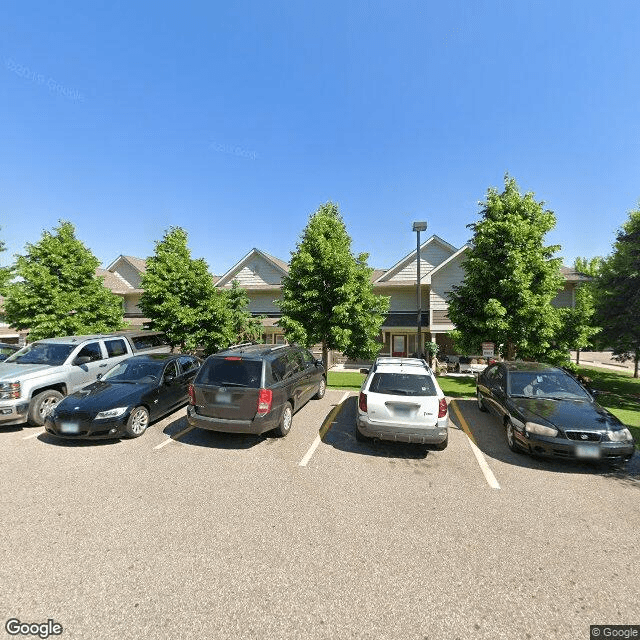
1530 123rd Ln NE, Minneapolis, MN 55449
To contact a resident: (763) 757-9031
For more information about senior living options: (866) 208-4318
Northgate Woods Costs & Pricing
Northgate Woods presents a compelling value for housing in comparison to both Ramsey County and the broader Minnesota area. For example, a one-bedroom unit at Northgate Woods is available for $823, significantly lower than the county average of $2,287 and the state average of $2,893. Similarly, two-bedroom apartments are priced at $947, which is notably more economical than the Ramsey County figure of $2,312 and the state average of $2,955. These competitive rates highlight Northgate Woods as an appealing option for those seeking affordable living without compromising on quality or location.
| Floor plans | Northgate Woods | Ramsey County | Minnesota |
|---|---|---|---|
| 1 Bedroom | $823 | $2,287 | $2,893 |
| 2 Bedrooms | $947 | $2,312 | $2,955 |
Senior living communities with a similar price nearby
-
from +$107 / mo

RosePointe II
$930 to $1,155 / month12.7 miles away -
from +$132 / mo
Lakewood Hills
$955 to $1,080 / month15.3 miles away -
from +$52 / mo
The Anthony James
$875 to $1,135 / month11.4 miles away -
from -$61 / mo
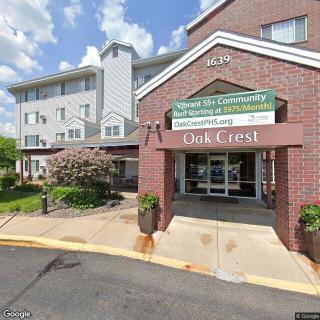
Oak Crest Retirement Community
$762 to $1,019 / month5.3 miles away -
from -$69 / mo
Tree Tops at Calhoun
$754 to $1,414 / month17.9 miles away
Overall Review of Northgate Woods
Pros
 Natalya is so sweet and helpful!
Cons
 Terrible management.
- The heat was not working in the building.
- There is no way to get a hold of anyone on a Saturday night to fix it.
- Parking is highly enforced.
- The neighborhood is loud with a ton of kids running around being obnoxious.
- Management goes through managers every three months.
- Wouldn’t recommend this place to anyone unless management steps up and actually listens to its residents.
Review
Northgate Woods in Minneapolis is best suited for seniors who are largely self-sufficient and can tolerate uneven management and maintenance responsiveness, provided there is strong family oversight. This community rewards residents who can advocate for themselves or rely on relatives to monitor day-to-day needs, because consistent, proactive leadership appears sporadic at best. Those seeking a low-stress experience with predictable support should not count on this property to deliver reliable care coordination or rapid fixes. In short, Northgate Woods may work for a very independent resident who can tolerate gaps in communication, but it is not a sound fit for someone needing dependable on-site assistance or routine problem resolution.
The pool of potential residents who may want to consider alternatives is broad. Families prioritizing safety, warmth, and responsive service should look elsewhere. The repeated reports of unavailability on evenings and weekends, especially when urgent issues arise, are a red flag for anyone relying on consistent climate control or timely maintenance. Parking policies that feel punitive or confusing, combined with heightened enforcement, can create daily friction and stress. For seniors who require regular monitoring, medication oversight, or prompt problem-solving from staff, the downsides here substantially outweigh any potential savings or convenience.
There are faint glimmers of strength amid the concerns. A few residents mention individual staff members who are kind and helpful, signaling that not every shift is fraught with frustration. These isolated positives, however, do not compensate for broader systemic issues in management discipline and reliability. The narrative across multiple reviews points to frequent leadership turnover, limited access to managers when off-hours, and a culture that struggles to respond consistently to resident needs. In a setting where safety and comfort depend on steady leadership and dependable maintenance, those strengths become optional extras rather than core assurances.
The most troubling cons cluster around three pillars: climate control, communication, and the overall atmosphere created by management practices. Heat failures on cold nights are described as serious, with vulnerable residents left in discomfort and caregivers left scrambling for a fix. In parallel, the cadence of management turnover and the perception of a reactive rather than proactive maintenance team erode trust. Parking rules that seem to restrict access and invite towing add another layer of practical strain, particularly for residents with visitors or family members who come and go. Finally, a neighborhood environment described as loud and overseen by residents who monitor others creates a sense of surveillance rather than community, contributing to stress rather than security.
For families evaluating options now, the path forward is clear: insist on concrete assurances and verifiable systems. Request written service level agreements that specify response times for heating and maintenance, a stable on-site manager schedule, and a clearly explained parking policy with equitable access for residents and families. Schedule an on-site visit during evenings and weekends to test real-world responsiveness and communication channels. Speak directly with current residents about how often issues are escalated and resolved, and ask for recent maintenance logs. If any of these elements cannot be demonstrated, prioritize communities with demonstrated, reliable leadership, transparent communication, and a track record of maintaining warmth, safety, and welcoming environments.
Ultimately, Northgate Woods should be decisively approached with caution. It is not a natural fit for seniors who rely on dependable management and consistent care, or for families unwilling to actively oversee operations. It may still work for a highly independent resident who can navigate occasional friction and who has strong external support. For most families, however, exploring alternatives with steadier administration, predictable maintenance, and clearer resident protection will yield a clearer path to peace of mind. When in doubt, move toward communities that foreground reliability over the promise of occasional note-worthy staff kindness.
 Active Adult Communities (55+)
 Activities on-site
 Devotional services off-site
 Indoor common areas
 Minneapolis-St Paul International (22 miles away)
 Ambulatory care
 Diabetic care
 Meals provided




 Caregiver Exhaustion: Recognizing the Signs and Restoring Your Well-Being
 Understanding Hospice Care at Home: Comprehensive Services, Key Benefits, and Eligibility
 Understanding the Full Cost of 24/7 In-Home Care: A Detailed Overview