For more information about senior living options: (866) 208-4318
3.8 from 33 reviews
5 stars
12
4 stars
12
3 stars
3
2 stars
3
1 stars
3
Northern Oaks Place Costs & Pricing
Northern Oaks Place offers a studio at a monthly cost of $6,000, which significantly surpasses the average rates in Anoka County and across Minnesota. In comparison, Anoka County's average for similar accommodations is approximately $3,460, while the statewide average stands at around $3,617. This disparity suggests that Northern Oaks Place may provide additional amenities or services that justify its higher price point, catering to those who prioritize enhanced comfort and care options in their living environment. The premium cost reflects a commitment to quality that aligns with individual preferences for lifestyle and support within the community.
Floor plans
Northern Oaks Place
Anoka County
Minnesota
Studio
$6,000
$3,460
$3,617
Overall Review of Northern Oaks Place
caveat2 reviews mention this
Care and communication feel inconsistent
Residents report staffing and communication gaps that can affect day-to-day care.
Some residents say procedures and communication between shifts changed after new management, making it harder to coordinate care. A reviewer also describes missed fall notifications and care concerns for residents with dementia and Parkinson’s. Another review points to insufficient staffing, including at night, along with caregivers struggling to keep up with responsibilities.
caveat4 reviews mention this
Activities and community space are limited
Several residents say there are not enough activities and community spaces feel dim.
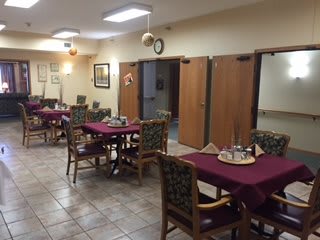
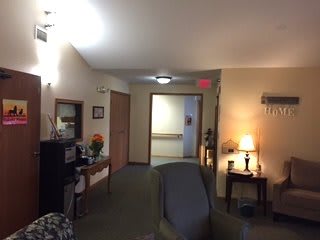
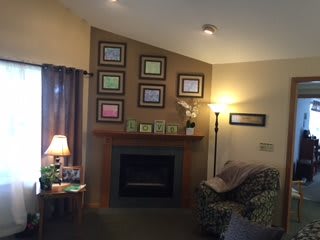
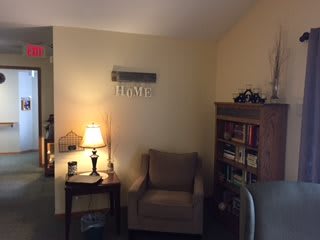
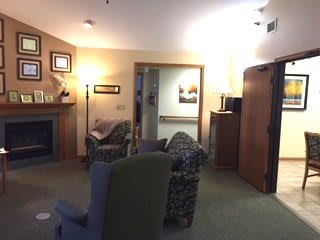
Multiple reviewers describe a lack of outings, on-site entertainment, and regular programming. One review says the facility seemed dark and not cheery, and another says there were no activities and not much community space. A further review says residents are not seeing activities like picnics, musicians, or exercise, and that extras are minimal.
caveat3 reviews mention this
Cleanliness and maintenance concerns
Reviewers flag cleanliness and maintenance issues that undermine confidence in the facility.
One reviewer describes a bathroom not being cleaned regularly and says a key safety notification was not happening after falls. Another review characterizes the physical space as poorly ventilated and not well maintained. A separate comment also says there is no maintenance man, reinforcing concerns about upkeep.
caveat2 reviews mention this
Pricing feels too high
Multiple reviewers say pricing leaves residents with little financial room.
Some residents describe pricing that does not feel fair, including claims that costs leave seniors with little money at the end of the month. Another reviewer adds that residents are being overcharged. With pricing shown as well above both the county and state benchmarks for studio units, the reviews’ cost concerns align with the overall pricing picture.
How we summarize
Counts show how many written reviews mention each theme; a review can touch several themes, and only frequently mentioned themes are displayed.
Features
Housing
38 resident community capacity
Studio apartments
Types of Care
Assisted Living
Memory Care
Pets
Cats allowed
Dogs allowed
Amenities
Activities off-site
Activities on-site
Bath tubs
Beautician on-site
Beauty salon
Cable or satellite TV
Devotional services off-site
Devotional services on-site
Dining room
Fully furnished
Garden
Ground floor units
Guasts at mealtime
Guest parking
Handicap accessible
Housekeeping services
Indoor common areas
Kitchenette
Laundry
Move-in coordination
Outdoor common areas
Outdoor space
Overnight guests
Private cleaning services
Respite or short term stays offered
Security gate
TV room
Telephone
VA Benefits Consultation
Wheelchair accessible showers
Wi-Fi/high-speed internet available
Transportation
Minneapolis-St Paul International (22 miles away)
Care Services
24-hour call system
24-hour supervision
Activities of daily living assistance
Assistance with bathing
Assistance with dressing
Assistance with transfers
Companion care
Coordination with health care providers
Dementia waiver
Diabetes diet
Diabetic care
High acuity care
Hospice care
Hospice waiver
Incontinence care
Meal preparation and service
Medication management
Mental wellness program
Mild cognitive impairment
Personal care assistants
Physical therapy
Special dietary restrictions
Specialized memory care programming
Transportation arrangement (medical)
Transportation to doctors appointments
Dining
Diabetes diet
Guest meals
Low / no sodium
Meals provided
No Sugar
Professional chef
Restaurant style dining
Room service
Special dietary restrictions
Special dining programs
Vegetarian
Activities
Art classes
Arts and crafts
Brain fitness
Community-sponsored activities
Day trips and outings
Devotional activities offsite
Devotional activities on-site
Educational speakers / life long learning
Forever fit
Games
Gardening club
Happy hour
Live musical performances
Live well programs
Religious services
Scheduled daily activities
Stories
Stretching classes
Yoga / chair yoga
Nearby Places of Interest
This part of Blaine, Minnesota offers a convenient and diverse range of amenities for senior living. Within a short distance, there are multiple restaurants to enjoy dining out with friends or family. Nearby pharmacies ensure easy access to medications and healthcare supplies. Various healthcare facilities, including imaging centers, physician offices, and hospitals, are located within a few miles for medical needs. The area also provides opportunities for entertainment with theaters nearby, as well as cafes for socializing over coffee. Places of worship offer spiritual support and community connections. Additionally, numerous parks and recreational areas allow for outdoor activities and nature walks. Overall, this neighborhood in Blaine provides a comfortable and well-equipped environment for seniors looking to settle down in a vibrant community.
Northern Oaks Place offers a studio at a monthly cost of $6,000, which significantly surpasses the average rates in Anoka County and across Minnesota. In comparison, Anoka County's average for similar accommodations is approximately $3,460, while the statewide average stands at around $3,617. This disparity suggests that Northern Oaks Place may provide additional amenities or services that justify its higher price point, catering to those who prioritize enhanced comfort and care options in their living environment. The premium cost reflects a commitment to quality that aligns with individual preferences for lifestyle and support within the community.
Northern Oaks Place offers a comprehensive suite of features that cater to the unique needs of residents with dementia or Alzheimer's disease, enhancing their quality of life and overall well-being. The 24-hour supervision ensures continuous safety and support, while assistance with activities of daily living--such as bathing, dressing, and transfers--promotes dignity and comfort in self-care routines. Tailored programs like brain fitness and specialized memory care programming stimulate cognitive function, which is beneficial for both mild cognitive impairment and more advanced stages of dementia. Coordination with healthcare providers ensures that medical needs are met promptly, complemented by medication management that minimizes confusion around prescriptions. Additionally, incontinence care safeguards personal comfort, while meal preparation and service provide nutritious options suitable for individual dietary requirements. The mental wellness program introduces strategies to enhance emotional health, while physical therapy encourages mobility and strength. Finally, transportation arrangements for medical appointments ensure residents maintain access to essential healthcare services without added stressors. Collectively, these features create an environment conducive to promoting autonomy while addressing the complexities associated with memory care.
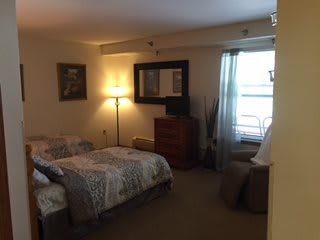
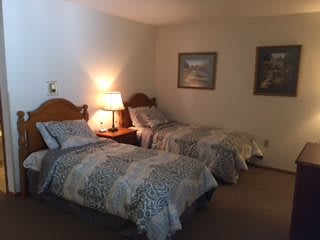
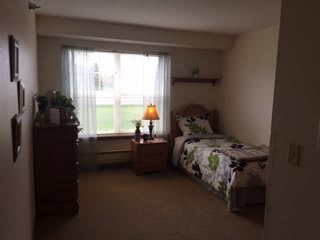
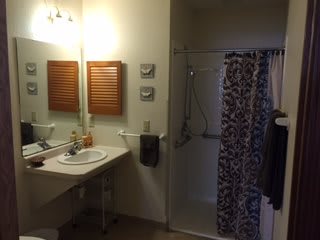
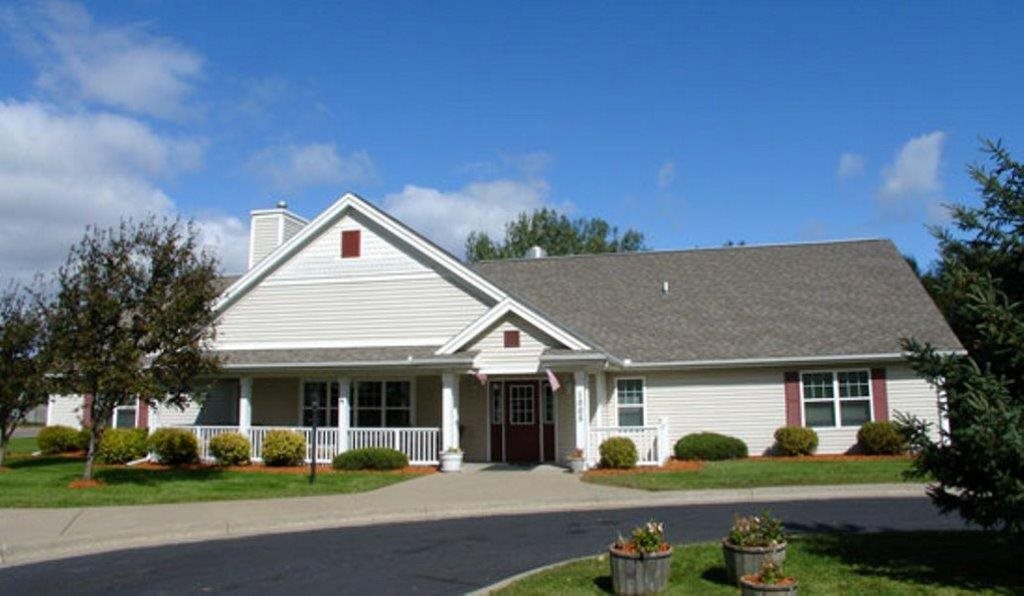
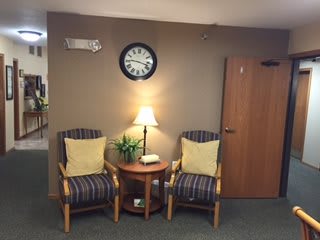
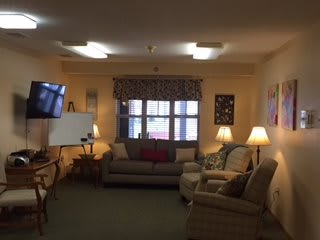
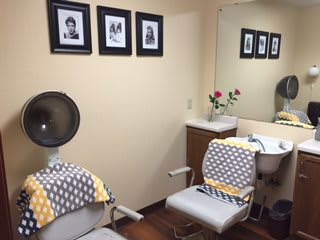
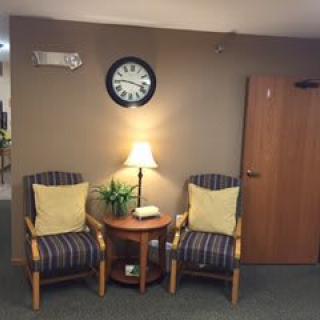
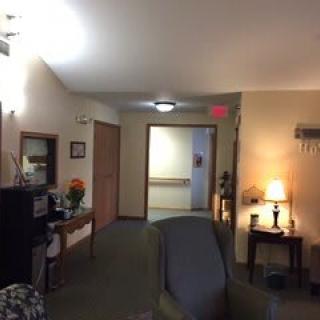
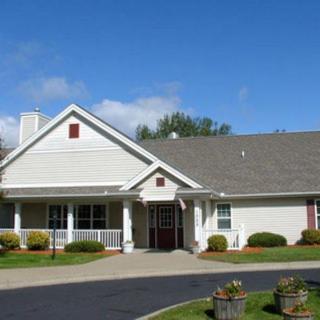
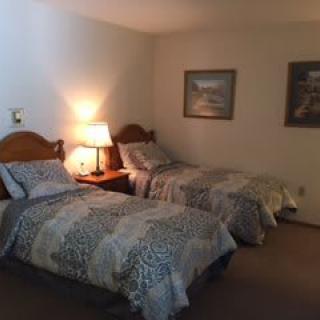
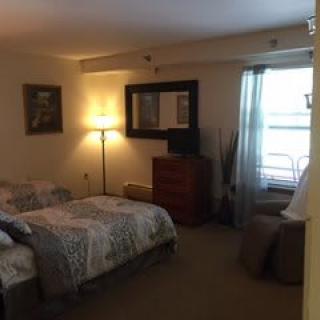
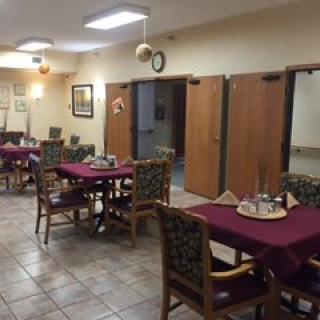
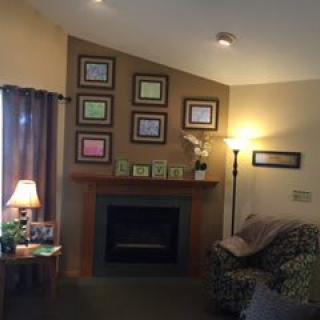
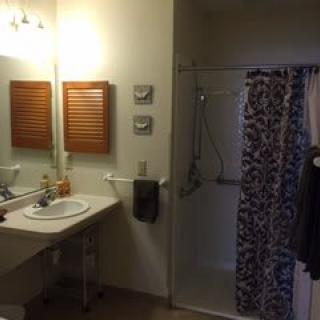
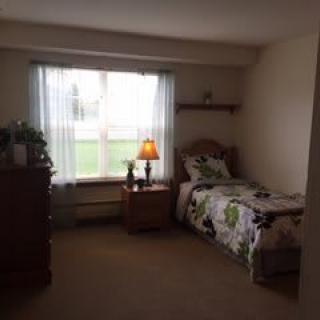
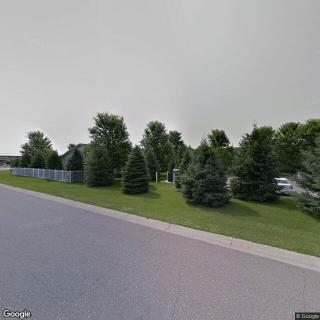
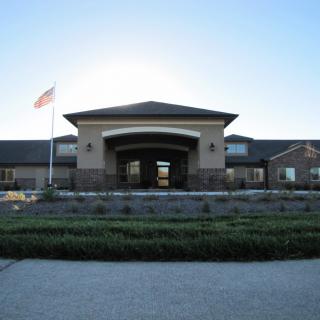
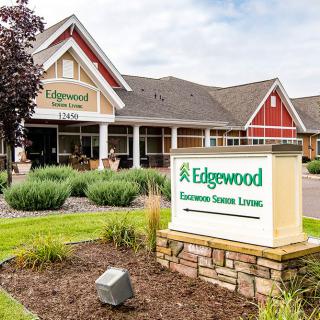
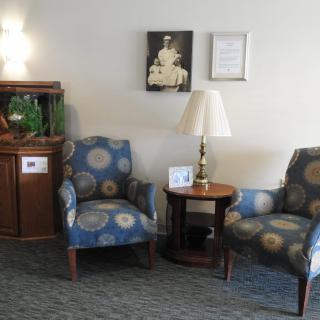
Northern Oaks Place on seniors.fyi includes 15 photos including images showing interior, bedroom, decor, living room, windows, dining, fireplace, bathroom, and more.
Nearby Communities
Crest View Senior Community at Blaine
Blaine, MN
3.7 from 42 reviews
$1,405 to $3,765 / month
Welcoming, engaged community with on-site amenities and activities.
Crest View Senior Community
Blaine, MN
3.3 from 22 reviews
Memory-care focused with 24/7 supervision and tailored programming.
Northgate Woods
Minneapolis, MN
2.5 from 11 reviews
$823 to $947 / month
Pricing notably below Ramsey County and Minnesota state averages
Comfort Residence
Blaine, MN
3.7 from 25 reviews
Specialized memory care with diabetic care and engaging activities.
Edgemont Place
Blaine, MN
4 from 69 reviews
$5,400 to $7,100 / month
Caring nursing staff and varied activities in a pleasant environment.
Skyline Health Services
Blaine, MN
5 from 1 review
Intimate, personalized care in a small community.
Edgewood Senior Living
Blaine, MN
4.2 from 62 reviews
$3,875 to $4,975 / month
Engaging activities and warm, attentive staff
Camilia Rose Care Center
Coon Rapids, MN
3 from 10 reviews
Warm, courteous staff in a clean, inviting facility with engaging amenities.
Synergy HomeCare - Blaine
Blaine, MN
4.7 from 53 reviews
Compassionate, attentive caregivers and reliable office coordination.
Dementia is characterized by cognitive decline, with nutrition playing a vital role in brain health; while no specific diet can prevent or reverse it, a nutrient-dense diet rich in antioxidants and healthy fats may support cognitive function. The MIND diet, which emphasizes beneficial foods and limits processed items, along with proper hydration and individualized meal strategies, can enhance the well-being of dementia patients.
Dementia affects memory and cognitive function in older adults, presenting challenges for caregivers due to behavioral changes such as confusion and mood swings. Compassionate, person-centered care that considers individual history and preferences, along with effective communication and environmental modifications, is essential for supporting both patients and their caregivers.
Dementia leads to cognitive impairment and can cause emotional and behavioral changes, including aggression that arises from frustration, confusion, or fear. Effective coping strategies for caregivers include understanding dementia's nature, recognizing triggers, using empathetic communication, and employing non-pharmacological interventions like music and art therapy.
Get PricingAsk A QuestionSchedule A TourContact Senior Advisor
By clicking submit, you agree to our Partner's Terms of Use. You
also consent to receive calls and texts, which may be autodialed, from our Partner. Your consent is not a condition to
using our Partner's service. Please visit our Partner's Privacy Policy for information about their privacy practices.



 38 resident community capacity
 Studio apartments
 Assisted Living
 Memory Care
 Cats allowed
 Dogs allowed
 Activities off-site
 Bath tubs
 Beautician on-site
 Cable or satellite TV
 Devotional services off-site
 Dining room
 Fully furnished
 Garden
 Ground floor units
 Guest parking
 Handicap accessible
 Housekeeping services
 Indoor common areas
 Kitchenette
 Laundry
 Move-in coordination
 Outdoor common areas
 Overnight guests
 Respite or short term stays offered
 Security gate
 Telephone
 VA Benefits Consultation
 Wheelchair accessible showers
 Wi-Fi/high-speed internet available
 Minneapolis-St Paul International (22 miles away)
 24-hour call system
 Assistance with bathing
 Assistance with dressing
 Assistance with transfers
 Companion care
 Diabetes diet
 Diabetic care
 High acuity care
 Hospice care
 Incontinence care
 Meal preparation and service
 Medication management
 Mental wellness program
 Physical therapy
 Special dietary restrictions
 Transportation arrangement (medical)
 Transportation to doctors appointments
 Art classes
 Brain fitness
 Day trips and outings
 Educational speakers / life long learning
 Forever fit
 Games
Games Happy hour
 Live musical performances
 Live well programs
 Stories
 Welcoming, engaged community with on-site amenities and activities.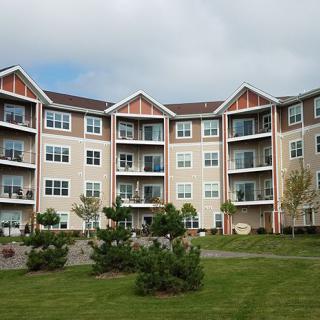


 Nourishing the Mind: Essential Dietary Approaches for Dementia
 Understanding Dementia Behaviors: Practical Insights and Strategies for Caregivers
 When Dementia Sparks Anger and Aggression: Understanding the Connection and Ways to Cope