
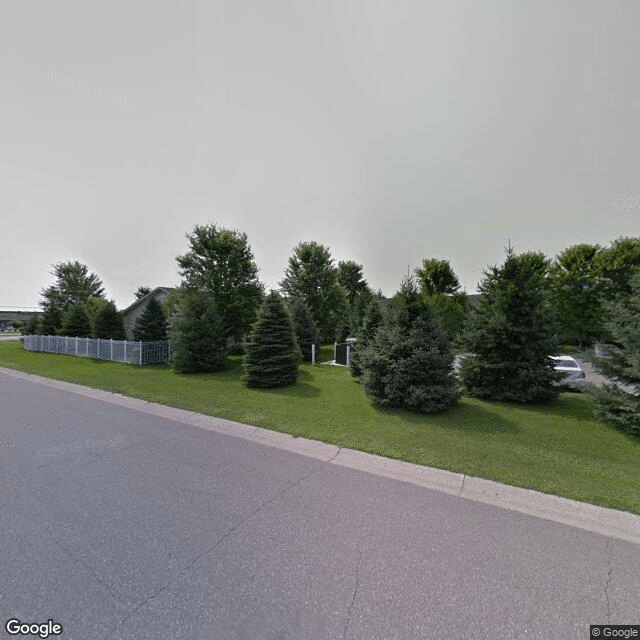
10669 Ulysses St Ne, Blaine, MN 55434
For more information about senior living options: (866) 208-4318

Overall Review of Comfort Residence
Pros
 Trish was warm and welcoming during a tour, and the residents seemed happy with the updates being made.
- The staff and directors are welcoming and care deeply for the residents.
- The facility is small, which allows for more personal care with dedicated staff.
- Trish is one of the most caring and dedicated people, knowing every resident by name and going to great lengths to keep them comfortable.
- Comfort Residence provides excellent care and attention, with staff who are caring and go above and beyond to be responsive.
- The RNs and staff offer professional and personal help and empathy, making families feel supported.
- Families would recommend Comfort Residence to others seeking assisted living.
Cons
 The ownership has changed and the management team changes every 6-13 months, never for the better.
- The most recent team rarely is onsite; nobody answers the phone during business hours, and there may be no voicemail box.
- Communication is limited to email, and staff do not seem to know the residents beyond their names.
- They cannot reach anyone when checking on a relative or asking for help, which is very concerning.
- The emergency line goes straight to a voicemail that is full, and the main line’s mailbox has not been set up.
- The manager is described as disrespectful and hangs up on people when an answer cannot be provided.
- Terrible management.
- Terrible place; loved ones deserve better.
Review
Comfort Residence in Blaine is best suited for families seeking a small, home‑like assisted living experience where care feels deeply personal and staff genuinely know residents by name. It works well for seniors who value consistent, hands‑on attention from a tightly knit team and for memory‑care residents who benefit from a calm, intimate setting. The community earns trust through the tone and actions of frontline caregivers, including nurses and aides, and through a standout administrator who routinely goes above and beyond in daily responsiveness. In short, it’s the right choice when the priority is a warm, family‑style atmosphere and deliberate, individualized care rather than a large, programmatic campus.
That said, some families should consider alternatives. Those who require relentlessly stable leadership and transparent, easily reachable administration may be better served elsewhere. The frequent leadership changes and inconsistent onsite presence raise concerns about long‑term continuity, policy consistency, and predictable problem resolution. Prospective residents who rely on fast, clear communication with management, especially during emergencies or care plan updates, may experience frustration or delays. Larger communities with established governance structures and centralized contact channels can offer more predictable administrative reliability than this smaller operation.
The strongest positives here, personalized attention, a small‑community feel, and staff who truly invest in residents, often offset several of the more troubling cons. Residents benefit from staff who know their routines, preferences, and medical nuances, which translates into timely assistance, fewer miscommunications, and a sense of belonging. When caregivers like the on‑site team and caring nurses are consistently present, daily life stays smooth, emergencies feel manageable, and families gain confidence that their loved ones are treated with dignity. These advantages are amplified by the evident dedication of a key office leader who is repeatedly described as compassionate and responsive, helping to anchor care in familiarity and trust.
However, the cons cannot be dismissed. The turnover among managers translates into intermittent gaps in strategic planning, policy updates, and formal communication processes. Front‑line responsiveness can still be strong, but when questions arise about billing, care adjustments, or crisis procedures, owners of the situation are not always immediately identifiable, and that ambiguity can cause anxiety for families. The emergency line and main contact methods have been criticized as unreliable at times, creating real risk in urgent moments. For families managing complex care needs or those who anticipate frequent administrative touches, this environment demands a proactive stance: verify current on‑site leadership, test communication pathways, and establish clear escalation steps before moving in.
To make a well‑informed decision, prospective residents should approach with concrete questions and a plan. Seek the name and direct contact information for the current on‑site administrator and the point person for memory care coordination. Request a tour focused on communication workflows: how emergencies are escalated, how care plans are updated, and how family updates are delivered, preferably with a defined contact person for daily needs. Inquire about staff stability trends, bed‑level supervision, and any upcoming transitions in leadership. Talk with current residents or recent families about reliability of answer times, and ask for a day’s schedule to gauge how well personal preferences are accommodated in real time.
Ultimately, Comfort Residence serves best those who prize a close, compassionate community where staff members invest meaningfully in day‑to‑day life. It is less ideal for families who cannot tolerate the friction that sometimes accompanies evolving leadership, or who demand unwavering administrative accessibility and flawless, centralized communications. If a small, attentive setting with deeply caring caregivers matches the senior’s personality and care requirements, this residence can deliver exceptional everyday quality and a dignified, comfortable atmosphere. If, instead, stability of leadership, transparent governance, and easy administrative contact are non‑negotiables, exploring other options with longer‑standing management structures will likely yield greater peace of mind.
 Assisted Living
 Memory Care
 Activities on-site
 Devotional services off-site
 Indoor common areas
 Minneapolis-St Paul International (21 miles away)
 Ambulatory care
 Diabetic care
 Meals provided




 Understanding Dementia Through Its Seven Stages: A Comprehensive Look at Progression and Expectations
 A Holistic Dementia Care Guide: Effective Strategies for Memory Support
 Memory Care Pathways: A Holistic Guide to Dementia Support