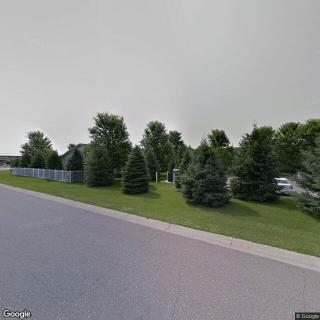
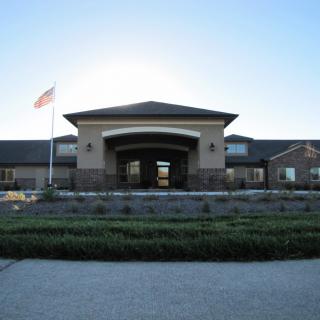
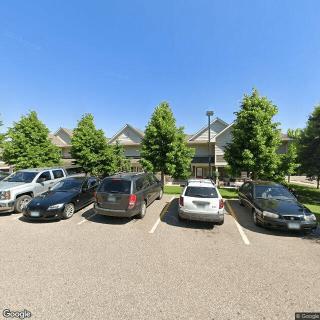
12016 Ulysses Street Ne, Blaine, MN 55434
For more information about senior living options: (866) 208-4318
Overall Review of Crest View Senior Community
Pros
 Families report that Crest View makes their loved ones happy and safe, with wonderful care and a warm, engaging staff.
- The independent living apartments are described as beautiful, with residents enjoying the community, activities, included meals, and easy mobility within the campus for future care needs.
- Staff are described as service-oriented, friendly, and proud to care for residents.
- The community is praised for its friendly, caring atmosphere, offering safe transportation and a variety of social opportunities.
- Penny the visiting dog brings joy to residents, who are said to love her and the smiles she creates.
- Many reviewers would recommend Crest View, viewing it as a caring home where life can be meaningful and fulfilling.
Cons
 They were unable to provide the care or communication expected by the family when there was a change of condition.
- They blamed each other for the lack of communication and care.
- The last week of her life ended up being a circus with little to no care and a lack of communication to family.
- Nobody from Crest View Senior Community called to inform the family of the emergency, which was unacceptable.
- The staff were lazy, inattentive to resident needs, and incompetent regarding medications.
- A critical medication ran out and was not reordered until questioned.
- There were numerous billing errors and a lack of communication between the billing department and the staff.
- They charged too much and never had enough workers to care for all residents.
Review
Crest View Senior Community in Blaine, MN is best suited for seniors who want an attractive, well-maintained campus with a strong independent living option and a clear, on-campus pathway to memory care or assisted living as needs evolve. It appeals to families seeking a socially engaging environment where meals, activities, safety, and convenient campus amenities are central, and where residents can transition “down the hall” within the same campus as care requirements deepen. For those who prize a lively calendar, accessible transportation for outings, and the comfort of staying in a familiar neighborhood setting as needs change, Crest View delivers a practical, contained ecosystem that reduces the unsettling upheaval of relocation.
However, several review threads point to when alternatives become attractive. Prospective residents and families that prioritize dependable medical communication and consistently staffed care across all levels will want to look elsewhere. Repeated complaints highlight failures in communicating changes in condition to families, delays or gaps in medication administration, and inconsistent responsiveness in memory care and nursing staff. The most concerning incidents involve end-of-life or emergent medical situations where family members were left uninformed or uninvolved, raising questions about reliability during crises. If a community’s ability to keep families informed and to coordinate care seamlessly is nonnegotiable, Crest View may fall short.
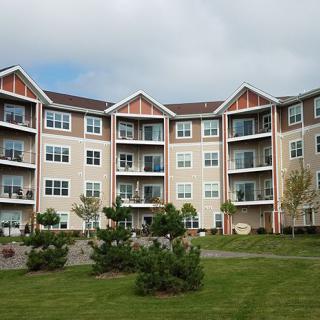
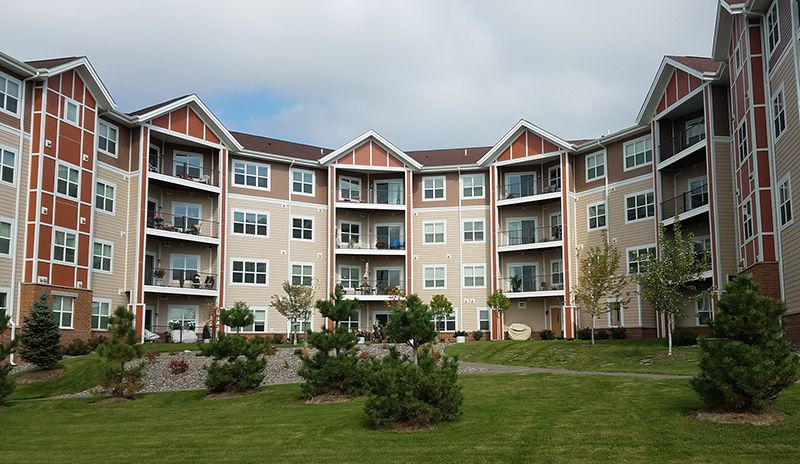
On the plus side, independent living in Crest View is repeatedly described as pleasant and secure. The building’s age and upkeep are noted favorably, and residents cite a broad array of daily activities, a robust social environment, and accessible dining options, up to 10 meals included in some plans. The campus also earns points for practical perks: underground parking with carwash, safe walking paths, and the option to move “down the hall” to a companion memory care or assisted living unit when needs shift. For families who value continuity, where a resident can maintain friendships, familiar routines, and a sense of belonging while aging in place, the model offers meaningful stability.
The cons, when weighed, tend to undercut the advantages. Staffing levels are a frequent friction point, with several accounts describing limited aids for multiple floors, inattentiveness, and even perceived disinterest among some staff. Medication management lapses and delays in obtaining test results or obtaining a correct medication list add to a broader pattern of administrative and operational inconsistencies. Communication gaps extend beyond health updates to everyday logistics, such as mail handling and billing details, sometimes prompting family members to intervene repeatedly. Some reviewers view the memory care environment as under-resourced or insufficiently responsive, contributing to a sense of uneven quality between the care tiers. A few pointed criticisms cross the line into strong negative emotion, including accusations about cost alignment and staffing priorities.
Yet, the facility’s strengths can mitigate some of these concerns when leverage exists. The beauty of the campus, the sense of safety, and the density of activities create a welcoming baseline of resident well-being that is hard to replace. The attached memory care and assisted living footprint provides a practical, non-disruptive pathway for progression of care, reducing the trauma of relocation. The ability to participate in outings with planned transportation and to collaborate with staff on events demonstrates that, when operations run smoothly and communication is proactive, Crest View can feel like a cohesive community rather than a fragmented facility. For families able to stay closely engaged and insist on clear expectations and open channels with leadership, the positives can be substantial.
Bottom line: Crest View Senior Community is a viable choice for families prioritizing an appealing independent living environment with strong social programming and the convenience of on-site care options, provided there is a willingness to actively manage communications and guard against staffing gaps. It is less suitable for those who require rock-solid, consistent medical oversight, reliable memory care operations, and transparent, timely family updates at all hours. Alternatives should be considered for those whose deal-breakers include frequent communication failures, medication management concerns, or a pattern of administrative turnover that undermines trust. In the decision process, align expectations with the facility’s demonstrated strengths while benchmarking against communities with reputations for steadier nursing leadership and uncompromising caregiver accountability.
 96 resident community capacity
 Assisted Living
 Memory Care
 Air-conditioning
 Beauty salon
 Cable or satellite TV
 Computer center
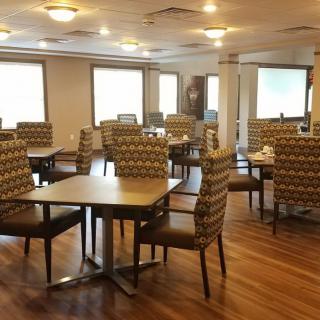
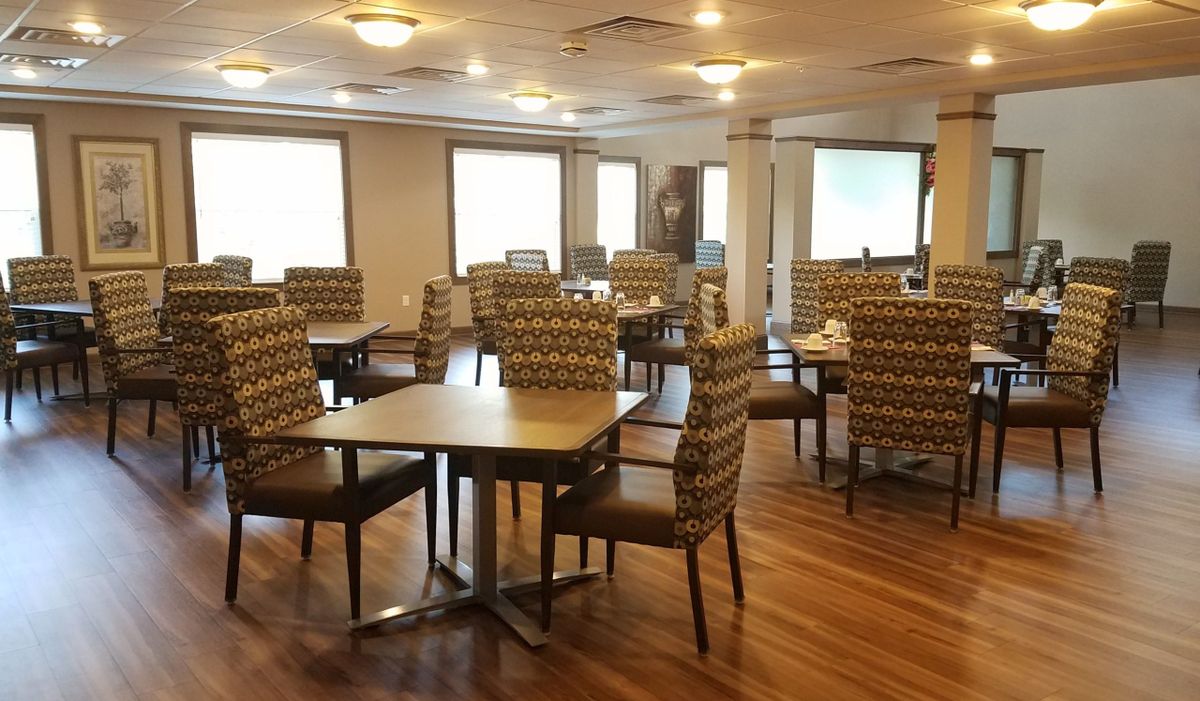
 Dining room
 Fitness room
 Fully furnished
 Gaming room
 Garden
 Housekeeping services
 Kitchenette
 Move-in coordination
 Outdoor space
 Private bathrooms
 Restaurant-style dining
 Small library
 Telephone
 Wellness center
 Wi-Fi/high-speed internet available
 Minneapolis-St Paul International (21 miles away)
 Community operated transportation
 12-16 hour nursing
 24-hour call system
 Activities of daily living assistance
 Assistance with bathing
 Assistance with dressing
 Assistance with transfers
 Diabetes diet
 Medication management
 Mental wellness program
 Special dietary restrictions
 Transportation arrangement (medical)
 Concierge services
 Planned day trips





 How to Communicate with a Loved One Living with Dementia: 10 Supportive Strategies
 Comprehensive Guide to VA Nursing Homes: A Crucial Long-Term Care Resource for Veterans
 Estimating the Expenses of At-Home Dementia Care: A Detailed Exploration