
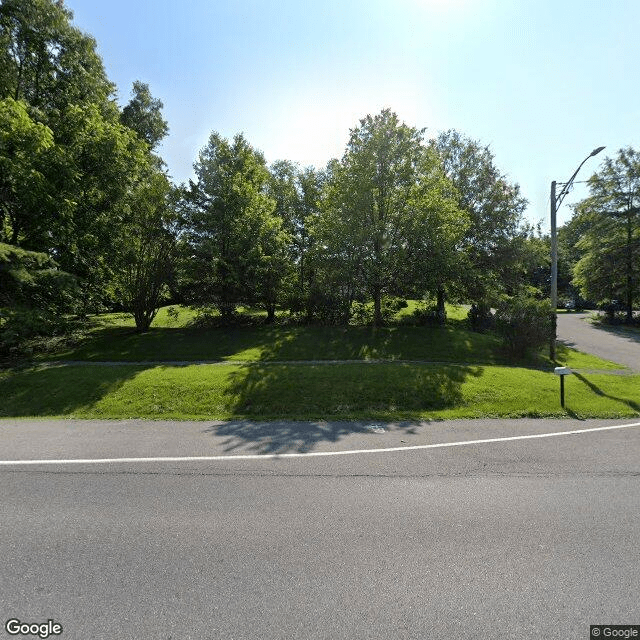
2574 South Haven Rd, Annapolis, MD 21401
To contact a resident: (410) 224-5551
For more information about senior living options: (866) 208-4318
La Casa Assisted Living Alzheimers and Dementia Care Costs & Pricing
La Casa Assisted Living Alzheimer's and Dementia Care offers both one-bedroom and semi-private room options at a monthly rate of $6,000. This pricing is notably higher than the average costs in Anne Arundel County, where similar accommodations range from approximately $4,109 for semi-private rooms to $4,469 for one-bedroom units. Comparatively, statewide averages in Maryland reflect even lower figures, with one-bedroom facilities averaging around $3,904 and semi-private rooms at about $3,545. While La Casa represents a premium choice in assisted living for individuals with Alzheimer's and dementia care needs, its pricing underscores the specialized services and dedicated environment it provides to residents and their families.
| Floor plans | La Casa Assisted Living Alzheimers and Dementia Care | Anne Arundel County | Maryland |
|---|---|---|---|
| 1 Bedroom | $6,000 | $4,469 | $3,904 |
| Semi-Private | $6,000 | $4,109 | $3,545 |
Memory care communities with a similar price nearby
-
from -$1000 / mo
Necitas
$5,000 to $5,500 / month23.7 miles away -
from -$500 / mo
Autumn Hill
$5,500 / month22.3 miles away -
from -$1000 / mo

Parry Home
$5,000 / month22.5 miles away -
from +$500 / mo

Inspirations at Linthicum
$6,500 / month15.4 miles away -
from -$700 / mo
Heartlands at Severna Park
$5,300 to $6,060 / month7.4 miles away
Overall Review of La Casa Assisted Living Alzheimers and Dementia Care
Pros
 La Casa felt like coming home, full of love and kindness.
- The staff and medical professionals at La Casa completely changed her mom, making her safe, alert, and content.
- The owner and staff are caring, responsive, and genuinely concerned for residents.
- The care at La Casa is far beyond expectations, with residents happy and well cared for.
- Families are made to feel welcome and questions are answered readily.
- The facility is a clean, expansive, and beautiful home environment.
- La Casa is a smaller, home-like community with personal care and a peaceful atmosphere.
- The staff are loving, kind, and give residents extra attention, like sitting and talking with them.
- The staff become extensions of the family, providing support through difficult times.
Cons
 The nurses were dismissive of the incident and even laughed it off when it was explained.
- Care consisted of putting residents in front of TV and discouraging movement, with very little supervision.
- There were no activities or attempts to engage residents; they were parked in front of televisions.
- A resident fell and staff witnessed it but did not provide medical attention for hours, and the family was not contacted promptly.
- Two empty wheelchairs were placed across a hallway to impede passage, creating an unsafe environment.
- The facility refused to return the remainder of the money paid for the stay, and some services were described as misleading.
Review
La Casa Assisted Living in Annapolis is best suited for families seeking a small, home-like memory-care setting where staff form enduring, personal bonds with residents. The community excels for residents who respond to routine, gentle supervision, and a calm, non-institutional atmosphere. The intimate size allows for frequent family involvement, hands-on care from a locally invested owner and an engaged nurse, and a sense of “being cared for” that resembles a welcoming at-home environment. For families prioritizing warmth, continuity, and individualized attention over clinical grandeur, La Casa delivers far more than a typical memory-care corridor experience.
Those weighing alternatives should consider homes that offer more visible structure, higher activity programming, and stricter safety protocols, especially for residents with advanced or unpredictable needs. A number of reviews flag the importance of robust supervision and a proactive, transparent management team. Some families also balk at entry costs and at facilities that may feel less organized or less communicative about incidents. If immediate, decisive oversight, a wider slate of daily activities, or no upfront entrance fee are priorities, other Annapolis-area options may better suit those criteria.
The most persuasive positives at La Casa center on staff warmth, family inclusion, and the sense that residents are treated as individuals rather than numbers. Residents are described as engaged in life, holiday events, small celebrations, and regular interaction with caregivers, which helps sustain dignity and meaning over time. The owner and nursing staff are repeatedly cited as hands-on, responsive, and capable of adapting to changing needs. In the best-case frames, families express relief that loved ones felt safe, connected, and cushioned from the chaos of more impersonal settings, a dynamic that can offset some care limitations inherent in a smaller operation.
Yet, the most sobering warnings appear in accounts of safety lapses and management missteps. Noted incidents include neglectful supervision, residents left unsafely unattended, and troubling episodes of restraint-like positioning and equipment mismanagement. Claims of delayed family contact during a crisis and questions about financial practices further complicate the calculus. These episodes push families to scrutinize staffing ratios, training, and incident-response procedures with prospective providers. While some cases reflect improvements after ownership changes, they establish a prudent baseline: risks exist that can overshadow the positives if vigilance and governance weaken.
Cost and contract considerations also color the decision. A non-refundable entrance fee has been cited by some families as a deterrent, while others viewed the smaller-scale setting as a fair trade for the personal attention received. Programs can be uneven in execution, some residents benefit from ongoing social engagement and purposeful activity, while others note periods of inactivity or over-reliance on passive entertainment. Prospective residents should insist on a detailed activity calendar, a transparent care plan, and a current, verifiable record of staff qualifications and supervision ratios before committing.
In the final analysis, La Casa presents a compelling option for families who prioritize a close-knit, home-like memory-care environment and who trust in a hands-on owner and long-term staff relationships. It works best when the family is prepared to monitor quality, demand accountability, and engage regularly with care decisions. For those who require consistently robust supervision, broader programming, or a cost structure without an upfront fee, alternatives in Annapolis warrant serious consideration. The prudent path combines a direct visit, frank conversations with leadership, a review of state inspection history, and a clear plan for how care needs will be scaled over time, with a careful balance of heart-led warmth and rock-solid safety governance.
 Memory Care
 Activities on-site
 Beautician on-site
 Devotional services off-site
 Indoor common areas
 Respite or short term stays offered
 Wheelchair accessible showers
 Baltimore-Washington International (14 miles away)
 Ambulatory care
 Diabetic care
 Incontinence care
 Medication management
 Meals provided





 Estimating the Expenses of At-Home Dementia Care: A Detailed Exploration
 Comprehensive Insights on the Late Stages of Dementia: What to Expect and How to Provide Care
 Medications Associated with Dementia Risk: A Comprehensive Overview