
2574 South Haven Road, Annapolis, MD 21401
For more information about senior living options: (866) 208-4318
Overall Review of La Casa II
Pros
 La Casa's staff are very attentive and take good care of residents.
- The environment at La Casa feels like home, full of love and kindness.
- The owner and staff at La Casa are caring, concerned, and hopeful to prevent future incidents.
- Robin and Meredith provide care that is far beyond expectations.
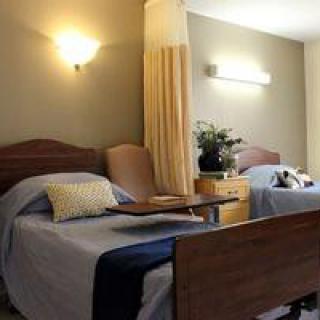
- Residents are happy and well cared for at La Casa, in a clean, expansive home with a pleasant setting.
- Families regard La Casa as part of their own family.
- La Casa offers a small, cozy, intimate setting with an excellent staff-to-patient ratio.
Cons
 The nurses at the Annapolis facility were dismissive and even laughed off the situation when it was explained.
- Care consisted of putting residents in front of TV and discouraging movement, with very little supervision.
- The neglect was very clear.
Review
La Casa II in Annapolis is best suited for families seeking a small, intimate memory-care environment where staff build close, ongoing relationships with residents and care is delivered in a home-like setting. The community’s footprint is compact, roughly 20 residents, allowing for high staff engagement, a warm dining and living layout, and a atmosphere that feels more family-like than institutional. This is not a place for those chasing elaborate programming, expansive amenities, or a hospital-grade campus; it is for families who value gentleness, daily continuity, and a respectful, dignified approach to dementia care. For families needing extensive rehab services, broad activity calendars, or a more structured, highly supervised routine, alternatives should be on the table.
The strongest positives here are the people and the atmosphere. Several reviews highlight an attentive, caring staff that operates with a strong sense of duty and personal connection to residents. The ownership and leadership are described as hands-on and responsive, with owners and managers seen as genuinely invested in residents’ well-being and families’ peace of mind. The home-like setting, clean, cozy, with thoughtful spaces like a dining room, kitchen, and internal and external yards, contributes to a sense of safety and belonging. When care is working well, residents appear content, and families report meaningful improvements in mood and engagement, even in the context of progressive dementia.
That said, a number of red flags surface in the feedback, and these cannot be dismissed. One account described a memory-care patient left unattended in a ditch near a busy road, followed by dismissive behavior from staff that only improved after management intervened. While management responses are encouraging, the incident underscores a critical risk: safety and supervision can be uneven, and lapses in vigilance are a real concern. Other reviewers note a pattern of minimal activity or movement, with care sometimes reduced to passive time in front of a television rather than proactive engagement. These contrasts create a clear liability for families weighing safety and stimulation against comfort and intimate staffing.
The practical takeaway is that the pros, low-key, person-centered attention; a small, controllable environment; and a staff culture that many families praise, do offset some concerns, but not all. For families prioritizing a dementia-focused setting where every resident is known and routines can be tailored, La Casa II offers something genuinely valuable: fewer residents to monitor individually can translate into more responsive care when the staff are present and attentive. However, the same intimacy makes any staffing gaps feel larger, and the lack of robust activity programming can be a real drawback for residents who desire ongoing mental or physical stimulation beyond meals, short walks, or TV time.
When deciding, families should be explicit about safety, supervision, and daily structure. Ask for current staffing ratios across day and night shifts, and request a written safety plan that covers wandering, emergency responses, and incident reporting. Inquire about the daily activity schedule, whether there are dedicated dementia-specific therapies, and how residents’ engagement is monitored and adjusted over time. Speak with multiple families whose relatives currently reside there, and request a tour at different times to observe interactions in the dining room, living areas, and outdoor spaces. Licensing and compliance checks, along with direct observations of staff responsiveness, are essential data points.
This community is not the default choice for every family. It is a strong fit for those who prioritize a warm, home-like environment, robust relational care, and a tightly knit staff that can adapt to individual dementia journeys. It is less suitable for families whose primary criteria include high-energy programming, extensive on-site amenities, or highly formal medical oversight. The mixed experiences reflected in reviews demand careful diligence: condition-specific needs, safety expectations, and daily activity preferences should guide the decision. For families prepared to verify safety protocols, observe staffing dynamics, and confirm that the resident’s level of care aligns with La Casa II’s strengths, this community can deliver meaningful, compassionate care where it counts.
 16 resident community capacity
 Assisted Living
 Board and Care Home
 Cable or satellite TV
 Dining room
 Fully furnished
 Garden
 Housekeeping services
 Move-in coordination
 Outdoor space
 Telephone
 Wi-Fi/high-speed internet available
 Baltimore-Washington International (14 miles away)
 24-hour supervision
 Activities of daily living assistance
 Assistance with bathing
 Assistance with dressing
 Assistance with transfers
 Diabetes diet
 Meal preparation and service
 Medication management
 Special dietary restrictions
 Transportation arrangement (medical)
 Transportation to doctors appointments





 Medicare Coverage for Assisted Living: An In-Depth Exploration
 Choosing the Right Senior Care: A Detailed Exploration of Assisted Living and Nursing Homes
 Understanding the True Cost of Assisted Living in 2025: A Comprehensive Guide