

1098 Galway Road, Davidsonville, MD 21035
For more information about senior living options: (866) 208-4318
Riva Terrace VI Costs & Pricing
Riva Terrace VI offers a private room at a monthly cost of $4,300, which is slightly above the average rates for both Anne Arundel County and the broader state of Maryland. In comparison, private room costs in Anne Arundel County are approximately $4,162, while the overall state average stands at about $4,112. This positioning indicates that Riva Terrace VI may be providing additional value or enhanced services that justify the premium price point. Prospective residents and their families might find that this facility's unique offerings could be well worth the investment when considering care options in the region.
| Floor plans | Riva Terrace VI | Anne Arundel County | Maryland |
|---|---|---|---|
| Private | $4,300 | $4,162 | $4,112 |
Assisted Living communities with a similar price nearby
-
from -$300 / mo
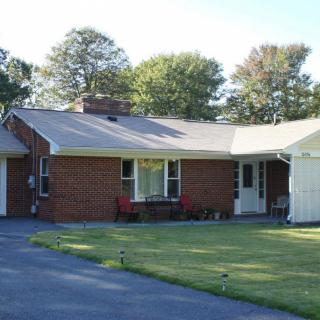
Montgomery Eldercare I
$4,000 to $5,900 / month21.8 miles away -
from +$700 / mo
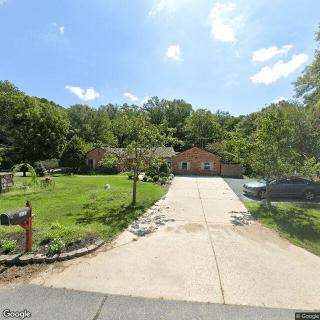
Necitas
$5,000 to $5,500 / month21.8 miles away -
from -$500 / mo

Montgomery Eldercare II
$3,800 to $5,000 / month20.8 miles away -
from -$500 / mo
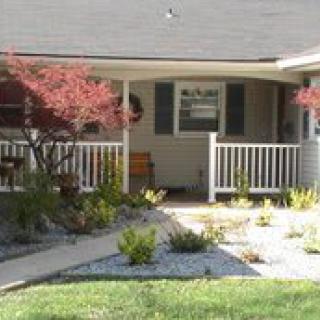
A C E
$3,800 / month5.8 miles away -
from -$800 / mo
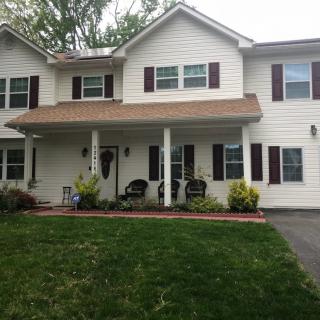
Unique Care Assisted Living
$3,500 to $4,000 / month5.3 miles away
Overall Review of Riva Terrace VI
Pros
 Riva Terra 6 is recommended to others for their loved ones.
- The community and staff stand out.
- The staff are very good, responsive to questions or concerns, and take their time with families.
- The residents like the food.
- There are activities for residents to join if they wish.
- The staff were wonderful and warm.
- The care home looked nice.
- The caregivers seemed nice and the home looked spotless.
Cons
 It was too small (four beds total) for her sister's needs.
- The care home did not have any openings at the time of the tour.
Review
Riva Terrace VI in Davidsonville, MD is best suited for families seeking an intimate, home-like setting where a loved one can receive light to moderate assistance with a high touch from caregivers. The community is clearly small by design, roughly five residents with at least two staff on duty, allowing staff to know residents well and respond promptly. For families prioritizing accessibility to caregivers, a calm pace, and a clean, well-kept environment, this setting delivers in spades. The day-to-day experience includes meals that residents enjoy and optional activities that can be joined if interest exists, contributing to a sense of belonging without the overwhelm of a larger campus.
Alternatives are worth considering for seniors who need more robust capacity or diverse programming. The most important red flag here is size: for those with higher care needs, complex medical requirements, or a desire to have a spouse or friend live nearby within the same building footprint, a larger community may be necessary. Availability is another practical constraint; tours indicate openings are not always present, which can delay placement. Families evaluating options should weigh whether a bigger environment with more residents, more staff coverage, and broader activity calendars better align with ongoing or emerging needs.
The strongest pros center on the human touch. Staff are described as warm, responsive, and willing to take the time to address questions and concerns, which translates into peace of mind for families and a reassuring daily routine for residents. The facility itself presents as a tidy, well-maintained home, and the caregiving team appears capable of delivering compassionate, attentive care. Food is noted as a positive element by residents, and there are organized activities available for those who wish to participate, signaling a balanced mix of routines and personal choice within a small community.
These strengths offset certain drawbacks in a practical, decision-focused way, yet not without caveats. The intimate size fosters meaningful relationships and consistent caregiver attention, which can be a decisive advantage for residents who thrive on familiarity and routine. However, the same small scale can limit social opportunities and the breadth of activities, especially for those who crave a more dynamic calendar or participation in group programs seen in larger settings. The lean staffing mix, while adequate in many shifts, may become a constraint if a resident’s needs escalate or if turnover occurs, subtly increasing dependence on the remaining caregivers.
A central conundrum is the mismatch between small capacity and unpredictable demand. Four to five beds means very limited room for growth or shared accommodations, and the lack of opening slots can create frustrating delays for families ready to move from another setting. For a resident who values stability and a steady, familiar team, this can be a strength, yet for someone who requires rapid placement or who prefers a larger, more diversified community life, alternatives will feel more aligned with those objectives. Prospective residents should also consider whether a future transition to memory care or more intensive assistance may be anticipated and whether this community can accommodate that trajectory.
Ultimately, the decision comes down to priorities. If warmth, individualized attention, and a quiet, home-like atmosphere are nonnegotiables, Riva Terrace VI offers a compelling fit and can deliver peace of mind through strong staff engagement and a clean, comfortable environment. If, instead, a family prioritizes breadth of programming, access to a broader range of medical supports, or immediate, scalable placement with more roommate options, it is prudent to explore larger assisted living options or facilities with dedicated memory care wings. A candid evaluation should surface the pace of openings, the realistic ability to meet evolving care needs, and the alignment between daily life at the community and the resident’s social and medical requirements.
 5 resident community capacity
 Assisted Living
 Board and Care Home
 Cats allowed
 Dogs allowed
 Activities on-site
 Cable or satellite TV
 Dining room
 Fully furnished
 Garden
 Housekeeping services
 Indoor common areas
 Move-in coordination
 Outdoor common areas
 Private
 Respite or short term stays offered
 Telephone
 Wheelchair accessible showers
 Wi-Fi/high-speed internet available
 Baltimore-Washington International (16 miles away)
 24-hour supervision
 Ambulatory care
 Assistance with bathing
 Assistance with dressing
 Assistance with transfers
 Diabetes diet
 Diabetic care
 High acuity care
 Incontinence care
 Meal preparation and service
 Medication management
 Special dietary restrictions
 Transportation arrangement (medical)
 Transportation to doctors appointments

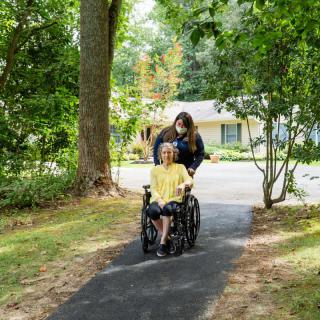





 Choosing the Right Senior Care: A Detailed Exploration of Assisted Living and Nursing Homes
 Understanding the True Cost of Assisted Living in 2025: A Comprehensive Guide
 Understanding Medicaid Coverage for Assisted Living: A Comprehensive Guide