At Terra Vista of Oakbrook Terrace, the monthly cost for a studio apartment is $7,950, which significantly exceeds both the average costs in DuPage County at $4,580 and the broader state average of $4,028. This pricing reflects not only the premium services and amenities provided by Terra Vista but also its commitment to delivering a high-quality living experience tailored to residents' needs. While the cost might be higher than local and state averages, it is essential to consider the value offered through personalized care, community engagement, and comprehensive support that distinguishes Terra Vista within the competitive landscape of senior living options.
Floor plans
Terra Vista of Oakbrook Terrace
DuPage County
Illinois
Studio
$7,950
$4,580
$4,028
Memory care communities with a similar price nearby
Residents and families repeatedly describe memory-care staff who understand dementia needs.
Many reviewers describe help tailored to dementia—staff learning individual preferences, using redirection when residents are tense or confused, and guiding families through communication. Several also specifically mention care for Alzheimer’s or advanced stages of dementia, noting smoother daily engagement after moving in. The community also offers specialized memory care programming and mild cognitive impairment support as part of its care services.
common
Caregivers are described as kind
Staff compassion and responsiveness are the most consistent positive themes in reviews.
Across reviews, residents and families praise caregivers for being patient, kind, and helpful, often calling out staff who know residents by name and follow through when needs come up. Some reviewers also mention support during hygiene, toileting, dressing, and transitions, and describe feeling at ease with the level of attention. Not every comment is uniformly positive, but the overall tone repeatedly centers on people being supportive and respectful.
common
Clean spaces and outdoor areas
Reviews frequently highlight cleanliness and inviting common spaces.
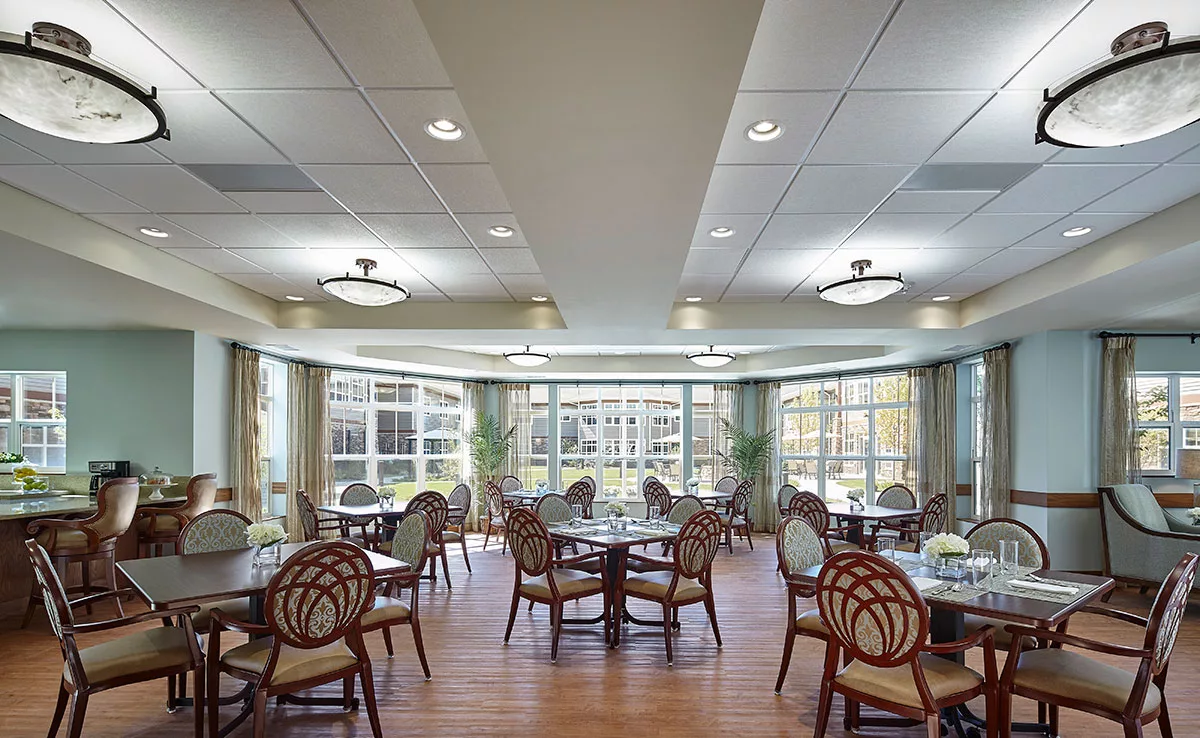
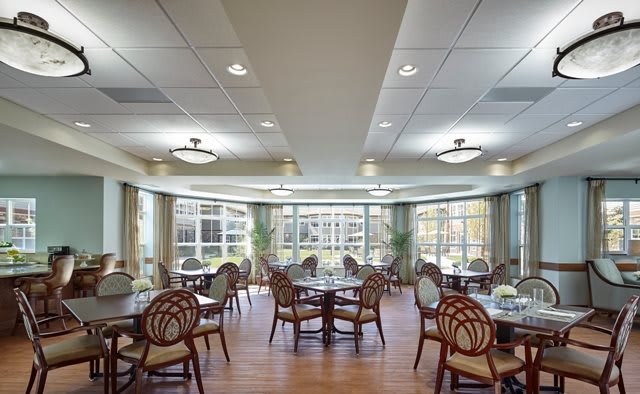
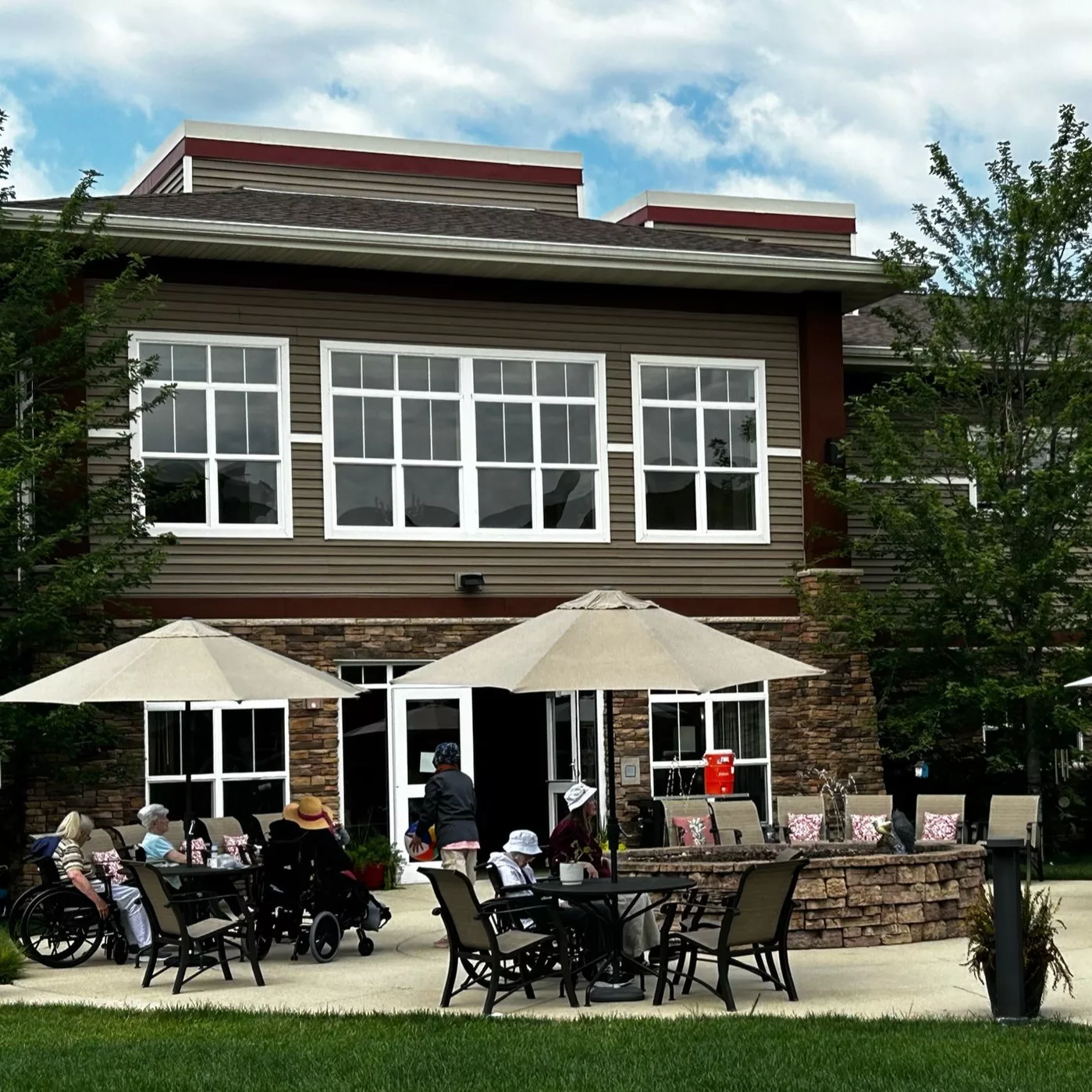
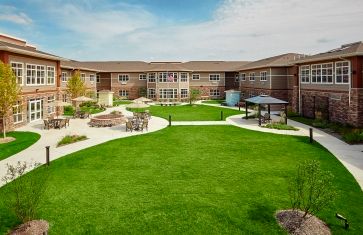
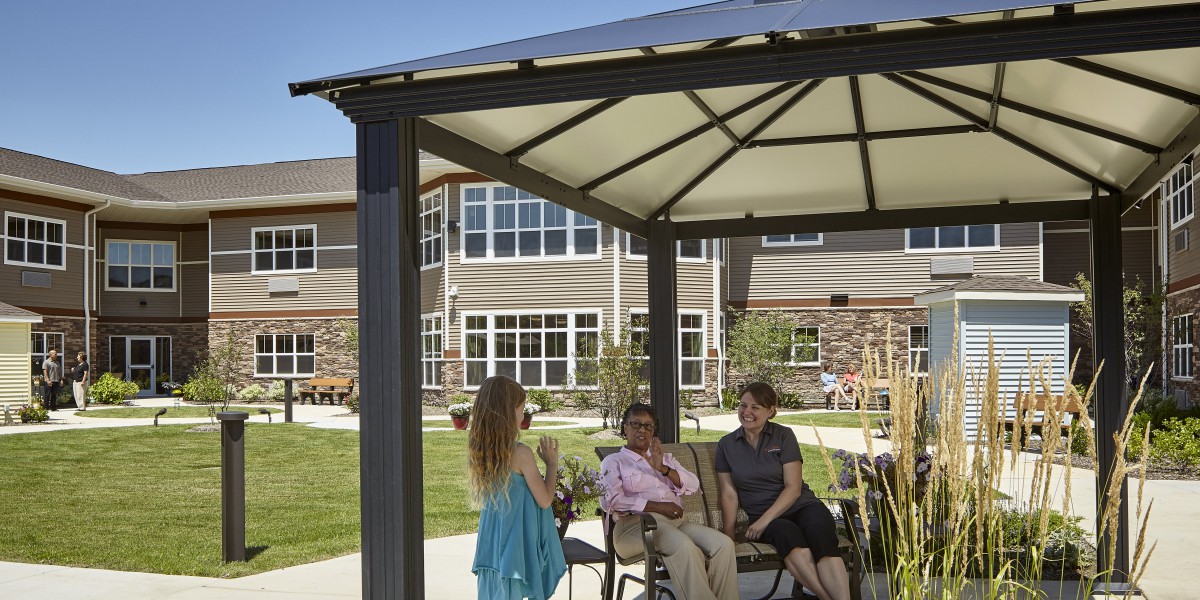
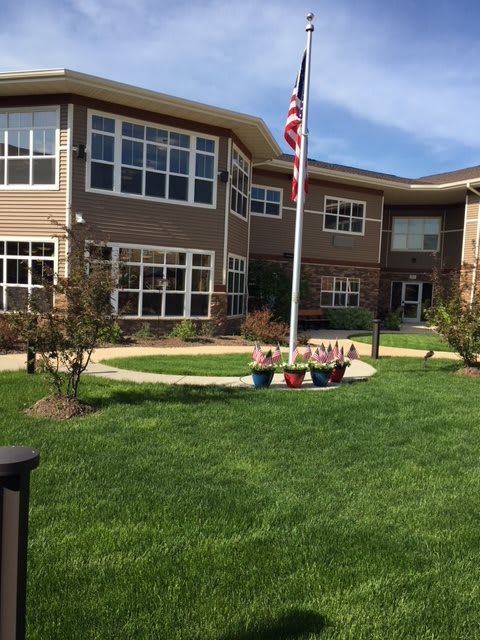
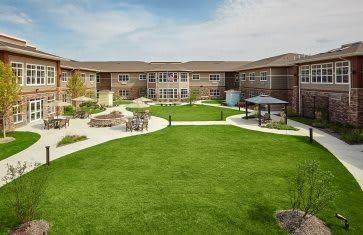
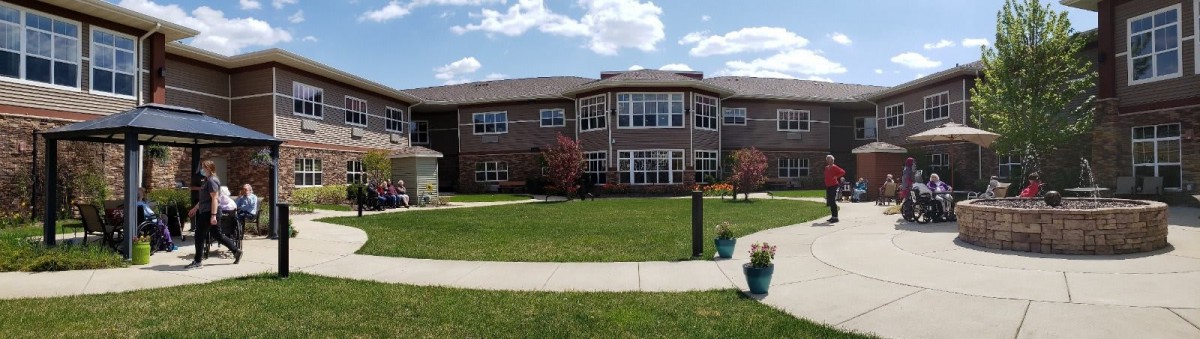
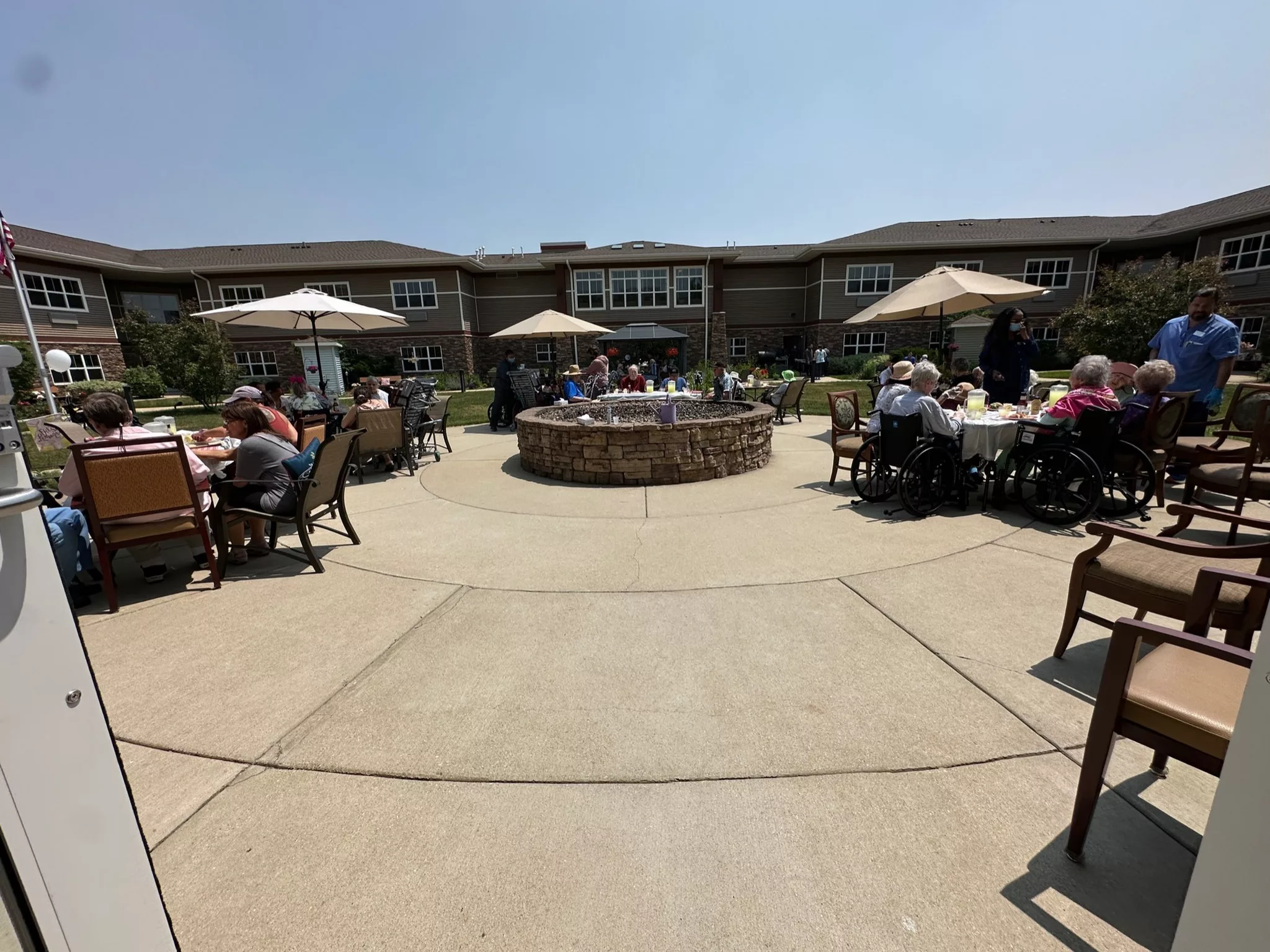
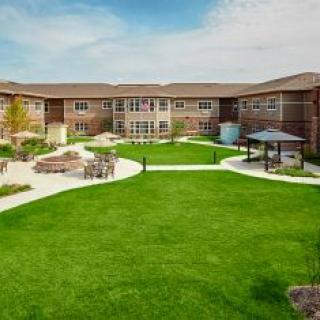
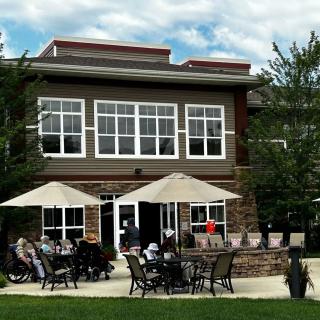
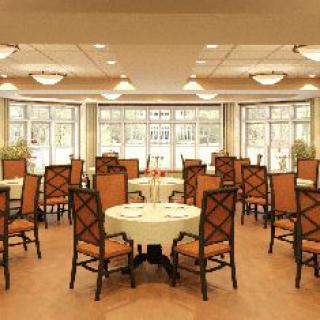
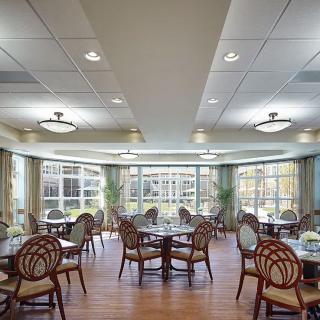
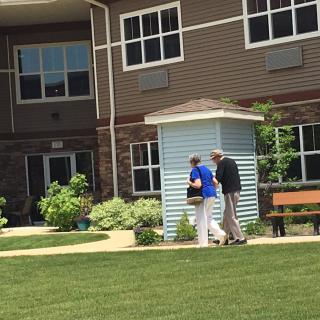
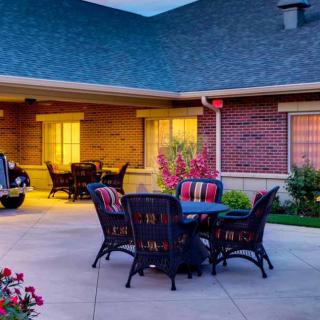
Multiple reviewers mention the facility as clean and well maintained, including rooms and common areas that feel cared for. Families also point to the courtyard and outdoor spaces as a meaningful part of the experience, describing pleasant places to visit or spend time in warm weather. The community’s amenity set includes indoor common areas, outdoor common areas, and a restaurant-style dining room, which aligns with how residents describe daily spaces.
common
Activities keep residents engaged
Residents and families describe a busy schedule of activities and social time.
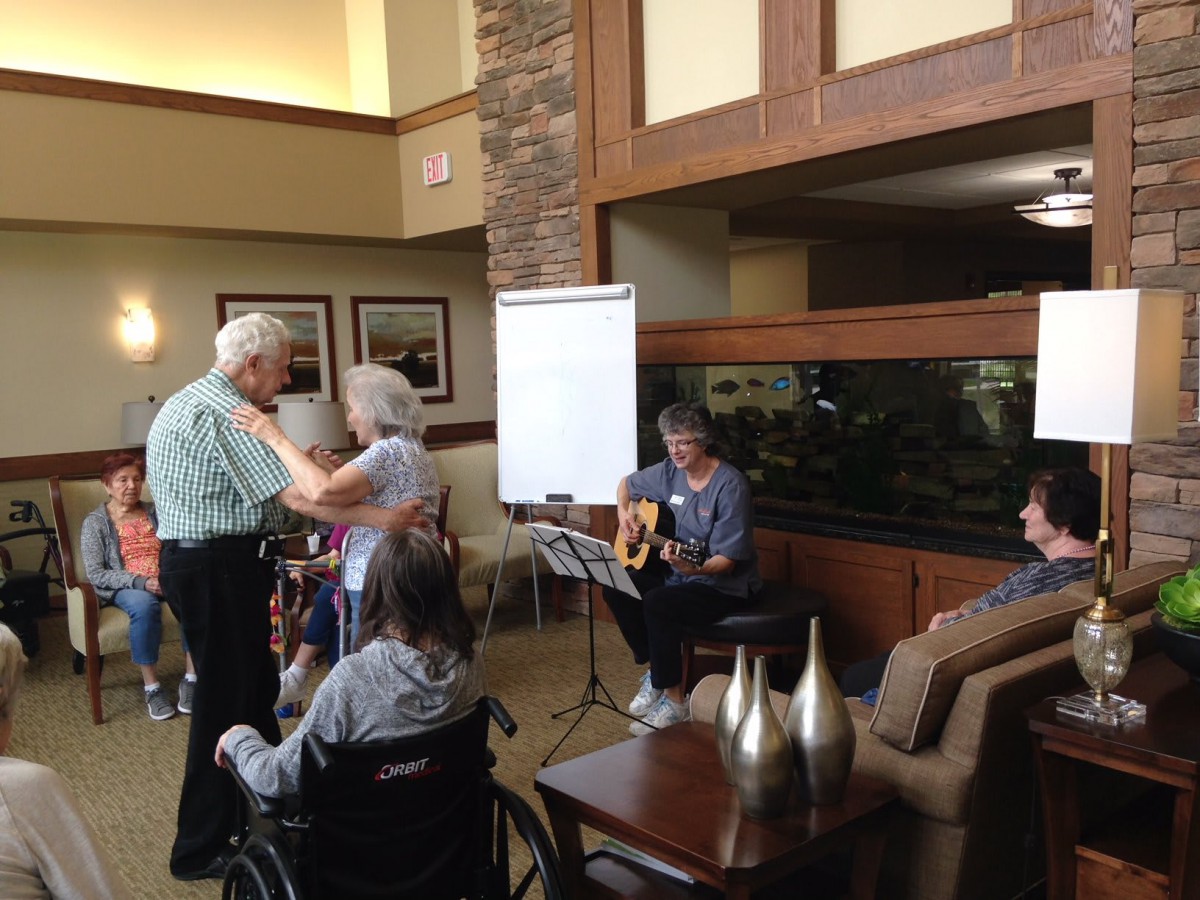
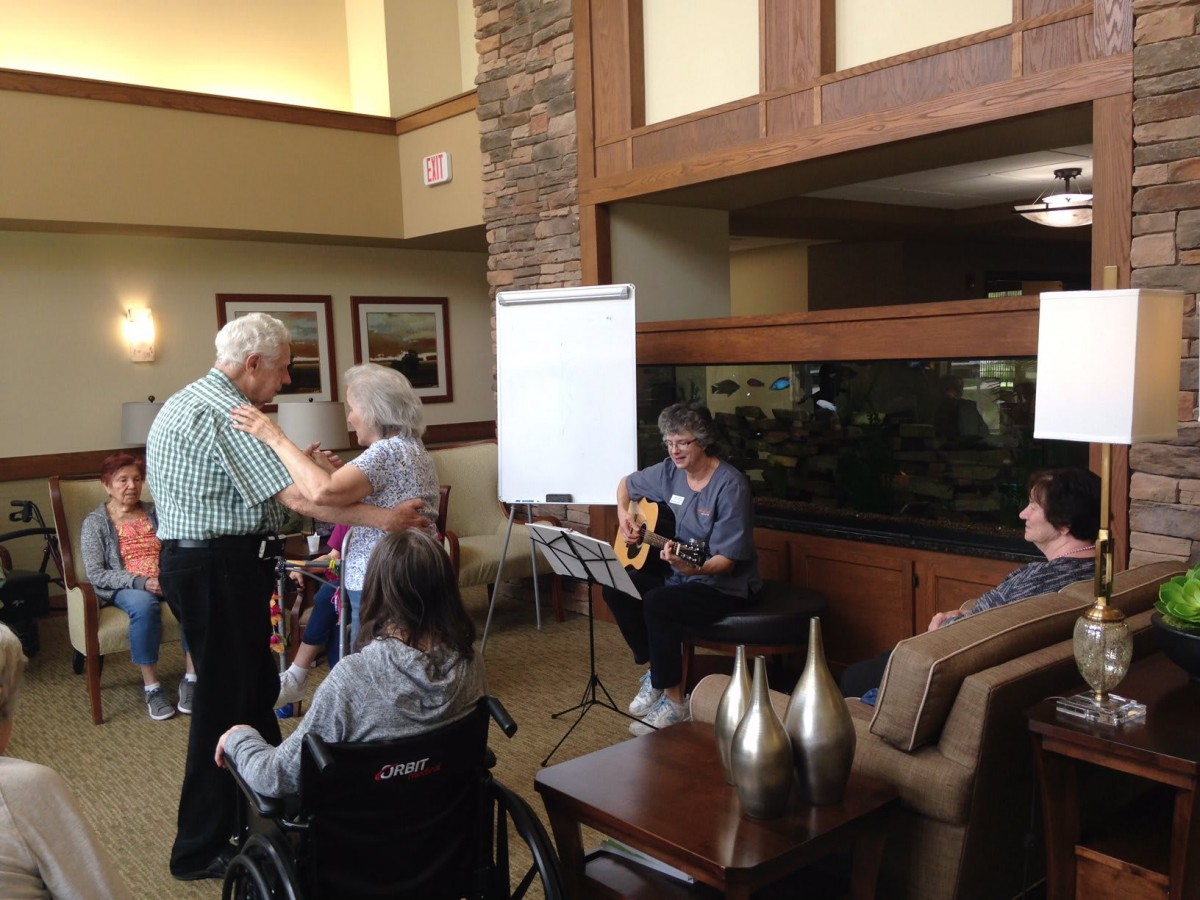
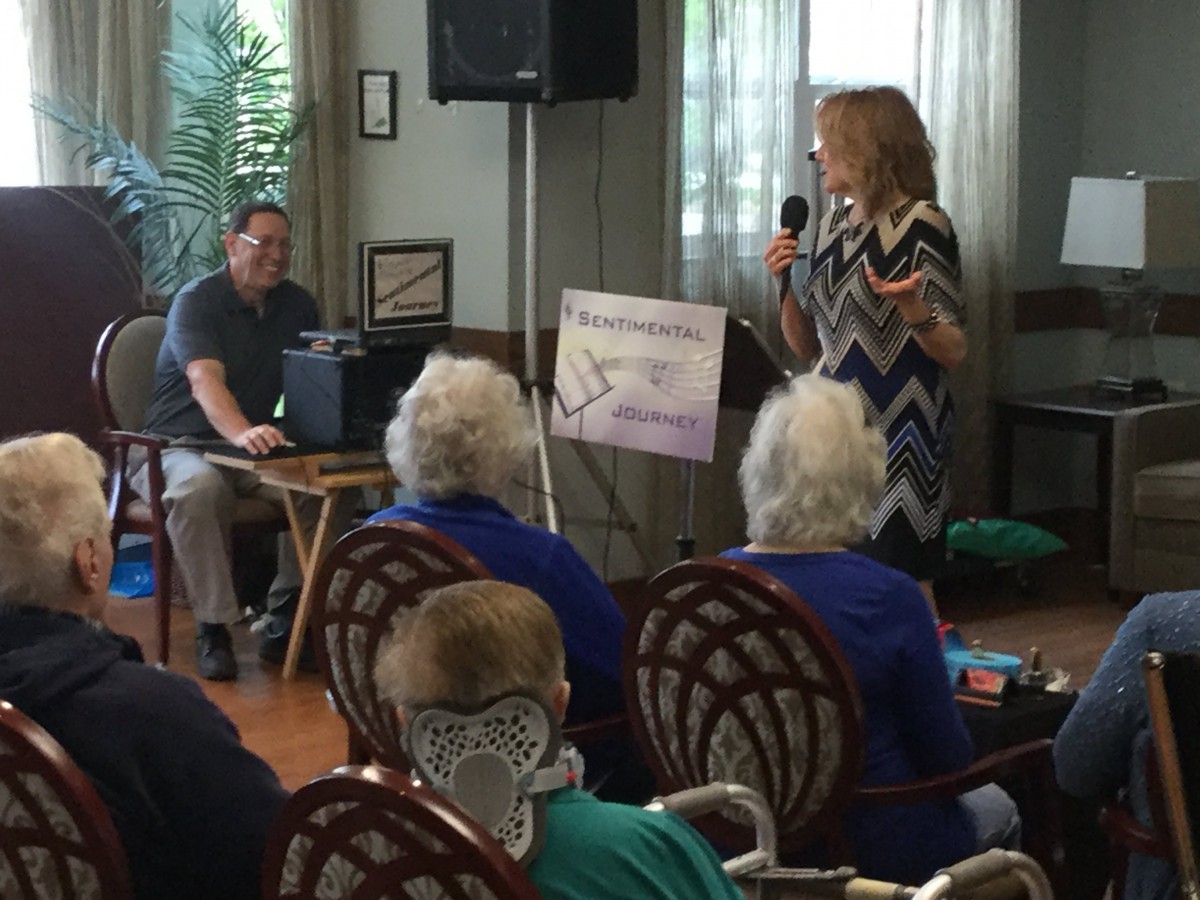
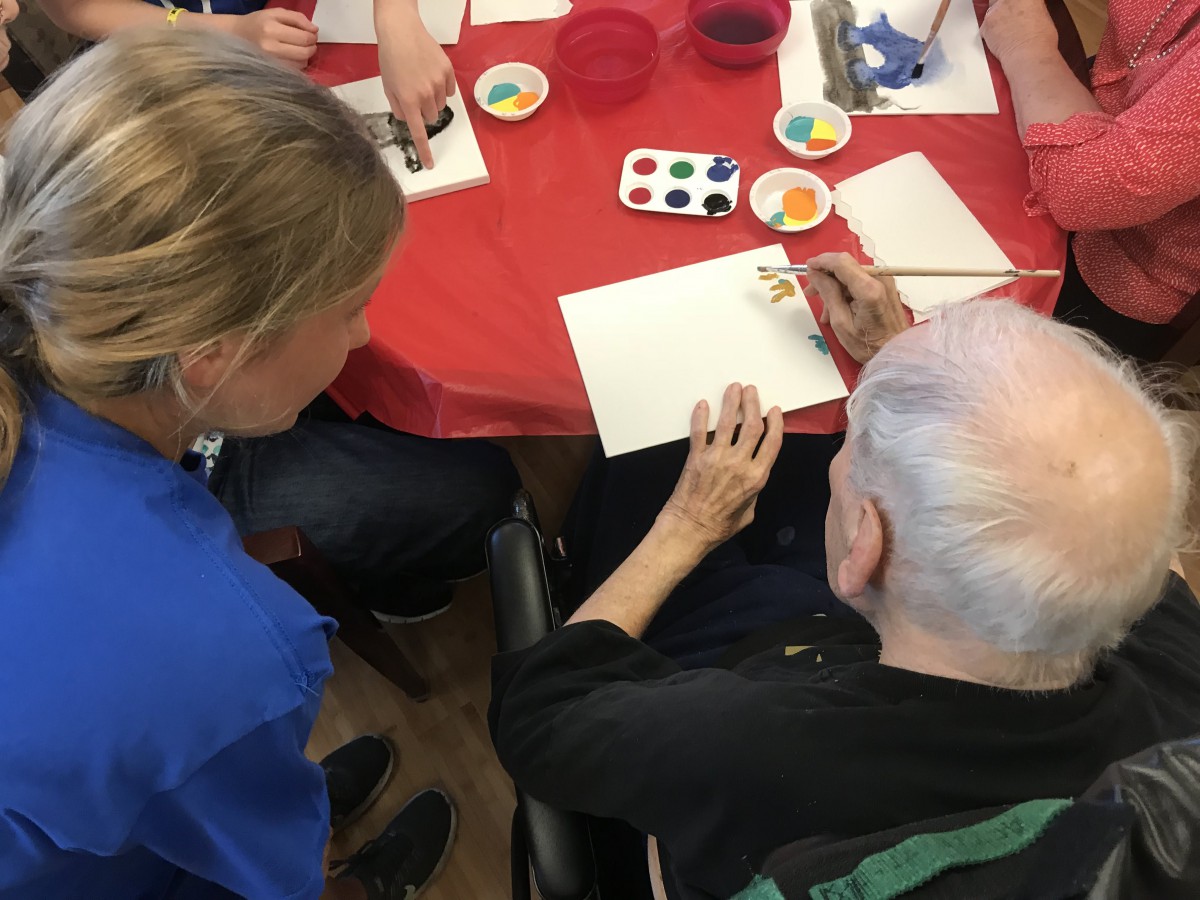
Many reviews say residents are kept active with daily activities, group interactions, crafts, music, and planned outings or outings-style day trips. A common detail is that staff encourage residents to participate and help redirect when engagement is challenging. One review mentions fewer activities during a period of decline, but more comments emphasize plentiful programming and frequent opportunities to socialize.
caveat
Meals are praised, with exceptions
Dining receives both positive notes and some concerns about quality.
Several families mention good meals, with some describing food as hot and well prepared, and others saying they like the food and meal options. At the same time, a smaller number of reviewers raise concerns about meal quality declining, including changes to how meals are sourced or prepared. Overall, dining is a point of attention in reviews rather than a universally stated strength.
caveat
Price feels high for value
Cost is described as a major consideration in reviews.
Some reviewers explicitly call the overall price high, even while stating they chose the community for the care they wanted. Others mention budget-related changes tied to declining food quality and staffing levels, which suggests value concerns for at least some families. With pricing set above both county and state benchmarks for studios, cost is a recurring factor that shapes how residents and families evaluate the experience.
How we summarize
We summarize when many written reviews mention each theme; a review can touch several themes, and only frequently mentioned themes are displayed.
Features
Housing
106 resident community capacity
Studio apartments
Types of Care
Assisted Living
Memory Care
Amenities
Activities off-site
Activities on-site
Air-conditioning
Beautician on-site
Beauty salon
Cable or satellite TV
Computer center
Devotional services off-site
Devotional services on-site
Dining room
Fitness room
Fully furnished
Gaming room
Garden
Ground floor units
Handicap accessible
Housekeeping services
Indoor common areas
Kitchenette
Move-in coordination
Outdoor common areas
Outdoor space
Private bathrooms
Restaurant-style dining
Small library
Telephone
Wellness center
Wheelchair accessible showers
Wi-Fi/high-speed internet available
Transportation
Chicago O'Hare International (9 miles away)
Chicago Midway (13 miles away)
Community operated transportation
Transportation arrangement
Transportation arrangement (non-medical)
Transportation to doctors appointments
Care Services
12-16 hour nursing
24-hour call system
24-hour supervision
Activities of daily living assistance
Ambulatory care
Assistance with bathing
Assistance with dressing
Assistance with transfers
Diabetes diet
Diabetic care
High acuity care
Incontinence care
Meal preparation and service
Medication management
Mental wellness program
Mild cognitive impairment
Special dietary restrictions
Specialized memory care programming
Dining
Anytime dining
Diabetes diet
Gluten-free
Guest meals
International cuisine
Low / no sodium
Meals provided
No Sugar
Restaurant style dining
Special dietary restrictions
Special dining programs
Vegan
Vegetarian
Activities
Art classes
Catholic services
Community-sponsored activities
Concierge services
Cooking classes
Day trips and outings
Devotional activities offsite
Devotional activities on-site
Educational speakers / life long learning
Fitness programs
Karaoke
Live well programs
Other religious services
Planned day trips
Protestant services
Resident-run activities
Scheduled daily activities
Visiting chaplain or priest
Nearby Places of Interest
This area of Oakbrook Terrace, Illinois offers a convenient and bustling community with a variety of amenities nearby. There are several cafes, pharmacies, restaurants, theaters, physicians' offices, parks, transportation options, hospitals, and places of worship within close proximity. Residents can easily access everyday necessities like coffee shops and pharmacies, enjoy dining out at a range of restaurants, catch a movie at the theater, receive medical care from reputable healthcare facilities, explore local parks for leisure activities, utilize public transportation for easy commuting, and find spiritual fulfillment at various places of worship. The vibrant mix of services and recreational opportunities makes this area a desirable location for senior living.
At Terra Vista of Oakbrook Terrace, the monthly cost for a studio apartment is $7,950, which significantly exceeds both the average costs in DuPage County at $4,580 and the broader state average of $4,028. This pricing reflects not only the premium services and amenities provided by Terra Vista but also its commitment to delivering a high-quality living experience tailored to residents' needs. While the cost might be higher than local and state averages, it is essential to consider the value offered through personalized care, community engagement, and comprehensive support that distinguishes Terra Vista within the competitive landscape of senior living options.
The 24-hour supervision at Terra Vista of Oakbrook Terrace ensures that residents receive immediate support whenever needed, enhancing their sense of safety and security. Assistance with activities of daily living, including bathing, dressing, and transfers, promotes independence while addressing the unique challenges faced by individuals with dementia or Alzheimer's disease. Incontinence care is handled sensitively to ensure both dignity and comfort for residents. Nutritional needs are met through thoughtful meal preparation and service, which can also stimulate social interaction during mealtimes. Medication management minimizes the risk of errors that could impact health outcomes, while tailored mental wellness programs engage residents cognitively to maintain mental acuity. The facility recognizes mild cognitive impairment as a transitional stage that necessitates specialized memory care programming to provide appropriate interventions and support specific to each resident's evolving needs.
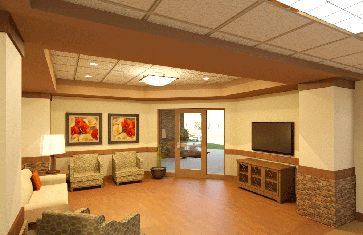
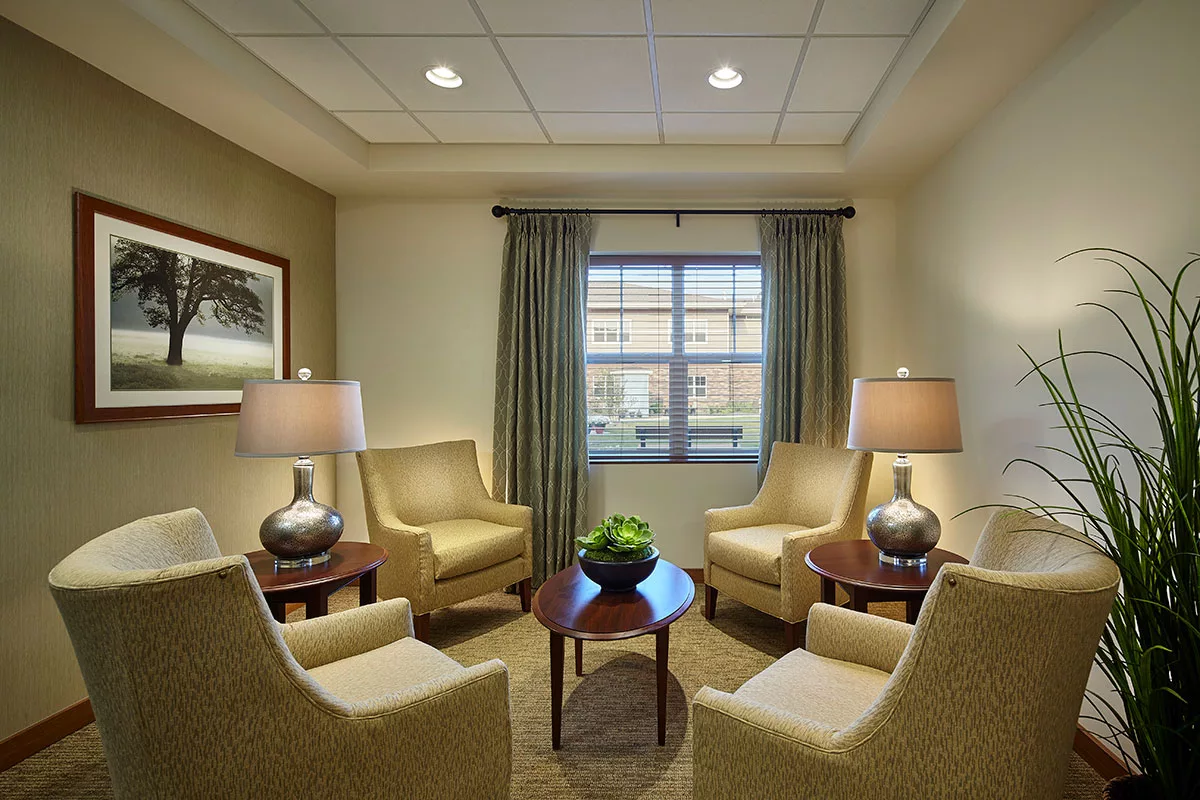
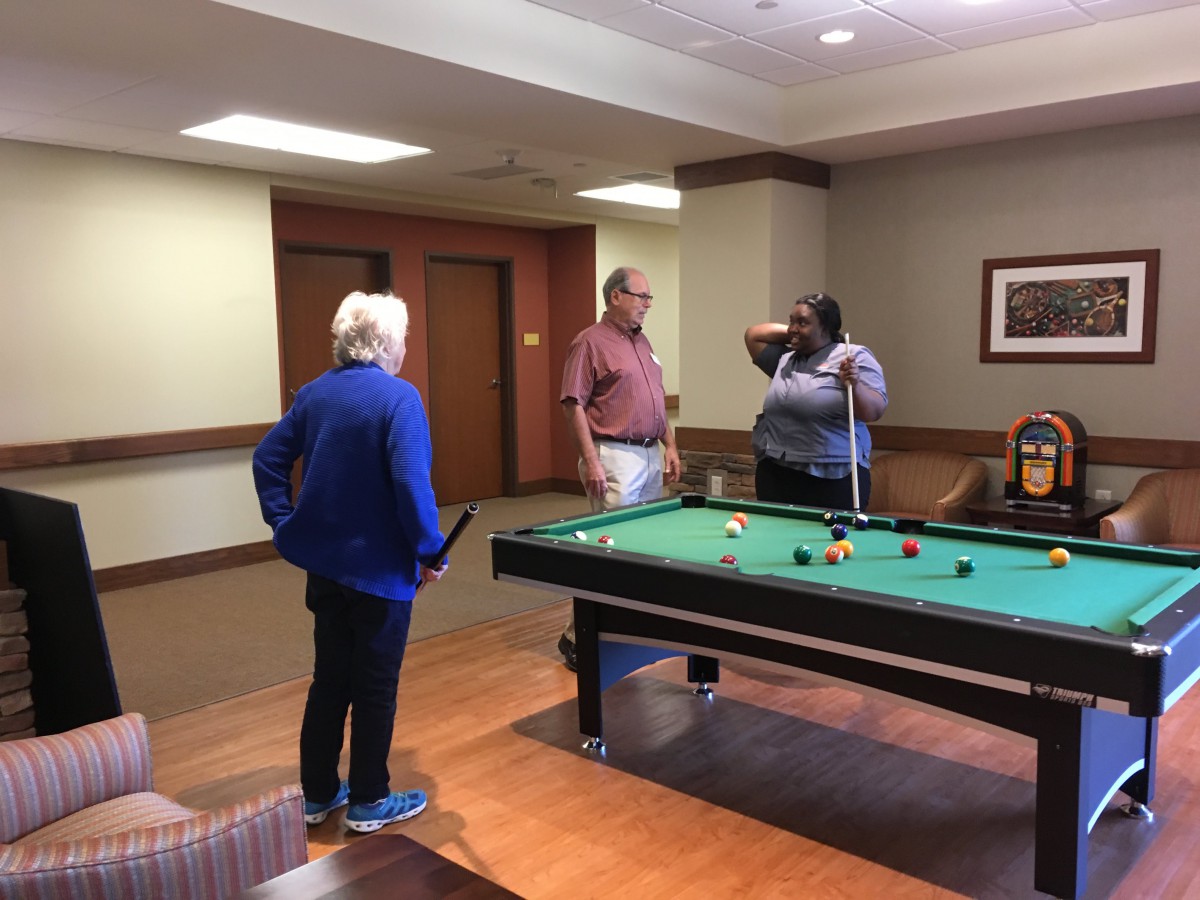
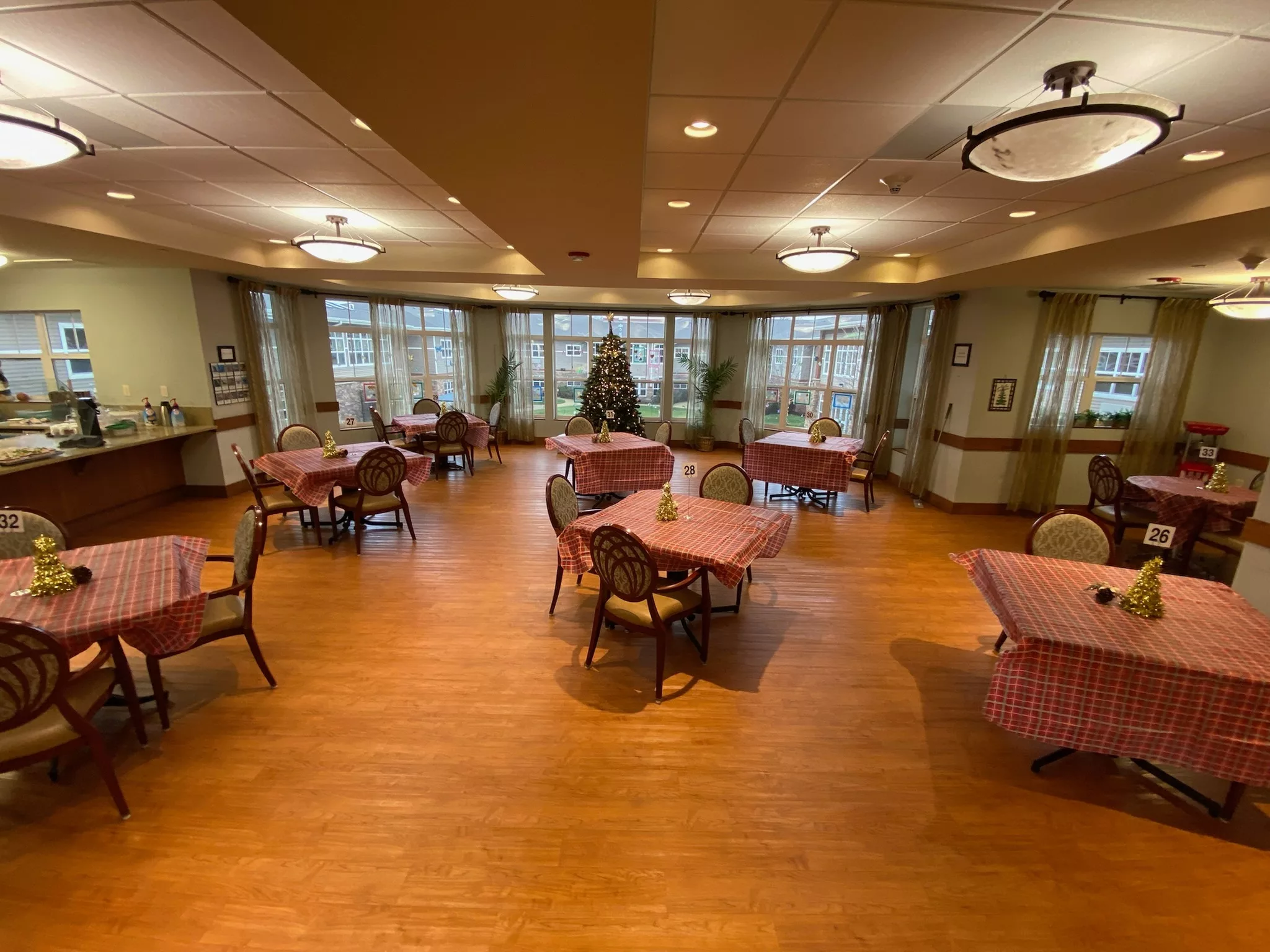
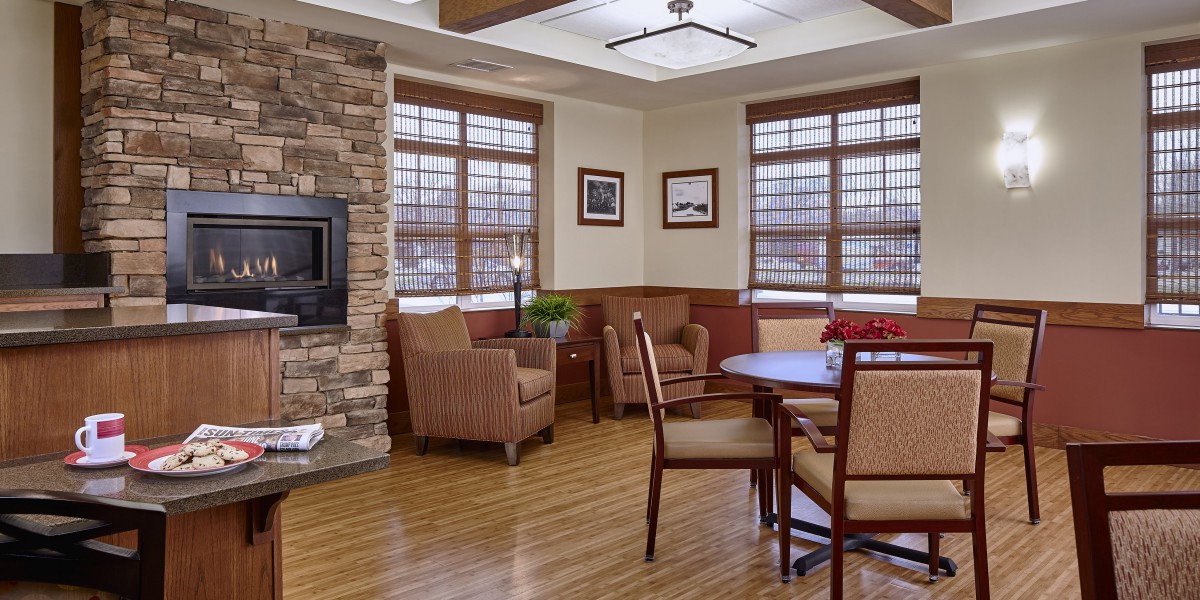
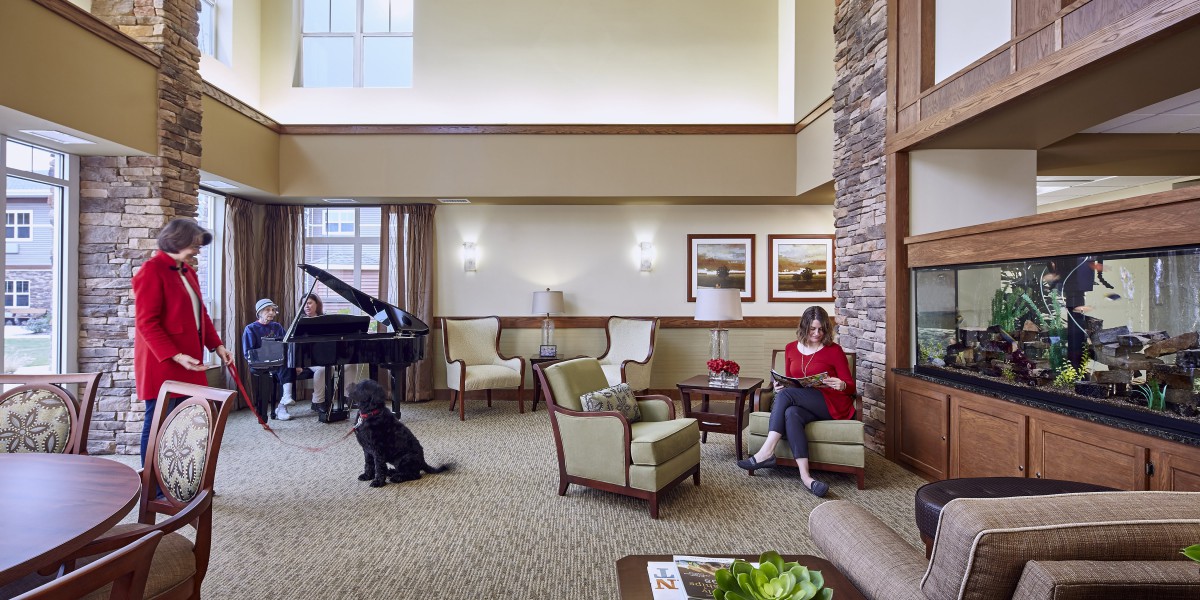
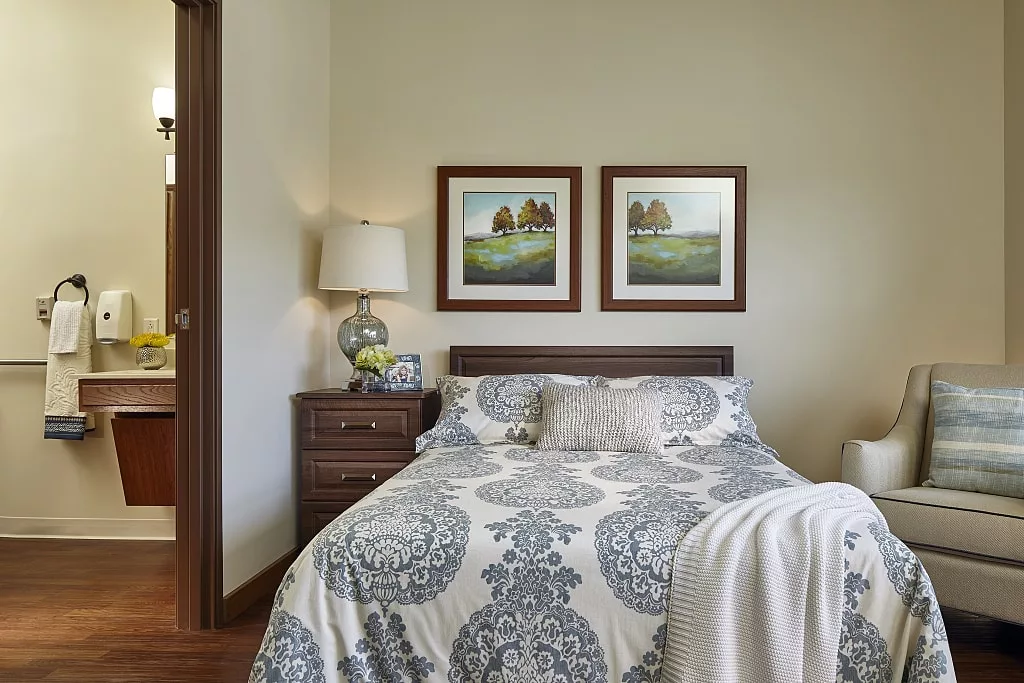
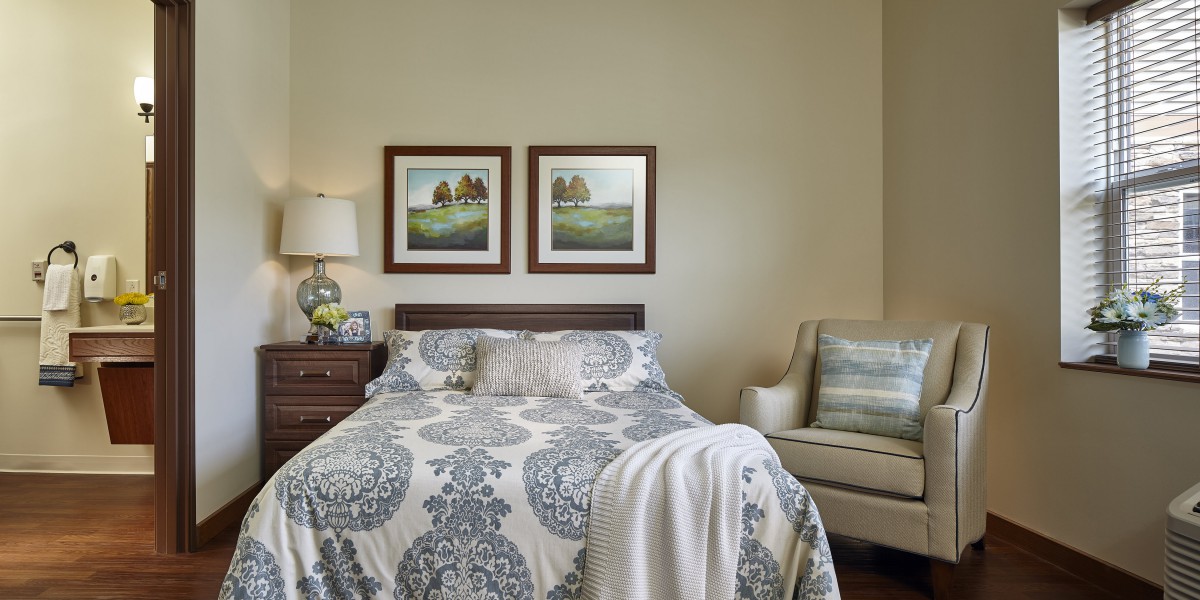
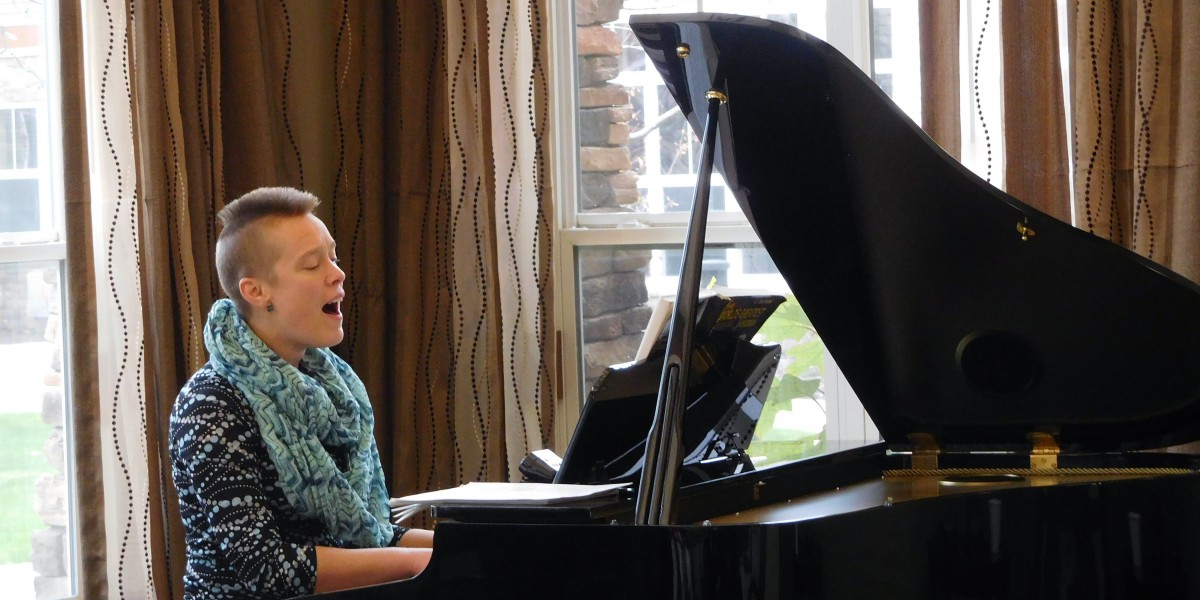
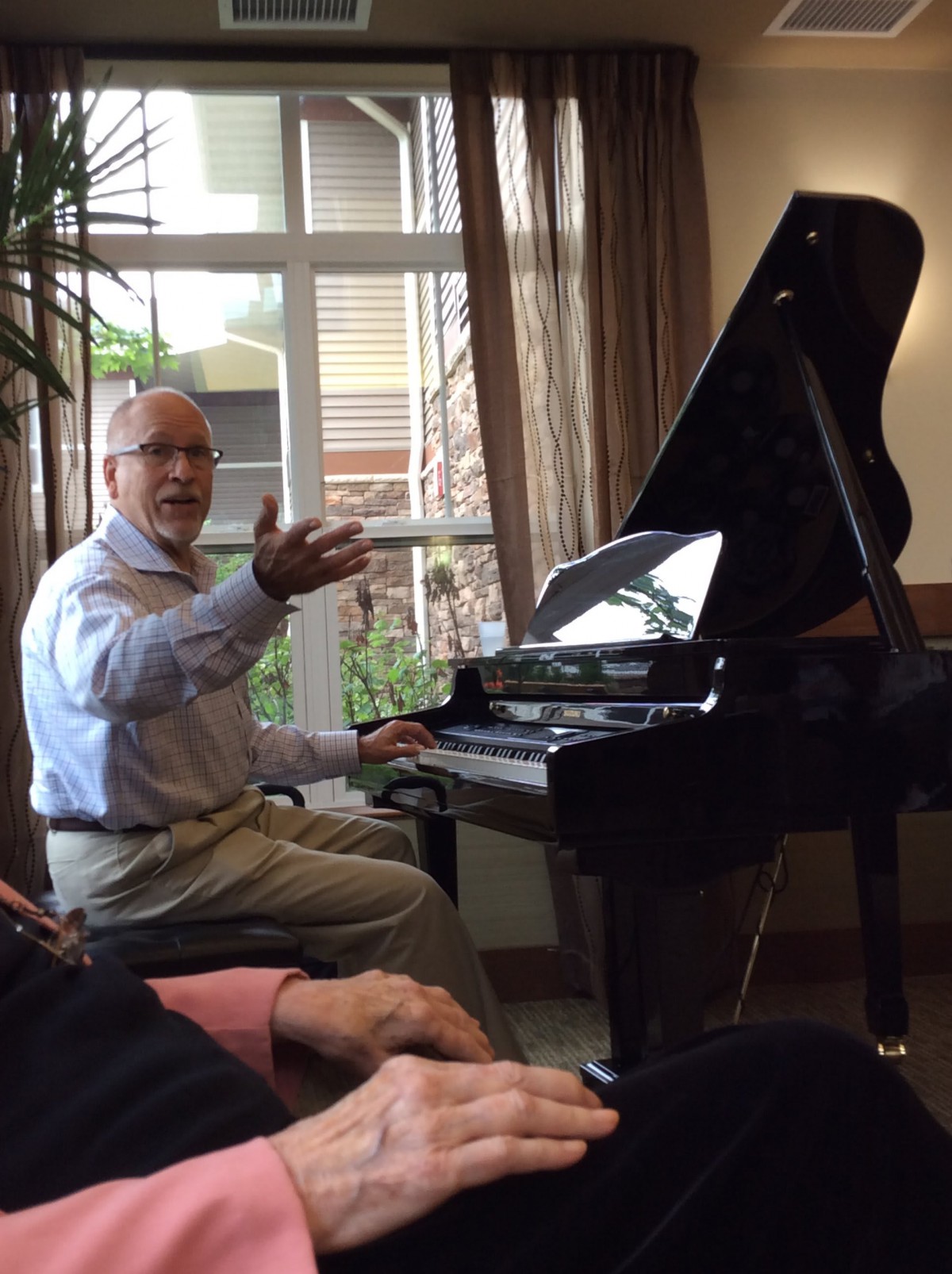
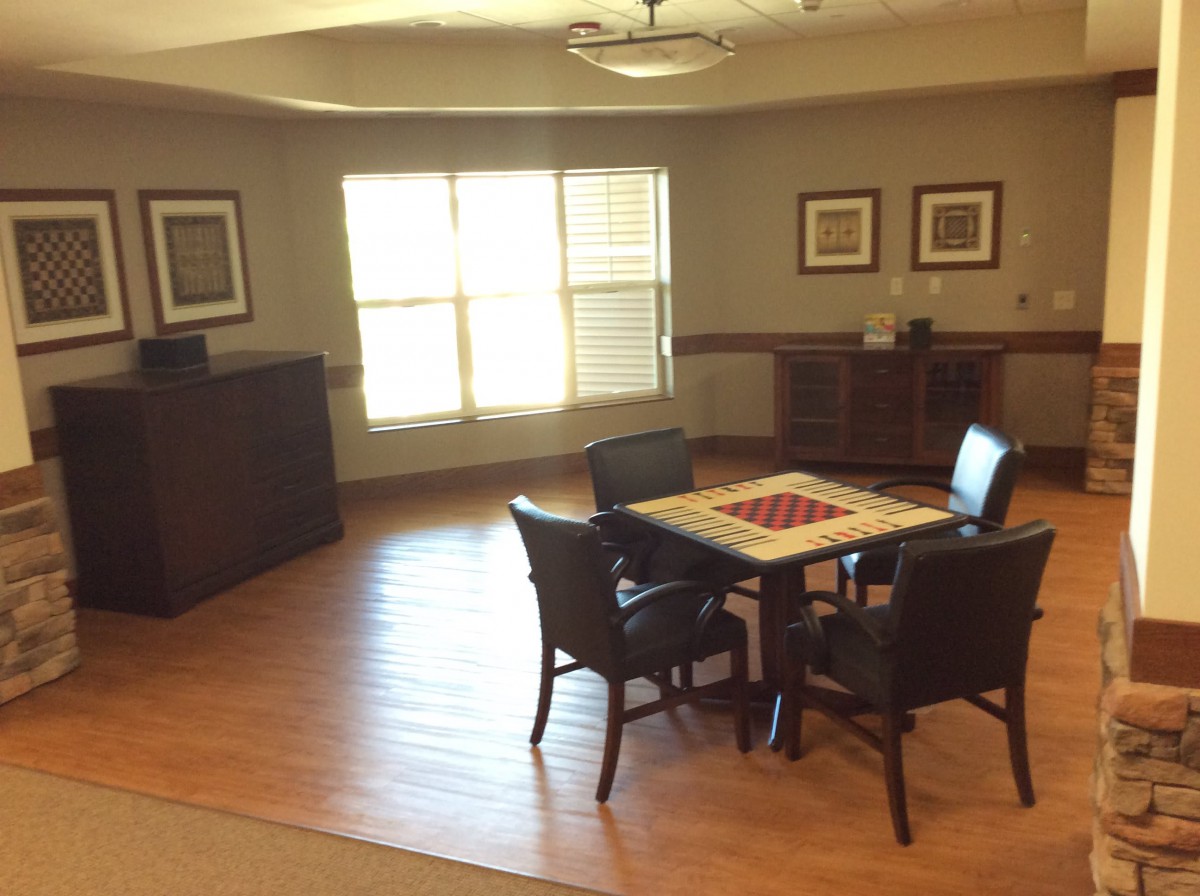
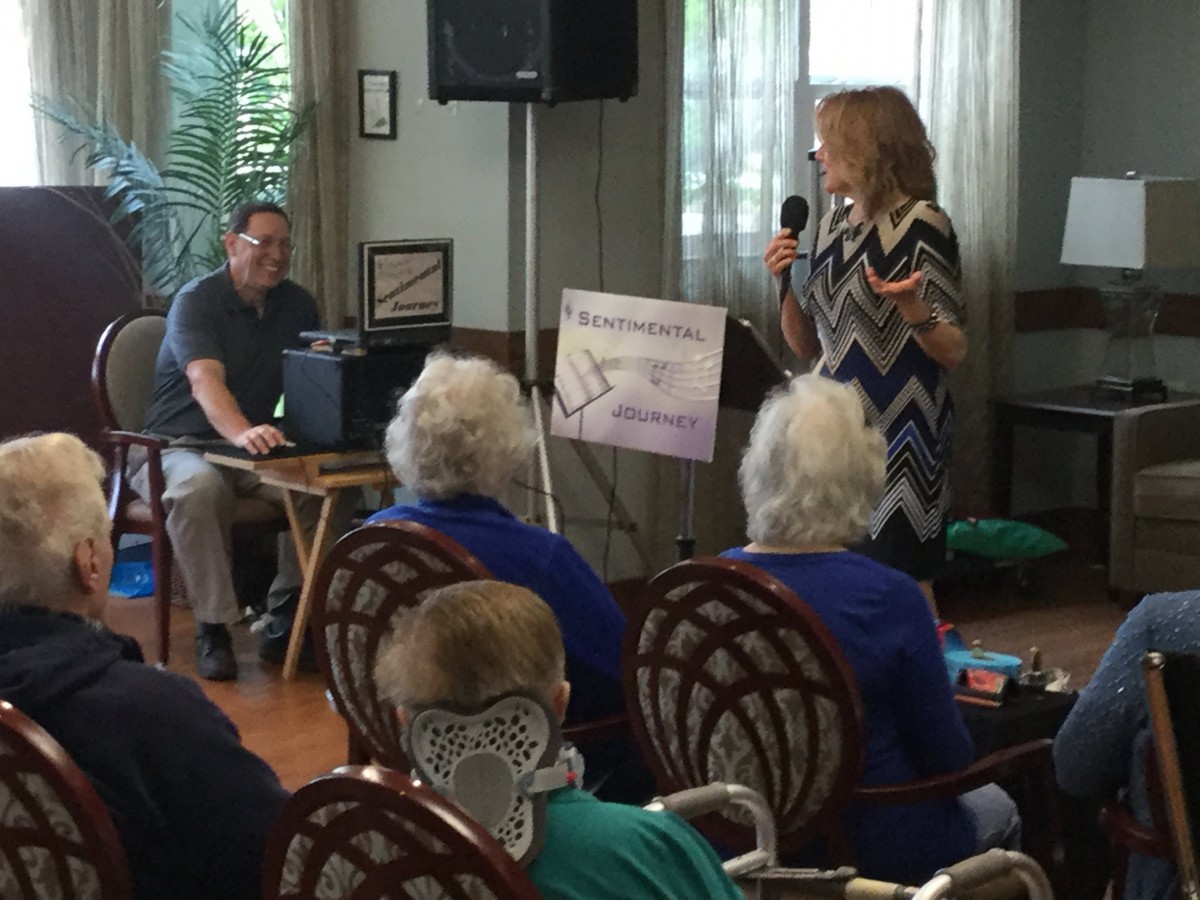
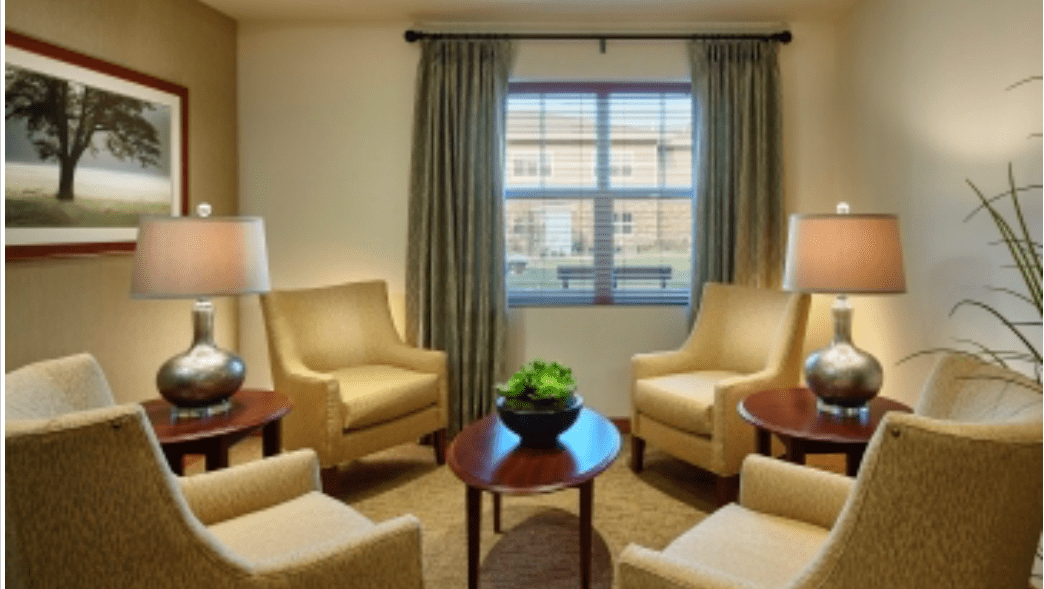
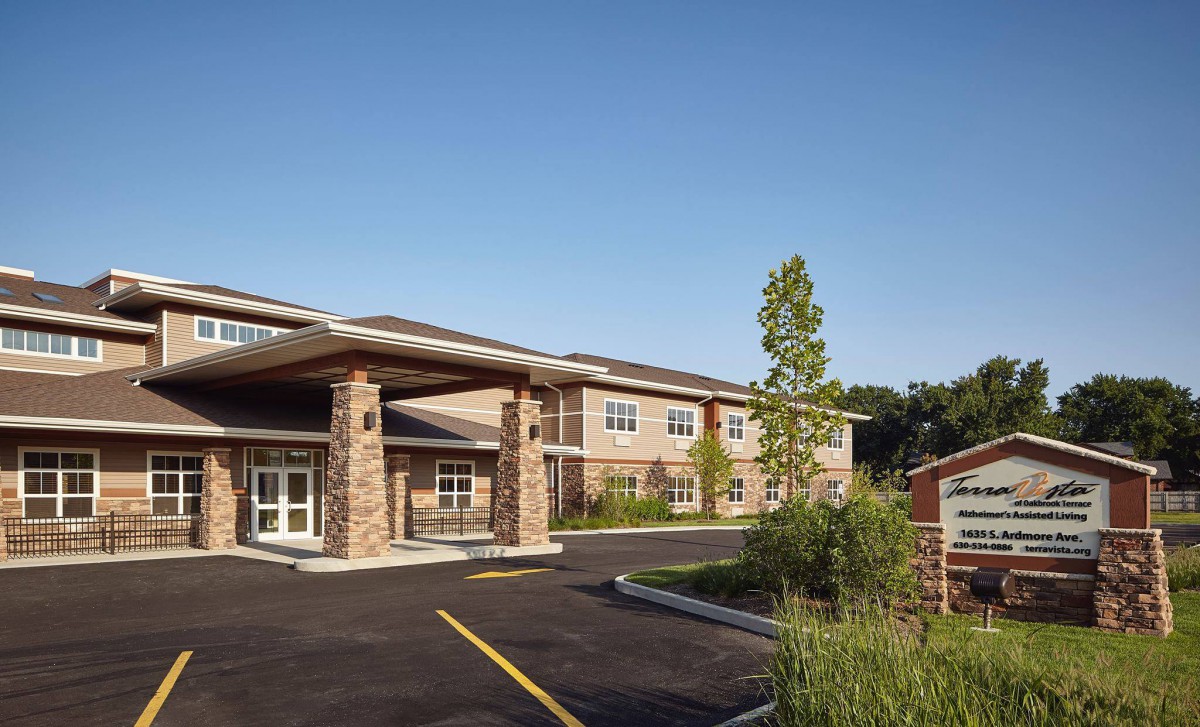
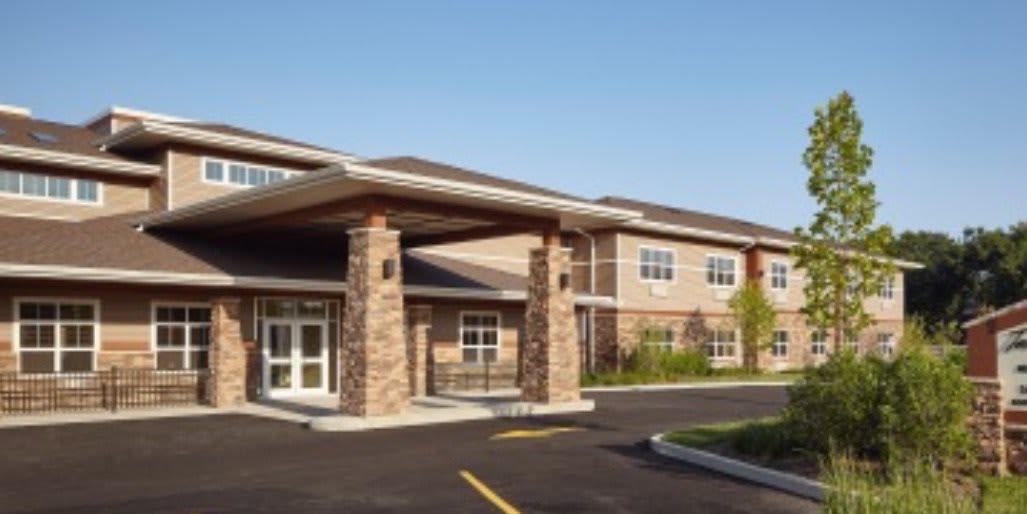
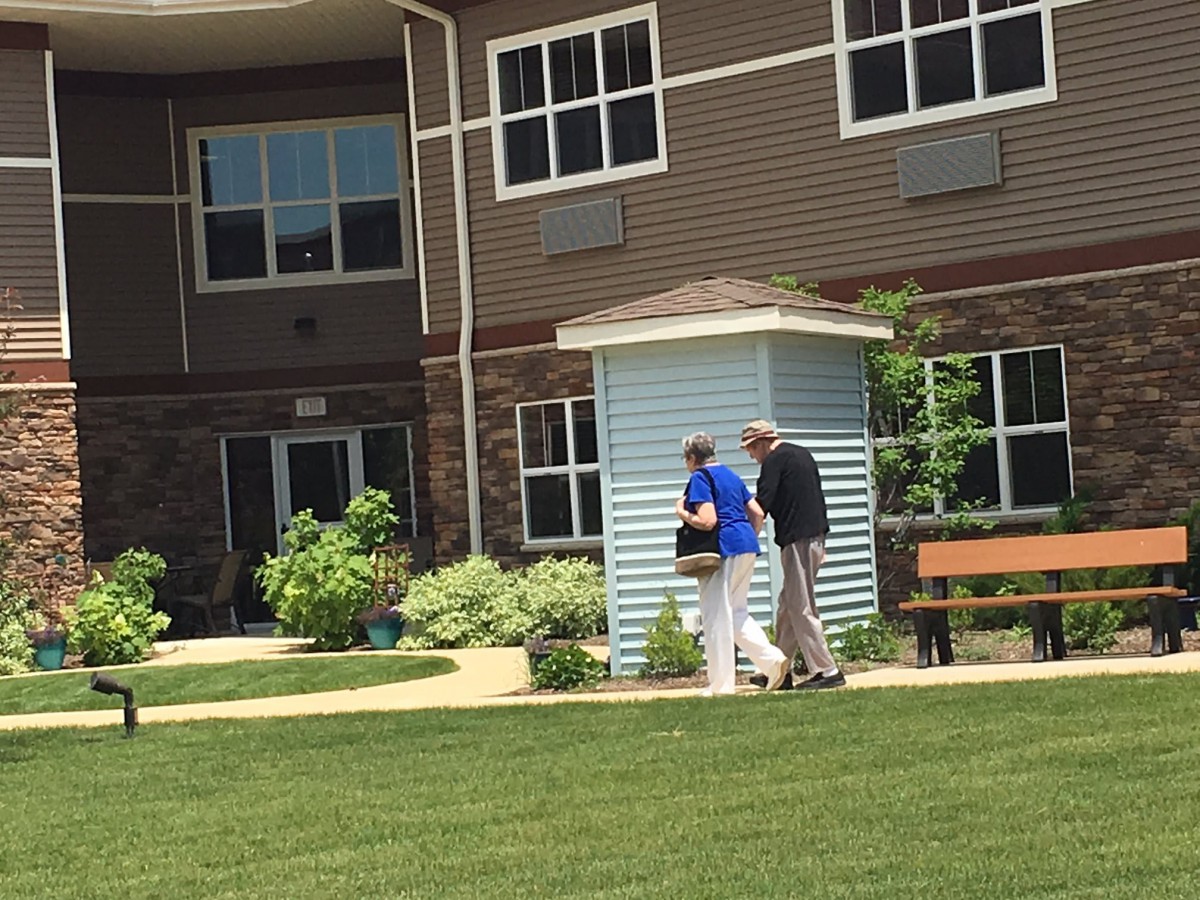
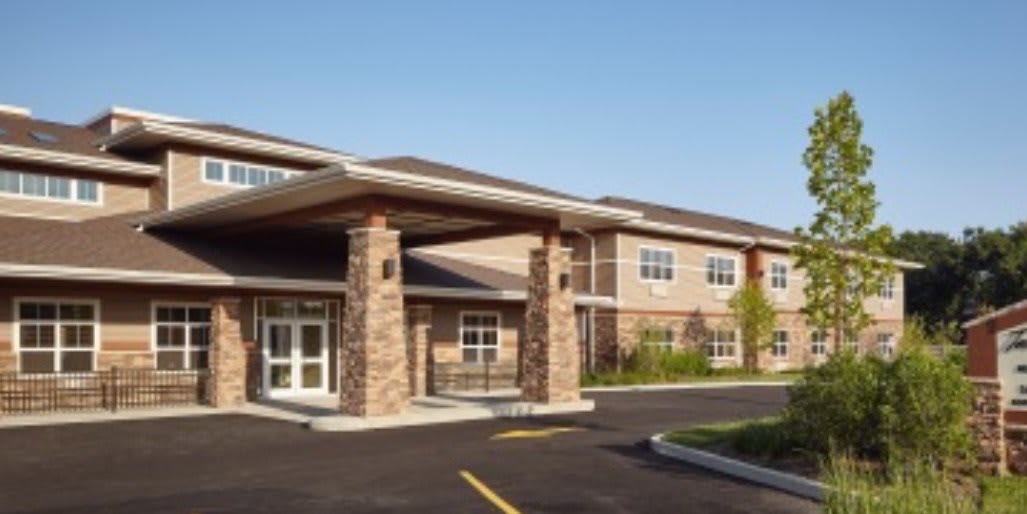
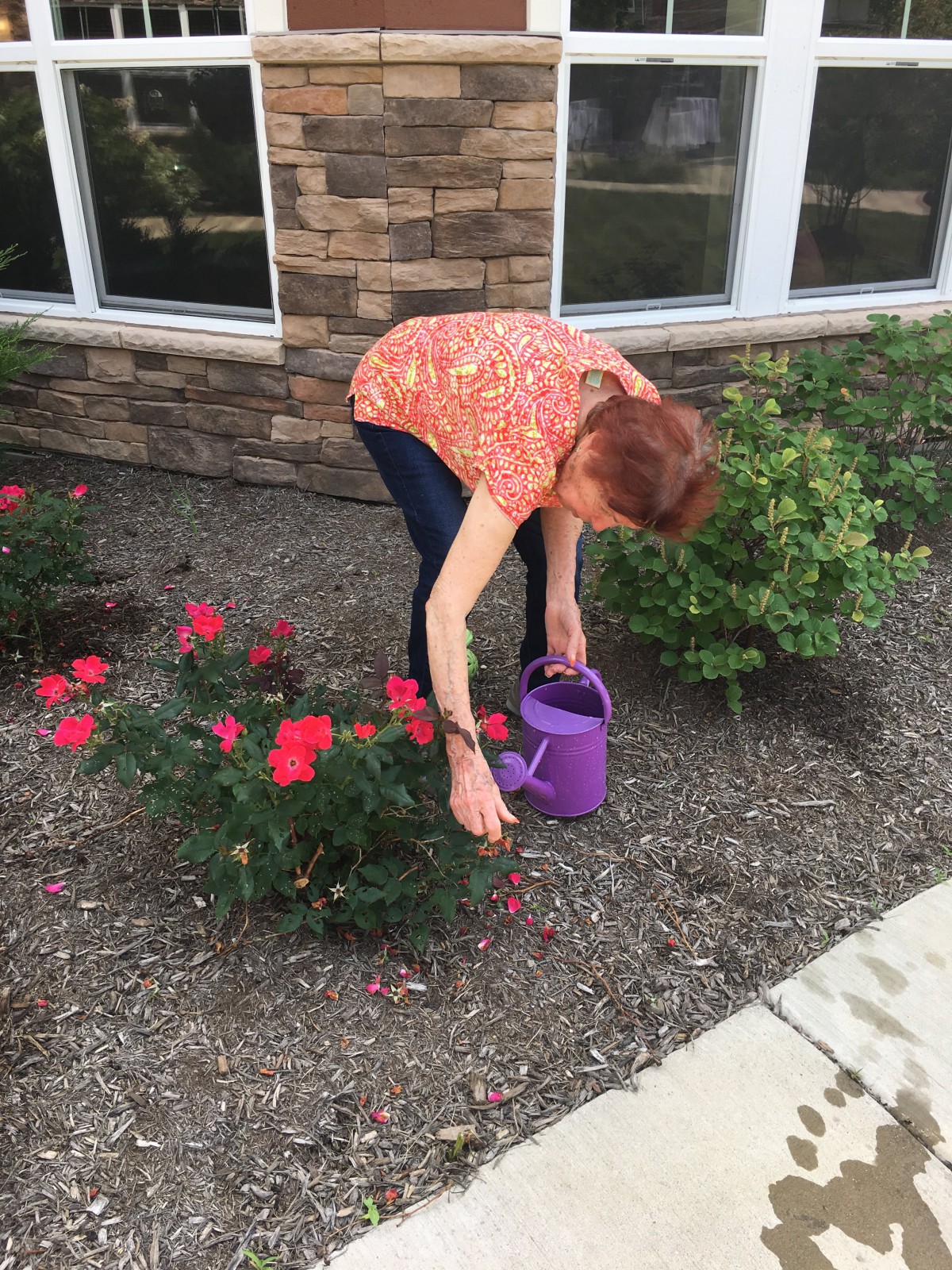
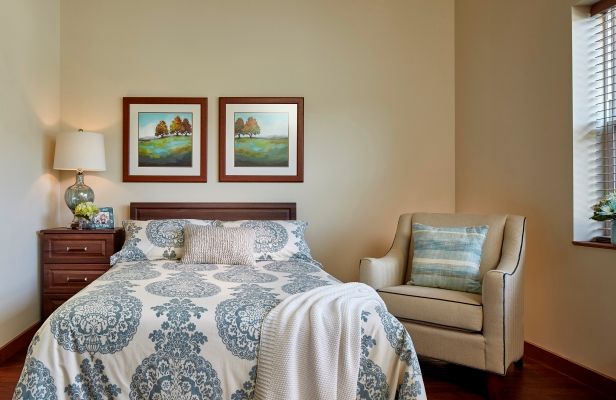
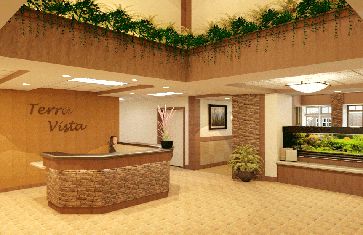
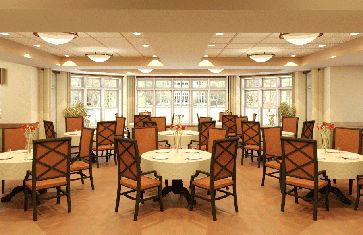
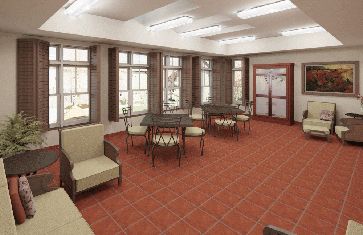
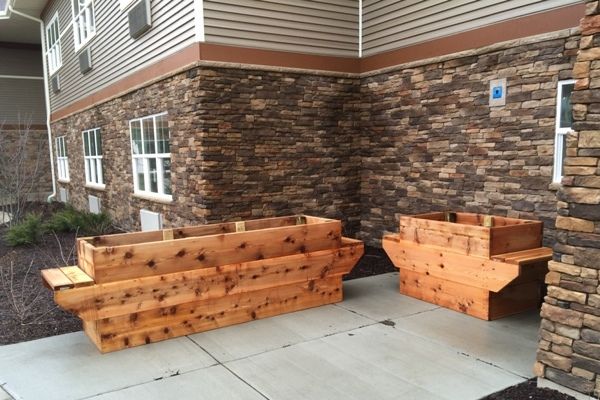
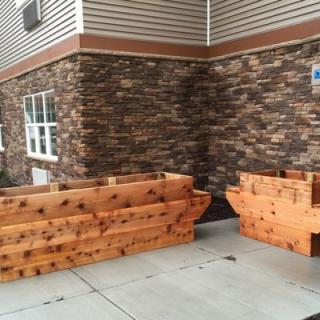
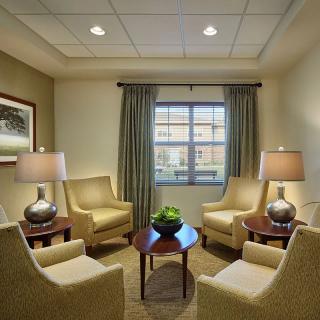
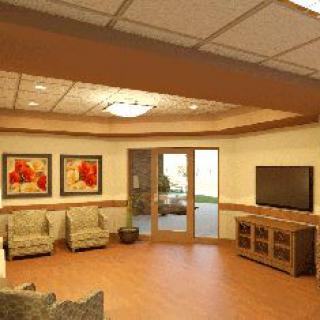
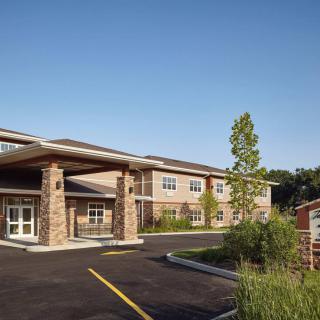
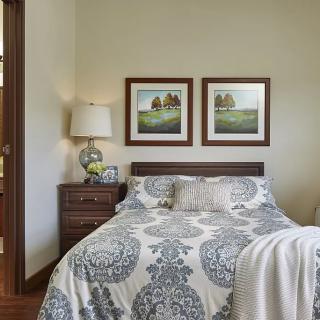
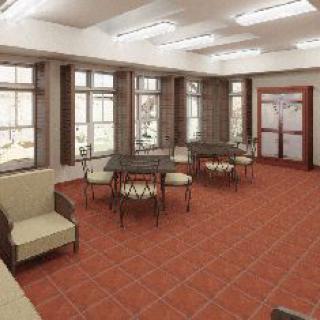
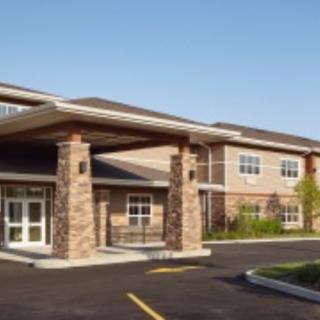
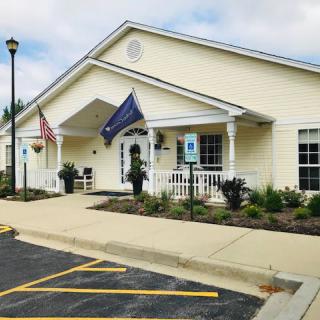
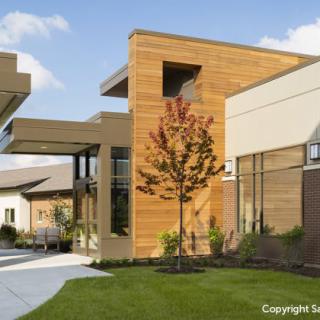
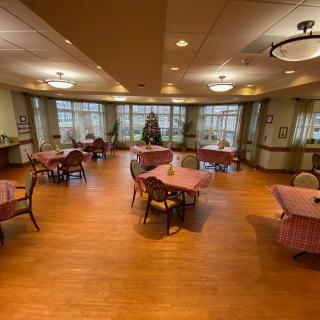
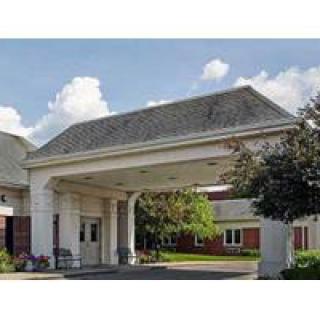
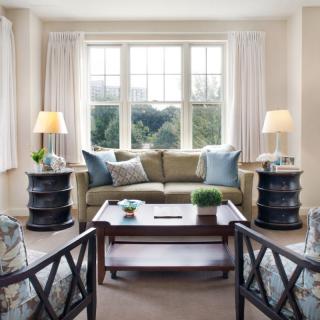
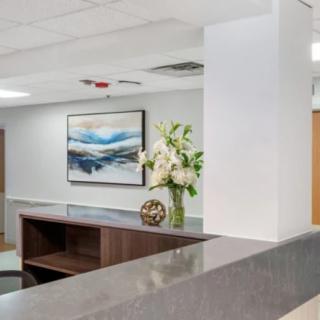
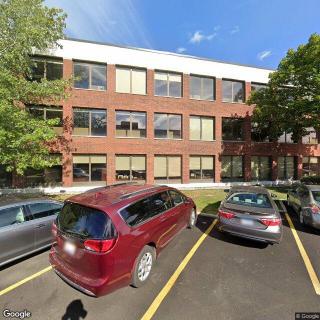
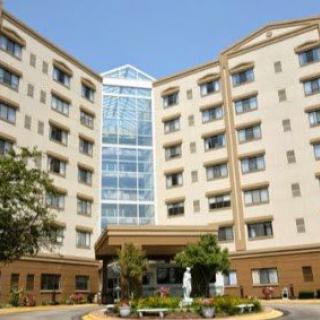
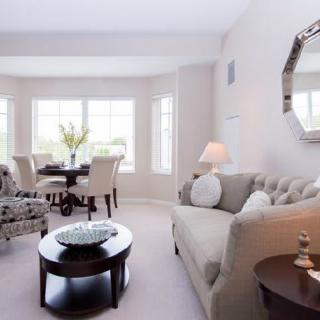
Terra Vista of Oakbrook Terrace on seniors.fyi includes 39 photos including images showing interior, windows, building, landscaping, dining, bedroom, decor, living room, and more.
Nearby Communities
Lifecare Home Solutions, Inc.
Oakbrook Terrace, IL
2.3 from 7 reviews
Excellent location with extensive nearby amenities.
Oak Brook Healthcare Centre
Oak Brook, IL
5 from 2 reviews
$5,040 to $6,240 / month
Excellent care in a welcoming, supportive environment with standout staff (e.g., Kirstin).
Oak Brook Care
Oak Brook, IL
3.5 from 11 reviews
Clean, well-maintained facility with friendly staff and effective rehabilitation services.
Sunrise at Fountain Square
Lombard, IL
4.3 from 111 reviews
$3,567 to $5,940 / month
Caring, attentive staff with a vibrant social atmosphere.
Lexington Of Elmhurst
Elmhurst, IL
3.1 from 99 reviews
Extensive on-site amenities and 24/7 care support (ADL assistance, meals, transportation, wellness programs).
Inland Real Estate Group
Oak Brook, IL
3.9 from 22 reviews
Excellent access to nearby amenities and healthcare.
Lexington Square of Elmhurst a CCRC
Elmhurst, IL
4.8 from 138 reviews
$1,673 to $4,200 / month
Responsive staff and engaging activities in a safe, well-maintained setting.
Park Place of Elmhurst
Elmhurst, IL
4.4 from 60 reviews
$3,655 to $5,780 / month
Recently remodeled, clean and well-maintained with friendly staff and a strong sense of community.
The Sheridan At Oak Brook
Oak Brook, IL
4.3 from 84 reviews
Kind, attentive staff with a vibrant activities program and upscale, well-maintained facilities that foster community.
Sundown syndrome, or sundowning, is a phenomenon in dementia patients characterized by increased confusion and agitation during late afternoon and evening, influenced by factors like disrupted circadian rhythms and fatigue. Effective caregiver strategies include establishing routines and managing environmental light while addressing caregiver stress through support services.
Delirium is a rapidly onset, reversible cognitive disturbance often caused by acute medical issues, while dementia is a gradual and irreversible decline due to chronic neurodegenerative diseases. Accurate differentiation between the two is essential for appropriate treatment and management in older adults.
Dementia, including Alzheimer’s disease, is often mischaracterized in terms of lethality as it leads to complications that can be fatal rather than being a direct cause of death; it causes a progressive decline in cognitive and physical health, making patients vulnerable to infections and other health crises. Effective management of nutrition, hydration, and communication is crucial in patient care, with palliative care becoming vital in advanced stages to enhance comfort and quality of life while caregivers play a key role amidst the challenges posed by the disease.
Get PricingAsk A QuestionSchedule A TourContact Senior Advisor
By clicking submit, you agree to our Partner's Terms of Use. You
also consent to receive calls and texts, which may be autodialed, from our Partner. Your consent is not a condition to
using our Partner's service. Please visit our Partner's Privacy Policy for information about their privacy practices.









 106 resident community capacity
 Studio apartments
 Assisted Living
 Memory Care
 Activities off-site
 Air-conditioning
 Beautician on-site
 Cable or satellite TV
 Computer center
 Devotional services off-site
 Dining room
 Fitness room
 Fully furnished
 Gaming room
 Garden
 Ground floor units
 Handicap accessible
 Housekeeping services
 Indoor common areas
 Kitchenette
 Move-in coordination
 Outdoor common areas
 Private bathrooms
 Restaurant-style dining
 Small library
 Telephone
 Wellness center
 Wheelchair accessible showers
 Wi-Fi/high-speed internet available
 Chicago O'Hare International (9 miles away)
 Community operated transportation
 12-16 hour nursing
 24-hour call system
 Ambulatory care
 Assistance with bathing
 Assistance with dressing
 Assistance with transfers
 Diabetes diet
 Diabetic care
 High acuity care
 Incontinence care
 Medication management
 Mental wellness program
 Special dietary restrictions
 Art classes
 Catholic services
 Concierge services
 Cooking classes
 Day trips and outings
 Educational speakers / life long learning
 Karaoke
 Excellent location with extensive nearby amenities.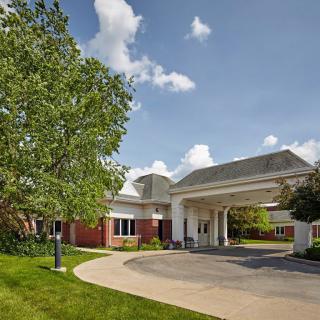

 Comprehending Evening Confusion in Dementia: Causes, Manifestations, and Support
 Delirium and Dementia: Unraveling the Key Differences
 Are Dementia and Alzheimer's Disease Lethal? A Comprehensive Exploration