

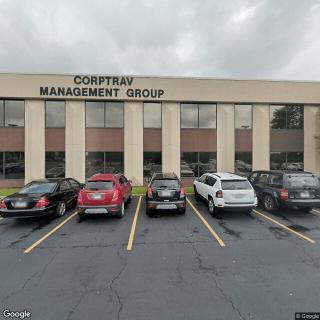
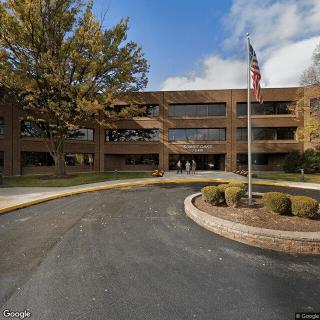
2901 Butterfield Road, Oak Brook, IL 60523
To contact a resident: (630) 218-8000
For more information about senior living options: (866) 208-4318
Overall Review of Inland Real Estate Group
Pros
 David McGowen's lessons are very well structured, and he is dedicated and knowledgeable.
- His use of questioning techniques demonstrates a remarkable ability to engage students actively.
- The reviewer had the best experience with the course, and advises putting time into studying to succeed.
- A reviewer notes that David is really nice.
- Inland is a diverse group of companies, and the reviewer is impressed by their commitment to the community.
Cons
 The Wheaton-Glenmont apartments reportedly have ceiling leaks, garbage accumulation, and a garage entrance left open for months.
- The management is described as unhelpful and sometimes condescending when providing information.
- There are mentions of black mold and bed bugs, implying rent should be considered at one’s own risk.
- Inland is portrayed as a very poorly run company with poor customer service and unresponsive offices that avoid calls and fail to issue refunds.
- They were promised next-day approval notifications but were ignored for two weeks before an email announced approval and a move-in date.
- Six months later, Inland allegedly sent them to collections for supposed insufficient funds, despite payment made and a receipt.
- This is claimed to be the worst experience with any management property company, prompting reconsideration of Inland properties.
- They declined to move into a property due to poor customer service.
Review
This Oak Brook community from Inland Real Estate Group is best suited for active seniors and families who want the security of a large, community-minded operator and are prepared to actively manage the relationship with property management. It rewards residents who value a broad network of properties, potential programming, and a corporate footprint that emphasizes community involvement. The right resident shows up ready to verify lease terms, press for timely repairs, and navigate a multi-property system to secure consistent service across locations.
Those seeking a hands-off experience with flawless upkeep and crystal-clear communications may want alternatives. The reviews reveal a pattern of maintenance gaps, variable tenant service, and occasional financial friction: leaks and mold in some units, pests, and delayed or opaque responses from management. The experience of moving through these properties hinges on the ability to push for accountability; without that, the negotiations and move-in processes can devolve into confusion and disappointment. Families with fixed budgets and strict timelines should be cautious and verify every promise in writing.
On the positive side, Inland's scale and community orientation show up as tangible strengths. The operator earns praise for commitment to the broader community and for programs that engage residents, including well-structured instructional experiences described in the course context and staff members who are attentive. The signal of easy ingress and egress in some reviews hints at straightforward leasing processes and a capacity to shift residents between properties without dragging out paperwork. In short, the corporate breadth is an asset for those who can leverage it to access resources, perks, and a sense of security that a bigger operator can offer.
Yet the major drawbacks temper those advantages. Management responsiveness can be inconsistent, with accounts of slow updates, unhelpful or condescending staff, and, in worst cases, broken promises regarding refunds or move-in dates. Maintenance lapses, ranging from ceiling leaks to mold and even pests, pose clear health and quality-of-life risks. The combination of communication gaps and financial friction, including disputes and collections after deposits, undermines trust and makes a straightforward leasing path fragile. For seniors who depend on predictable service and clean, safe living spaces, these gaps become the deciding factor.
Where the pros matter, they do so only when offset by proactive oversight. If a prospective resident dedicates time to securing detailed service-level expectations, insists on written guarantees, and maintains a tight move-in checklist, the benefits of scale, like cross-property convenience and access to a broader support network, can pay dividends. The community focus and program-oriented approach can improve quality of life once a relationship with management is firmly established and monitored. The key is to enter with clear benchmarks and a plan to escalate issues promptly rather than hoping for good outcomes.
Bottom line: this operator is not a one-size-fits-all solution. It suits independent, cost-conscious residents who are prepared to police the lease, demand timely maintenance, and tolerate some variability in service. For those who require consistent high-touch care, spotless units, and flawless administration, alternatives with stronger track records for reliability should be explored. If staying with Inland, aim for a property-specific review, insist on transparent pricing and incident histories, and treat management as a partner rather than a passive provider. The decision hinges on the willingness to advocate, document, and escalate, skills that can transform a sprawling portfolio into credible value.
 Chicago O'Hare International (10 miles away)




 Essential Knowledge on Pneumonia in Older Adults
 Exploring Palliative Care in the Home: A Comprehensive Overview
 Comprehensive Insights into Palliative Home Care: What It Is and What to Expect