




3460 Saratoga Ave, Downers Grove, IL 60515
To contact a resident: (630) 971-1995
For more information about senior living options: (866) 208-4318
Saratoga Grove Costs & Pricing
Saratoga Grove offers competitive pricing for its living accommodations compared to both DuPage County and the broader Illinois market. For instance, the monthly cost of a studio unit at Saratoga Grove is $3,995, which is notably lower than the county average of $4,580 and slightly below the state's average of $4,028. In terms of semi-private rooms, Saratoga Grove again presents a more attractive option at $4,650 compared to higher costs in DuPage County and Illinois at $5,848 and $5,146 respectively. However, the pricing landscape shifts with one-bedroom units at Saratoga Grove priced at $4,725 - a figure that exceeds both county and state averages of $3,913 and $3,527. Lastly, for those seeking more space with two-bedroom accommodations, Saratoga Grove's rate of $6,540 stands in stark contrast to the significantly lower averages of $4,636 in DuPage County and $4,208 across Illinois. Overall, while Saratoga Grove excels in specific categories such as studios and semi-private rooms, it positions itself differently for larger living arrangements within the regional market context.
| Floor plans | Saratoga Grove | DuPage County | Illinois |
|---|---|---|---|
| Studio | $3,995 | $4,580 | $4,028 |
| Semi-Private | $4,650 | $5,848 | $5,146 |
| 1 Bedroom | $4,725 | $3,913 | $3,527 |
| 2 Bedrooms | $6,540 | $4,636 | $4,208 |
Memory care communities with a similar price nearby
-
from -$495 / mo
Pheasant Branch
$3,500 to $4,000 / month15.9 miles away -
About the same
Colfax Manor Assisted Living
$4,000 to $6,000 / month24.1 miles away -
from -$700 / mo

Clarendale Six Corners
$3,295 to $7,695 / month16.5 miles away -
About the same
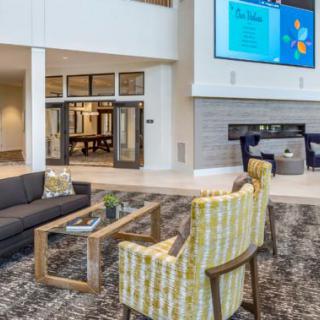
The Landings
$4,000 to $5,000 / month17.2 miles away -
from +$568 / mo
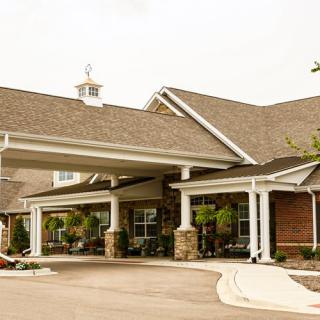
Bickford of Aurora
$4,563 to $5,170 / month19.0 miles away
Overall Review of Saratoga Grove
Pros
 Saratoga Grove is a very nice facility with knowledgeable and friendly staff.
- The in-person tour was a great experience and the facility was a top choice.
- The staff at Saratoga Grove are very helpful and friendly and answer questions.
- The facility is clean and well-maintained.
- The place is very friendly and clean.
- The facility is top-rated.
- The value is great.
Cons
 The reviewer did not like the community.
- It felt very dark and gloomy.
- The atmosphere was not friendly.
- Everything was gray in color.
- The halls were dead-ended.
- The elevator was disliked.
- There was nothing the reviewer liked about it.
- The price was a little too high.
- The community was too far from where they lived.
- It wasn't a great fit for the reviewer’s grandma due to personality.
Review
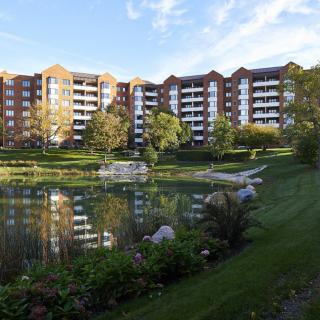
Saratoga Grove in Downers Grove is best suited for families that want a solid, staff-driven assisted living option in the western suburbs, where safety, cleanliness, and dependable day-to-day care are the primary criteria and a bright, modern ambiance is not nonnegotiable. The community offers a well-maintained environment and a team that comes across as knowledgeable and approachable. It fits residents who want a predictable routine, reliable access to staff, and a facility that feels cared for even if it isn’t the flashiest or most cutting-edge in its design. For newcomers prioritizing a bright, contemporary aesthetic or a highly active social scene, Saratoga Grove will feel more conventional than chic, but it delivers consistency where that matters most.
Those who may want to consider alternatives include families drawn to radiant interiors, open layouts, and a more modern feel. If memory care is a central concern and requires specialized, highly responsive behavior management, this community has raised concerns in the past about care approaches and responsiveness in episodes of agitation. Budget-conscious families may also want to compare; a number of reviewers flagged cost as a major consideration, sometimes describing the rate as steep for what is offered. Finally, proximity matters: for households not local to Downers Grove, the commute can weigh heavily against ongoing peace of mind, since location strongly colors daily access and visitation ease.
The strongest positives here, friendly, knowledgeable staff and a clean, well-run environment, often do a solid job of offsetting the downsides. Families consistently cited staff accessibility and willingness to answer questions as a standout strength, contributing to a sense of safety and reassurance. The facility’s cleanliness and general upkeep also came through as a solid baseline, reinforcing confidence that residents will live in a respectful, well-maintained setting. When these practical strengths align with a resident who does not require highly specialized memory-care interventions, the overall package can feel reliable and predictable, providing a trustworthy home base without surprises in everyday operations.
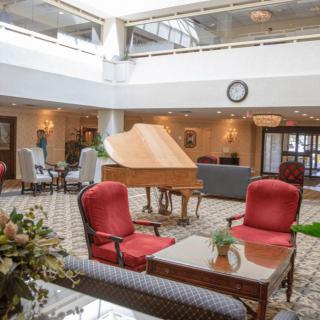
But the main drawbacks temper the appeal. A drab, darker atmosphere, described by some as gloomy and not welcoming, can dampen mood and affect how residents settle into daily life. The layout, with long dead-end corridors and some navigational quirks, can hinder ease of movement and wayfinding, particularly for visitors or residents who prefer intuitive, open spaces. On the care front, there are serious cautions about memory-care experiences, including reports of practices that suggested overreliance on medication rather than tailored care, and gaps in staff confidence handling individual needs. These issues can erode trust for families seeking a highly responsive memory-support environment, making Saratoga Grove a more comfortable choice for general assistance than for complex behavioral care.
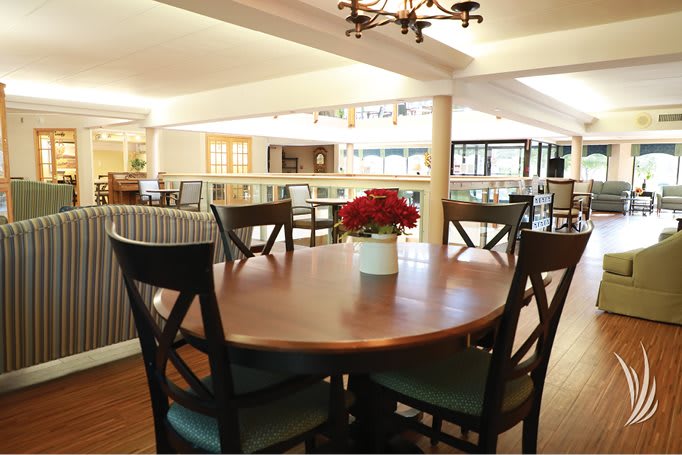
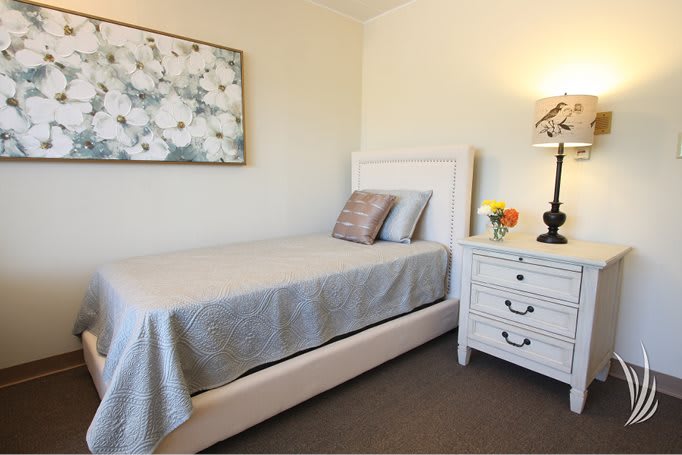
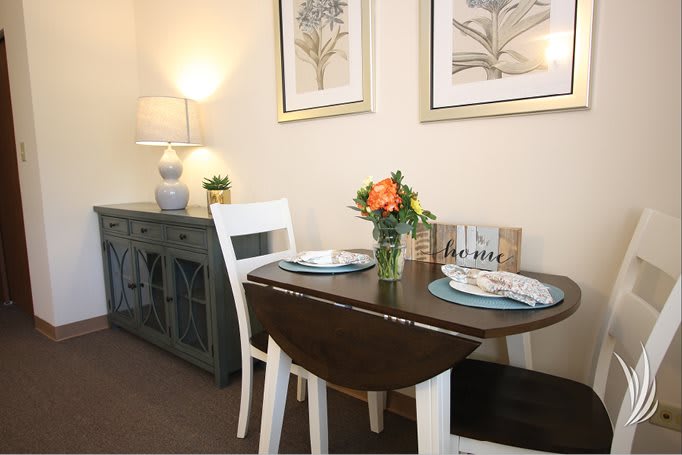
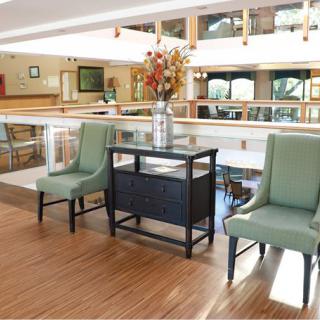
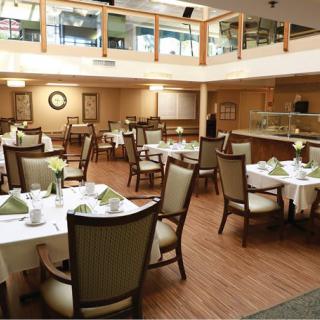
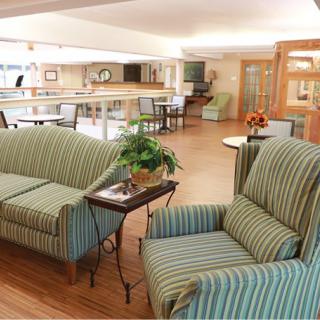
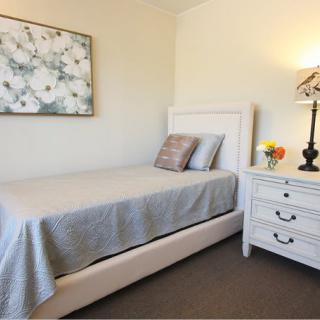
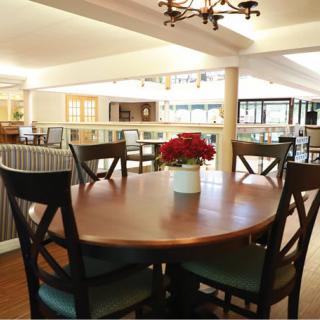
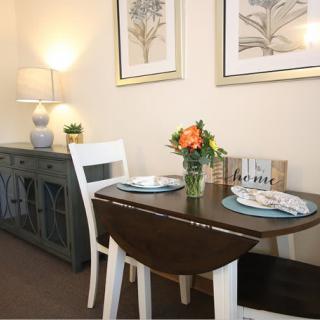
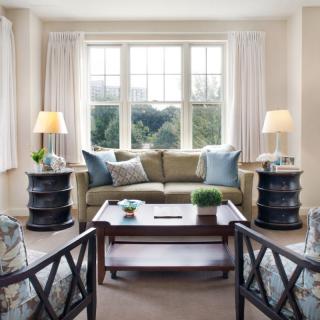
Environment and capacity considerations also color the decision. At roughly 25 years old, the facility shows a respectable level of maintenance and upkeep, but it does not present as exceptionally modern. Some prospective residents fear that a tighter space in studios without kitchen areas could limit independence for those who enjoy light cooking or a sense of autonomy inside their living area. Several reviews note that while the community is clean and well-kept, the atmosphere does not always feel bright or uplifting, which may matter greatly for residents who thrive on vibrant surroundings or frequent social stimulation. Aesthetics aside, these elements influence overall satisfaction and willingness to settle in for the long term.
Cost and value anchor the final calculus. Price emerges repeatedly as a critical variable, with some families recognizing the value in a high-quality, attentive staff and dependable environment, while others simply feel the rate is too steep for what is delivered, especially in comparison to peers offering similar care at lower price points. The ambiguity around ancillary charges, such as requests for external nursing support, adds to the tension, making it essential to scrutinize what is included in base rates and what would incur additional fees. In this light, Saratoga Grove can be a smart choice for peace of mind if budget allows and if the priority is steady staffing and clean, orderly facilities; it risks becoming an uncomfortable stretch for households with tighter finances or those seeking comprehensive memory-care excellence at a lower premium.
Decision-makers should approach Saratoga Grove with a pragmatic, goal-driven plan. Schedule a focused tour that probes memory-care capabilities, staffing ratios, and response times for needs that go beyond routine assistance. Ask direct questions about medication practices, whether external nurses are ever required, and how care plans are developed and updated. Inspect living spaces for room size, accessibility, and the availability of kitchenettes, and evaluate how the design impacts daily life and social opportunities. Finally, benchmark against nearby communities that emphasize brighter interiors, stronger specialized memory-care programs, or more flexible pricing structures, so the choice aligns with core priorities: safety and staff quality for daily life, versus aesthetic appeal, cost, or specialized memory support.
 Assisted Living
 Independent Living
 Memory Care
 Activities off-site
 Air-conditioning
 Beautician on-site
 Cable or satellite TV
 Devotional services off-site
 Ground floor units
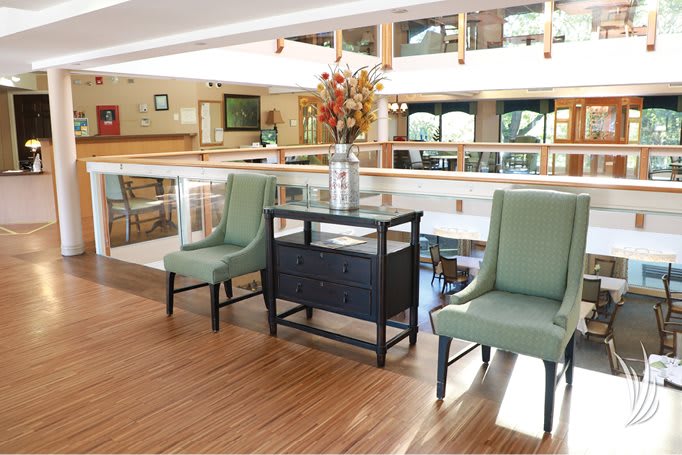
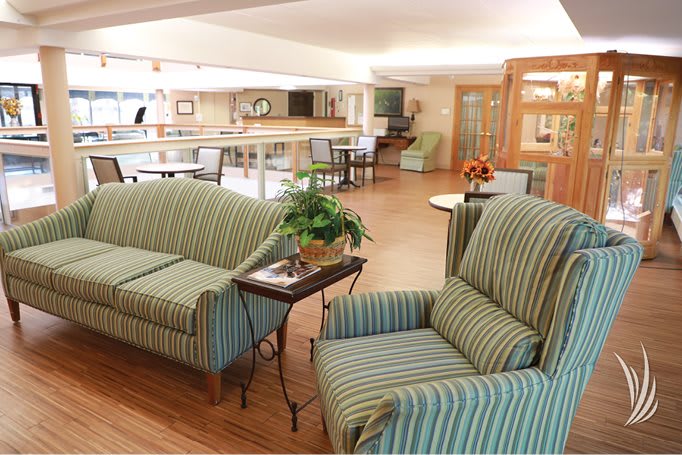
 Indoor common areas
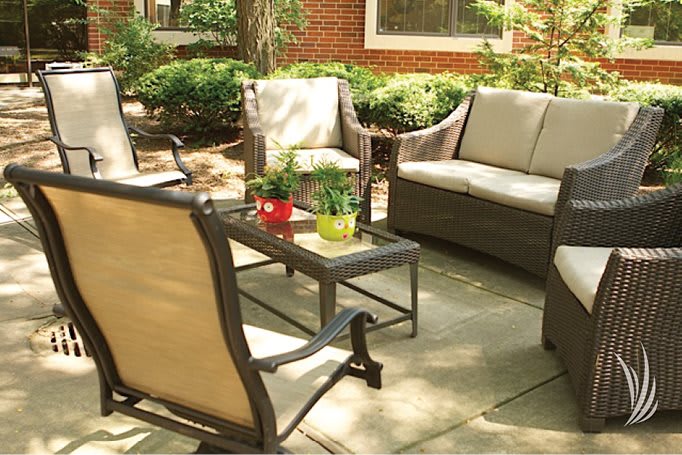
 Outdoor common areas
 Private bathrooms
 Respite or short term stays offered
 Wheelchair accessible showers
 Wi-Fi/high-speed internet available
 Chicago O'Hare International (12 miles away)
 Ambulatory care
 Diabetic care
 Incontinence care
 Medication management
 Guest meals
 Catholic services
 Day trips and outings
 Live dance or theater performances
 Live musical performances
 Stretching classes



 Nourishing the Mind: Essential Dietary Approaches for Dementia
 Understanding Dementia Behaviors: Practical Insights and Strategies for Caregivers
 When Dementia Sparks Anger and Aggression: Understanding the Connection and Ways to Cope