For more information about senior living options: (866) 208-4318
4.9 from 121 reviews
5 stars
116
4 stars
1
3 stars
0
2 stars
0
1 stars
4
Overall Review of Life Care Home Health
common3 reviews mention this
Speech therapy is part of care
Speech therapy is described as a real part of recovery support.
Several residents describe getting speech therapy alongside other home-health services. Reviews connect speech therapy with improvements during recovery, and families mention the therapists being patient and helpful. For people needing speech support at home, it shows up consistently in what residents actually received.
common10 reviews mention this
Care teams stress professionalism
Residents frequently describe nurses and therapists as professional and knowledgeable.
Across reviews, residents and families repeatedly emphasize professionalism and knowledge from the nursing and therapy team. Many comments focus on clinicians taking time to explain what is happening, responding to concerns, and providing structured guidance for recovery and exercises. There are also mentions of clinicians showing up prepared and following through on what was discussed.
caveat3 reviews mention this
Communication and scheduling can fail
Some reviews report problems with communication and dependable scheduling.
A small set of reviews points to breakdowns in reliability, including missed follow-ups, late or unclear communication, and scheduling issues. One negative review also describes getting the wrong type of therapy coverage and delayed service for supplies. Another review contrasts a state-funded experience with a private one, calling out communication problems and unlicensed caregivers.
How we summarize
Counts show how many written reviews mention each theme; a review can touch several themes, and only frequently mentioned themes are displayed.
Features
Transportation
Chicago O'Hare International (12 miles away)
Chicago Midway (14 miles away)
Nearby Places of Interest
Restaurants
Portillo's Hot Dogs (0.2 miles)
Cooper's Hawk Winery & Restaurant (0.6 miles)
Greek Islander Restaurant (1.1 miles)
Chick-Fil-A (1.1 miles)
McDonald's (2.6 miles)
Macy's Marketplace (3.6 miles)
Maggiano's (3.7 miles)
Theaters
AMC DINE-IN Yorktown 18 (1 miles)
AMC Oakbrook Center 12 (3.7 miles)
Cinemark (5.2 miles)
Physicians
Dupage Medical Group (1.3 miles)
Salt Creek Medical Imaging (3.3 miles)
Dupage Medical Group (4.1 miles)
Wheaton Eye Clinic (5.8 miles)
Dupage Medical Group (5.9 miles)
Loyola Medicine Burr Ridge (7.4 miles)
Northwestern Medicine Proton Center (7.4 miles)
Pharmacies
Walgreens (1.7 miles)
Walgreens (1.9 miles)
Walmart Pharmacy (1.9 miles)
CVS Pharmacy (2 miles)
Walgreens (2.7 miles)
Walgreens (3.1 miles)
Walgreens (3.5 miles)
Cafes
Qahwah House (2 miles)
Starbucks (2.7 miles)
Starbucks (5.1 miles)
Starbucks (5.9 miles)
Starbucks (6.4 miles)
Peet's Coffee and Tea (6.9 miles)
Panera Bread (7.5 miles)
Places of Worship
St Andrews Episcopal Church (2.4 miles)
College Church (4.9 miles)
Transportation
Metra - Downers Grove Main Street (2.6 miles)
Metra (2.7 miles)
Metra (3.7 miles)
Metra Train Station (3.9 miles)
Metra (5.5 miles)
Hospitals
DuPage Medical Center (2.6 miles)
Edward-Elmhurst Health Center (5.1 miles)
Marianjoy Rehabilitation Hospital and Clinics (6.3 miles)
Northwestern Medicine Central DuPage Hospital Sleep Health Center (7.6 miles)
Central Dupage Hospital - Mother & Baby Pavilion (7.6 miles)
Parks
Newton Park (2.9 miles)
Du Page Forest Preserve Dog Park (3.3 miles)
Briar Knoll Park (4.3 miles)
Seven Gables Park (4.7 miles)
McCollum Park (4.7 miles)
Illinois Prairie Path - Mile Marker Zero (5.5 miles)
Palliative care focuses on alleviating distress at any stage of a serious illness and can accompany curative treatments, while hospice care is for those nearing the end of life with a prognosis of six months or less, emphasizing comfort over curative measures. Both prioritize holistic care for patients and families but differ in timing, goals, and scope.
Fecal incontinence, prevalent among older adults, arises from factors like weakened pelvic muscles and nerve damage, significantly affecting well-being and social interactions. Diagnosis involves clinical evaluation and tests to inform tailored treatments, while caregivers and preventive measures can aid in managing the condition effectively.
Gardening provides seniors with physical exercise, mental and emotional support, and social interaction opportunities, while accommodating their needs through raised beds and ergonomic tools. It promotes health benefits like improved dexterity and cardiovascular health, encourages sustainable practices, and allows for manageable upkeep with low-maintenance plants.
Get PricingAsk A QuestionSchedule A TourContact Senior Advisor
By clicking submit, you agree to our Partner's Terms of Use. You
also consent to receive calls and texts, which may be autodialed, from our Partner. Your consent is not a condition to
using our Partner's service. Please visit our Partner's Privacy Policy for information about their privacy practices.

 Chicago O'Hare International (12 miles away)
 Friendly, knowledgeable staff and clean, well-maintained facility.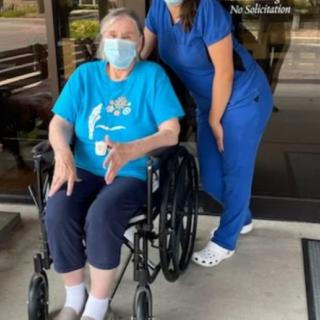





 Understanding the Nuances of Palliative Care and Hospice: A Comprehensive Exploration
 Fecal Incontinence in Older Adults: A Comprehensive Guide
 Nurturing Well-Being Through Gardening: A Detailed Guide for Senior Enthusiasts